
Define
Your Best
Matcha.
The "best" matcha isn't always the most expensive. It’s the one perfectly engineered for your specific application—whether that's a traditional ceremony, a bustling café menu, or an organic retail launch.
What makes it "Best"?
For commercial buyers, true quality is measured by performance, not just a price tag. Using ultra-premium Ceremonial Grade in a baking recipe will result in lost flavor, while using Culinary Grade for direct drinking will yield a bitter cup. The "best" choice integrates your use case, target flavor profile, certification needs (like USDA/EU Organic), and supply reliability.
Find the ideal matcha for your vision.
Scroll through our core application pathways to see which quality grade aligns with your product development goals. If you need customized bulk solutions, explore our wholesale services.
Direct Drinking & Tea Ceremony
Direction: Ceremonial-Style
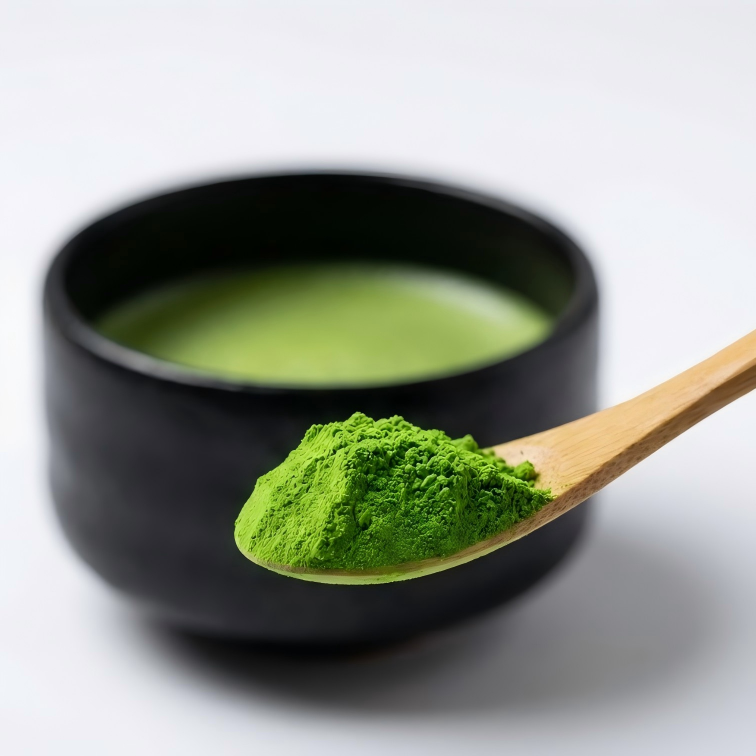
When matcha is whisked directly with water, the focus must be on smooth umami, refined mouthfeel, and zero astringency. This requires the youngest, shade-grown spring leaves.
Explore Ceremonial Grades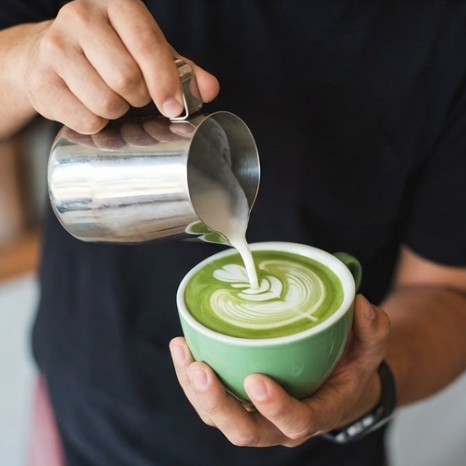
Café Lattes & Mixology
Direction: Beverage Grade
Milk and syrups drown out delicate flavors. You need a bolder, more robust matcha presence that cuts through dairy or plant milks while maintaining a vibrant green hue.
Discover Beverage Grades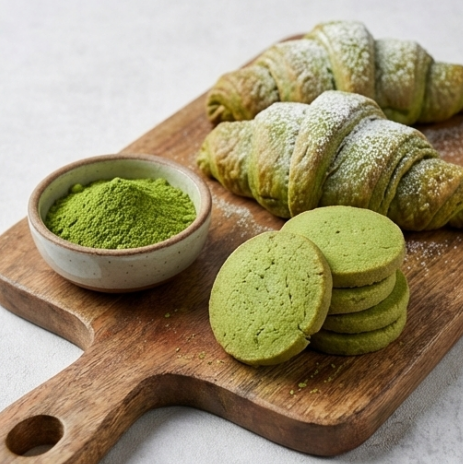
Baking & Culinary Creation
Direction: Culinary Grade
Subjected to high heat and mixed with complex fats. Requires exceptional heat stability, strong color retention, and high cost-efficiency for industrial or bakery scale.
View Culinary MatchaPrecision Sourcing Tool
Let our algorithm match you with the exact formulation logic in 3 steps.
What is the primary application?
What is your non-negotiable priority?
What is your commercial goal?
...
...
The Quality Matrix
Evaluating bulk matcha requires moving beyond marketing buzzwords. Here are the 5 signals that actually dictate commercial performance.
Color Resilience in Context
Neon green powder is beautiful, but how does the color hold up after 30 minutes in a hot latte, or 30 days in a clear RTD bottle? Evaluation must happen in the final matrix.
Micron Fineness
Poor milling means clumping in cold milk and a sandy mouthfeel. Fineness dictates dispersion.
Umami vs. Astringency
Ceremonial requires high L-theanine (umami). Baking requires robust catechins (astringency) to survive heat.
Documentation & Repeatability
One golden sample is useless if batch #2 differs. B2B buyers need COAs, strict heavy metal limits, and verified organic certificates.
Explore the Ecosystem
Navigate our specialized supply channels built for distinct commercial operations.
Critical Buying Mistakes
Judging by dry powder color
Bright color is attractive, but high-end culinary grades are oxidized slightly to survive oven heat. Color must be judged in the final matrix.
Wasting Ceremonial on Lattes
Ceremonial matcha is delicate. In a heavily sweetened milk latte, its expensive umami is completely buried. Use Beverage Grade instead.
Ignoring dispersion specs
For high-volume cafés, a matcha that clumps in cold milk ruins operational speed. Micron size and solubility matter.
Spot-buying on price alone
A cheap spot-buy is useless if batch #2 tastes different. B2B purchasing requires strict factory consistency and OEM spec-locking.
Procure with
Confidence.
Skip the guesswork. Describe your application, and our sourcing directors will match you with the correct spec sheet and free pilot samples.