
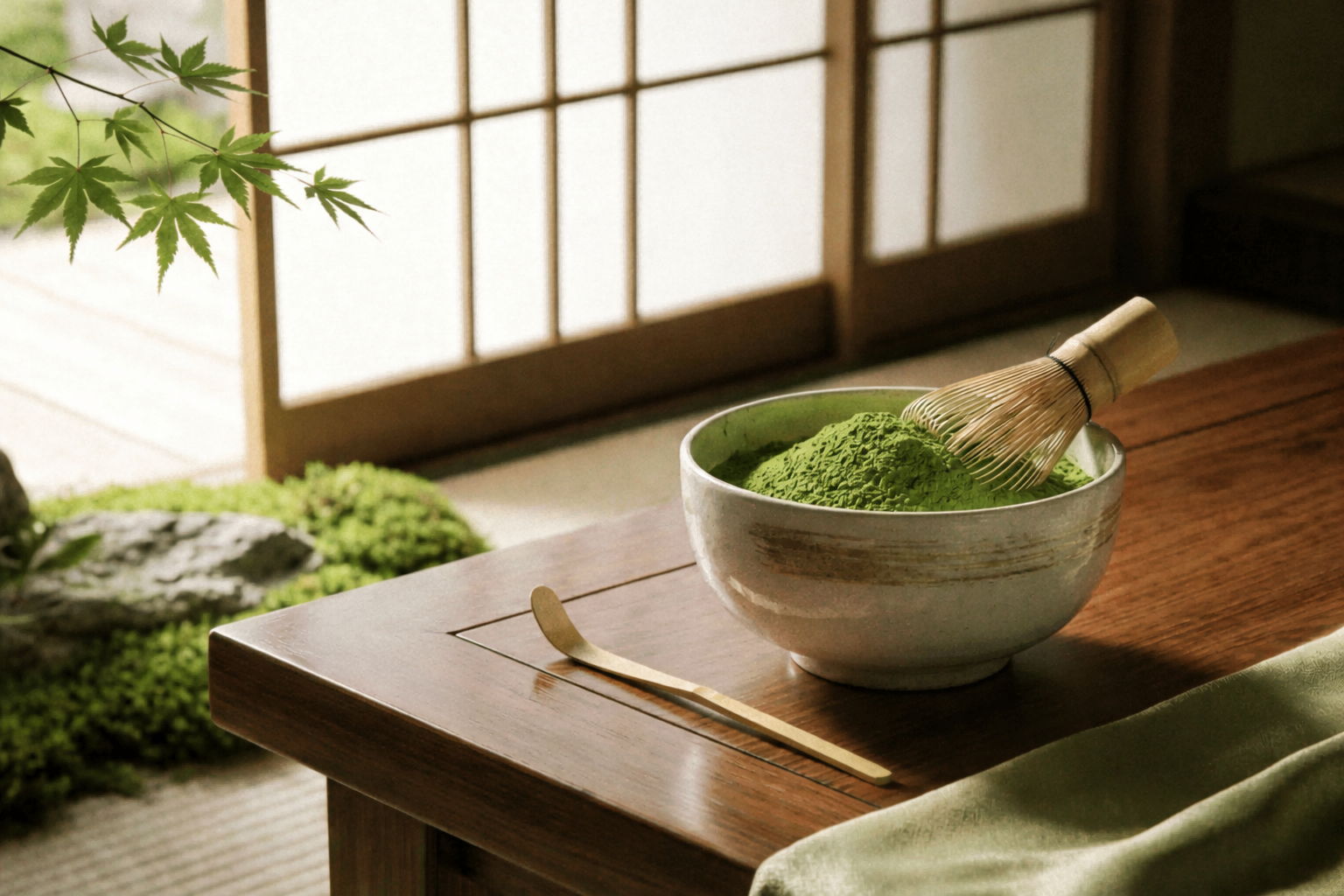
Matcha for
Cosmetics & Skincare.
Matcha-based ingredient concepts for skincare, beauty, and personal care products—designed for botanical storytelling, sensory appeal, and OEM / private label development.
From masks and cleansers to scrubs, soaps, and lifestyle beauty products, matcha can support a strong natural-positioning story when paired with the right formulation, packaging, and compliant market messaging.
- Botanical ingredient story for skincare concepts
- Suitable for masks, cleansers, scrubs, soaps, and beauty blends
- OEM / private label concept development
- Compliance-aware wording and documentation support
Tell us your product type, target market, and concept direction. We’ll help you explore a suitable matcha-based skincare path.
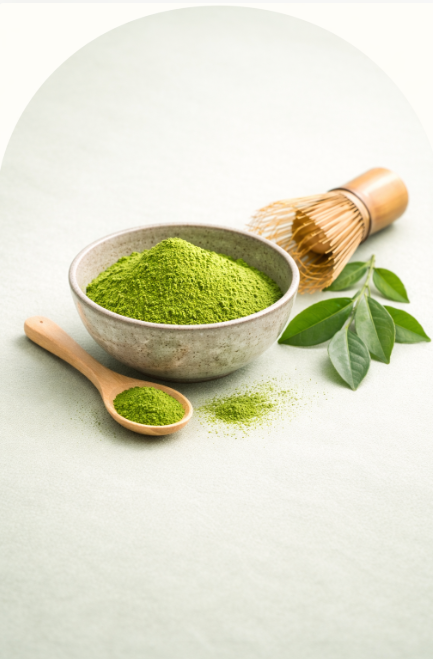
Why Matcha Is Used in Skincare Concepts
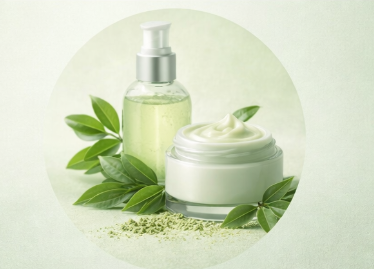
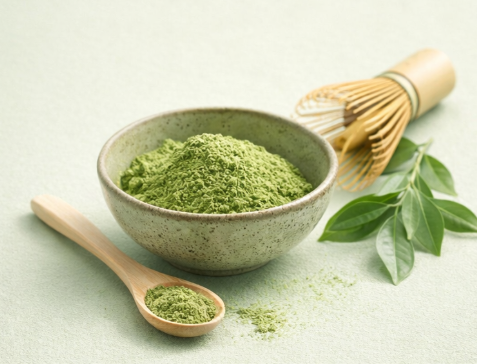
Matcha is often used in skincare and cosmetic concepts because it supports a strong botanical identity and a recognizable green tea story in beauty product positioning.
In cosmetic development, matcha is valued not only for ingredient story, but also for visual identity, natural-origin positioning, and the sensory experience it can support in products such as masks, cleansers, scrubs, and wash-off formulations.
For B2B buyers, the real question is usually not “is matcha good for skin?” in a general sense. The more useful question is:
How should matcha be positioned, formulated, and labeled in a cosmetic product for the target market?
That is why this page focuses on product direction, formulation fit, packaging, and compliant communication rather than exaggerated claims.
What Cosmetic Brands Need from Matcha-Based Ingredients
For cosmetic brands, matcha works best when it fits both the product formula and the brand story.
Botanical Story
A recognizable plant-based ingredient story that fits natural, green, or wellness-oriented beauty positioning.
Sensory Fit
An ingredient direction that works with the intended texture, rinse-off behavior, or visual profile.
Color Identity
Matcha can contribute to a strong green, plant-based visual language in certain product categories.
Formulation Practicality
The ingredient direction should work with your chosen product type, base system, and process flow.
Claim Safety
The marketing story should stay within cosmetic-appropriate wording for the destination market.
Need help choosing the right direction?
Recommended Matcha-Based Product Directions
The best matcha-based skincare concept depends on the product type, the target customer, and how the ingredient story is meant to support the formula.
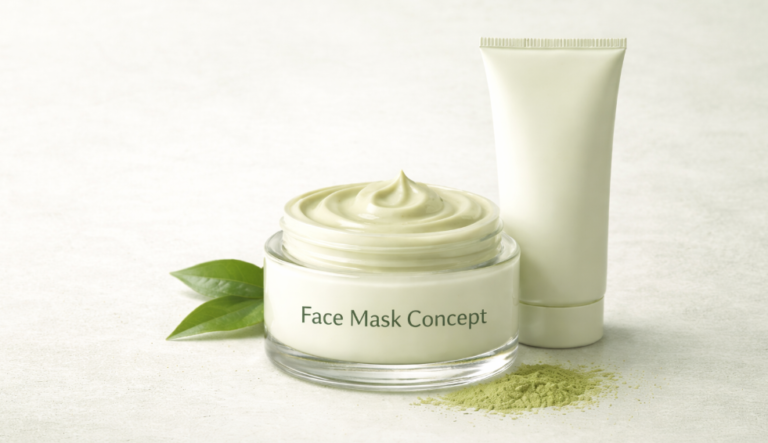
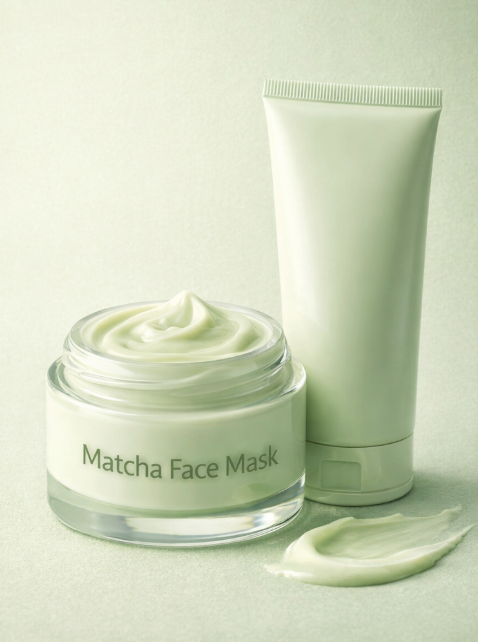
Matcha Face Mask Concepts
- Best for: botanical masks, powder masks, wash-off clay masks
- Why it works: strong green visual identity and a clean botanical story
- Best for buyers who want: a visible plant-based concept
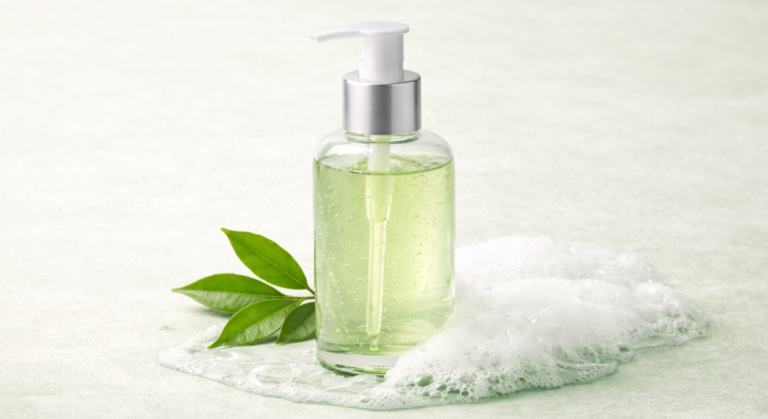
Matcha Cleanser & Wash Concepts
- Best for: gel cleansers, powder cleansers, bar cleansers, wash-off formats
- Why it works: supports a fresh, daily-use, plant-based positioning
- Best for buyers who want: a gentle routine-oriented story
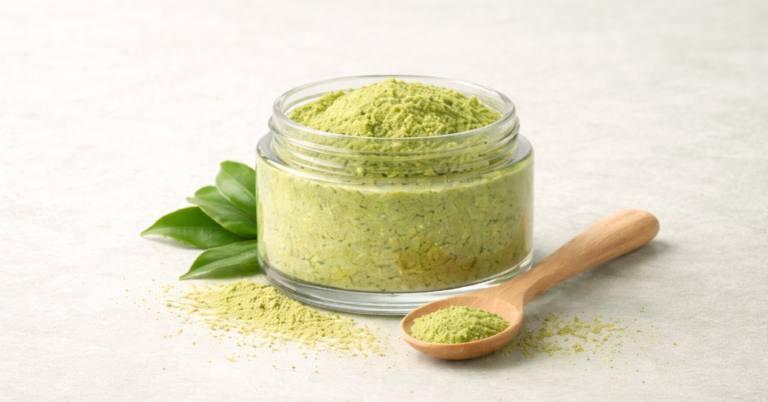
Matcha Scrub / Exfoliating Concepts
- Best for: body scrubs, wash-off exfoliating products, textured formulations
- Why it works: pairs well with ritual-based and natural-positioning product lines
- Best for buyers who want: a sensory-forward beauty concept
Matcha Soap / Body Care
Best for: soap bars, body wash, body care ranges.
Why it works: fits visual storytelling and botanical body care positioning.
Best for buyers who want: a broader line-extension opportunity.
Matcha Lifestyle Beauty
Best for: gift sets, wellness beauty kits, botanical concept collections.
Why it works: useful for brand building and private label expansion.
Best for buyers who want: a differentiated concept story across multiple SKUs.
Matcha by Cosmetic Application
Different cosmetic formats need different formulation priorities. Matcha should be selected and positioned according to the final product system.
Face Masks
Useful for wash-off masks, powder masks, clay masks, and spa-style product concepts where visual identity matters.
Cleansers
Suitable for cleanser concepts where botanical positioning and gentle daily-use perception are important.
Scrubs & Polish
Works well in product stories that combine texture, ritual, and visible plant-based identity.
Soap & Body
Can support natural-looking product lines for body cleansing and routine care.
Powder Blends
Useful for brands targeting mix-at-home, experiential, or ritual-focused beauty formats.
Tell us your format and we’ll suggest the most suitable direction.
Sensory, Color & Formulation Considerations
For skincare development, ingredient story alone is not enough. Matcha should also make sense in the final sensory and formulation environment.
Color in the Final Product
The visible green tone may vary depending on the base system, pH, oil phase, water phase, and packaging.
Texture & Feel
The particle form, base compatibility, and product type can affect how matcha contributes to product feel and visual texture.
Stability & Ingredient Pairing
Ingredient behavior may change depending on the formulation environment, preservation system, and shelf-life expectations. Matcha-based concepts often need to be evaluated together with the rest of the formula, not as a standalone story ingredient.
Ask us about development directions for:
- clay masks
- powder masks
- face wash
- scrub systems
- body care
- private label lines

Claims & Compliance Boundaries
In cosmetic marketing, wording matters as much as formulation. A strong concept can still become high-risk if the claims move beyond cosmetic positioning.
For skincare and personal care products, the safest direction is usually to build messaging around botanical identity, sensory experience, visual appeal, routine use, and product story—rather than treatment-style promises.
Safer Directions
- • botanical-inspired
- • antioxidant-rich ingredient story
- • fresh-looking skin concept
- • soothing-feel positioning
- • ritual / sensory / daily care language
Avoid as Default
- • treats acne
- • heals skin / repairs structure
- • reverses aging / anti-wrinkle
- • prevents skin disease
- • anti-inflammatory / eczema
OEM / Private Label Skincare Development
Matcha-based skincare projects work best when concept, format, packaging, and labeling direction are aligned from the start.
Product Direction Discussion
We review target market, type, & goal.
Application & Positioning
Align concept with format and story.
Sample Development
Prepare concept directions for review.
Packaging & Label
Format, presentation, and planning.
Production & Delivery
Coordinated production planning.
Fast-start checklist:

Packaging Options for Matcha-Based Beauty Products
Skincare and personal care concepts often rely heavily on packaging to communicate positioning, usage, and product identity.
Bulk / Development Packaging
For formulation work, sample review, contract filling, and B2B product development.
Retail / Private Label Packaging
For pouches, jars, tubes, bottles, bars, and other consumer-ready formats depending on the product type.
Brand Presentation Support
For private label projects, pack format and visual positioning should support the botanical and product-story direction.
Why Buyers Build Matcha-Based Skincare Concepts
Stronger Ingredient Story
Matcha gives brands a recognizable botanical identity that can support product differentiation.
Better Visual Language
The ingredient can support a clear green, plant-based, fresh-looking concept for certain formats.
More Flexible Product Development
It can work across masks, cleansers, scrubs, soaps, and broader beauty concept lines.
Easier Private Label Positioning
A matcha-based story can help brands create more memorable product families and launch concepts.
FAQ: Matcha for Cosmetics & Skincare
1. Is matcha good for skin?
2. Why is matcha used in skincare products?
3. Can matcha be used in masks and cleansers?
4. Can you develop matcha-based skincare for OEM?
5. What cosmetic products can matcha be used in?
6. What should brands know about skincare claims?
7. Can matcha be used in clean beauty or botanical product lines?
8. Does matcha affect product color?
9. Can I request samples before development?
10. Do you support private label packaging?
Start Your Skincare Project.
Tell us your product type, market, and concept direction. We’ll suggest a suitable development path and help you move toward samples and packaging.
