
Japanese-Inspired
Matcha Processing
Premium matcha tea for drinking—built for stable batch consistency and export compliance. Traceable records and audit-ready documentation from tea garden to shipment.
-
Produced in Guizhou, China
-
Refined processing powered by Japanese techniques
-
Full supply-chain control from tea garden to export
-
Audit-ready records and batch traceability
Tell us your application. We’ll recommend the right matcha option.

Source
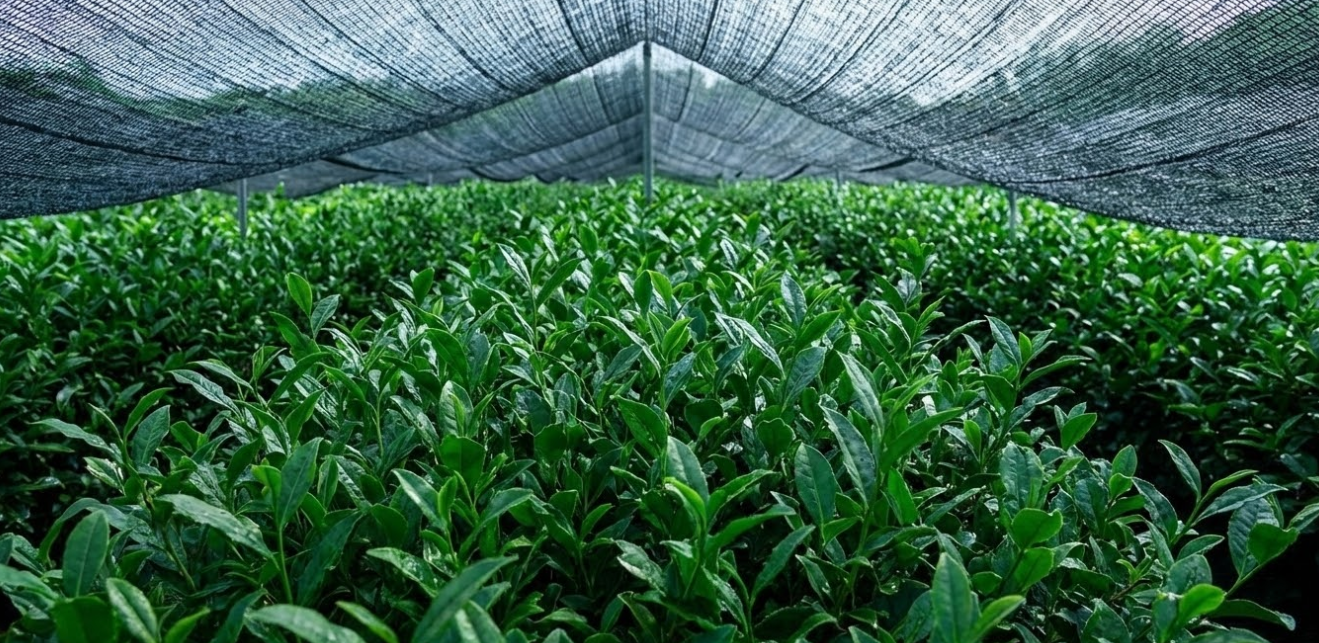
Guizhou, China
Origin in Guizhou, Processing with Japanese Techniques
Our matcha supply is rooted in Guizhou, China, where tea-garden management, processing control, and export operations are organized as one connected system. This structure supports stable raw material supply, scalable production, and clearer traceability for global buyers.
At the same time, our website describes the refining process as being powered by Japanese techniques. That is an important distinction: this page presents a processing-style advantage, not a claim of Japanese origin.
For buyers, this means you can evaluate the product honestly on two dimensions:
Origin for supply-chain transparency, and processing discipline for quality performance.
Why Processing Style Matters for Matcha Quality
For professional buyers, matcha powder quality is not defined by color alone. Processing style shapes how the powder performs in taste, aroma, fineness, and batch repeatability.
Color Consistency
Processing control influences the visual stability buyers expect across repeat orders and multiple SKUs.
Aroma & Taste
Refined processing helps support cleaner flavor presentation and more predictable aroma from batch to batch.
Fineness & Feel
Milling and process discipline affect fineness, mouthfeel, mixing behavior, and final application suitability.
Repeatability
A controlled process is valuable because it helps create repeatable product performance, not just one good batch.
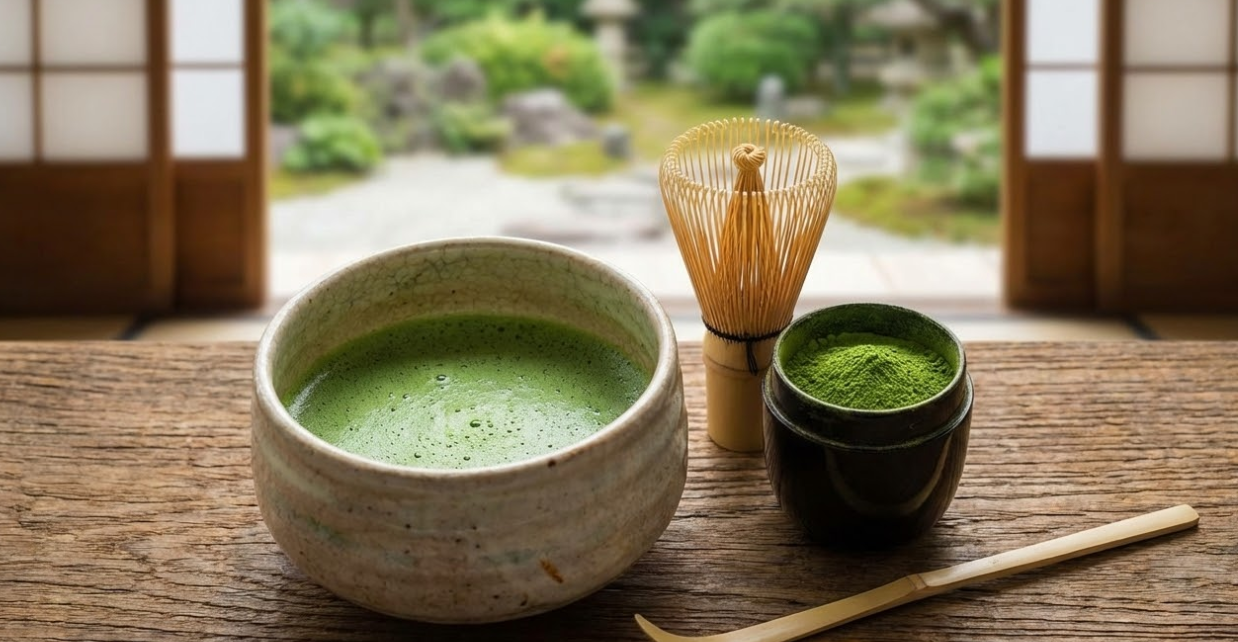
Japanese-inspired processing matters because it supports discipline in how quality is produced and repeated.
From Tea Garden to Export
The value of the system is not only in processing. It comes from connecting tea gardens, production, quality control, documentation, and export support into one supply chain.
Tea Garden Foundation
Tea-garden management creates the foundation for stable raw material supply and more predictable quality.
Production & Clean Workshop
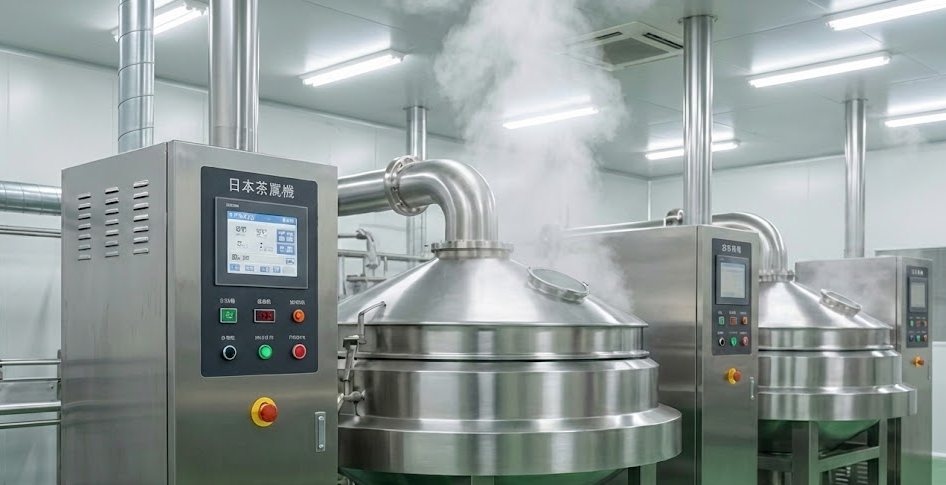
Industrial production and controlled workshop standards help support output at scale while maintaining process consistency.
Quality Control & Traceability
Batch-level records, digital logs, and document-ready workflows help connect raw material inputs to finished shipments.
Export & Delivery
The system is designed to support international shipments with documentation, communication, and repeat-order stability.
Built for EU, US & Japan Market Requirements
Our public positioning emphasizes readiness for EU, US, and Japan market requirements, supported by documentation-oriented production and export service.
For B2B buyers, this matters because matcha sourcing increasingly depends on more than product quality alone. It also depends on documentation, certification visibility, batch traceability, and a supplier’s ability to support internal review and importer qualification.
Export-ready documentation support
Certification-led production logic
Batch-level traceability
Matcha Options by Application
Different applications require different processing priorities. This page should guide buyers toward the right product direction based on end use.
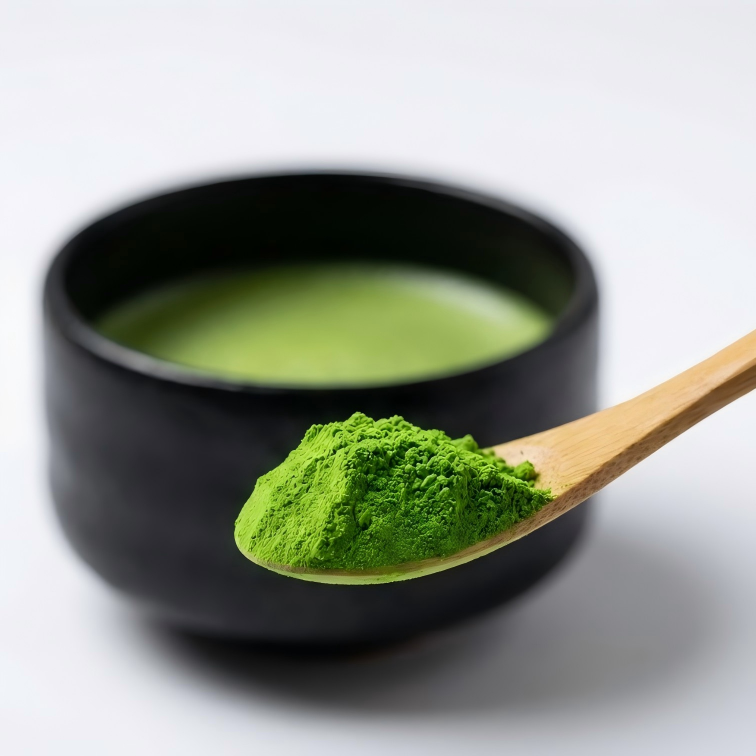
Ceremonial-Style
For direct drinking and premium tea programs where smooth taste, refined mouthfeel, and vivid color matter.
View Options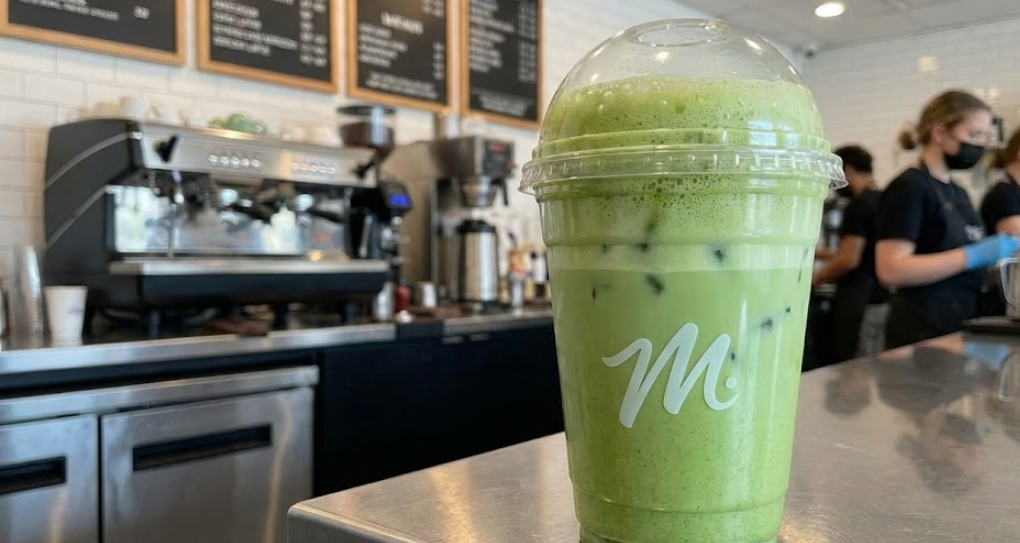
Beverage-Grade
For cafés, latte programs, and beverage systems where stable dispersion and repeatability matter.
View Options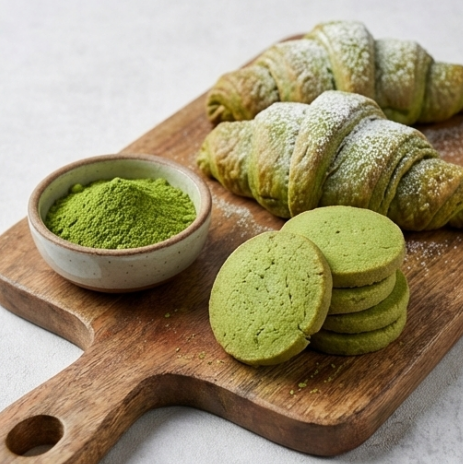
Culinary-Grade
For baking, premix, chocolate, RTD, and other processed applications where formula performance matters.
View Options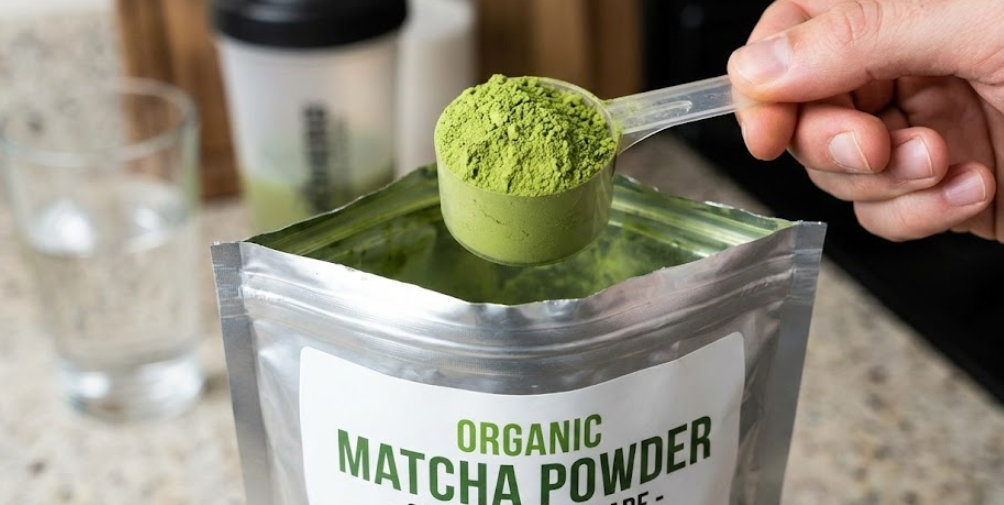
Organic Matcha
For buyers who need certified organic supply with traceability and export-oriented documentation.
View OptionsQuality, Traceability & Audit-Ready Records
Traceability is valuable because it allows buyers to connect product claims to documented process control. Our website positions traceable safety around batch tracking, digital logs, and audit-ready transparency.
Quality control is also presented through repeatable control points such as color, aroma, fineness, and taste. For buyers, these are the metrics that support consistent applications and more stable reordering decisions.
Batch Tracking
Supports shipment-level visibility and product traceability.
QC Control
Supports repeatable targets for color, aroma, fineness, and taste.
Audit Readiness
Supports importer review, document requests, and compliance communication.
OEM / ODM Support for Global Buyers
We support customization of grades, specifications, and applications for buyers developing products across different markets and channels.
This makes the page useful not only for ingredient sourcing, but also for private label, contract supply, and market-specific product development.
Requirement Review
Sample Recommendation
Packaging & Label Setup
Production & QC
Export & Delivery
Fast-quote checklist:
Destination market Product direction Application Packaging format Estimated volume Timeline
FAQ: Japanese-Inspired Matcha Processing
What is matcha tea? It is typically matcha selected and specified for drinking applications—focused on taste, color, fineness, and dispersion performance. We recommend options based on your drink style and target profile.
No. This page should not claim Uji origin. Uji is associated with Japanese regional tea origin and should only be used where origin can be substantiated.
It means the product is made in China while the refining approach is described as being powered by Japanese techniques. It is a processing-style claim, not a Japan-origin claim.
This page positions the matcha as being produced in Guizhou, China, with tea-garden and processing systems organized there.
Processing affects color consistency, aroma, taste, fineness, mouthfeel, and repeatability across batches.
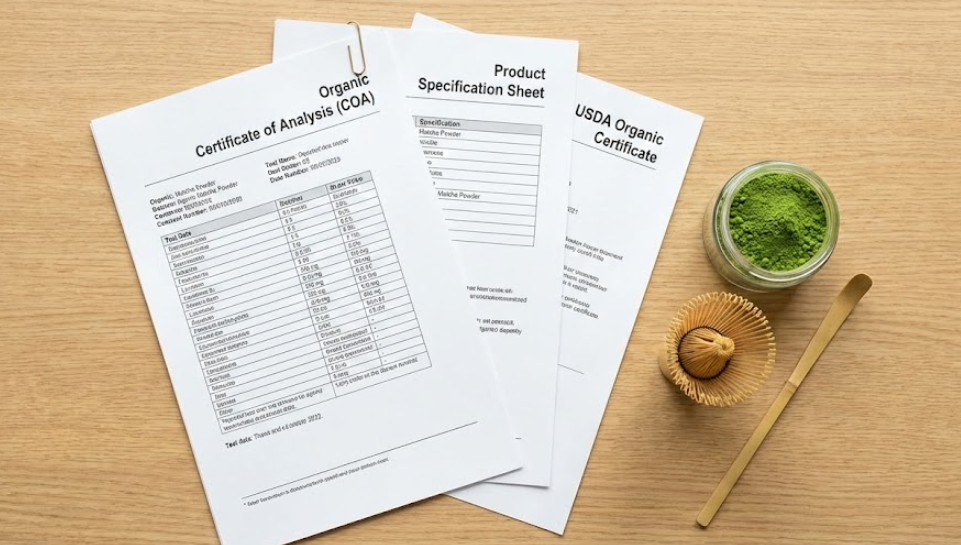
Yes. This page should direct users to request the relevant document pack, including specifications and compliance support.
Yes. The page should position OEM / ODM as part of a coordinated B2B supply model.
The page is written for buyers serving EU, US, and Japan market requirements.
Yes. This page should encourage sample requests based on application, market, and product direction.
This page can route buyers to ceremonial-style, beverage-grade, culinary-grade, and organic matcha options based on application.
Request Samples, Specs & Process Information
Tell us your target market and application. We’ll recommend the right matcha option and provide samples, specifications, and supporting documents.