
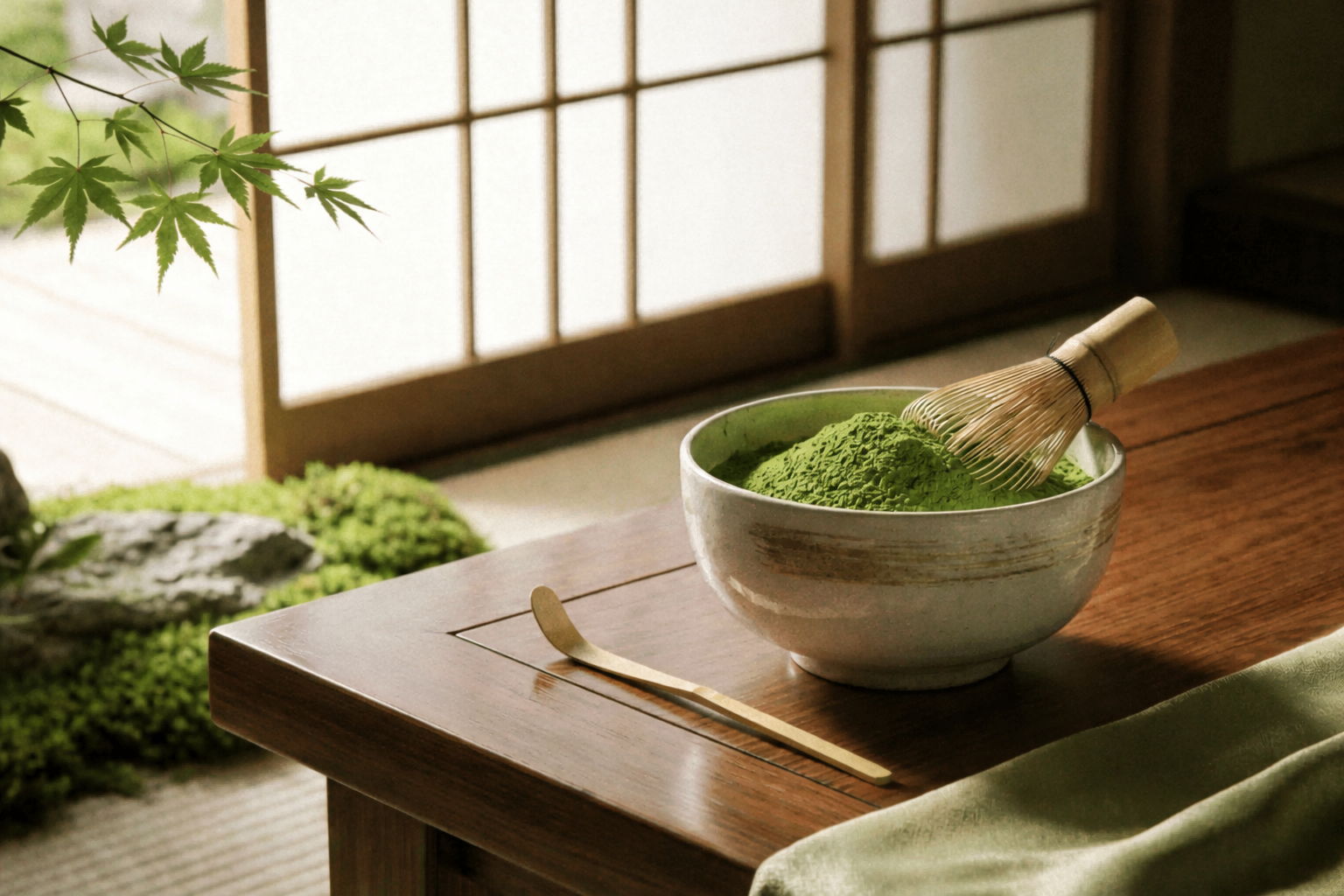
Matcha Powder for RTD Beverages & Drink Manufacturing
Matcha for drinking, iced matcha, and RTD beverage applications—designed for sediment control, smooth dispersion, sterilization color, L*a*b* tracking and repeatable batch performance.
Whether you are developing bottled matcha drinks, canned beverages, matcha latte RTD, ready-to-drink tea concepts, or beverage powders, the best matcha for RTD depends on dispersion, sedimentation, heat-treatment color, shelf-life stability, flavor retention and processing fit.
- Matcha for drinking, iced tea, and RTD systems
- Sedimentation, dispersibility, L*a*b* color and shelf-life stability aligned to use case
- RTD OEM / ODM co-creation for beverage brands and factories
- Bulk supply, COA support, packaging/MOQ planning and export-ready documentation
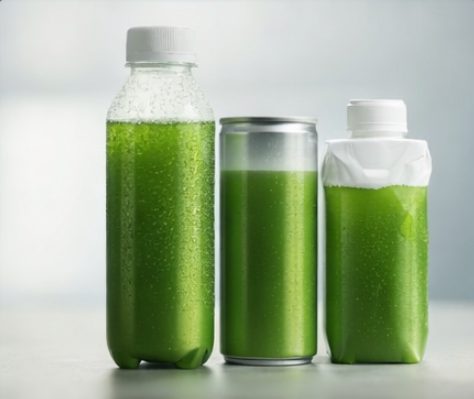
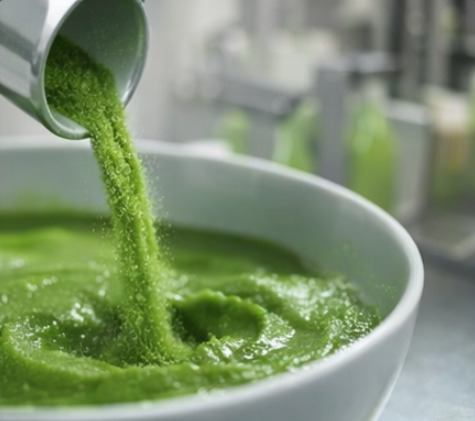
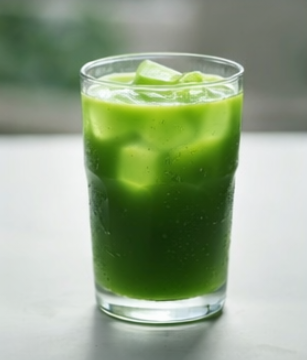
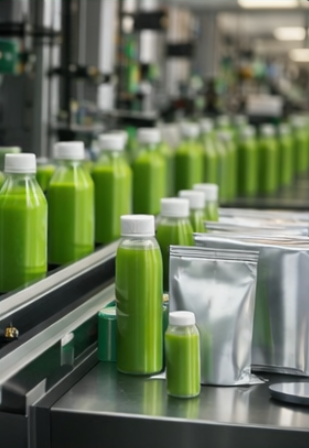
Why Some Matcha Works Better for Drinking & RTD
Not all matcha performs the same way in bottled, canned, iced, or pre-mixed drink systems. A powder that works for straight whisked tea may not always deliver the best result in industrial beverage applications.
Drinking and RTD formats require a different balance of flavor, color, fineness, solubility, and process compatibility. That is why the best matcha for drinking should be selected based on final use, not only on grade name.
Flavor Must Work in the Final Beverage
RTD and iced systems may mute or reshape how tea notes are perceived.
Color Must Hold Up After Processing
The green appearance should be judged in the final drink, not only in the raw powder.
Dispersion Matters More in Industrial Use
Mixing behavior affects processing efficiency, in-pack appearance, and repeatability.
Repeatability Matters for Commercial Buyers
Beverage brands need consistent behavior across production runs, not just a good bench sample.
The best matcha for drinking is the one that performs well in your final beverage format and stays stable across repeat production.
What Beverage Brands Need from Matcha for Drinks
For beverage applications, matcha selection is both a sensory decision and a production decision.
Clean Drinking Profile
For direct-drinking products, taste should remain balanced and recognizable.
Strong Visual Appeal
Iced and RTD drinks often rely on a fresh-looking green appearance to support market appeal.
Smooth Dispersion
Better powder behavior can reduce clumping and improve beverage uniformity.
Batch Stability
Industrial beverage projects need repeatability across large production runs.
Documentation & Compliance
Export-ready documentation and traceable records matter for commercial buyers and importer review.
Need a recommendation for your beverage format? Start with RTD-focused samples.
How to Choose Matcha Powder for RTD Beverages
For RTD beverage manufacturing, matcha should not be selected only by raw powder color or drinking taste. The real test is how it performs after dispersion, blending, heat treatment, filling, storage and shelf-life testing.
| Selection Factor | What RTD Buyers Should Check | Recommended Direction |
|---|---|---|
| Sedimentation | Matcha is insoluble by nature, so sediment control is a key formulation challenge. | Choose a fine, stable matcha direction and test with your stabilizer system. |
| Dispersibility | Powder should disperse evenly during mixing, hydration and production. | Check particle size, processing method and compatibility with your beverage system. |
| Sterilization Color | UHT, pasteurization or hot-fill processing may reduce green color. | Evaluate color after heat treatment, not only in raw powder or fresh lab samples. |
| L*a*b* Values | L*a*b* data helps compare color objectively before and after processing. | Track L*, a* and b* changes during sample, pilot and shelf-life testing. |
| Shelf-Life Stability | Color, aroma, sediment and flavor may change during storage. | Run accelerated and real-time storage tests before bulk launch. |
| Flavor Retention | Milk, sugar, plant-based bases and acidity can change matcha flavor perception. | Choose a grade with enough tea character after processing. |
| Recommended Grade | Ceremonial matcha is usually not practical for RTD manufacturing. | RTD-focused beverage matcha or customized OEM matcha is usually more suitable. |
| COA & Testing | RTD buyers need stable safety and quality data for production approval. | Ask for COA, pesticide residue, heavy metals, microbiology and batch records. |
| MOQ & Packaging | Drink factories often need repeat bulk supply and production-friendly packaging. | Use 1kg, 5kg, 10kg or 25kg formats depending on production scale. |
Recommended Matcha Grades for Drinking & RTD
The best matcha for drinking depends on whether you are targeting direct tea consumption, iced beverages, or processed RTD products.
Drinking-Grade Matcha
- Best for: direct-drinking products, premium iced matcha, tea-forward beverage concepts
- Why it works: cleaner taste, more refined profile, stronger drinking orientation
- Best for buyers who want: a more premium beverage perception
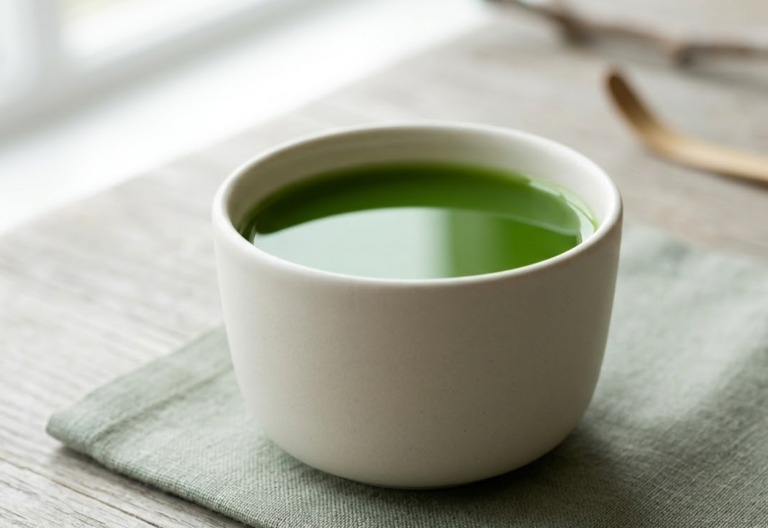
Beverage-Grade Matcha
- Best for: iced tea, bottled beverages, café drink programs, scalable beverage applications
- Why it works: stronger application fit, repeatable performance, good balance of quality and commercial practicality
- Best for buyers who want: reliable beverage use across multiple formats
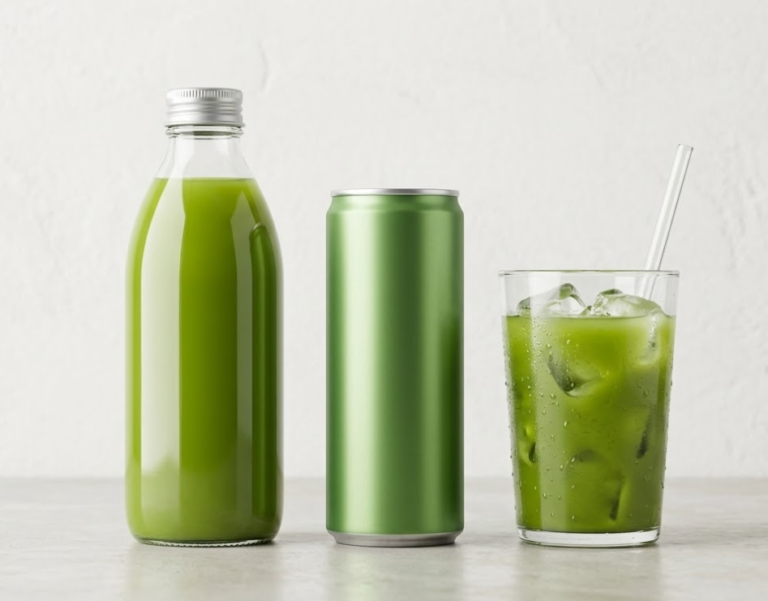
RTD-Focused OEM Direction
- Best for: beverage brands, co-packers, distributors, and private label projects
- Why it works: flavor, color, fineness, and solubility can be aligned to beverage system requirements
- Best for buyers who want: a custom RTD or beverage-ready concept
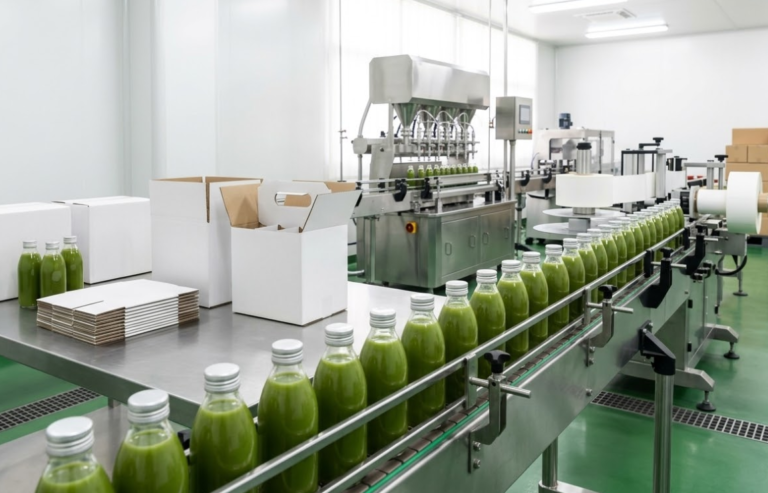
Formula & Dosage Guidance for Iced Matcha and RTD
There is no universal dosage for all drink formats. Beverage direction depends on cup size, sweetness system, process style, dilution, and target flavor intensity.
Iced Matcha Green Tea
- Typical use: clear or lighter iced beverage concepts
- Guidance: cleaner drinking directions may work better where milk or heavy sweetness is limited
- Best for: fresh-looking tea-centered drinks
Iced Matcha Milk Drink
- Typical use: sweetened milk-based beverages, café-ready drinks, take-away concepts
- Guidance: stronger tea identity may be needed to remain noticeable after milk and sweeteners
- Best for: beverage menus and pre-mixed drink systems
RTD Beverage Direction
- Typical use: bottled tea, canned beverages, industrial drink systems
- Guidance: loading direction should consider process conditions, visual stability, and final packaging presentation
- Best for: manufacturers and beverage brands
Recommended note: Dosage depends on formula type, packaging format, sweetness level, process conditions, and target sensory profile. We can recommend a suitable loading range based on your finished beverage.
Sedimentation and Dispersibility in RTD Matcha Drinks
Matcha is not a fully soluble ingredient. Even very fine matcha powder is still a suspension system in RTD beverage production. That means sedimentation, mouthfeel, mixing behavior and storage stability must be tested before bulk purchasing.
For RTD buyers, the key question is not simply “does this matcha dissolve?” A better question is: how does this matcha disperse, suspend and remain stable in my actual beverage formula?
Hydration & Dispersion
Test powder distribution during mixing, hydration and scale-up production.
Sediment Control
Evaluate bottom sediment, ring formation and visible separation during storage.
Formula Compatibility
Check sugar level, milk base, plant-based base, acidity and stabilizer system.
Production Conditions
Test with actual processing, filling, packaging and storage conditions.
Color Stability After Pasteurization, UHT or Hot-Fill Processing
Raw matcha powder color can be misleading. A powder may look bright green before production but become dull, yellowish or unstable after heat treatment.
Why L*a*b* Values Matter for RTD Matcha
For RTD beverage manufacturers, visual consistency matters across batches. L*a*b* color values help buyers compare color more objectively than photos or subjective words like “bright green.”
Buyers can compare L*a*b* values before heat treatment, after heat treatment and during shelf-life testing. This is useful for bottled matcha latte, plant-based matcha drinks, matcha tea beverages and powdered drink bases.
| Color Value | What It Helps Buyers Understand |
|---|---|
| L* | Lightness. Helps compare whether the drink looks brighter or darker. |
| a* | Green-red axis. A more negative a* value usually indicates a stronger green direction. |
| b* | Yellow-blue axis. Helps track yellowing or color shift after processing and storage. |
Shelf-Life Stability for RTD Matcha Products
RTD matcha is not only judged on day one. Buyers should check how the beverage performs during storage.
Matcha for Beverage Brands, RTD Factories & Importers
Different business models need different matcha directions.
For Beverage Brands
More emphasis on product positioning, visual appeal, and a defined drinking experience.
For RTD Factories & Co-Packers
More emphasis on process fit, repeatability, batch consistency, and scale production support.
For Importers & Distributors
Bulk-friendly options with export-ready documentation, packaging support, and stable repeat supply.
For Café / Drink Chains
Cross-over beverage directions that can work in iced drinks, menu beverages, and retail drink concepts.
Use-case ideas
Packaging & MOQ for RTD Matcha Buyers
RTD buyers usually need stable bulk supply, not small retail packs. Packaging should match the factory’s production speed, storage conditions and batch planning.
| Buyer Type | Suitable Packaging | MOQ Direction |
|---|---|---|
| RTD Startup Brand | 1kg foil bags or small trial cartons | Suitable for pilot testing and formula development. |
| Beverage Factory | 5kg–10kg cartons | Better for batch production and controlled warehouse handling. |
| Large-Scale Drink Manufacturer | 10kg–25kg bulk formats | Better for scheduled production and repeat orders. |
| OEM / ODM Beverage Developer | Sample packs + bulk cartons | Suitable for formula testing before commercial production. |
| Distributor / Ingredient Supplier | 1kg / 5kg / 10kg formats | Easier to serve multiple drink customers. |
Packaging Options for Drinking Products, RTD & OEM Use
This project type often needs more than raw ingredient supply. It also needs packaging flexibility, batch consistency, documentation, and planning support.
Bulk / Industrial Packaging
For manufacturers, beverage factories, co-packers, foodservice, and distributors.
Built for repeat ordering and production-ready use.
Retail / Private Label Packaging
For branded drinking powders, pouches, tins, sachets, and consumer-facing beverage concepts.
COA, Testing & Supply Planning Support
For beverage brands and RTD factories, continuity of supply and repeatable performance matter as much as taste approval.
Storage note: Store sealed, away from light, moisture, and heat.
Why Buyers Build a Drinking / RTD-Focused Matcha Program
1. Better Finished-Beverage Performance
A beverage-oriented direction supports stronger fit in the final drink, not just in dry powder form.
2. Stronger Matcha Identity in Real Systems
Iced, sweetened, or packaged formats often need a more application-aware direction to preserve tea character.
3. Easier Product Positioning
A dedicated drinking / RTD matcha direction helps brands build a clearer story around taste, appearance, and consumer experience.
4. More Efficient Product Development
For beverage brands and factories, application-led sourcing saves time compared with adapting a generic powder later.
"A strong drinking or RTD program starts with the right matcha direction, not just a familiar grade name."
FAQ: Matcha Powder for RTD Beverages
Find answers to common questions about sedimentation, dispersion, sterilization color, L*a*b* values, shelf-life stability, packaging and bulk RTD supply.
The best matcha powder for RTD beverages depends on dispersion, sedimentation behavior, color after heat treatment, shelf-life stability, flavor retention, cost structure and batch repeatability.
No. Matcha is a fine tea powder, not a fully soluble extract. In RTD beverages, it behaves as a suspension, so sedimentation, dispersibility, stabilizer compatibility and processing conditions must be tested.
Sedimentation can be managed through particle size selection, proper hydration and dispersion, formulation design, stabilizers, homogenization and processing control. Buyers should test matcha in the actual beverage system before bulk production.
It can. Heat treatment, pH, oxygen exposure, milk or plant-based bases and storage conditions may affect green color. Buyers should compare color before processing, after heat treatment and during shelf-life testing.
L*a*b* values help buyers measure color more objectively. They are useful for comparing raw powder, freshly mixed beverage, heat-treated samples and shelf-life samples.
Shelf-life stability can be affected by color fading, oxidation, sediment, ring formation, flavor loss, bitterness change, separation, pH, oxygen exposure, packaging format, processing method and storage conditions.
Drinking applications focus more on direct taste and visual appeal, while RTD manufacturing also requires attention to dispersion, sedimentation, heat treatment, shelf-life behavior and batch repeatability.
The best grade depends on the formula, processing method, target color, flavor intensity, sediment tolerance and cost structure. RTD-focused beverage matcha or customized OEM matcha is usually more practical than ceremonial matcha.
Yes. Bulk matcha can support beverage brands, RTD factories, co-packers, OEM/ODM developers, importers and distributors.
Yes. Private label matcha drink projects can be discussed based on target market, beverage type, packaging format, formula direction, MOQ and document needs.
Common options include 1kg foil bags, 5kg cartons, 10kg cartons and larger bulk formats. The right packaging depends on production volume, warehouse handling and usage speed.
Yes. Samples can help confirm which drinking or RTD direction best fits your beverage system. We recommend testing after dispersion, heat treatment, filling and storage, not only in a fresh cup sample.
Build a Better RTD Matcha Beverage Program
Tell us your beverage type, processing method, packaging format, target color, sediment tolerance, shelf-life goal and monthly volume. We’ll recommend a practical RTD matcha direction and arrange samples or specifications.
