

Supply Chain & Logistics
Matcha Shipping & Incoterms Guidance for B2B Buyers
Clear delivery terms ensure accurate quotes and smooth export coordination. We support international B2B projects with practical shipping guidance, helping buyers clarify their logistics setup early.
- We support standard international B2B shipping terms
- Delivery terms directly affect quote and coordination
- Clarifying your logistics setup early prevents delays
- Practical guidance for bulk and private label shipments
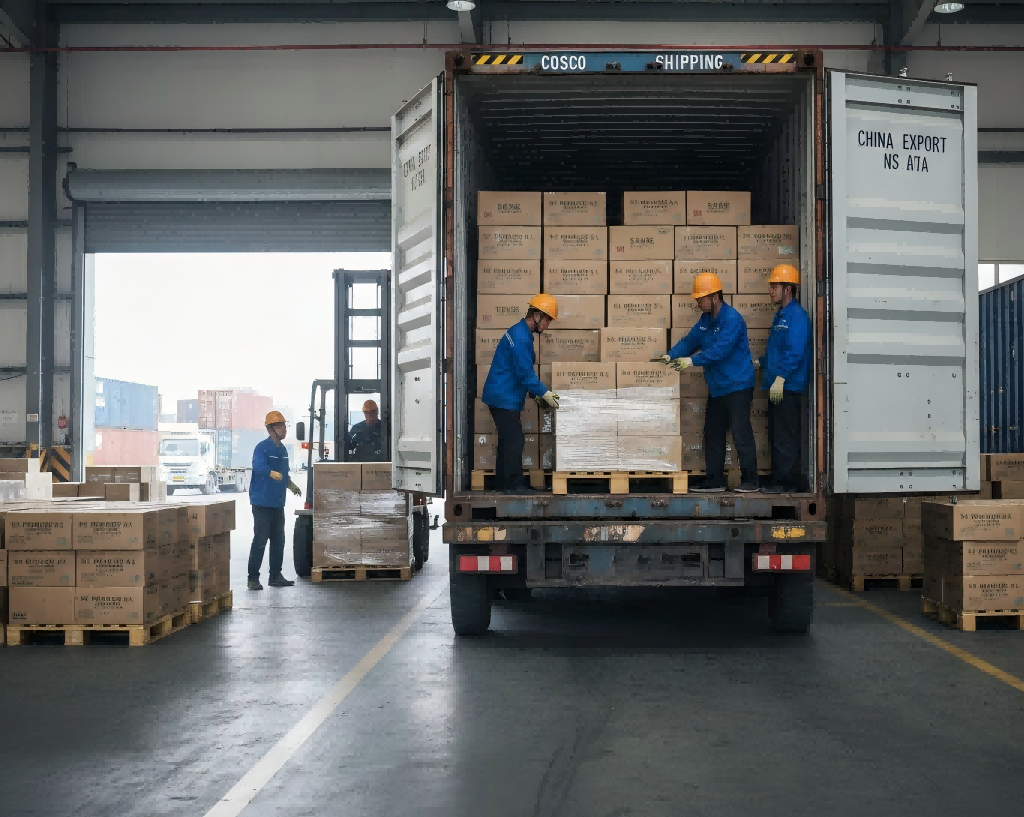
Why Incoterms Matter in B2B Matcha Sourcing
Selecting the right shipping incoterms is more than a logistics decision—it is the foundation of a smooth international procurement process.
Properly defined terms eliminate friction at borders, clarify payment responsibilities, and ensure the product reaches your warehouse seamlessly.
Clarify Responsibilities
Clearly define buyer and seller responsibilities regarding freight, risk transfer, and insurance.
Improve Quote Accuracy
Ensure your pricing accurately reflects landed costs, avoiding unexpected freight or port fees.
Smoother Export Coordination
Align documentation, customs clearance, and port handoffs efficiently between teams.
Reduce Handoff Confusion
Prevent delays by ensuring both parties know exactly when and where the matcha delivery transfers.
Common Delivery Terms We Support
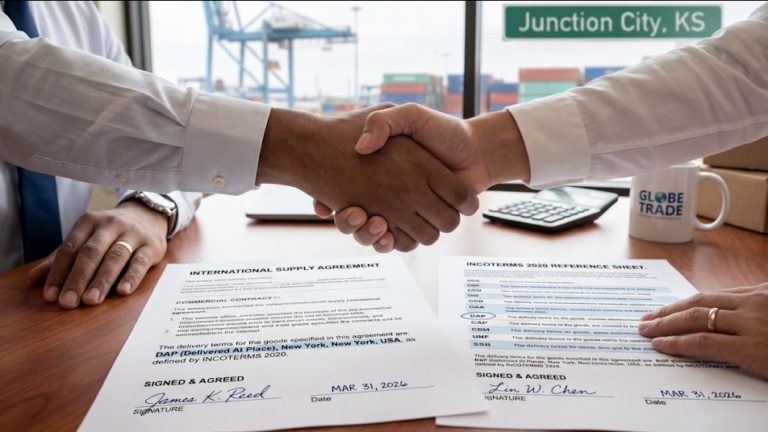
We structure our matcha delivery terms to suit different levels of buyer capability. Whether you manage your own freight network or need end-to-end support, we adapt to your sourcing model.
Get advice on the best term for your region →EXW (Ex Works)
Best for buyers with their own forwarder and shipment control.
- • Responsibility Boundary: We prepare the matcha at our facility. Your forwarder handles pickup, export customs, and main transport.
- • Coordination Impact: Offers maximum control over freight costs, but requires strong internal logistics capabilities.
FOB (Free On Board)
Best for buyers managing their own ocean or air freight from the departure port.
- • Responsibility Boundary: We handle local transport and export clearance, loading goods onto your designated vessel.
- • Coordination Impact: Streamlines the origin export process, leaving you to manage main transit and import.
CIF (Cost, Insurance & Freight)
Best for buyers who want origin-to-destination-port freight coordination support.
- • Responsibility Boundary: We arrange transport and standard insurance to your destination port. You handle import customs.
- • Coordination Impact: Reduces your workload for arranging main transit, letting you focus on arrival clearance.
DDP (Delivered Duty Paid)
Best for projects requiring a highly managed, door-to-door delivery approach.
- • Responsibility Boundary: We manage transport, export, import clearance, and final delivery to your facility.
- • Coordination Impact: Provides a simplified landed cost, though availability depends strictly on destination regulations.
How Delivery Terms Affect Your Project
Different terms can change how pricing, timing, and responsibilities are handled across the project lifecycle.
How Price is Structured
Terms dictate the final quoted price. An EXW quote covers only goods and packaging, while CIF or DDP quotes integrate freight, insurance, and potential duties to show a clearer landed cost.
Who Handles What
Your choice determines who books the vessel, tracks the shipment, and communicates with forwarders. Knowing your internal logistics bandwidth helps decide if FOB or CIF is the better fit.
What Documents Matter
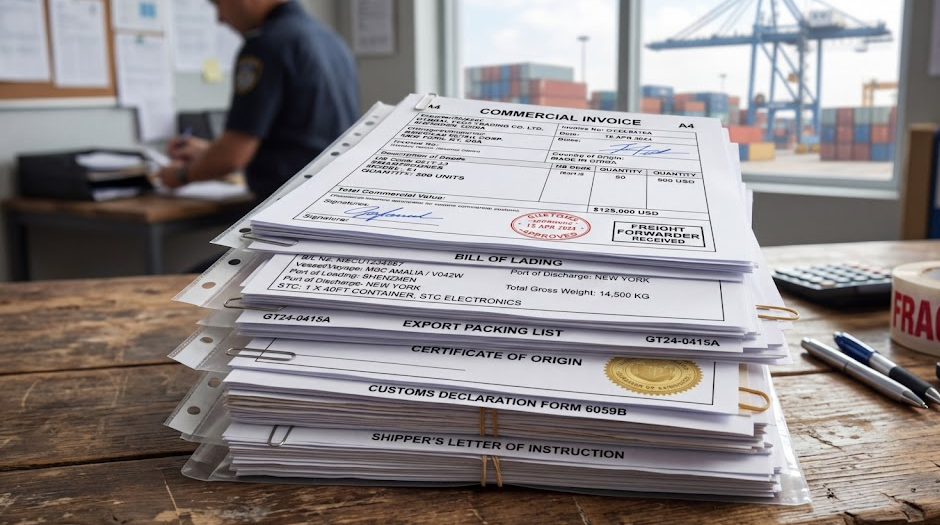
Different terms shift document handoffs (e.g., Bill of Lading, Commercial Invoice). We ensure export paperwork perfectly aligns with the chosen term to prevent customs holds.
What Happens on Arrival
Clear terms define exactly when risk transfers to you. This tells you precisely when to have warehouse staff ready, local transport arranged, and receiving protocols active for sensitive matcha.
Shipping by Project Type
Different procurement paths require distinct shipping logic to optimize costs and supply stability.
Wholesale Matcha
Usually focused on practical, recurring B2B supply. Shipping coordination favors stable, repetitive scheduling (often FOB or CIF) to ensure continuous stock for distributors.
Bulk Matcha
Linked to larger formats, stock planning, and bulk ocean freight. Palletization, moisture protection during transit, and warehouse receiving capabilities are critical here.
Private Label Matcha
Involves added packaging materials, regulatory documentation, and strict launch timing. Shipping methods balance safety of retail-ready tins with lead time constraints.
Sample / Trial Requests
Smaller shipments focus on speed, typically utilizing express air couriers (DAP/DDP where possible) to get the product to your procurement teams quickly for evaluation.
What Buyers Should Prepare Before Quoting & Shipment
The more complete your shipping details are, the smoother coordination becomes. These details help both quote accuracy and shipment planning. Gather these key points early:
-
Target Market / Destination
Dictates customs regulations, required certifications, and freight routes.
-
Preferred Delivery Term
Let us know if you prefer EXW, FOB, CIF, or require door-to-door (DDP).
-
Quantity & Packaging
Volume and physical dimensions heavily influence freight costs (LCL vs. FCL).
-
Document Requirements
Confirm if your local customs require specific certificates of origin or invoices.
-
Timing Expectations
Align stock turnover needs with transit times to avoid supply shortages.
Shipping, Packaging & Shelf Life Work Together
Logistics is deeply tied to product integrity. Your choice of packaging affects shipment handling, just as the mode of transport impacts shelf life.
-
Outer cartons matter: Proper palletization is crucial for ocean freight to prevent moisture damage.
-
Arrival handling: Prompt transfer to temperature-controlled storage influences quality retention.
-
Inventory planning: Buyers should match delivery terms with expected stock turnover rates.
Documents & Coordination Support
Navigating food ingredient imports requires precise paperwork. You may request project-relevant support for:
-
Detailed shipment coordination and tracking information.
-
Export-related document handling (Commercial Invoices, Packing Lists, BLs).
-
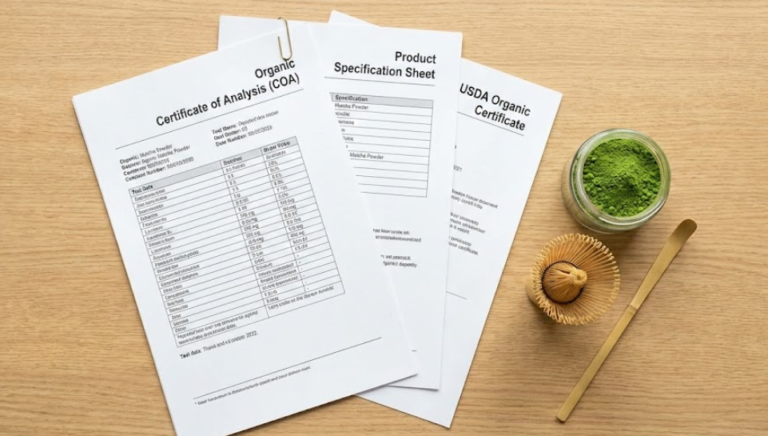
Necessary references for testing and food safety compliance.
Frequently Asked Questions
Find quick answers about delivery terms, quote impact, and international coordination before starting your matcha project.
Which shipping terms do you commonly support?
How do I know if EXW, FOB, CIF, or DDP is suitable?
Do delivery terms affect the quote?
What shipping details should I prepare for a quote?
Does shipping coordination differ for bulk and private label orders?
Can you help with export-related documents?
Can I discuss terms before confirming my order?
Discuss Shipping Terms for Your Project
Tell us your destination market, order type, quantity, and preferred delivery setup. We'll help identify a suitable shipping path and coordinate the next steps.
Dedicated Logistics Guidance
We ensure your delivery terms align with export logistics, regulatory boundaries, and your internal capabilities.
- ✓ Transparent Cost Breakdown
- ✓ Export Document Support
- ✓ Project-Specific Routing