
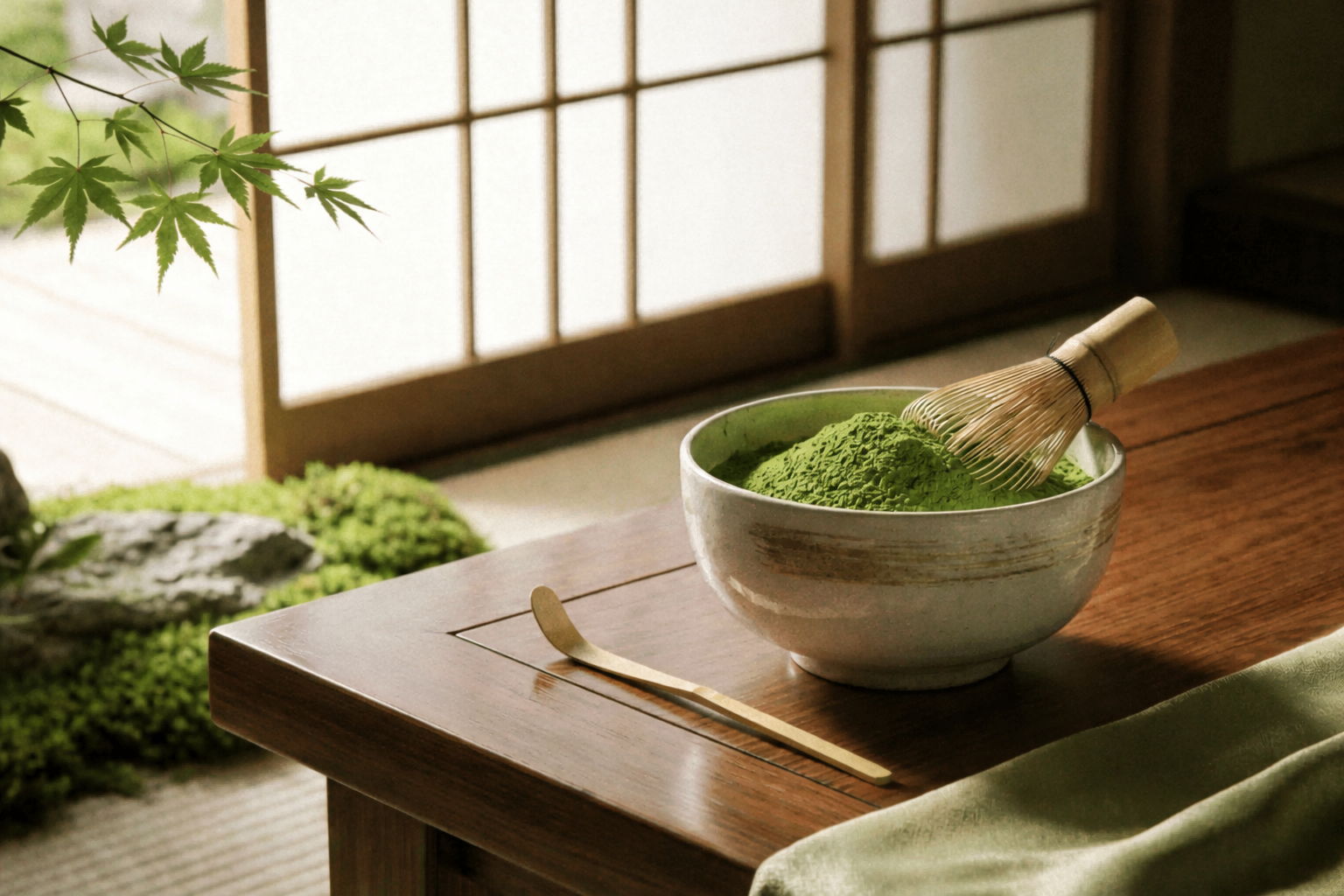
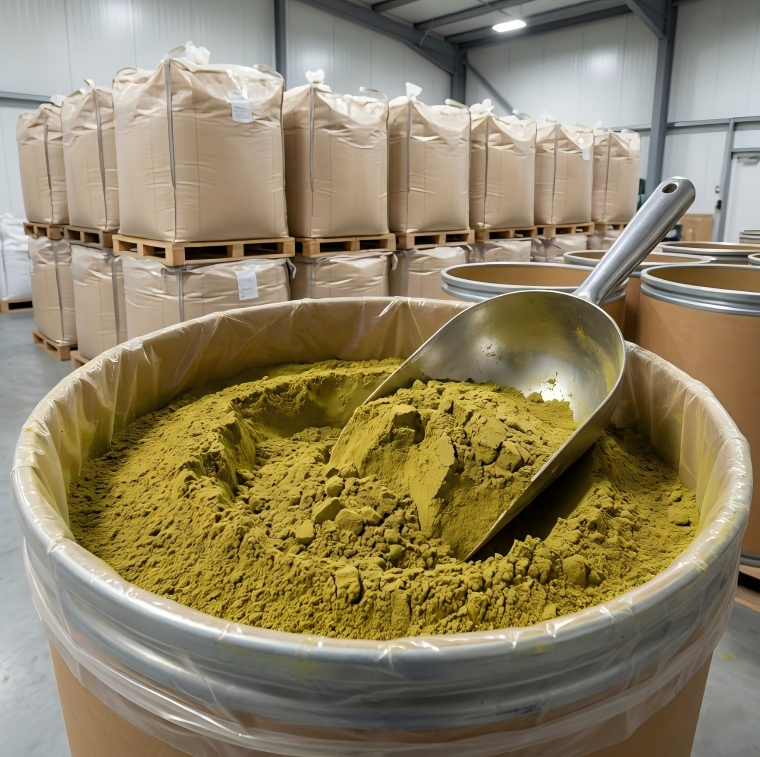
Pure Industrial Matcha
Pure Industrial Matcha
Contact our sales team for detailed specifications and application suitability.
- Grade
- Standard
- Color
- Varies
- Mesh Range
- Standard
- Min. Order
- Negotiable
Explore products associated with a more noticeable drying or tightening palate sensation. Buyers in this category usually compare drinkability, finish control, and overall user experience.
Astringency refers to the drying or tightening sensation on the palate rather than bitterness itself. It is a separate sensory dimension that affects mouthfeel and finish quality.
In B2B sourcing, this is usually managed as a control point rather than used as a selling point, especially in direct drinking and premium beverage programs.
Drying, tightening, slightly rough, and often more noticeable in the aftertaste than in the first sip.
This profile is usually monitored carefully in straight drinking, premium beverages, and lighter milk systems where mouthfeel quality matters strongly.
Excessive astringency can reduce drinkability, weaken repeat purchase potential, and create a rougher or less refined user experience.
For commercial buyers, taste profile should not be judged as a loose description. It should be connected with application, formulation, target market, and batch consistency.
This profile is usually monitored carefully in straight drinking, premium beverages, and lighter milk systems where mouthfeel quality matters strongly.
Cup test, milk test, sweetness balance, finish quality, color stability, particle size, and real application performance.
Excessive astringency can reduce drinkability, weaken repeat purchase potential, and create a rougher or less refined user experience.
Use related archive pages to compare nearby flavor directions and improve sourcing decisions.
Compare available matcha products by grade, color, mesh range, MOQ, and application suitability.
Contact our sales team for detailed specifications and application suitability.
Use taste profile as a sourcing filter, but validate it through actual sampling and application testing.
Astringency is not the same as bitterness. It is a mouthfeel issue that affects finish, refinement, and overall sensory comfort.
This factor is especially important in direct drinking and premium beverage concepts where a rough finish can quickly reduce perceived quality.
Ask suppliers to compare samples specifically for palate drying and finish quality, not just for bitterness or color.
These questions help buyers understand how to use taste profile as a practical sourcing standard.
No. A taste profile is not the same as grade. It describes sensory direction, while grade depends on raw material, color, particle size, application suitability, and overall quality target.
Buyers should test samples in the real application, such as latte, RTD beverage, bakery, dessert, or direct drinking. Dry powder appearance alone is not enough for final selection.
Yes. For OEM or bulk projects, the profile can usually be adjusted through grade selection, blending direction, particle size control, and application testing.
Provide your target application, expected flavor direction, estimated volume, packaging format, target market, and any color, bitterness, or mouthfeel requirements.
Tell us your target application, desired flavor direction, packaging preference, and order plan. We will recommend products aligned with your sourcing needs.