

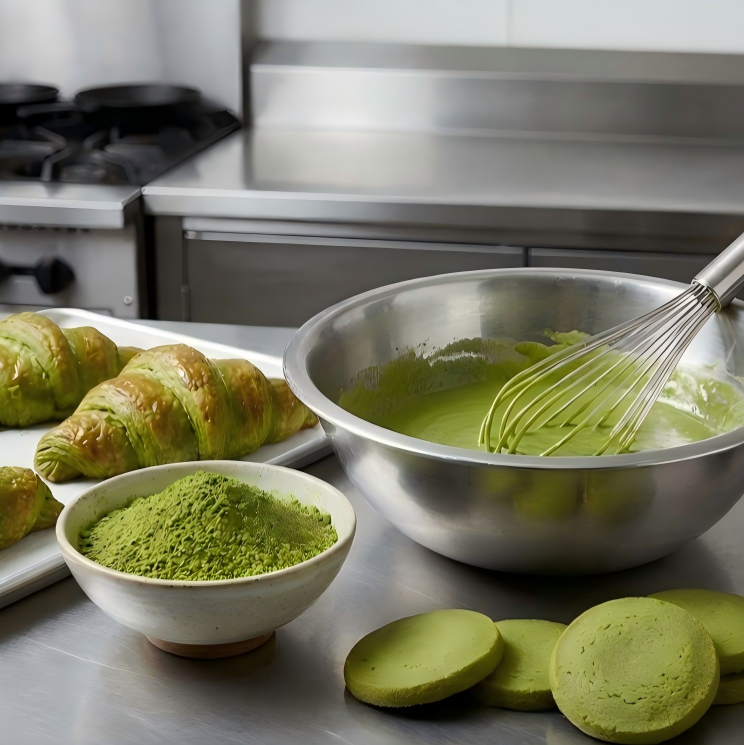
Classic Culinary Matcha
Contact our sales team for detailed specifications.
- Mesh Range:
- Standard
- Color:
- Varies
- Min. Order:
- Negotiable

Explore products within the 600-800 particle-size range. Compare options by mouthfeel, dispersion, processing suitability, and final application requirements.
Mesh range is one of the practical indicators buyers use when comparing particle size and processing behavior. Depending on the application, different mesh ranges may influence mouthfeel, dispersion, suspension, and blending performance.
This archive is useful for buyers who are comparing functional fit rather than product naming alone. A suitable mesh range can improve processing results, but it should still be evaluated alongside flavor profile, color, and target application.
Particle size can influence mouthfeel, dispersion, suspension, blending behavior, and how the powder performs in different beverage or food systems.
The practical value of a mesh range depends on whether the target application is direct drinking, beverage mixing, food processing, or another commercial use.
A mesh range should not be judged in isolation. Buyers should always confirm real-use performance together with flavor, color, and finished-product expectations.
For commercial buyers, mesh range should be connected with the final application, texture expectation, dispersion behavior, processing method, and repeat-order consistency.
The practical value of a mesh range depends on whether the target application is direct drinking, beverage mixing, food processing, or another commercial use.
Real formula testing, mouthfeel comparison, dispersion speed, suspension stability, finished-product appearance, and processing tolerance.
A mesh range should not be judged in isolation. Buyers should always confirm real-use performance together with flavor, color, and finished-product expectations.
Compare available matcha products by particle-size range, color, grade, MOQ, and application suitability.
Contact our sales team for detailed specifications.
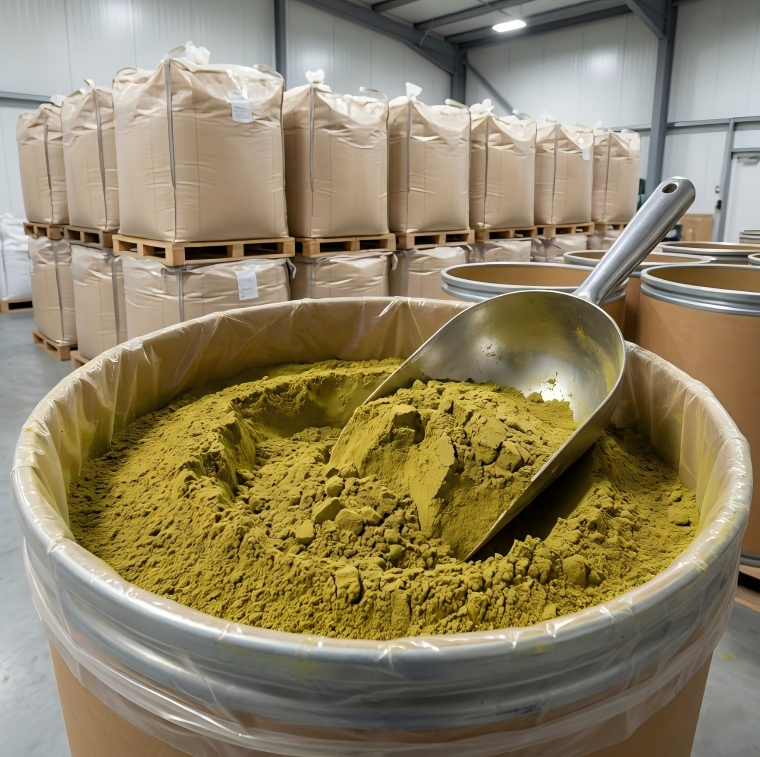
Contact our sales team for detailed specifications.
Mesh range affects practical use, but should always be evaluated with your real application in mind.
Particle size can influence mouthfeel, suspension, blending behavior, and how the powder performs in different beverage or food systems.
A mesh range that works well for one format may not be ideal for another. Buyers should confirm whether the target application is drinking, food processing, beverage mixing, or another commercial use.
Before placing larger orders, confirm sample performance, target use case, expected texture, packaging format, and consistency requirements.
These questions help buyers use mesh range as a practical sourcing standard instead of a loose technical label.
No. Finer mesh can improve mouthfeel and dispersion, but quality still depends on raw material, color, aroma, flavor balance, and application performance.
Buyers should test samples in the real application, such as latte, RTD beverage, bakery, dessert, or direct drinking. Dry powder data alone is not enough.
In many OEM projects, mesh direction can be selected or adjusted according to target mouthfeel, processing method, and finished-product positioning.
Provide your target application, texture expectation, mixing method, packaging format, MOQ, and whether smoothness, suspension, or process fit matters most.
Tell us your target application, texture expectations, packaging format, and MOQ. We will help you identify products that fit this mesh range and your commercial needs.