
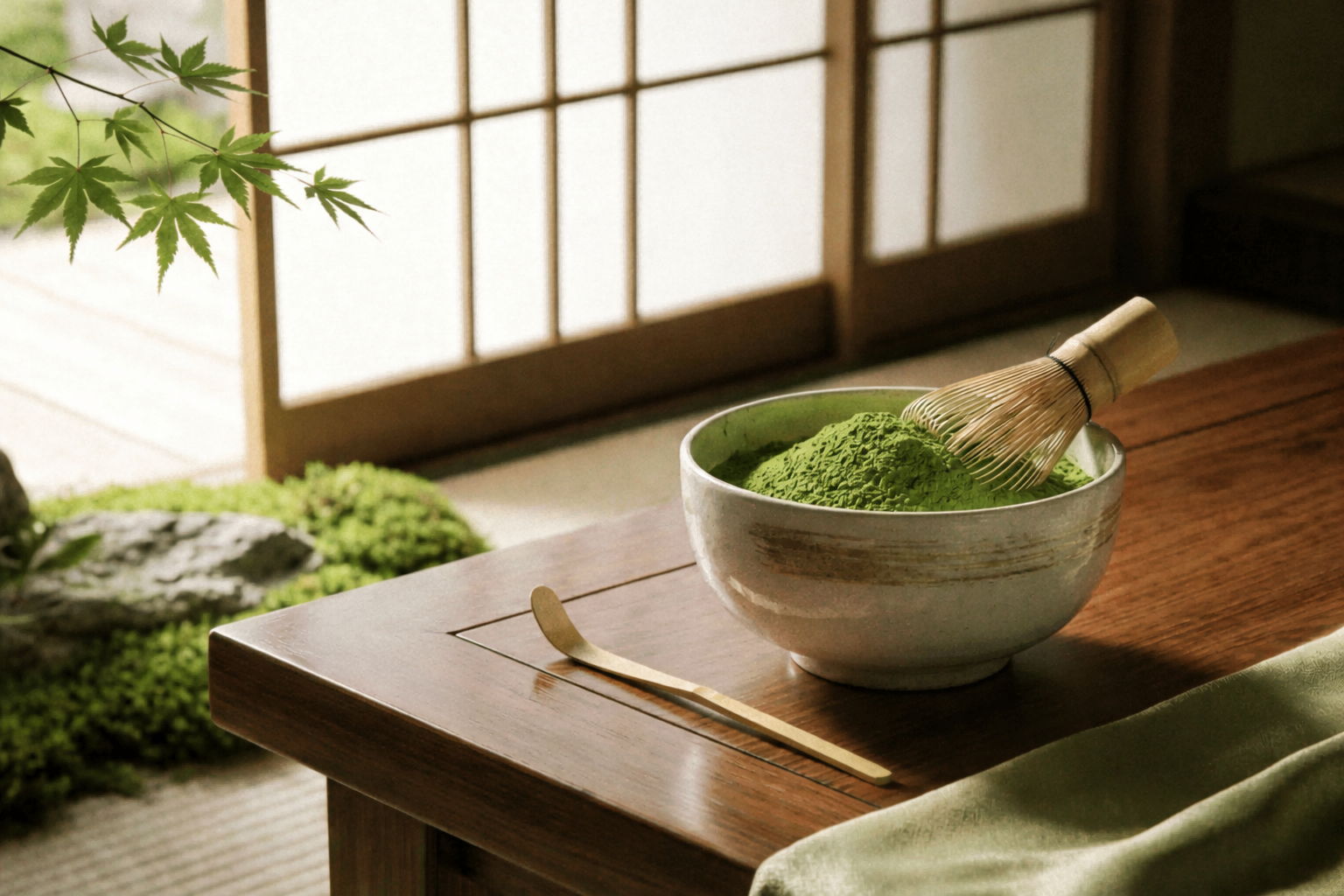
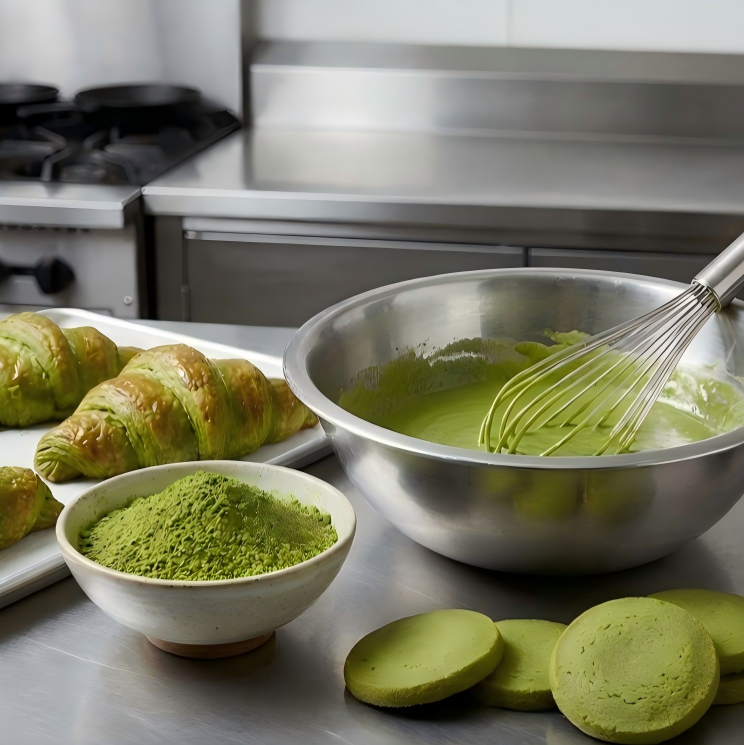
Classic Culinary Matcha
Classic Culinary Matcha
Contact our sales team for detailed specifications and application suitability.
- Grade:
- Standard
- Color:
- Varies
- Mesh Range:
- Standard
- Min. Order:
- Negotiable
Explore products selected for controlled bitterness performance. Buyers in this category usually compare drinkability, flavor accessibility, and how well the product fits broader commercial use.
Controlled Bitterness refers to a bitterness level that is present but managed, so the product retains matcha character without becoming too harsh or difficult to drink.
This feature is valuable in B2B sourcing because many commercial formats need smoother acceptance while still keeping enough flavor identity.
The product feels more balanced, easier to drink, and less sharp, while still maintaining a recognizable matcha structure.
Especially relevant for latte, RTD, dessert beverages, broad-market consumer products, and premium direct-drinking products that need accessibility.
If bitterness is controlled too aggressively, the profile may lose depth, structure, or a convincing matcha identity.
For commercial buyers, a performance feature should be connected with real application results, not judged as a simple label.
Especially relevant for latte, RTD, dessert beverages, broad-market consumer products, and premium direct-drinking products that need accessibility.
Sample testing, final application trials, color check, flavor review, storage observation, and repeated batch comparison.
If bitterness is controlled too aggressively, the profile may lose depth, structure, or a convincing matcha identity.
Compare available matcha products by grade, color, mesh range, MOQ, and application performance.
Contact our sales team for detailed specifications and application suitability.
Performance priorities should be compared in the context of your actual application, not as isolated labels.
Controlled bitterness helps improve drinkability without automatically making the product weak, as long as aroma and body remain strong enough.
Test bitterness in the real serving format, because milk, sweetness, and serving temperature can change how bitterness is perceived.
Tell suppliers whether you need softer broad-market drinkability or a more premium balance with some retained structure.
These questions help buyers use performance features as practical sourcing standards.
No. A performance feature is not the same as grade. It describes how the product behaves in color, flavor, texture, or processing, while grade still depends on raw material, specifications, and application target.
Buyers should test samples in the real application, such as latte, RTD beverage, bakery, dessert, hot processing, or direct drinking. Dry powder appearance alone is not enough.
Yes. For OEM or bulk projects, the target feature can usually be adjusted through grade selection, blending direction, particle size, application testing, and batch control standards.
Provide your target application, required performance feature, order volume, packaging format, processing conditions, and any color, flavor, bitterness, or stability requirements.
Tell us which performance priority matters most, along with your target use, packaging format, and MOQ. We will recommend suitable options for testing and sourcing.