
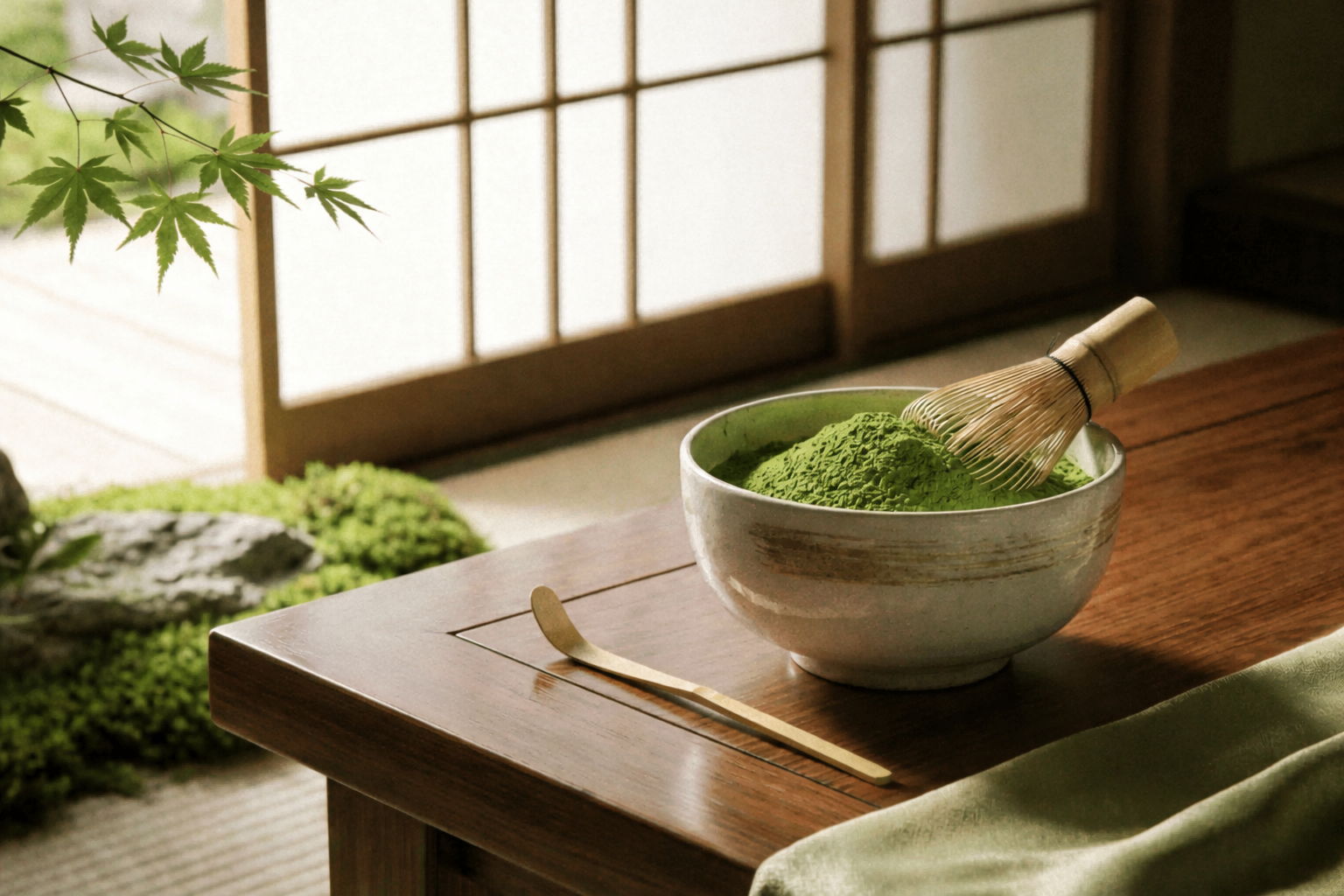
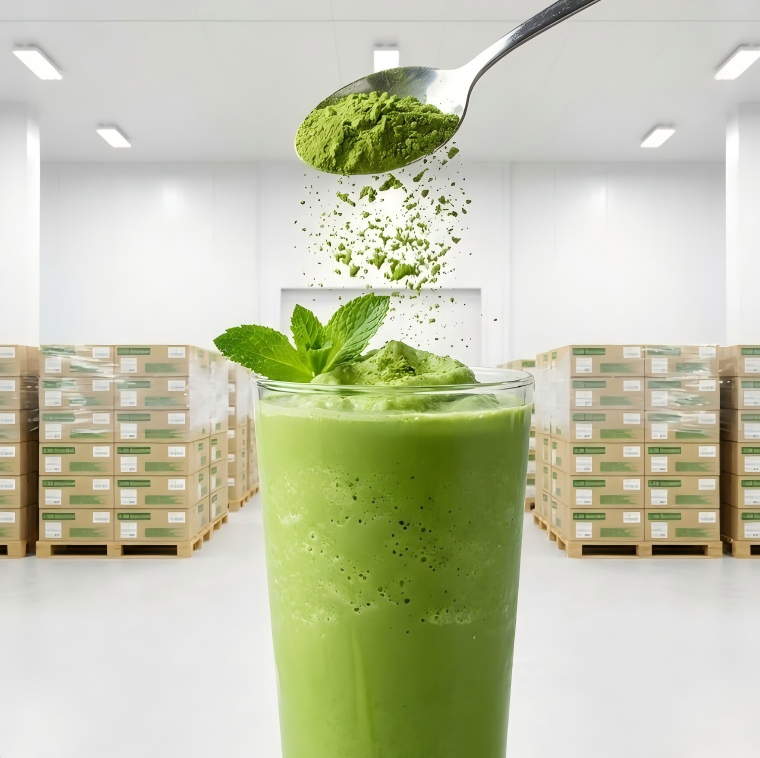
Cafe Standard Matcha
Cafe Standard Matcha
Contact our sales team for detailed specifications and application suitability.
- Grade:
- Standard
- Color:
- Varies
- Mesh Range:
- Standard
- Min. Order:
- Negotiable
Explore products selected for heat stability performance. Buyers in this category usually compare process reliability, color retention under heat, and formulation suitability for industrial or semi-industrial use.
Heat Stability refers to the product’s ability to maintain acceptable color, flavor, and overall performance after heating or thermal processing.
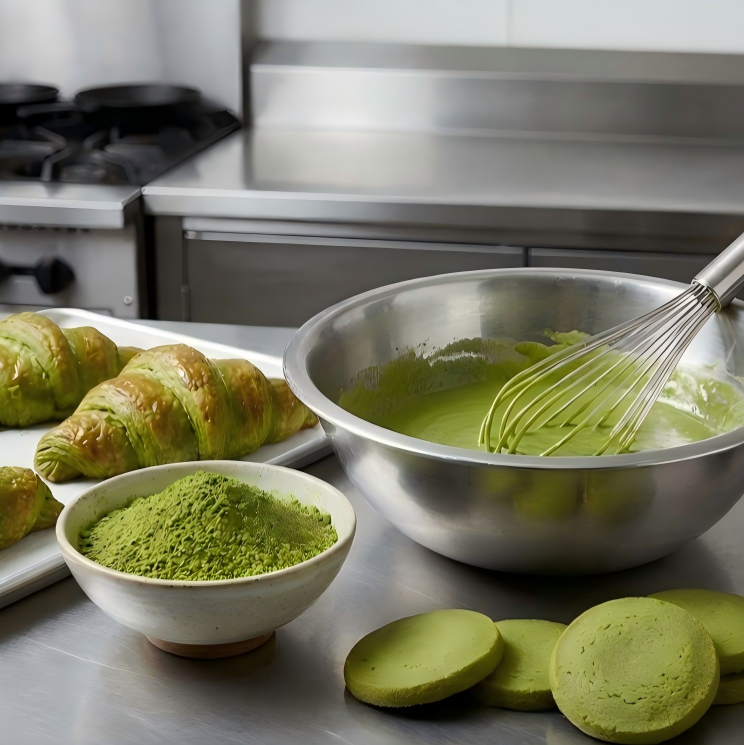
This feature is highly important in B2B sourcing when the product will be used in bakery, confectionery, hot-fill, processed beverages, or industrial applications where heat exposure is unavoidable.
A heat-stable product usually shows better resilience in color, flavor balance, and overall usability after exposure to elevated temperatures.
Especially relevant for bakery, confectionery, dessert powders, hot beverages, processed drinks, and products that go through heating or repeated temperature stress.
Heat stability should be tested in the actual process. A product that looks stable in dry form may still lose color or flavor after real heating conditions.
For commercial buyers, a performance feature should be connected with real application results, not judged as a simple label.
Especially relevant for bakery, confectionery, dessert powders, hot beverages, processed drinks, and products that go through heating or repeated temperature stress.
Sample testing, final application trials, color check, flavor review, storage observation, and repeated batch comparison.
Heat stability should be tested in the actual process. A product that looks stable in dry form may still lose color or flavor after real heating conditions.
Compare available matcha products by grade, color, mesh range, MOQ, and application performance.
Contact our sales team for detailed specifications and application suitability.
Contact our sales team for detailed specifications and application suitability.
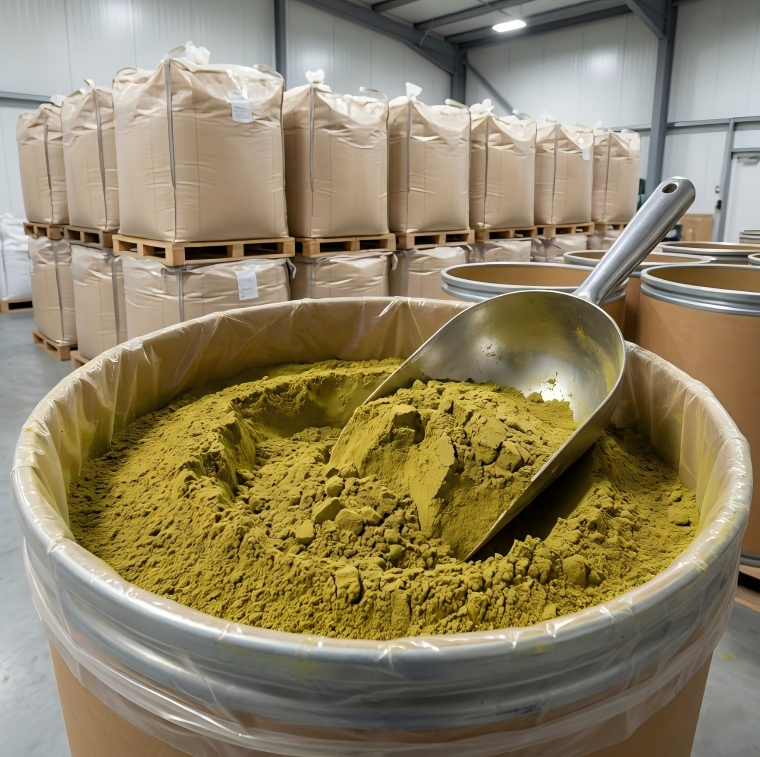
Contact our sales team for detailed specifications and application suitability.
Performance priorities should be compared in the context of your actual application, not as isolated labels.
Heat stability reduces formulation risk in processed applications and supports more reliable product performance during production.
Always test after real heat exposure rather than relying on supplier labels, because baking, steaming, hot-fill, and mixing conditions are not equivalent.
Tell suppliers your actual temperature range, processing time, and final product type so they can recommend the right heat-stable option.
These questions help buyers use performance features as practical sourcing standards.
No. A performance feature is not the same as grade. It describes how the product behaves in color, flavor, texture, or processing, while grade still depends on raw material, specifications, and application target.
Buyers should test samples in the real application, such as latte, RTD beverage, bakery, dessert, hot processing, or direct drinking. Dry powder appearance alone is not enough.
Yes. For OEM or bulk projects, the target feature can usually be adjusted through grade selection, blending direction, particle size, application testing, and batch control standards.
Provide your target application, required performance feature, order volume, packaging format, processing conditions, and any color, flavor, bitterness, or stability requirements.
Tell us which performance priority matters most, along with your target use, packaging format, and MOQ. We will recommend suitable options for testing and sourcing.