
Sourcing bulk matcha feels complicated and risky. A bad choice can ruin your product's consistency and your brand's reputation1. The right evaluation strategy builds a secure, long-term partnership.
To evaluate a bulk matcha supplier, you must look beyond the sample. Focus on four key areas: application fit, verifiable compliance, operational capacity, and detailed product specifications. This approach ensures the supplier can deliver consistent quality at scale, matching your specific production needs and mitigating business risks.
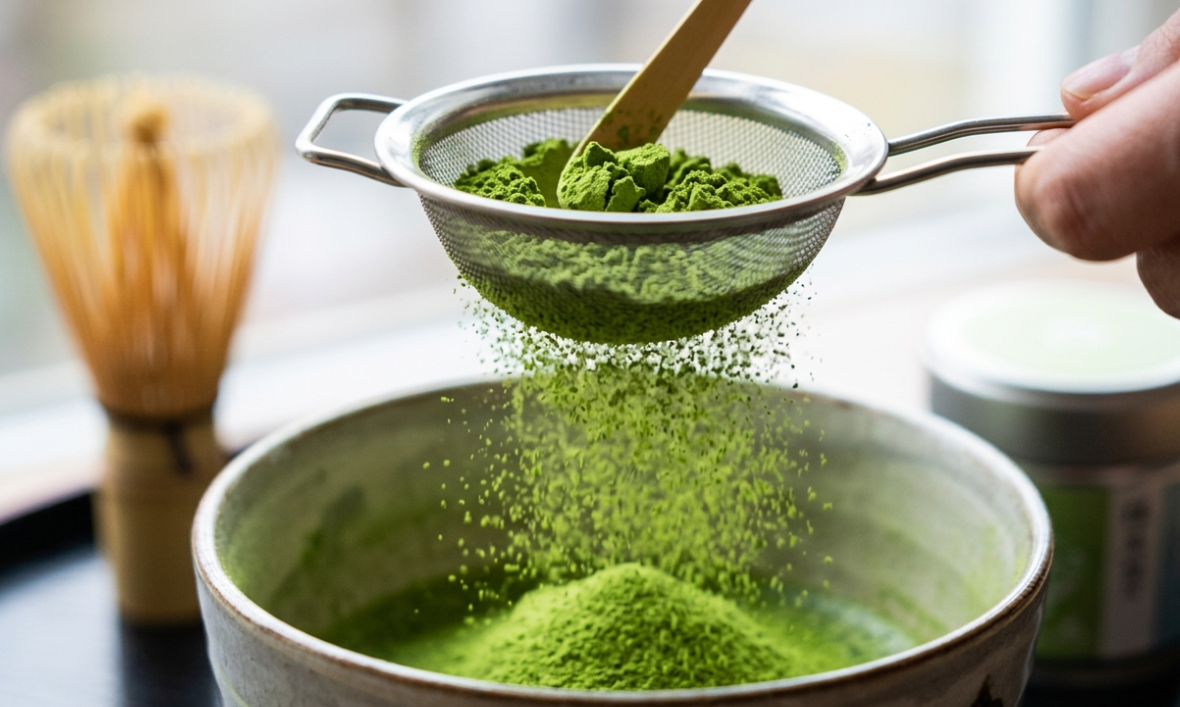
A perfect sample is a great start, but it doesn't tell you the whole story. It proves a supplier can make one good batch. It doesn't prove they can deliver that same quality every month, especially during your peak season. The real work is evaluating the supplier's entire operation, not just the powder in front of you. This deeper look is what protects your business from supply chain surprises and ensures your customers get the same great product every time. Let's break down what truly matters.
Should You Focus on 'Grade' or 'Application Fit'?
Confused by terms like "ceremonial" and "culinary"2? These labels don't guarantee performance in your product. Choosing the wrong one can lead to costly mistakes in production and development.
For B2B purchasing, you should always focus on "application fit." Evaluate a powder's specific attributes—like color stability, particle size, and bitterness—and how they perform in your unique process. This ensures product consistency, whether for a latte, baked good, or RTD beverage.
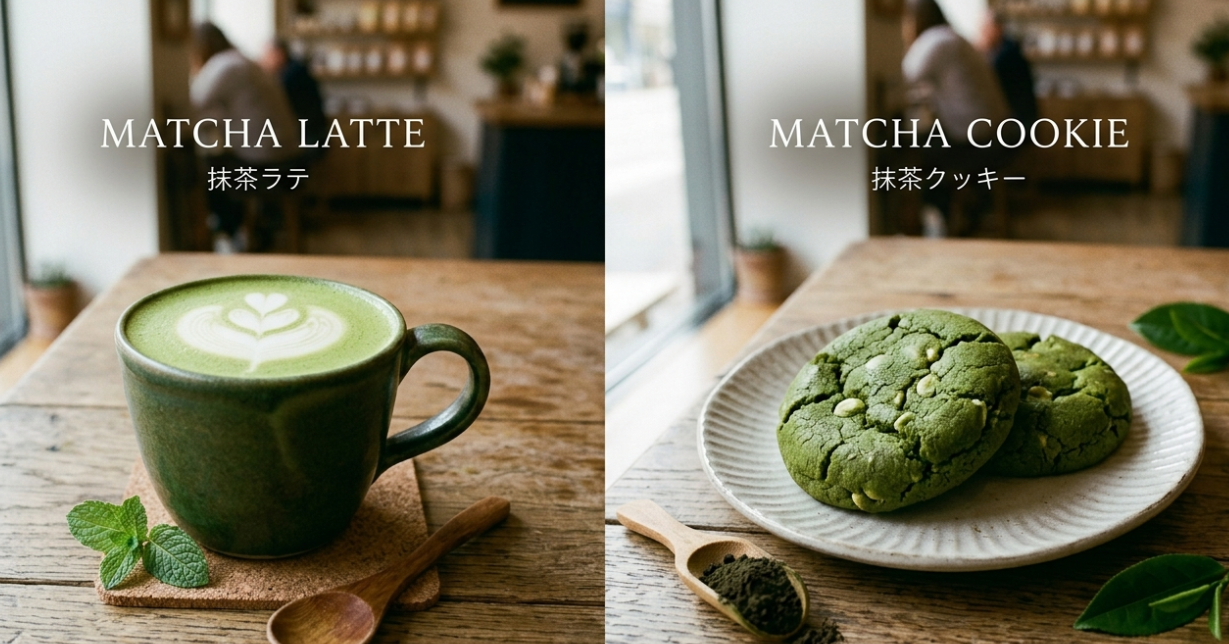
Consumer-facing terms like "ceremonial grade" are marketing labels. They don't provide the technical details needed for commercial production. A common question we get from beverage chains is about finding the brightest green matcha for their lattes. They often assume a high-end ceremonial grade is the answer. While that powder might look amazing when whisked with water, its delicate flavor can get lost in milk and syrup. A slightly more robust powder might actually create a better-tasting final product. The same logic applies to food manufacturing. When a bakery is concerned about color stability, we look at their production process first. A vibrant green matcha might turn a disappointing brown in a high-heat oven3. A different powder, perhaps one with a stronger color profile, might be the better choice even if it looks less impressive on its own. It's all about how the matcha performs inside your product.
Key Attributes for Different Applications
| Application | Critical Attribute | Why It Matters |
|---|---|---|
| Lattes & Drinks | Particle Size4 & Solubility | A fine powder dissolves smoothly, preventing a gritty texture. |
| Baking & Desserts | Color & Heat Stability | The powder must retain its green color after being heated. |
| Chocolate & Confections | Bitterness & Flavor Profile | The matcha flavor needs to balance the sweetness of sugar. |
| RTD Beverages | Suspension & Microbial Count5 | The powder must stay suspended in liquid and meet food safety standards. |
Are Certifications Just Marketing Tools?
You might worry about compliance and market access. A supplier's certifications can seem like just another logo on a website. But ignoring them can block your product from key markets.
No, certifications are non-negotiable proof of a supplier's operational discipline. Credentials like EU Organic, JAS6, and HACCP are essential filters. They demonstrate a commitment to quality control and traceability7, which protects your brand and reduces your business risk.
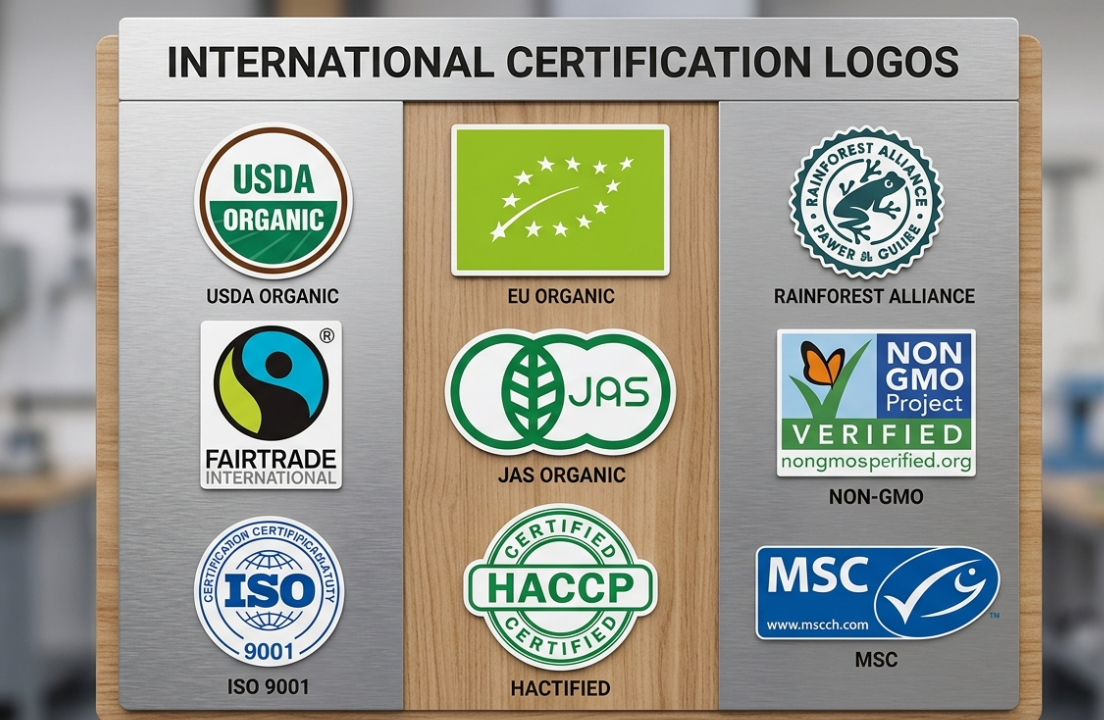
From a supply chain perspective, certifications are your first line of defense. They are not just for marketing; they are evidence of a mature and reliable operation. For instance, if you plan to sell your product in the European Union, your matcha supplier must have an EU Organic certification8. Without it, your product simply cannot enter the market. Similarly, a HACCP certification9 shows the supplier has a system in place to manage food safety risks. This is fundamental for any food or beverage business. It shows they are serious about preventing problems before they happen. A supplier who cannot provide verifiable documentation for your target market introduces an unacceptable level of risk. It doesn't matter how good their matcha tastes. If it's not compliant, it's not a viable ingredient.
The Power of Traceability
Beyond the logos, you should ask about traceability. This is the ability to track a product's journey from the farm to the final package. In our operation, we can trace every batch of matcha back to the specific tea garden, the harvest date, and the processing line. This system is critical for quality control and accountability. If there is ever a question about a specific order, we can pull up the complete history in minutes. A supplier who can offer this level of transparency is a supplier you can trust. It shows they have control over their entire process and are prepared to stand behind their product.
Why Is a Specification Sheet More Important Than a Price List?
It's tempting to choose a supplier based on the lowest price. This often leads to inconsistent quality and production headaches down the road. Relying on price alone is a risky gamble.
A specification sheet provides quantifiable data on a matcha's properties. This document is your quality guarantee. It ensures consistency between batches and is far more valuable than a price list for making a long-term, low-risk sourcing decision.
When a potential partner asks only for a price list, I know we need to have a deeper conversation. Serious buyers ask for our specification sheets first. They know that's where the real evaluation starts. A spec sheet is a technical document that details the product's characteristics. It includes physical data like particle size and color values. It has chemical data like caffeine and theanine levels10. It also contains critical safety data, such as microbial counts and heavy metal limits11. This isn't just a list of numbers; it's a promise. The supplier is guaranteeing that every batch they send you will meet these exact standards. This is how you ensure the matcha latte you sell in January tastes the same as the one you sell in June.
Price vs. Total Cost of Ownership
A supplier who competes only on price, without a detailed spec sheet, is a red flag. It often means they lack the quality control systems to guarantee consistency. You might save money on the initial purchase, but you could face higher costs later from rejected batches, production delays, or a damaged brand reputation. A reliable partner provides a product that performs predictably every single time. That predictability is worth far more than a few cents saved per kilogram.
| Specification | Why It Matters for Your Business |
|---|---|
| Particle Size (D50) | Affects mouthfeel in drinks and texture in foods. |
| *[Lab Color Value](https://en.wikipedia.org/wiki/CIELAB_color_space)%%%FOOTNOTE_REF_12%%%** | Provides an objective measure of greenness for consistency. |
| Heavy Metals (Lead, etc.) | A critical food safety and compliance requirement for most markets. |
| Total Plate Count | Measures microbiological safety, essential for RTD and dairy products. |
Conclusion
Choosing the right matcha supplier secures your supply chain and protects your brand. A successful partnership is built on matching a supplier's capabilities with your specific business and application needs.
"[PDF] Product Recalls and Firm Reputation: - CUNY Graduate Center", https://www.gc.cuny.edu/sites/default/files/2021-07/recalls-final.pdf. Provides analysis or case studies demonstrating the significant negative impact of supply chain disruptions and product quality failures on brand equity, consumer trust, and a company's financial performance. Evidence role: general_support; source type: paper. Supports: Inconsistent product quality and supply chain failures can lead to negative customer experiences, product recalls, and significant damage to a company's brand reputation and consumer trust.. ↩
"What are the standards for matcha grade?", https://matchastandmaruni.com/blogs/blog/what-are-the-standards-for-matcha-grade?srsltid=AfmBOop3aBEAyM2BCHl2Z9gtEBiW54JDQ4T5FSmcvZhvTMczS3C5rKQV. Provides context on the common understanding and lack of official regulation for matcha grades such as 'ceremonial' and 'culinary,' noting they are primarily used for marketing and to indicate intended use. Evidence role: definition; source type: encyclopedia. Supports: The distinction between matcha grades like 'ceremonial' and 'culinary' is based on industry convention and marketing rather than formal, regulated standards.. ↩
"Effect of green tea powder on thermal, rheological & functional ...", https://pmc.ncbi.nlm.nih.gov/articles/PMC4554617/. Explains the chemical process by which chlorophyll in matcha degrades under heat, converting to pheophytin and causing a color shift from vibrant green to brownish-green. Evidence role: mechanism; source type: paper. Supports: High heat during baking can degrade chlorophyll, the pigment responsible for matcha's green color, into pheophytins, which have a dull olive-brown color.. ↩
"Relating particles and texture perception - PubMed", https://pubmed.ncbi.nlm.nih.gov/16112152/. Describes research in food science and sensory analysis demonstrating the direct relationship between particle size distribution in suspensions and the perception of texture, or mouthfeel, by consumers. Evidence role: mechanism; source type: paper. Supports: In food science, the particle size of powders suspended in a liquid is a critical factor influencing sensory attributes like mouthfeel, with finer particles generally creating a smoother texture.. ↩
"Health Safety of Soft Drinks: Contents, Containers, and ... - PMC - NIH", https://pmc.ncbi.nlm.nih.gov/articles/PMC4324883/. Discusses the importance of microbiological testing, such as Total Plate Count (TPC), for ready-to-drink (RTD) beverages to ensure food safety and prevent spoilage, as these products can support microbial growth if not properly processed. Evidence role: general_support; source type: paper. Supports: Ready-to-drink (RTD) beverages can provide a suitable environment for microbial growth, making microbiological safety standards like total plate count essential for ensuring product stability and consumer safety.. ↩
"[PDF] Japan Introduces a New JAS Logo for Differentiated Products", https://apps.fas.usda.gov/newgainapi/api/report/downloadreportbyfilename?filename=Japan%20Introduces%20a%20New%20JAS%20Logo%20for%20Differentiated%20Products_Tokyo_Japan_11-7-2018.pdf. Defines the Japanese Agricultural Standard (JAS) as the mandatory standard for products marketed as "organic" in Japan, ensuring they meet specific criteria for production and processing. Evidence role: definition; source type: government. Supports: The Japanese Agricultural Standard (JAS) is the certification for organic products in Japan, administered by the Japanese Ministry of Agriculture, Forestry and Fisheries.. ↩
"Food Traceability: One Ingredient in a Safe and Efficient Food Supply", https://www.ers.usda.gov/amber-waves/2004/april/food-traceability-one-ingredient-in-a-safe-and-efficient-food-supply. Defines traceability within the food system, as established by international bodies like the Codex Alimentarius Commission, as the ability to track food through all stages of production, processing, and distribution. Evidence role: definition; source type: institution. Supports: Food traceability is the ability to follow the movement of a food product and its ingredients through all steps of production, processing, and distribution.. ↩
"International Trade Policies: European Union", https://www.ams.usda.gov/services/organic-certification/international-trade/european-union. Outlines the requirements for products to be marketed as organic within the European Union, including the necessity of certification to the EU organic standard for imported goods. Evidence role: general_support; source type: government. Supports: Products sold as 'organic' within the European Union must comply with EU organic regulations, which typically requires certification for imported goods.. ↩
"Hazard Analysis Critical Control Point (HACCP) - FDA", https://www.fda.gov/food/guidance-regulation-food-and-dietary-supplements/hazard-analysis-critical-control-point-haccp. Defines the Hazard Analysis Critical Control Point (HACCP) system as a management framework for reducing the risk of safety hazards in food, as recognized by regulatory bodies like the U.S. Food and Drug Administration (FDA). Evidence role: definition; source type: government. Supports: HACCP (Hazard Analysis Critical Control Point) is a systematic, preventive approach to food safety that identifies and controls biological, chemical, and physical hazards.. ↩
"Health Benefits and Chemical Composition of Matcha Green ...", https://pmc.ncbi.nlm.nih.gov/articles/PMC7796401/. Provides a chemical analysis of matcha, confirming the presence and typical concentration ranges of key compounds such as caffeine and L-theanine, which contribute to its distinct effects and flavor profile. Evidence role: general_support; source type: paper. Supports: Matcha is known for its unique chemical composition, which includes significant levels of both caffeine and the amino acid L-theanine.. ↩
"Action Levels for Lead in Processed Food Intended for Babies ... - FDA", https://www.fda.gov/regulatory-information/search-fda-guidance-documents/guidance-industry-action-levels-lead-processed-food-intended-babies-and-young-children. References regulations from food safety authorities (e.g., European Food Safety Authority, U.S. FDA) that set maximum limits for contaminants like lead in tea and other food products to protect consumer health. Evidence role: statistic; source type: government. Supports: Food safety authorities in major markets like the U.S. and EU have established maximum permissible levels for heavy metals, such as lead, in food products including tea.. ↩
"CIELAB color space - Wikipedia", https://en.wikipedia.org/wiki/CIELAB_color_space. Explains the CIELAB (L*a*b*) color space as a standard used in food science and quality control to provide objective, quantitative measurements of color, where L* represents lightness and a* and b* represent color-opponent dimensions. Evidence role: definition; source type: education. Supports: The CIELAB or L*a*b* color space is a three-dimensional color model that provides a device-independent, objective way to measure and specify color.. ↩