Struggling to find one matcha for all your products? Standard grades fail in industrial settings, ruining your perfect recipes and wasting money. The solution is an application-specific, engineered matcha1.
The best matcha isn't a single grade. For lattes, you need a high-umami Barista Grade2 to cut through milk. For baking, a heat-stable Culinary Grade3 is key. For bottled drinks, you need an industrial RTD Grade4 engineered for suspension and long shelf life.
For B2B buyers, the best matcha grade depends on the final application. A matcha powder that tastes excellent in water may disappear in oat milk, turn brown in an oven, or settle at the bottom of a bottled drink. That is why food factories, beverage brands, café chains and private label buyers should not choose matcha only by words like ceremonial, premium or culinary. They should choose matcha by color stability, solubility, bitterness, particle size, heat resistance, shelf-life performance and target cost per serving.
For buyers comparing ceremonial, barista, culinary and RTD specifications, our matcha grades page explains how different grades fit commercial applications.
If you already know your application, you can start with our product pages:
- For café drinks and plant-milk lattes, see Barista Reserve Matcha.
- For baking, desserts and food manufacturing, see Bulk Culinary Grade Matcha.
- For bottled drinks and RTD formulas, see Matcha for Drinking / RTD.
- For larger orders, see Bulk Matcha Supply.
- To discuss samples or custom specifications, contact MatchaSourcing.
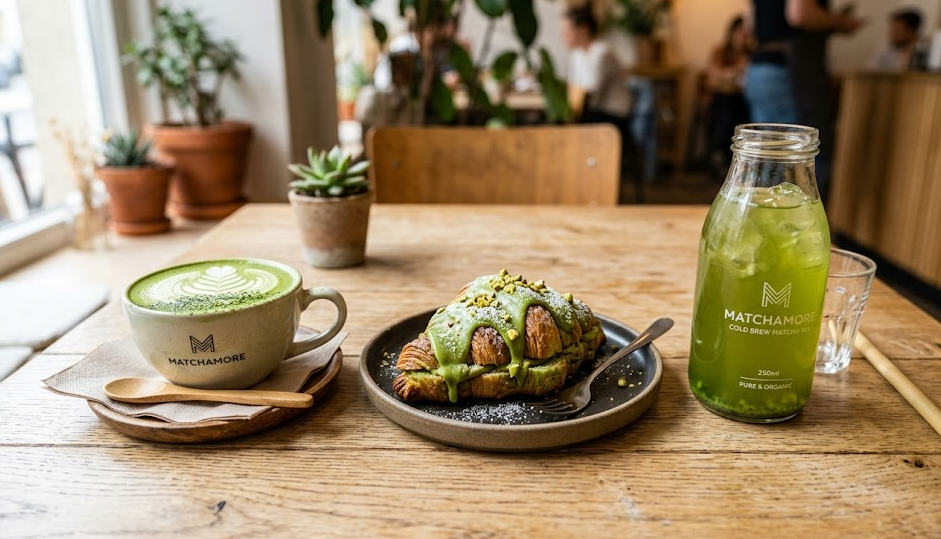
Quick Answer: Which Matcha Grade Is Best for Each Application?
The best matcha grade depends on how the powder will be used. Lattes need strong flavor and color penetration. Bakery needs heat stability. RTD drinks need fine particle control, suspension and oxidation resistance.
| Application | Best Matcha Grade | Key Requirement | Recommended Product |
|---|---|---|---|
| Café latte | Barista Grade | Strong umami, bright green color, milk penetration | Barista Reserve Matcha |
| Iced oat milk latte | Barista Grade / Premium Latte Grade | Strong color and flavor after ice and plant milk dilution | Matcha for Latte Cafés |
| Bakery | Culinary / Bakery Grade | Heat stability and color retention after baking | Bulk Culinary Grade Matcha |
| Ice cream / dessert | Culinary Grade with strong color | Low bitterness and good dairy compatibility | Bulk Matcha Supply |
| RTD bottled drink | RTD Grade | Suspension, solubility, oxidation control, shelf-life stability | Matcha for Drinking / RTD |
| Smoothie / functional drink | Beverage Grade | Strong color, clean label, COA support | COA and Testing |
| Private label retail pack | Custom grade | Balanced taste, color, story and price positioning | Private Label Matcha |
The mistake many buyers make is asking, “What is your best matcha?” The better question is: What is the best matcha grade for my exact formula, process, market and price target?
R&D directors from food factories and beverage chains always ask me the same question. They want to know the best matcha for their new latte, bakery item, or RTD beverage. A typical trader would just show you a price list with "ceremonial," "premium," and "culinary" grades. I usually close that list. I tell these brilliant creators a simple truth about large-scale industrial production. There is no absolute "best" on a massive production line. There is only the "strongest survivor5." You need a matcha that can withstand the incredibly harsh physical environment of your factory. Your lab creations are priceless. But when you scale them up, your matcha faces dilution from plant milk, extreme heat from ovens, and a 12-month shelf life. To make sure your ideas succeed, we at MatchaSourcing.com have invested heavily. Our cleanroom workshops use industrial machines to create custom "physical armor"6 for these three key applications.
Application Procurement Table: Latte vs Bakery vs RTD Matcha
For serious buyers, grade names are not enough. You need a procurement specification. The table below gives a practical starting point for comparing matcha grades by performance.
| Application | Color Stability | Solubility / Dispersion | Bitterness Level | Suggested Mesh / Particle Direction | Relative Price Band | Buyer Priority |
|---|---|---|---|---|---|---|
| Hot matcha latte | High | Good whisking and milk dispersion | Low to medium | Fine powder, usually around 800–1200 mesh target | $$–$$$ | Umami and dairy balance |
| Iced oat milk latte | Very high | Strong dispersion under ice and plant milk | Medium, but controlled | Fine powder, usually around 1000–1500 mesh target | $$–$$$ | Color penetration and flavor strength |
| Bakery / cookies / cakes | Medium to high after heat | Good mixing with flour and fat | Medium | Medium-fine powder, often less extreme than RTD | $–$$ | Heat stability and cost control |
| Croissant / pastry | High after butter and heat | Good fat-phase distribution | Medium | Bakery-grade fine powder | $$ | Color retention in butter-rich dough |
| Ice cream / dairy dessert | High | Smooth dispersion in dairy base | Low to medium | Fine powder for smooth mouthfeel | $$ | Low bitterness and creamy finish |
| RTD bottled drink | Very high over shelf life | Very high suspension requirement | Low to controlled | Micronized / ultra-fine specification, often 1200–2000 mesh discussion range | $$$ | Suspension and oxidation control |
| Smoothie / functional beverage | High | Good blender dispersion | Medium | Fine beverage-grade powder | $$ | Color, nutrition story and COA |
| Private label retail matcha | Depends on positioning | Good whisking and customer experience | Low for premium, medium for value grade | Fine drinking-grade powder | $$–$$$$ | Taste, color, origin story and margin |
These mesh ranges should be treated as procurement discussion targets, not universal rules. The right specification depends on your production equipment, formula viscosity, heating process, packaging type and shelf-life target. Before placing a bulk order, always test samples in the real product system.
For custom matching by application, contact MatchaSourcing and share your product type, target market, dosage, process temperature, packaging and expected annual volume.
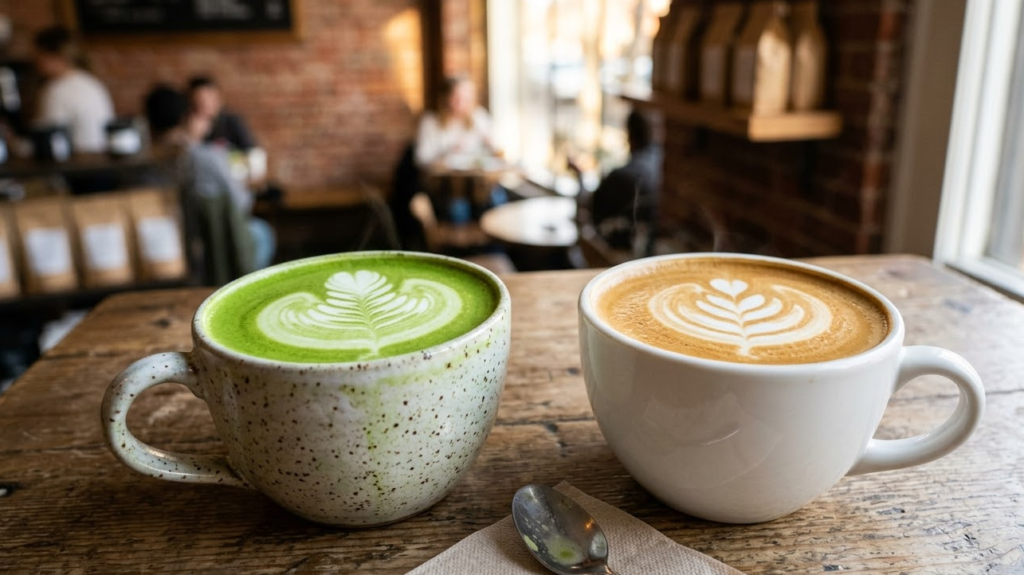
What makes the best matcha for a coffee shop latte?
Your matcha latte looks muddy and tastes weak. Thick plant milks and ice are overpowering the delicate tea flavor. You need a matcha strong enough to cut through.
The best matcha for lattes is a Barista Grade2. It is specifically designed with high L-theanine7 for a strong umami flavor. This allows it to penetrate heavy plant milks like oat or coconut, delivering a vibrant green color and a rich, savory taste in every cup.
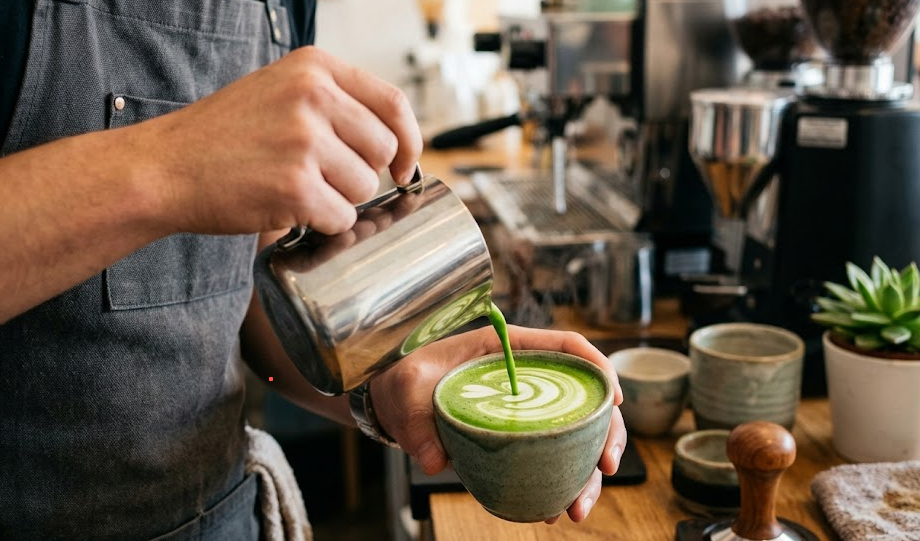
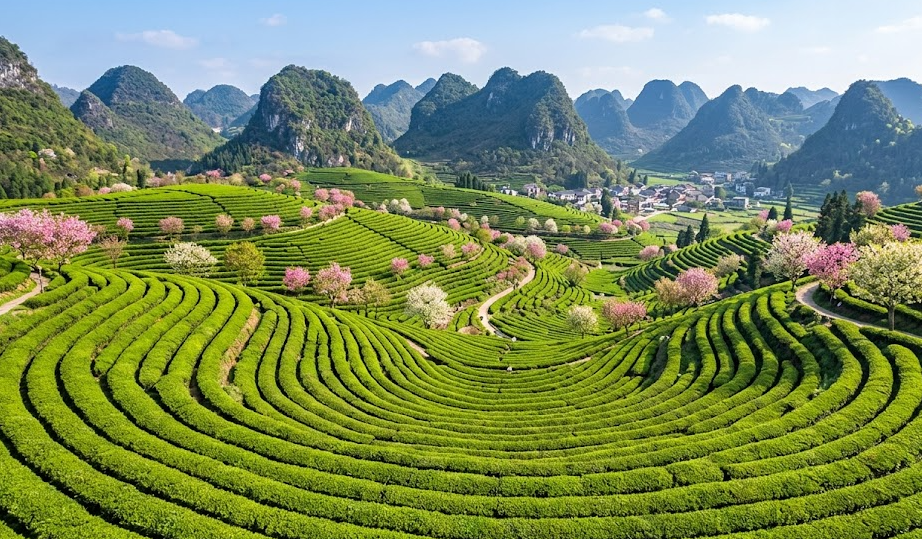
Making the perfect matcha latte is a battle against a "complex fluid environment8." This is the main enemy your R&D team faces. When matcha meets very thick oat milk, coconut cream, or a lot of ice, its flavor gets lost. The plant fats and sugars swallow the taste. The drink turns into a sad, yellowish-brown liquid. A barista doesn't need just any tea. They need a sharp blade that can slice through fat and sugar. At our 2,300-mu organic estate in Anshun, we use a strict 20-30 day shading process. This forces the tea plants to produce huge amounts of L-theanine, which creates that savory umami flavor. We combine this with a very precise Japanese steam-fixing process. The result is our custom Barista Grade2 matcha. It has powerful flavor and color penetration. It cuts right through the wall of plant milk. It explodes in the cup with a clear, high-end seaweed-like freshness9 and a stunning emerald green. This will instantly boost the value of every drink you sell.
| Feature | Standard Matcha | MatchaSourcing Barista Grade2 |
|---|---|---|
| Flavor Profile | Mild, easily diluted | Strong Umami, cuts through milk |
| Color in Latte | Dull, yellowish-green | Vibrant, emerald green |
| Key Compound | Standard L-theanine | Maximized L-theanine (20-30 day shade) |
| Best For | Water-based drinks | Thick plant-milk lattes, iced drinks |
Latte Matcha Buying Specifications
For cafés and beverage chains, the best latte matcha must survive milk, ice, syrup and speed. The powder should not only taste good in water. It must still taste like matcha after dilution.
| Latte Requirement | Recommended Specification | Why It Matters |
|---|---|---|
| Color | Bright green, high chlorophyll | Prevents muddy or yellowish drinks |
| Flavor | Strong umami, controlled bitterness | Cuts through oat milk, dairy and syrup |
| Texture | Fine enough for smooth whisking | Reduces clumps and improves mouthfeel |
| Solubility | Fast dispersion in café workflow | Speeds up service and improves consistency |
| Milk performance | Tested with oat, dairy, soy and coconut milk | Prevents weak taste in plant-based drinks |
| Price band | Medium to premium | Supports drink margin while protecting quality |
| Documentation | COA and batch consistency | Helps multi-store buyers control quality |
For café-specific development, review Matcha for Latte Cafés or request Barista Reserve Matcha samples through our contact page.
How does matcha stay green in a 180°C oven?
Your matcha croissants look perfect before baking, but come out a dull brown. The high heat and butter are killing the beautiful green color, making your product look unappetizing.
To stay green after baking, you need a Culinary/Bakery Grade matcha with high thermal stability10. We achieve this by using specific mature organic leaves, which are richer in polyphenols11. Our processing locks in the color, ensuring your baked goods stay vibrant and appealing.
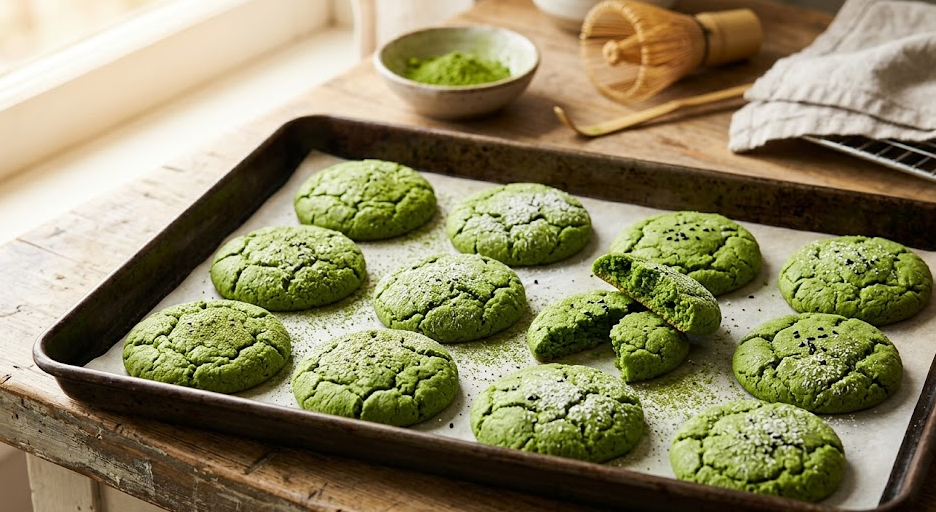
Many master bakers create perfect products during testing. But these same products fail on the large production line. This is because bakery-grade matcha faces the toughest test in the food industry. It must survive 180°C oven temperatures and intense dilution from butter and flour. Many delicate tea powders "die on sight" in the oven. They fade to an unappetizing grayish-brown. For our Bakery Grade, we specifically select organic mature leaves12. These leaves have a longer growth cycle. They are extremely rich in polyphenols11 and catechins. I personally supervise our technical team as they fine-tune the physical parameters of the steaming and drying process. This gives the matcha powder extreme thermal stability10. This industrial-grade bakery powder has been toughened by our heavy machinery. It can withstand the oven's intense heat. It holds on tightly to that vibrant green color that signals health and freshness. It also maintains a pure tea aroma inside the sweet dough.
| Challenge | Standard Matcha Performance | MatchaSourcing Bakery Grade Performance |
|---|---|---|
| 180°C Heat | Color fades to brown/gray | Retains vibrant green color |
| Dilution | Flavor is easily lost in dough | Maintains clear tea aroma |
| Leaf Source | Young, delicate leaves | Mature, polyphenol-rich leaves |
| Stability | Low thermal stability10 | High thermal stability10 |
Bakery Matcha Buying Specifications
Bakery buyers need matcha that can survive heat, flour, butter, sugar and long production runs. The best bakery matcha is not necessarily the most delicate drinking matcha. It is the powder that keeps color and aroma after processing.
| Bakery Requirement | Recommended Specification | Why It Matters |
|---|---|---|
| Color stability | Green after baking, not just before baking | Prevents brown or gray finished products |
| Heat resistance | Tested under real oven conditions | Protects visual quality after 160–180°C baking |
| Bitterness | Medium, balanced by sugar and fat | Gives tea character without harsh aftertaste |
| Aroma | Strong enough for dough and butter | Prevents matcha from disappearing in bakery formulas |
| Particle size | Fine enough to mix evenly | Avoids specks, clumps and uneven color |
| Price band | Cost-effective to medium | Bakery applications need margin control |
| Documentation | COA and food-manufacturing support | Supports industrial purchasing and compliance |
For bakeries, dessert brands and food manufacturers, our matcha for baking page explains how to choose powder for heat stability, color retention and formula performance.
For bakery, dessert and food manufacturing applications, start with Bulk Culinary Grade Matcha or request bulk options from MatchaSourcing.
How do you keep matcha suspended in a drink for 12 months?
Your ready-to-drink matcha settles into a sludge at the bottom of the bottle. Over time, it also turns yellow on the shelf, ruining the product's appeal and trust.
For RTD beverages, you need a grade with perfect "physical suspension13." We achieve this by customizing the micronized mesh size14. This ensures it dissolves instantly and stays suspended. Our process also deactivates enzymes, preventing oxidation and color change over a 12-month shelf life.
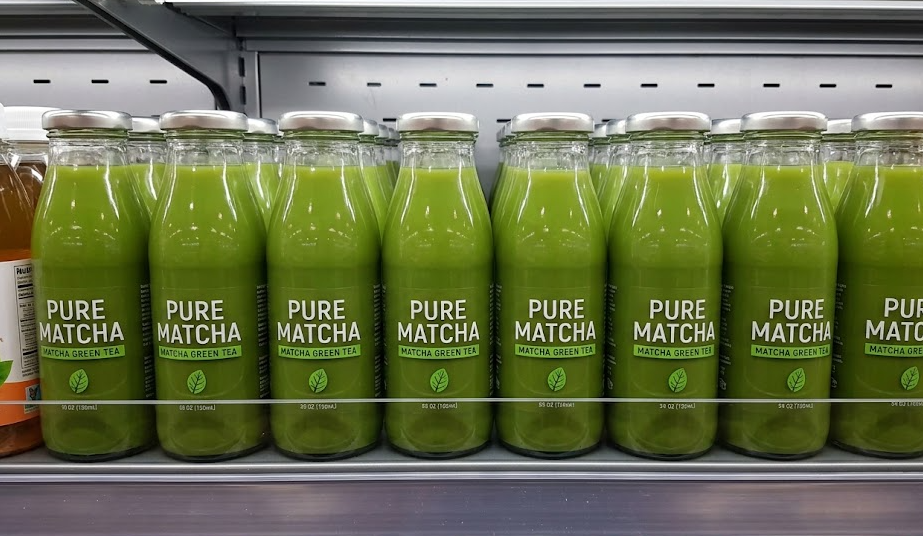
Putting matcha into a bottled drink that sits at room temperature for 12 months is the ultimate nightmare for food engineers. If the powder's physical structure is wrong, you will get a sludge-like sediment at the bottom of the bottle. If the active enzymes are not completely killed, the tea liquid will oxidize and turn yellow under the supermarket's fluorescent lights. When facing an industrial challenge of this size, only our 11 continuous production lines and imported ultra-fine grinders can give you absolute peace of mind. We very precisely customize the mesh size for you. This ensures the powder dissolves instantly in giant mixing tanks and achieves perfect physical suspension13 in the liquid. We use an extremely strict QC system to protect batch consistency15. This completely breaks the oxidation chain. It ensures every single bottle that comes off your production line maintains its perfect visual impact throughout its long shelf life.
| Factor | Issue in RTD Drinks | MatchaSourcing RTD Grade4 Solution |
|---|---|---|
| Solubility | Clumping and slow dissolution | Custom mesh size for instant dissolving |
| Suspension | Sediment forms over time | Micronized for stable physical suspension13 |
| Shelf Life | Oxidation causes browning/yellowing | Enzyme deactivation stops oxidation chain |
| Consistency | Batch-to-batch variation | Strict QC across 11 production lines |
RTD Matcha Buying Specifications
RTD matcha has the most demanding technical requirements. It must perform in mixing tanks, survive processing, remain visually stable and avoid sediment during storage.
| RTD Requirement | Recommended Specification | Why It Matters |
|---|---|---|
| Suspension | Micronized or customized particle profile | Reduces sediment and sludge |
| Solubility | Fast dispersion in industrial mixing | Improves production efficiency |
| Color stability | Oxidation-resistant processing | Protects shelf appearance |
| Bitterness | Low to controlled | Prevents harsh aftertaste in bottled drinks |
| Enzyme control | Proper fixation and processing | Helps reduce browning risk |
| Price band | Medium to premium | RTD failure is expensive, so stability matters |
| Documentation | COA, microbiology and heavy metal testing | Supports retail and export requirements |
| Facility support | Food-grade production and traceability | Helps serious beverage buyers pass procurement checks |
For RTD beverage development, see Matcha for Drinking / RTD or contact us with your formula, pH, process temperature, packaging type and target shelf life.
How to Choose Matcha by Product Application
The same matcha powder cannot perform equally well in every product. Before requesting samples, define the application and failure risk.
| Product Type | Main Failure Risk | Best Matcha Direction | Internal Link |
|---|---|---|---|
| Matcha latte | Weak taste, dull color, milk dilution | Barista Grade | Barista Reserve Matcha |
| Iced latte | Ice dilution, plant milk coverage | Strong premium latte grade | Matcha for Latte Cafés |
| Cookies / cakes | Heat fading, weak aroma | Bakery / Culinary Grade | Bulk Culinary Grade Matcha |
| Croissants / pastry | Butter dilution, browning | Heat-stable bakery matcha | Bulk Matcha Supply |
| RTD bottle | Sediment, oxidation, shelf instability | RTD Grade | Matcha for Drinking / RTD |
| Smoothie | Ingredient masking, clumping | Beverage Grade | Best Matcha Selection Guide |
| Private label tin | Taste expectation, customer review risk | Custom premium grade | Private Label Matcha |
If you are not sure which product direction fits your market, use the best matcha selection guide first, then request application-specific samples through MatchaSourcing contact.
Why Ceremonial Grade Is Not Always Best for Industrial Products
Many new buyers assume that ceremonial grade must be the best matcha for every use. This is a costly mistake.
Ceremonial matcha may be excellent for plain drinking, but it is not always the best choice for:
- Oat milk lattes
- High-temperature baking
- RTD bottled drinks
- Ice cream manufacturing
- Smoothie powders
- Functional beverage blends
- Cost-sensitive private label lines
Industrial products require performance, not only taste in water. A good production matcha must match the physical environment of the formula. For example, a delicate ceremonial matcha may taste smooth in a bowl but become invisible in oat milk. It may also be too expensive for bakery use, where heat and sugar change the final sensory result.
For a broader grade comparison, see Best Matcha Selection Guide. For health-focused grade questions, see Which Grade of Matcha Is Healthiest?.
B2B Sample Testing Checklist
Before buying bulk matcha, test the powder in your real production format. Do not judge it only by color in the bag or taste in water.
For latte samples
- Test in dairy milk, oat milk and soy milk.
- Test hot and iced versions.
- Measure color after 5, 10 and 30 minutes.
- Check bitterness after adding syrup.
- Check clumping under café workflow.
- Calculate cost per 12 oz and 16 oz cup.
For bakery samples
- Test at your real oven temperature.
- Compare color before and after baking.
- Test with butter, flour and sugar.
- Check whether aroma remains after heat.
- Compare color after 24 hours.
- Calculate dosage per kilogram of dough or batter.
For RTD samples
- Test in your real liquid base.
- Check dispersion in mixing conditions.
- Monitor sediment after 24 hours, 7 days and longer shelf-life testing.
- Check color under light exposure.
- Test pH and processing impact.
- Request COA, microbiology and heavy metal reports.
For commercial orders, documentation matters. Review COA and Testing before confirming your supplier. If selling into the US market, buyers may also need to understand FDA food facility registration. For organic products, review the USDA National Organic Program. For EU-oriented buyers, the European Food Safety Authority is a useful reference for food-chain risk and safety context.
Price Band: How Much Should Each Matcha Grade Cost?
Price depends on origin, harvest season, organic status, particle size, color, processing, documentation and order volume. Instead of asking only for the cheapest price, buyers should compare matcha by failure cost.
| Grade Type | Relative Price Band | Why It Costs That Way | Best Buyer |
|---|---|---|---|
| Barista Grade | $$–$$$ | Needs strong color, umami and milk performance | Cafés, chains, beverage menus |
| Bakery / Culinary Grade | $–$$ | Built for heat and cost control | Bakeries, food factories, dessert brands |
| RTD Grade | $$$ | Requires particle engineering, suspension and shelf-life testing | Bottled drink brands, beverage factories |
| Organic Premium Grade | $$$–$$$$ | Requires clean farming, certification and strong sensory quality | Wellness brands, premium private label |
| Standard Culinary Grade | $ | More cost-focused for ingredient use | Large food manufacturers |
A cheap matcha that fails in your formula is more expensive than a higher-grade matcha that performs reliably. For B2B buyers, the real unit cost is not price per kilogram. It is cost per successful product.
CTA: Request Application-Specific Matcha Samples
Your innovative recipes are priceless. They deserve the support of the strongest, most stable supply chain. Stop asking for the "best" grade and start demanding an application-specific, industrial-strength matcha.
MatchaSourcing.com can help you select and test matcha for:
- Coffee shop matcha lattes
- Oat milk and plant-based drinks
- Bakery and pastry production
- Ice cream and dessert manufacturing
- RTD bottled matcha drinks
- Smoothies and functional beverages
- Private label retail matcha
- Bulk import and distribution
Start here:
- For café lattes: Barista Reserve Matcha
- For bakery and food use: Bulk Culinary Grade Matcha
- For bottled drinks: Matcha for Drinking / RTD
- For large orders: Bulk Matcha Supply
- For custom brand development: Private Label Matcha
- For samples and specifications: Contact MatchaSourcing
Conclusion
Your innovative recipes are priceless. They deserve the support of the strongest, most stable supply chain. Stop asking for the "best" grade and start demanding an application-specific, industrial-strength matcha.
For lattes, choose a matcha that can cut through milk and ice. For bakery, choose a matcha that survives heat and fat. For RTD drinks, choose a matcha engineered for suspension, solubility and shelf-life stability. The best matcha grade is not the most expensive grade. It is the grade that performs reliably in your product.
If you are building a commercial matcha product, send your application, formula direction and target market to MatchaSourcing before placing a bulk order.
FAQ: Best Matcha Grade for Latte, Bakery and RTD Products
What is the best matcha grade for lattes?
The best matcha grade for lattes is usually Barista Grade or premium latte-grade matcha. It should have strong umami, bright green color, controlled bitterness and enough flavor strength to cut through milk, ice and sweetener.
What is the best matcha grade for oat milk lattes?
Oat milk lattes need a matcha with strong color and flavor penetration. Barista Grade matcha is usually the best choice because oat milk can dilute delicate tea flavor.
What is the best matcha grade for baking?
The best matcha grade for baking is heat-stable culinary or bakery-grade matcha. It should keep green color after heating and maintain tea aroma after mixing with flour, butter and sugar.
Can ceremonial matcha be used for baking?
Ceremonial matcha can be used for baking, but it is usually not cost-effective. Baking requires heat stability and strong color retention, not only delicate drinking flavor.
What is the best matcha grade for RTD bottled drinks?
RTD drinks need matcha designed for suspension, solubility and shelf-life stability. RTD Grade matcha should reduce sediment, resist oxidation and maintain stable color during storage.
What mesh size is best for matcha powder?
The best mesh size depends on the application. Lattes usually need fine powder for smooth dispersion, bakery can use a different particle profile, and RTD drinks often need a more customized micronized specification for suspension.
Why does matcha turn brown in baking?
Matcha can turn brown because heat, oxidation, butter, flour and sugar weaken its green color. Bakery-grade matcha is processed to improve thermal stability and color retention.
Why does matcha settle in bottled drinks?
Matcha settles when the particle size, liquid system or suspension design is not suitable. RTD formulas need the right powder specification and beverage stabilizing system to reduce sediment.
How do I choose matcha for a food factory?
Start with the application. Test the matcha in the real formula and process. Compare color stability, bitterness, solubility, heat resistance, documentation, price band and batch consistency.
What documents should B2B buyers request before buying matcha?
Buyers should request COA, pesticide residue testing, heavy metal testing, microbiology reports, organic certification if required, production date, origin information and batch consistency data.
Discover how tailored matcha can enhance your product's flavor and stability in industrial settings. ↩
Learn why Barista Grade matcha is ideal for lattes, offering strong umami flavor and vibrant color. ↩
Explore how Culinary Grade matcha maintains its color and flavor in high-heat baking environments. ↩
Understand how RTD Grade matcha ensures suspension and color stability in bottled drinks. ↩
Find out why matcha must withstand harsh industrial conditions to succeed in large-scale production. ↩
Understand how custom "physical armor" protects matcha's quality in industrial settings. ↩
Find out how high L-theanine contributes to matcha's umami flavor and overall quality. ↩
Discover how matcha can overcome the challenges posed by thick plant milks and ice in lattes. ↩
Explore the factors that contribute to matcha's unique and refreshing flavor profile. ↩
Learn how thermal stability ensures matcha retains its color and flavor during baking. ↩
Learn about the role of polyphenols in enhancing matcha's thermal stability and color retention. ↩
Learn how mature leaves enhance matcha's polyphenol content and thermal stability. ↩
Understand the importance of physical suspension in preventing sediment formation in bottled matcha. ↩
Discover how micronized mesh size helps matcha dissolve and stay suspended in drinks. ↩
Find out how strict QC systems ensure consistent quality across matcha production batches. ↩