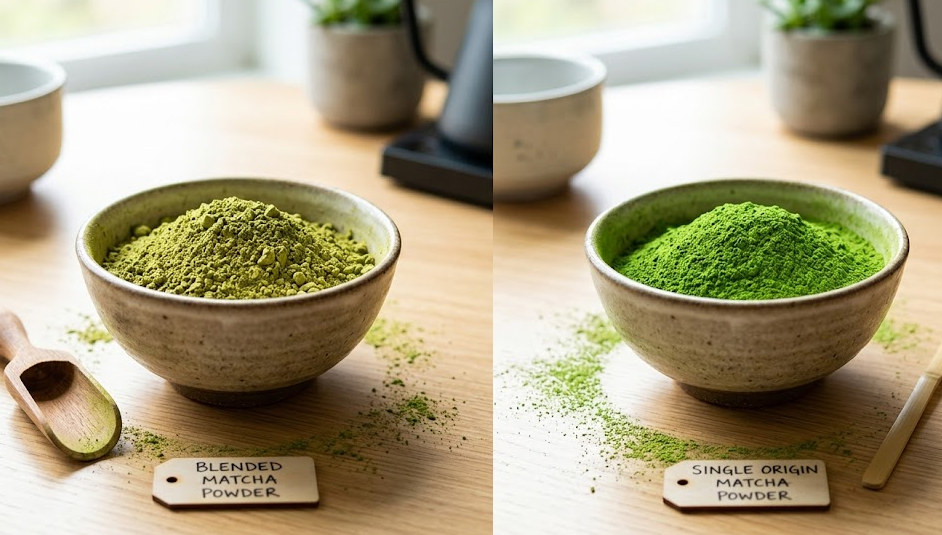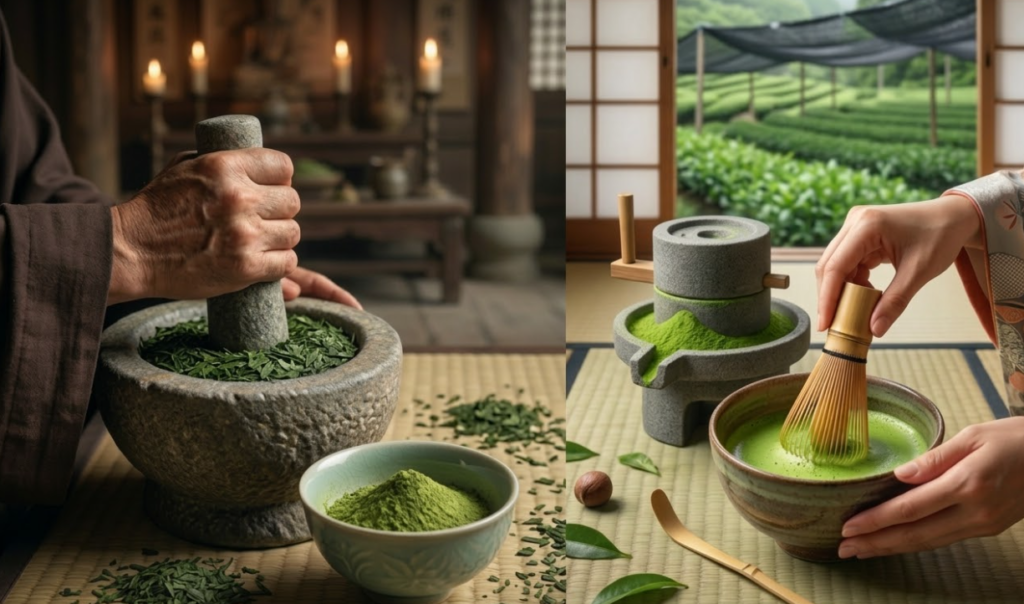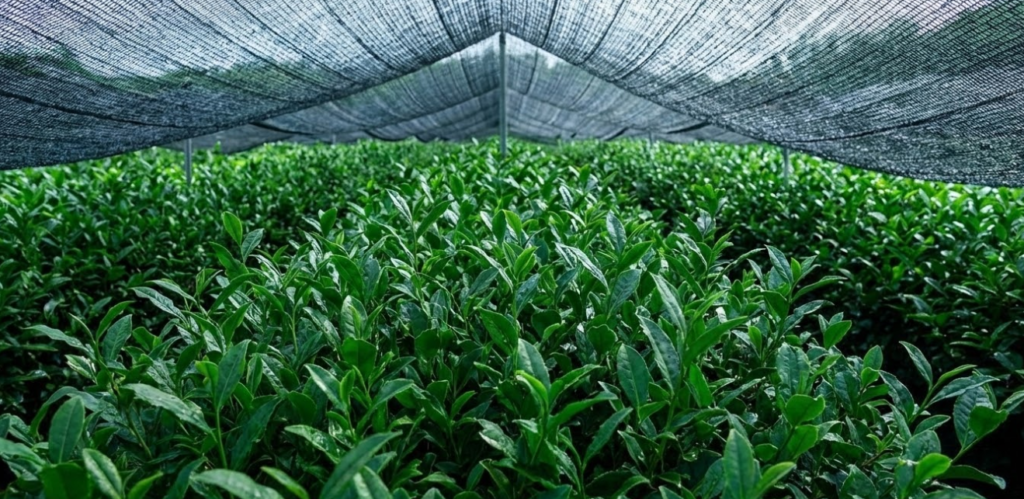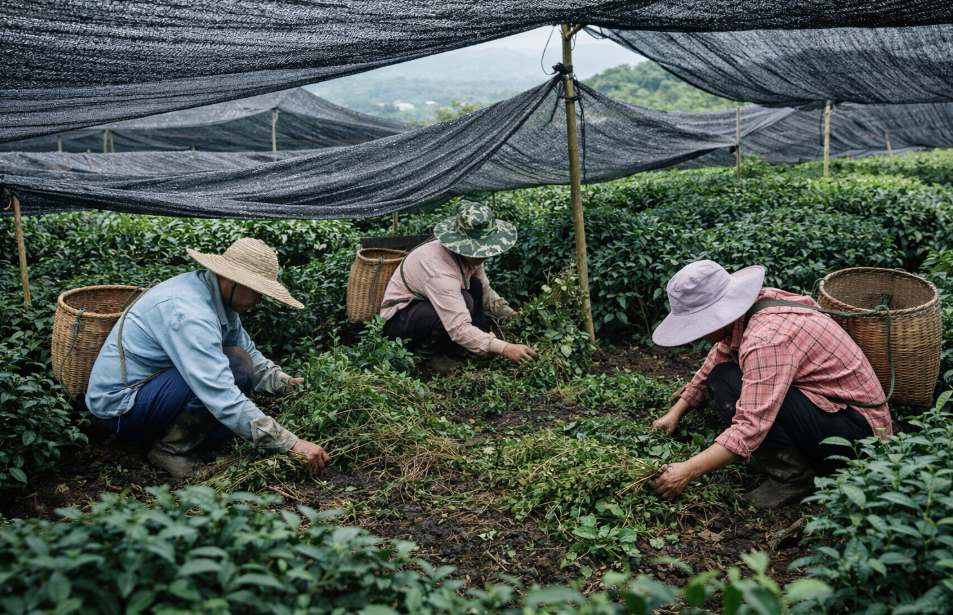
Are you confused by all the matcha grades? You want the healthiest option, but marketing terms can be misleading. The truth is, the healthiest matcha1 isn't a grade, but a specific combination of harvest time and farming practices.
The healthiest matcha is not defined by a marketing label like "ceremonial." It is first-harvest, certified organic2 matcha. This specific type ensures the highest concentration of L-theanine and antioxidants3 while being completely free from pesticides, which is crucial since you consume the entire powdered leaf.
For most buyers, the healthiest matcha grade is the one that combines four things: first harvest, organic certification, fine grinding, and full traceability. A beautiful label such as ceremonial grade, premium grade, or culinary grade does not automatically prove that a matcha powder is healthy. What matters more is when the leaves were harvested, how they were grown, whether the powder was tested, and whether the supplier controls the source.
If you want a full comparison of ceremonial, premium, culinary, latte, and ingredient grades, start with our matcha grade selection guide. This page focuses only on the health question: which type of matcha is healthiest to drink regularly?
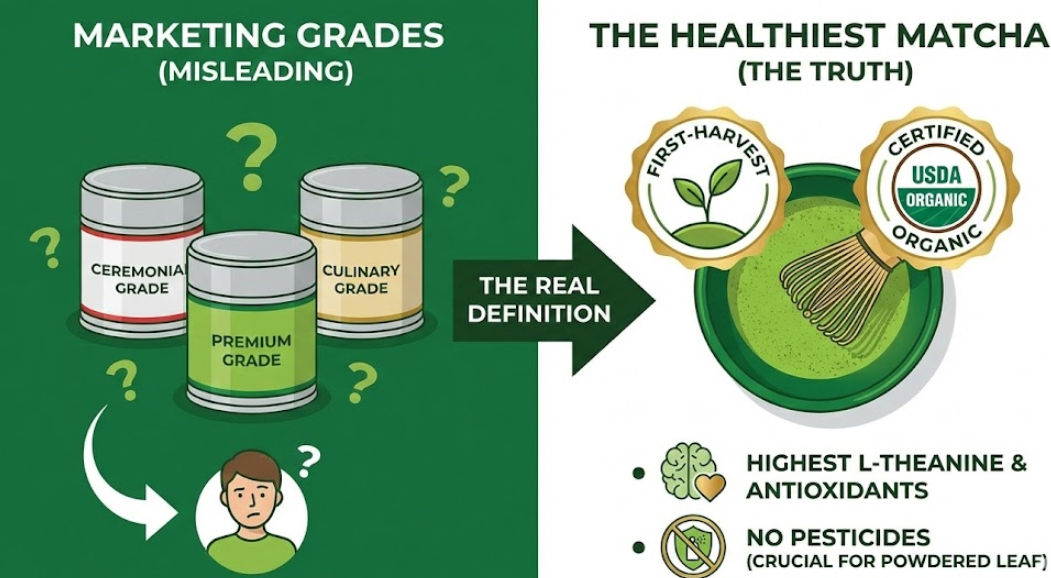
Quick Answer: What Is the Healthiest Matcha Grade?
The healthiest matcha is usually first-harvest organic matcha from a traceable supplier. It is often sold as ceremonial grade or premium grade, but the grade name alone is not enough. A truly healthy matcha should be made from young shaded spring leaves, grown without synthetic pesticides, processed carefully, and supported by testing documents such as COA reports.
| Health Factor | What to Look For | Why It Matters |
|---|---|---|
| Harvest time | First harvest / early spring | Higher L-theanine, better aroma, smoother flavor |
| Farming method | Certified organic | Reduces pesticide residue risk |
| Leaf quality | Young shaded leaves | Better amino acid and antioxidant profile |
| Grinding quality | Fine powder | Better texture, suspension, and drinking experience |
| Testing | COA, pesticide, heavy metal, microbiology reports | Confirms purity and batch safety |
| Source control | Farm-to-powder supplier | Improves traceability and consistency |
In simple terms: do not choose the healthiest matcha by grade name alone. Choose it by harvest, organic certification, testing, and traceability.
The simple answer is to look for "first-harvest organic." But what does that really mean in practice? It's much more than just a sticker on a bag. It's a story that begins in the tea fields long before the powder reaches your cup. Let me share what I've learned from years of being on the ground, so you can see past the marketing and understand what truly makes matcha healthy.
For buyers comparing health benefits, taste, and commercial use, our matcha grade selection guide explains how to choose the right grade for drinking, latte, baking, and food production.
Matcha Grade Health Comparison
Different matcha grades can be healthy or unhealthy depending on how they are grown and tested. But in general, drinking-grade matcha is better for daily consumption than low-cost industrial or food-service grades.
| Matcha Type | Health Potential | Best Use | What to Check |
|---|---|---|---|
| First-harvest organic matcha | Highest | Daily drinking, premium wellness products | Organic certification, COA, source traceability |
| Ceremonial matcha | High if truly first harvest and clean | Plain matcha tea, premium drinking | Harvest time, origin, pesticide testing |
| Premium latte-grade matcha | Medium to high | Matcha lattes, café drinks | Color, bitterness, milk performance, COA |
| Culinary matcha | Medium | Baking, smoothies, food production | Pesticide residue, color, freshness |
| Low-cost industrial matcha | Lower | Mass-market ingredient use | Heavy metals, pesticide limits, batch consistency |
| Unverified matcha powder | Risky | Not recommended for daily health use | Missing testing, unknown origin, unclear farming |
This is why this page should not compete with a general matcha grade guide. The main grade page should explain which grade is best for each application. This page should answer a narrower question: which matcha is healthiest for drinking and daily use?
Why does the harvest time matter so much for health?
You see "first harvest" on labels, but does it really make a difference? Many brands mix in later harvests to increase their volume. This dilutes the health benefits you're paying for. Let me explain how just a few days can completely change the tea leaf's value.
Harvest time is critical because it determines the balance of L-theanine (the compound for calm focus and sweetness) and catechins (which can be bitter). Early spring, shaded leaves have peak L-theanine and antioxidants3. Waiting just a week for a bigger harvest results in bitter, less potent leaves.
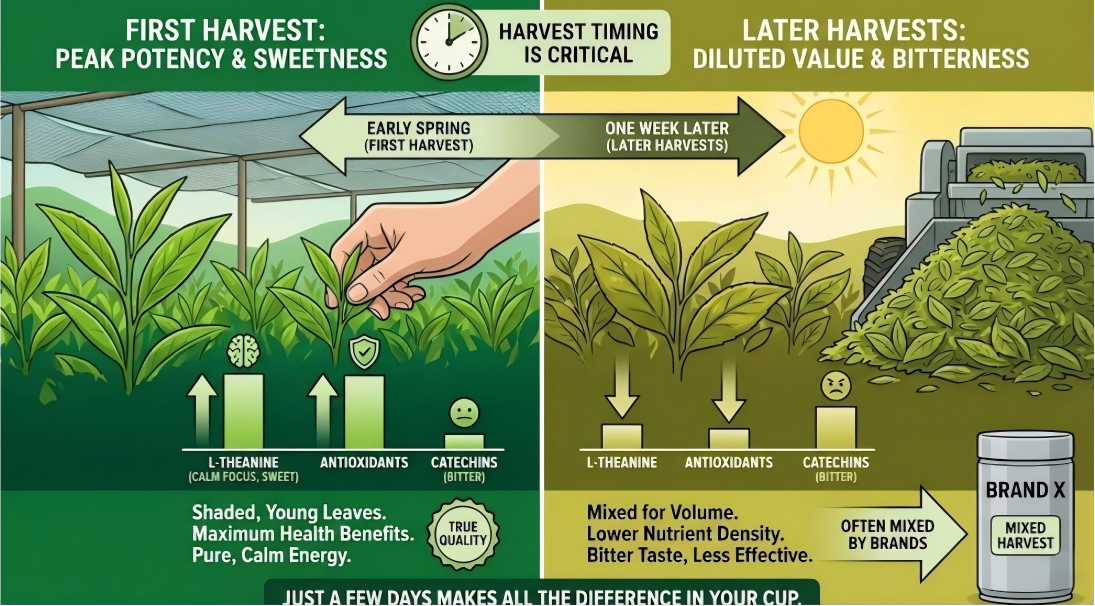
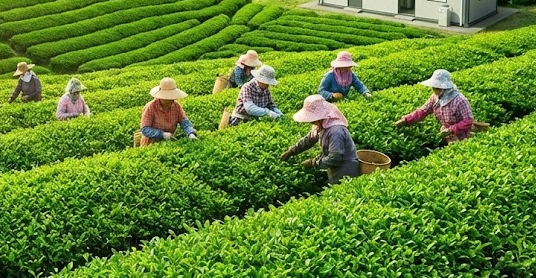
Every year, around the first week of April, I'm out in our tea gardens, even if it's pouring rain. I'm there to watch the start of the spring harvest. I don't just look at data sheets; I do something much more direct. I pick a fresh, tender leaf that has been shaded for 20 days, and I chew it. At that exact moment, the juice that fills my mouth is incredibly sweet and savory, almost like fresh seaweed. That flavor is from L-theanine. There is almost no bitterness. But if we wait just one more week to harvest from the exact same plant, the leaf becomes a bitter bomb of coarse fiber. This short window is everything. We call it the "scramble for freshness4." To capture the leaves with the highest antioxidant and amino acid content, I have to knowingly sacrifice tons of later-season yield. Many so-called "premium" grades on the market are secretly blended with second-harvest or even summer teas. They do this to increase quantity, but you're just drinking color and bitterness, not the real health benefits.
First Harvest vs. Later Harvests
| Feature | First Harvest (Early April) | Later Harvests (Late April onwards) |
|---|---|---|
| L-Theanine | Highest Possible Level | Drastically Lower |
| Flavor Profile | Sweet, Umami, Savory | Bitter, Astringent |
| Antioxidants | Peak Concentration | Lower Levels |
| Leaf Texture | Tender and Soft | Coarse and Fibrous |
| Business Priority | Maximize Nutritional Quality | Maximize Crop Yield |
If you are choosing matcha for milk-based drinks, our matcha for latte cafés page explains how to select a grade that keeps good color, smooth texture, and balanced flavor in commercial latte preparation.
Is ceremonial grade always the healthiest matcha?
Ceremonial grade is often the healthiest choice when it is truly first-harvest, organic, and tested. But the word "ceremonial" is not a regulated global standard. Different sellers can use it in different ways, which means buyers should not trust the label alone.
A healthy ceremonial matcha should have:
- First-harvest young leaves
- Shaded cultivation
- Bright green color
- Smooth umami taste
- Low bitterness
- Fine particle size
- Organic certification
- Batch-level testing documents
- Clear origin and supplier traceability
If a matcha is labeled ceremonial but has no COA, no organic certification, unclear origin, dull color, or strong bitterness, it may not be the healthiest option. A verified premium organic matcha can be healthier than an unverified ceremonial matcha.
For a broader grade comparison, see our matcha grade selection guide. For ceremonial-specific sourcing questions, review our guide on who produces the best matcha.
Is culinary grade matcha healthy?
Culinary grade matcha can still contain beneficial tea compounds, but it is usually made from later harvests or stronger-tasting leaves. It is designed for baking, smoothies, desserts, and food production rather than plain daily drinking.
Culinary grade matcha may be suitable when:
- It is used in food or beverage formulas
- Stronger flavor is needed
- Color matters more than delicate umami
- Cost control is important
- COA and testing documents are available
However, if your goal is the healthiest matcha for daily drinking, first-harvest organic matcha is usually a better choice. Culinary matcha should not be dismissed automatically, but it should be evaluated by testing, source, and application.
Is non-organic matcha really that bad for you?
You hear the word "organic" all the time, but is it just a buzzword for matcha? With matcha, you consume the entire leaf, powder and all. This means any chemicals on that leaf go straight into your body. I have a story about a lab report that will change how you see "non-organic" matcha forever.
Yes, non-organic matcha can be very unhealthy. Unlike steeped tea, you ingest 100% of the powdered leaf, including any pesticides it was sprayed with. This means you could be consuming a concentrated dose of chemicals. Certified organic is the only way to guarantee your "superfood" isn't a "super-poison."
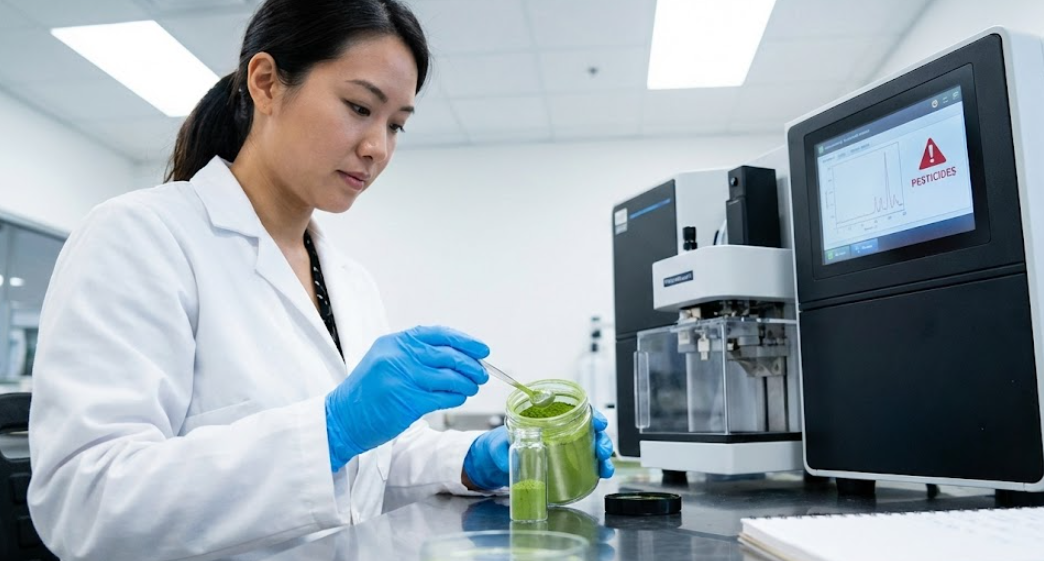
About three years ago, a German client came to me. He wanted us to test a high-grade matcha sample he got from a very "famous" tea-growing region. We sent it to the lab, and when the results came back, my blood ran cold. The sample contained levels of Acetamiprid, a common pesticide, that were 12 times higher than the legal limit in Europe. That was a huge wake-up call for me. I realized in that moment that matcha is completely different from other teas. You don't just steep the leaves and throw them away. You grind the entire leaf into a fine powder and drink all of it. This makes organic farming an absolute necessity. A "health food" that isn't certified organic2 is a dangerous contradiction. It's essentially a "concentrated poison." This is why I am so obsessed with how we farm in Anshun. We use physical pest control and manual weeding. Our labor costs are incredibly high. Sometimes, if a pest outbreak happens, I have to make the painful financial decision to destroy acres of tea leaves. But it's worth it, because I know that our matcha is truly clean.
Before confirming a supplier, business buyers should also review matcha COA and testing documents to verify pesticide residues, heavy metals, microbiology, and batch-level quality data.
Organic vs. Conventional Matcha
| Aspect | Certified Organic Matcha | Conventional Matcha |
|---|---|---|
| Farming Method | No synthetic pesticides or fertilizers | Routine use of chemical sprays |
| Product Purity | Clean, free from chemical residues | High risk of concentrated pesticide residue |
| Health Impact | Delivers true "superfood" benefits | Potential health risks from toxins |
| Certification | Verified by EU, JAS, USDA standards | No independent verification of purity |
What testing documents should healthy matcha have?
For B2B buyers, health claims should always be supported by documentation. A supplier should be able to provide testing data for the exact batch or production lot, not only a general marketing brochure.
Ask for these documents before placing a bulk order:
| Document / Test | Why It Matters |
|---|---|
| COA | Confirms batch-level quality specifications |
| Pesticide residue test | Checks whether the powder meets target market limits |
| Heavy metal test | Screens for lead, cadmium, arsenic, and mercury risk |
| Microbiology test | Checks total plate count, yeast, mold, E. coli, and Salmonella |
| Organic certificate | Verifies farming and processing standards |
| Origin traceability | Shows where the leaves were grown and processed |
| Production date / harvest date | Helps confirm freshness and harvest season |
For health-focused brands, supplement companies, wellness products, and premium matcha retailers, these documents are not optional. They are part of product safety, customer trust, and import compliance.
How can you be sure you're getting the healthiest matcha?
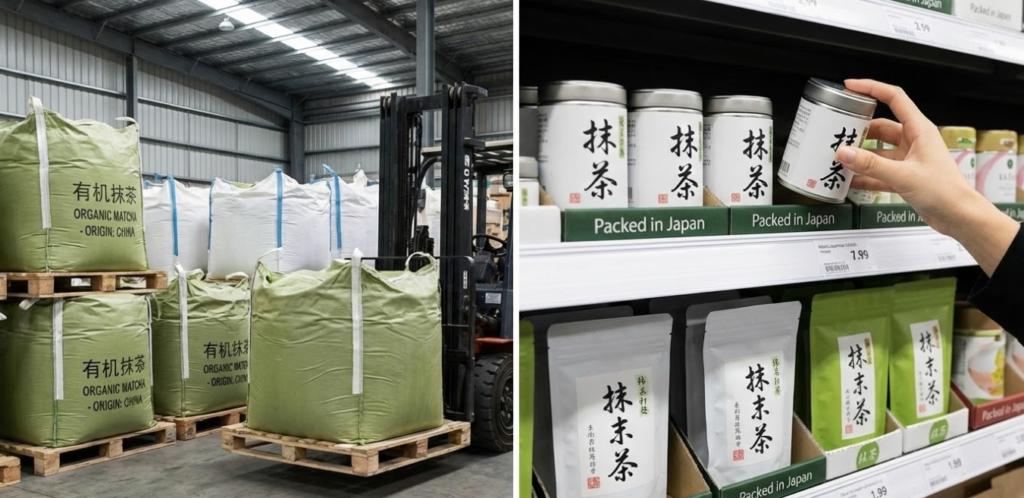
So now you know you need first-harvest, organic matcha. But how can you really trust the source? Many sellers are just traders who buy and blend teas from various unknown farms, which makes quality inconsistent and risky. The ultimate guarantee of health is a supplier who has absolute control from the farm to the final powder.
To be sure you're getting the healthiest matcha, look beyond the label and check the supplier's control over their supply chain. The best matcha comes from a supplier who owns their own certified organic farms and processing facilities. This is the only way to ensure full traceability and purity5.
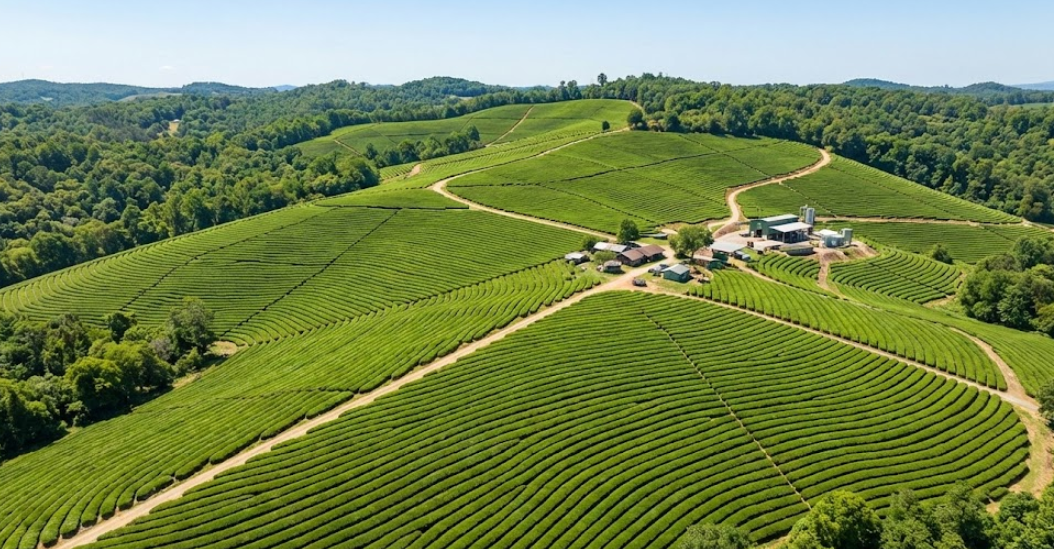
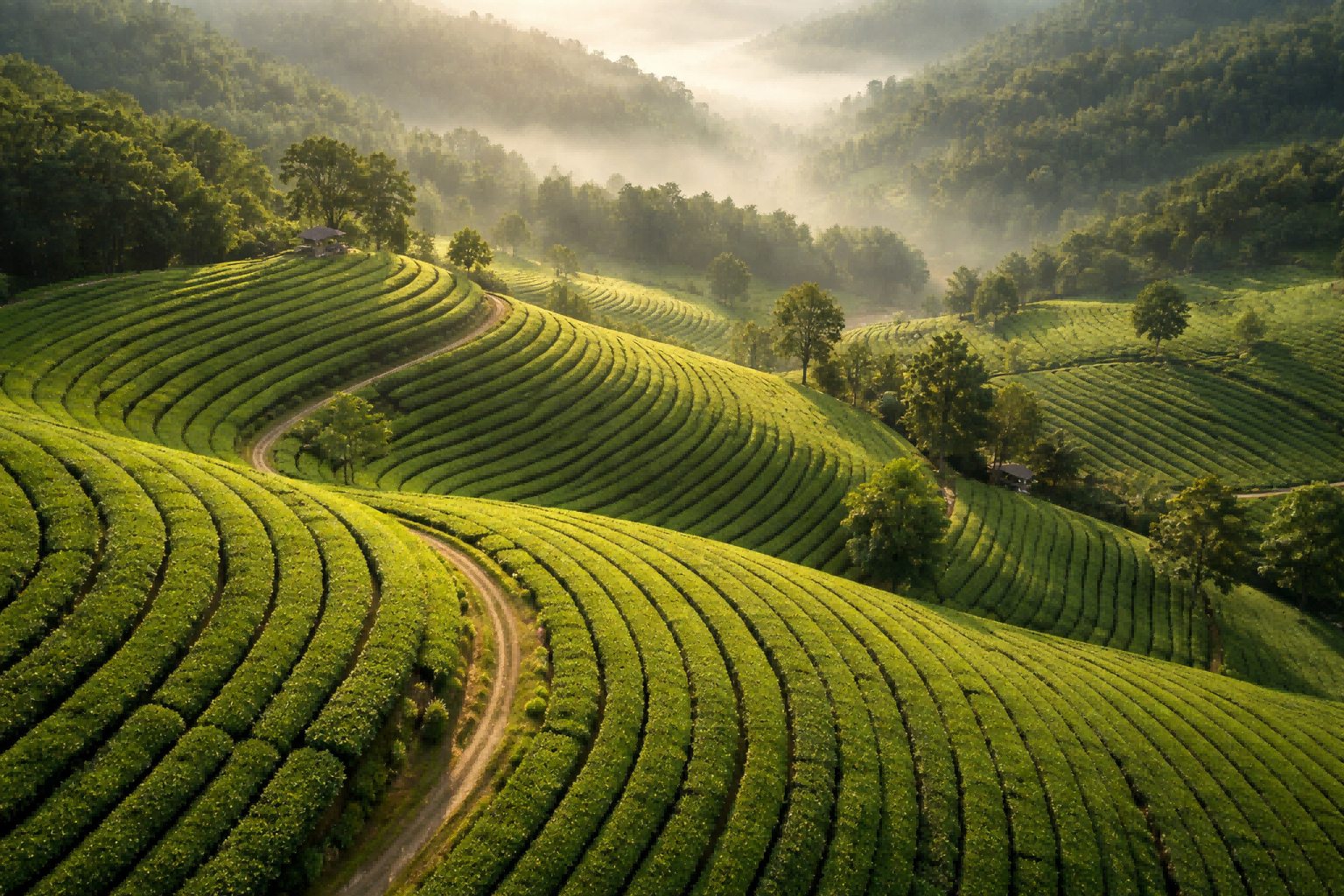
This is where my confidence in our matcha comes from. It's not just a sales pitch; it's based on the fact that we own and operate over 2,300 mu of organic tea gardens in Guizhou. I don't have to buy tea leaves from outside sources. I never have to wonder where the leaves came from or what might have been sprayed on them. I know their entire history, from the soil up. Many traders in the market will buy cheap summer tea or old, leftover stock to blend into their products. This lowers their costs, but it's not the real thing. It doesn't have the health profile or the flavor of a true first-harvest matcha. My promise is simple: every single gram of our first-harvest matcha powder comes from that precious "golden harvest window6" in early spring. We control the entire process. This absolute ownership of the source is the ultimate insurance policy for health. It's the only kind of matcha I feel safe giving to my own family every day.
For buyers planning larger commercial orders, our bulk matcha supply page explains MOQ, packaging formats, COA support, and export-ready supply for repeat purchasing.
Comparing Matcha Supplier Types
| Supplier Type | Source Control | Quality & Purity | Health Guarantee |
|---|---|---|---|
| Farm-to-Powder (Us) | Full control of own organic farms | Consistent, high, and fully traceable | Very High |
| Traders / Blenders | Buys from multiple unknown farms | Inconsistent, high risk of blending | Low to Medium |
| Re-packers | Buys finished powder from others | No control or visibility of source | Very Low |
How to choose the healthiest matcha for your use case
The healthiest matcha for plain drinking is usually first-harvest organic matcha. But if you are buying for a café, food brand, private label product, or bulk ingredient program, the right grade depends on the final application.
| Use Case | Recommended Matcha | Why |
|---|---|---|
| Daily plain matcha tea | First-harvest organic matcha | Best balance of taste, purity, and health-focused quality |
| Premium wellness brand | First-harvest organic ceremonial or premium grade | Strong story, clean label, high perceived value |
| Matcha latte café | Premium latte-grade matcha with COA | Needs strong color and flavor in milk |
| Smoothies and functional drinks | Organic culinary or beverage-grade matcha | Works with other ingredients and supports cost control |
| Bakery or dessert | Culinary organic matcha | Strong flavor and color after heating or mixing |
| Bulk private label | Custom grade based on market positioning | Balances health claims, cost, taste, and documentation |
If your target customer is health-conscious, prioritize organic certification, traceability, and testing. If your target customer is a café or food manufacturer, also test color, taste, solubility, and stability in the final recipe.
CTA: Need help choosing the healthiest matcha grade?
If you are sourcing matcha for a wellness brand, private label product, café menu, supplement blend, or bulk import program, do not choose only by the words “ceremonial” or “culinary.” Start with the real requirements: harvest, organic certification, COA, taste, color, application, and target market.
MatchaSourcing.com can help you compare:
- First-harvest organic matcha
- Ceremonial drinking matcha
- Premium latte-grade matcha
- Organic culinary matcha
- Private label matcha
- Bulk matcha supply
- COA-tested export-ready matcha
For a full grade comparison, visit our matcha grade selection guide. For batch safety and documentation, review our matcha COA and testing page. For larger commercial orders, see our bulk matcha supply options.
Conclusion
The healthiest matcha isn't a marketing grade. It's a combination of a true first harvest and certified organic farming, guaranteed by a supplier who controls the entire process from farm to you.
For business buyers, start by comparing the right matcha grade selection, then confirm COA and testing documents before placing a bulk matcha supply order.
If you want the simplest rule, choose first-harvest organic matcha with full traceability and batch testing. That is a stronger health signal than any grade name printed on the front of the bag.
FAQ: Healthiest Matcha Grade
Which grade of matcha is healthiest?
The healthiest matcha is usually first-harvest organic matcha from a traceable source. It may be sold as ceremonial or premium grade, but the grade name alone is not enough. Check harvest time, organic certification, COA, and supplier traceability.
Is ceremonial grade matcha the healthiest?
Ceremonial grade matcha can be the healthiest if it is truly first harvest, organic, fresh, finely ground, and tested. However, “ceremonial” is often used as a marketing term, so buyers should verify the source and documents.
Is culinary grade matcha healthy?
Culinary grade matcha can still be healthy if it is organic and tested, but it is usually made for baking, smoothies, and food production rather than plain drinking. It may have stronger bitterness and lower delicate umami than first-harvest drinking matcha.
Is organic matcha healthier than non-organic matcha?
Organic matcha is usually the safer choice for health-focused buyers because matcha is consumed as a whole powdered leaf. Organic certification helps reduce the risk of synthetic pesticide residues.
Why is first-harvest matcha considered healthier?
First-harvest matcha is made from young spring leaves that are usually richer in L-theanine, smoother in taste, and less bitter than later harvest leaves. It is generally the best choice for premium drinking matcha.
What should I check before buying healthy matcha?
Check harvest time, organic certification, origin, color, aroma, COA, pesticide residue testing, heavy metal testing, microbiology reports, and whether the supplier controls the farm and processing.
Is Japanese matcha healthier than Chinese matcha?
Not automatically. The health quality depends on farming, harvest timing, processing, freshness, and testing. Both Japanese and Chinese matcha can be healthy when they are organic, traceable, and properly tested.
Can matcha contain pesticides?
Yes, non-organic or poorly controlled matcha may contain pesticide residues. Because matcha is consumed as a whole powdered leaf, pesticide testing is especially important.
What is the healthiest matcha for daily drinking?
For daily drinking, choose first-harvest organic matcha with smooth flavor, bright green color, fine texture, and batch-level testing. Avoid unknown-origin powders with no COA or certification.
What is the healthiest matcha for a wellness brand?
For wellness brands, the best option is usually first-harvest organic matcha with strong documentation, including COA, pesticide residue testing, heavy metal testing, microbiology reports, and clear traceability.
Understand the key factors that define the healthiest matcha, including harvest timing and organic certification. ↩
Explore the significance of certified organic matcha in ensuring purity and avoiding harmful chemicals. ↩
Learn about the health benefits of L-theanine and antioxidants found in matcha, including calm focus and enhanced immunity. ↩
Understand the importance of timing in matcha harvesting to capture peak nutritional content and flavor. ↩
Find out how traceability in matcha production guarantees purity and consistent quality. ↩
Learn about the 'golden harvest window' and its role in producing the healthiest matcha. ↩