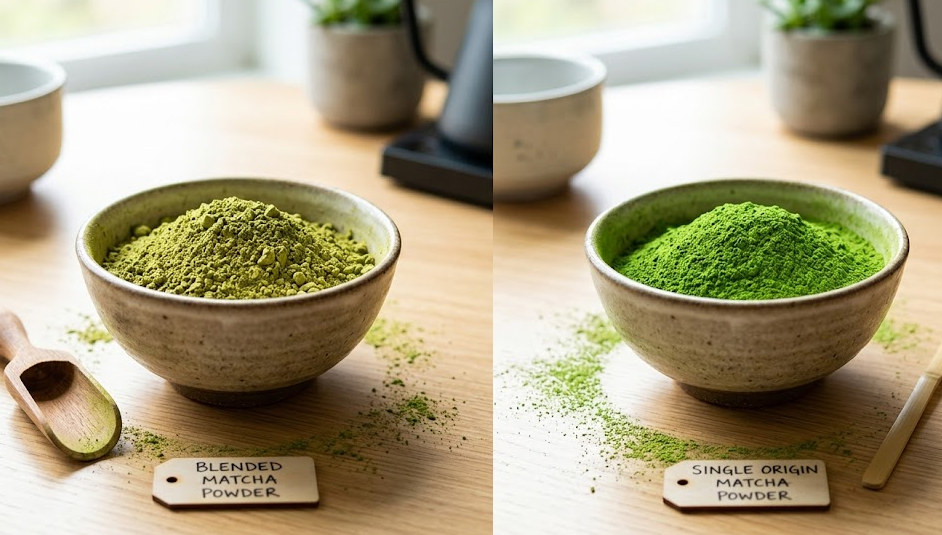
If you are a US beverage brand, cafe chain, supplement company, importer, or private label buyer looking for local matcha supply, the answer is more complex than a simple yes or no. A few small tea farms exist in the United States, but commercial-scale matcha production for bulk orders is a completely different supply chain challenge.
For brands, the real question is not only whether matcha can be grown in the US. The more important question is whether a supplier can provide stable quality, repeatable color, organic documentation, COA support, scalable output, and competitive pricing for commercial products.
Trying to source matcha in the US for your brand? You'll find it's nearly impossible for commercial scale. I'll explain the hard truth behind this production gap.
No, commercial-scale matcha1 is not grown in the US. While a few small, boutique tea farms exist, the country lacks the specific labor economics2, industrial infrastructure, and large-scale farming capacity required for a stable, B2B matcha supply chain. The cost would be commercially unviable.
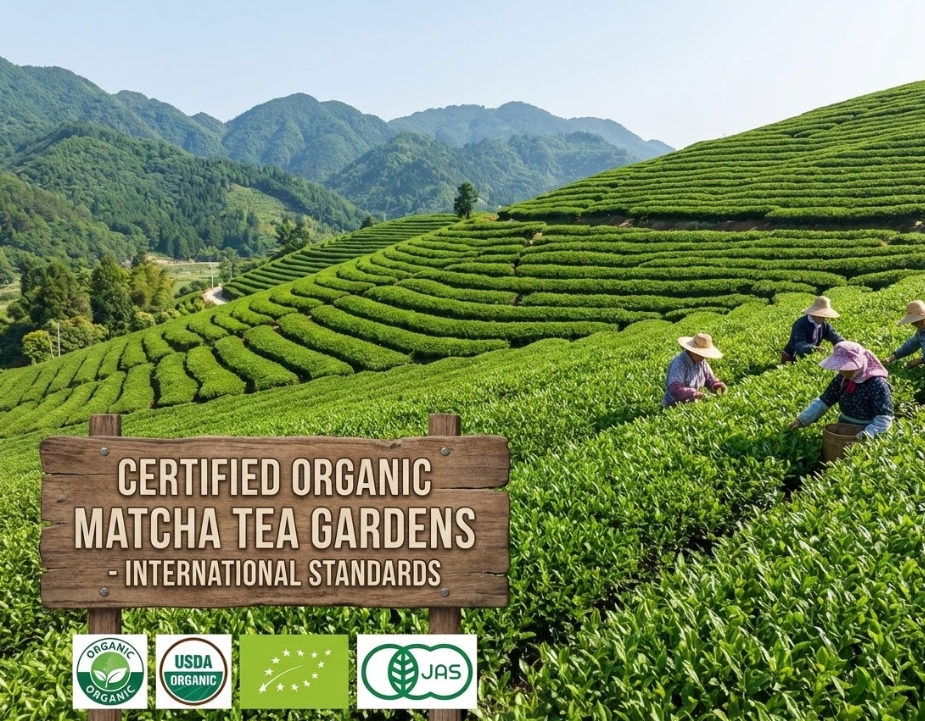
What This Means for US Matcha Brands
For consumers, the question is whether matcha can be grown locally. For brands, the more important question is whether a supplier can provide stable matcha at commercial scale.
| Buyer Type | Main Concern | What They Actually Need |
|---|---|---|
| Cafe Chains | Stable latte taste and color | Bulk matcha with consistent flavor and color |
| Beverage Brands | RTD production and sediment control | Fine mesh size, COA, and batch consistency |
| Private Label Brands | Packaging and repeat supply | OEM support, MOQ planning, and export documents |
| Importers | Customs and compliance | COA, organic certificates, and reliable shipment |
| Food Manufacturers | Production stability | Standardized specs, bulk density, and quality control |
If you are comparing sourcing options, learn more about our bulk matcha supply, private label matcha, and COA testing support.
For importers, cafés and distributors comparing repeat supply options, our wholesale matcha supplier page explains commercial sourcing support for the US market.
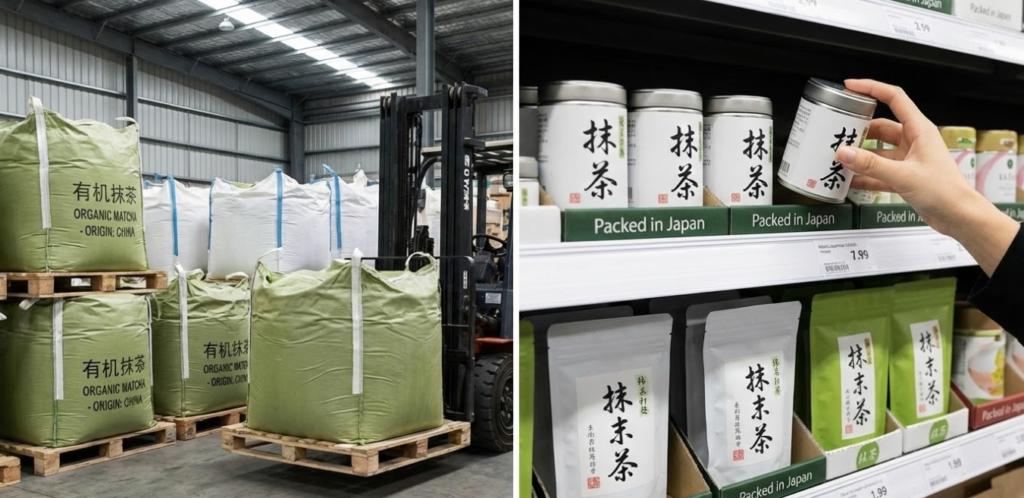
Whenever a North American client, from an ambitious coffee chain to a huge functional beverage brand, asks me about sourcing matcha locally, I have to give them the same bad news. You might find a few picturesque tea gardens, but a true commercial operation? It just doesn't exist. Let me break down why, from my perspective running our 2,300-mu matcha base in Anshun, Guizhou.
Why is US labor and organic compliance an economic dead end for matcha?
Growing real matcha is not like growing wheat. The intense, manual labor for organic compliance makes US production costs skyrocket. This business model simply collapses under US labor laws.
US labor costs make the manual-intensive process of matcha farming commercially impossible. Shading the tea plants and manual weeding3 for USDA organic certification4 are extremely expensive. A small tin of US-grown matcha could cost hundreds of dollars, which is unsustainable for any B2B supply chain.
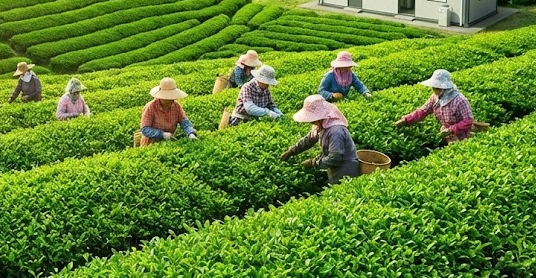
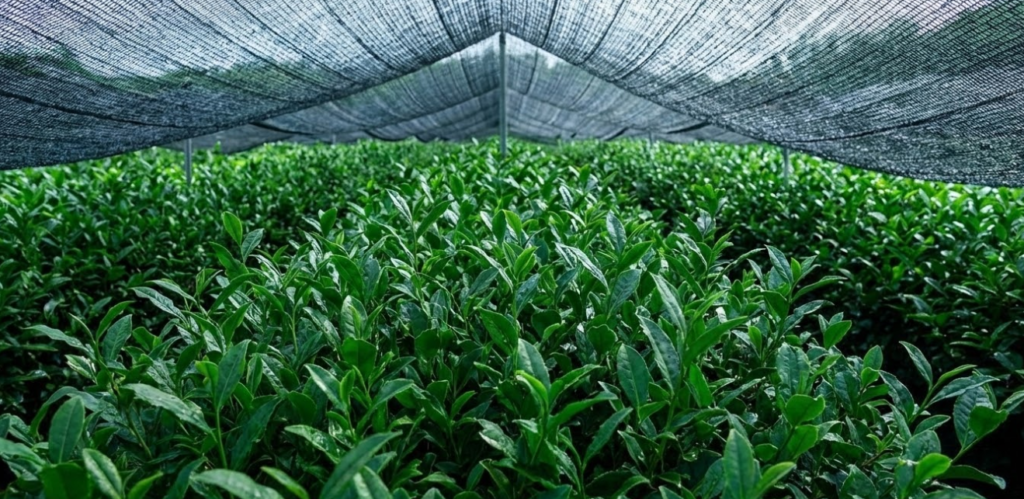
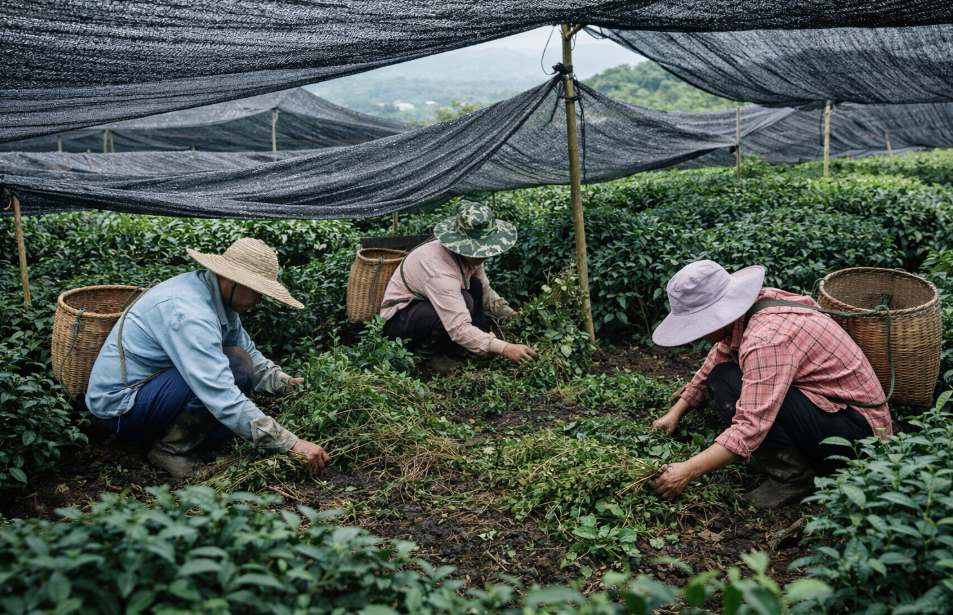
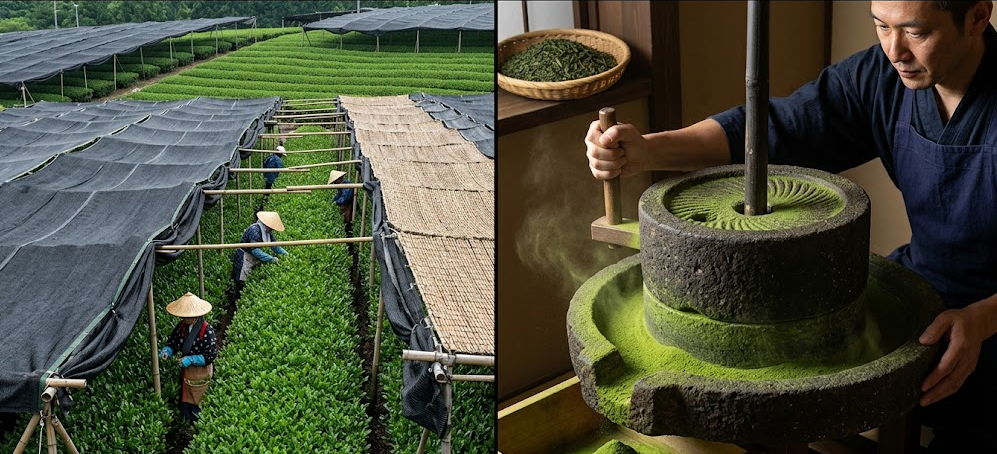
Growing real matcha is a lot of work. It’s not like planting simple crops like corn or soybeans. To get that sweet, savory umami flavor from L-theanine, we have to cover the tea plants for weeks before harvest. This process is called "shading" and it's very labor-intensive. On top of that, getting USDA Organic certification is incredibly strict. At our 2,300-mu high-altitude base in Anshun, we can't use any chemical herbicides. All weeding is done by hand, and we use only physical methods for pest control. Now, imagine trying to pay US wages for that kind of intense, manual farm work. The final cost of a single small tin of matcha would be astronomical. It's a business model that is completely broken on American soil. For any B2B supply chain, the numbers just don't add up.
| Factor | MatchaSourcing (Guizhou) | Hypothetical US Operation |
|---|---|---|
| Manual Labor Cost | Economically viable | Prohibitively expensive |
| Organic Weeding | Manual, affordable | Manual, unsustainable cost |
| Final B2B Price | Competitive | Hundreds of dollars per tin |
Why does the US lack the right industrial infrastructure for matcha?
Matcha is more than a crop; it's an industrial product. You can't just grind dried leaves in a blender. The US simply hasn't invested in this specific infrastructure.
The US lacks the multi-million dollar, specialized equipment needed for matcha. This includes Japanese-style steam-fixing lines5 to stop oxidation and lock in color, and temperature-controlled, clean-room micro-milling facilities. America's agricultural infrastructure is not built for this niche, high-tech tea processing.
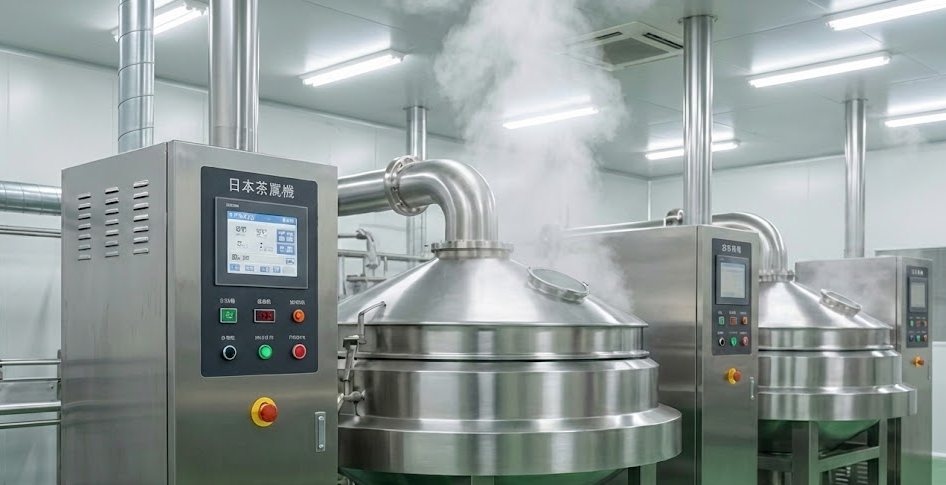
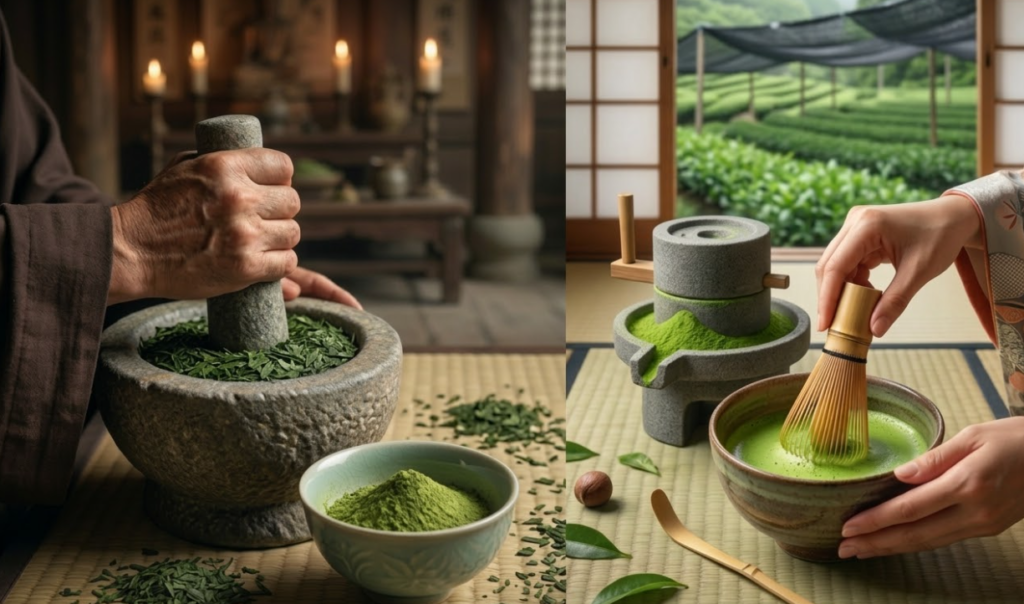
Matcha is not just a farm product. It is a highly specialized industrial product. You cannot simply dry green tea leaves and throw them into a giant blender. To lock in that vibrant, almost neon green color and smooth texture, you need very specific technology. First, you need a Japanese-style steam-fixing line. This costs millions of dollars and instantly stops the leaves from oxidizing. Then, the grinding process must happen in an extremely precise, temperature-controlled, ultra-fine milling facility. We do this in a 100,000-class clean room to ensure purity and quality. This equipment is the heart of matcha production. The American agricultural sector has invested heavily in things like corn and soy, but it has never spent money on this kind of niche, heavy-asset infrastructure. Without these factories, you can't produce real matcha at a commercial scale.
Can US farmers' markets supply a global brand?
You might see a few passionate farmers selling tea in the US. But can they supply your brand? There's a huge difference between a local market and a global supply chain.
No, US farmers' markets cannot supply a brand. While small farms exist in places like Hawaii or South Carolina, their capacity is practically zero for commercial needs. They cannot deliver hundreds of kilograms of standardized, quality-controlled, and safe matcha consistently every quarter.
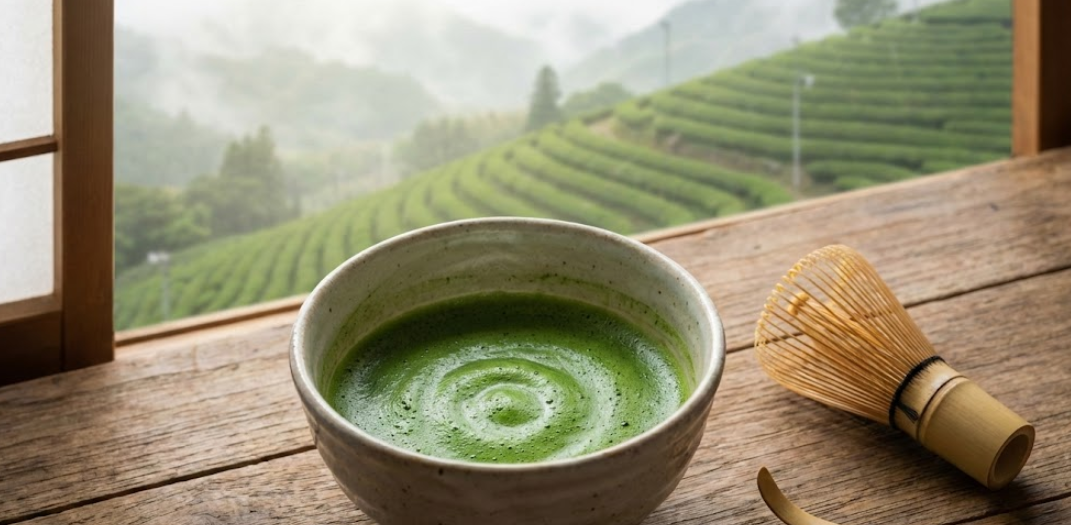
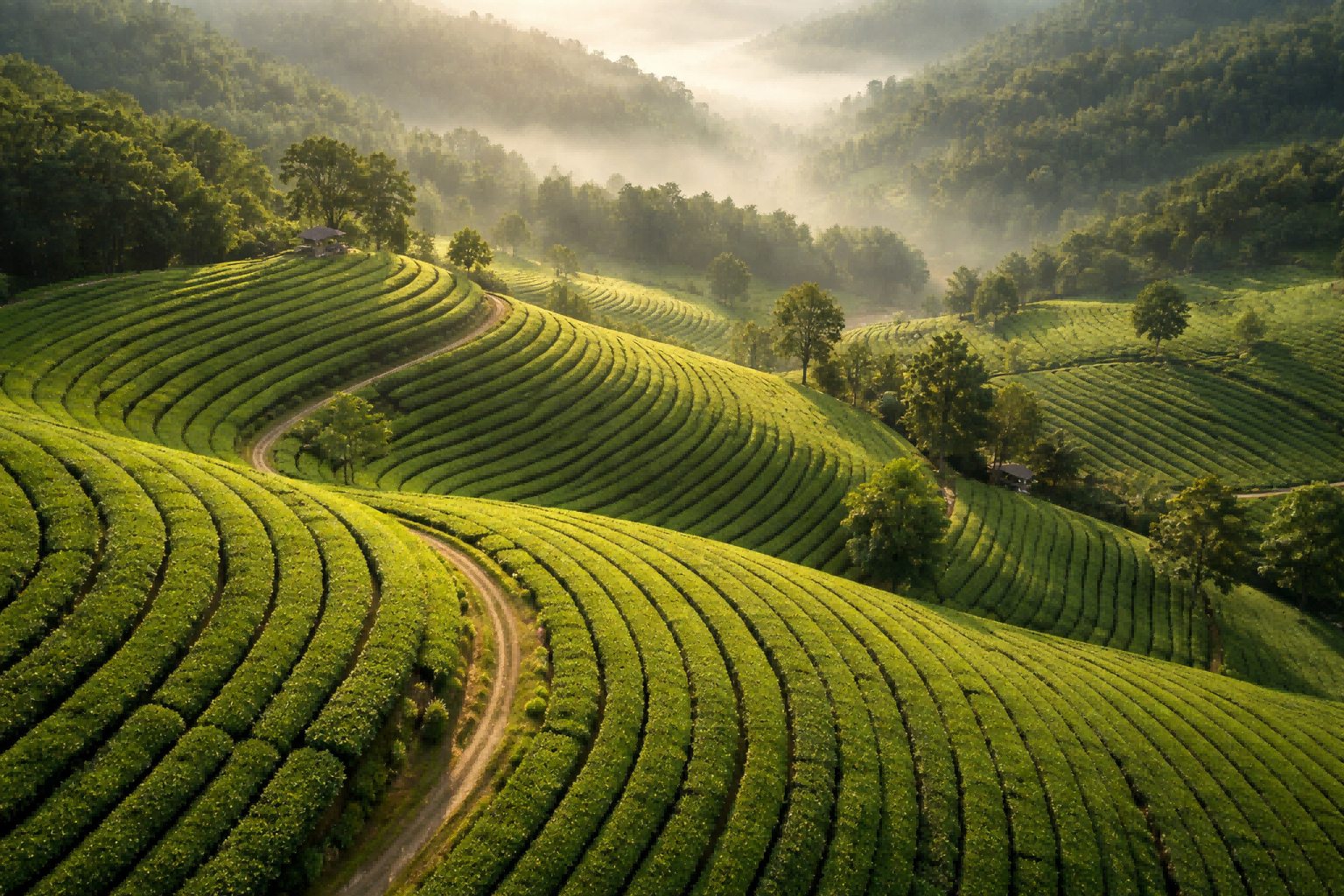
I want to be clear. Are there passionate farmers in the US growing tea plants? Yes. You can find them in places like Hawaii, South Carolina, or the Pacific Northwest. Some even grind a few kilograms themselves to sell at a local farmers' market. But that is a completely different world from a global B2B supply chain. Imagine you are a US brand. You need 500 kilograms of matcha delivered every quarter. Maybe you need 50 tons. You need the color to be identical every time. You need the lab tests to be perfect, with no pathogens or heavy metal contamination. For that level of supply, the production capacity in the United States is zero. The gap is not small; it is a giant chasm.
| Supply Source | Scale | Consistency | Certification |
|---|---|---|---|
| US Farmers' Market | A few kilograms | Varies by batch | Often none |
| Global B2B Supplier | Metric tons | Standardized | USDA, EU Organic, etc. |
How do we provide the supply chain security US brands need?
As a US brand, you're in a tough spot. You can't buy local, and overseas sourcing is risky. We built our entire system to solve this exact problem for you.
We provide "supply chain absolute security." Our single-estate, 2,300-mu organic base in Guizhou offers flawless USDA organic reports, private R&D to customize your product, and direct-from-source pricing. We are your reliable, heavy-asset farm, operating overseas to support your growth in America.
For buyers comparing overseas sourcing options, our matcha import shipping guide explains how Incoterms, freight responsibility and customs handover affect landed cost and risk.
This geographical reality puts American brands in an awkward position. You can't buy local. If you go to famous Japanese trading companies, you often pay a very high premium for the "country of origin" brand. And many of those bulk tea powders actually come from Chinese soil anyway. This is the entire reason I worked so hard to build our "single-estate" fortress in the mountains of Anshun, Guizhou. We are, in reality, the heavy-asset "backyard farm" for North American brands.
Your Pass for US Customs
Because our 2,300-mu base is physically isolated, the USDA Organic test reports we give you are flawless. There are no messy problems with pesticide drift from neighboring farms. There are no nightmares with FDA fines. Your shipments pass through customs smoothly.
Your Private R&D Lab
We use the same Japanese micro-milling technology as the century-old shops in Kyoto. The difference is, we can fine-tune the steam-fixing time or the grinding temperature specifically for your American brand. We can lock in a unique Lab* color value that belongs only to you.
A Powerful Cost Advantage
We give you a direct-from-the-source price. This gives you the confidence to aggressively expand your coffee shop chain or your health product line in the US. You no longer have to give your hard-earned profits to overseas traders and middlemen.
FAQ About Matcha Grown in the US
Is matcha grown in the US?
Only very limited tea production exists in the United States, and it is not enough to support commercial-scale matcha supply for brands, factories, beverage chains, or private label companies.
Can US farms supply bulk matcha for brands?
In most cases, no. US tea farms may produce small batches for local markets, but bulk matcha buyers usually need stable quality, large volume, COA, certification documents, and repeatable production.
Why is commercial matcha hard to produce in the US?
Commercial matcha requires shaded tea cultivation, skilled labor, steam-fixing equipment, clean-room milling, strict quality control, and scalable agricultural output. These requirements make US production difficult and expensive.
Where do US brands usually source matcha?
US brands usually source matcha from established matcha-producing regions in Asia, including Japan and China. For bulk and private label projects, buyers often compare quality, cost, certification, MOQ, and supply stability.
Is Chinese matcha suitable for US brands?
Yes. Chinese matcha can be suitable for US brands when the supplier can provide stable quality, organic documentation, COA, export support, and application-specific grades for latte, RTD, baking, supplements, or private label products.
What should US buyers check before importing matcha?
US buyers should check origin, grade, mesh size, color, taste profile, microbial results, heavy metals, pesticide residue, organic certification, COA, packaging, MOQ, and supplier production capacity.
Before confirming a supplier, review the import documents for matcha that support organic claims, COA review, export readiness and customs preparation.
Conclusion
We don't just sell matcha from China. We sell the supply chain security6 that American brands cannot grow at home. This is our real value.
Need Bulk Matcha Supply for the US Market?
If you are building a matcha latte product, RTD beverage, supplement, bakery item, or private label matcha brand for the US market, local US-grown matcha is usually not a realistic commercial supply option.
At MatchaSourcing, we support US buyers with:
- Bulk matcha supply for beverage, bakery, supplement, and food manufacturing brands
- Private label matcha powder with custom packaging support
- Organic matcha options with documentation for export markets
- COA, specification sheets, and batch-level quality records
- Application-based matcha selection for latte, RTD, baking, and functional products
- Direct-from-source communication for long-term supply planning
If you are comparing local US-grown tea, Japanese matcha, and Chinese matcha for your product, we can help you evaluate cost, quality, certification, and long-term supply stability.
Request Bulk Matcha Pricing | Get Sample & COA | Discuss Private Label Matcha
Explore why the US cannot support commercial-scale matcha production, understanding the economic and infrastructural challenges involved. ↩
Learn how labor costs and regulations impact the feasibility of matcha farming in the US, making it commercially unviable. ↩
Understand the role of manual weeding in organic matcha farming and its impact on production costs and feasibility. ↩
Discover the stringent requirements for USDA organic certification and why it complicates matcha production in the US. ↩
Explore the technology behind steam-fixing lines and their role in preserving the quality and color of matcha. ↩
Explore how supply chain security from overseas suppliers supports the growth and reliability of US matcha brands. ↩