Struggling to tell marketing hype from real quality? You want premium matcha, but the "Non-GMO" label can be confusing. It's hard to know if it guarantees a better product.
The Non-GMO label1 on matcha is more than a marketing term; it's a sign of a supplier's commitment to a transparent and traceable supply chain. True quality is proven by clear raw material origins, strict production records, and a verifiable system that builds trust and ensures product integrity.
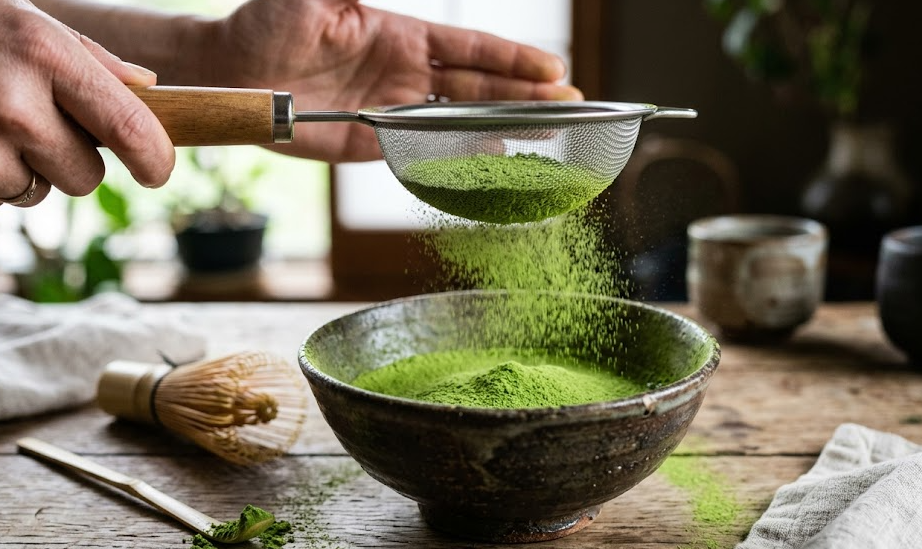
When you see "Non-GMO" on a package of matcha, it's natural to wonder what it really means for your business. For us, as a matcha manufacturer, this label isn't the end of the story. It's the beginning of a conversation about transparency and responsibility. I believe that a simple sticker is not enough to earn a customer's trust. That trust is built on what stands behind the label. Let's explore what a Non-GMO claim should represent and why a transparent supply chain2 is the real indicator of quality.
Why Does Supply Chain Transparency Matter More Than the Non-GMO Sticker Itself?
Worried your matcha supplier isn't being fully honest? You need to trust where your ingredients come from. We show you how to look beyond the label for real proof.
Supply chain transparency matters more because it provides verifiable proof of quality. Unlike a simple sticker, a transparent system lets you see everything from farm management3 to batch testing reports. This builds trust and ensures you receive a consistent, safe product every time.
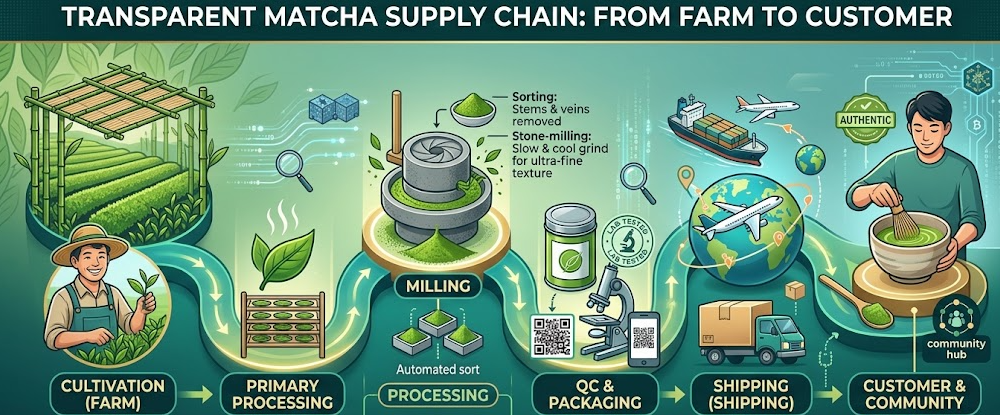
Today's business buyers are more professional than ever. They don't just ask if a product is Non-GMO. They dig deeper. I've seen this firsthand in conversations with our partners. They want to know the "who, what, where, and when" of their matcha. This shift from accepting labels at face value to demanding proof is crucial. A simple "Non-GMO" claim is easy to make, but it's meaningless without a system to back it up. True assurance comes from a supplier who can confidently answer the tough questions and provide the documentation to prove it. This is why we have built our entire operation around the principle of transparency.
The Questions Smart Buyers Ask
Sophisticated buyers are looking for certainty. They are responsible for their own brand's reputation, so they need a partner who can provide solid answers. The questions we hear most often include:
- Where exactly do your tea leaves come from? Can you trace them to a specific garden?
- Do you have batch-specific testing reports4 for safety and quality?
- How do you ensure consistency5 from one order to the next?
- Are your certifications current and verifiable by a third party?
- Can we audit your facility?
A supplier who can answer these questions without hesitation is one who has nothing to hide.
From Label to Ledger: A Comparison
The difference between a supplier who just uses a label and one who provides a transparent system is significant. It's the difference between a promise and proof.
| Feature | Label-Only Approach | Transparent Supply Chain Approach |
|---|---|---|
| Verification | Relies on the sticker on the package. | Provides traceability documents6, batch records7, and lab reports. |
| Trust | Asks the customer to trust the claim. | Earns the customer's trust with verifiable data. |
| Consistency | May have batch-to-batch variations. | Ensures consistency5 through documented processes and quality control. |
| Risk | Higher risk of compliance issues or quality problems. | Lowers risk by providing a clear, auditable trail8. |
| Partnership | Transactional relationship. | Builds a long-term, trust-based partnership. |
At MatchaSourcing, we see transparency not as a burden, but as our duty. It is how we deliver certainty to our partners.
How Does Non-GMO Relate to Overall Matcha Quality and Consistency?
Does a Non-GMO label guarantee bright green color and smooth flavor? You might be surprised. The label is just one piece of a much larger quality puzzle for your matcha.
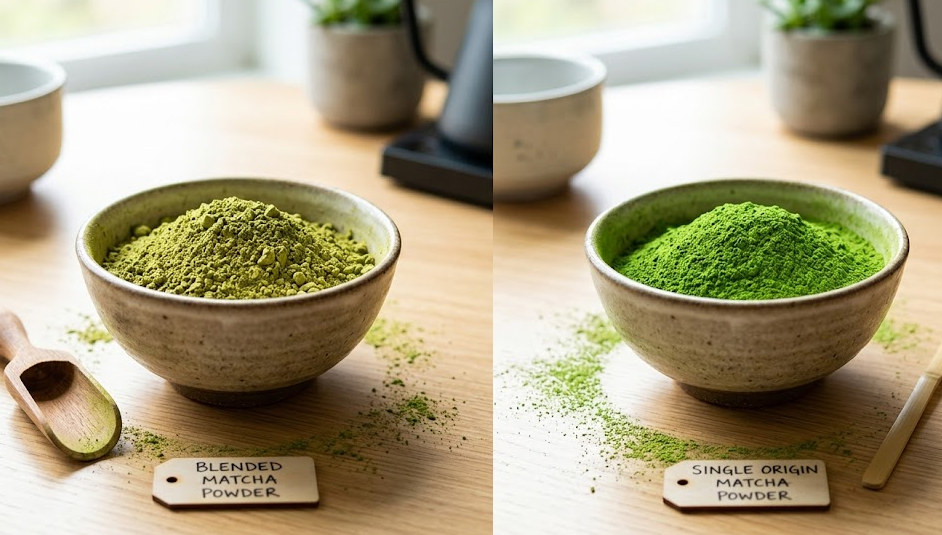
A Non-GMO status does not directly define matcha's sensory quality, like its color or taste. True quality comes from specific farming and processing factors, like shading9, steaming10, and milling11. Non-GMO is a foundational guarantee that the tea plants themselves are pure and unmodified.
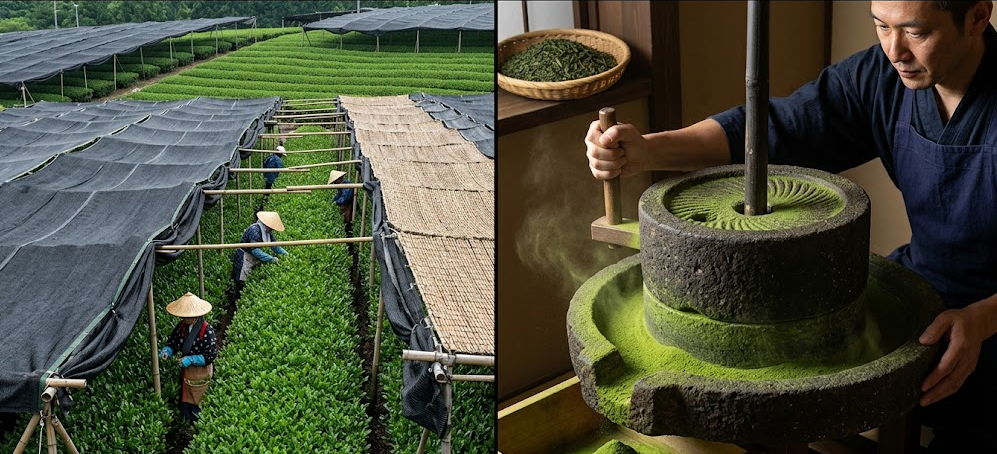
I've spent years perfecting the art and science of matcha production. The "Non-GMO" status is a critical starting point. It ensures the tea plant, Camellia sinensis12, is in its natural, intended state. However, this is just the first step on a long journey to creating exceptional matcha. The final color, aroma, and flavor are not determined by this one factor. Instead, they are the result of careful, deliberate actions taken in the field and the factory. A supplier who focuses only on a Non-GMO claim without mastering these other steps is missing the point. The real magic of matcha happens long after the seed is planted.
The Pillars of Premium Matcha
Exceptional matcha is built on several key pillars. Each step in the process has a direct impact on the final powder's characteristics. Non-GMO is the foundation, but these pillars are what build the structure of quality.
- Shading: About 20-30 days before harvest, we cover our tea plants. This reduces sunlight, forcing the leaves to produce more chlorophyll13 and L-theanine14. This is what creates the vibrant green color and the smooth, umami flavor without bitterness.
- Harvesting: The timing of the harvest and the selection of leaves are critical. Only the youngest, most tender leaves are picked for top-grade matcha.
- Steaming: Immediately after harvesting15, the leaves are steamed. This crucial step stops the oxidation process, locking in the green color and fresh, vegetal aroma.
- Drying & Refining: The leaves are then carefully dried. After drying, all the stems and veins are removed, leaving only the pure leaf flesh, which is called tencha. This is what gets milled into matcha.
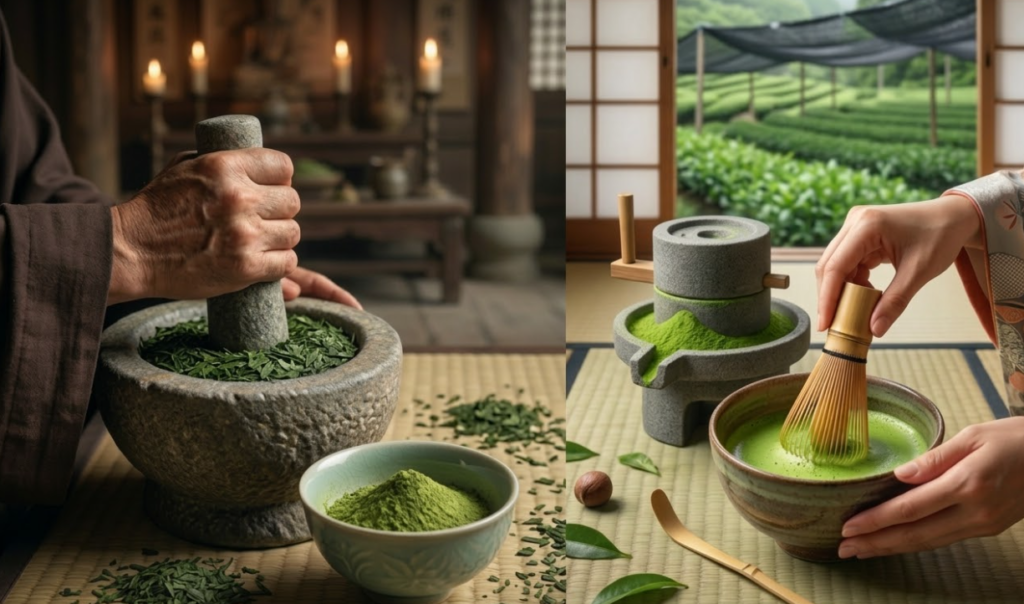
- Milling: The tencha is slowly ground into a fine powder using traditional granite stone mills. Grinding too fast creates heat, which can damage the color and flavor. Slow, careful milling11 is essential for a high-quality product.
Where Non-GMO Fits into the Quality Equation
Think of Non-GMO as the guarantee of a pure canvas. It ensures the raw material—the tea leaf—is clean and natural. The quality-defining steps above are the artist's techniques used to create a masterpiece on that canvas.
| Process Stage | Contribution to Quality | Role of Non-GMO |
|---|---|---|
| Cultivation | Provides the raw tea leaves. | Ensures the plant's genetic integrity is natural and unmodified. |
| Shading | Develops color (chlorophyll13) and flavor (L-theanine14). | Non-GMO status does not directly affect this. |
| Processing | Locks in color, removes bitterness, creates fine texture. | Non-GMO status does not directly affect this. |
| Final Product | The sum of all parts: a vibrant, smooth, flavorful powder. | Serves as a foundational assurance of raw material purity. |
A Non-GMO claim gives you peace of mind about the source. But it's the supplier's mastery of shading9, processing, and milling11 that delivers the premium quality your customers expect.
What Does a 'Verifiable' Non-GMO Claim Actually Look Like for a Matcha Factory?
Afraid of being misled by false claims? Your business can't afford compliance risks. A verifiable claim means having the documents and systems to back it up, every single time.
A verifiable Non-GMO claim is supported by a complete traceability system. This includes documentation that tracks the tea from a specific garden lot, through every production step, to the final packaged batch. It means providing clear records and being ready for third-party audits.
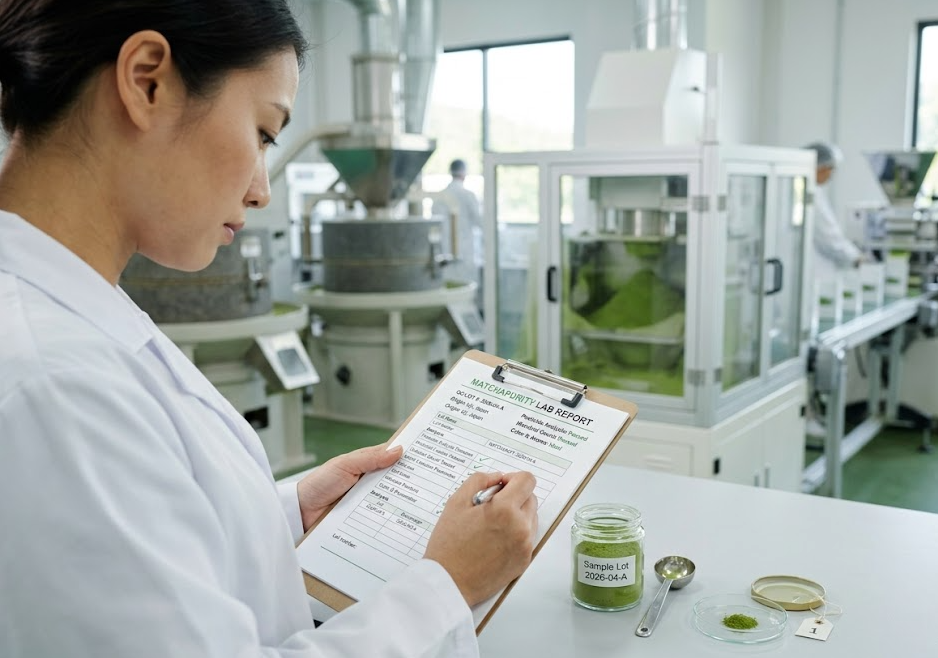
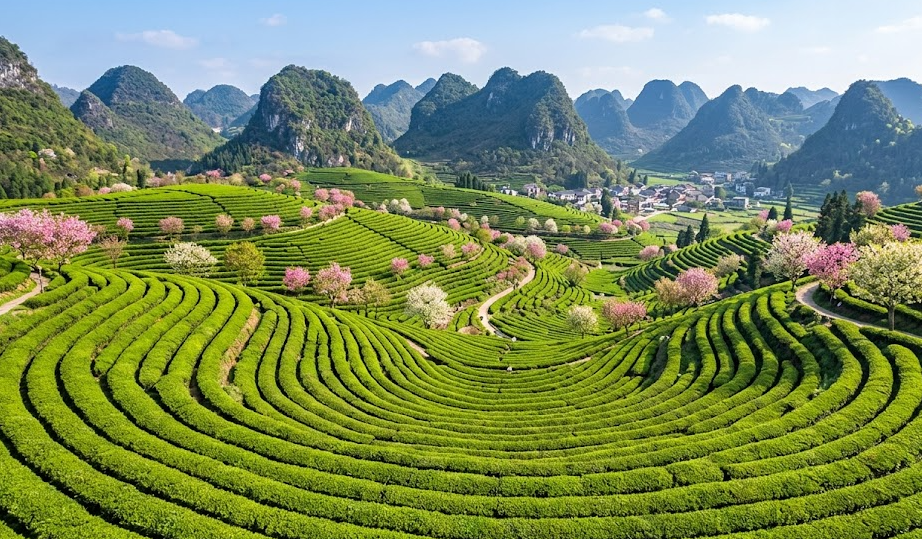
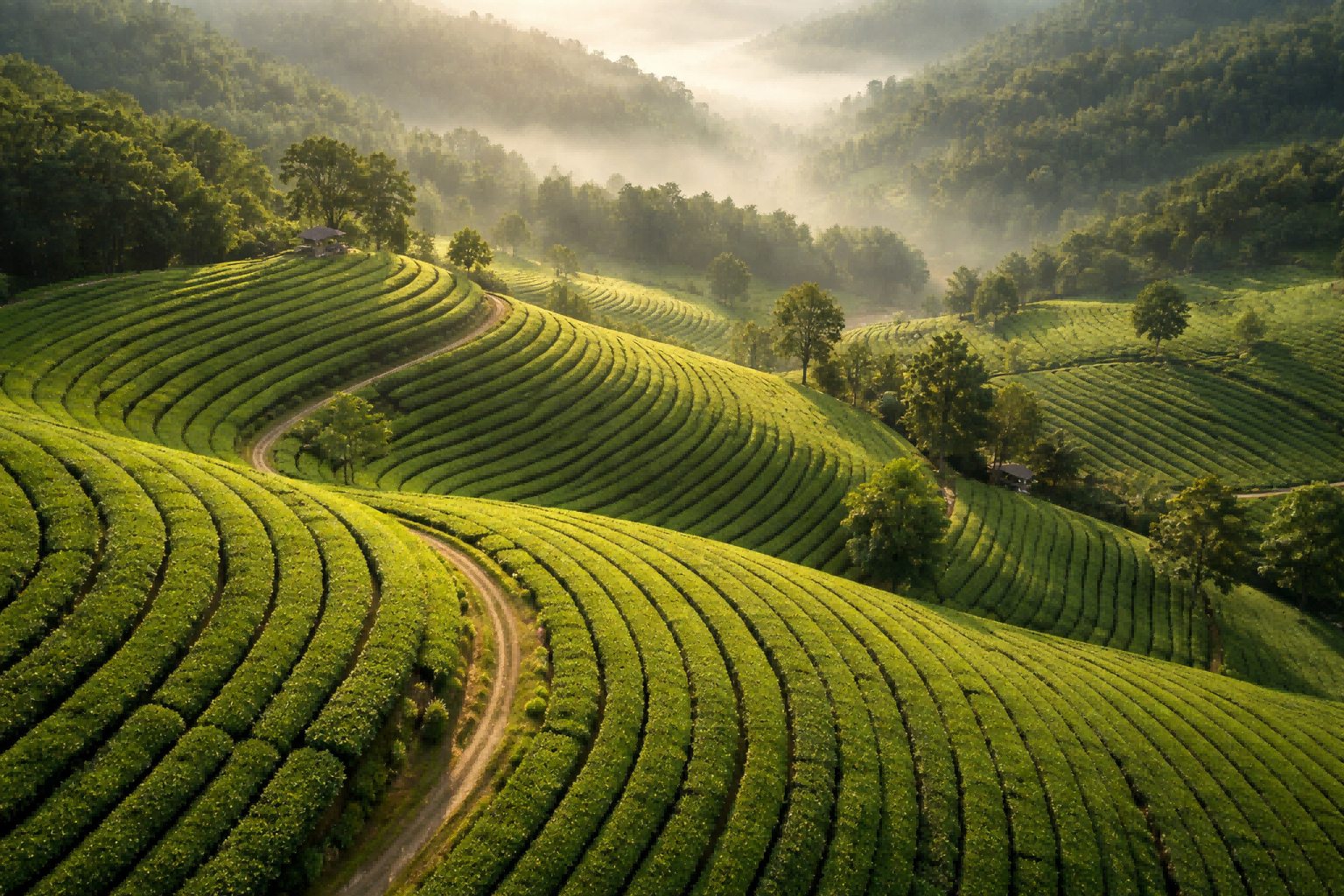
In my experience, talk is cheap. Any company can put a label on their product. The real test is when a customer asks for proof. A verifiable claim isn't just a promise; it's a system. It's about being able to pull up a file for any batch of matcha and show its entire life story, from the moment it was a leaf on a tea plant in a specific row of our garden in Guizhou. This level of detail might seem extreme, but it's the only way to provide true certainty. It's how we transform a simple claim into a trusted fact. For our partners, this means they can be completely confident in the ingredient they are using in their products.
Beyond the Promise: The Proof You Need
A truly verifiable system is built on data and documentation. It's a "seed-to-shelf" approach that leaves nothing to chance. When we say a batch of matcha is traceable, we mean we can pinpoint every step of its journey. This is what we provide to our partners to give them complete confidence. For any given order, we can show you the entire chain of custody, ensuring the product you receive is exactly what we promised, from a source you can trust. This is the only way to operate in today's demanding market.
The Documentation Trail
Here are the concrete elements that make a Non-GMO claim verifiable and trustworthy. This is the level of detail we believe every serious buyer should expect.
| Document / System | Purpose | What It Proves |
|---|---|---|
| Farm & Lot Records | Tracks tea from specific, registered organic garden plots. | Confirms the origin of the raw material and prevents mixing with uncertified sources. |
| Harvesting & Transport Logs | Records the date, time, and team responsible for harvesting15 and transport. | Ensures freshness and prevents contamination before processing. |
| Production Batch Records | Documents all processing parameters (e.g., steaming10 time, drying temp). | Guarantees process consistency5 and allows for troubleshooting if issues arise. |
| Quality Control Reports | Includes lab analysis for color, flavor, safety, and microbiology for each batch. | Provides objective data that the final product meets specifications. |
| Third-Party Certifications | Includes EU Organic, JAS, and Rainforest Alliance certificates16. | Offers independent validation that our systems meet strict international standards, which include Non-GMO requirements. |
This comprehensive documentation trail is not just for our records. It is a tool we provide to our customers. It gives them the assurance they need to build their brand and pass any audit with confidence.
Conclusion
Ultimately, Non-GMO is not just a label. It represents a supplier's deep commitment to quality, transparency, and a verifiable supply chain—the true foundations of a long-term, trusted partnership.
Understanding the Non-GMO label helps you assess the quality and integrity of matcha products. ↩
A transparent supply chain ensures you know the origins and quality of your matcha, building trust. ↩
Effective farm management ensures high-quality matcha by maintaining optimal growing conditions. ↩
These reports verify the safety and quality of each matcha batch, ensuring consistency. ↩
Consistency is achieved through documented processes, ensuring each batch meets quality standards. ↩
Traceability documents provide proof of quality and origin, ensuring you get what you pay for. ↩
Batch records document the production process, ensuring consistency and quality control. ↩
An auditable trail provides a clear record of matcha's production, ensuring transparency and trust. ↩
Shading enhances matcha's color and flavor by increasing chlorophyll and L-theanine levels. ↩
Steaming preserves matcha's color and aroma by halting oxidation, crucial for quality. ↩
Proper milling ensures matcha's fine texture and flavor, essential for a premium product. ↩
Camellia sinensis is the tea plant used for matcha, and its quality affects the final product. ↩
Chlorophyll gives matcha its vibrant green color and is a marker of quality. ↩
L-theanine contributes to matcha's umami flavor and calming effects, enhancing its appeal. ↩
Proper harvesting ensures only the best leaves are used, crucial for top-grade matcha. ↩
These certificates indicate sustainable and ethical practices in matcha production, enhancing its value. ↩