Are you confused by matcha terms like "blend" and "single origin"? Choosing the wrong type can put your entire business at risk. We'll show you the real difference.
For businesses, the key distinction is not taste but supply chain control. Blended matcha offers consistency but carries huge compliance risks1. Single-origin matcha provides traceability and safety2, ensuring you can pass strict international customs and quality audits without issue. This is about protecting your brand.
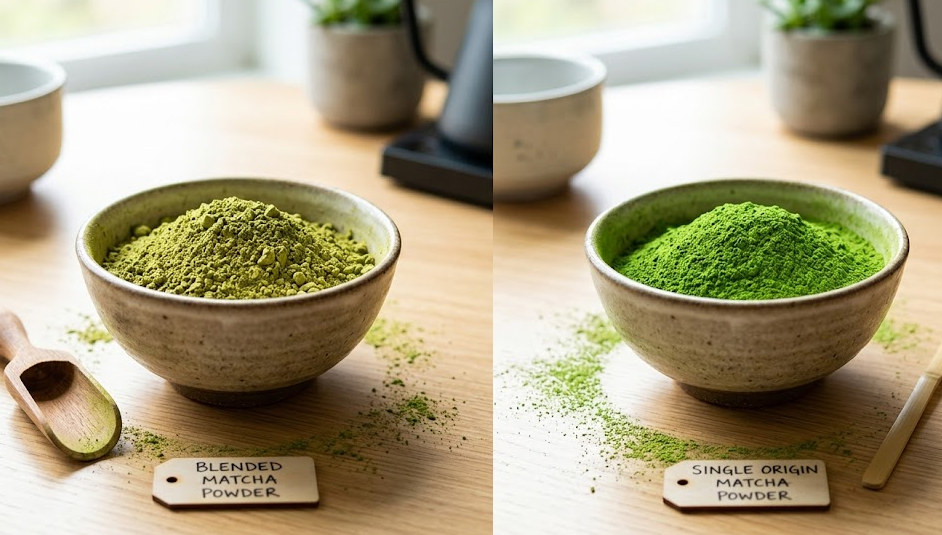
You might think this discussion is about romantic flavor profiles. For a coffee shop customer, maybe it is. But in the world of large-scale B2B supply, the stakes are much, much higher. The definitions of these terms shift from art and terroir to risk management and legal protection. Let's break down what these terms really mean for your brand’s safety, consistency, and long-term growth. It's a perspective you won't get from a retail tea blog, but it's essential for any serious business owner.
Why Is Blended Matcha a "Supply Chain Blind Box"?
You need a consistent matcha flavor that your customers can rely on. But sourcing from multiple small farms could be hiding a compliance nightmare. Let's look at the hidden risks.
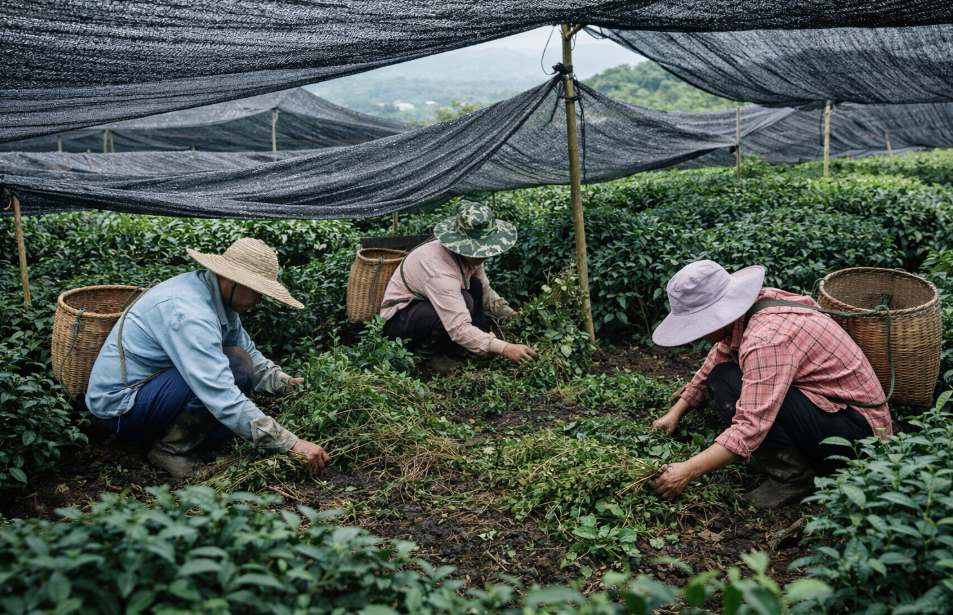
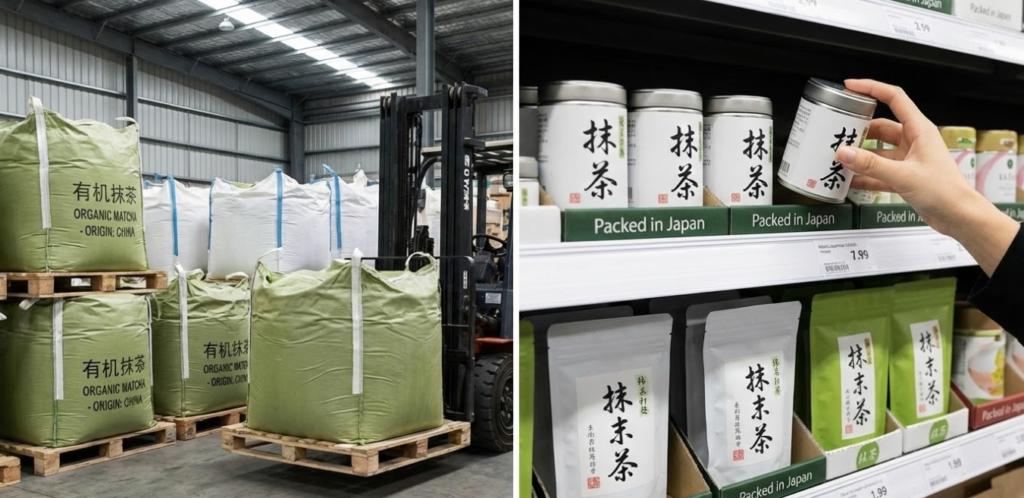
Traditional blending mixes leaves from many different farms to create a uniform taste. While this sounds good for consistency, it creates a massive compliance risk. If just one of those farms used an unapproved pesticide, the entire multi-ton batch can be rejected at customs, costing you millions.
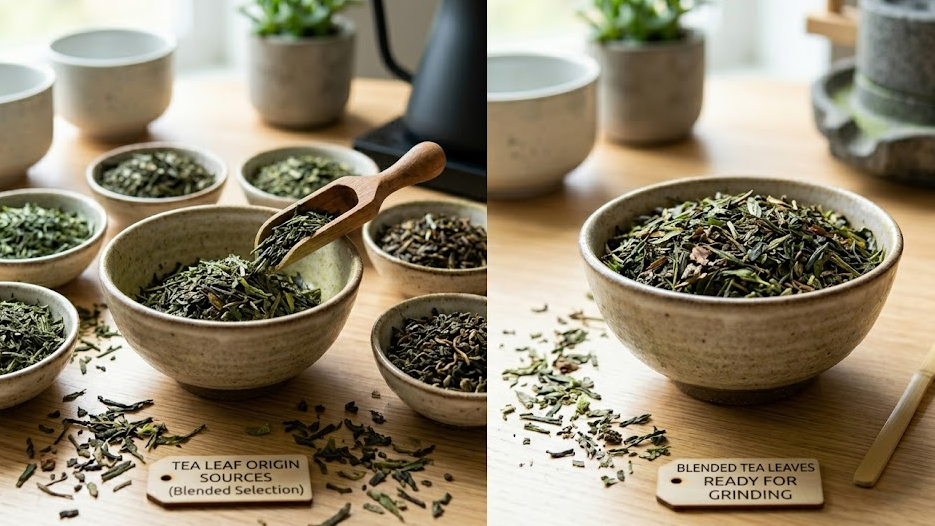
In the commercial world, we see this all the time. A trading company needs to fill a 50-ton order. To do this, they buy raw tea from hundreds of different smallholders or cooperatives. This process turns the final product into a giant risk management "blind box." The art of "tuning the flavor" means nothing when facing a customs inspection. We’ve seen huge international brands become extremely wary of this model because it often leads to a compliance disaster. All it takes is one farmer out of hundreds to use a banned pesticide, and the entire shipment lights up the testing equipment at an EU or FDA checkpoint. The potential loss of millions of dollars and the damage to a brand's reputation far outweigh any benefit of a perfectly "rounded" flavor profile. For a corporate legal team, the fear of "pesticide joint liability3" is very real.
| Aspect of Blending | The Romantic Idea | The B2B Reality |
|---|---|---|
| Source | A harmonious mix of leaves | Hundreds of untraceable small farms |
| Goal | A balanced, pleasant flavor | Filling a large volume order quickly |
| Risk | A slightly off taste | Catastrophic customs rejection |
| Result | A consistent daily latte | A "compliance blind box" |
How Does Single Origin Matcha Become a "Compliance Fortress"?
Your brand needs to be safe, certified, and ready for international markets. A single failed customs inspection can destroy your reputation and market access. Discover how single origin provides an ironclad defense.
In the B2B world, "single origin" is not about unique, wild flavors. It is about total control. By sourcing from one single, traceable estate, you eliminate the risk of contamination from unknown outside farms. This provides an unbreakable, transparent line from the field to your final product.
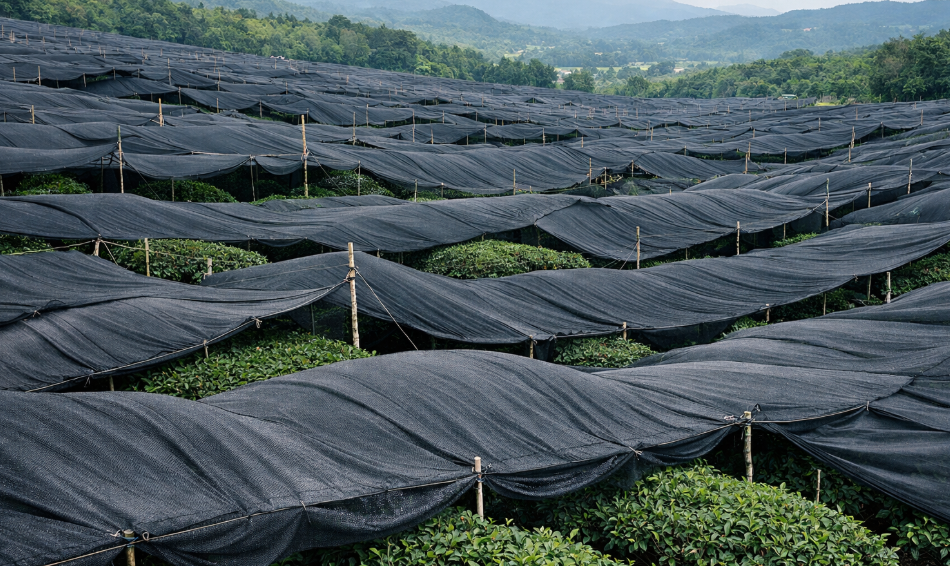
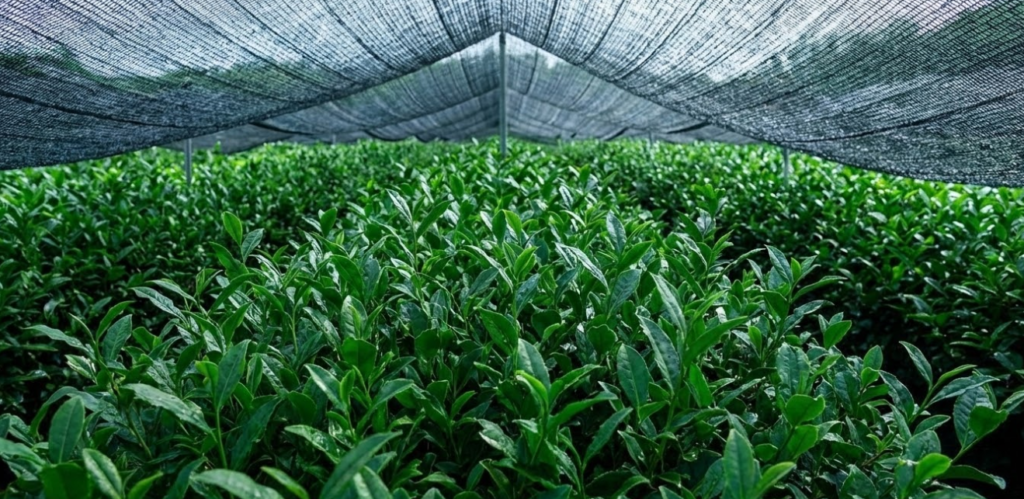
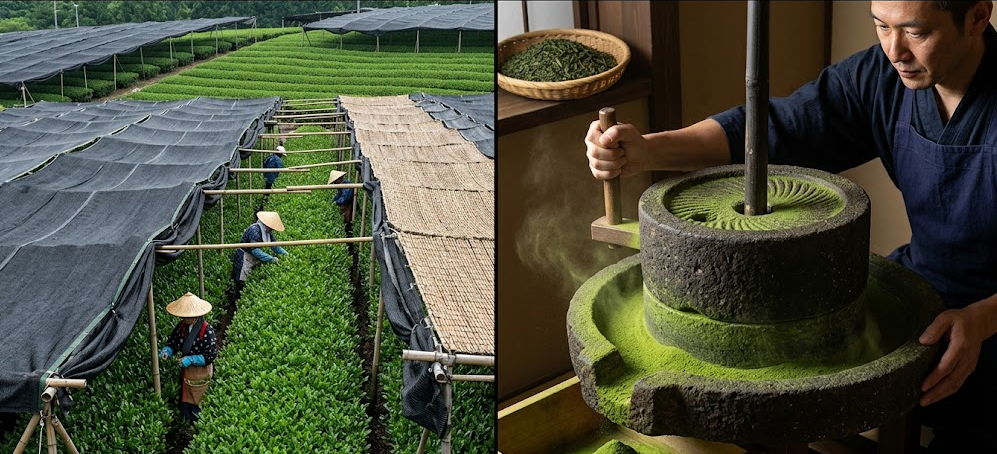
When large buyers ask us for "single origin," they aren't looking to taste some quirky note of the local soil. They are looking to build a "compliance fortress." This is exactly why we at MatchaSourcing.com hold and manage our 2,300+ mu of high-mountain organic tea gardens in Anshun, Guizhou. This "single-estate" model means we completely cut off the variables of external contamination. There are no unknown leaves in our supply chain. The matcha that reaches our customers comes with a full suite of certifications—EU Organic, USDA NOP, JAS (Japan Organic), and Rainforest Alliance. More importantly, it is supported by an extremely strict system of batch-level records4. No matter how intensely customs wants to investigate, we can trace every gram of matcha back to the specific grid on the mountain where it was harvested, and on what date. Here, the meaning of single origin is simple: absolute transparency and the freedom to pass customs with your eyes closed.
Can You Get the Stability of a Blend with the Safety of a Single Origin?
Your brand demands both absolute safety and perfect consistency in every batch. But nature is variable, and your customers expect the same product every time. How do you solve this dilemma?
Yes, you can. The modern solution is to blend data, not unknown leaves. We start with 100% certified organic leaves5 from our own single estate. Then, we use our advanced production lines6 to precisely control processing parameters to achieve unwavering batch-to-batch consistency in color, flavor, and texture.
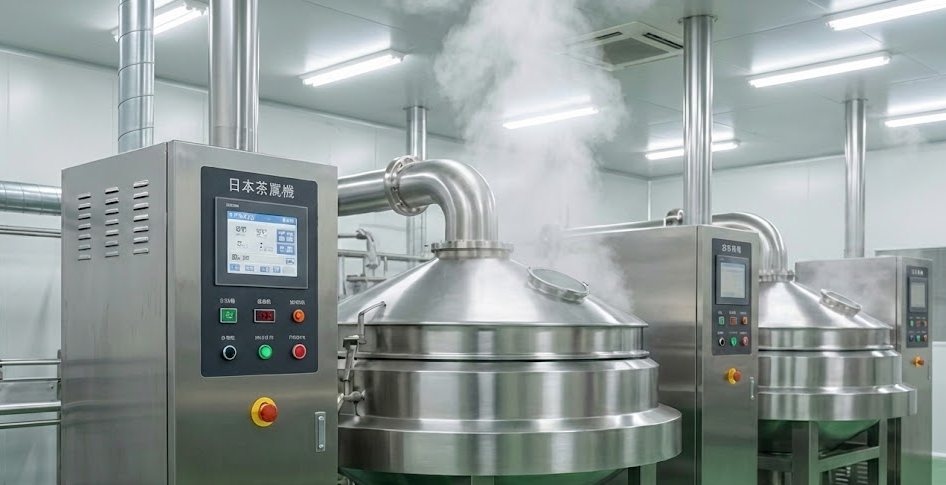
This is the ultimate magic of a modern, large-scale manufacturer. We deliver what global chain brands want most: the absolute safety of a single origin and the absolute stability of a blend. How? We use heavy-asset machinery7 to erase natural variables. At MatchaSourcing.com, we don't blend in "dirty leaves from the outside" to hit a price point. We only use our own perfectly clean, certified organic leaves5. The "blending" happens in our 100,000-class cleanroom, where we blend cold, hard data. Across our 11 continuous production lines, we precisely control the Japanese-style steaming time, the roasting temperature, and the particle fineness (mesh size) from our superfine jet mills. We use industrial equipment to achieve unshakable batch consistency within our own single estate. So no matter how much it rained this year, the RTD beverage or matcha latte coming off your production line will always have the exact same color performance and flavor penetration, as reliable as a mathematical formula.
How Can You Choose the Right Matcha and Avoid Costly Mistakes?
The matcha market is filled with confusing marketing words. Choosing a supplier based on a fancy name or a pretty green color can lead to a failed product and wasted investment.
Forget the marketing hype. First, ask for the industrial grade8 (e.g., Café, Ingredient). Second, demand color value data. Third, check the mesh size report for texture. Finally, always require a full set of "life-saving" documents like a COA, pesticide reports, and organic certificates.
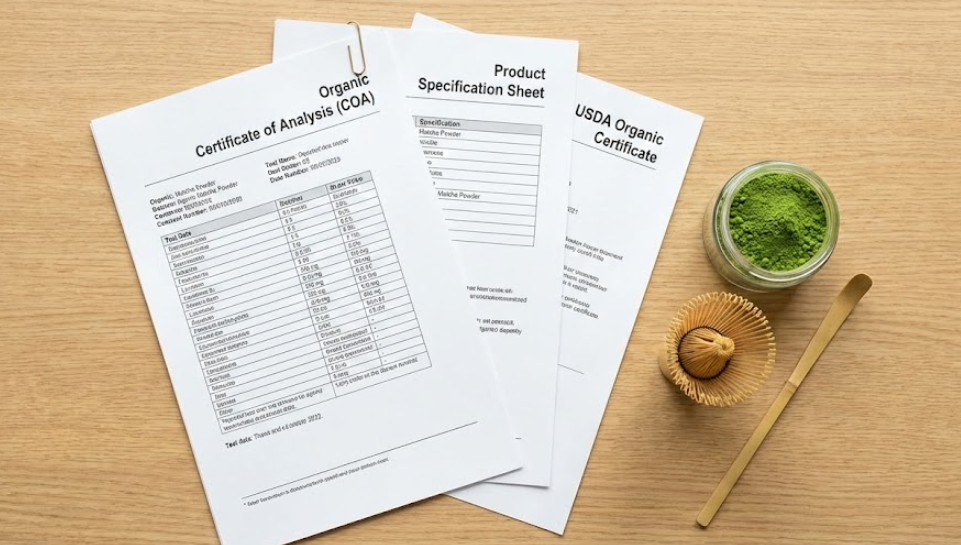
When you're sourcing for your business, you need to be a professional buyer, not a retail consumer. Don't fall for romantic stories; demand hard proof. Here are the four iron rules for avoiding a bad investment.
Rule 1: Ditch the Marketing Fluff
Stop trying to decode terms like "ceremonial" or "artisan." Ask for the industrial grade8: Is it a Café Grade designed for lattes? A Culinary Grade for general kitchen use? Or an Ingredient Grade optimized for industrial food production? Ask about performance. Can it cut through the fat and sugar of oat milk? Can it survive the 180°C heat of an oven without turning brown?
Rule 2: See the Color with Data
Don't just trust your eyes. A matcha powder can look green in the bag but disappear in a latte. Ask the supplier for color value test reports9 (using a colorimeter) for several consecutive batches. You need to see if the greenness parameter (the Lab* value) is stable over time. This is the only way to guarantee visual consistency in your final product.
Rule 3: Check Suspension and Texture
How fine is the powder? This determines whether your drinks will be smooth or gritty, and whether the matcha will clump up in an industrial mixing tank. Don't guess. Ask for the Mesh Size or particle size distribution report10. This data tells you exactly how it will perform as a fluid ingredient.
Rule 4: Demand the "Life-Saving" Documents
This is the most important rule. Any supplier who cannot immediately provide the following documents should be considered a high-risk blind box. No excuses.
- COA (Certificate of Analysis)11: Confirms the basic specifications.
- Heavy Metal Report12: Essential for consumer safety.
- Full Pesticide Residue Report13: The key to passing customs.
- Complete, Valid Organic Certificates14: For every market you sell in (EU, USDA, JAS).
| What to Ask For | What to Ignore |
|---|---|
| Industrial Grade (e.g., Ingredient) | Vague names like "Imperial" or "Ceremonial" |
| Lab* Color Value Data | "It looks very green" |
| Particle Size (Mesh) Report | "It feels very fine" |
| COA, Pesticide & Organic Certs | Stories about ancient traditions |
Conclusion
Retail romance is about exploring the unknown. B2B commercial romance is about delivering absolute safety and unwavering certainty to your partners, backed by heavy assets and transparent data.
If you plan to grow from 50 cups a day to 50,000, use this industrial standard to find a manufacturer who puts all their cards on the table.
Exploring compliance risks helps businesses avoid costly customs rejections and protect their reputation. ↩
Traceability and safety are vital for passing customs and quality audits, protecting your brand from compliance risks. ↩
Understanding pesticide joint liability is essential for businesses to mitigate risks associated with blended matcha sourcing. ↩
Batch-level records provide detailed traceability, ensuring matcha quality and compliance with customs inspections. ↩
Certified organic leaves ensure product safety and compliance, meeting consumer expectations for quality and sustainability. ↩
Advanced production lines control processing parameters, ensuring matcha consistency and quality. ↩
Heavy-asset machinery eliminates natural variables, ensuring consistent matcha quality and performance. ↩
Industrial grade matcha is optimized for specific uses, ensuring performance and consistency in commercial applications. ↩
Color value test reports provide data on matcha greenness, ensuring visual consistency in final products. ↩
This report ensures matcha texture and suspension, crucial for smooth drinks and industrial mixing. ↩
A COA confirms matcha specifications, ensuring product quality and compliance with safety standards. ↩
A Heavy Metal Report ensures consumer safety by confirming the absence of harmful metals in matcha products. ↩
This report is key to passing customs, ensuring matcha is free from harmful pesticide residues. ↩
These certificates verify organic status, essential for market access and consumer trust in matcha products. ↩