Are you searching for the best matcha and feel lost in the myths? You believe top quality must come from a famous place, but the reality is far more complex.
The highest quality B2B matcha is not defined by a location like Uji, Japan. It is created in a system that combines a controlled, isolated organic environment1 with industrial-grade precision2. This guarantees absolute consistency, safety, and a superior sensory profile3 for your commercial products.
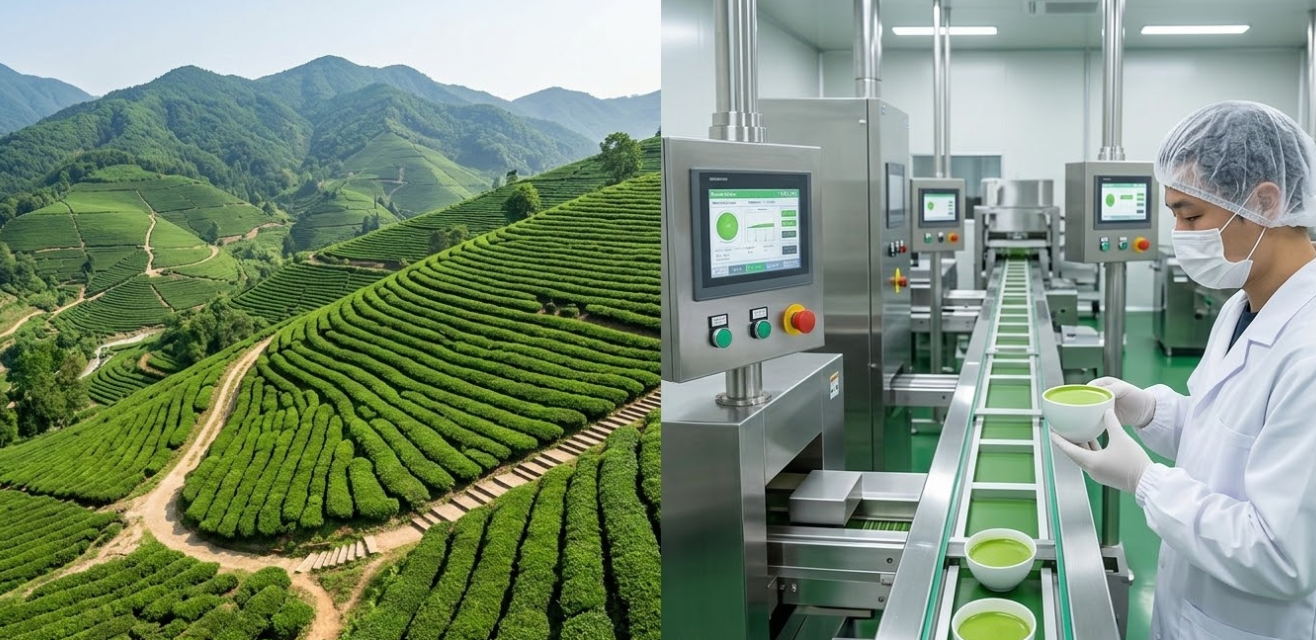
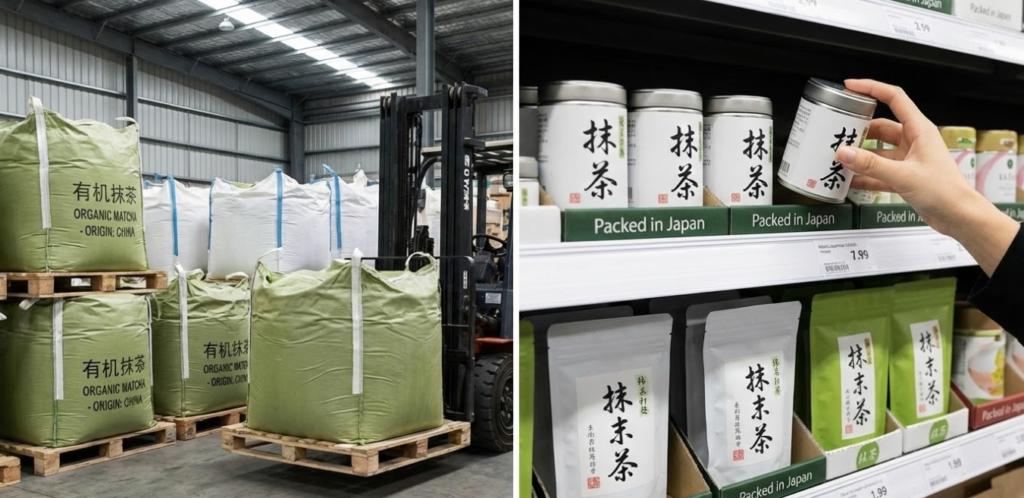
I used to believe the hype about Japanese matcha. I thought Uji was the only answer. Then, I went there myself and saw the truth on the ground. That trip made me turn around and invest everything I had into the mountains of Guizhou, China. In the brutal world of B2B supply, I learned that "highest quality" is not a pin on a map. It's a fortress you build with massive investment in ecology and a fanatical dedication to industrial precision. Let me show you why the old rules no longer apply.
Why is a controlled environment more critical than a famous origin?
Your organic matcha can be ruined by a neighbor's pesticides. This risk of contamination threatens your product's integrity and your brand's reputation. True quality requires complete environmental control.
A famous origin often has small, mixed-use farms, creating a high risk of pesticide drift4. A large, isolated organic base provides a "geographical moat," ensuring your matcha meets strict international standards and protecting your supply chain from unexpected compliance failures.
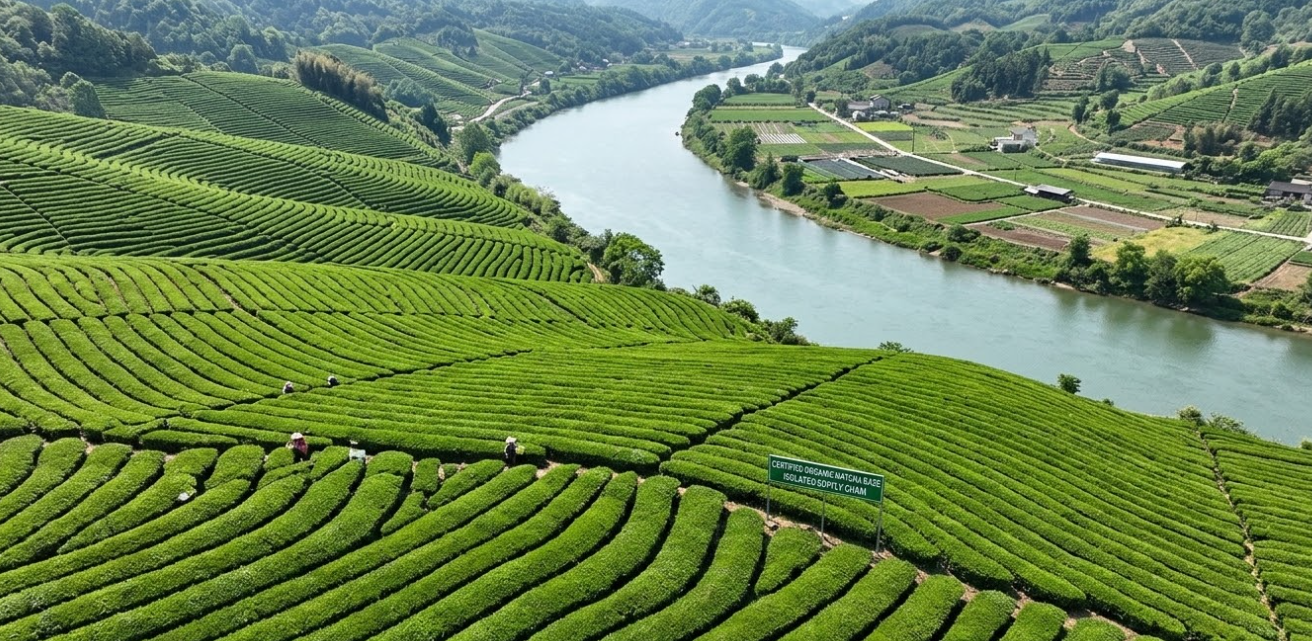
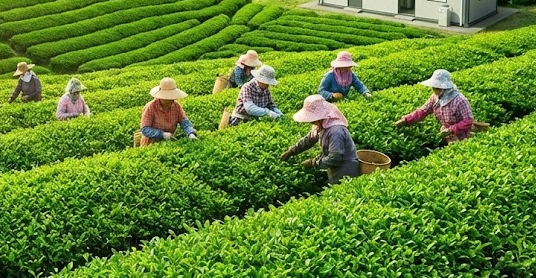
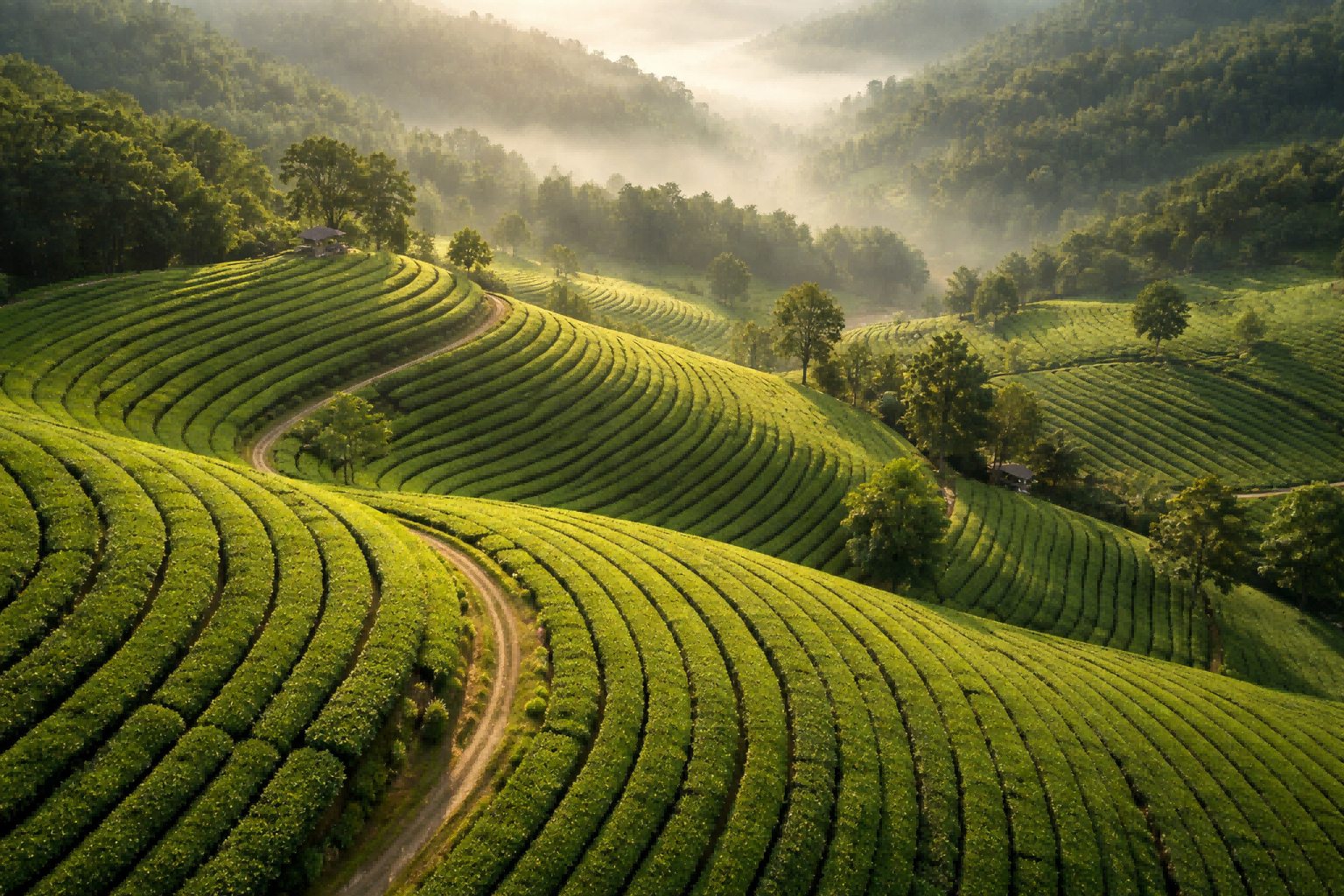
When I first visited some famous tea regions in Japan, I got a cold sweat. I saw small tea plots squeezed right next to other farms. It was a patchwork quilt. I immediately thought, if the farmer next door sprays pesticides, the wind will carry it right over to your "premium organic" crop. Your entire harvest could be ruined in an instant. This is the anxiety that keeps B2B buyers up at night. It's why I committed to building our own base on over 2,300 contiguous mu in the remote mountains of Anshun. This physical isolation is our fortress.
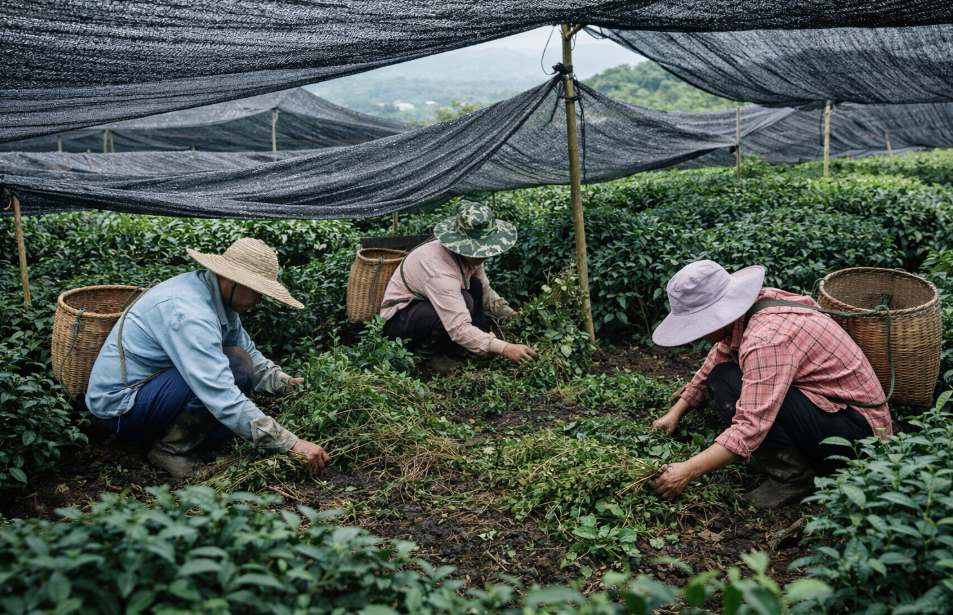
Building a true organic base is incredibly difficult. I remember a few years ago when a pest outbreak hit. I had to watch helplessly as insects ate away acres of our most tender first-harvest buds. The easy solution was to spray. But to protect our commitment to the strict EU pesticide residue limits5, we couldn't. Instead, we paid for hundreds of workers to pull weeds by hand and installed rows of insect-killing lamps. It was a painful, expensive fight. But that "moat" we built paid off. I'll never forget the look on a major European client's face when they saw our lab report showing zero residues on every single parameter. That is the kind of trust you can't buy with a famous origin story.
Risk Comparison: Interspersed vs. Isolated Tea Gardens
| Factor | Small, Interspersed Gardens (Traditional Model) | Large, Isolated Base (Our Model) |
|---|---|---|
| Pesticide Risk | High risk of drift from neighboring non-organic farms. | Negligible. Surrounded by a natural buffer zone. |
| Traceability | Complex and difficult to guarantee for each small plot. | Fully controlled. Every batch is tracked from our own fields. |
| Compliance | One neighbor's mistake can cause your entire shipment to fail. | Consistent compliance with EU, JAS, and USDA organic standards. |
| Supply Stability | Vulnerable to external factors beyond your control. | High degree of control over the entire growing environment. |
How can technology and terroir create a better matcha?
You might assume Japanese matcha always has the best flavor. But you could be paying a premium for a name, not necessarily for a better product. The right combination of nature and technology can change the game.
By pairing high-amino-acid tea leaves6 from a unique high-altitude terroir with authentic Japanese processing technology7, it is possible to surpass traditional products. This synergy enhances the vibrant green color and deep umami flavor, delivering a superior and consistent sensory experience.
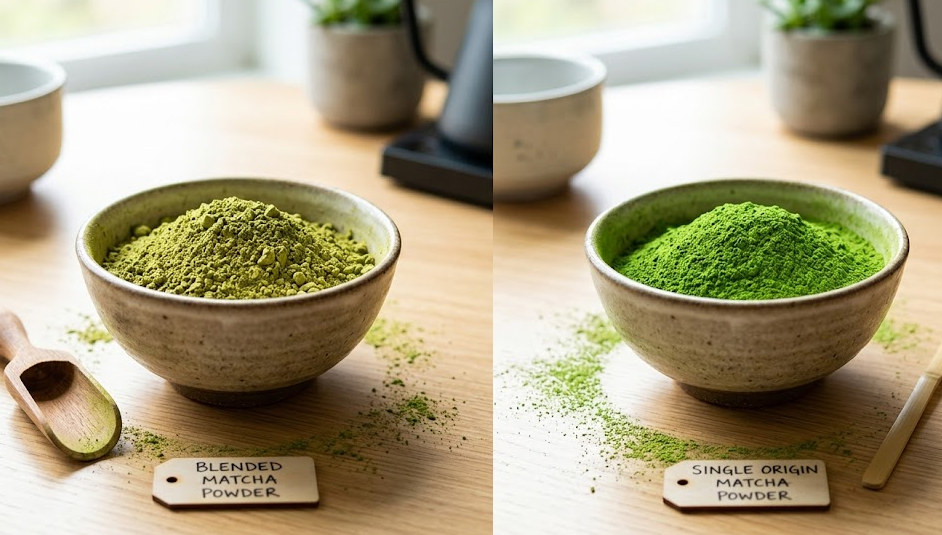
Last year, a very demanding German client came to us. They wanted to test our best matcha against a top-grade ceremonial matcha from Japan. It was a blind test, and I was nervous. The result? Our matcha won on both key metrics: its vibrant, emerald green color and its deep, savory umami flavor. The client was shocked. But for me, it wasn't a surprise. It was the result of a deliberate strategy. We didn't just get lucky; we engineered this outcome by combining the best of two worlds.
The Terroir Advantage of Anshun
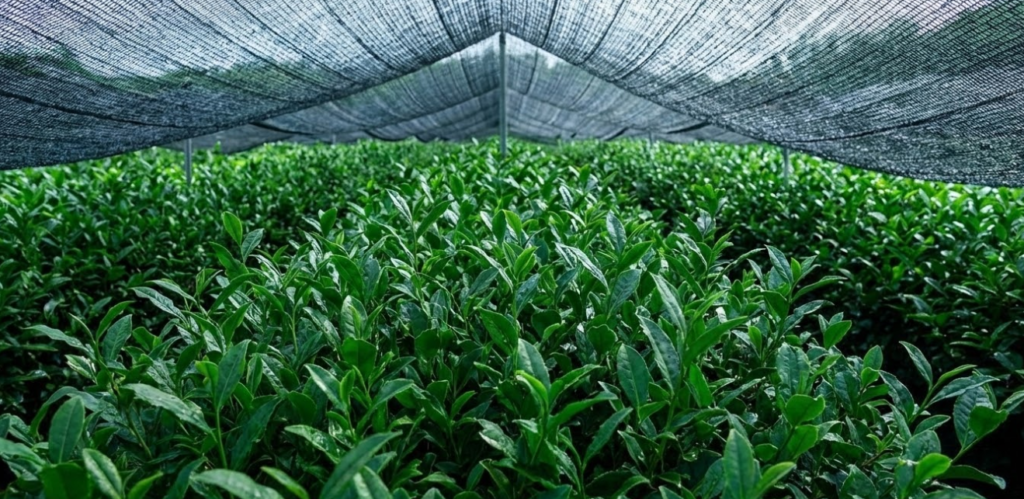
First, our raw material is special. Our tea gardens are in Anshun, at a high altitude. The unique climate here puts the tea plants under a healthy amount of stress. To survive, the plants produce higher concentrations of amino acids, especially L-theanine. This is the natural source of the smooth, savory "umami" taste that defines high-quality matcha. We start with a leaf that is naturally primed for superior flavor.
The Power of Japanese Technology
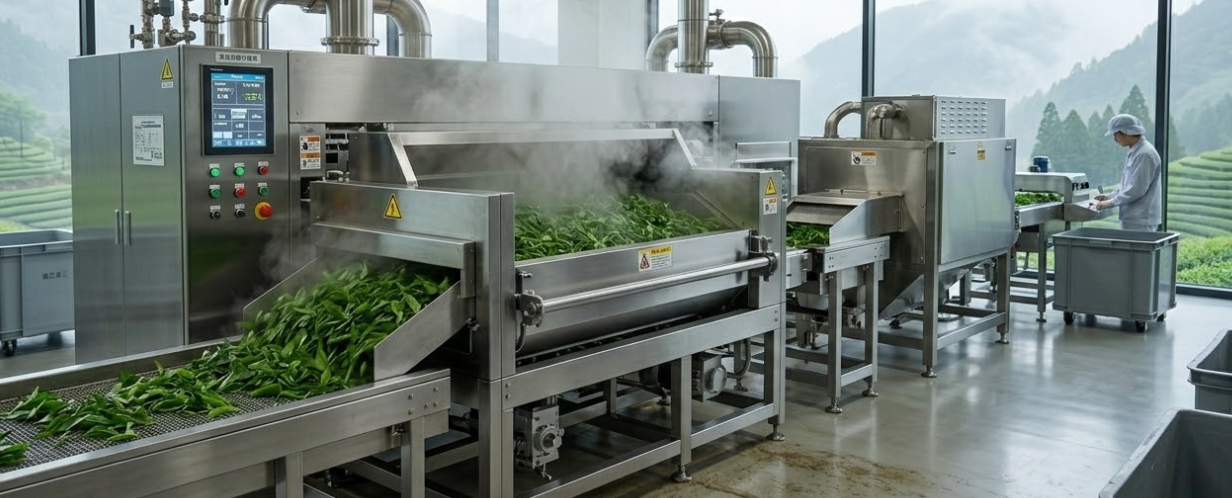
Second, we didn't try to reinvent the wheel. We knew the Japanese had perfected the process of making matcha. So, I invested in a complete, state-of-the-art Japanese steam-fixing production line8. This process, called "shaqing" , uses a short blast of steam to halt the oxidation of the fresh tea leaves instantly. It locks in their brilliant green color and fresh, vegetal aroma. It's this specific technology that prevents matcha from becoming dull or bitter. By adopting the best process, we ensure we get the most out of our superior leaves. When you put world-class technology to work on world-class raw materials, "Made in Japan" is no longer the only path to the top.
Why is 'boring' consistency the real secret to top-tier matcha?
You find a great matcha sample, but the next bulk order is different. This inconsistency can ruin your products, damage customer trust, and create massive production headaches. True quality means industrial-scale precision.
For global brands, the highest quality is not one amazing cup; it is perfect consistency across ten tons of product. This is only achievable through industrial-grade process control—not artisanal methods. It means every gram of matcha is identical in color, flavor, and performance.
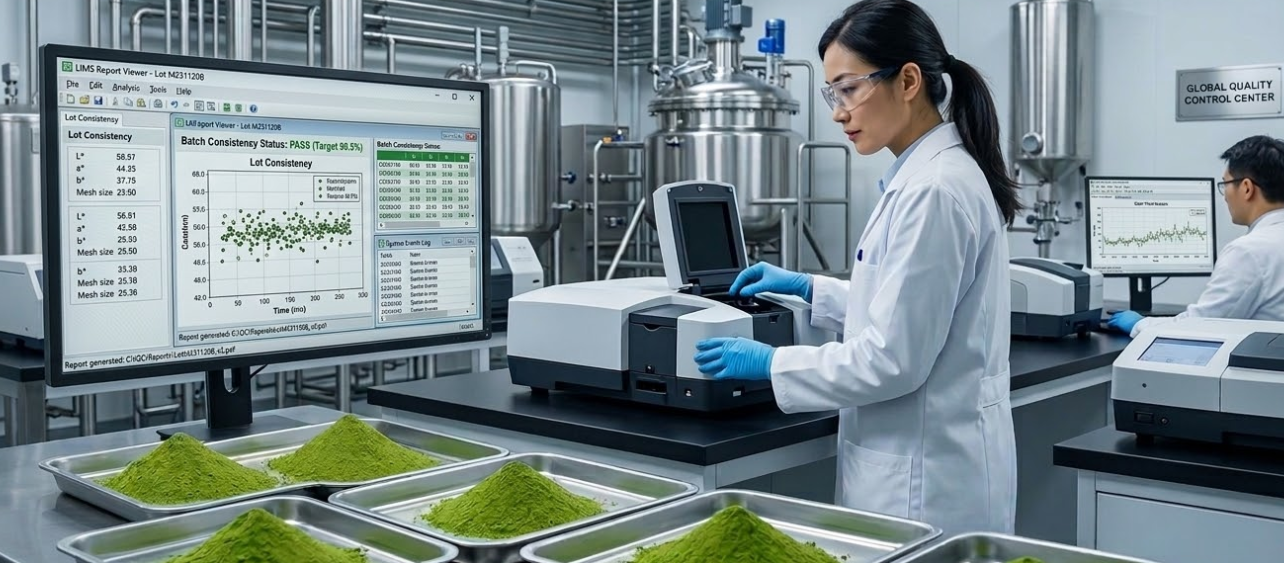
The highest praise I ever got from an international buyer was that our matcha was "boringly precise." For a consumer, "boring" sounds bad. But for a global food manufacturer or beverage chain, it is the ultimate compliment. They cannot afford for their matcha lattes or chocolate bars to taste different from one batch to the next. The romance of a small, artisanal tea master's "special batch" is a nightmare for a scaled business. They need matcha that performs exactly the same, every single time.
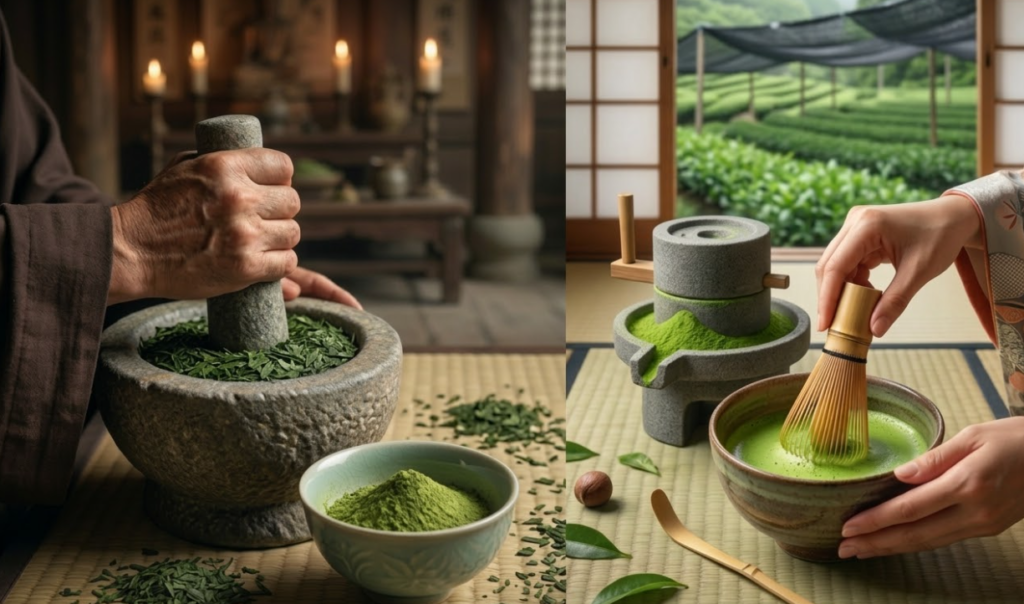
This is something a small workshop can never guarantee. It can only be achieved in a facility like ours. We operate a Class 100,000 cleanroom factory9. Inside, we obsess over the details of the milling process. We use sophisticated granite stone mills10, but we strictly control the temperature and humidity because even a small change can degrade the matcha's color and flavor. We control the particle size down to the micron (or mesh size) to ensure it has the right texture and suspends perfectly in water, milk, or other ingredients. This obsessive, data-driven approach11 is what allows a multinational giant to place an order for ten tons and know, with absolute certainty, that the last gram will be identical to the first. That is the true meaning of B2B quality.
Artisanal Craft vs. Industrial Precision
| Aspect | Artisanal Approach | Industrial Precision (Our Method) |
|---|---|---|
| Consistency | Varies from batch to batch, depends on the master's feel. | Identical. Controlled by sensors and data across all batches. |
| Volume | Small, limited production. Not suitable for large brands. | Scalable to tons while maintaining perfect consistency. |
| Quality Control | Subjective tasting and visual checks. | Objective lab analysis (colorimetry, particle size, etc.). |
| Customer Benefit | A unique, one-time experience. | "Buy with your eyes closed" reliability and predictable performance. |
Conclusion
The world's highest quality matcha no longer comes from a single place. It comes from a system that unites a safe, isolated environment, advanced technology, and an obsession with industrial consistency.
Explore how a controlled environment ensures matcha quality by preventing contamination and maintaining consistency. ↩
Learn how precision in production processes guarantees consistent matcha quality for commercial use. ↩
Discover the factors that enhance matcha's taste, aroma, and appearance for a better consumer experience. ↩
Understand the risks of pesticide contamination and how it can compromise matcha quality. ↩
Explore the significance of meeting strict EU standards to ensure matcha safety and quality. ↩
Learn how amino acids enhance matcha's umami flavor and overall quality. ↩
Learn about the technological advancements that improve matcha's sensory attributes. ↩
Discover the technology behind preserving matcha's color and flavor through steam-fixing. ↩
Explore how cleanroom standards ensure matcha purity and consistency during manufacturing. ↩
Learn about the traditional milling process that preserves matcha's texture and flavor. ↩
Explore how meticulous data analysis ensures matcha quality and consistency for global brands. ↩