You probably think Japan is the king of matcha. But this common belief might be hiding the real truth of the global supply chain, a truth you need to know.
China is now the world's largest matcha producer1, making over 60% of the global supply. While Japan is the cultural home of matcha, its production is limited. China, especially the Guizhou region2, has become the industrial heartland for high-volume, global matcha supply.
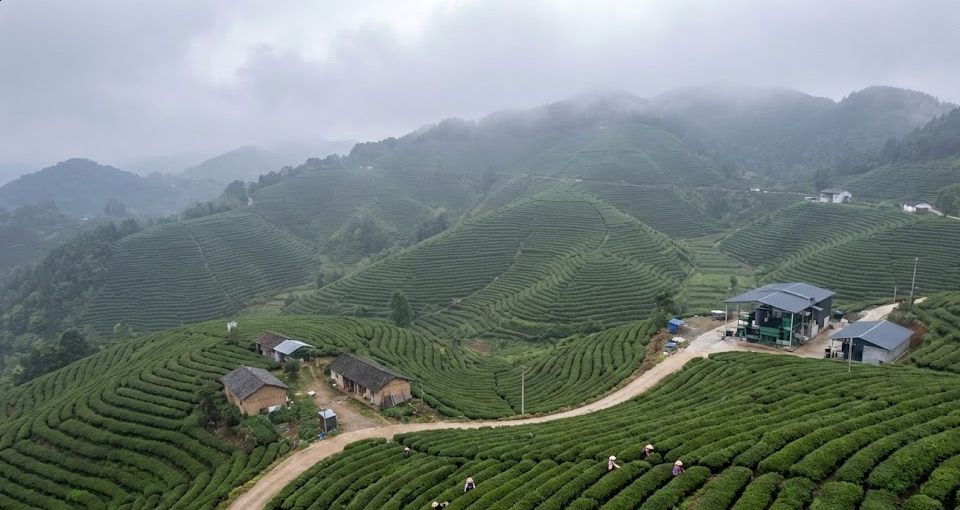
This fact might surprise you, but it's a reality that the world's top B2B buyers have understood for years. It's not just about volume; it's about a fundamental shift in how matcha is grown, processed, and sold on a global scale. As someone who manages the entire process from the tea plant to the final powder, I see this reality every day. Let's break down why this happened and what it really means for your business.
For buyers comparing China and Japan as sourcing origins, our bulk matcha supply page explains MOQ, packaging formats, COA support and export options for large-volume orders.
Hasn't Japan always been the center of matcha production?
You see "Uji3" and "Japanese Style4" on matcha products everywhere. This makes you think Japan is the main source, but that's a marketing story, not the supply chain reality.
While Japan is matcha's cultural origin, its production capacity has hit a ceiling due to limited farmland and an aging workforce. China has stepped in to meet the huge global demand for food and beverage-grade matcha5. Many products sold as "Japanese style" actually come from China.
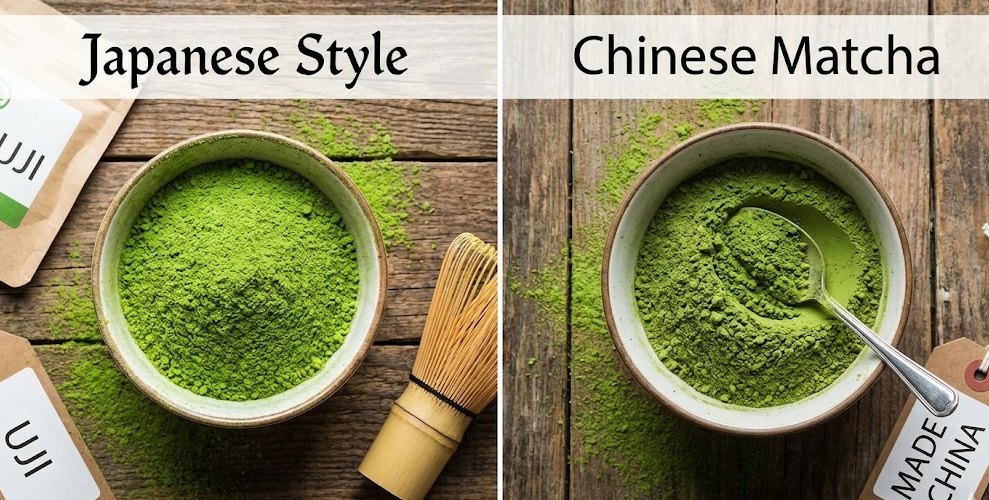
The story of matcha's production shift is a simple one of supply and demand. The world's appetite for matcha, especially in lattes, baked goods, and ice cream, grew far beyond what Japan could produce. As a business owner, I knew that to build a reliable global supply, I had to look at where the capacity was, not just where the tradition started.
The Limits of Japanese Production
Japan's matcha industry is built on tradition and quality, but it faces real physical limits. Farmland is scarce and expensive. The population of experienced tea farmers is getting older, and labor costs are high. This means Japanese production is naturally capped. It is very good at producing high-end, expensive ceremonial grade matcha6 for a niche market. But it was never structured to supply thousands of tons for the global food industry. The math just doesn't work.
China's Rise to Meet Global Demand
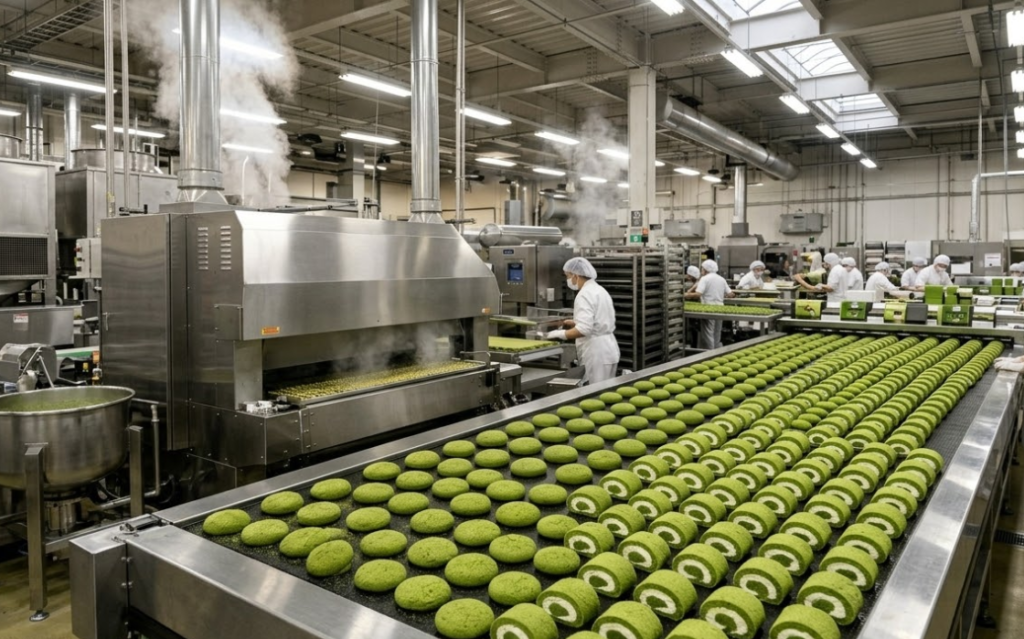
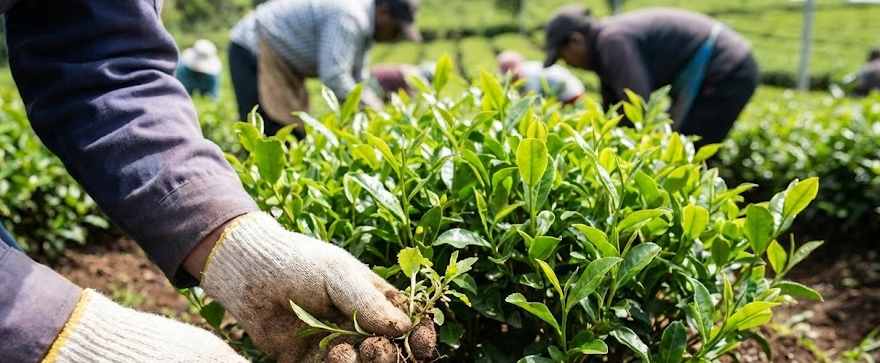
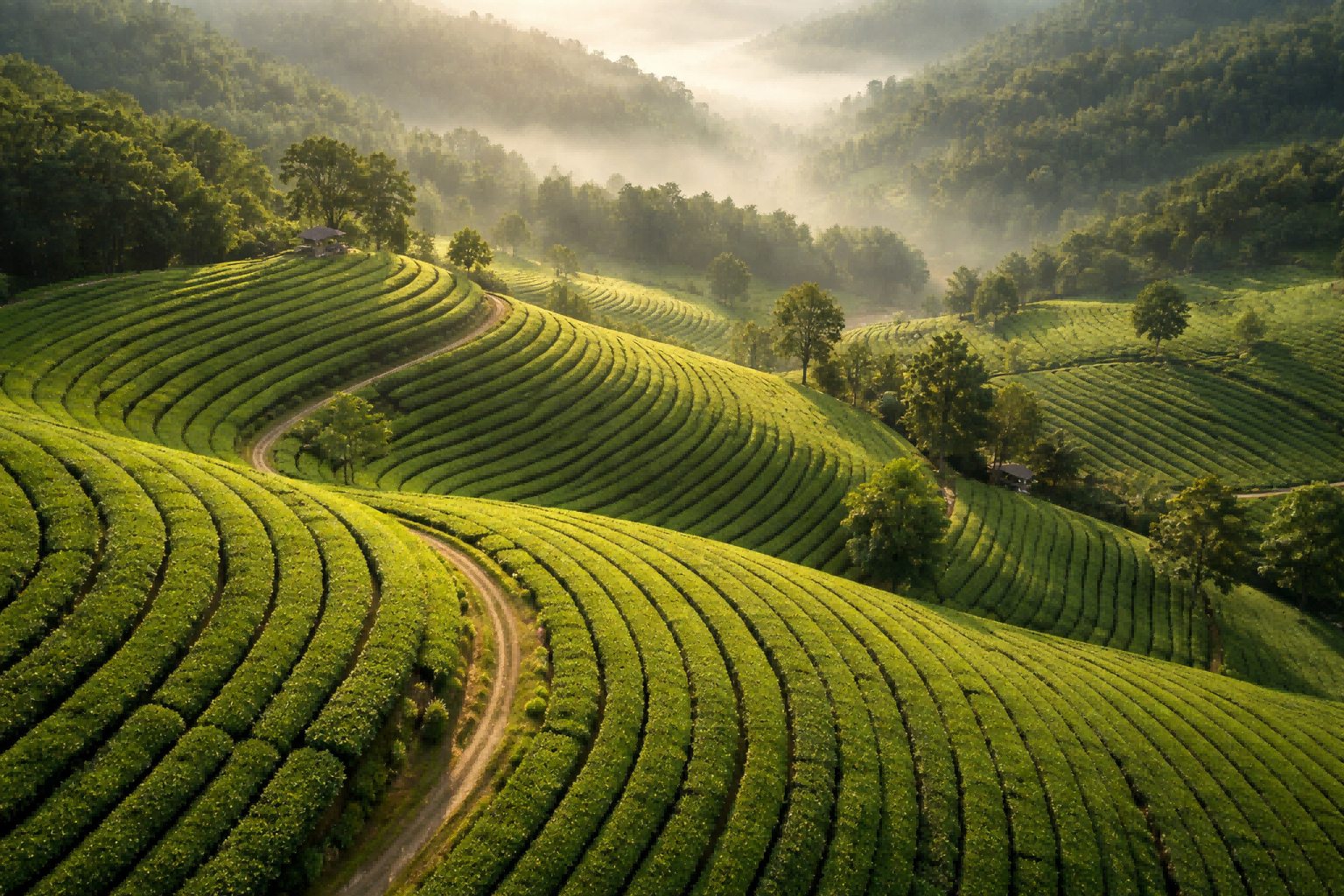
This is where China, and specifically Guizhou, entered the picture. The global food and beverage industry needs huge, consistent volumes of ingredients. China has the vast, high-altitude land, the workforce, and the industrial focus to meet this need. My own 2,300 acres of organic tea gardens7 in Anshun are a perfect example. We have the space to scale our cultivation. We built modern factories designed for large-scale, efficient production. You can also review our matcha factory capability page to understand production lines, cleanroom processing, milling capacity and export-ready manufacturing support. We aren't trying to replace Japanese ceremonial tea; we are powering the global matcha boom8.
| Feature | Japan | China (Guizhou) |
|---|---|---|
| Scale | Small-scale, artisanal | Large-scale, industrial |
| Land Area | Limited | Vast, high-altitude |
| Labor | Aging, expensive | Available, cost-effective |
| Primary Focus | Ceremonial Grade | Food & Beverage Grade |
| Global Capacity | Limited & Stable | Over 60% and growing |
Why can't most Chinese factories supply Western markets?
So, China makes the most matcha. You might think sourcing from any Chinese factory is a simple solution. But this is a big mistake. About 90% of them will fail your quality audits.
Most factories fail because they cannot meet the strict pesticide and heavy metal standards for markets like the European Union and the United States. They don't control their raw material source, the tea farm. "True organic" certification, verified from the farm itself, is the only real passkey.
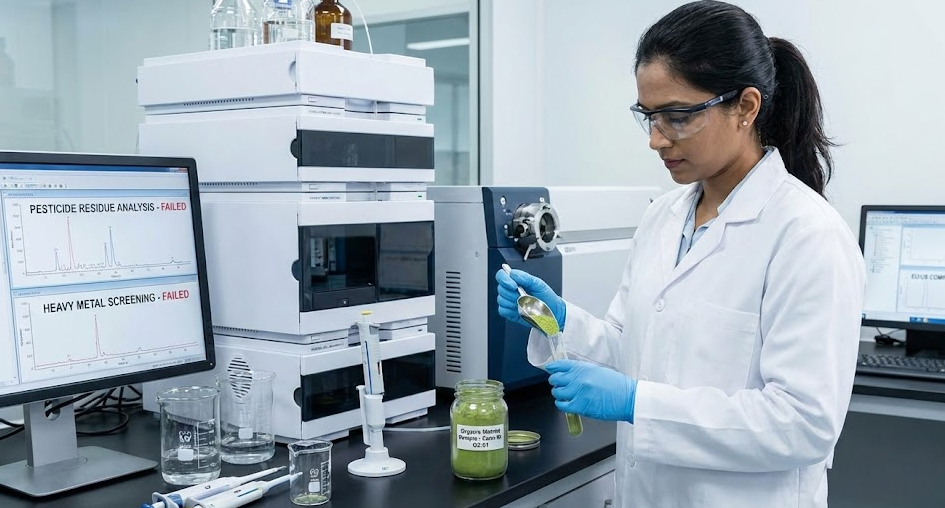
I've seen so many businesses try to cut corners. They find a supplier who offers a low price, but they can't get the product through customs. Or worse, they get a notice from a food safety authority months later. Large production numbers mean nothing if the product isn't safe and compliant. This is the hardest lesson in the international food trade, and it's where most suppliers fail.
Before confirming a supplier, business buyers should request matcha COA and testing documents to verify pesticide residues, heavy metals, microbiology and batch-level quality data.
The Pass-or-Fail Test: Pesticide Residues
Western markets, especially the EU, have very strict rules called Maximum Residue Limits (MRLs)9 for hundreds of pesticides. If your matcha is even slightly over the limit for just one of them, the entire shipment is rejected. The problem is that most Chinese factories don't own tea farms. They buy raw tea leaves from many small, independent farmers. They have no way to control what happens on those farms. It's impossible for them to guarantee that every single leaf is clean. This is why about 90% of factories simply cannot export to high-standard markets.
My Strategy: Full Ownership from the Root
This is the exact reason I invested so heavily in our 2,300-acre operation in Anshun. I own and control the land. This is not a light-asset business. It's a heavy, long-term commitment. We don't use any chemical pesticides. We control pests from the root of the tea plant using physical and biological methods. We pull weeds by hand. It costs more and takes more work, but it gives me 100% control. This source-level control10 is the only way to pass the strict organic audits from the EU, Japan, and the USA. Our modern, class 100,000 cleanroom11 for milling then ensures this purity is protected all the way to the final package. Without this red line of organic control12 from the very beginning, you simply can't get a seat at the table in international trade.
What do serious B2B matcha buyers really look for?
You have a great idea for a matcha latte or a new snack. You have a marketing plan. But if your key ingredient changes from one order to the next, it can destroy your product.
Serious B2B buyers13 care about one thing more than anything else: consistency14. They need this ton of matcha to have the exact same color, fineness, and flavor as the last ton. This is only possible when a supplier controls the entire supply chain, from farm to factory.
For buyers comparing origin, quality control and long-term supply reliability, choosing the right matcha powder supplier is more important than only comparing country labels.
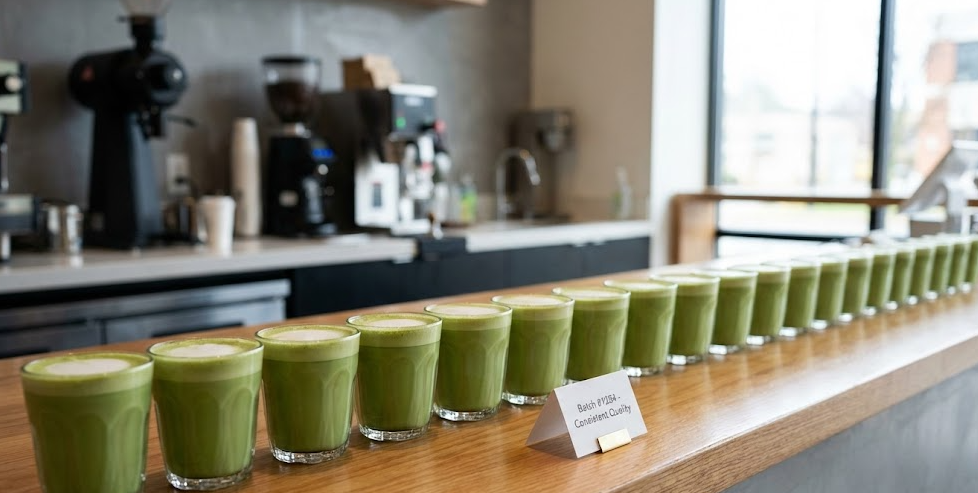
When I talk to the procurement managers at large food and beverage companies, they don't ask about marketing stories. They are manufacturers. Their machines are calibrated for a specific powder density. Their recipes are balanced for a specific flavor profile. Their customers expect the product to look and taste the same every time they buy it. Any small change in the matcha can force them to stop production, change their recipe, or even recall products. Consistency isn't a bonus feature; it's the most important requirement.
If you are building your own retail matcha brand, our private label matcha page covers custom packaging, label support, sample development and export-ready production.
Why Asset-Light Traders15 Fail
Many matcha suppliers are just traders or middlemen. They don't own farms or factories. They buy from whoever has the lowest price at the moment. This means the matcha they sell you in May might come from a completely different region and factory than the matcha they sell you in September. They have no control over the process, so they cannot possibly guarantee consistency14. They are selling a commodity, not a reliable, specified ingredient. This approach creates huge risks for any brand that values its reputation.
The Power of a Source Factory
This is where we provide the ultimate solution. Because I control everything from the specific tea cultivars we plant to the exact shading time, harvesting season, steaming process, and milling temperature, I can lock in the quality parameters. My clients don't get a random product. They get "Product #A7," and it will have the same bright green color, the same smooth flavor, and the same fine texture, batch after batch, year after year. Bypassing the middlemen and partnering directly with a source factory16 like ours is the final move that global giants make to secure their quality and protect their profits.
| Factor | Trader / Middleman | Source Factory (MatchaSourcing) |
|---|---|---|
| Supply Chain Control | None | Full (Farm to Warehouse) |
| Batch Consistency | Low / Unpredictable | High / Guaranteed |
| Traceability | Limited / Opaque | Complete / Transparent |
| Quality & Compliance Risk | High | Low / Managed |
Conclusion
China is the new global hub for matcha production. True success in this market depends on finding a partner with full organic control12 and end-to-end supply chain ownership.
For Bulk Matcha and Private Label Buyers
Knowing which country produces the most matcha is useful, but for business buyers, the more important question is:
Can this origin support stable quality, reliable volume, testing documents, private label packaging, and long-term supply?
This is why Chinese matcha has become a practical sourcing option for many global buyers. China offers strong production capacity, flexible grade selection, competitive commercial pricing, and scalable supply for food, beverage, café, and private label projects.
For B2B buyers, Chinese matcha is especially suitable for:
- Bulk matcha powder supply
- Private label matcha products
- Matcha latte powder
- Foodservice and café chains
- Bakery and dessert applications
- Beverage manufacturing
- OEM packaging projects
- Importers, distributors, and tea brands
A reliable China matcha supplier should not only offer volume. It should also provide batch-level testing, COA support, stable specifications, packaging options, and export documentation.
If you are comparing Japan and China for commercial matcha sourcing, the right choice depends on your product positioning. Japanese matcha may be suitable for premium ceremonial products, while Chinese matcha can be a more flexible option for bulk supply, private label brands, and food or beverage applications.
Explore our commercial matcha sourcing pages:
If you need matcha for bulk orders, private label packaging, café supply, or food manufacturing, you can contact us for sample support and sourcing guidance.
Discover why China has surpassed Japan in matcha production and what this means for the global market. ↩
Learn why the Guizhou region in China is pivotal for large-scale matcha production. ↩
Explore the cultural importance of Uji in Japan and how it influences matcha branding. ↩
Uncover the marketing strategies behind 'Japanese Style' matcha and its actual origins. ↩
Learn about the characteristics and uses of food and beverage-grade matcha in the industry. ↩
Find out what makes ceremonial grade matcha unique and why it's a niche market. ↩
Discover how organic tea gardens contribute to high-quality matcha production. ↩
Understand the reasons behind the increasing global demand for matcha and its implications. ↩
Understand the importance of MRLs in ensuring matcha quality and compliance with international standards. ↩
Explore the significance of controlling the entire matcha production process for quality assurance. ↩
Find out how a class 100,000 cleanroom ensures the purity and quality of matcha. ↩
Learn about the role of organic control in producing high-quality, compliant matcha. ↩
Understand the priorities of B2B buyers in the matcha industry to better align your business strategy. ↩
Understand why consistency in matcha quality is vital for maintaining product standards. ↩
Learn about the challenges asset-light traders face in providing consistent matcha quality. ↩
Discover how a source factory ensures quality and consistency in matcha production. ↩