Struggling to find a bulk matcha supplier1 you can trust? One bad batch can ruin your products and your reputation. The key is finding a partner with real control.
Yes, you can buy matcha in bulk. The secret is to partner with a supplier who owns their own organic farms and processing factories2. This is the only way to guarantee consistent quality, true organic compliance, and reliable delivery for large, business-to-business orders.
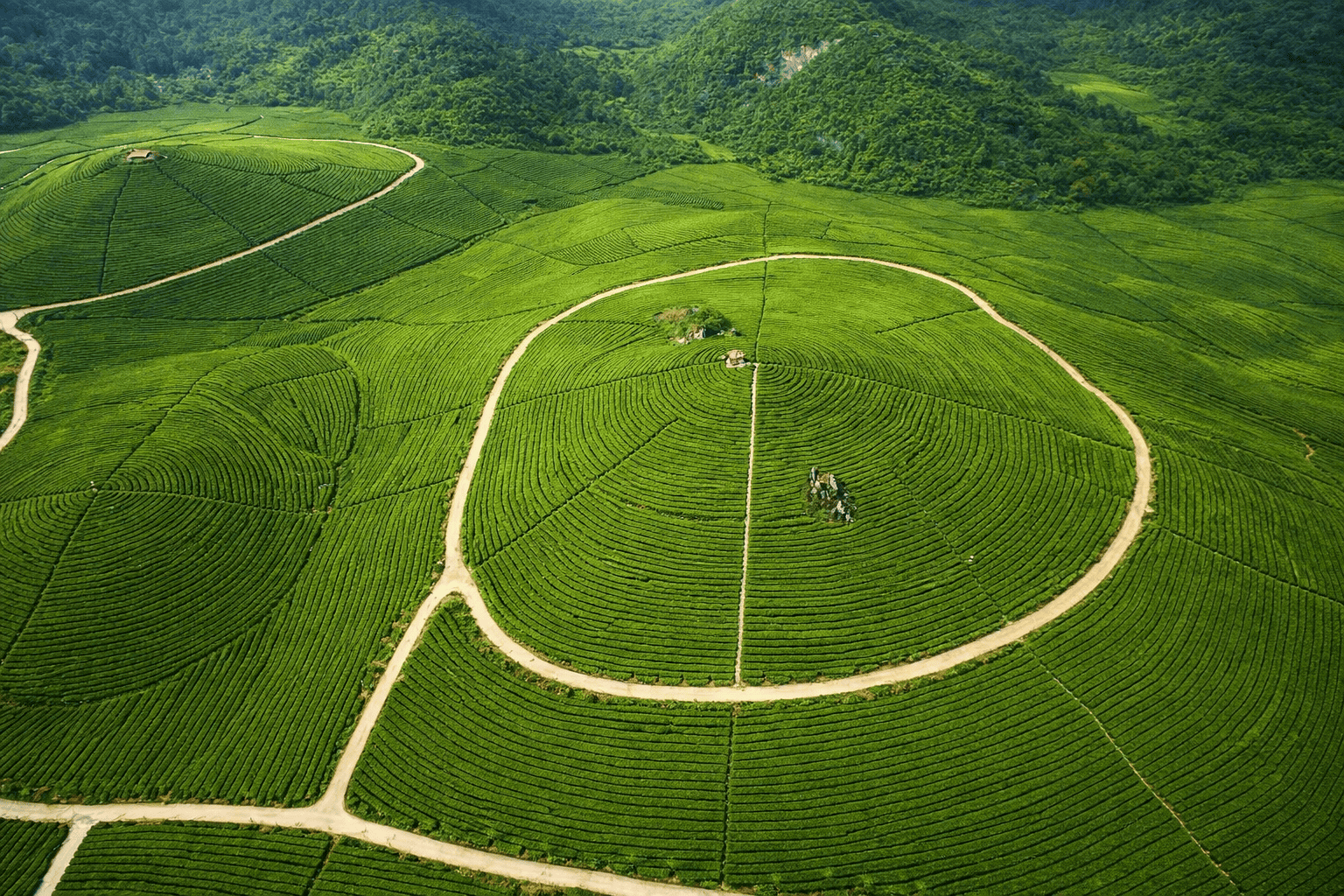
Buying matcha in large quantities is not just about getting a better price. It's about managing risk. You need to know that every single kilogram in your order is perfect. The real challenge is finding a supplier who can promise that and actually deliver on it. So, let’s dig into what really matters when you're looking to buy matcha in bulk.
Is your bulk 'organic' matcha truly organic?
Worried that the organic certificate for your bulk matcha is just a piece of paper? A failed lab test can lead to huge losses, recalls, and damage to your brand's trust.
Truly organic bulk matcha comes from suppliers who manage their own farms. They use physical pest control3 and manual weeding4, not just factory tricks. This is the only way to consistently pass strict international standards, like those from the EU, and guarantee absolute purity.
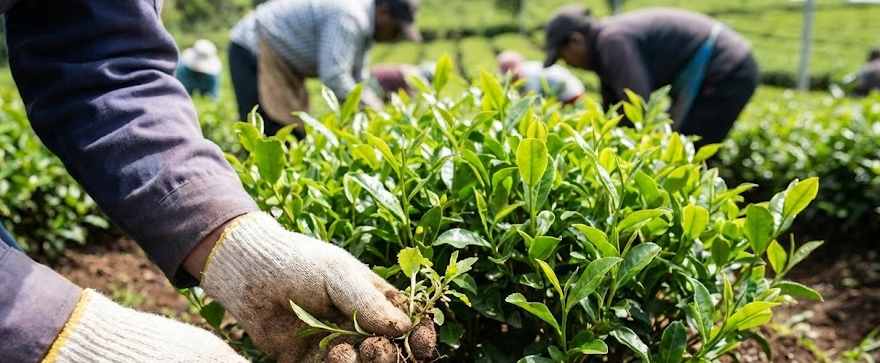
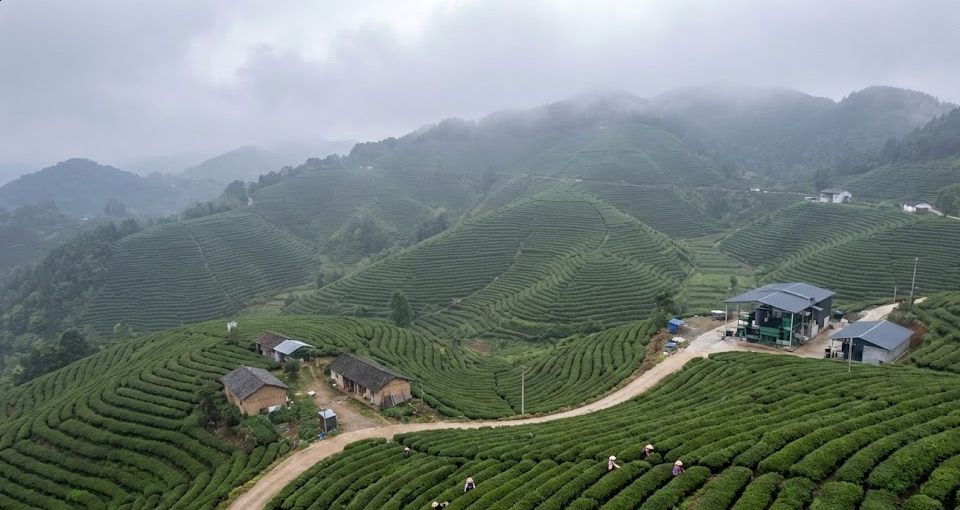
For the first three years of building my "true organic" business, I often felt like a fool. I was pouring money into manual weeding4 and physical pest control3 across my 2,300 acres of tea fields in Guizhou. Meanwhile, I watched competitors make quick money selling cheap, blended tea leaves overseas. But today, those tough, early investments are my single biggest advantage. Anyone who has worked in agriculture knows you can't fake it. You can't just wash leaves in a factory and hope to pass the incredibly strict pesticide limits set by the European Union. I’ve lived through the desperation of a pest outbreak with no chemical sprays to use. We had to rely on sticky insect boards, special lamps, and ecological isolation zones to get through it. When a European buyer sees a perfect lab report from us, they have no idea about the painful trial and error that went into it.
"Paper Organic" vs. "Real Organic"
| Feature | "Paper Organic" (Light Asset) | "Real Organic" (Heavy Asset) |
|---|---|---|
| Farming | Buys leaves from various sources | Manages own 2,300-acre tea garden |
| Pest Control | Relies on supplier claims, maybe factory washing | Physical methods (sticky boards, lamps) |
| Weed Control | Unknown, high risk of herbicides | Manual weeding (high labor cost) |
| Compliance Risk | High risk of failing strict MRL tests (e.g., EU) | Low risk, consistently passes tests |
How can you guarantee consistent quality in every bulk matcha order?
Have you ever received a new batch of matcha that was a different color from the last? This inconsistency ruins your product's look and taste, and it frustrates your customers.
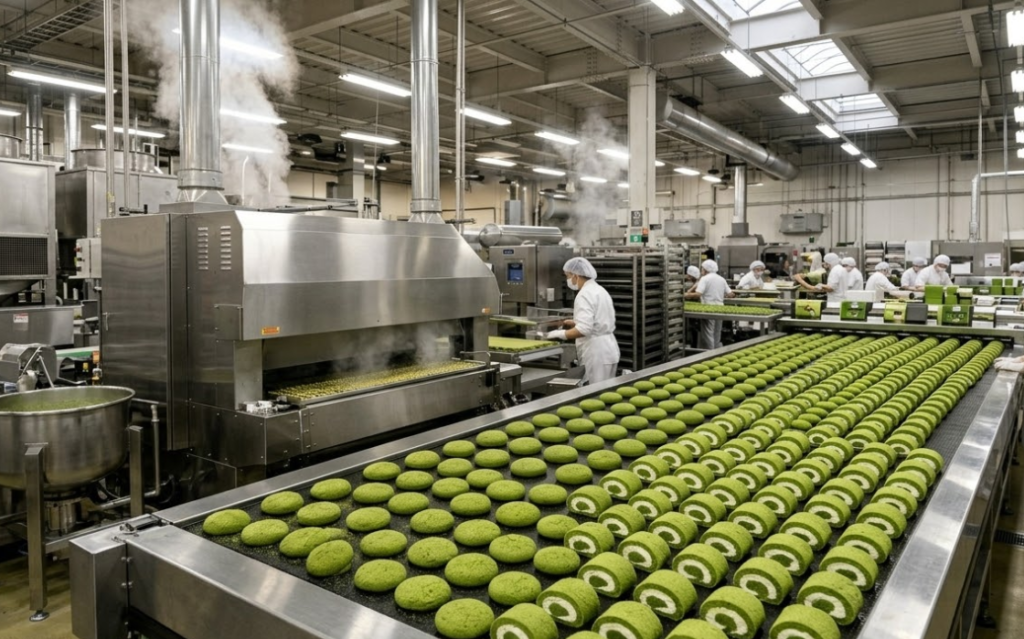
Consistent quality in bulk matcha is achieved by owning and controlling the processing facilities. A supplier with their own 100,000-grade cleanroom5 can manage critical factors like temperature, humidity, and static, ensuring every ton of matcha has the exact same color and fineness.
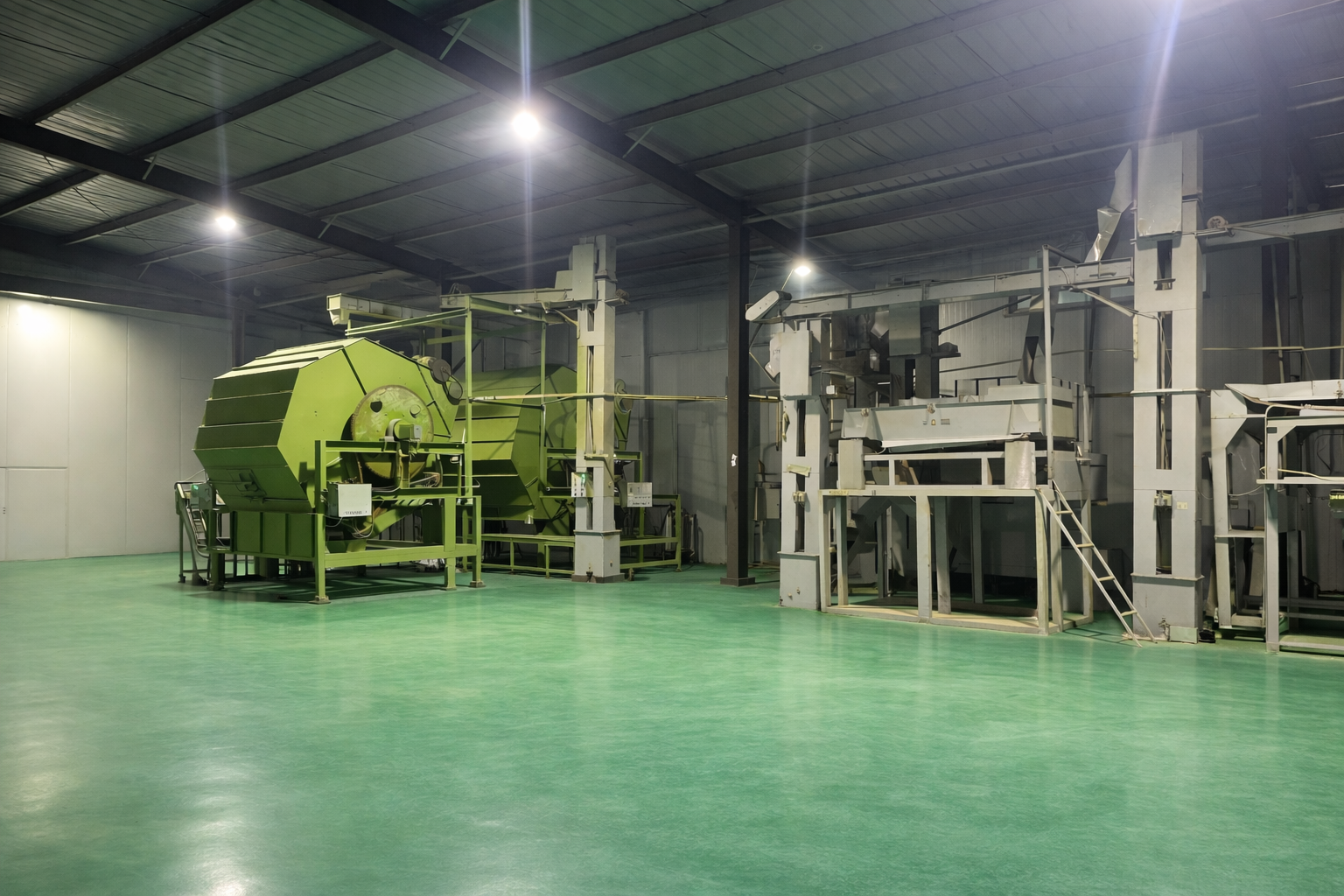
Many of my international clients have been burned before. They’ve worked with suppliers where one shipment of matcha is a beautiful, vibrant green, and the next is dull and yellowish. My own painful lesson was this: if you don’t own your own factory, you don't have the right to even talk about quality control. To handle multi-ton orders for global brands, I had to learn the hard way about the invisible costs of perfection. We spent countless hours and resources mastering the temperature, humidity, and even static electricity inside our milling workshop. This is the only way to ensure that after the tencha leaves are ground into a micro-fine powder, every single ton has the exact same color and particle size. It’s about being absolutely rigid and absolutely consistent, every single time. There is no other way to achieve it.
Production Control: Outsourced vs. In-House
| Process Stage | Outsourced Production | In-House Production |
|---|---|---|
| Raw Material | Inconsistent leaf sources | Single, controlled origin |
| Milling Environment | Varies by factory | 100,000-grade cleanroom |
| Climate Control | Not guaranteed | Strict temp & humidity control |
| Batch Consistency | High variation in color & texture | Absolutely uniform, batch to batch |
What do global B2B buyers really look for in a bulk supplier?
Are you trying to convince a major international brand to trust you with their supply chain? They don't care about your marketing story. They care about their risk.
Global B2B buyers look for security, which is best demonstrated by a supplier's physical assets6. Owning large tea gardens and advanced factories provides concrete proof of capacity, control, and long-term stability. This is more convincing than any certificate or sales pitch.
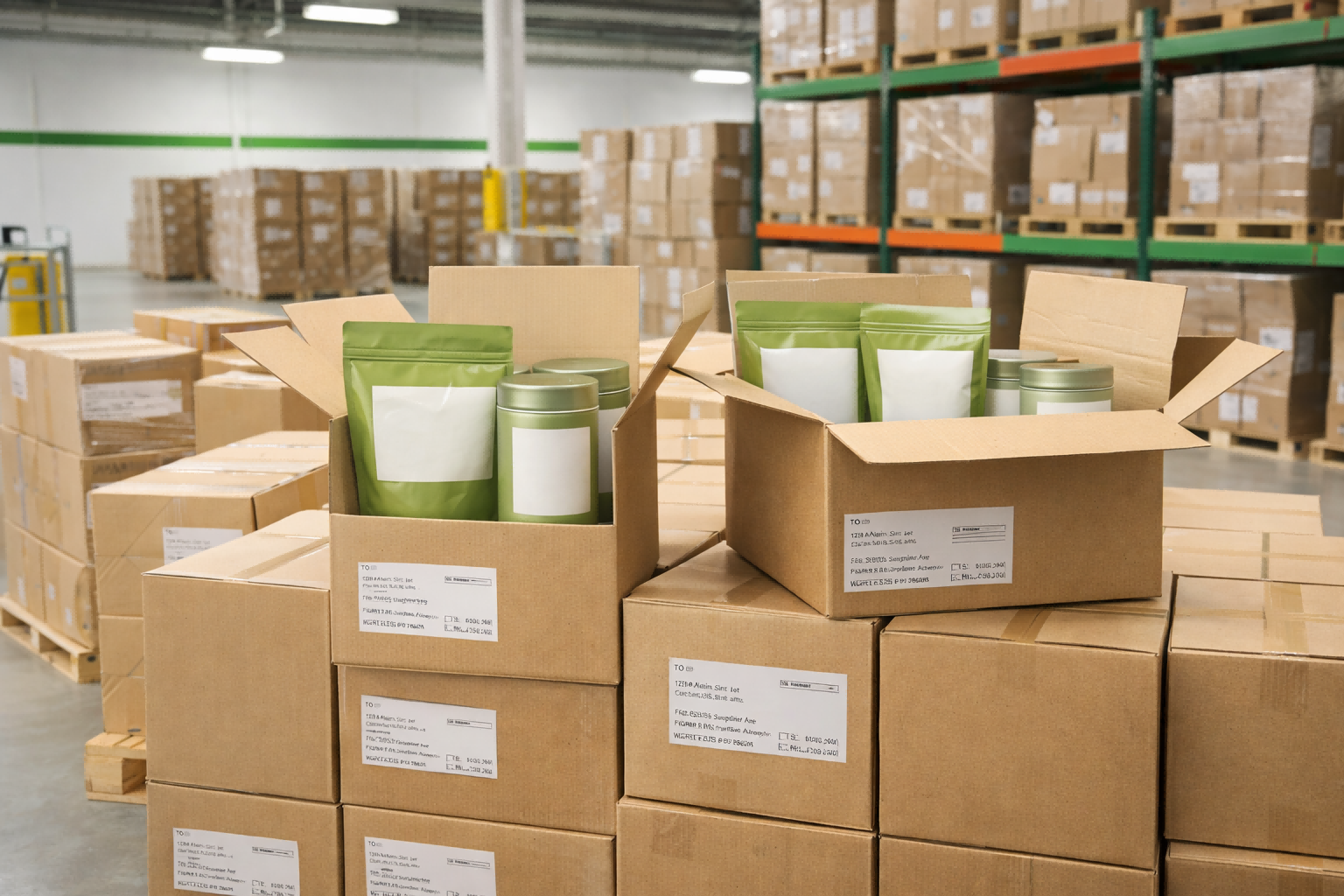
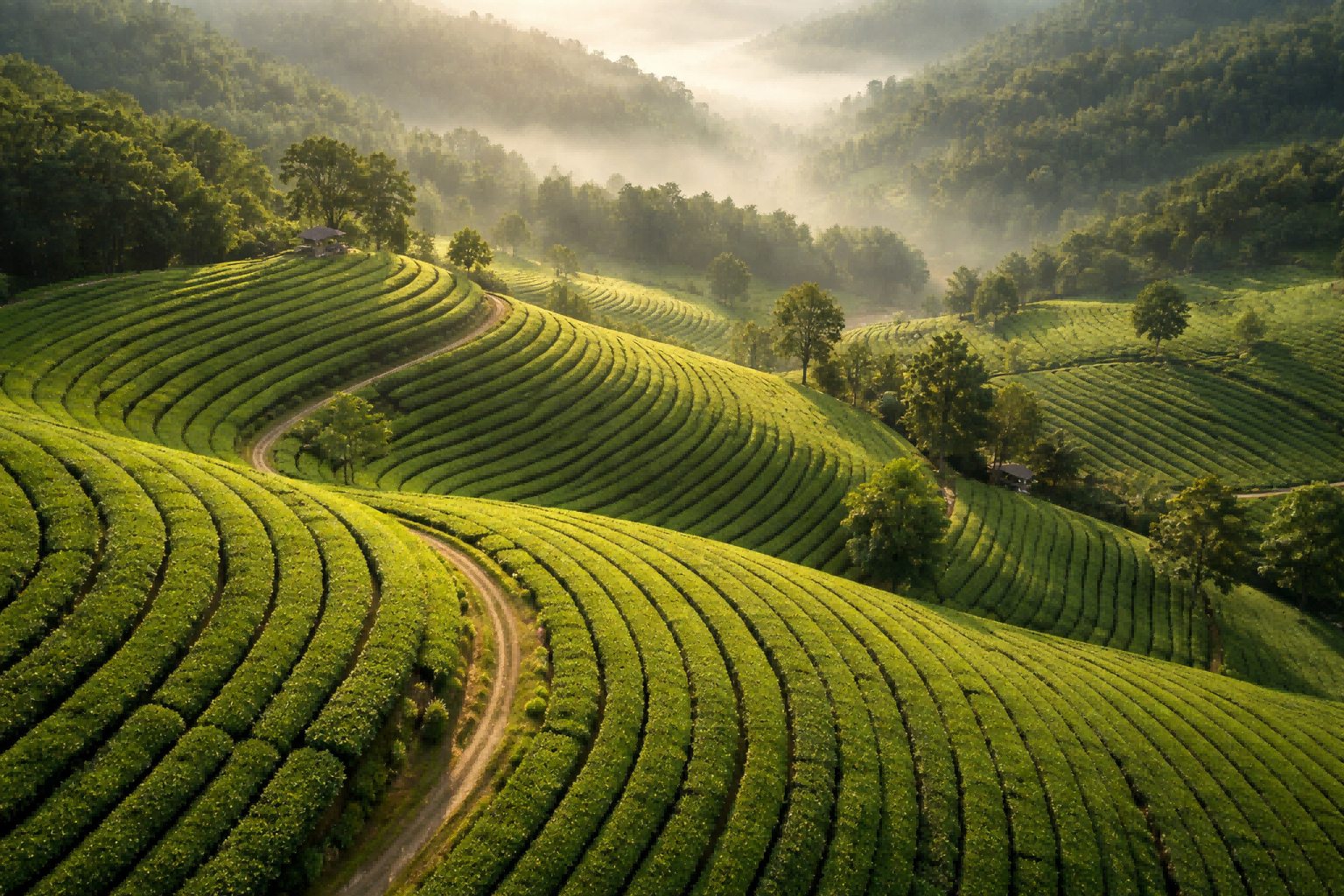
Large multinational companies don't listen to stories; they look at their bottom line and their risk. My 2,300 acres of high-mountain tea gardens and the constant hum of my factory's grinding machines are the most powerful reassurance I can offer them. It's the hard-core proof that we are a serious, stable partner. In business, there are no shortcuts. I chose the "stupid" way—the heavy-asset model—on purpose. I did it to build a protective moat around my business that competitors can't steal and can't buy. This model isn't about being the fastest or the cheapest. It's about being unbreakable and completely trustworthy. For the purchasing manager at a global food brand, this translates into peace of mind. They aren't just buying matcha; they are buying a guarantee that their supply chain is safe.
How to Build Real Security for a Buyer
| Buyer's Concern | Light-Asset Trader's Answer | Heavy-Asset Partner's Proof |
|---|---|---|
| Supply Disruption | "We have multiple sources." (A promise) | "We own 2,300 acres of gardens." (A fact) |
| Quality Fluctuation | "We have strong QC." (A claim) | "We own the factory and control the process." (A reality) |
| Traceability | Complex, involves many third parties | A single, transparent chain from our farm to you |
| Long-Term Stability | Opportunistic, may switch suppliers | Invested in the land, buildings, and machinery |
Conclusion
Buying matcha in bulk is really about finding a partner with real, physical assets6. My heavy investment in our farms and factory is your ultimate guarantee for quality and security.
Finding a trustworthy bulk matcha supplier is crucial for maintaining product quality and brand reputation. Explore resources to ensure you choose the best partner. ↩
Organic farms and processing factories ensure consistent quality and compliance. Learn how these assets contribute to superior matcha production. ↩
Physical pest control methods ensure true organic compliance and purity. Explore how these techniques protect matcha quality and meet international standards. ↩
Manual weeding is labor-intensive but crucial for maintaining organic standards. Learn how this practice impacts matcha purity and compliance. ↩
A 100,000-grade cleanroom ensures consistent matcha quality by controlling environmental factors. Discover how this facility enhances product uniformity. ↩
Physical assets like tea gardens and factories provide proof of capacity and control. Learn how these assets build trust with global buyers. ↩