
Struggling to know if matcha is a safe bet for your brand? You see the growth, but fear it's just a fad. A fragile supply chain could kill your new product line.
The global matcha market1 is shifting from an artisanal craft to an industrial powerhouse. Demand will explode in ready-to-drink (RTD) beverages2 and functional foods3. This favors large-scale, data-driven, single-estate suppliers4 who can guarantee consistency and meet strict international compliance standards.
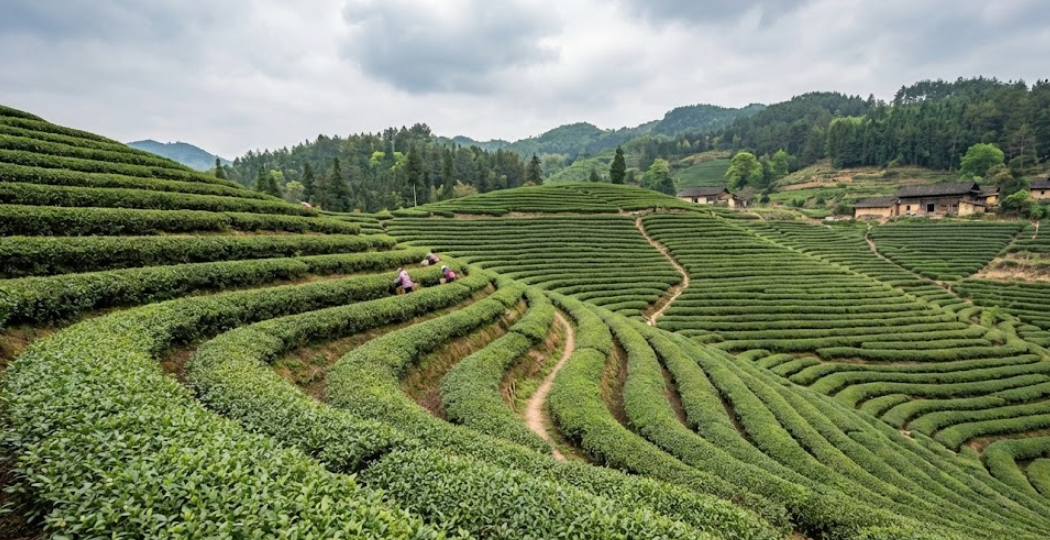
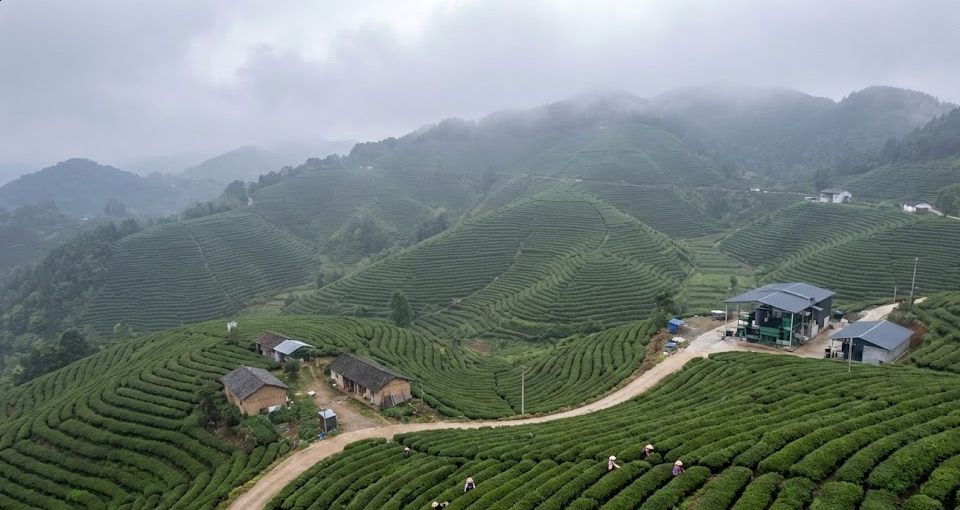
In the last six months, I've met with over twenty strategy officers from global food and beverage companies. They look at their growth charts and all ask me the same question: "Is this just a temporary craze, like plant-based meat or some other superfood?" I usually point to our 2,300-mu digital estate in Anshun, Guizhou, and tell them with absolute certainty: Matcha is not just a trend. This is a structural revolution driven by a fundamental human need for better health. It will completely reshape the global beverage supply chain in the next five years. The consumer excitement you see is just the tip of the iceberg. The real battle is happening in the background, within the heavy-asset supply chain. Let me break down the logic behind this green storm and where the bulk purchasing market is headed.
Why is Matcha More Than Just a Passing Trend?
Tired of the jitters and crash from coffee and energy drinks? This anxiety-fueled energy cycle is frustrating and unproductive. Matcha offers a clean, focused energy that lasts for hours without the crash.
Matcha is a permanent shift because it solves two core modern problems. Its unique mix of caffeine and L-theanine delivers "calm alertness5." Its vibrant green color and antioxidants also make it the ultimate "clean label" ingredient for the food industry.
Any product that lasts must solve a deep human problem. Matcha’s explosive growth is happening because it perfectly addresses two major anxieties of the modern consumer. It is a chemical and psychological revolution.
The Chemical Revolution of "Calm Alertness"
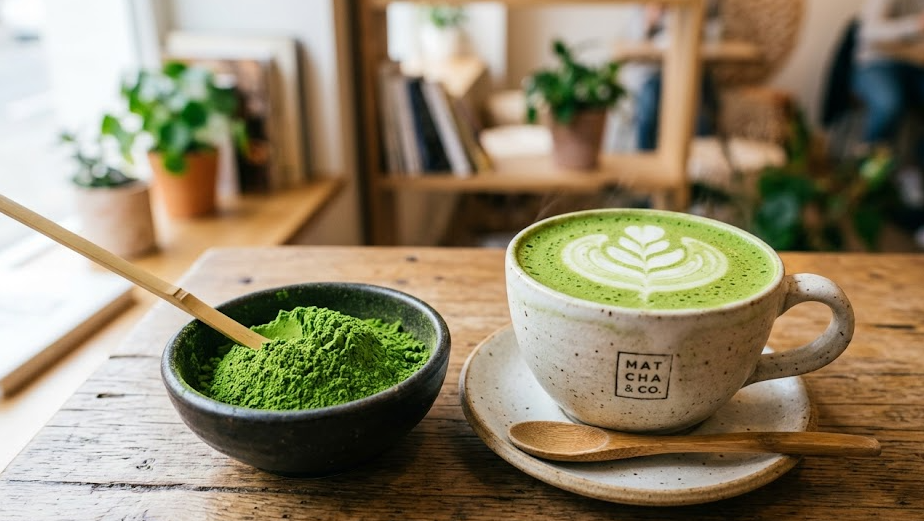
Modern consumers are tired of traditional caffeine sources. They are sick of the heart palpitations, anxiety, and the sudden energy crash that follows. Matcha is irreplaceable because it offers a very rare chemical combination: natural caffeine plus an incredibly high amount of L-theanine. This amino acid slows down the body's absorption of caffeine. It provides a state of "calm alertness5" that can last for 4-6 hours. This isn’t just a new flavor preference. It is a permanent upgrade in how humans manage their energy and focus. People are seeking better neurological management, and matcha delivers it.
The Power of an Ultra-"Clean Label"
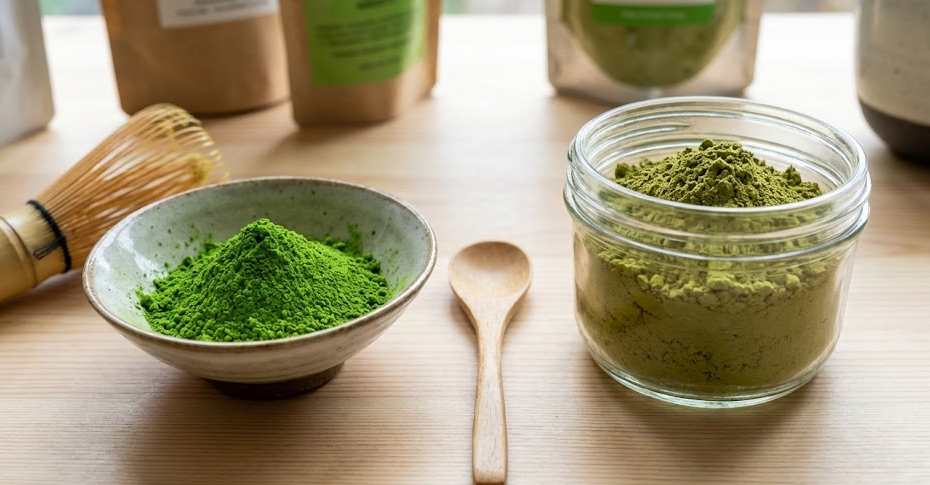
When consumers pick up a ready-to-drink beverage, they want the ingredient list to be as short as possible. Matcha helps manufacturers achieve this. The vibrant green color comes from high levels of chlorophyll, which is developed by physically shading the tea plants before harvest. This process also boosts powerful antioxidants like EGCG6. This makes matcha the perfect natural colorant and functional additive in the food industry. It adds function and beauty without artificial chemicals.
| Feature | Matcha as an Ingredient | Artificial Additives |
|---|---|---|
| Color | Vibrant green from natural chlorophyll | Synthetic dyes (e.g., E102, E133) |
| Function | Antioxidants (EGCG), Calm Energy (L-theanine) | Stimulants, empty calories |
| Label | "Matcha powder" (simple, understood) | Chemical names, E-numbers |
| Consumer Appeal | Natural, healthy, premium | Processed, artificial, cheap |
How Will the Wholesale Matcha Market Change in the Next 5 Years?
You need to source matcha at scale, but the risks feel enormous. Inconsistent batches and compliance failures can destroy your product launch. You need a partner who understands the new industrial rules of the game.
The wholesale market is becoming an industrial game7. Demand will shift from grams to tons for RTD and functional foods3. Light-asset traders will vanish, while single-estate, data-driven suppliers with heavy assets will win due to strict compliance and consistency demands.
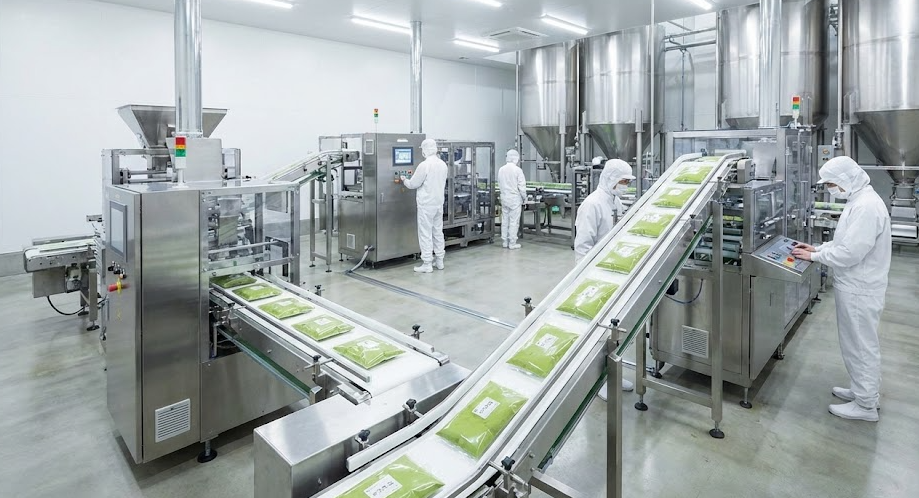
If the past matcha market was a romantic era of "handicrafts and tea ceremonies," the next five years will be a brutal "industrial meat grinder." Success will be determined by scale, data, and compliance. Here are the three major trends that will define the wholesale market.
Trend 1: Demand Skyrockets from Grams to Tons
The biggest growth in the next five years will not come from traditional tea houses. It will come from the production lines of massive food and beverage factories. Matcha will become a "chassis ingredient," mixed into everything from oat milk lattes and sparkling water to protein shakes. We are even seeing it blended with adaptogens like ashwagandha and functional mushrooms like Lion's Mane. This means the matcha itself must have a very strong flavor penetration8. It needs to cut through the fat of plant-based milks and mask the earthy taste of other ingredients. In our 100,000-class clean workshops, we use precise Japanese steam-fixing techniques to create custom Café and Ingredient Grade powders. These powders are specifically designed like a sharp blade for our large-volume buyers.
Trend 2: The Rise of Single-Estate and the Fall of Traders
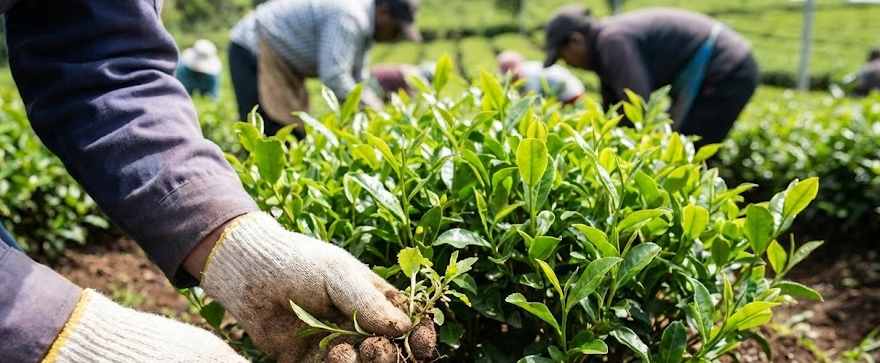
As the global market explodes, compliance checks from bodies like the US FDA and EU Organic will become incredibly strict. In the past, some traders could get by sourcing cheap tea from various small farms and mixing it together. These "blind box" traders face instant bankruptcy if a single shipment fails a test for pesticides or heavy metals. In the next five years, large multinational buyers will only trust their multi-million dollar orders to suppliers who actually own and control their land. Our 2,300+ mu of high-altitude organic tea gardens in Anshun are managed as a 100% physically isolated "single-estate." This control, combined with our full suite of certifications (USDA, EU, JAS) and batch-level traceability9, acts as the ultimate legal shield for our clients in this new era of compliance.
Trend 3: The Shift from Agricultural 'Magic' to Industrial Data
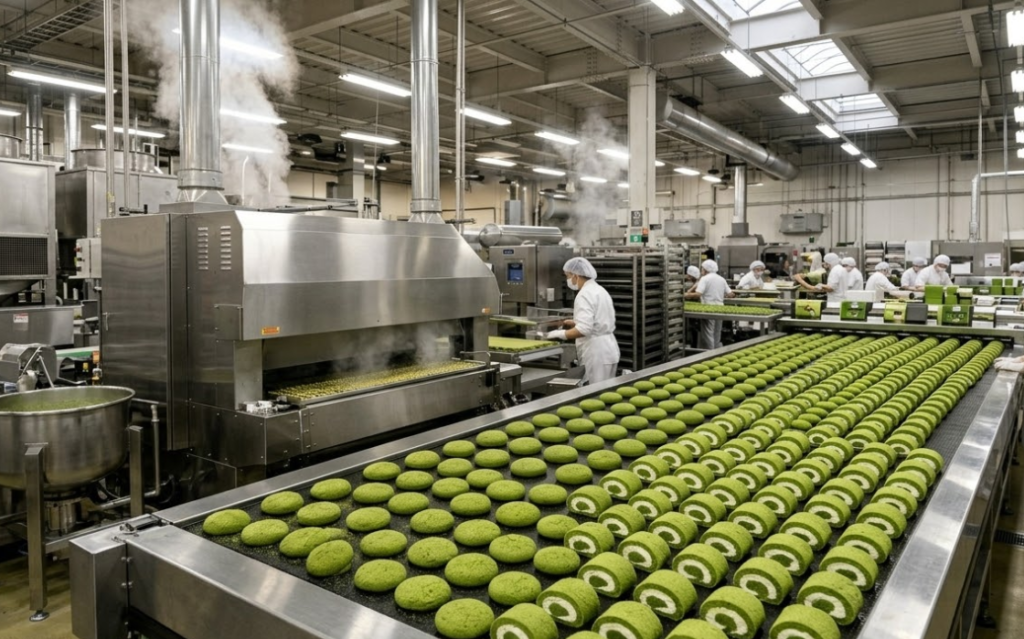
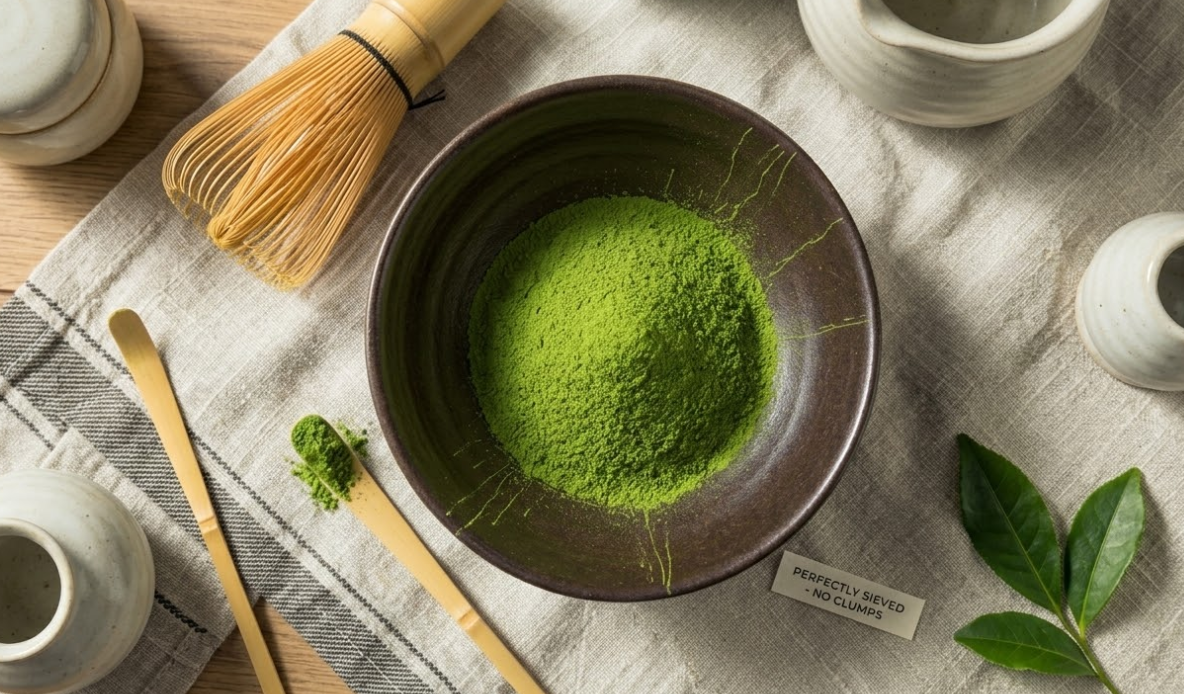
When a coffee chain grows to 500 or 1,000 stores, the one thing their procurement team hates most is "batch inconsistency." In the future, suppliers who cannot deliver consistent data with their products won't even get a seat at the negotiating table. We have turned the old way of "relying on the weather" into a system of strict scientific control. Our 11 continuous production lines and 1,000+ ton annual capacity are the foundation. We use tools like spectrophotometers10 and micro-pulverizers to promise our clients unwavering consistency in *Lab color values and mesh size11**. The future of the bulk supply chain is using heavy machinery12 to lock in batch-to-batch consistency.
| Factor | Traditional Sourcing | Our Data-Driven Model |
|---|---|---|
| Source | Multiple small farms, traders | Our 2,300-mu single-estate |
| Consistency | High batch-to-batch variation | Guaranteed Lab* color & mesh size11 |
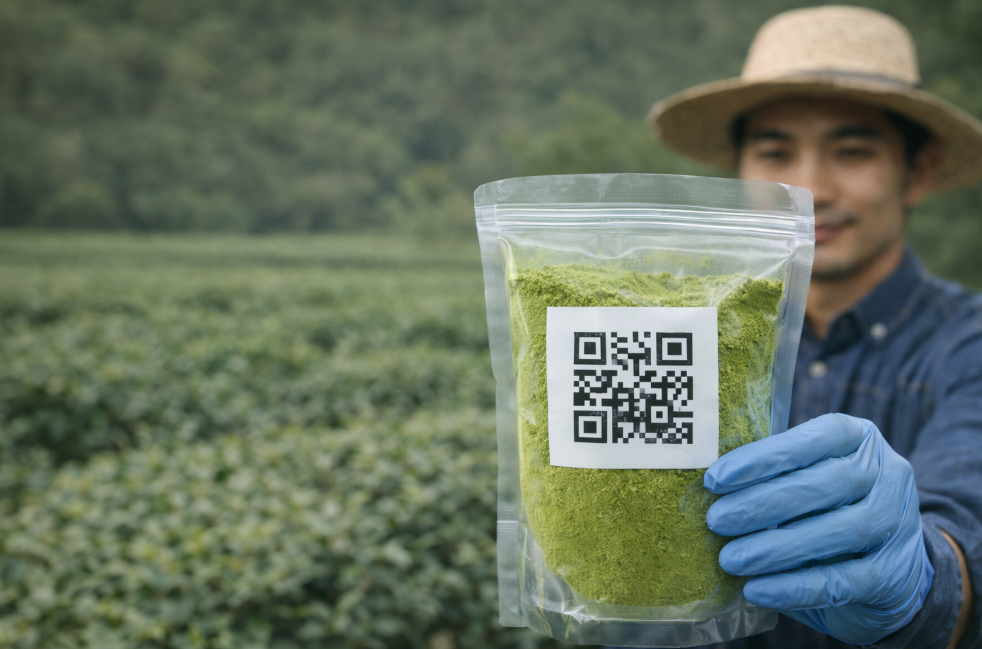
| Traceability | Difficult, often impossible | Full batch-level records from farm to you |
| Compliance | High risk of failure | Certified (EU, USDA, JAS, HACCP, ISO) |
| Scale | Limited, unreliable | 1,000+ tons annual capacity |
Conclusion
The future of wholesale matcha is not about zen packaging. It is about who has the purest farms, the most precise machines, and the strongest compliance walls13. It is a game for heavy-asset, long-term players.
Understanding the global matcha market helps you gauge its potential and decide if it's a viable option for your brand. ↩
Exploring matcha's role in RTD beverages can reveal new product opportunities and market trends. ↩
Learning about matcha in functional foods can inspire innovative product ideas and align with health-conscious consumer demands. ↩
Single-estate suppliers ensure quality and consistency, crucial for maintaining brand reputation and meeting compliance standards. ↩
Discovering how matcha offers calm alertness can help you market its unique benefits over traditional caffeine products. ↩
Exploring the health benefits of EGCG can strengthen your product's health claims and attract wellness-focused consumers. ↩
Understanding the industrial shift in the matcha market can guide your sourcing strategy and ensure compliance. ↩
Flavor penetration ensures matcha's distinct taste stands out, crucial for product differentiation and consumer satisfaction. ↩
Batch-level traceability ensures product safety and compliance, protecting your brand from potential legal issues. ↩
Spectrophotometers ensure consistency in matcha quality, vital for maintaining product standards and consumer trust. ↩
Mesh size affects matcha's texture and quality, impacting consumer experience and product performance. ↩
Heavy machinery ensures consistent matcha quality, essential for large-scale production and meeting consumer expectations. ↩
Compliance walls protect your brand by ensuring matcha meets international standards, crucial for global market success. ↩