Are you thinking about starting a matcha business but are not sure if it is profitable? You see it everywhere, but stories of failure make you hesitate. The truth is, it can be very profitable if you choose the right strategy.
Yes, the matcha business is profitable, but success depends entirely on your strategy. High-end markets1 offer high profit margins by selling premium products, while mass markets2 rely on large sales volumes and an efficient supply chain for steady, reliable income. Choosing the correct path is key.
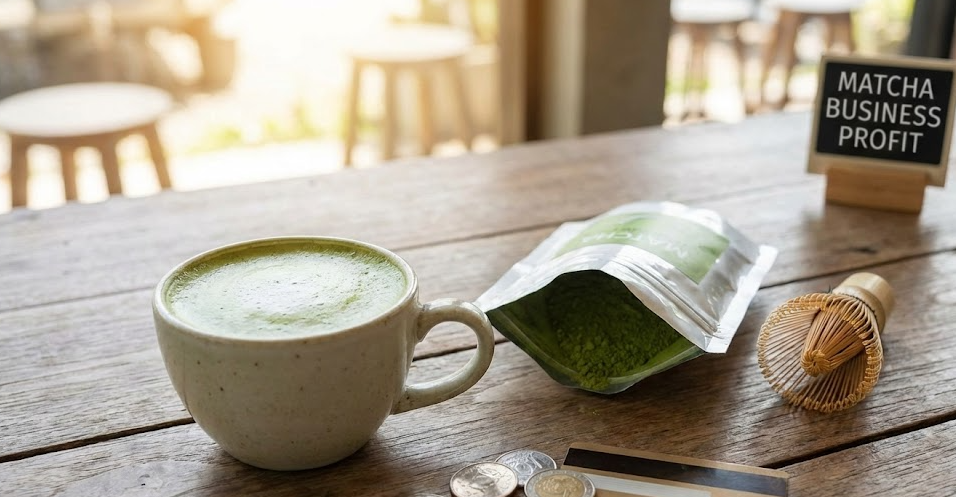
I have been in the tea supply business3 for years, helping partners build their matcha brands. I have seen what works and what does not. The difference between a thriving business and a failed one almost always comes down to the initial plan. It is not just about selling matcha; it is about selling it the right way, to the right people. Let's look at the different paths you can take to build a profitable matcha business.
If you plan to launch your own branded matcha product, review our private label matcha page for packaging, MOQ, sample process and label support.
For resale, cafés or distributors, our wholesale matcha powder page may be a better starting point.
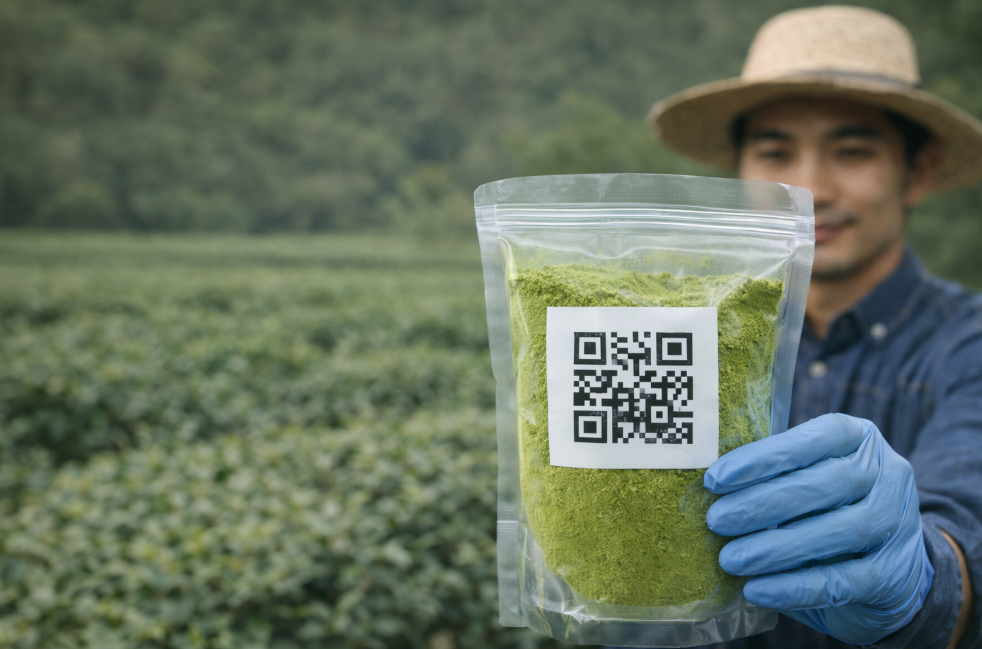
For factories, beverage brands or distributors planning larger orders, you can also review our bulk matcha supply page for MOQ, packaging formats, COA support and export options.
Which Matcha Business Model Makes More Money?
You want to start a matcha business but feel stuck on where to begin. Choosing between high-end quality and mass-market volume feels like a huge gamble. One wrong move could drain your budget and sink your business before it even starts.
The high-end matcha market generates higher profit margins, often 60-80%, by selling premium products at a high price. The mass market offers lower margins, around 20-40%, but achieves stable profits through large, consistent sales volumes. Your choice depends on your capital and expertise.
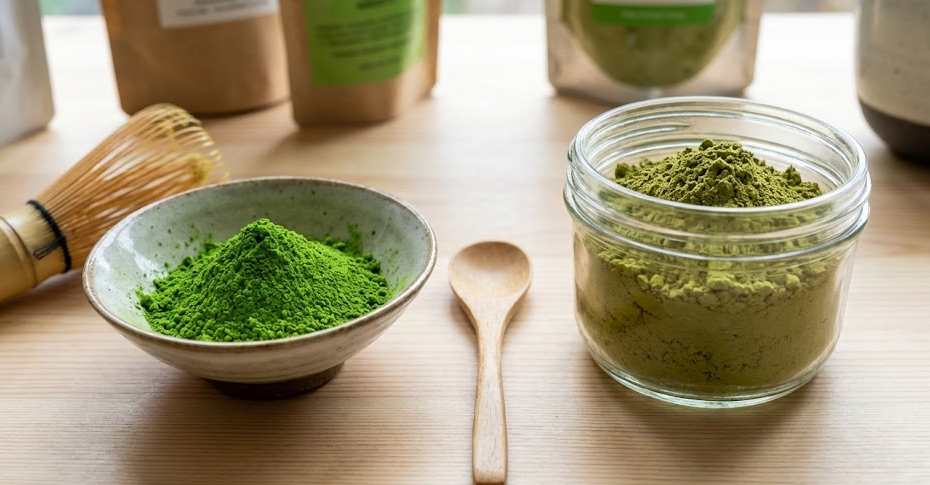
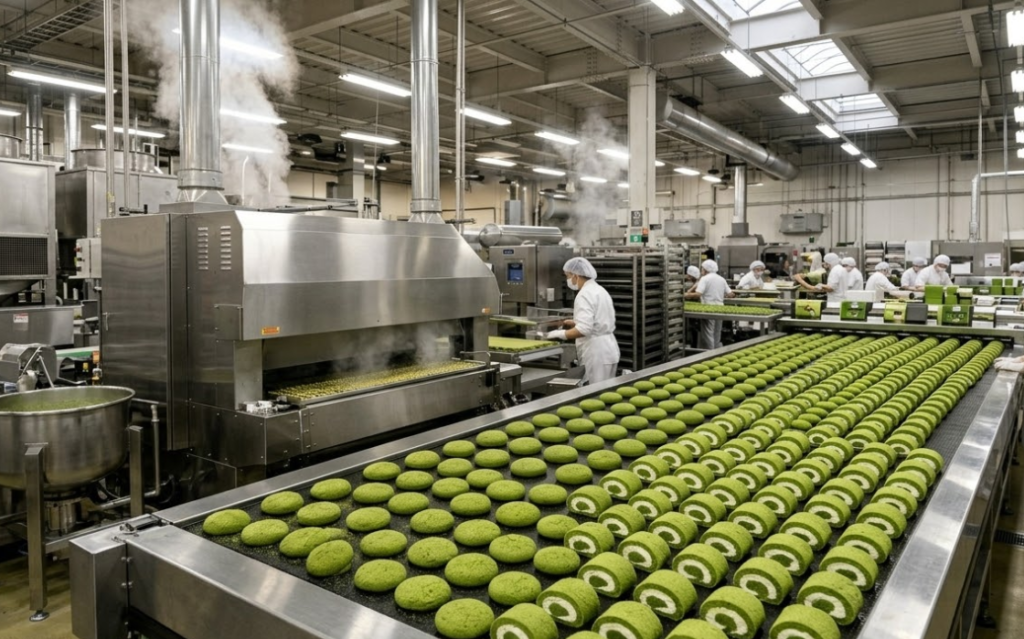
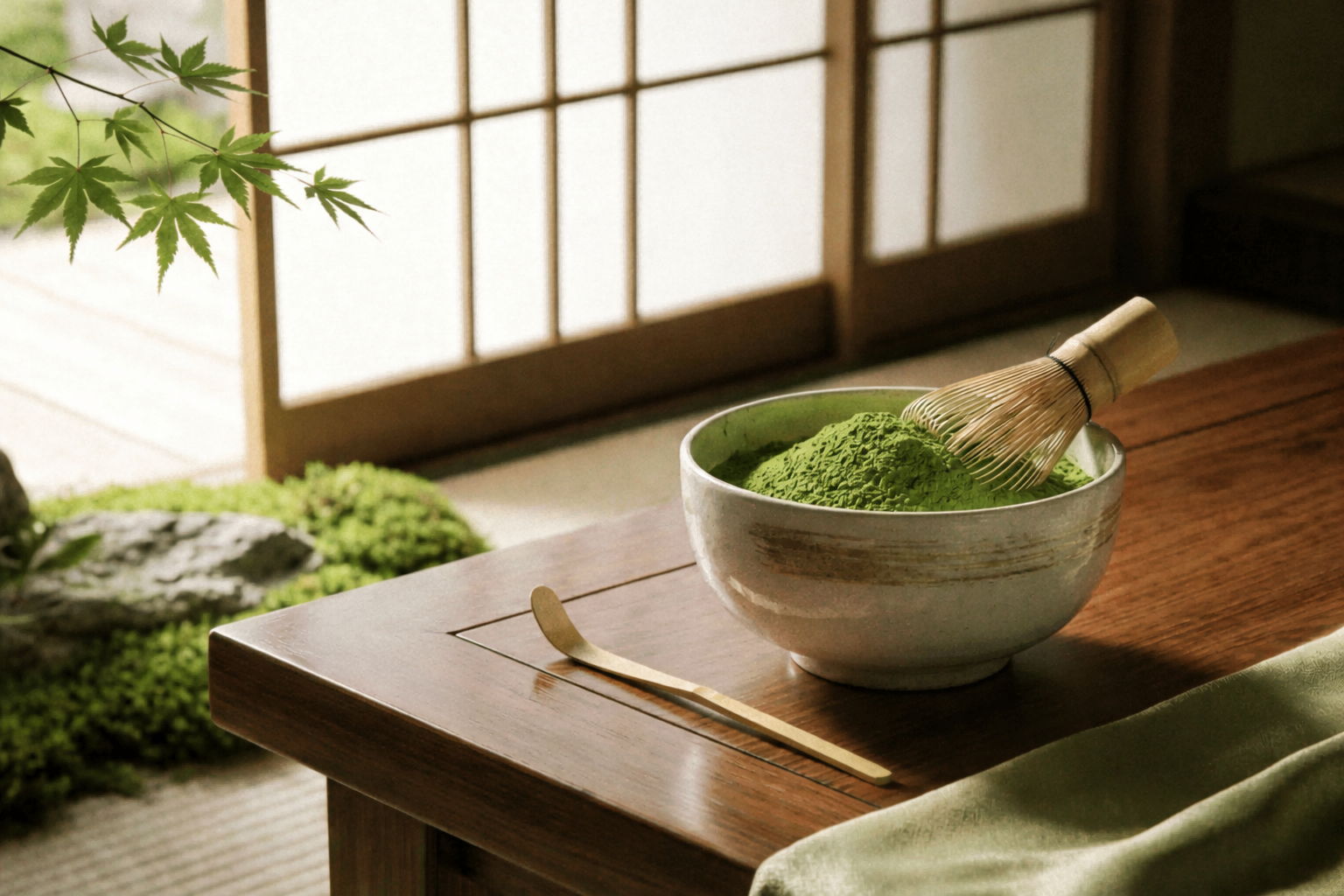
In my experience, profitability in matcha splits into two clear paths. The first is the high-end, high-margin route. This is for ceremonial-grade matcha4, premium cafes, and organic gift sets. I have a client who runs a Japanese tea ceremony experience5. They sell a 20g tin of top-tier matcha for over $30, while their cost for that matcha is only about $5. The huge price difference comes from the story—the famous origin, the traditional stone-milling process, and the brand's reputation. Customers in this space are extremely loyal and are not very sensitive to price. They want the best and will pay for it. The second path is the mass-market, high-volume route. This includes suppliers for beverage chains6, food manufacturers7, and large e-commerce sellers. The profit per pound is much lower, but the orders are massive. A large coffee chain might only make a few cents of profit on the matcha in each latte, but they sell thousands of lattes a day. For them, a stable supply chain is more important than the absolute lowest price.
To estimate your real margin, compare your selling price with the matcha wholesale price range, packaging cost, shipping cost, duties and expected order volume.
If your business model focuses on café drinks, compare our matcha for latte cafés page to choose a grade that performs well with milk, ice and high-volume drink preparation.
If you plan to launch your own branded matcha product, review our private label matcha page for packaging, MOQ, sample process and label support.
Comparing Matcha Business Models
| Feature | High-End Model | Mass-Market Model |
|---|---|---|
| Target Customer | Connoisseurs, boutique cafes, luxury gift buyers | Beverage chains, food manufacturers7, general consumers |
| Gross Margin | 60% - 80%+ | 20% - 40% |
| Key to Success | Quality, origin story, brand perception, customer experience | Supply chain efficiency8, price, batch consistency, certifications |
| Barrier to Entry | High, requires deep knowledge and sourcing | Moderate, requires capital and a reliable supplier |
| Example | A 20g tin of ceremonial matcha for $30 | Matcha powder as an ingredient for a $5 latte |
What Are the Biggest Risks in a Matcha Business?
You are excited to start selling matcha and have a great product idea. But you worry about the hidden problems that could quickly turn your investment into a loss. What if the powder turns brown or a big client complains about the quality?
The biggest risks are product and supply chain failures. Many new businesses lose money by selling low-grade matcha as premium, which ruins their reputation. Others suffer from inconsistent supply, facing color variations or delivery delays that cause them to lose major customers and inventory.
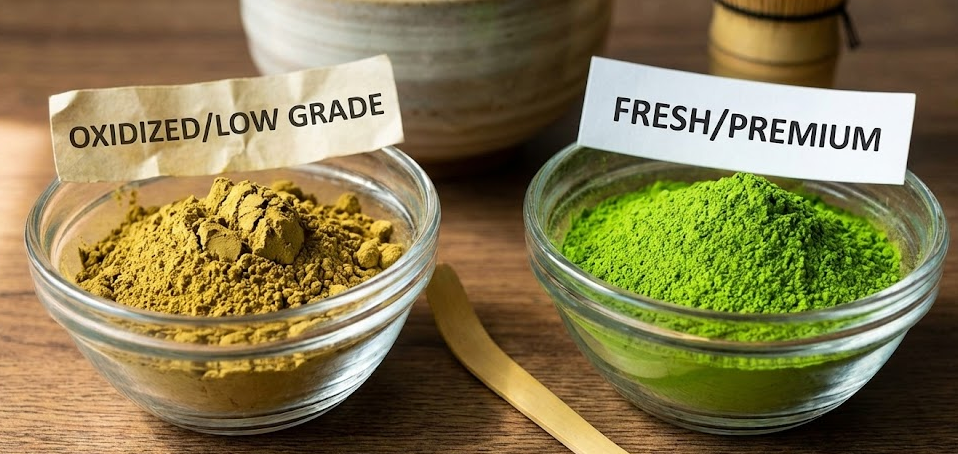
I have seen many new matcha entrepreneurs fail, and it usually comes down to a few common mistakes. The most frequent one is a mismatch between the product and the market. Some people try to enter the high-end market by selling a cheaper, food-grade matcha as a ceremonial product. Customers who know matcha can tell the difference instantly. The color is duller, the taste is bitter, and it does not froth well. This destroys trust and ruins the brand's reputation from day one. Another huge risk is an unreliable supply chain. I once had a potential client, a growing cafe chain, who switched suppliers to save a little money. Their new supplier could not provide consistent quality. One batch of matcha was bright green and smooth; the next was yellowish and gritty. Customers complained, and the cafe’s brand image suffered. They also faced delivery delays, which meant they could not sell their most popular drink for weeks. They ended up losing more money than they saved. Finally, poor inventory management can be a silent killer. Matcha is sensitive to light, air, and heat. It can oxidize and lose its vibrant color and flavor. I have seen businesses buy too much stock to get a bulk discount, only to store it improperly. Half of it went bad, and they had to throw it away, losing their entire investment.
For resale, cafés or distributors, our wholesale matcha powder page may be a better starting point.
Where Are the Newest Profit Opportunities in Matcha?
The main matcha markets, like lattes and cakes, seem crowded and highly competitive. You might feel like you have missed the best opportunities. You wonder where a new business can find its own space to succeed without fighting established players.
Huge opportunities exist in new, specialized niches that are still growing. The newest profit opportunities are in specialized areas like fitness supplements9, organic baby food10, and beauty products11. These markets have less competition and value specific attributes, allowing for good profit margins and a loyal customer base.
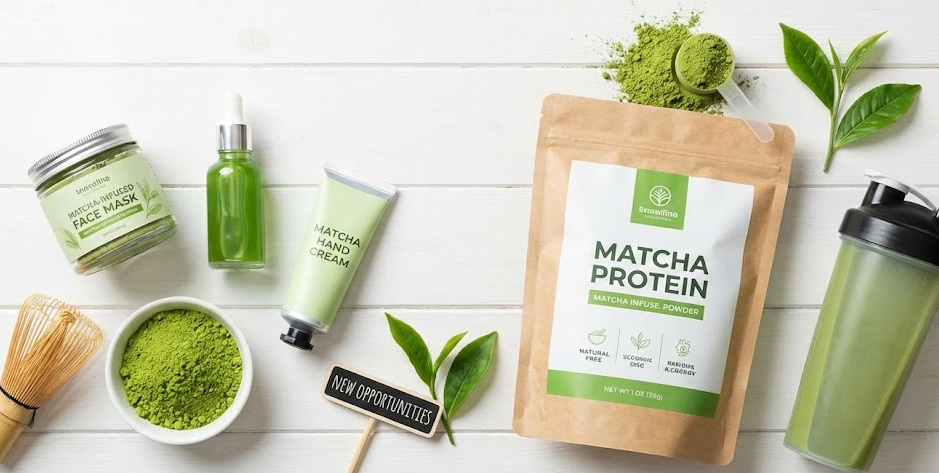
While the cafe market is mature, many new and profitable niches are opening up. These are great entry points for new businesses. For example, the fitness and wellness community loves matcha for its natural caffeine and antioxidants. You could create a matcha-based pre-workout drink or add it to a protein powder. Customers in this space are willing to pay for products that support their healthy lifestyle.
For food and beverage product development, you may also review our matcha powder for baking page to see how application-specific matcha grades are selected for bakery, dessert and packaged food products.
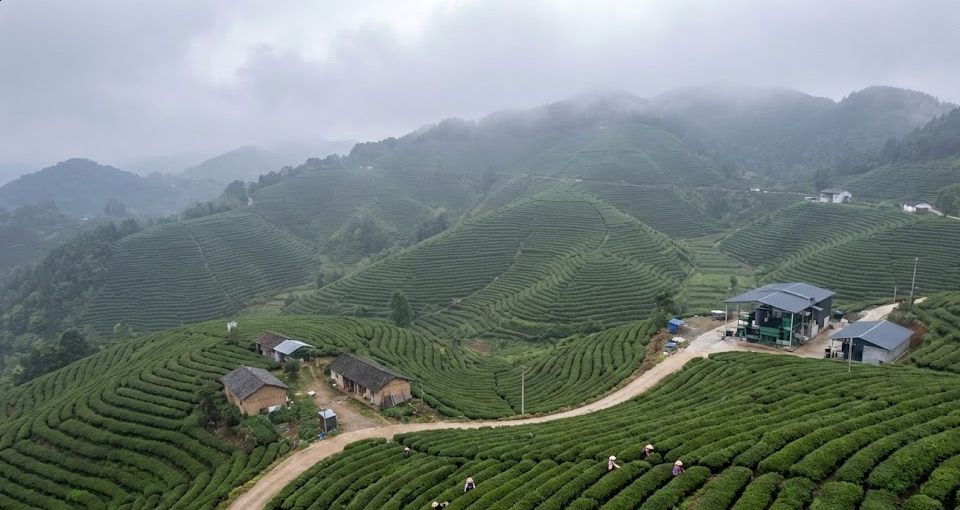
Another growing area is organic baby food10. Modern parents are always looking for natural and nutritious ingredients for their children. A certified organic matcha, used in tiny amounts for flavor and nutrients in baby snacks or purees, can be a unique selling point. The key here is having the right certifications, like EU Organic or JAS, which we provide. The beauty industry is also embracing matcha. Its antioxidant properties make it a popular ingredient in face masks, creams, and cleansers. In these niche markets, the story and the specific benefits of matcha are more important than just the price. Also, the rise of high-quality Chinese matcha12 has made it easier for small businesses to start. Ten years ago, you had to source from Japan, which was expensive and difficult. Today, suppliers like us in Guizhou offer world-class, certified organic matcha at a more accessible price point. This lowers the barrier to entry for entrepreneurs looking to innovate in these exciting new areas.
Conclusion
The matcha business is a profitable long-term play, not a quick trend. Success comes from choosing a path: high-end for margins or mass-market for volume. Secure a reliable supply chain.
If you plan to launch your own branded matcha product, review our private label matcha page for packaging, MOQ, sample process and label support.
For resale, cafés or distributors, our wholesale matcha powder page may be a better starting point.
Exploring high-end markets can reveal strategies for maximizing profit margins by selling premium matcha products. ↩
Understanding mass markets can help you leverage large sales volumes and efficient supply chains for reliable income. ↩
Learning from experienced tea suppliers can provide insights into building successful matcha brands. ↩
Discovering the qualities of ceremonial-grade matcha can help you target connoisseurs willing to pay for high-quality products. ↩
Exploring this experience can show how cultural storytelling boosts matcha product value and customer loyalty. ↩
Understanding beverage chains can reveal opportunities for high-volume matcha sales and stable profits. ↩
Learning about food manufacturers can help you find ways to integrate matcha into various food products for mass-market appeal. ↩
Efficient supply chains ensure consistent quality and timely delivery, essential for maintaining customer satisfaction. ↩
Exploring matcha in fitness supplements can uncover new market opportunities for health-conscious consumers. ↩
Discovering matcha's role in baby food can highlight its nutritional benefits and appeal to modern parents. ↩
Matcha's antioxidant properties make it a valuable ingredient in skincare, offering new business opportunities. ↩
Exploring Chinese matcha can reveal cost-effective sourcing options for new matcha businesses. ↩