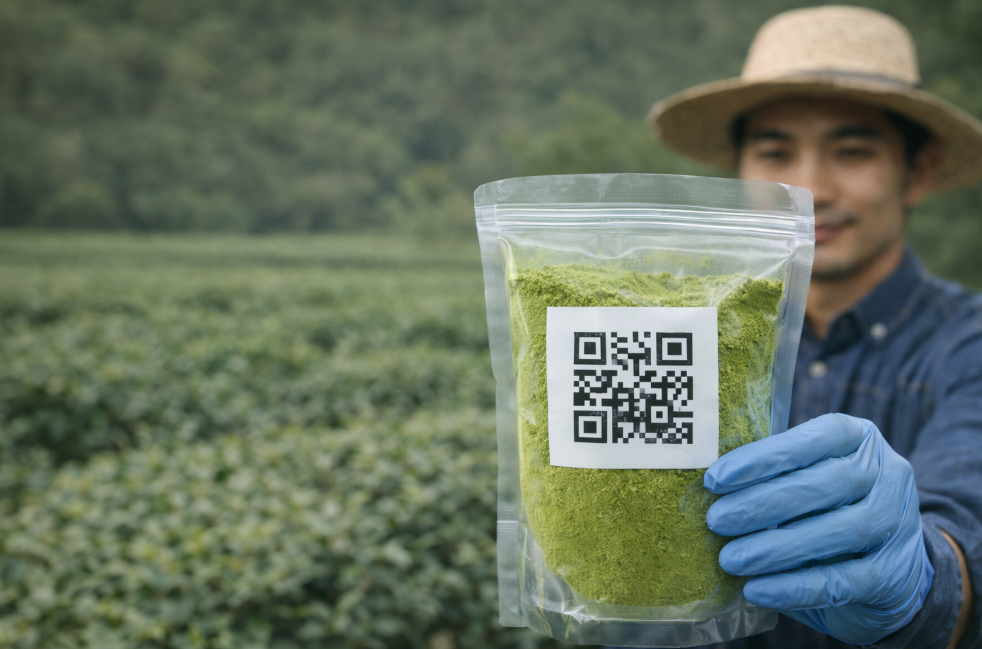

If you are looking for bulk culinary grade matcha for baking, latte, RTD beverages, desserts, protein products, or large-scale food manufacturing, the key challenge is not simply finding green tea powder. The real challenge is finding a supplier who can provide stable color, strong flavor, organic compliance, COA documentation, and consistent physical specifications across every batch.
At MatchaSourcing, we supply industrial-grade culinary matcha for brands, bakeries, beverage manufacturers, importers, and private label companies that need reliable bulk matcha powder for commercial production.
Your brilliant matcha recipe is a hit in the lab. But scaling up for mass production is a completely different story, revealing unexpected problems that can threaten your entire launch.
The demand for bulk culinary grade matcha1 is surging in the food industry. Sourcing it has become difficult because industrial-scale use requires extreme heat stability2, strict organic compliance3 for mature leaves, and perfect batch-to-batch consistency4, which most suppliers simply cannot guarantee at a large scale.
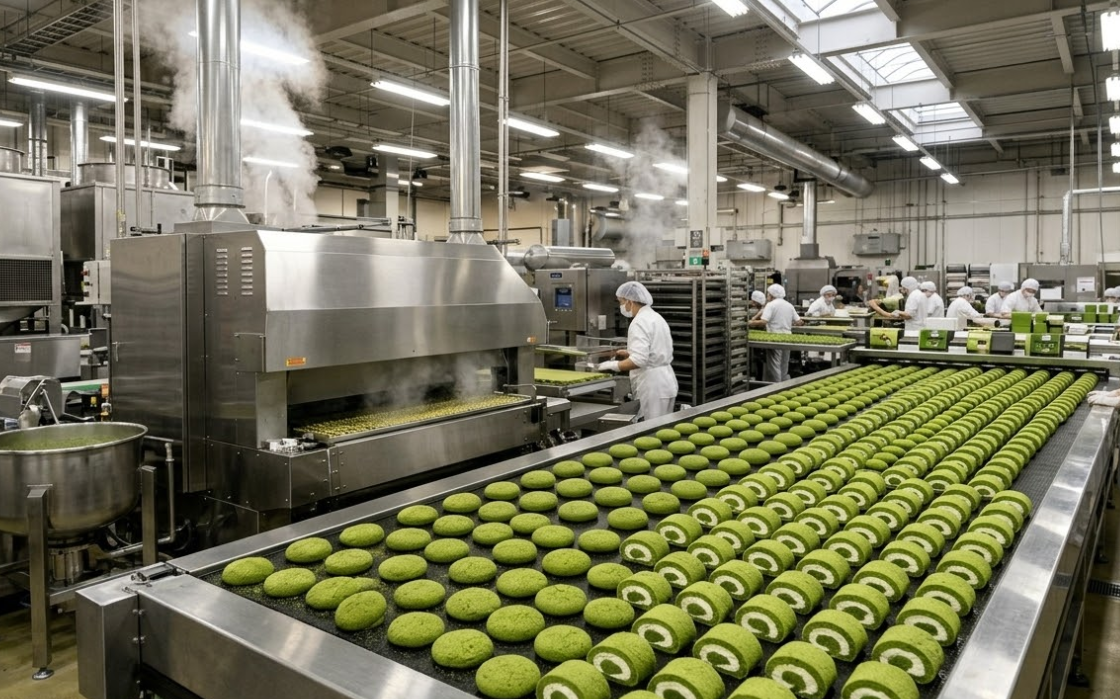
I have spent years at the negotiating table with global food giants, large bakery chains, and sports nutrition brands. I have seen firsthand how they are pushing culinary grade matcha from a background ingredient to the center stage of the food and beverage industry. Their research and development experts are the real heroes here. They freed matcha from the traditional tea bowl and turned it into amazing mousses, protein bars, and ready-to-drink beverages. They expanded the commercial boundaries of this single leaf. But as a supply chain operator, I know the harsh industrial limits these creative ideas face when it is time to produce them on a massive scale.
Looking for Bulk Culinary Grade Matcha?
Tell us your application, monthly usage, target market, and packaging requirements. We can recommend the right culinary matcha grade for baking, latte, RTD beverages, desserts, or food manufacturing.
Request Bulk Price | Get Sample & COA | Compare Matcha Specifications
What Type of Culinary Grade Matcha Do Bulk Buyers Need?
Different food and beverage applications require different culinary matcha specifications. A powder that works well in a latte may not perform well in baked goods. A matcha that looks bright in dry powder may lose color after heat treatment. This is why bulk buyers should evaluate culinary matcha based on real production conditions, not only on appearance.
| Application | Main Buyer Concern | Matcha Requirement |
|---|---|---|
| Baking | Color fades after heating | Heat-stable color and strong tea aroma |
| Latte / Cafe Drinks | Milk covers weak matcha flavor | Clean flavor with good milk compatibility |
| RTD Beverages | Sediment and color change | Fine mesh size and stable dispersion |
| Desserts & Ice Cream | Sugar and fat reduce tea taste | Stronger flavor profile and stable color |
| Food Manufacturing | Batch variation affects machinery | Consistent mesh size, density, and COA |
| Private Label | Need stable product and packaging | OEM support, MOQ flexibility, and documentation |
How Can Matcha Survive High Heat and Fat in Industrial Baking?
Your beautiful green matcha turns brown and loses its flavor in the oven. This ruins your product's appeal, wastes expensive ingredients, and sends your R&D team back to square one.
To survive industrial baking, matcha needs a strong flavor that comes from polyphenol-rich leaves. It also needs a robust structure from a proper steam-fixing process5. This locks in the green color and ensures the tea taste penetrates through high-fat, high-sugar ingredients6 like butter and flour.
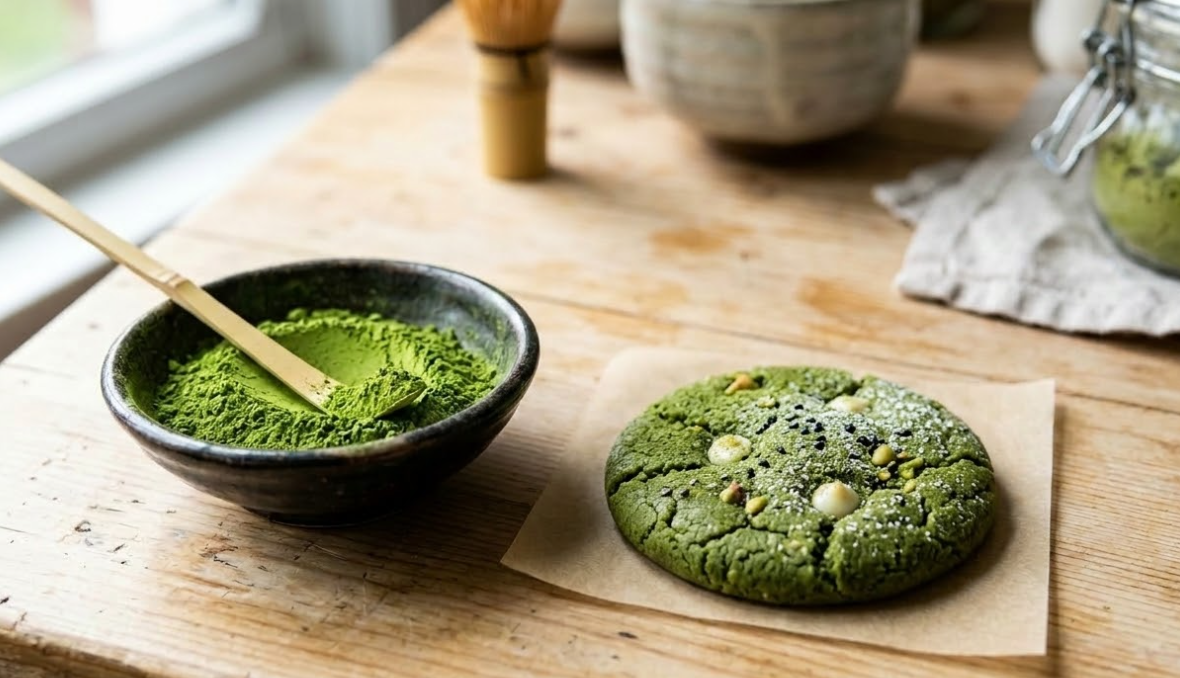
Many R&D teams create a perfect product in their test kitchen. But it often fails on a large production line. Culinary grade matcha faces one of the toughest environments in the food industry: a 180°C oven, surrounded by butter, flour, and sugar. In these conditions, matcha can easily lose its color and tea aroma. We understand this pain point deeply. We believe a great recipe should never be ruined by a raw material's physical flaws. In our dust-free workshops, we specifically select organic tea leaves7 that have a longer growth cycle. These leaves are richer in polyphenols. I personally oversee our Japanese-style steam-fixing lines. This process gives our matcha a powerful flavor that can cut through heavy ingredients. This industrial-grade powder acts like a sharp knife, piercing through thick cream and dough. It holds its clear, high-quality tea aroma even after baking at high temperatures. This allows you to perfectly recreate your team's original vision on a massive scale.
Key Factors for Heat-Stable Matcha
| Feature | Standard Culinary Matcha | MatchaSourcing Industrial Grade |
|---|---|---|
| Color after Baking | Fades to a brownish-yellow | Retains a vibrant green color |
| Flavor Profile | Weak, grassy notes are lost | Strong, clear tea aroma remains |
| Ingredient Interaction | Overpowered by butter and sugar | Cuts through with a clean taste |
Related solution: If your product is cookies, cakes, bakery fillings, or high-fat baked goods, see our dedicated guide on matcha for baking.
Why Is Organic Compliance So Difficult for Bulk Culinary Matcha?
You need tons of organic matcha, but your suppliers keep failing audits. This puts your brand at risk, halts international sales, and causes endless headaches for your compliance team.
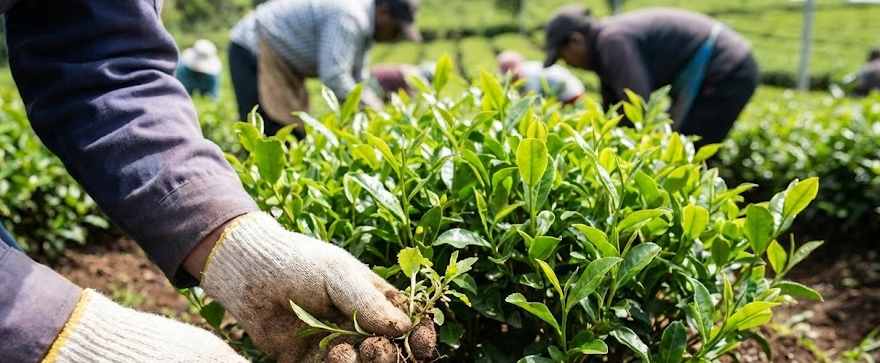
Organic compliance is tough for bulk culinary matcha because it uses mature leaves. These leaves are on the tea plant longer, which increases their exposure risk. Sourcing from a supplier with isolated, high-altitude organic farms and full traceability is the only way to guarantee consistent compliance.
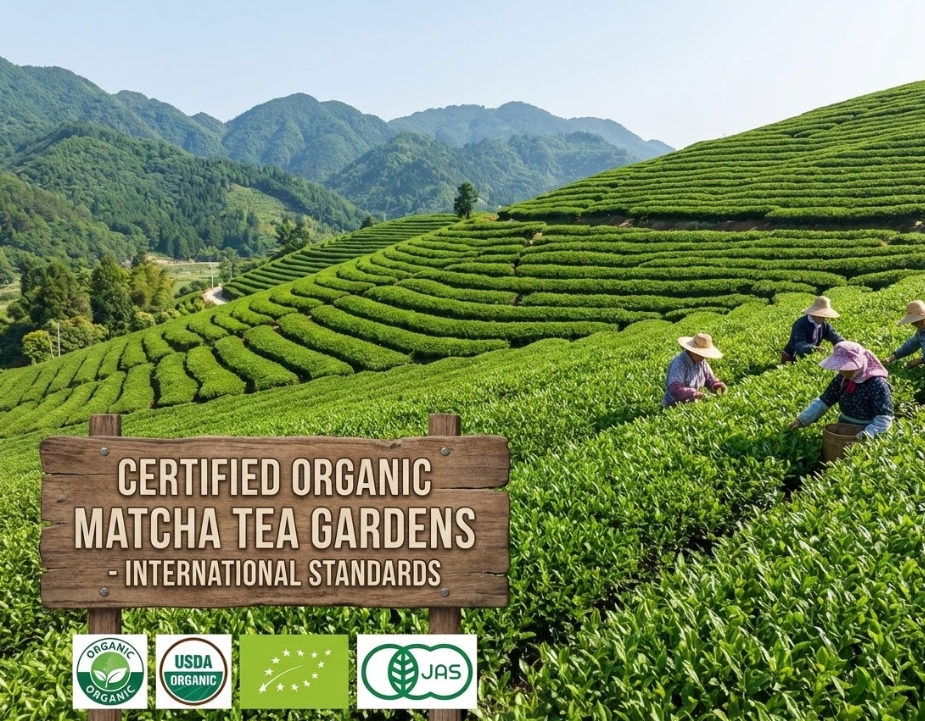
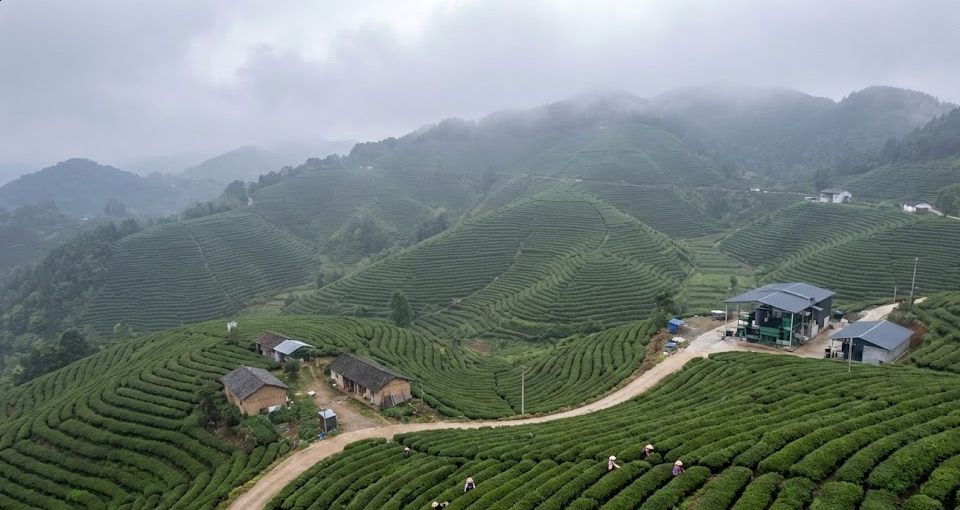
The procurement and compliance departments of multinational companies are under immense pressure. Culinary grade matcha often uses the more mature leaves from lower on the tea plant. In today's global agricultural environment, these mature leaves grow on the bush for a long time. This makes it extremely challenging to pass the strict organic and pesticide residue tests of the European Union (EU) and the United States (USDA). I have seen many brands spend countless hours and resources trying to find a stable, compliant source for their bulk matcha. We never want our clients' compliance teams to face this kind of uncertainty. Our entire operation is built on our 2,300+ acres of high-mountain, purely organic tea gardens in Anshun. We use strict physical isolation and manual weeding8 to protect our crops. The bulk culinary powder we deliver to you comes with hard proof: certifications from the USDA, EU, JAS (Japan Organic), and the Rainforest Alliance. We provide strict batch-level records, so you are always audit-ready and can face any customs inspection with complete confidence.
Our Certifications and Your Peace of Mind
| Certification | What It Guarantees Your Business |
|---|---|
| EU & USDA Organic | Unrestricted access to key European and US markets. |
| JAS (Japan Organic) | Meets the high quality and safety standards of the Japanese market. |
| Rainforest Alliance | Shows your customers a clear commitment to sustainable sourcing. |
| Batch-Level Traceability | Gives you full confidence during official audits and customs checks. |
Related solution: For buyers who need certified organic matcha powder, we can provide documentation for organic compliance, batch traceability, and export requirements. Learn more about bulk organic matcha sourcing.
How Does Matcha Inconsistency Halt a Multi-Million Dollar Production Line?
Your automated machinery keeps jamming and production has stopped. You cannot figure out the cause, and the downtime is costing your company a fortune. The problem might be your matcha.
Even tiny differences in matcha powder's mesh size or water absorption can change dough or batter consistency. This can disrupt or even stop a sensitive, high-speed automated production line. Absolute batch-to-batch consistency4 is therefore essential for any large-scale food manufacturing operation.
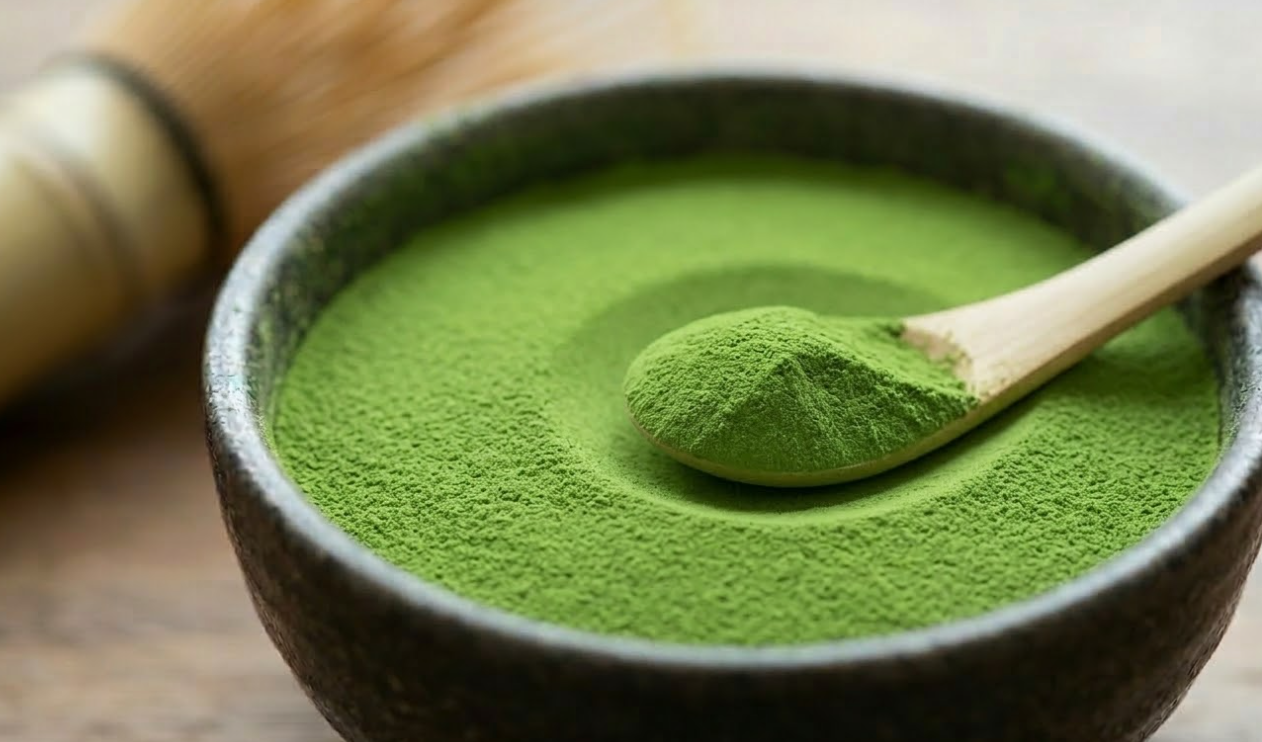
For a super-factory that produces over one hundred thousand baked goods a day, the biggest fear is even a tiny change in raw materials. If the fineness (mesh size) of this batch differs from the last one by just a few microns, it can change everything. If the water absorption rate9 is different, the moisture level of the entire production line's dough can be thrown off. This can lead to machinery getting stuck and massive production delays. The true beauty of industrial manufacturing lies in absolute precision and stability. We use our 11 continuous production lines10 and over 1,000 tons of annual output to support you. Our quality control team fiercely defends batch consistency. We can ensure that the 50 tons you buy this year will be physically and chemically identical to the 50 tons you buy next year. Our matcha is as precise as a mathematical formula. This keeps your factory running smoothly, always.
Physical Parameters We Control for You
| Parameter | Why It Matters for Automation | Our Commitment |
|---|---|---|
| Mesh Size (Fineness) | Affects the final product's texture and mixing speed. | Consistent micron-level precision in every single batch. |
| Water Absorption Rate | Directly impacts the hydration of your dough or batter. | Standardized and tested across all production lots. |
| Bulk Density | Ensures that automated dosing machinery is always accurate. | Tightly controlled for every lot we ship. |
| *Color (Lab)** | Guarantees visual consistency in your final product. | Measured and matched precisely to your specifications. |
Related solution: For large-scale factories, matcha consistency should be checked before production starts. Ask for mesh size, bulk density, color data, water absorption behavior, and COA before confirming a bulk order.
FAQ About Bulk Culinary Grade Matcha
What is bulk culinary grade matcha used for?
Bulk culinary grade matcha is used for baking, lattes, RTD beverages, desserts, ice cream, protein products, chocolate, snacks, and large-scale food manufacturing. It is designed for commercial production where color, flavor, cost, and batch consistency are important.
Is culinary grade matcha good for baking?
Yes. Culinary grade matcha is commonly used in baking because it has a stronger flavor profile than delicate drinking-grade matcha. For industrial baking, buyers should choose matcha with heat-stable color, strong tea aroma, and good performance in high-fat and high-sugar formulas.
What should I check before buying bulk culinary matcha?
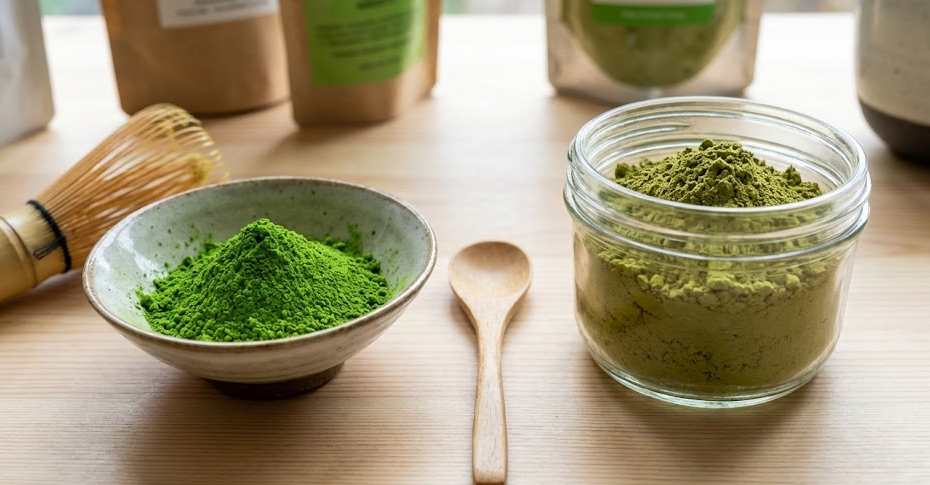
Before buying bulk culinary matcha, check mesh size, color, taste profile, bulk density, water absorption, microbial results, heavy metals, pesticide residue, organic certification, COA, MOQ, packaging, and batch-to-batch consistency.
Can culinary grade matcha be used for lattes and RTD beverages?
Yes. Culinary grade matcha can be used for lattes and RTD beverages, but the specification should be different from baking matcha. For beverages, buyers should focus on fine mesh size, smooth mouthfeel, dispersion, sediment control, and stable color.
Why does matcha color change during food production?
Matcha color can change because of heat, oxygen, light, pH, fat, sugar, and processing time. In baking and beverage production, the wrong matcha grade may turn yellow or brown. This is why commercial buyers need a heat-stable and production-tested culinary matcha.
Do you provide COA and organic certificates for bulk matcha orders?
Yes. For qualified bulk matcha orders, we can provide COA, specification sheet, organic certification documents, pesticide residue test, heavy metal test, microbial test, and batch-level traceability records according to the buyer's market requirements.
What is the MOQ for bulk culinary grade matcha?
MOQ depends on the matcha grade, packaging format, certification requirement, and destination market. Buyers can share their application, monthly usage, and target price so we can recommend a suitable bulk culinary matcha solution.
Conclusion
Your amazing product ideas deserve a supply chain that is just as strong. We provide the industrial-grade matcha foundation so you can innovate without worrying about your raw materials.
Need a Reliable Bulk Culinary Matcha Supplier?
If your team is developing a matcha bakery product, latte mix, RTD drink, dessert, protein bar, or private label matcha product, we can help you select the right culinary grade matcha for your production line.
Send us your application, monthly quantity, target market, organic requirement, and packaging needs. We will recommend a suitable matcha specification and provide sample support for testing.
Explore why bulk culinary grade matcha is essential for food industry innovations and how it impacts product development. ↩
Learn how extreme heat stability ensures matcha retains its color and flavor during industrial baking processes. ↩
Understand the complexities of organic compliance for matcha and its importance for international sales. ↩
Discover how consistent matcha batches prevent production line disruptions and ensure product quality. ↩
Learn about the steam-fixing process and its role in preserving matcha's color and aroma during baking. ↩
Understand how matcha maintains its flavor and color when combined with rich baking ingredients. ↩
Discover the significance of using organic tea leaves for matcha and their impact on compliance and quality. ↩
Explore the role of manual weeding in maintaining organic standards and crop quality for matcha. ↩
Explore how water absorption rate influences dough consistency and production line efficiency. ↩
Learn how continuous production lines ensure matcha consistency and support large-scale manufacturing. ↩