Your procurement managers are constantly reporting matcha shortages1. You see green powders everywhere, but the one you need is unavailable. This sourcing nightmare is costing you opportunities and growth.
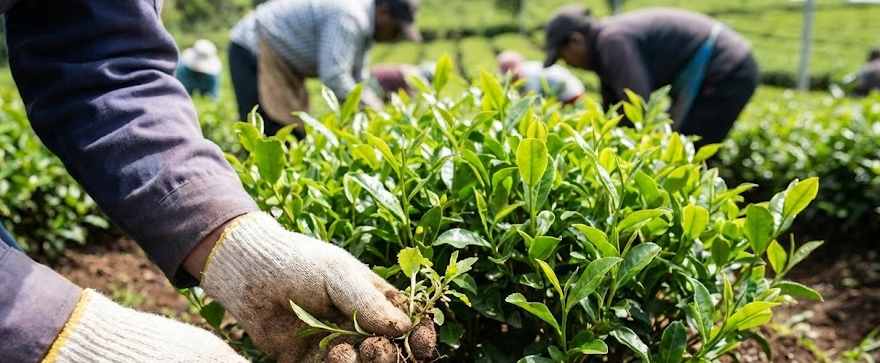
The real matcha shortage isn't a lack of tea leaves. It's a severe scarcity of "clean leaves2" that can pass strict EU and US pesticide tests3. Most tea gardens simply don't meet the high standards required for premium, export-quality matcha.
For B2B buyers, the matcha shortage is not just a market trend. It is a supply-chain risk. Cafés, beverage brands, private label companies, supplement brands and importers are all competing for the same limited supply of certified, traceable and export-ready matcha. The market may look full of green tea powder, but truly compliant matcha is much harder to find.
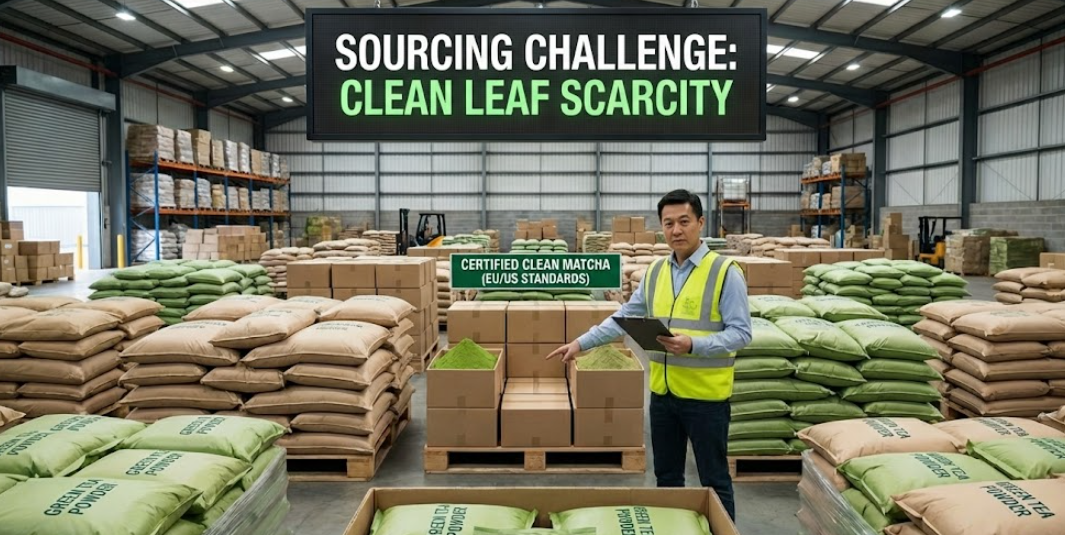
Quick Answer: Why Is Matcha in Shortage?
Matcha is in shortage because global demand is growing faster than the supply of certified, pesticide-compliant and high-quality matcha leaves. The bottleneck is not ordinary tea powder. The real bottleneck is clean, traceable, export-ready matcha that can pass strict testing for the US, EU and premium retail markets.
| Shortage Cause | What It Means for Buyers |
|---|---|
| Limited clean tea leaves | Not all tea gardens can pass pesticide and heavy metal tests |
| Organic conversion takes years | Certified organic matcha cannot be produced instantly |
| Tea plants grow slowly | New plantations need years before producing quality leaves |
| First-harvest supply is limited | Premium matcha depends on a short annual harvest window |
| Japan’s supply is constrained | Aging farmers and limited land restrict expansion |
| Demand from cafés and brands is rising | Matcha lattes, RTD drinks, wellness products and private label brands compete for supply |
| Export documentation is stricter | Buyers need COA, pesticide tests, heavy metal tests and traceability |
In short: there is no shortage of green powder. There is a shortage of matcha that is clean enough, stable enough and documented enough for serious commercial buyers.
You've probably seen countless rejection reports and felt the frustration. The problem isn't a simple lack of leaves; it's much deeper and more complex. To understand why your supply chain is breaking, we need to look at the incredibly narrow funnel that produces truly "clean" matcha that is safe for international markets. Let's start with the biggest hurdle that filters out almost everyone: the brutal reality of pesticides and organic certification.
For buyers who need stable commercial supply, our bulk matcha supply page explains MOQ, packaging formats, COA support and export-ready sourcing options. If your team needs to verify compliance before ordering, review our matcha COA and testing guide.
Isn't All Matcha Supposed to Be Clean?
You assume the matcha you buy is safe and clean for your customers. But what if most of it is riddled with pesticides? This hidden risk could ruin your brand's reputation overnight.
No, most matcha is not clean enough for high-standard markets. Achieving certifications like EU Organic or USDA requires a 3-year soil conversion and zero pesticides. This high barrier means over 90% of tea gardens fail, creating a massive shortage of compliant, pesticide-free matcha.
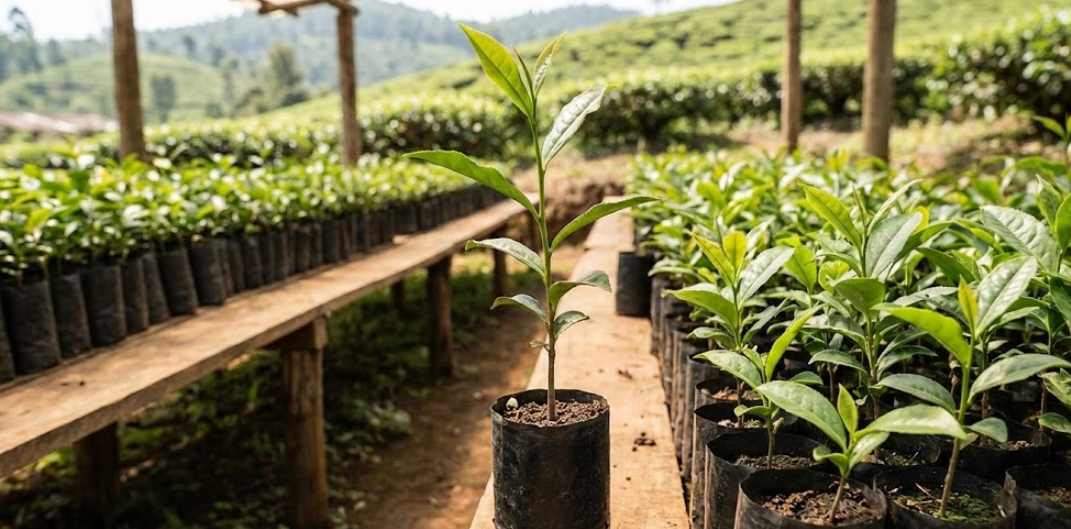
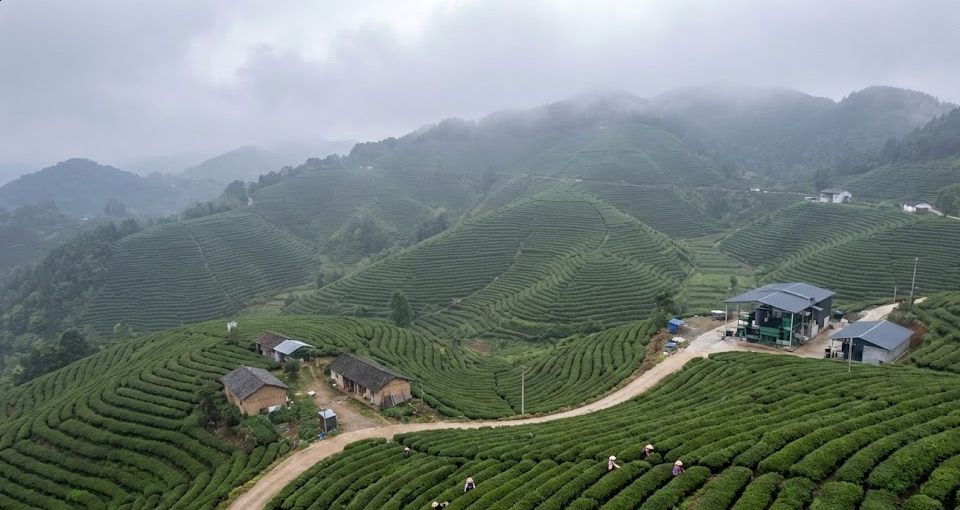
I've spent more than a decade building my organic base in the high-altitude mountains of Anshun, Guizhou. I can tell you from personal experience that the journey to creating "clean leaf" matcha is long and expensive. To even begin the process for EU or USDA organic certification4, we had to endure a three-year soil conversion period5. For three full years, those fields produced zero income for us. We had to let the soil heal and cleanse itself of any residual chemicals. During this time, we still had to pay for expensive manual labor to pull weeds by hand because spraying herbicides was forbidden. This is a huge financial and time commitment that most farmers simply cannot afford. This is the main reason why the funnel for "true organic" matcha is so incredibly narrow. The market is flooded with cheap green powders, but those are often the ones that would fail a stringent pesticide test. For a brand selling into the U.S. or Europe, a single failed test can mean rejected containers, financial loss, and permanent damage to your reputation. This is the reality we operate in, and it's why we built our entire system around traceability and compliance6 from the very beginning.
The Real Shortage Is Export-Ready Matcha
Many buyers misunderstand the matcha shortage because they see plenty of low-cost powder available online. But commercial buyers do not only need matcha that looks green. They need matcha that can survive real procurement checks.
For export-ready matcha, buyers usually need:
- COA for each batch
- Pesticide residue testing
- Heavy metal testing
- Microbiology testing
- Organic certification when required
- Traceable origin
- Stable color and taste across batches
- Repeatable supply for future orders
- Packaging and documentation for import clearance
This is why the shortage is more serious for importers, distributors, private label brands and café chains than for casual retail buyers. A small online seller can buy a few cartons of powder. A serious brand needs repeatable, documented and compliant supply.
If your business is buying for the US, EU or other high-standard markets, start with matcha COA and testing before comparing price per kilogram.
Why Can't You Just Produce More Matcha Faster?
Your demand is soaring, and you need more matcha right now. But your supplier keeps telling you it will take years to increase supply. This production lag is stalling your growth.
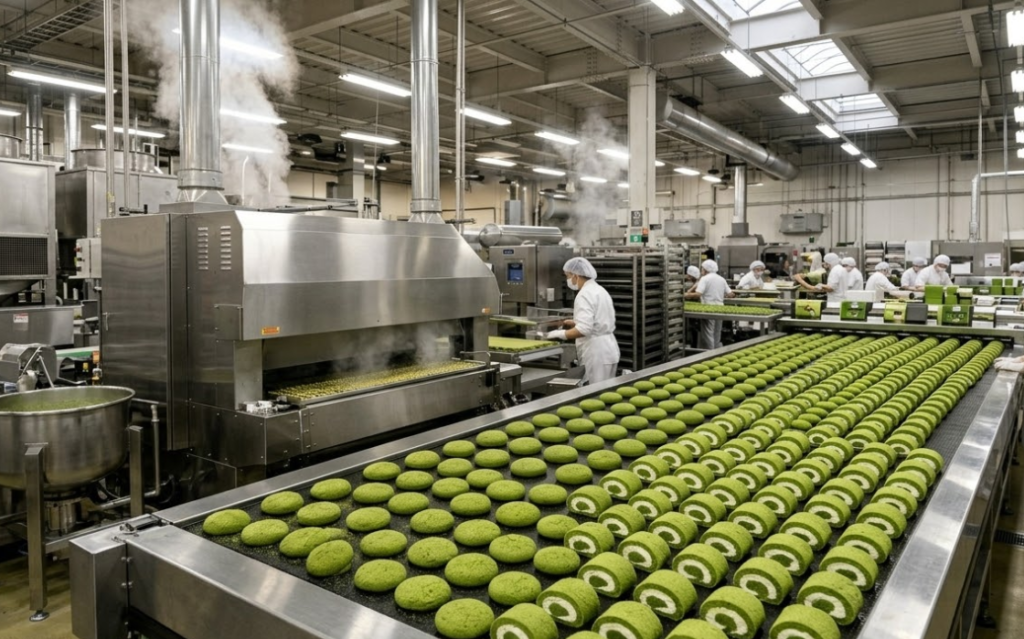
You can't rush agriculture with money. A tea plant needs at least five years to mature enough for quality matcha production. While B2B demand grows exponentially, our tea bushes grow linearly. This "biological scissors" effect is the fundamental reason for the supply-demand gap.
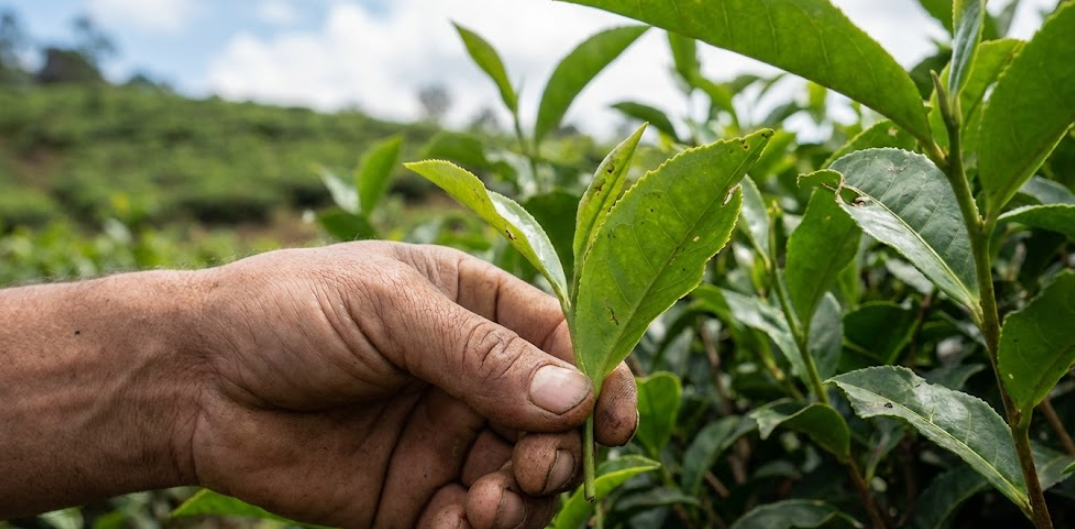
Many hot-money investors have flooded into the tea industry recently. They think they can scale it like a software company and make a quick profit. They always learn a hard lesson. Agriculture does not bend to spreadsheets. I can't run three shifts in my tea garden to meet a deadline. My tea trees need time, sun, and patience. From the moment we plant a new sapling, it takes a minimum of five years before its leaves are mature enough to be harvested for high-quality matcha. Even then, the most sought-after leaves for ceremonial grade come from the first spring flush7. This prized harvest happens only once a year. Meanwhile, a major coffee chain might decide to launch a matcha latte in 1,000 new stores next quarter. Their demand is massive and immediate. My ability to expand my organic gardens to meet that demand is slow and methodical. This fundamental mismatch is what I call the "biological scissors."
| Factor | Demand Growth (Your Business) | Supply Growth (My Farm) |
|---|---|---|
| Speed | Exponential (market trends) | Linear (biological cycles) |
| Timeframe | Months / Quarters | Years / Decades |
| Driver | Capital & Marketing | Sun, Rain, & Time |
| Scalability | Nearly instant with funding | Very slow, needs land and time |
This table clearly shows the disconnect. We are physically limited by the growth cycle of the tea plant. No amount of investment can make a tea tree grow faster.
Why First-Harvest Matcha Is Even Harder to Secure
Not all matcha leaves are equal. The highest-demand matcha often comes from the first spring harvest because it usually has better color, smoother flavor, stronger umami and higher value for premium products.
This creates another bottleneck. First-harvest leaves can only be picked once per year. If demand from tea brands, wellness companies and café chains increases after the harvest window has passed, suppliers cannot simply create more first-harvest leaves.
| Matcha Type | Supply Situation | Buyer Risk |
|---|---|---|
| First-harvest ceremonial matcha | Most limited | Higher price, longer reservation needed |
| Premium latte-grade matcha | Tight when café demand rises | Color and flavor consistency may vary |
| Organic culinary matcha | More available but still compliance-limited | Must verify pesticide and heavy metal tests |
| Low-cost green tea powder | Easy to find | May not meet matcha quality or export standards |
For buyers comparing different matcha grades, our matcha grade selection guide explains how to choose the right grade for drinking, latte, baking and food production.
What About Japan's Matcha Supply?
You've always associated premium matcha with Japan. But now, even Japanese suppliers are struggling to deliver on time and in full. This reliance on a shrinking source is a major risk.
Japan's matcha production capacity has peaked and is now declining. An aging workforce, fragmented land, and lack of new farmers mean they can't meet rising global demand. The pressure has now shifted to large-scale, certified Chinese suppliers like us to fill this growing gap.
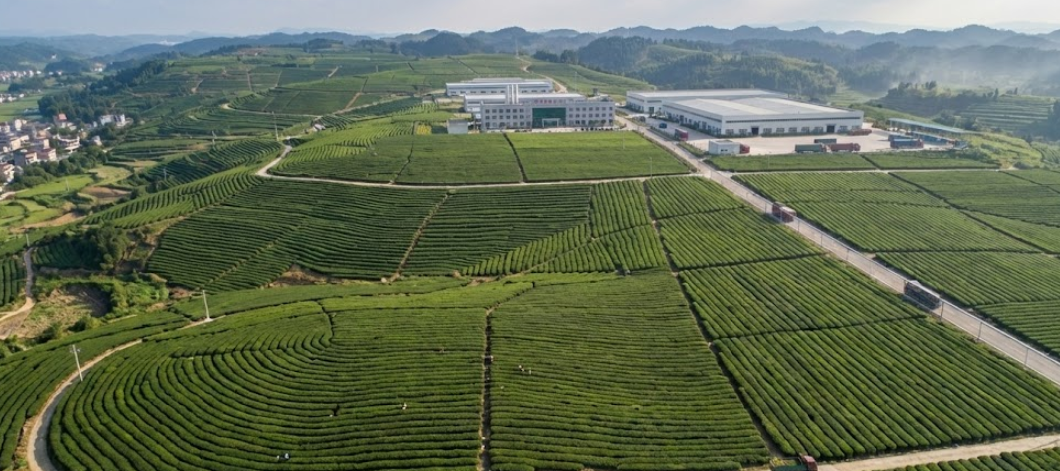
Japan is the spiritual home of matcha, and their quality is legendary. I have immense respect for their craft. However, their industry is facing serious structural problems. I've seen it myself on trips there. Many tea farms are small, family-run plots. The younger generation is often not interested in the hard work of farming, and the country's aging population means many tea gardens are being neglected or abandoned. Their total land available for tea cultivation is not growing; in some areas, it's actually shrinking. So, while global demand for matcha explodes, Japan's high-end production has hit its ceiling. This is where suppliers like me in China come in. We have the land, the modern factories, and the drive to scale up certified organic production for the world. Even with my 2,300 mu base and 11 production lines, a single large order from a major retailer can take up a huge portion of my annual output. The scarcity of reliable, scalable, and certified production capacity has turned this into a seller's market. Quality suppliers are in the driver's seat.
Why China Is Important During the Matcha Shortage
When Japan’s matcha supply becomes tight, commercial buyers need alternative sourcing strategies. China is becoming increasingly important because it can support larger agricultural bases, modern processing, export documentation and application-specific matcha development.
China is especially relevant for:
- Bulk matcha import
- Private label matcha
- Café latte matcha
- Bakery and beverage-grade matcha
- Organic matcha programs
- Export-ready supply with COA support
This does not mean every Chinese matcha supplier is suitable. The same rule applies: buyers must verify farm control, processing quality, pesticide tests, heavy metals, microbiology and batch consistency.
For a broader country comparison, see our guide on which country has the best matcha. For buyers comparing suppliers, our page on China’s biggest matcha supplier explains how large-scale and specialized suppliers differ.
How B2B Buyers Can Protect Their Matcha Supply
The worst time to search for a new matcha supplier is after your current supplier is already out of stock. Buyers should treat matcha like a strategic ingredient, not a last-minute commodity.
Use this checklist to reduce shortage risk:
- Forecast demand at least 6–12 months ahead.
- Reserve first-harvest or premium grades early.
- Qualify more than one supplier when possible.
- Request COA and testing documents before placing large orders.
- Test samples in your real product application.
- Confirm annual production capacity, not only current stock.
- Ask about lead time during peak season.
- Avoid switching grades without testing color, taste and performance.
- Build a safety stock for core products.
- Choose suppliers with farm-level control and export experience.
If you are a café chain, test matcha with milk, ice and sweetener before bulk purchasing. Our matcha for latte cafés guide explains how to choose matcha that performs in commercial beverage menus.
What Kind of Matcha Is Most at Risk of Shortage?
The most difficult matcha to secure is usually not the cheapest powder. It is the matcha that combines quality, documentation and volume.
| Matcha Requirement | Shortage Risk | Reason |
|---|---|---|
| First-harvest organic matcha | Very high | Short harvest window and strict farm requirements |
| EU-compliant matcha | High | Strict pesticide and residue limits |
| USDA organic matcha | High | Requires certified organic supply chain |
| Premium ceremonial matcha | High | Limited young spring leaves |
| Café latte-grade matcha | Medium to high | Rising demand from beverage chains |
| Culinary matcha with COA | Medium | More available, but documentation still matters |
| Unverified low-cost powder | Low | Easy to find, but risky for serious buyers |
This is why serious buyers should not wait until prices rise or stock disappears. The best-quality batches are often allocated first to buyers with forecasts, repeat orders and clear specifications.
CTA: Need Stable Bulk Matcha Supply?
If your business is affected by matcha shortages, the solution is not to search for random spot stock. The solution is to build a more reliable supply plan with a supplier that understands export requirements, batch testing and commercial applications.
MatchaSourcing.com can support:
- Bulk matcha supply for importers, distributors and manufacturers
- Private label matcha for brands building their own product line
- Matcha for latte cafés for coffee shops and beverage chains
- COA and testing for buyers who need pesticide, heavy metal and microbiology verification
- Matcha grade selection for buyers comparing ceremonial, latte and culinary grades
If you are planning a new matcha product, expanding a café menu or securing supply for the next production season, start by testing samples and confirming documentation early.
Conclusion
In short, the matcha shortage is about quality, not quantity. The real bottleneck is the limited supply of certified, pesticide-free matcha that can navigate biology and shifting global supply chains.
There may be plenty of green powder on the market, but there is far less matcha that can meet the needs of serious B2B buyers. Clean leaves, organic conversion, slow tea plant growth, limited first harvests, Japan’s structural supply constraints and rising global demand all create pressure on the market.
The safest strategy is to plan ahead, verify documents, test samples in your real application and build supplier relationships before shortage pressure becomes urgent.
FAQ: Matcha Shortage
Why is matcha in shortage?
Matcha is in shortage because demand is rising faster than the supply of clean, certified and export-ready matcha leaves. The shortage is most serious for organic, first-harvest and high-quality matcha that can pass strict testing.
Is there really a matcha shortage?
There may not be a shortage of ordinary green tea powder, but there is a shortage of high-quality matcha that is traceable, pesticide-compliant, stable and suitable for serious commercial buyers.
Why is premium matcha hard to find?
Premium matcha is hard to find because it depends on young shaded tea leaves, careful processing, fine grinding and limited harvest windows. First-harvest matcha can only be produced once per year.
Why is organic matcha in shortage?
Organic matcha is difficult to scale because tea gardens need a long conversion period, strict farming controls and clean soil. Many tea gardens cannot meet EU, USDA or other organic standards.
Why can’t suppliers produce more matcha quickly?
Tea plants take years to mature, and high-quality matcha depends on seasonal harvests. Unlike factory-made products, matcha supply cannot be increased instantly with money or extra labor.
Is Japan running out of matcha?
Japan still produces excellent matcha, but its supply is constrained by limited land, aging farmers, fragmented tea gardens and rising global demand. This makes premium Japanese matcha harder and more expensive to secure.
Can China help solve the matcha shortage?
China can help support global matcha supply when suppliers have clean tea gardens, modern processing, export documentation and strong quality control. China is especially important for bulk, private label and commercial matcha applications.
What matcha is most affected by shortage?
First-harvest organic matcha, ceremonial matcha, EU-compliant matcha and premium latte-grade matcha are usually the most affected because they require better leaves, stricter testing and more controlled production.
How can businesses avoid matcha supply problems?
Businesses should forecast demand early, qualify suppliers in advance, request COA and testing documents, reserve key grades before peak season and avoid relying only on spot-market stock.
What documents should I request when buying matcha during a shortage?
Request COA, pesticide residue testing, heavy metal testing, microbiology reports, organic certification if needed, origin traceability and production or harvest information.
Understanding the root causes of matcha shortages can help businesses strategize better to secure their supply chains and meet customer demands. ↩
Learn why clean leaves are crucial for producing high-quality matcha that meets international standards, ensuring safety and compliance. ↩
Explore how stringent pesticide tests impact the availability of matcha, affecting both supply chains and market access. ↩
Understand the impact of USDA organic certification on matcha production, focusing on compliance and marketability. ↩
Learn about the soil conversion period necessary for organic matcha farming, a critical step for achieving certification. ↩
Discover how traceability and compliance measures are essential for maintaining matcha quality and meeting international standards. ↩
Learn why the first spring flush is crucial for producing high-quality matcha, impacting flavor and market value. ↩