Sourcing bulk organic matcha is a minefield. One wrong step and you face customs rejections1, costing your brand millions and its reputation. This is a game you can't afford to lose.
To source bulk organic matcha2 safely, you must bypass traders and origin myths. Go directly to a single-estate, vertically integrated supplier3 with their own certified organic land4 and full production control. This ensures compliance, consistency, and protects your supply chain from catastrophic failure.
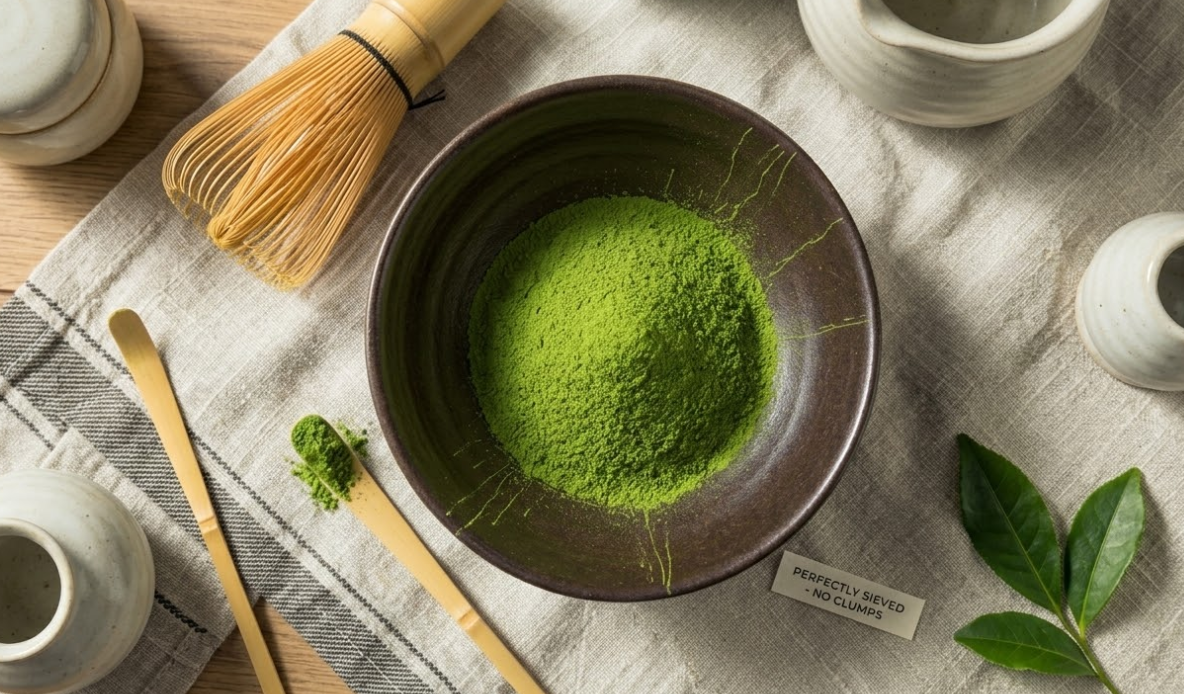
I've spent years in the trenches of the global supply chain. I've watched ambitious brands bleed money chasing fantasies or face disaster at the border. As the CEO of MatchaSourcing.com, I'm giving you the unvarnished, insider's guide to sourcing bulk organic matcha. This is how you protect your brand's lifeline.
Should You Pay the "Origin Tax" for Japanese Matcha?
Many buyers believe the best matcha must come from Japan. But for large-scale industrial supply, this thinking is a trap that drains your budget and jeopardizes your supply chain.
For bulk organic matcha, Japan's fragmented agriculture5 lacks the scale. Many Japanese suppliers source from China, repackage, and sell to you at a 400% markup6. To maximize profit and secure supply, you must bypass these middlemen and go directly to the Chinese source.
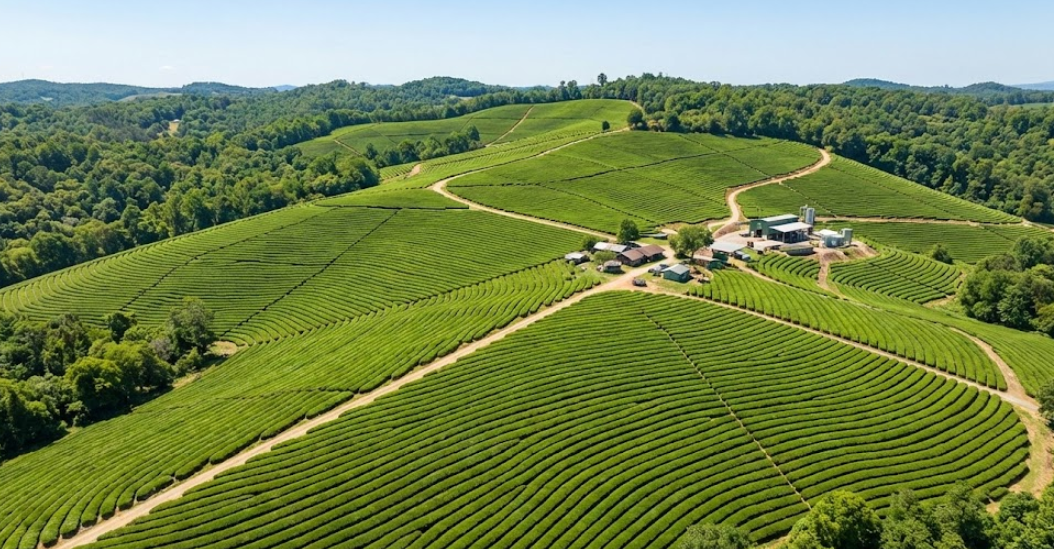
Let's get real about Japan versus China. Many sourcing directors I talk to have their eyes fixed on Uji or Shizuoka. It's a great story for a small boutique shop needing a few pretty tins for the shelf. But if you're supplying 500 coffee shop locations or launching a national food product, you are walking into a disaster. The brutal reality is that Japan physically lacks the vast, connected land and agricultural labor force to meet the world's explosive demand for bulk organic matcha. To pass the incredibly strict EU and USDA pesticide residue tests7, you need huge, isolated farms. Because of Japan's fragmented and aging agricultural structure, many famous Japanese trading giants quietly import bulk organic raw materials from top-tier Chinese factories like ours. They ship it to Japan, legally repackage it, and sell it back to you with a "Made in Japan" story and a massive price hike.
| Sourcing Factor | The Myth (Japan) | The Reality (for Bulk Organic) |
|---|---|---|
| Scale | Unlimited premium matcha | Fragmented land, limited organic capacity |
| Cost | A premium for quality | Often repackaged Chinese matcha at a 400% markup6 |
| Compliance | The gold standard | High risk of non-compliance due to mixed small farms |
| Supply Chain | Direct from the source | Involves multiple middlemen, reducing your control |
Your B2B rule should be simple: if you need a showpiece, buy Japanese. If you need to protect your supply chain and maximize your gross margin, find the Chinese heavy-asset source that actually has its roots in the soil.
Are You Buying from "Mystery Box" Suppliers Online?
You searched for "matcha supplier" online and found hundreds of options. But 90% are traders or blending factories playing a dangerous game with your brand's safety and reputation.
Most traders use a "cooperative model8," collecting tea leaves from hundreds of unregulated farmers. This is a "mystery box." If one farmer secretly uses a banned pesticide, your entire multi-ton shipment gets rejected at customs. Your only defense is to demand a single-estate supplier9.
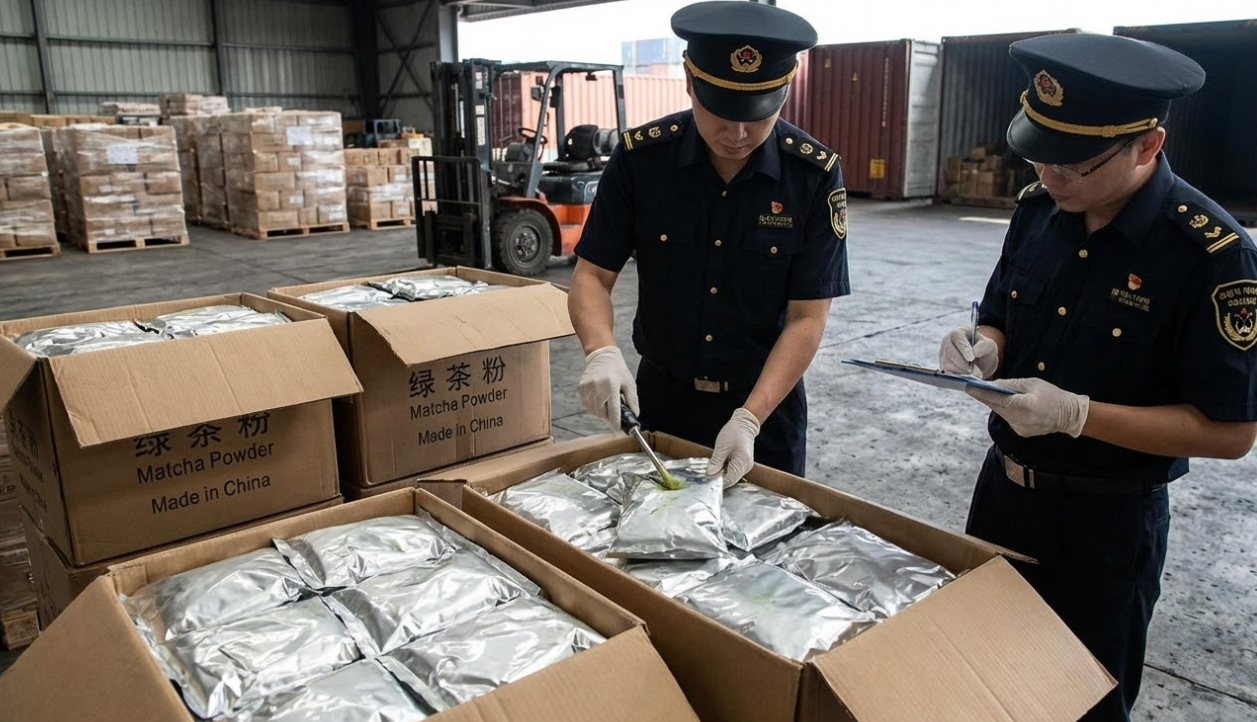
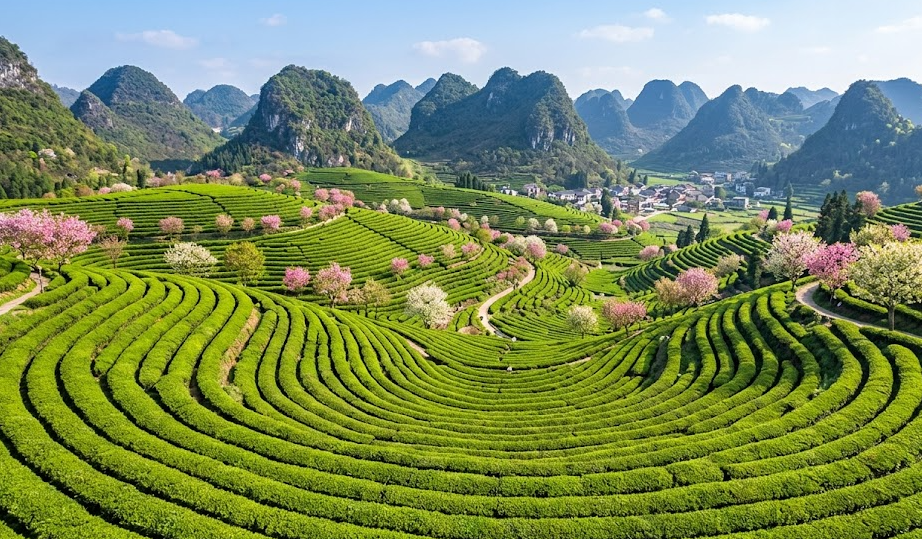
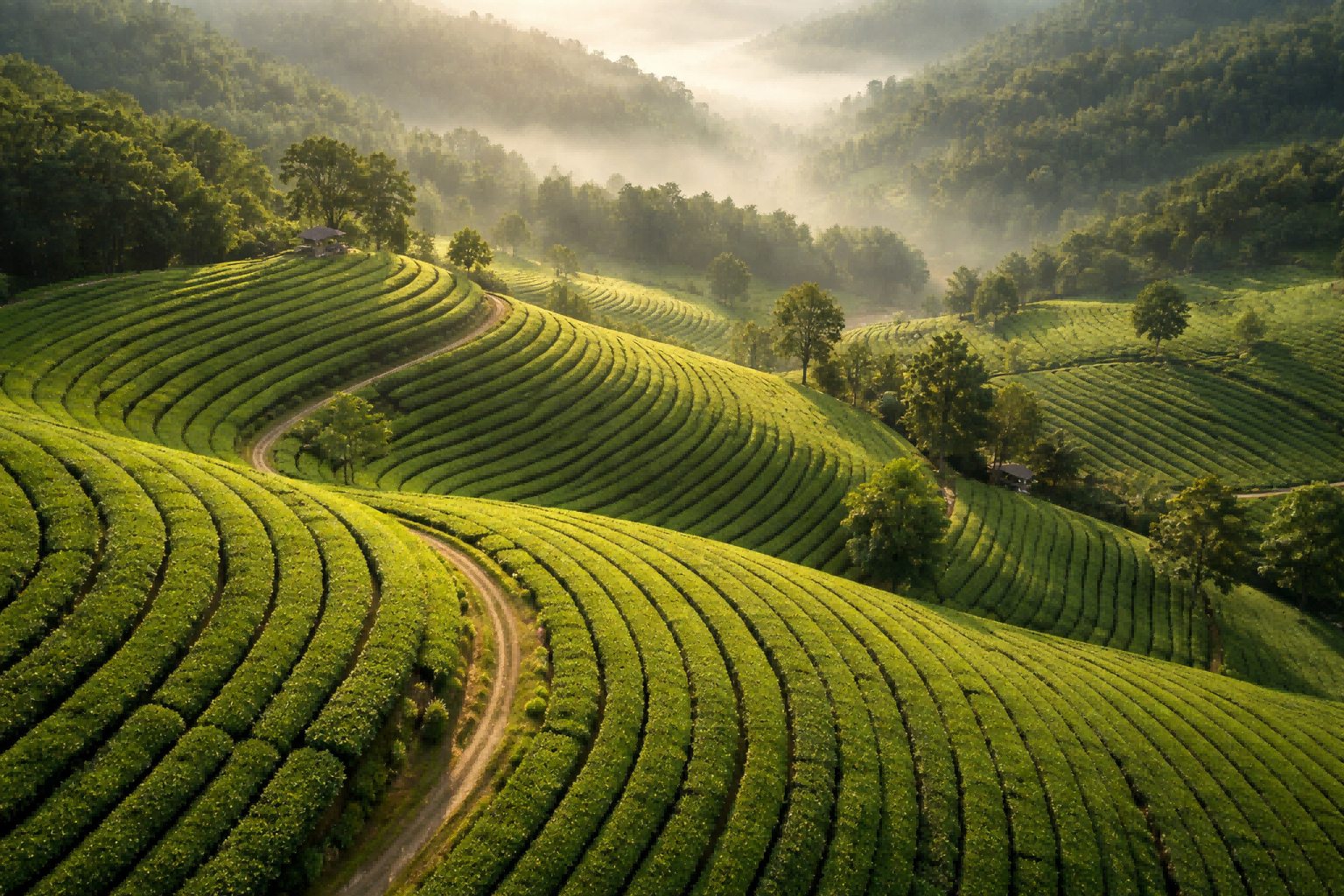
This is the Alibaba trap. These light-asset traders and blending factories have a fatal weakness: the "cooperative model8." To get enough volume, they buy raw tea leaves from hundreds of individual farmers. I call this playing "mystery box" with your business. All it takes is for one of those 500 people to secretly spray a forbidden herbicide to protect his crop, and your entire 10-ton batch is contaminated and worthless. When your container arrives at the port of Rotterdam or Los Angeles, you won't be celebrating. You'll be getting a notice that your shipment is being returned or destroyed. I have personally seen this happen, and it is a multi-million dollar catastrophe. Your brand's reputation is gone overnight. That's why you must work with a supplier who owns and controls their land. This is why we, at MatchaSourcing, took on the immense pressure to build a fortress in the mountains of Guizhou. We operate over 2,300 mu of connected, high-altitude virgin land under strict physical isolation. We use zero chemical pesticides—only manual, physical weeding. Because all our products are organic, there is zero risk of cross-contamination in our 100,000-class cleanroom workshop. The matcha I deliver to you is tied directly to this soil, with dual EU and USDA organic certificates10. It's your brand's get-out-of-jail-free card for customs clearance.
Is Your Supplier a Partner or Just a Powder Factory?
Most suppliers just hand you a catalog with generic "Grade A, B, C" options. If you buy these standard powders, your matcha latte will taste just like your competitor's.
To stand out, you need a unique flavor profile. A true partner acts as your private R&D lab, using their advanced machinery to customize your matcha. They help you build a "flavor moat11" that competitors simply cannot copy, securing your place in a crowded market.
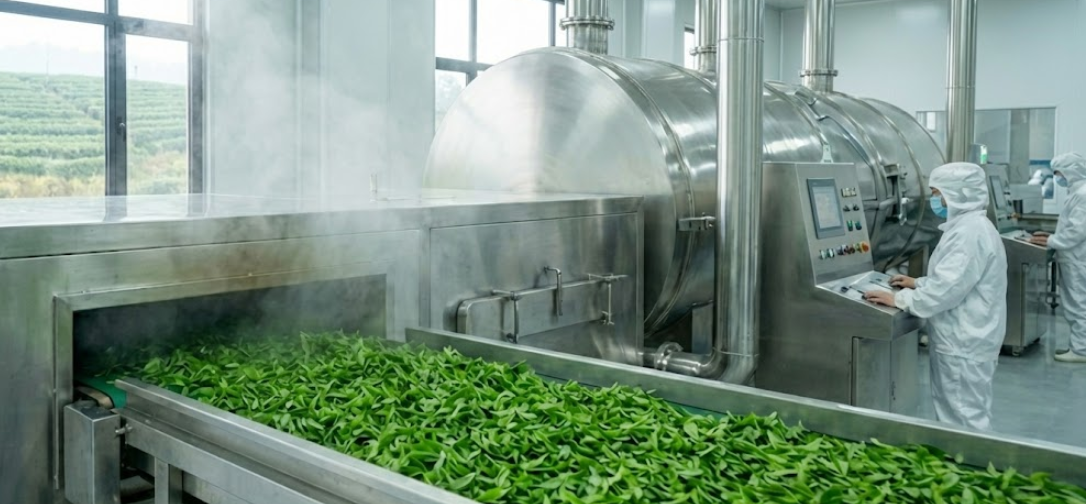
In today's hyper-competitive consumer market, a generic product is a death sentence. You need a competitive moat built on flavor. But most suppliers are just factories. They can't help you build it. They don't have the tools or the mindset. True ceremonial-grade and barista-specific matcha depends entirely on heavy-asset infrastructure12. You don't just need a supplier; you need an R&D partner13 in your backend. So, ask them about their machine parameters. In our factory, we run a full suite of imported Japanese steam-killing lines and temperature-controlled superfine grinders. If your brand needs a special blend that won't turn yellow when mixed with oat milk, we don't just sell you powder. We will personally fine-tune the steaming time down to the second and control the temperature rise during milling. We do this to lock in your exclusive Lab* color value and L-theanine (umami) concentration. While you sell a unique formula on the front end, we use the underlying logic of our machines on the back end to ensure your competitors can never figure out how to copy it.
Does Your Supplier Support Your Growth or Hold You Back?
The old-guard giants are arrogant. They demand huge minimum order quantities (MOQs)14 and bury you in bureaucracy. This is a dead end for a fast-growing, agile brand like yours.
You need a partner that can match your growth curve. Look for an ally who is both large-scale and flexible. They should be willing to support your small test runs and have the capacity to handle your massive orders when you expand globally.
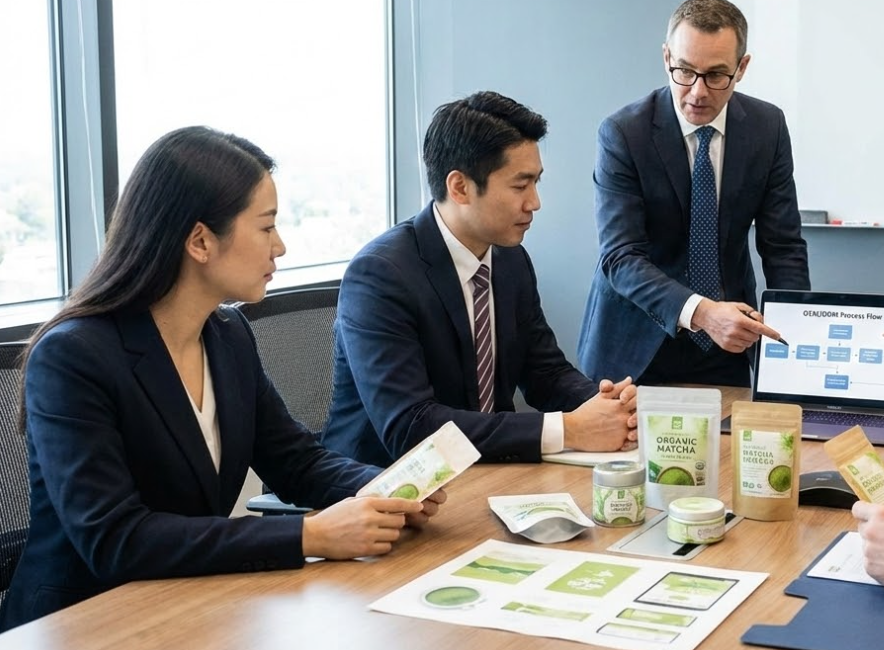
If you're a disruptive new brand on the rise, the last thing you need is a supplier that forces you to adapt to their rigid, outdated processes. You need a supply chain that adapts to your growth curve. The problem is, most suppliers are one of two things: small traders who can't scale, or massive corporations who won't bother with you until you can order 50 tons at a time. Your B2B rule is to find an ally who has heavy assets but is flexible enough to be a true partner. You need someone who understands your journey. Today, you might only need 100 kilograms to test a new market. Your partner should be willing to run their top-tier production line to support you. Next year, when you're expanding globally and need 50 tons, their massive 2,300+ mu capacity should be ready to seamlessly handle your demand without a single hiccup. This is the partner we strive to be. We invested in the land and the machinery, but we maintain the mindset of an agile ally. We are here to run alongside you, not to dictate terms from an ivory tower.
Conclusion
Sourcing bulk organic matcha2 isn't about finding the cheapest powder. It's about buying absolute certainty—in your product's consistency, its compliance, and in your partner's unwavering support.
Learn how customs rejections can lead to financial losses and damage your brand's reputation, and how to avoid them. ↩
Understanding the complexities of sourcing bulk organic matcha can save your brand from costly mistakes and ensure product quality. ↩
Explore how a vertically integrated supplier can offer full production control and protect your supply chain. ↩
Learn why certified organic land is crucial for ensuring the quality and compliance of matcha products. ↩
Explore the challenges of fragmented agriculture in Japan and its impact on matcha supply. ↩
Find out why Japanese suppliers often repackage Chinese matcha and sell it at a high markup. ↩
Learn about the strict pesticide residue tests and their impact on sourcing compliant matcha. ↩
Learn about the cooperative model's impact on matcha quality and the risks of contamination. ↩
Discover the advantages of sourcing matcha from a single-estate supplier, including consistency and compliance. ↩
Understand the significance of organic certificates in ensuring matcha quality and compliance. ↩
Explore the concept of a flavor moat and how it can differentiate your matcha products from competitors. ↩
Discover how heavy-asset infrastructure can ensure high-quality matcha production and customization. ↩
Find out how an R&D partner can help create unique matcha flavors and secure your market position. ↩
Understand the impact of MOQs on sourcing flexibility and growth for matcha brands. ↩