Confused about who leads in matcha exports? The data shows two different answers, depending on whether you look at dollars or tons. Here’s the real story from inside the supply chain.
Japan exports the most matcha by dollar value, thanks to high brand premiums. However, China is the undisputed leader in export volume (tons), quietly powering the world's largest food and beverage companies with industrial-scale production. The real leader depends on how you measure it.
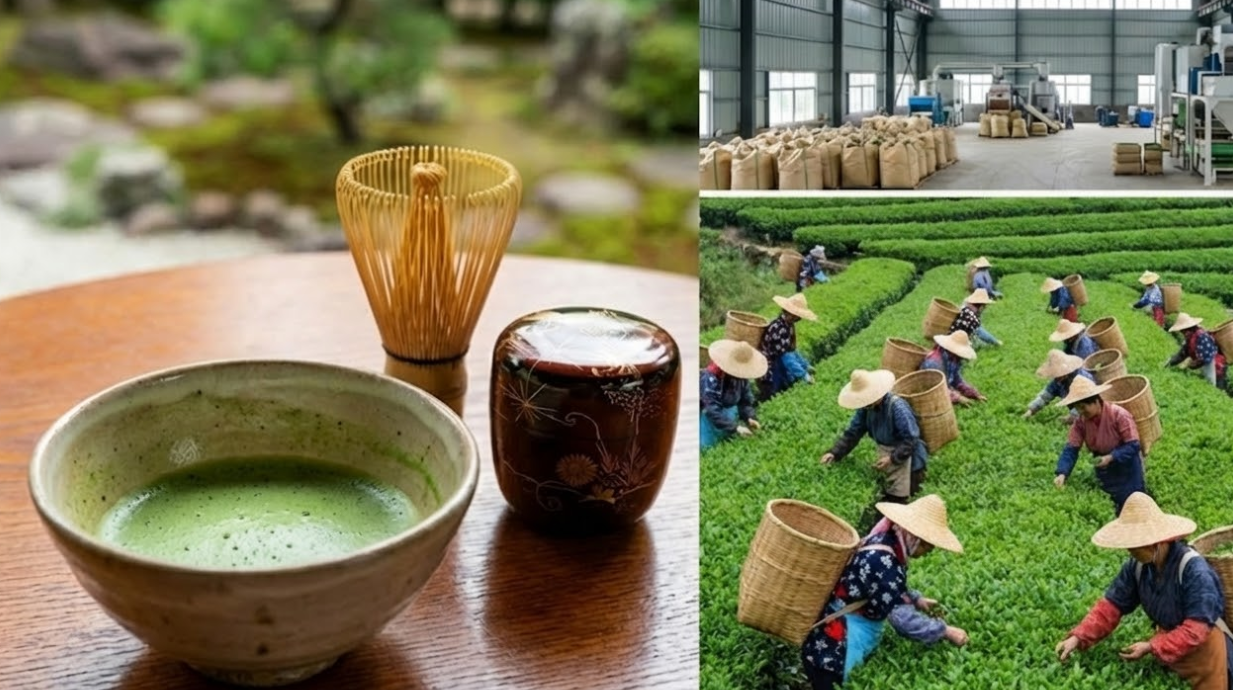
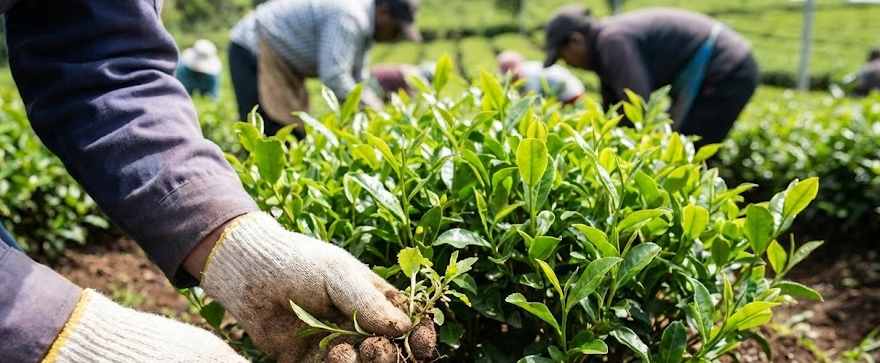
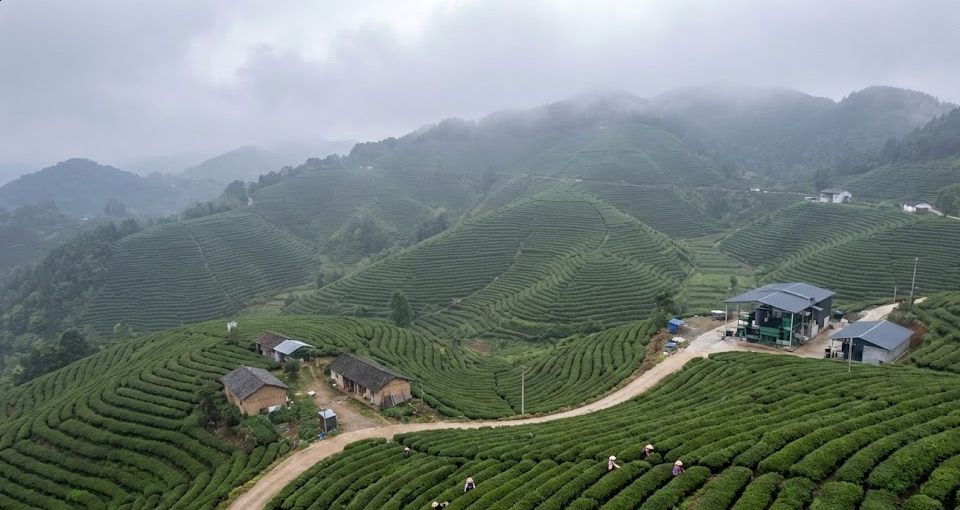
I sit in the control room of our 2,300-mu base in Anshun, watching containers ship to Europe and North America every week. The truth I see is completely different from the marketing stories you read online. What I know from the inside is that the global matcha export market is not what it seems. Let's break down who really controls the global matcha export market1, and what it means for your business.
If you are comparing China-based supply for cafés, distributors or food brands, start from our wholesale matcha from China page.
For 100kg+ industrial orders, MOQ and export packaging, visit our bulk matcha page.
For buyers who need to verify pesticide residues, heavy metals, microbiology and batch-level quality before export, our matcha COA and testing page explains what documents to check before confirming a supplier.
Is Japan the real king of matcha exports?
You believe Japan is the top matcha exporter because of its reputation and high prices. But that premium price2 often hides a supply chain secret3 that inflates your costs and limits your scale.
In terms of revenue, yes. Japan leads in export value by leveraging its cultural authority4 to command premium prices. However, a significant portion of this "Japanese" matcha is actually grown in China, then repackaged and marked up by Japanese trading companies.
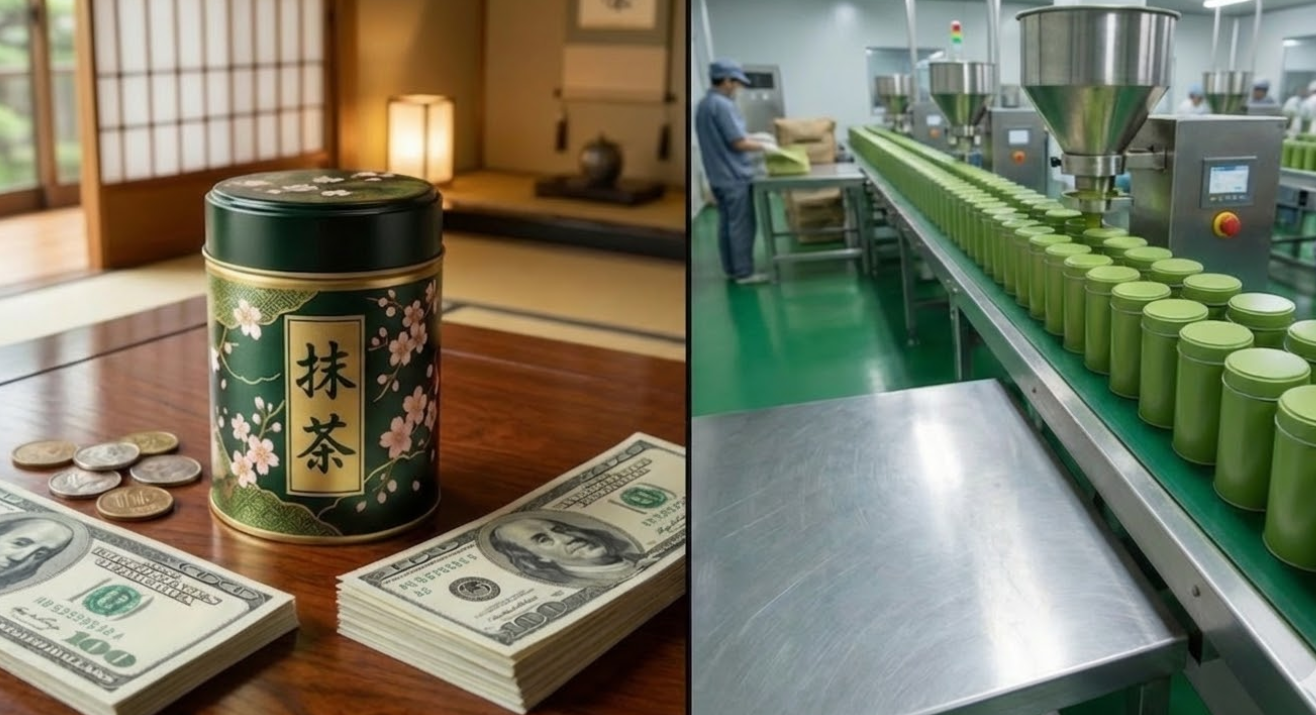
On paper, Japan is the world's top matcha exporter by "value." They have masterfully controlled the cultural narrative for centuries, linking matcha to Zen Buddhism, the tea ceremony, and the prestige of regions like Uji. This creates a powerful brand premium that buyers are willing to pay for. But here's a supply chain reality most international buyers miss: Japan physically lacks the land and farm labor to meet the explosive global demand. Their agricultural sector is characterized by small, family-owned plots and an aging workforce, making industrial-scale production at a competitive price impossible.
So, how do they fill the gap? Major Japanese trading companies have become experts in global sourcing. They quietly buy tons of high-grade, fully certified tencha, the raw leaf for matcha, from top-tier Chinese producers like us. We provide them with a product that has already passed the world's strictest organic and safety standards. They then ship it to facilities in Kyoto or Shizuoka, where it undergoes final milling and packaging. This allows them to legally use the coveted "Packaged in Japan5" label. It's not a "Product of Japan," a subtle but critical distinction. The final product is then sold to European and American markets at a markup that can easily exceed 400%. You are paying for a story and a Japanese address on the box, not necessarily a different origin for the tea itself.
The Japanese Repackaging Value Chain
| Step | Action | Cost Impact | Your Risk |
|---|---|---|---|
| 1. Sourcing | Japanese firm buys top-grade matcha from China | Base Cost | Opaque Origin |
| 2. Logistics | Shipped to Japan for processing/packaging | + Shipping/Tariffs | Added Time & Cost |
| 3. Branding | Labeled "Packaged in Japan" | + Massive Brand Premium | Paying for Marketing |
| 4. Export | Sold to US/EU markets | Final Price (up to 400% markup) | Reduced Profit Margin |
This model is brilliant for the trading companies, but for a brand looking to scale, it introduces unnecessary costs and a lack of transparency into your supply chain.
If you are building your own retail matcha brand instead of buying through layered trading companies, our private label matcha page covers custom packaging, label support, sample development and export-ready production.
If you are comparing China-based supply for cafés, distributors or food brands, start from our wholesale matcha from China page.
Many buyers think Chinese matcha is just cheap green tea powder. This outdated misconception causes them to overlook the true engine of the global supply, missing out on superior quality and stability.
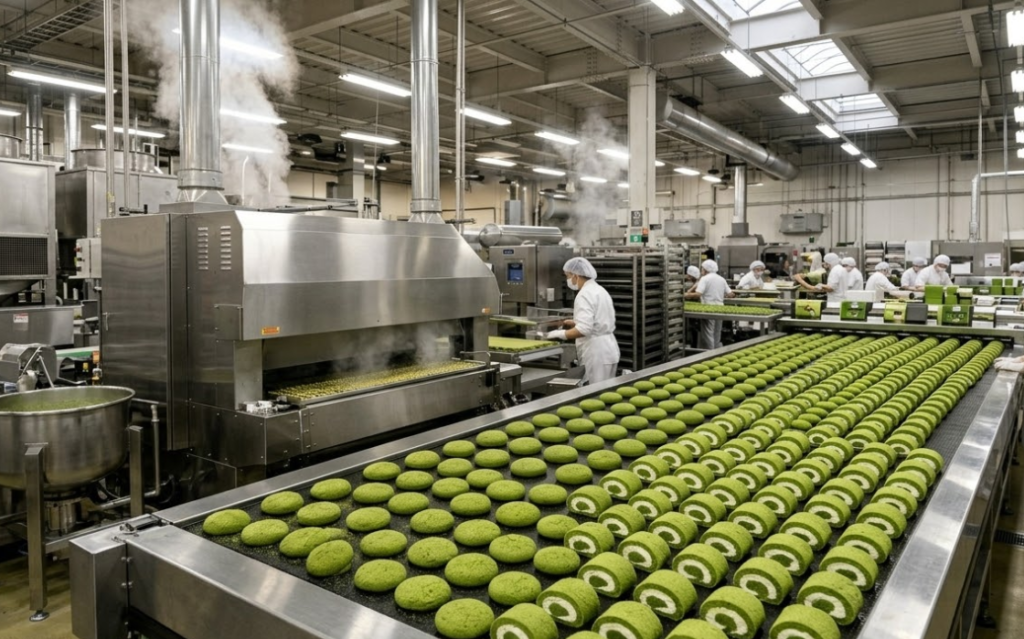
China is the world's largest matcha exporter by sheer volume (tons). Global food giants—from coffee chains to supplement brands—rely on China's massive, industrial-scale production6 capabilities, which Japan's small-farm model simply cannot match for scale or price.
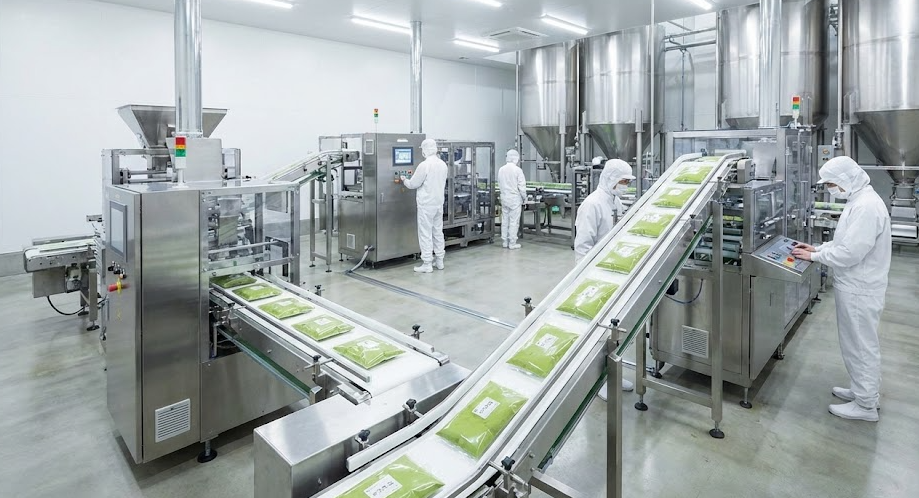
If you look purely at export tonnage, China is the undisputed champion. This isn't an accident. Global food industries—massive coffee chains with thousands of locations, multinational bakeries that need consistency in every batch, and functional food conglomerates launching new product lines—cannot run their businesses on Japan's fragmented, low-yield farm model. They require a level of scale, consistency, and price stability that only an industrial-grade supply chain can provide. That is the infrastructure we have spent over a decade building here in Guizhou.
However, a buyer needs to understand that China's huge export volume is brutally split into two completely different worlds. Navigating this is critical to your success.
The "Green Tea Powder" Trap
The vast majority of China's export volume, by weight, is still cheap "green tea powder." This is not true matcha. It's typically made from unshaded summer or autumn leaves from old tea regions, resulting in a yellowish, bitter powder. Light-asset traders, who often don't own a single tea plant or factory, list this on platforms like Alibaba. They compete only on price. Novice buyers, attracted by the incredibly low cost, fall into this trap. They receive a product with inconsistent color, a harsh taste, and a high risk of failing international food safety standards for pesticides or microbiology. This is the fastest way to ruin a product launch and your brand's reputation.
The Heavy-Asset Major Leagues
This is the battlefield where we, MatchaSourcing, compete. This is a game of heavy capital investment and extreme quality control. From our 2,300-mu single-estate base, we export premium matcha that is built to withstand the incredibly strict, random pesticide testing of the EU and USDA. We didn't just buy a grinder; we invested in custom shading structures, dedicated Japanese-style steam-fixing production lines7, and Class 100,000 cleanrooms for milling. Our on-site lab tests every single batch for 500+ pesticide residues. This commitment means we provide a product with the same vibrant green Lab* color values and high L-theanine concentration8 as Japan's finest ceremonial grades. We've achieved quality parity while offering absolute supply chain stability and traceability at an industrial scale. For our partners, this means their supply never runs dry, and their product is safe and consistent, every single time.
For 100kg+ industrial orders, MOQ and export packaging, visit our bulk matcha page.
For buyers comparing freight responsibility, customs handover and delivery terms, our matcha export shipping guide explains how Incoterms affect export cost and risk.
Conclusion
For a pretty can and a story, buy from Japan. For a stable, safe, and scalable supply chain, you must partner directly with a heavy-asset Chinese source factory9.
If you are comparing China-based supply for cafés, distributors or food brands, start from our wholesale matcha from China page.
For 100kg+ industrial orders, MOQ and export packaging, visit our bulk matcha page.
Need a Matcha Export Supplier for Wholesale or Bulk Orders?
Knowing which country exports the most matcha is useful, but for importers, distributors, cafés, and private label brands, the more important question is:
Which supplier can provide stable quality, matcha export documents, batch testing, flexible packaging, and reliable long-term supply?
If you are sourcing matcha for business use, China can be a practical option for large-volume supply. Compared with buying through multiple trading layers, working directly with a source factory can help reduce cost, improve traceability, and make quality control easier.
At MatchaSourcing, we support buyers who need:
- Wholesale matcha from China
- Bulk matcha powder for 100kg+ orders
- Private label matcha packaging
- Matcha for cafés and foodservice
- Matcha for beverage, bakery, and supplement products
- COA, pesticide residue testing, heavy metal testing, and batch documents
- Export-ready packaging and commercial supply support
Explore our sourcing pages:
If you are comparing Japan and China for matcha sourcing, or you need a stable supplier for wholesale, bulk, or private label projects, contact us for sample support and export guidance.
Request a Wholesale Matcha Quote
FAQ
What country exports the most matcha?
It depends on how you measure exports. Japan is usually stronger by export value because of its premium branding and higher prices. China is stronger by export volume because it supplies large quantities of matcha for food, beverage, wholesale, and industrial buyers.
Is Japan the largest matcha exporter?
Japan is a leading matcha exporter by dollar value. Japanese matcha has strong cultural authority and premium positioning. However, Japan has limited farmland and production capacity, so it cannot supply every part of the global commercial matcha market.
Why does China export so much matcha?
China has large tea-growing areas, scalable processing capacity, and a stronger cost structure for commercial production. This makes China suitable for bulk matcha, wholesale matcha, private label products, café supply, and food or beverage manufacturing.
Is Chinese matcha suitable for importers and distributors?
Yes, Chinese matcha can be suitable for importers and distributors when the supplier can provide stable grades, batch consistency, COA, pesticide residue testing, heavy metal testing, microbiology testing, and export documentation.
Should I buy matcha from Japan or China?
It depends on your product positioning. Japanese matcha may be suitable for premium ceremonial products and high-end branding. Chinese matcha can be more suitable for wholesale supply, bulk orders, private label projects, cafés, beverage brands, and food manufacturers.
What should B2B buyers check before importing matcha?
B2B buyers should check the supplier’s COA, pesticide residue report, heavy metal test, microbiology test, grade specification, MOQ, packaging options, export documents, and batch traceability before placing a bulk order.
Understand the dynamics and key players in the global matcha export market to make informed business decisions. ↩
Learn about the factors contributing to matcha's premium pricing, including branding and sourcing practices. ↩
Uncover hidden aspects of the matcha supply chain that affect costs and transparency for buyers. ↩
Explore how Japan's cultural ties to matcha enhance its market value and influence global perceptions. ↩
Understand the significance of the 'Packaged in Japan' label and its impact on matcha product pricing and perception. ↩
Find out how industrial-scale production in China supports large-scale matcha supply and meets global demand. ↩
Discover how Japanese-style steam-fixing production lines contribute to matcha quality and consistency. ↩
Understand the significance of L-theanine concentration in matcha and its impact on product quality. ↩
Explore the advantages of partnering with heavy-asset Chinese factories for stable and high-quality matcha supply. ↩