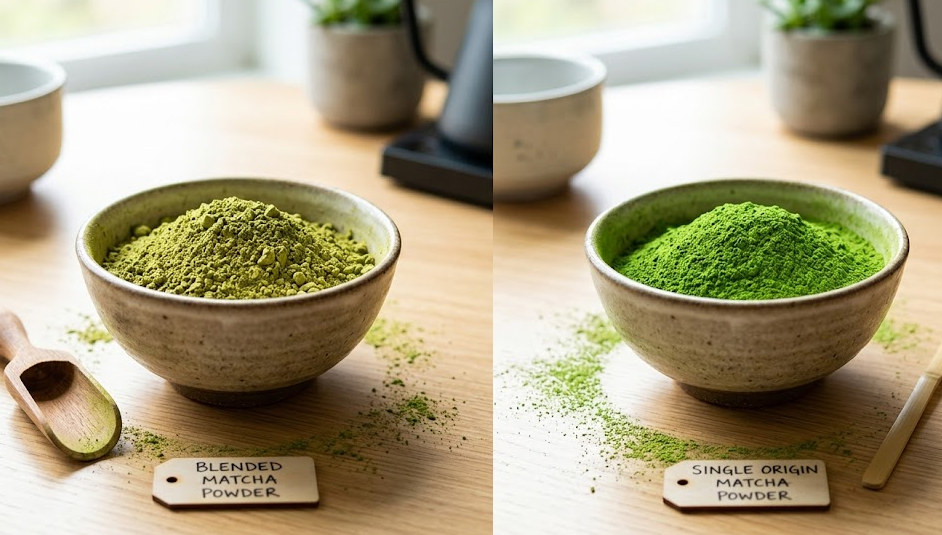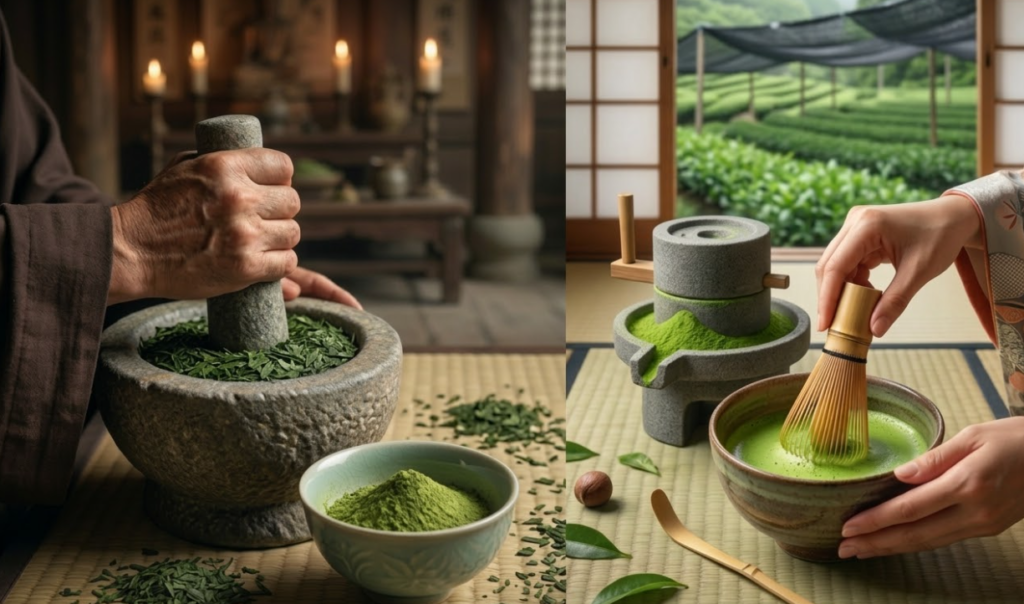
Are you confused about where to source your matcha? You want the best quality, but the "Japanese vs. Chinese" debate is noisy. This uncertainty can make choosing a supplier feel risky.
The best matcha for your business depends on verified quality1, supply stability2, and transparency 3, not just a country label. Many "Japanese" brands rely on high-quality raw materials imported from China, where ideal growing conditions and modern technology produce world-class matcha.
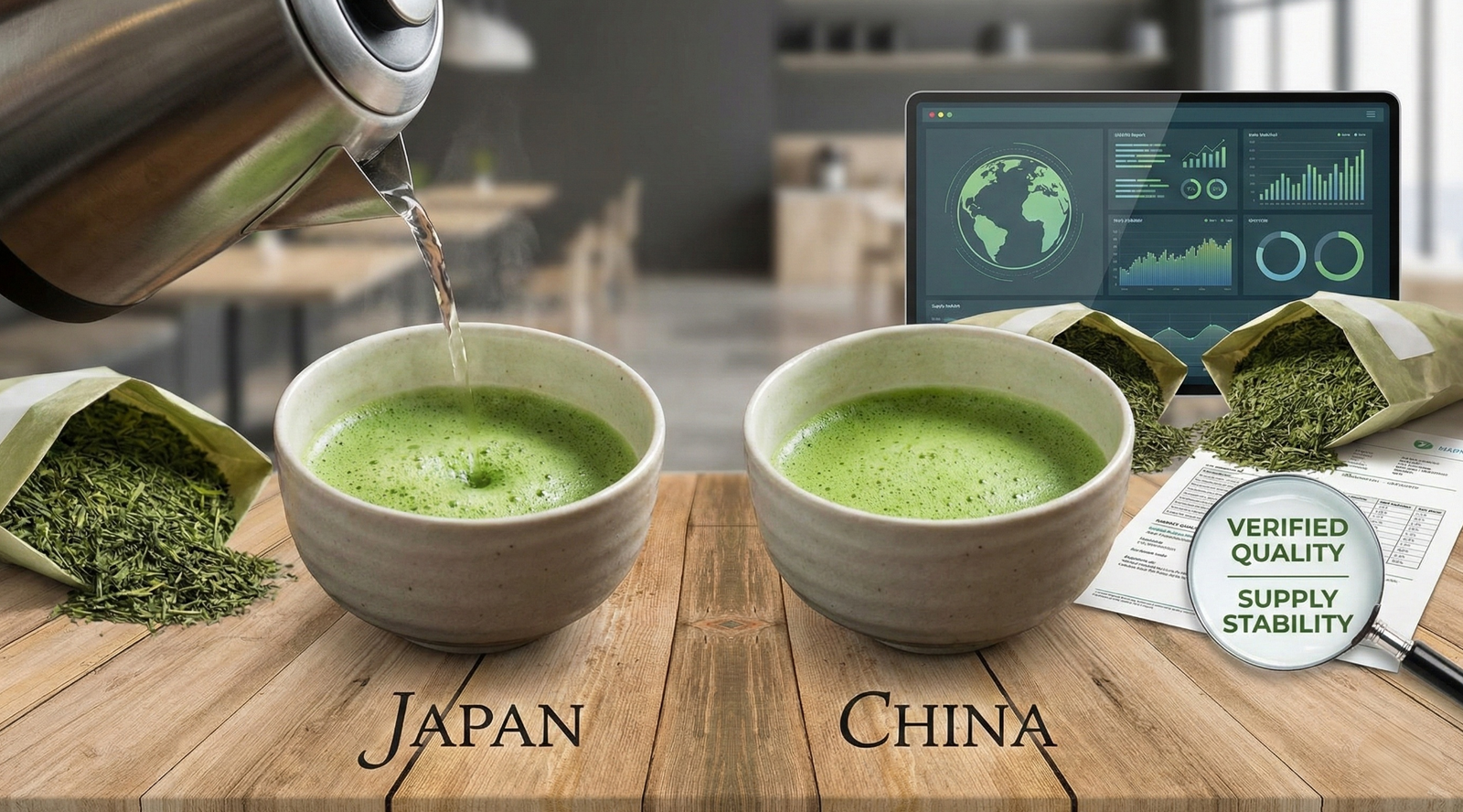
The global matcha market4 is full of surprises. For years, Japan has been the face of premium matcha. Most people believe that to get the best, you must buy Japanese. But the reality of global agriculture and trade tells a different story. The answer to "which is better" is not as simple as picking a country. Let's look at the facts behind the labels, the farms, and the supply chains. This will help you make a truly informed choice for your business.
Is All 'Japanese' Matcha Actually From Japan?
Your brand needs authentic, high-quality matcha. You believe paying a premium for "Japanese" matcha guarantees it was grown in Japan. But this assumption could mean you are overpaying for a product with a complex, non-transparent origin.
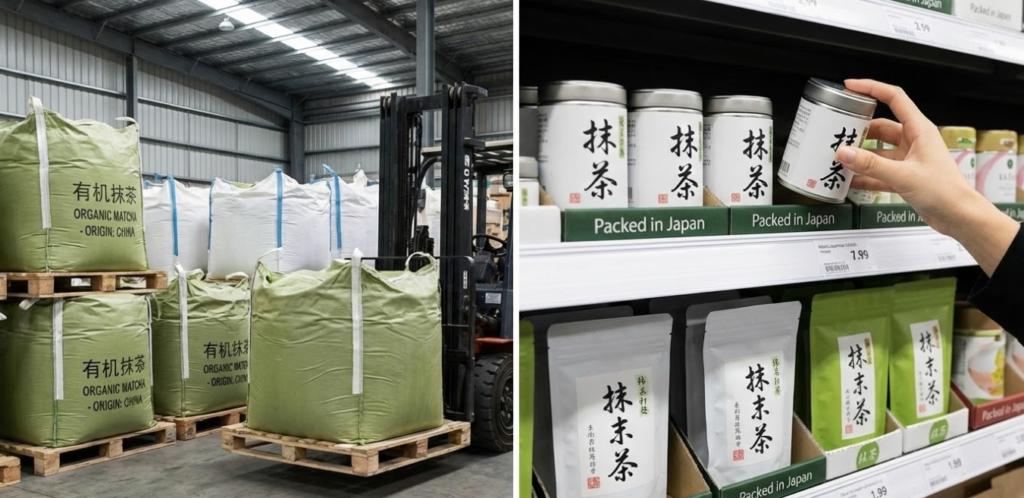
No, not all matcha labeled "Product of Japan5" is grown there. Japan has limited land for tea cultivation and cannot meet global demand alone. It imports large quantities of tencha—the raw material for matcha—from China, processes it domestically, and then labels and exports it as Japanese matcha.
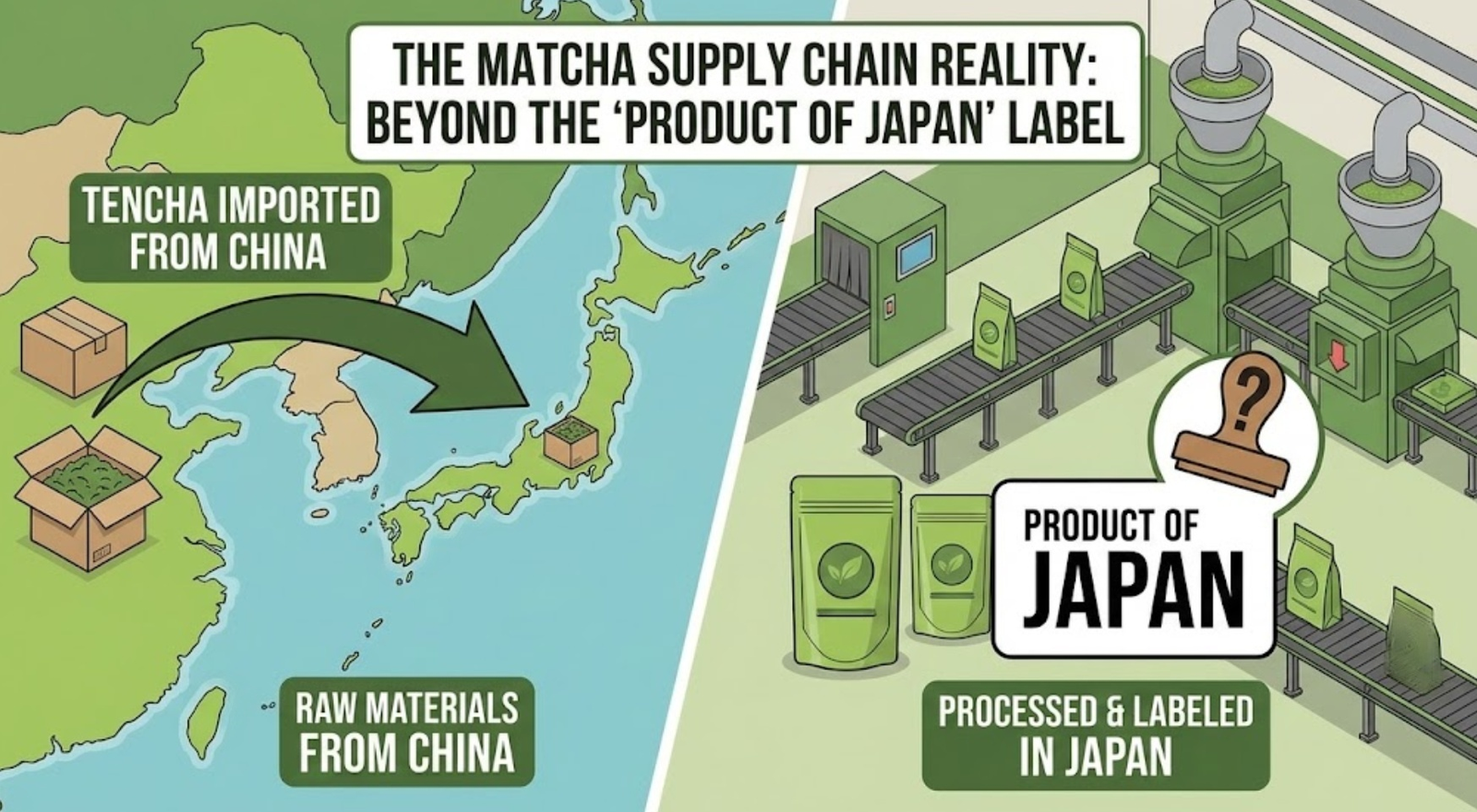
This practice is very common in the industry. Japan simply does not have enough farmland to satisfy the world's growing appetite for matcha. To solve this, Japanese companies have looked for partners who can grow high-quality tea leaves at scale. They found those partners in China. We have been in this industry since 2007 and have seen this trend grow firsthand. Japanese buyers are some of the most demanding in the world. They would not import raw materials from China if the quality was not excellent. Our own journey involved upgrading our farms and factories to meet these exact standards. We had to prove that our tea from Guizhou could compete with and even surpass their domestic quality. The fact that Japan is a major importer of Chinese tencha is the ultimate proof of quality.
| Factor | Japan | China |
|---|---|---|
| Arable Land | Limited, high cost | Abundant, especially in tea regions |
| Production Scale | Niche, high-end focus | Large-scale, industrial capacity |
| Global Demand | Exceeds domestic supply | Primary supplier for global market |
| Sourcing Practice | Imports raw tencha | Exports raw tencha and finished matcha |
This relationship shows that quality is not tied to a single country. It is tied to expertise, technology, and terroir. Chinese tea farms, especially in high-altitude regions like Guizhou, have become essential to the global matcha supply chain, including Japan's.
Does Guizhou, China, Produce Matcha as Good as Japan's?
You might be skeptical. Can matcha from a place like Guizhou, China, really compete with the famous tea fields of Uji, Japan? This doubt could cause you to overlook a stable, high-quality, and cost-effective supply partner.
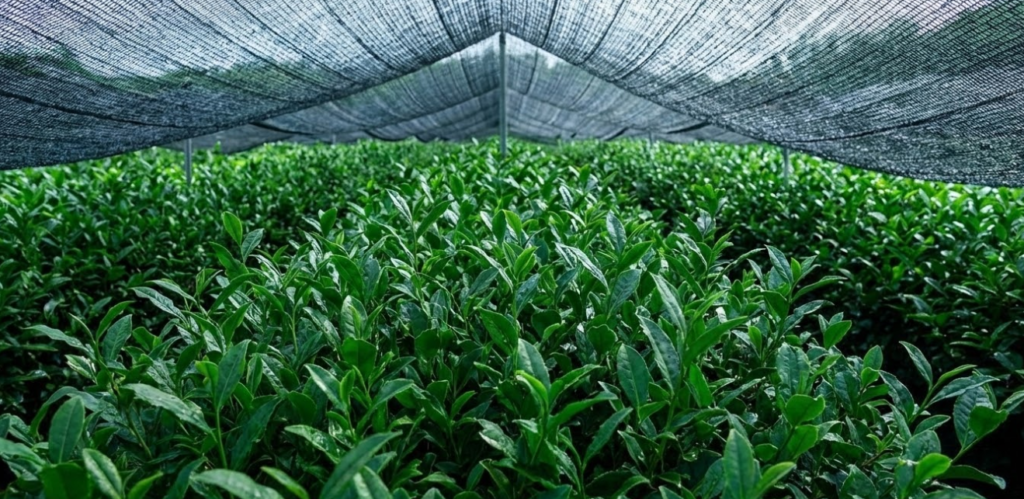
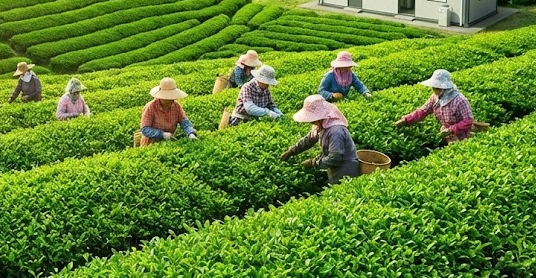
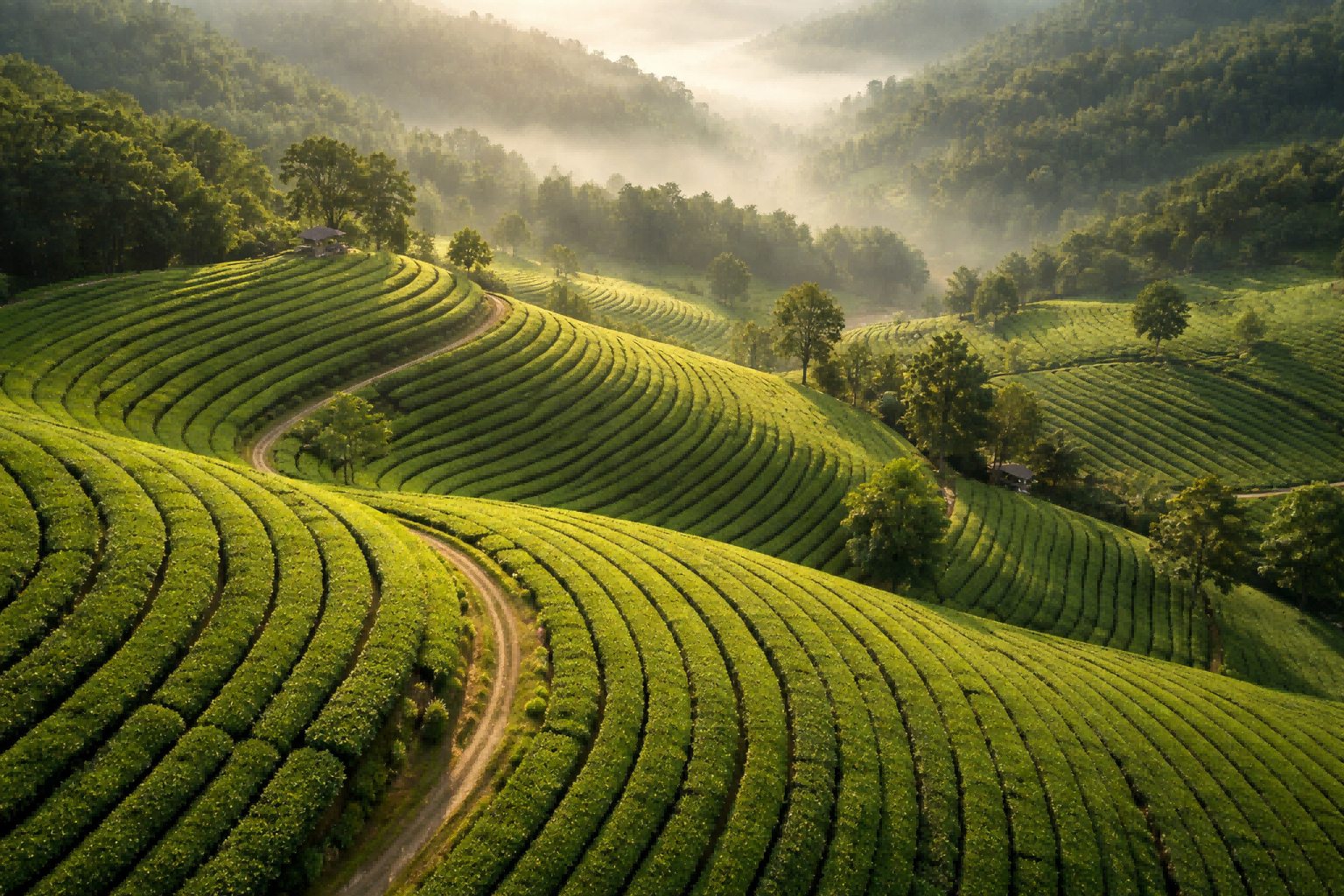
Yes, matcha from Guizhou is not only as good as Japanese matcha, but its unique environment often gives it a superior profile. The high-altitude mountains6, clean air, and rich soil create ideal conditions for growing tea leaves with vibrant color and a smooth, umami flavor.
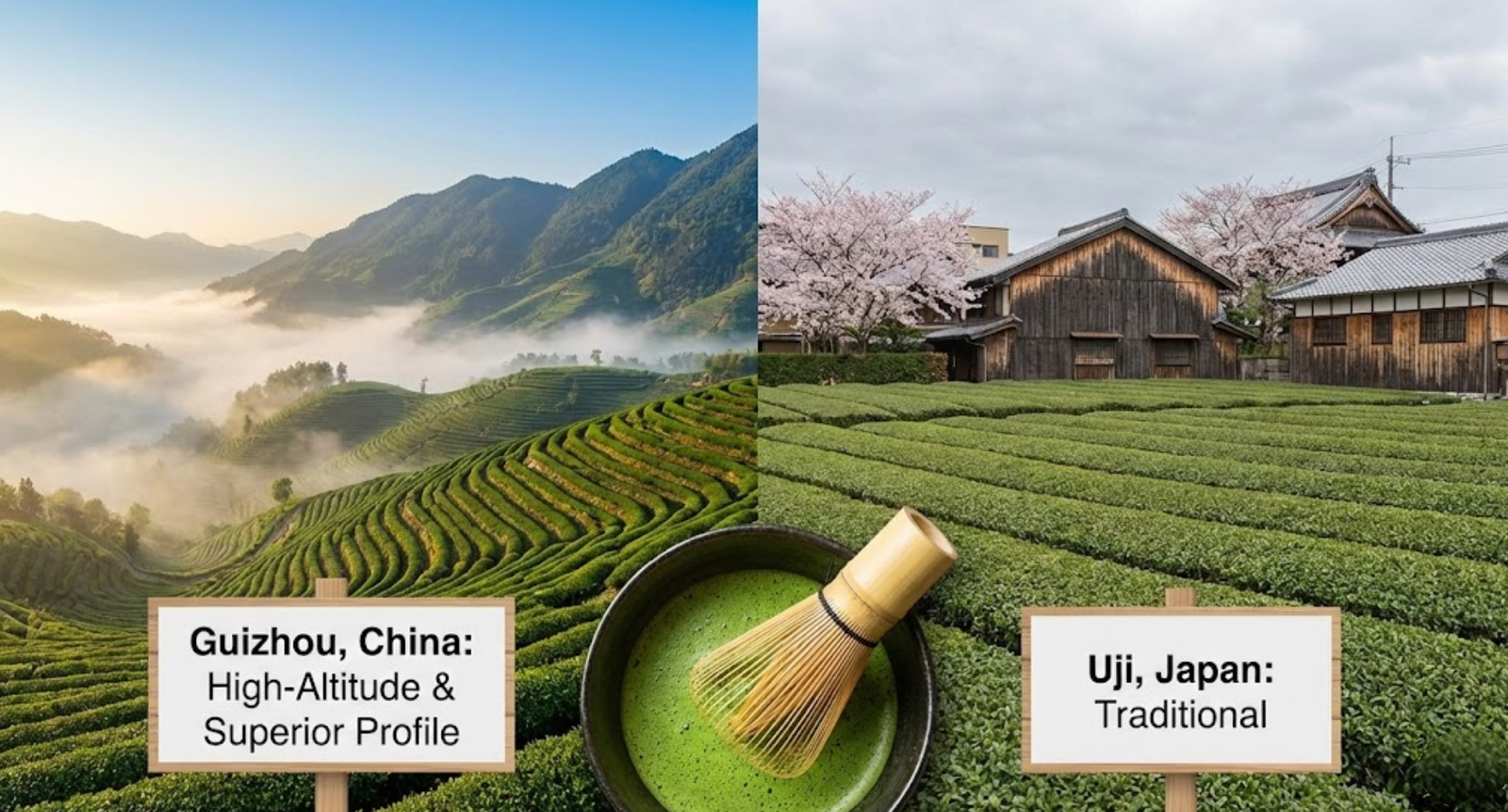
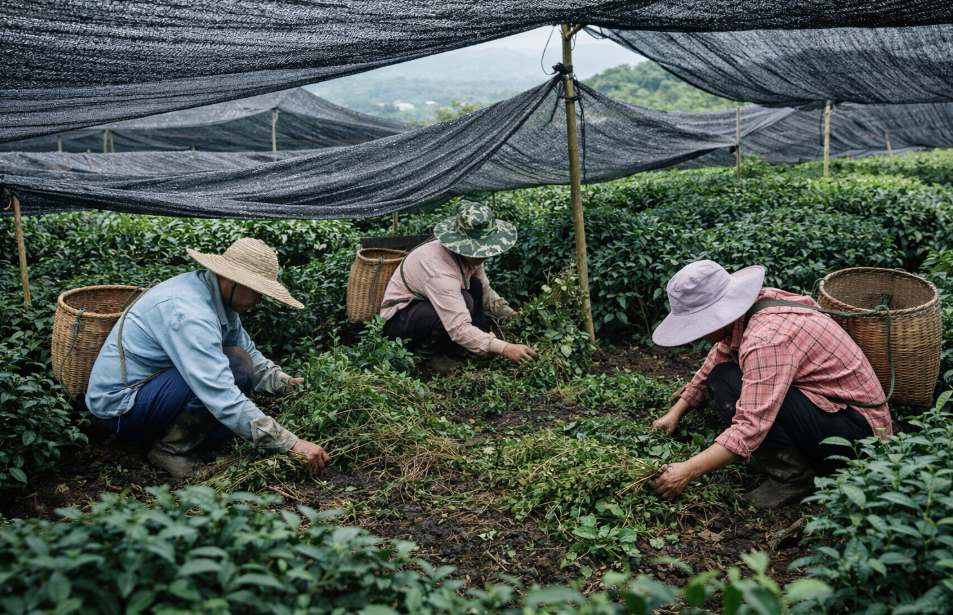
The secret to great matcha starts with the environment, or terroir. Our tea gardens are located on the Guizhou plateau7, at altitudes over 1,000 meters. This environment is a key advantage.
The Power of High Altitude
High altitude means lower temperatures and more cloud cover. This natural shading forces the tea plants to produce more chlorophyll as they reach for sunlight. This results in a brighter, more vibrant green color in the final powder. The stress also encourages the plant to produce more L-theanine8, an amino acid responsible for the savory, umami flavor and calming effects of good matcha. At the same time, it reduces the formation of catechins, which cause bitterness. The result is a matcha that is naturally sweet, smooth, and vividly green.
Technology and Expertise
Of course, great leaves are only half the story. We have invested heavily in technology to match and exceed international standards. Our processing lines include equipment for steaming, drying, and milling that is on par with top Japanese facilities. We have 11 production lines to handle everything from tencha to finished matcha, ensuring complete control over quality. We also hold multiple international certifications, including EU Organic, JAS (Japan Organic), and Rainforest Alliance9. These are not just papers on a wall; they are proof that our farming and production methods are audited and approved for the world's strictest markets.
| Quality Factor | Typical Japanese Farm | Matcha Sourcing |
|---|---|---|
| Altitude | Varies, often lower elevations | Consistently high (1,000m+) |
| Flavor Profile | Known for umami | High umami, low bitterness |
| Color | Deep green | Vibrant, bright green |
| Certifications | JAS, some organic | JAS, EU Organic, China Organic, Rainforest Alliance9 |
Our matcha is not just "good for Chinese matcha." It is world-class matcha, period. It stands up to the toughest quality tests from global partners, including those in Japan.
How Does Supply Chain Stability Compare?
Your business needs a steady supply of matcha. You cannot afford stockouts or inconsistent quality from batch to batch. Relying on a fragmented supply chain10 can expose you to price spikes and delivery delays, especially during peak seasons.
Chinese matcha suppliers with integrated operations11 offer superior supply chain stability. By managing the entire process from farm to export, we provide year-round availability, consistent quality, and protection from the market volatility that can affect smaller, single-origin producers.
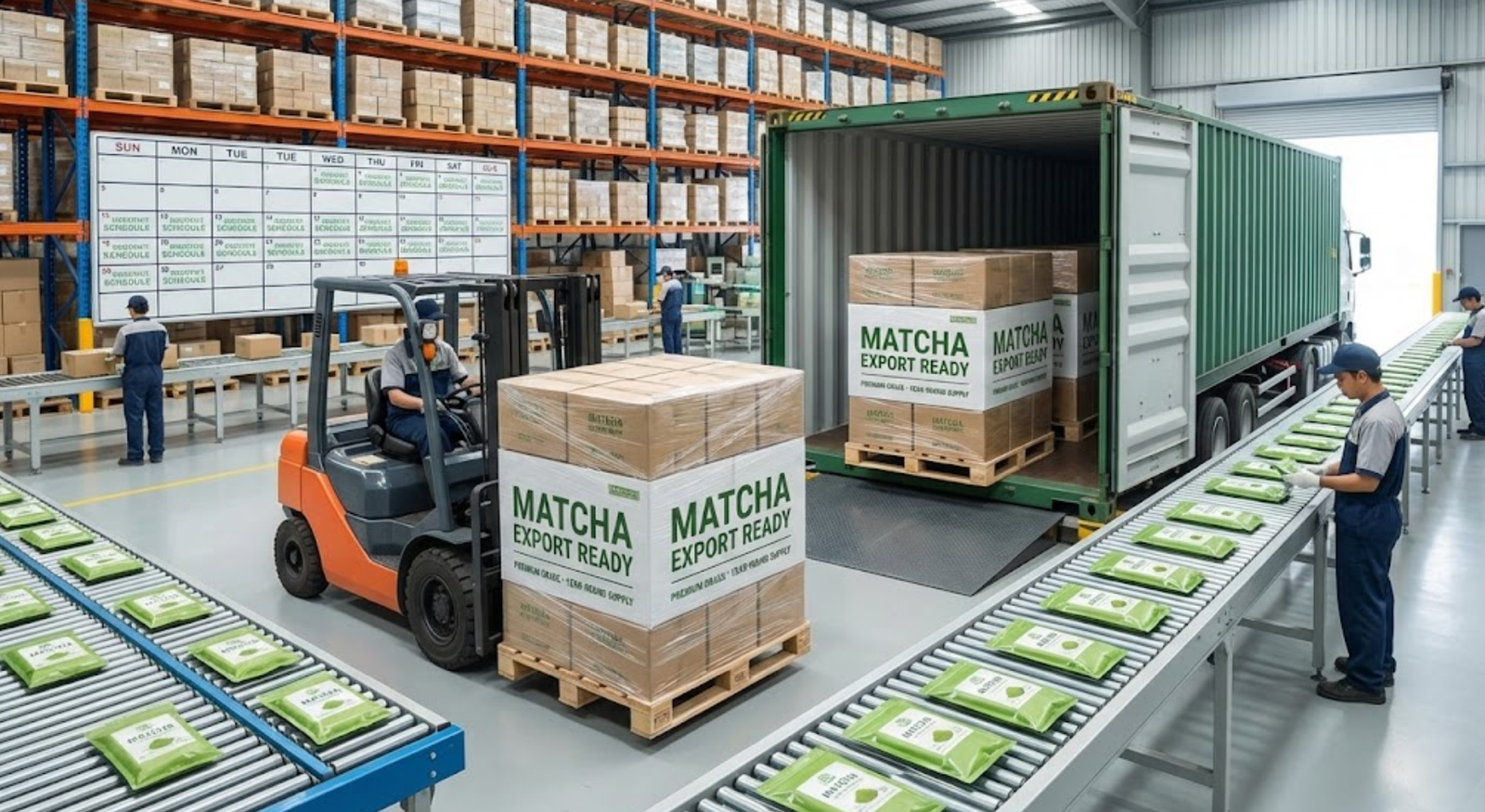
A strong supply chain is the foundation of a successful product line. Here at Matcha Sourcing, we built our business around the concept of "full supply-chain, one-stop management." This gives our partners a significant competitive advantage.
Year-Round Production
Many specialty matcha operations focus only on the first spring harvest. This creates scarcity and high prices. We have developed a multi-season utilization model12. We harvest high-quality leaves in the spring, summer, and autumn. This allows us to offer a wide range of grades for different applications—from ceremonial to culinary—all year long. Our annual output of over 1,000 tons means we can handle large orders without sacrificing quality or consistency.
Unbreakable Traceability
Our customers operate in markets with strict regulations. They need to know where their ingredients come from. We implemented a scientific traceability system13 that covers every step. We track everything from the inputs used in our 2,300+ mu of organic tea gardens to the final packaged product. Every batch has a clear origin, allowing for easy audits and giving you and your customers total peace of mind. This level of control is only possible because we own and manage the entire chain.
| Supply Chain Factor | Fragmented Model (Common in Japan) | Integrated Model (Matcha Sourcing) |
|---|---|---|
| Scale | Small, independent farms | Large-scale, owned gardens |
| Harvesting | Often spring-only | Multi-season (Spring, Summer, Autumn) |
| Consistency | Varies between suppliers | High consistency across batches |
| Traceability | Complex, involves multiple parties | Simple, end-to-end control |
When you partner with us, you are not just buying matcha. You are securing a stable, transparent, and reliable component of your business. That stability is what allows you to grow with confidence.
Conclusion
The best matcha comes from the best-managed sources. High-quality Chinese matcha from Guizhou offers a world-class product with the supply chain stability your business needs to thrive.
Understanding the criteria for verified quality ensures you choose matcha that meets high standards, enhancing your product's reputation and customer satisfaction. ↩
Exploring supply stability helps you avoid disruptions and maintain consistent product availability, crucial for business success. ↩
Transparency in sourcing builds trust with consumers, ensuring they know the origin and quality of the matcha they purchase. ↩
Staying informed about global market trends helps you adapt to changes and seize opportunities in the matcha industry. ↩
Understanding labeling practices ensures you are not misled by marketing and can make informed purchasing decisions. ↩
Understanding the impact of altitude on matcha quality helps you appreciate the benefits of sourcing from specific regions. ↩
Exploring the Guizhou plateau's unique environment reveals why it produces high-quality matcha, offering a competitive edge. ↩
Learning about L-theanine enhances your knowledge of matcha's health benefits and flavor profile, appealing to health-conscious consumers. ↩
Rainforest Alliance certification indicates sustainable practices, appealing to eco-conscious consumers and enhancing brand image. ↩
Identifying supply chain risks helps you mitigate potential disruptions and maintain consistent product quality. ↩
Integrated operations ensure reliable supply and consistent quality, supporting business growth and customer satisfaction. ↩
Understanding this model ensures year-round availability and variety, catering to diverse consumer needs and preferences. ↩
Traceability systems provide transparency and accountability, crucial for meeting regulatory standards and consumer trust. ↩