Struggling to understand matcha's true origin? This confusion can make choosing the right supplier a real challenge. Let's clear up this history for your business.
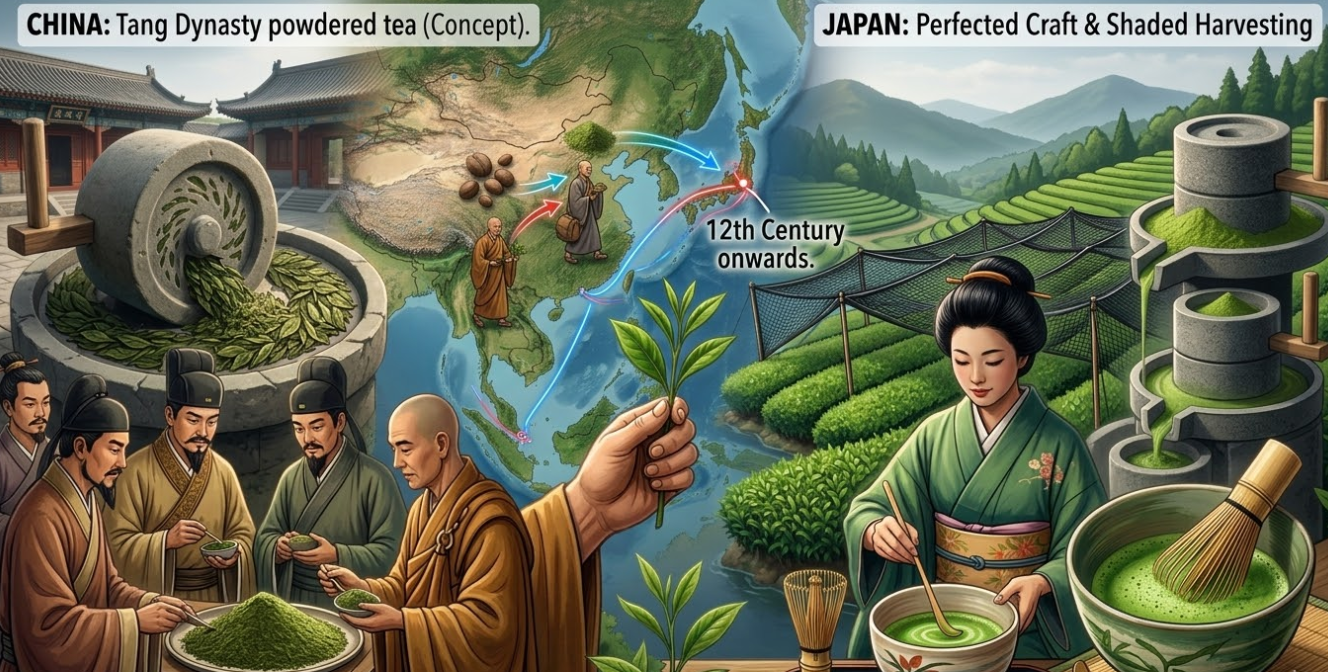
Matcha's concept began in Tang Dynasty China1 with powdered tea. However, modern matcha, defined by its unique shade-growing and processing methods, was perfected and elevated into an art form in Japan. The idea is Chinese; the craft is Japanese.
I get asked this question all the time by major international clients. They want to know the real story. I usually pour them a cup of matcha latte, made with powder from our own base in Anshun, and I start telling them about this thousand-year journey of a supply chain. I never hide from the truth, because the full story is what really matters for your business today. It's a fascinating history, and it directly impacts the choices you have to make as a brand.
So, China invented the idea but Japan perfected the soul?
You hear conflicting stories about where matcha comes from. This makes it hard to trust what you're buying. Here is the simple, honest truth you need.
Yes, that's exactly right. Chinese monks first powdered tea for a ritual called "dian cha." A Japanese monk later brought this practice to Japan, where centuries of agricultural innovation, especially shade-growing, created modern matcha's unique character and soul.
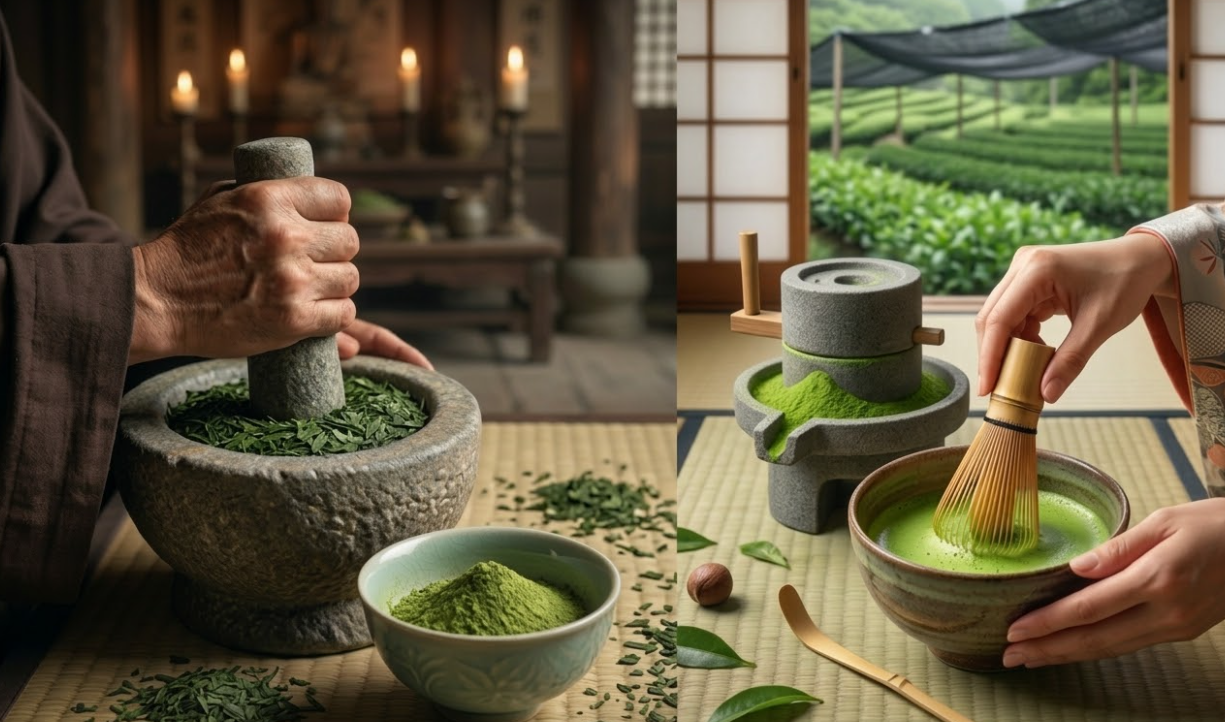
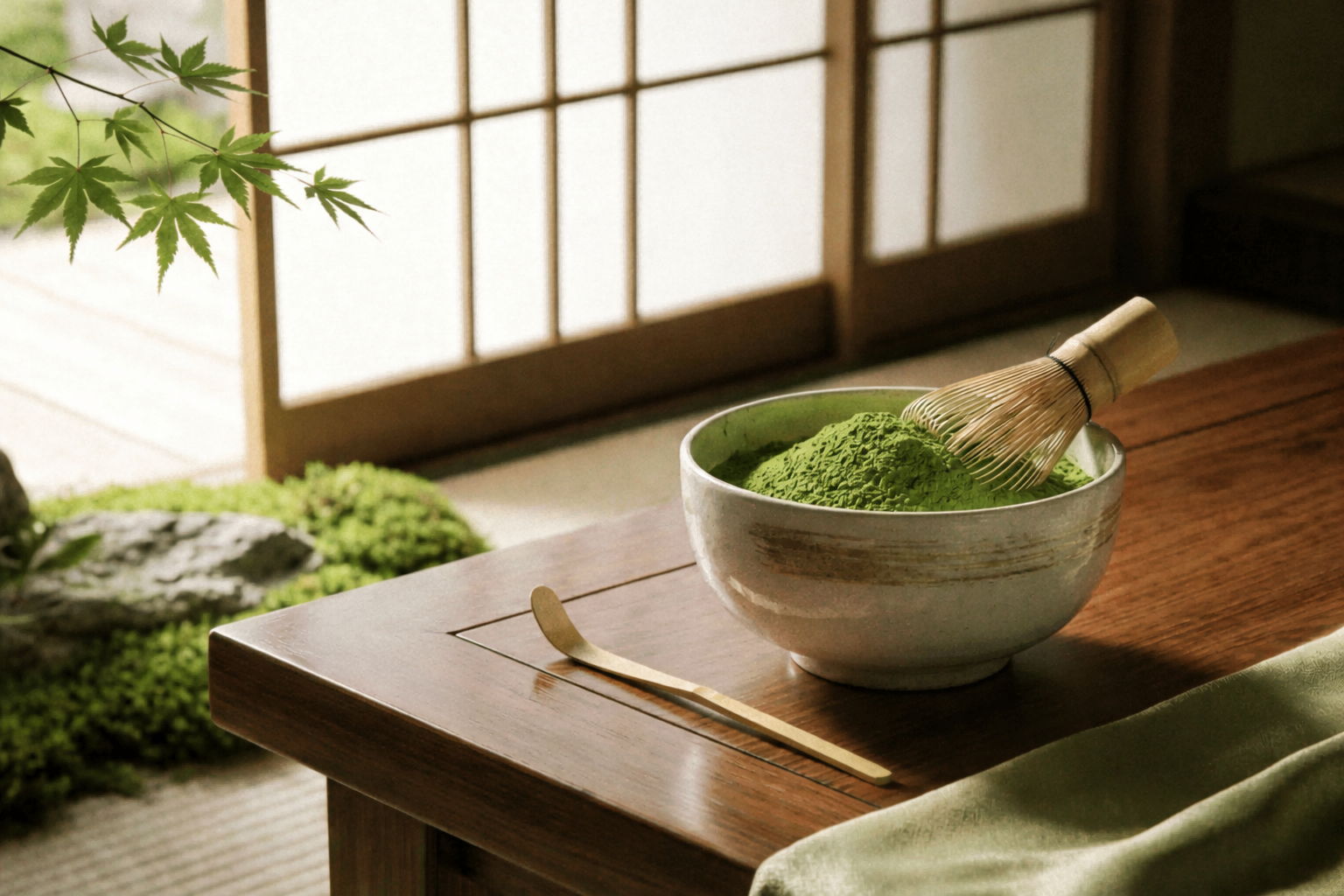
I am always honest with my clients about this. The original concept of grinding tea into a fine powder for drinking was indeed invented by my ancestors in China. Back in the Tang and Song dynasties, this was called "dian cha2." It was a popular practice among scholars and monks who would whisk the tea powder with a bamboo whisk to create a thick, frothy beverage. It was a true art form.
However, things changed. By the time the Ming Dynasty came around, the mainstream method of tea consumption in China shifted to steeping loose-leaf tea. The old, complex art of "dian cha" was almost completely lost here.
But the story didn't end. In 1191, a Japanese monk named Eisai brought both tea seeds and the "dian cha" method back to Japan. The Japanese people didn't just preserve this tradition; they became obsessed with perfecting it. Over centuries, they developed the single most important technique that defines modern matcha: "shade-growing." This is what gives matcha its soul.
| Era/Dynasty | Location | Key Development |
|---|---|---|
| Tang/Song | China | Invention of "Dian Cha" (powdering and whisking tea). |
| Kamakura Period | Japan | Monk Eisai introduces tea seeds and "dian cha" to Japan. |
| Muromachi Period3 | Japan | The Japanese Tea Ceremony4 ("Cha-no-yu") develops around matcha. |
| Edo Period | Japan | Perfection of "shade-growing" to increase L-theanine and chlorophyll. |
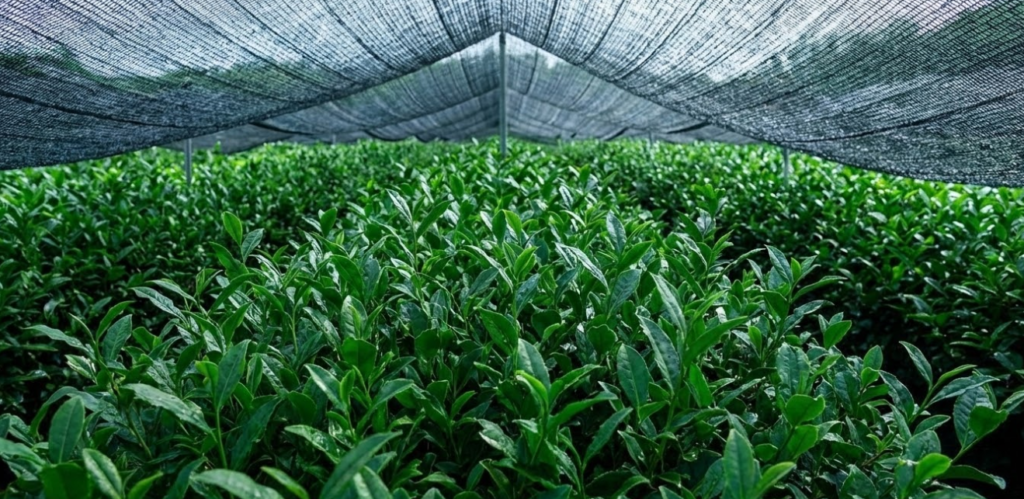
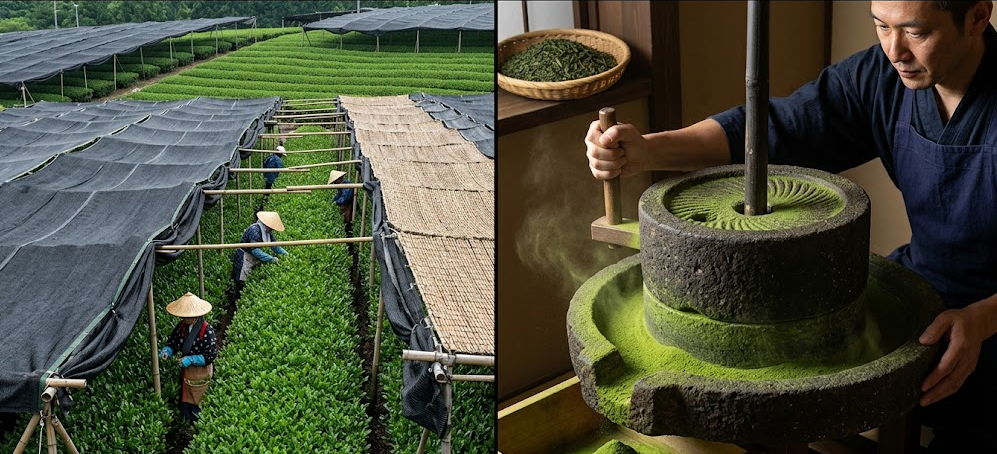
This agricultural science is the key. By covering the tea plants with nets for several weeks before harvest, you cut off direct sunlight. This forces the plant to produce a huge amount of chlorophyll5 and L-theanine6. That process is what creates the iconic bright green color and the deep, savory umami flavor that we all associate with high-quality matcha today. So the concept is from China, but the soul of modern matcha was born in Japan.
If Japan is the gold standard, why should I buy from China?
You want authentic, high-quality matcha for your brand. You naturally think Japan is the only source. But this common assumption could be limiting your business's growth and safety.
Because the future of large-scale, certified organic matcha supply is in China. Japan's industry faces critical physical limits: small, fragmented farms and an aging workforce. They struggle to meet the massive, consistent, and strictly-audited demands of global brands.
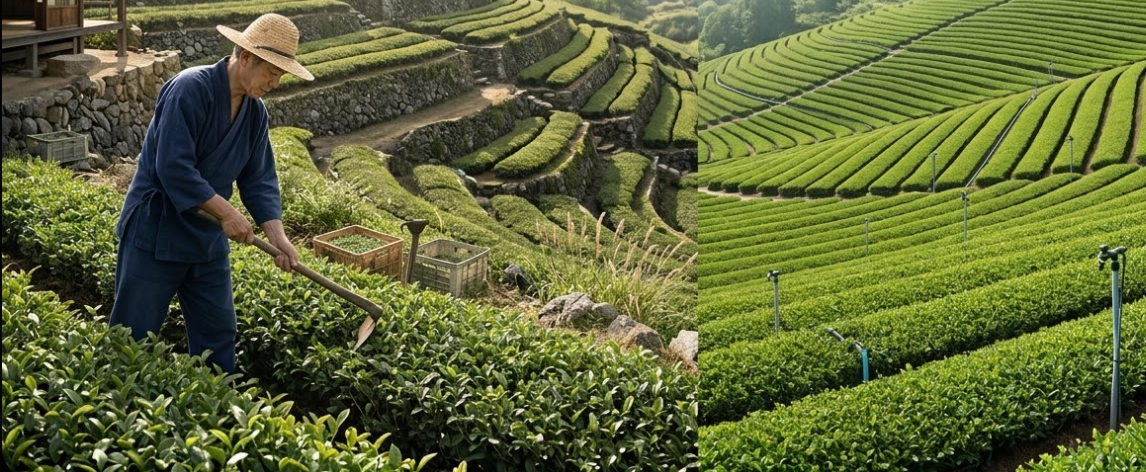
This is the part of the conversation I enjoy the most. When a client asks this, it means we can move from history to the practical reality of running a global business in the 21st century. I usually slide my thick binder of EU Organic and USDA Organic certification7s across the table. The history belongs to Japan, but the future of the bulk supply chain belongs to China.
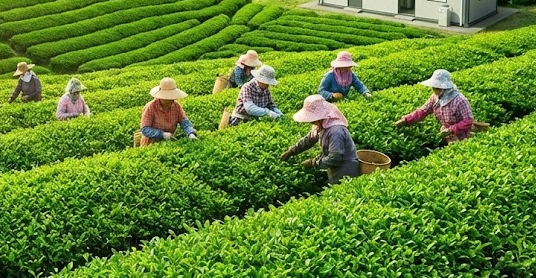
This isn't a matter of opinion; it's a matter of physics. Japan's tea industry is a beautiful tapestry of countless small, family-owned plots. This model is fantastic for producing small batches of artisanal tea, but it simply cannot support the needs of a major international coffee chain that needs hundreds of tons of matcha with zero pesticide residue. It is incredibly difficult to guarantee that level of consistency, traceability, and compliance when your raw material comes from hundreds of different small growers. Each one has slightly different methods and inputs. This is why the pendulum of history is swinging back to China. Only large, modern, single-origin farms like ours can meet the global demand for matcha that is both high-quality and verifiably clean.
Are you just copying the Japanese model then?
You might worry that "Made in China" means a cheaper, lower-quality copy. This fear might cause you to overpay for a product that isn't actually safer or better.
We are not copying; we are re-engineering the supply chain. We combine China's pristine, high-altitude land8 with a one-to-one replication of top-tier Japanese processing technology9. We are built to handle the global production shift10 that is already happening.
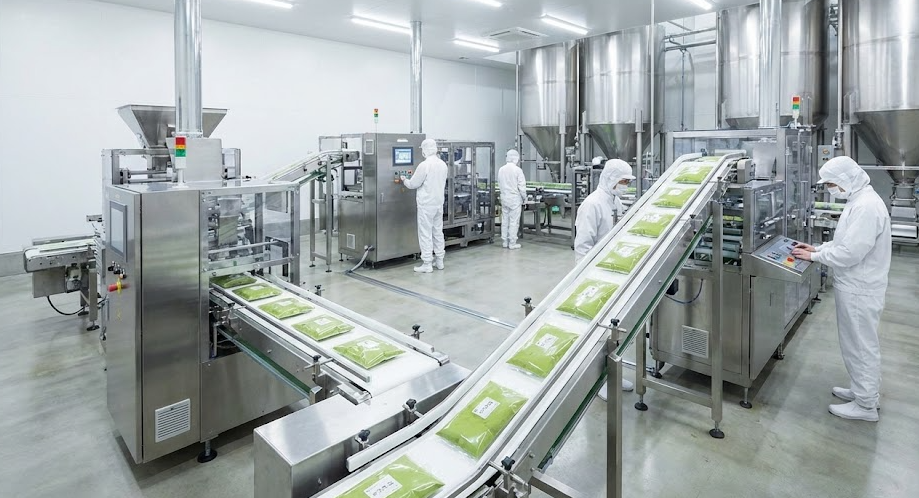
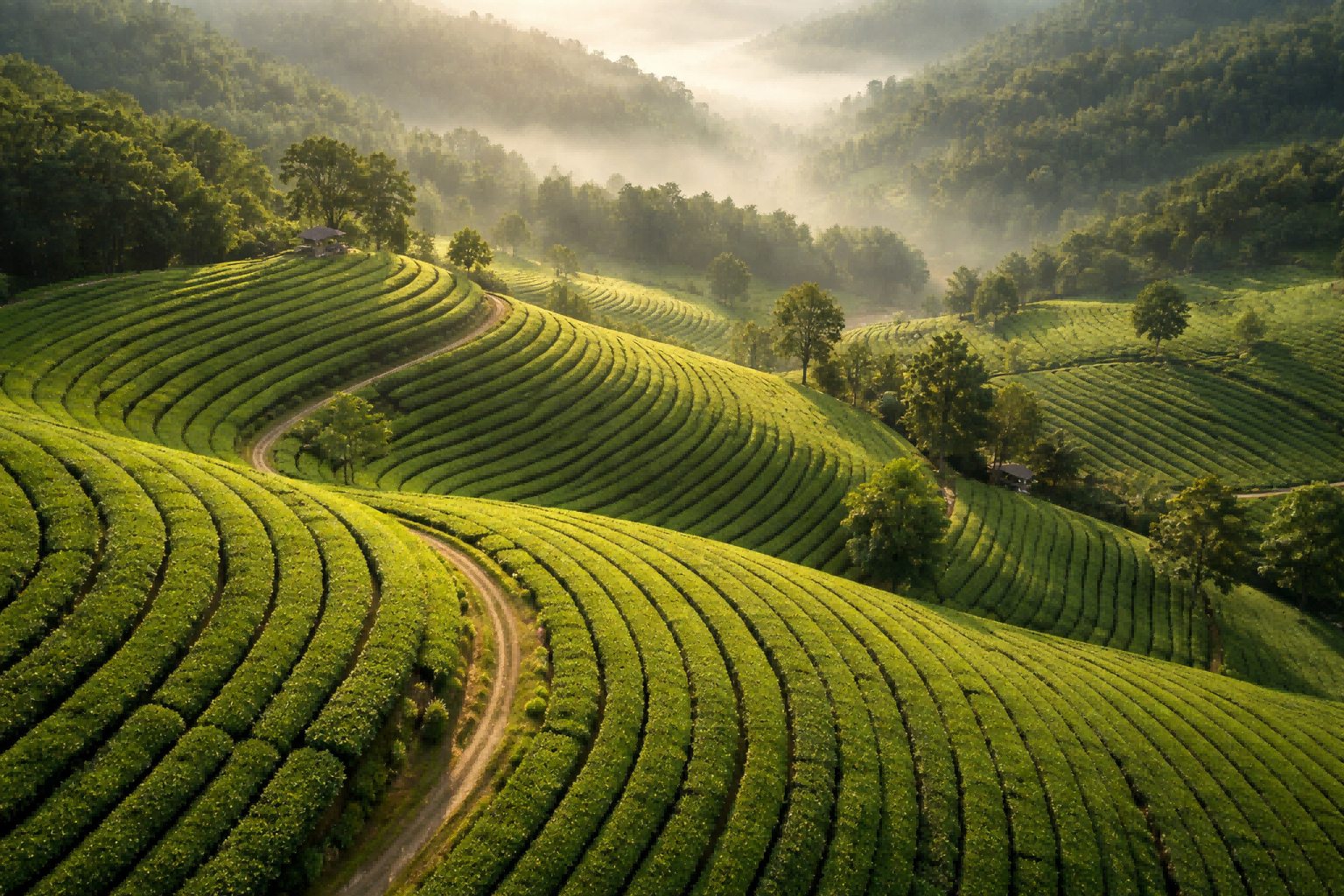
This question gets to the very core of why I invested my entire life into building our base deep in the mountains of Guizhou. I saw this global supply chain shift coming years ago. We are not in the business of making a "knock-off" product. We are in the business of building the next generation of matcha production. Our strategy is very deliberate, and I explain it as: "Pristine Chinese Origin + Elite Japanese Process."
When you sit at my negotiating table, you are not just getting a lower price because it's "Made in China." You are getting a comprehensive solution that many of the biggest Japanese suppliers struggle to offer. We have the clean environment, the large scale, and the single-point-of-control that modern international food safety11 standards demand. Then, we invested heavily in the exact same equipment you would find in Uji, Japan—from the imported steam-fixing lines to the ten-thousand-grade dust-free, climate-controlled grinding rooms. We are giving our clients the best of both worlds: the pristine terroir12 and scale of China, combined with the proven technology and quality standards of Japan.
What makes your supply chain better for my brand?
You need a supplier who does more than just sell you a powder. You're worried about food safety, product consistency, and getting locked into a bad deal with a supplier.
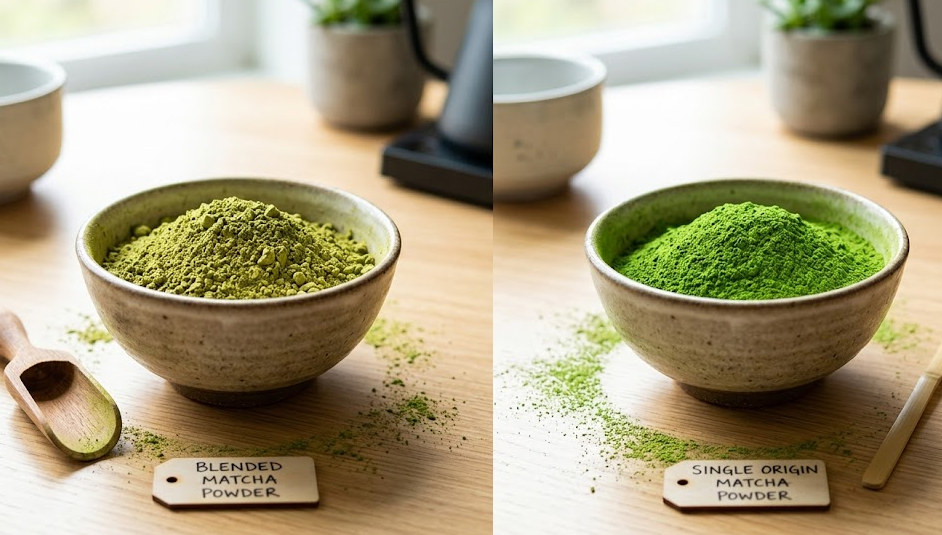
I offer four key advantages that I call my "four aces": absolute food safety from a single estate13, a private R&D lab14 for custom blends, aggressive pricing that beats the "Japan premium," and a true partnership model15 that grows with you.
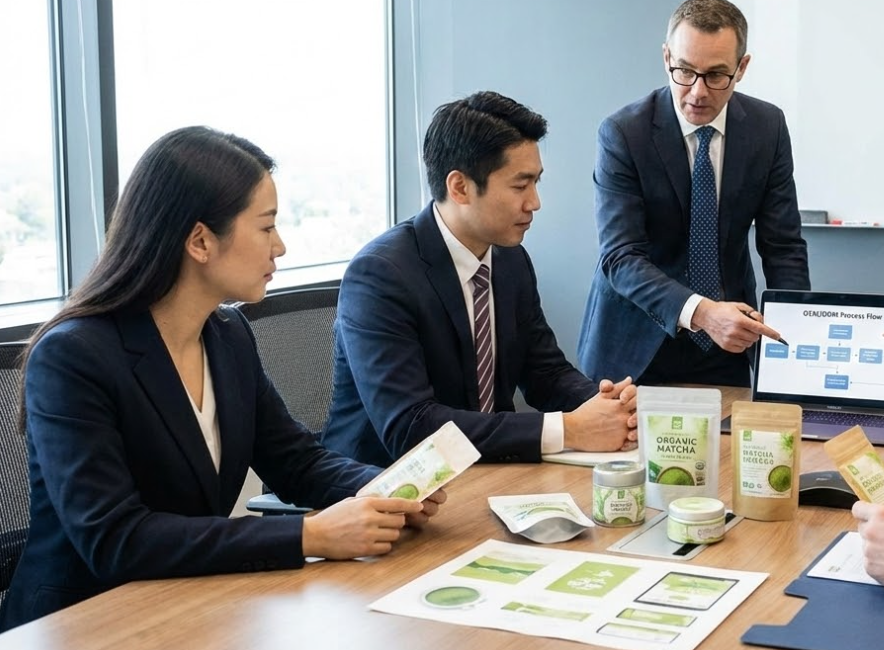
Let me lay out the four "aces" that we can put on the table for your brand. These are advantages that even the most established giants have a very hard time matching all at once.
1. Absolute Food Safety
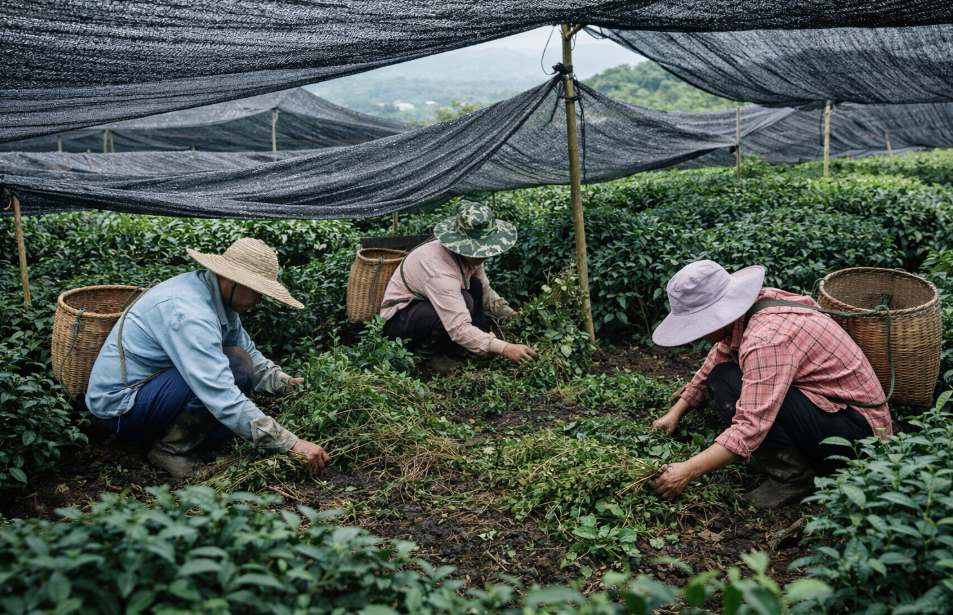
Many large suppliers, both in Japan and China, source their raw tea leaves from thousands of small, independent farms. That's a "blind box" full of risk. You never truly know what you're getting. I own and control over 2,300 acres of high-altitude, physically isolated "single estate13" land. From the moment we pull a weed by hand to the final sealing of the bag, everything is under my direct, absolute control. You aren't just buying a powder that's a few dollars cheaper; you're buying a "get-out-of-jail-free card" for your brand to pass through the strictest customs in Europe and North America.
2. Your Private R&D Lab
Big factories are built for efficiency. They run huge batches of a few standard grades. That’s it. But here, our full set of imported Japanese steam lines and our 100,000-grade cleanrooms are essentially your personal kitchen. Is your matcha latte turning an unappealing yellow too quickly? No problem. We can scientifically fine-tune the steaming time and grinding temperature just for your product. We can develop a proprietary Lab* color value and L-theanine ratio that helps you build a flavor monopoly your competitors can't copy.
3. Smashing the "Made in Japan" Myth
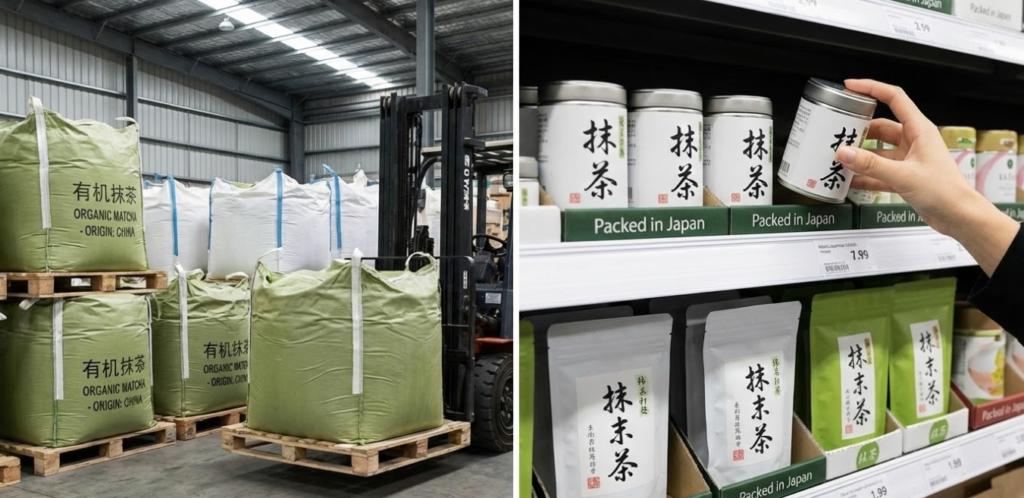
You often pay a 40% premium just for the words "Made in Japan" on the label. The frustrating part is that many of those products still use raw materials from China. At our facility, you get the same top-tier equipment and the same meticulous shade-growing methods, but on pristine, unburdened land. I deliver that deep, savory umami flavor directly from the source to you, without the unnecessary premium. The cost you save is the net profit you can use to open new stores.
4. A Partnership That Scales
The high minimum order quantities (MOQs) and arrogant attitudes of giant suppliers can crush a new or fast-growing brand. I am different. I am a partner who also has a strong asset base to back you up. If you need 100 kilograms to test a new product today, I'm with you. If you need 50 tons next year for a national rollout across America, my 2,300-acre base is ready to support you seamlessly. We grow together.
Conclusion
The origin of matcha is a cultural debate. But for your business, the real "origin" is the partner who guarantees your brand's safety, quality, and profitability every day.
Understanding the origins of matcha in Tang Dynasty China helps appreciate its historical significance and cultural evolution. ↩
Learning about 'dian cha' offers insight into the ancient practices that influenced modern matcha production. ↩
The Muromachi Period saw the evolution of matcha ceremonies, deepening its cultural roots and significance. ↩
The Japanese Tea Ceremony is integral to matcha's cultural heritage, enriching your understanding of its ceremonial importance. ↩
Chlorophyll gives matcha its vibrant color and health benefits, essential for selecting premium matcha products. ↩
L-theanine contributes to matcha's unique taste and health benefits, making it a key factor in choosing quality matcha. ↩
USDA Organic certification ensures matcha meets strict safety and quality standards, reassuring consumers and businesses. ↩
High-altitude cultivation enhances matcha's flavor and quality, offering a competitive edge in the market. ↩
Japanese processing technology ensures precision and quality, making it essential for producing top-tier matcha. ↩
The shift towards large-scale matcha production in China affects availability and pricing, crucial for strategic planning. ↩
Food safety protocols protect consumers and brands, making them a critical consideration in matcha sourcing. ↩
Pristine terroir contributes to matcha's unique flavor and purity, essential for discerning consumers and brands. ↩
Single estate sourcing ensures consistency and quality, crucial for brands seeking reliable matcha suppliers. ↩
A private R&D lab allows for customization and innovation, helping brands create unique matcha products. ↩
A partnership model fosters collaboration and growth, ensuring long-term success for matcha brands. ↩