See that "Product of Japan1" label on your Trader Joe's matcha? I've handled the shipping documents. Let me pull back the curtain on this global supply chain secret.
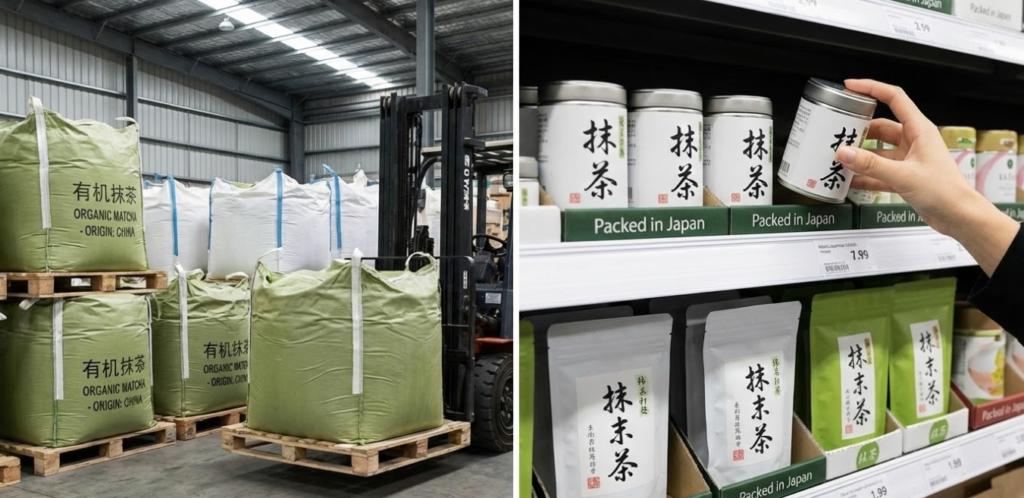
While labeled "Product of Japan," much of the affordable matcha sold by large retailers like Trader Joe's originates from large-scale organic farms in China. Japanese trading houses2 import it, then repackage it in Japan to meet massive volume and price demands that Japanese farms cannot.
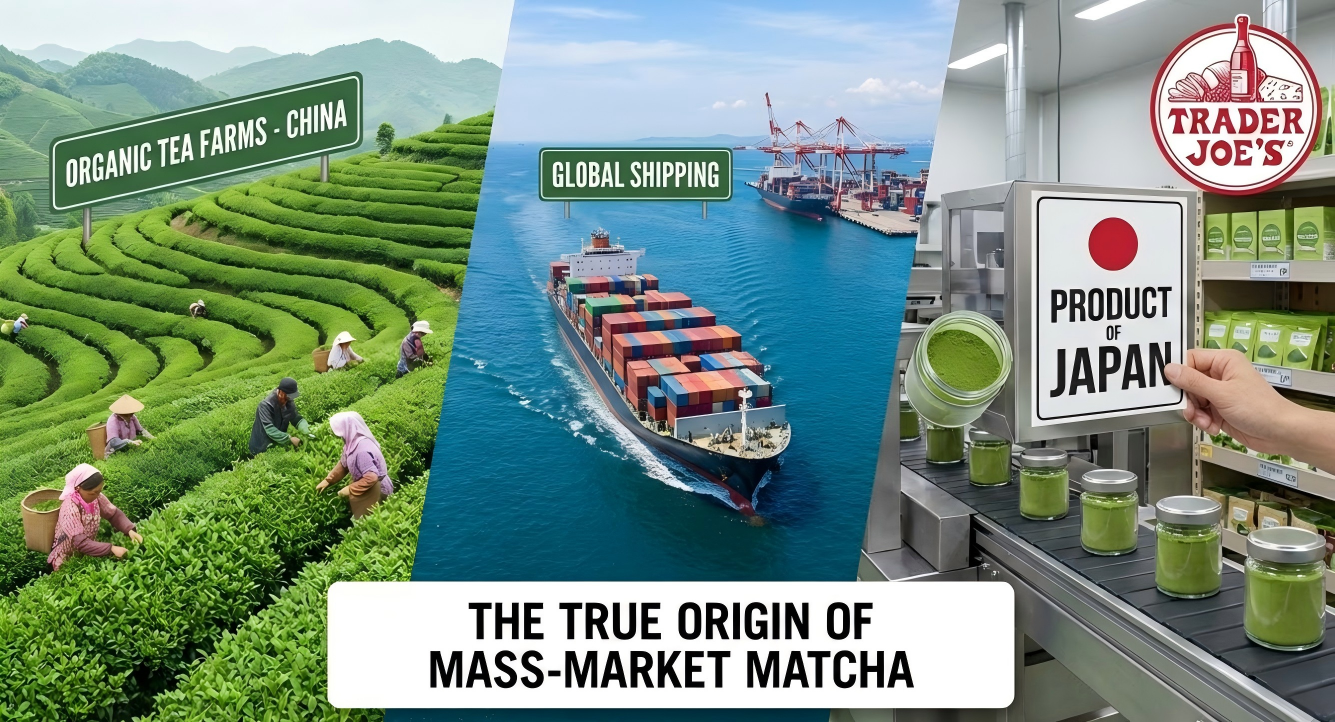
You aren't just buying a product; you're buying certainty. In the business-to-business world, that certainty isn't about romantic origins. It's about the heavy, costly investments we source-factory owners make. Let's break down what that really means.
For retailers and brand owners developing their own matcha line, our private label matcha page explains custom grades, packaging support, MOQ and sample development.
Is "Product of Japan" Matcha Always From Japan?
You believe the label promises authentic Japanese origin. But how can they offer it so cheaply and in such huge amounts? The answer lies in a common industry practice.
Not always. The practice of "origin washing3" is an open secret. To meet the extreme cost-performance and volume needs of chains like Trader Joe's, Japanese traders often import organic tea leaves from my base in Guizhou, China4. They then package and label it in Japan.
This is one of the most misunderstood parts of the matcha industry. A buyer like Trader Joe's needs a partner who can supply hundreds of stores without interruption, all at a very specific price point. Japan's organic tea fields are often small, fragmented, and run by an aging workforce. They simply cannot produce the massive, low-cost volume required.
So, what happens? Japanese trading companies come to us. They buy huge quantities of our EU and USDA-certified organic tea leaves5 from my base in Anshun, Guizhou6. The leaves are then shipped to Japan. In Japanese facilities, they are packaged, branded, and given the "Product of Japan" identity before being exported to the United States. The extra money you pay is for that label, not for a higher-quality product. The real foundation of that matcha's quality was built right here, in the mountains of Guizhou.
| Feature | The Perception ("Product of Japan") | The Reality (Global Supply Chain) |
|---|---|---|
| Origin | 100% grown and processed in Japan. | Tea leaves grown in China, packaged in Japan. |
| Cost | Premium price for Japanese quality. | Price reflects Japanese branding, not cultivation. |
| Scale | Small, artisanal farms. | Large-scale, industrial organic farms in China. |
| Quality Driver | Japanese "terroir" and tradition. | Chinese source-factory's control over farming and processing. |
If your brand cares about retail freshness, labeling and shelf stability, review our custom matcha packaging guide before choosing a supply model.
How Can Suppliers Guarantee Pesticide-Free Matcha for Big Brands?
You want safe, organic matcha without pesticides. But for a huge retailer, one bad batch means a permanent ban. The level of safety they demand requires an incredible investment.
Suppliers guarantee safety through massive, heavy-asset investments7. This includes owning large, isolated organic tea farms and creating "buffer zones8" to prevent pesticide drift from neighbors. This is the only way to pass the strict, random inspections required by US customs and major retailers.
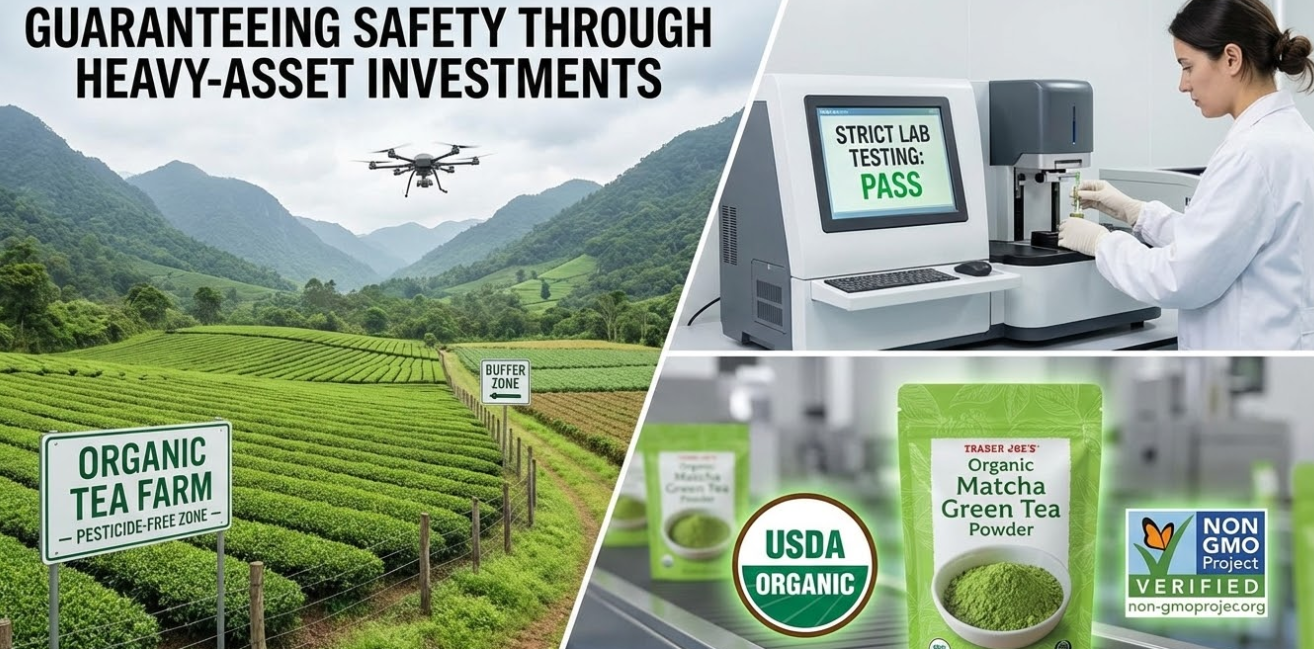
I remember one incredibly stressful incident three years ago. A shipment of our matcha was flagged for an intense, random inspection at US customs. If even a tiny trace of unapproved pesticide was found, our entire brand could have been blacklisted forever by giants like Trader Joe's. That kind of security doesn't come from just buying tea from different farmers.
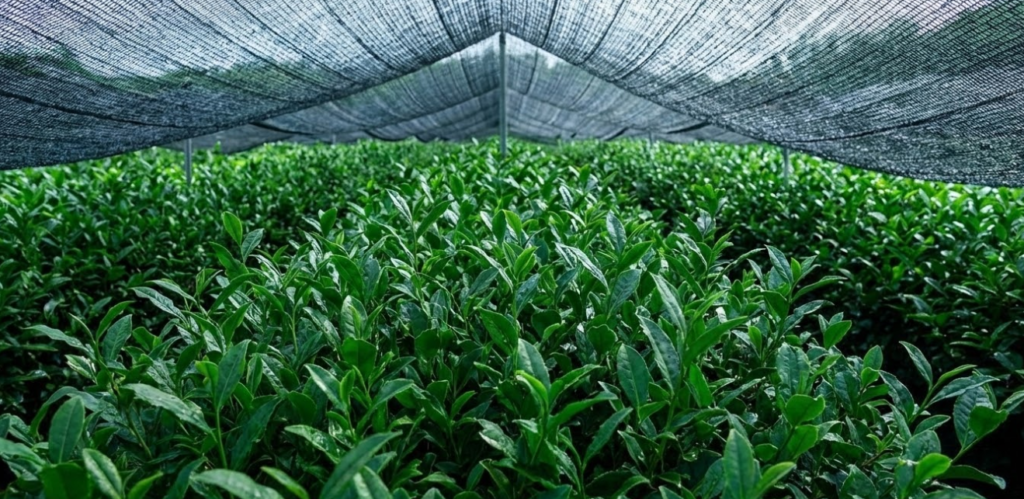
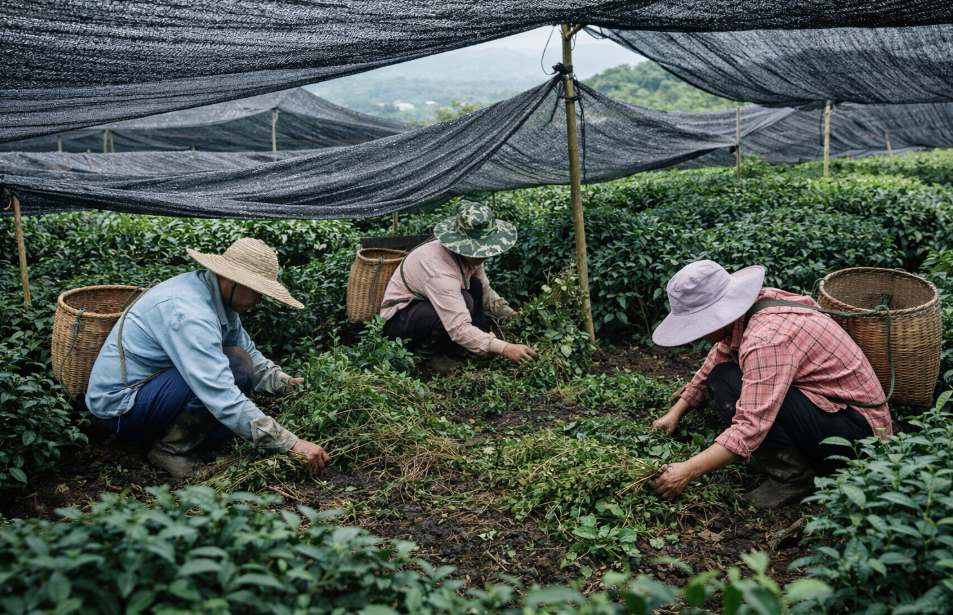
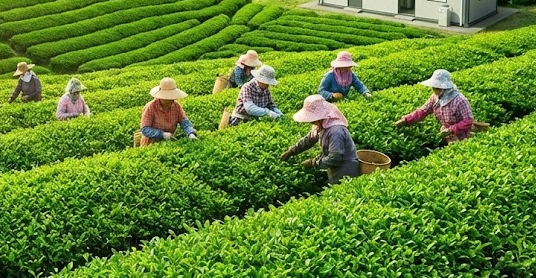
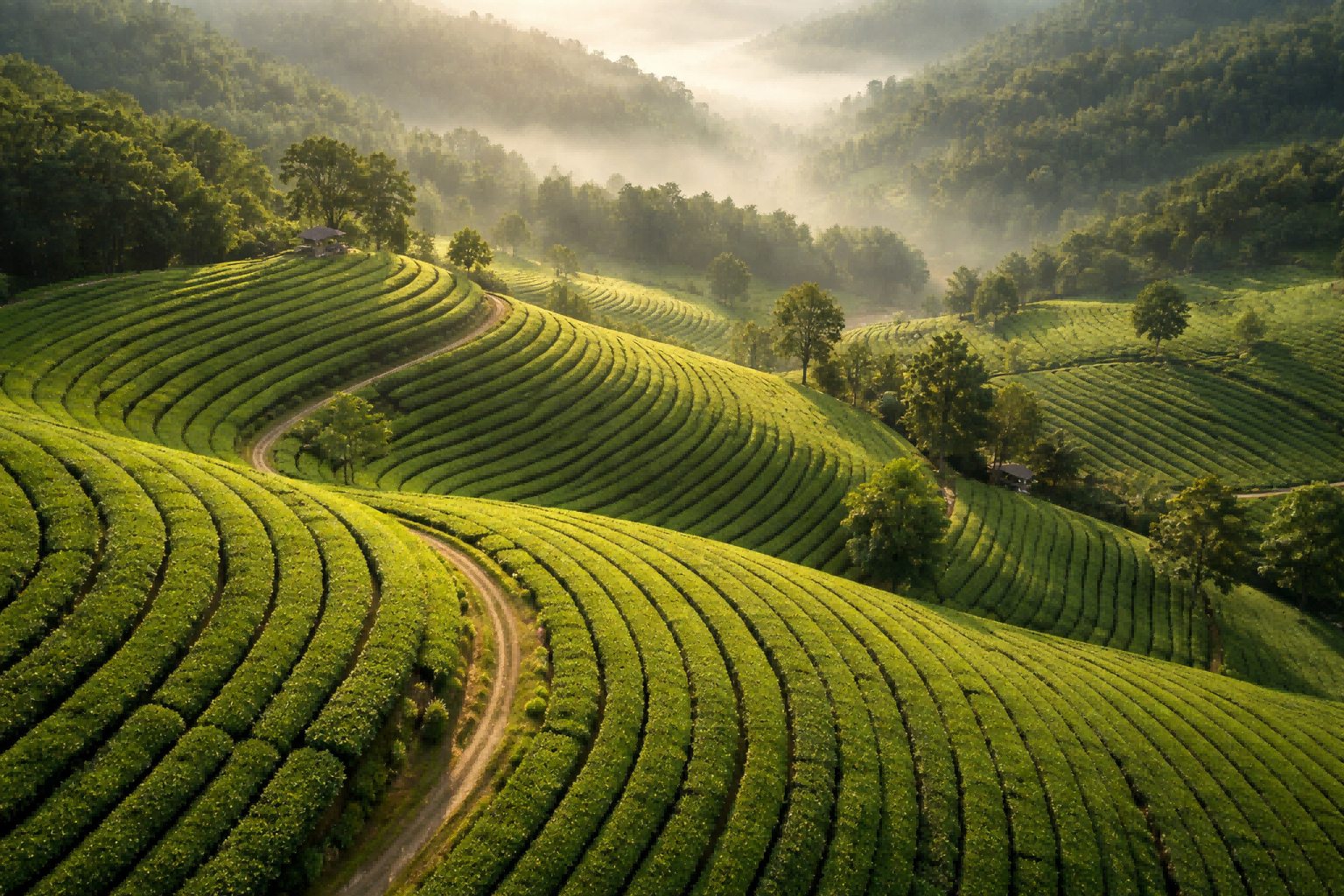
This is why I've invested so heavily in our 2,300 mu (about 380 acres) of connected organic tea gardens in Anshun. We took it a step further. We bought the rights to the surrounding barren land to create a massive "no-man's-land" buffer zone. This ensures that no neighboring farms can accidentally spray pesticides that drift onto our tea plants. It's a slow, expensive, and heavy-asset approach. But it's the only reason I can sit in my office today, knowing that millions of tins of matcha are safely on American shelves. This is the real foundation of trust in the B2B world.
For cafés, distributors and retail buyers comparing reliable supply partners, our wholesale matcha supplier page explains commercial supply options for repeat purchasing.
The Buffer Zone Strategy
Our buffer zone is a forest belt, hundreds of meters wide in some places. It's a natural fortress that protects our investment and our customers' brands. Light-asset traders who just source tea can never offer this level of security.
The Cost of Purity
To get our soil certified organic, we spent three years farming without a single harvest. We used only physical weeding and organic fertilizers to prepare the land. This (benzhong, or "heavy and clumsy") investment is what shows up as clean, zero-residue data on every third-party lab report.
What Does a Top Supermarket Auditor Really Look For in a Matcha Factory?
You might imagine a factory tour involves pleasantries and tea tasting. The reality is a high-stakes inspection with a thick rulebook, where auditors are paid to find problems.
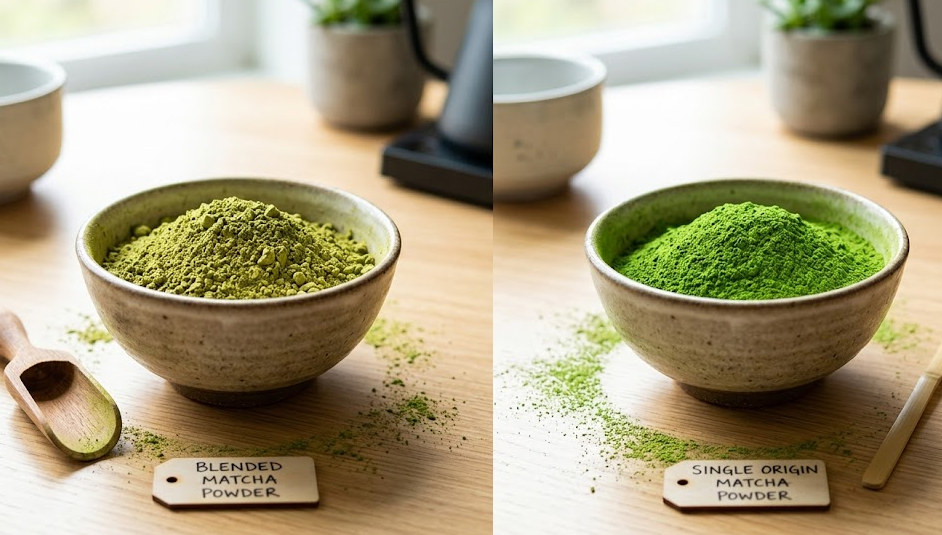
Auditors look for verifiable proof of control, not stories. They check for ecological isolation9 to prevent contamination, full traceability records for soil and inputs, and obsessive process controls like temperature management during milling10 to ensure product consistency. They need to see a robust, risk-averse system.
For larger purchasing programs, our bulk matcha powder page covers MOQ, export packaging, COA support and supply planning for commercial buyers.
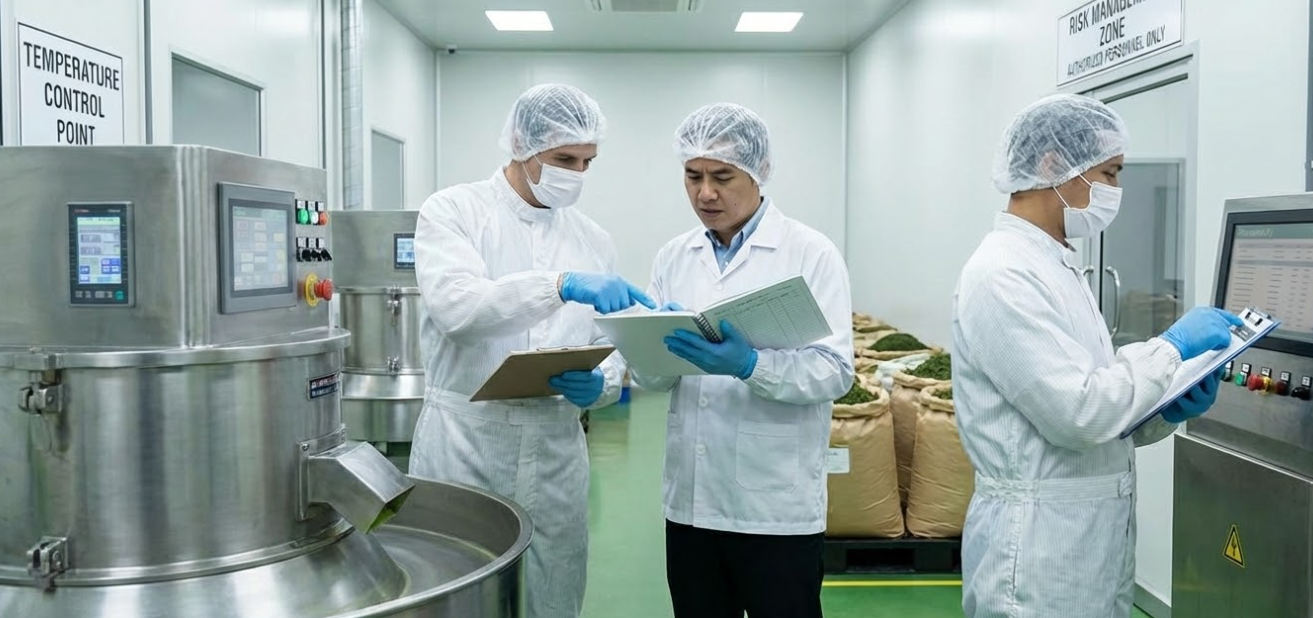
My most memorable experience was hosting an auditor from a top North American supermarket chain two years ago. He wasn't here to talk about tea ceremony. He came with a drone, a microscope, and a binder full of quality protocols. He was here to find flaws. I took him directly to our base in Anshun and showed him three things that completely changed his perspective.
1. "No-Man's Land" Ecological Isolation
The auditor first launched his drone over our tea gardens. He was looking for our boundaries. He wanted to see if our tea was growing next to someone else's vegetable patch, a huge risk for pesticide drift. I then walked him through our self-made forest buffer zone. When I explained that we were the only farm for several kilometers around, the first "X" in his notebook turned into a checkmark.
2. The Power of Soil Traceability
Next, he took random soil samples. I immediately pulled up our soil conversion records from the past three years, along with quarterly third-party test reports. I showed him the data proving our commitment to going three years without a harvest just to build a truly organic foundation. He realized this wasn't just tea; it was a very expensive supply chain risk-management system.
3. Obsessive Factory Controls
Back at the factory, I skipped the showroom and took him to the central control room. I showed him our temperature curves from the steam-fixing line11 and the ten-thousand-grade cleanroom12 for milling. I explained how we control the milling temperature to within a very narrow range. This ensures the Lab* color value13 (a measure of greenness) varies by less than 0.5 across every single batch. This industrial-level precision is what supports taste consistency across all their US stores.
When he left, he didn't ask any more questions about "Product of Japan." He just said, "Here, I saw the future of the matcha industry."
Conclusion
The label may say Japan, but true quality comes from the source factory's deep investment in land, process, and data. This is what ensures safety and consistency for brands worldwide.
Understanding the 'Product of Japan' label helps consumers make informed choices about the authenticity and origin of their matcha. ↩
Learning about Japanese trading houses provides insight into global trade practices and their impact on matcha distribution. ↩
Exploring origin washing reveals industry practices that affect product labeling and consumer perception of authenticity. ↩
Discovering Guizhou's role in matcha production highlights the region's contribution to global supply chains. ↩
Understanding USDA certification ensures consumers know the standards and quality of their organic matcha. ↩
Discovering Anshun's contribution to matcha production highlights its significance in global supply chains. ↩
Understanding heavy-asset investments reveals the commitment to quality and safety in matcha production. ↩
Exploring buffer zones explains how they prevent contamination and ensure the purity of organic matcha. ↩
Exploring ecological isolation shows how it prevents contamination and ensures organic integrity. ↩
Learning about temperature management ensures consumers understand how it affects matcha consistency and quality. ↩
Exploring the steam-fixing line reveals its role in preserving matcha's flavor and color during processing. ↩
Understanding cleanroom standards highlights the precision and hygiene in matcha manufacturing. ↩
Exploring L*a*b* color value explains how it measures greenness and affects matcha's visual appeal. ↩