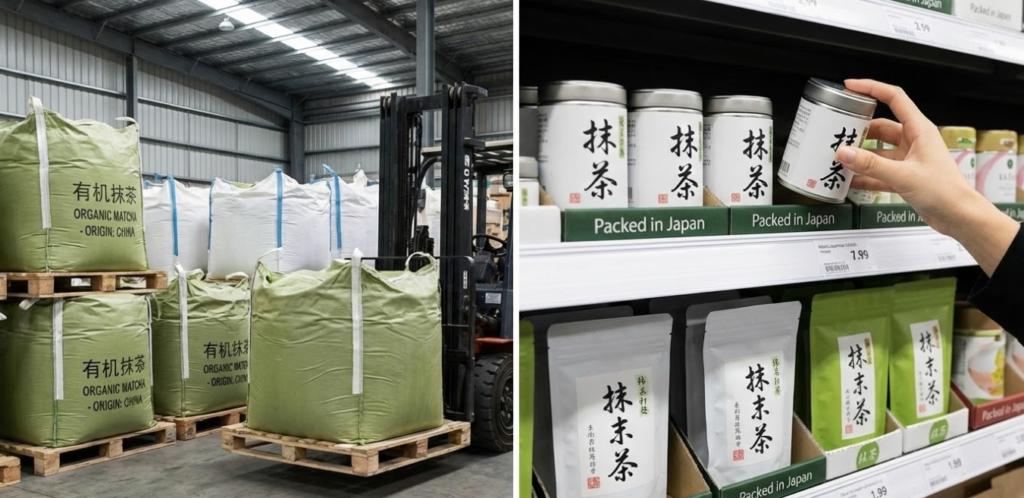
Are you struggling to find a consistent matcha supplier1 for your brand? One bad batch can ruin your products and reputation. The truth is, the "best" matcha for business isn't about a story, it's about ultimate stability2.
The best matcha comes from a producer who guarantees absolute stability. This means consistently passing strict pesticide regulations3, maintaining precise control over color and fineness, and ensuring reliable, scalable delivery4. It is about total supply chain ownership5, not just a famous origin or a fancy certificate.
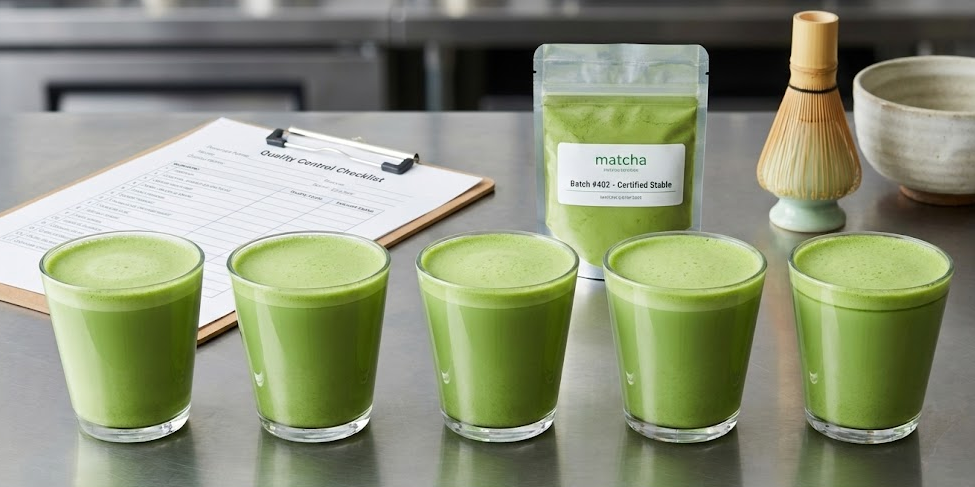
I've learned that for B2B partners, the idea of the "best" matcha is very different from what a consumer might think. It's not about a story from Uji, Japan. For global brands, it's about a guarantee. As the CEO of a company built on 2,300 acres of organic tea gardens and our own modern factories, I want to show you what this guarantee really looks like from the ground up. Let's break down what "ultimate stability2" means for your business.
For buyers comparing quality, use case and sourcing risk, our best matcha selection guide can help you choose the right grade for your product.
Is "Organic Certified" Matcha Enough for Your Market?
You found a supplier with an organic certificate6, so you feel safe. But what happens when a random pesticide test fails, halting your production and damaging your brand? True organic quality is not just a piece of paper; it's proven with every single batch.
No, an "organic certified" label alone is not enough. The best suppliers prove their quality by consistently passing the world's strictest pesticide tests, like those in the EU. This requires owning and managing the farm, not just buying leaves from others, to ensure a truly clean product every time.
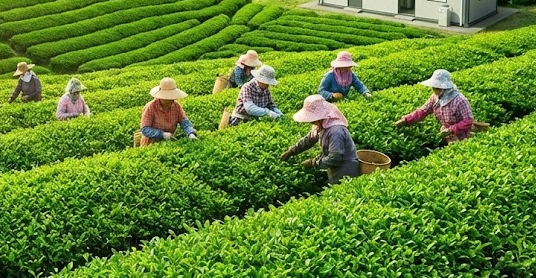
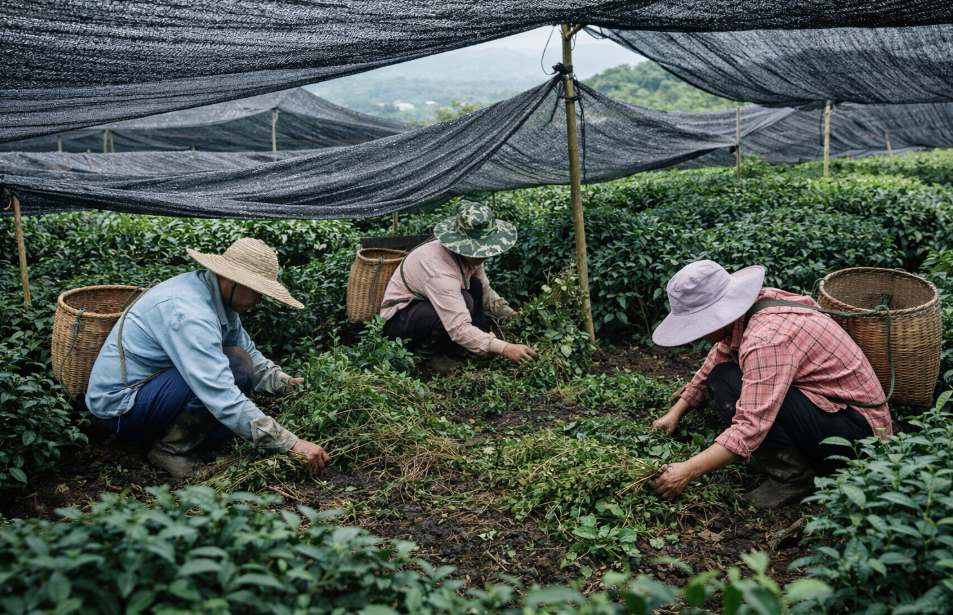
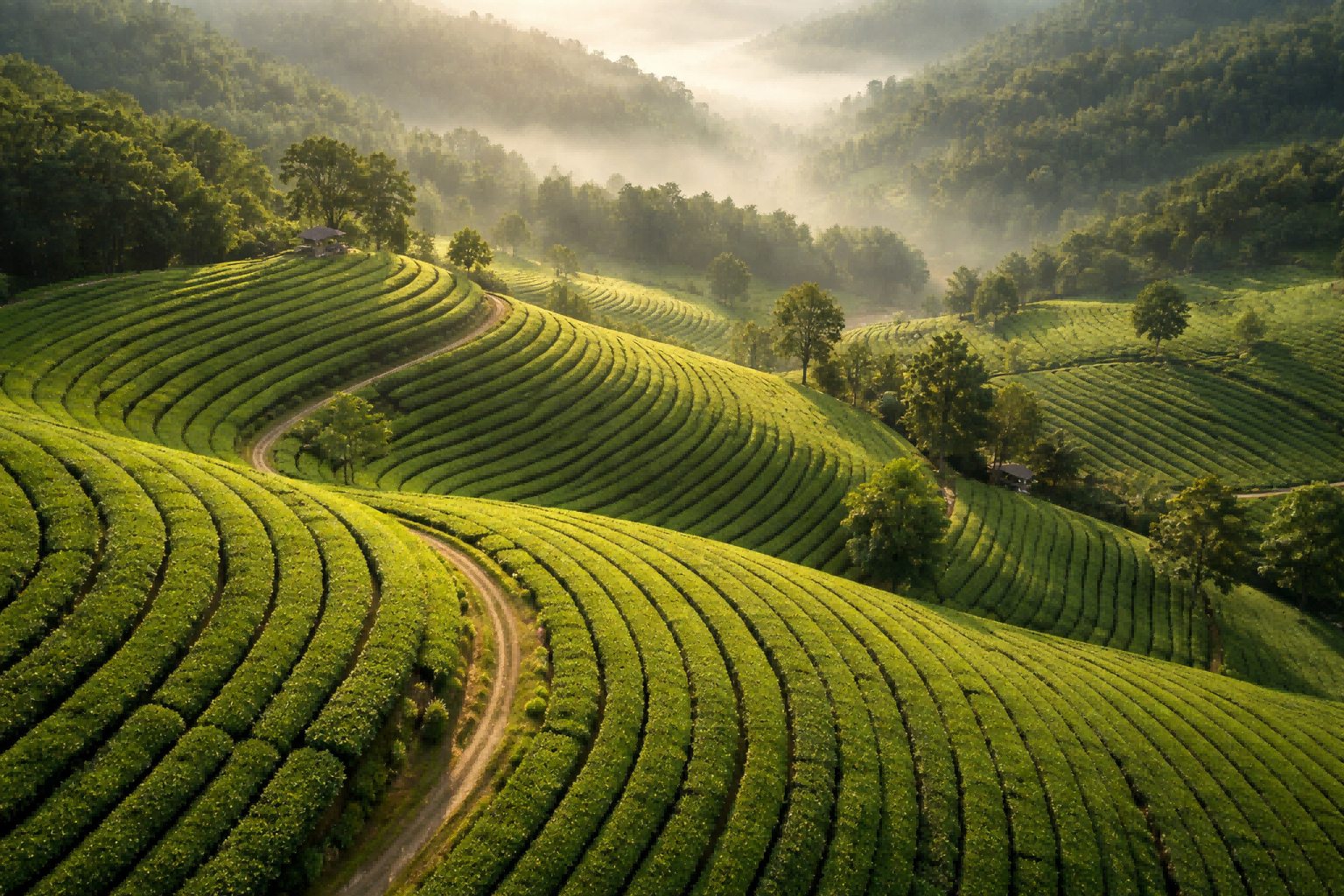
When buyers from Europe or the United States look for the "best" matcha, their absolute baseline is compliance. They need to know, without a doubt, that the product can pass stringent pesticide residue tests. This isn't something you can achieve with a certificate alone or by sourcing from a famous region. It requires heavy, direct investment in farming. At our 2,300-acre base in Anshun, we face extremely high labor costs for manual weeding7. We use physical methods, like sticky boards and light traps, for pest control. This is a huge barrier for many. Light-asset traders who just buy tea leaves from various farms simply cannot guarantee that 10, 20, or 100 consecutive batches will pass inspection perfectly. We can, because we control every single plant.
For brands that need cleaner sourcing and stronger pesticide-residue control, our organic matcha page explains organic supply options for commercial buyers.
Our Integrated Model vs. A Trading Model
| Feature | Our Integrated Model (MatchaSourcing) | Typical Trader Model |
|---|---|---|
| Farming | Own and manage 2,300+ acres of organic tea gardens. | Source leaves from multiple third-party farms. |
| Pest Control | Physical and biological methods, no chemical pesticides. | Relies on the farm's certification and testing. |
| Weed Control | 100% manual weeding7. | Varies by farm, risk of cross-contamination. |
| Consistency | Full control ensures every batch meets EU standards. | Inconsistent quality, high risk of batch failure. |
Why Can't Most Suppliers Guarantee Consistent Color in Matcha?
You create a beautiful product with vibrant green matcha. Then, the next batch arrives looking dull and yellowish, forcing you to adjust your recipe or disappoint customers. Consistent color is not luck; it is a result of total process control from the very start.
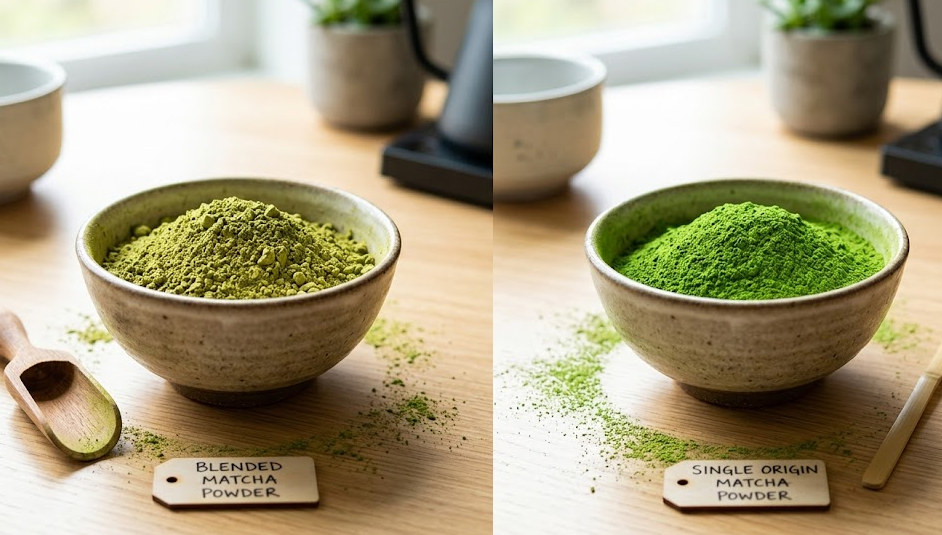
Most suppliers cannot guarantee consistent color because they don't control the process from the farm to the final powder. True control means managing the shade-growing period to boost chlorophyll, then using specialized equipment in a cleanroom for precise, uniform grinding. This is the only way to ensure every batch is identical.
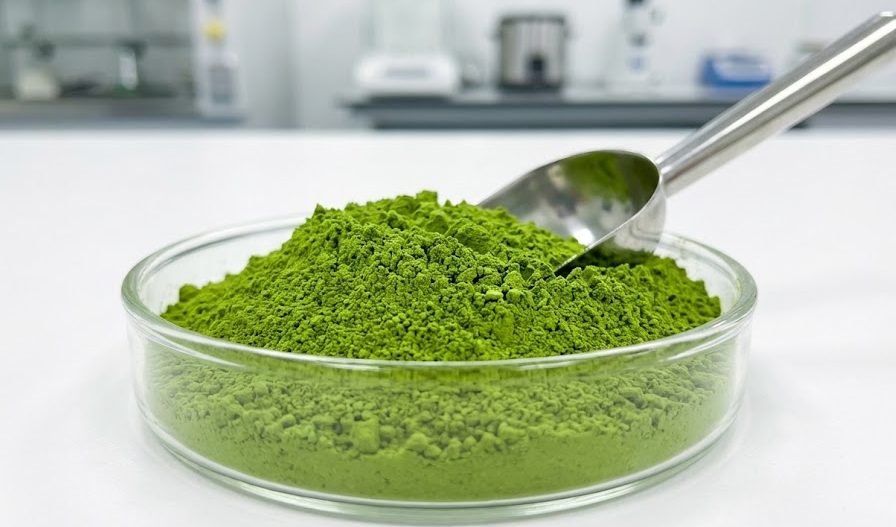
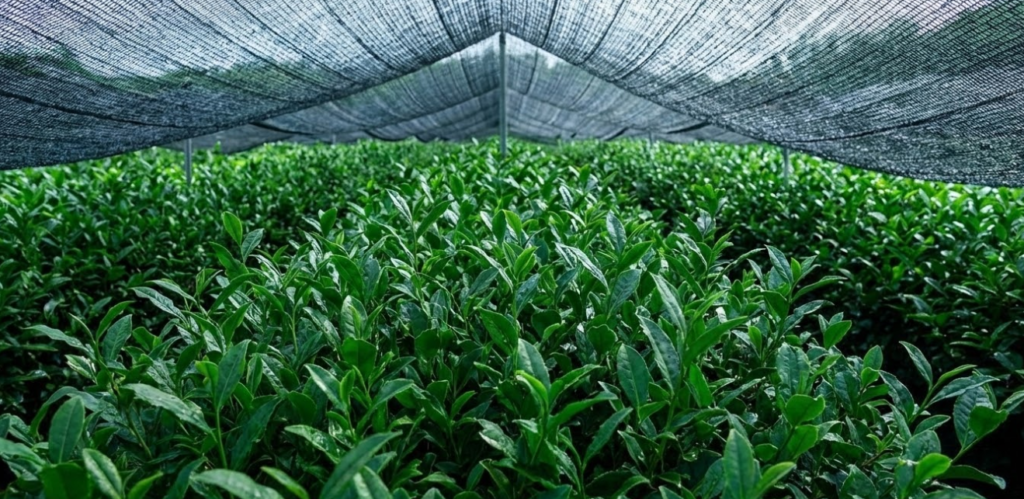
The deep green color and smooth, umami flavor of great matcha are developed long before the tea leaves are ground. It starts in the field. By precisely controlling the shade-covering period, we manage how much sunlight the tea plants receive. This forces them to produce more chlorophyll and amino acids, which creates that signature vibrant color and rich taste. Contract manufacturers simply can't offer this level of quality control. They receive dried tea leaves (tencha) from a third party, so they have no influence over how the tea was grown. They can only grind what they are given. In our own facilities, we take it a step further. We mill our tencha into fine powder in a Class 100,000 cleanroom environment. This obsessive attention to detail ensures every ton of matcha we ship has the exact same color, aroma, and texture.
If you are comparing color, fineness and application performance, review our matcha powder grades before selecting a commercial supplier.
Steps to Control Matcha Quality
| Process Step | Our Integrated Control | Standard Contract Manufacturer |
|---|---|---|
| Cultivation | Manage soil, nutrients, and plant health. | No control. |
| Shade-Growing | Precisely timed to maximize chlorophyll. | No control. |
| Harvesting | Select the best leaves for each grade. | No control. |
| Steaming/Drying | In-house processing to lock in color and flavor. | Receives pre-processed material. |
| Grinding | Slow-grinding in a cleanroom for consistent fineness. | Grinds to specification, but cannot fix source material. |
Does "Small-Batch Artisanal" Matcha Work for a Growing Brand?
The story of a small, family-run artisanal matcha farm sounds romantic and appealing. But what happens when your product becomes a hit and they suddenly can't supply enough, or the quality of the next delivery drops? For a growing business, reliability at scale is everything.
"Small-batch artisanal" matcha is rarely a viable option for a growing brand because it lacks scalability and consistent quality. The "best" matcha for business comes from a supplier who can deliver large volumes on time, every time, without any drop in quality. This is only possible with large-scale organic farming8 and modern factory controls.
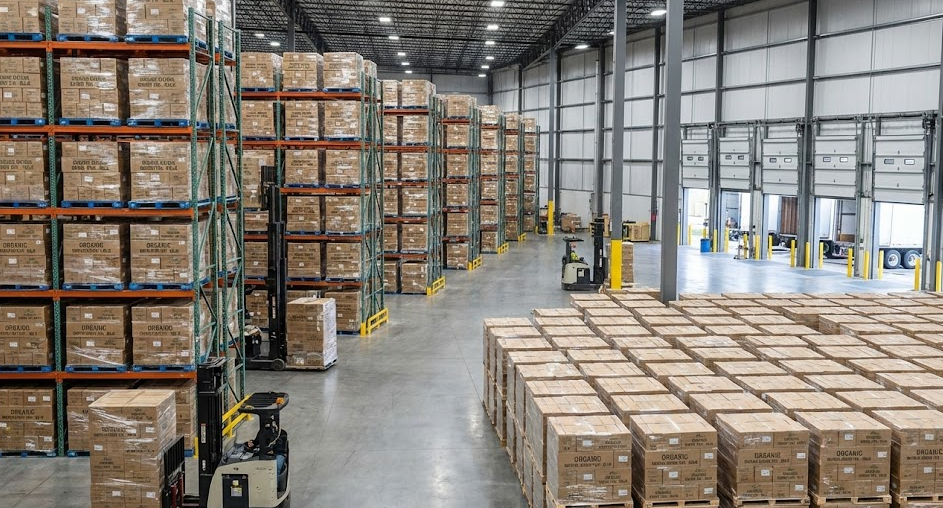
Don't get caught up in the marketing hype around tiny, exclusive tea plots. In the world of commercial food and beverage production, a broken supply chain is a disaster. If your supplier runs out of stock or delivers an inconsistent batch, your production stops, and your customers are let down. True top-tier matcha for business is not about being small; it's about being incredibly reliable. It’s about combining the painstaking spirit of organic farming with the strict, data-driven discipline of a modern factory. By owning the entire supply chain, we build a protective moat around our partners' businesses. Our heavy investment in land and technology creates a guarantee: a supply that never runs out and quality that never fluctuates. This gives your brand the foundation it needs to grow without worry.
For growing brands and manufacturers, our bulk matcha supplier page covers MOQ, packaging, COA support and scalable supply planning.
Artisanal vs. Scaled Supplier
| Factor | Artisanal Supplier | Scaled, Integrated Supplier (MatchaSourcing) |
|---|---|---|
| Volume | Limited, cannot support rapid growth. | Large-scale, reliable year-round supply. |
| Consistency | Varies by season and batch. | Identical quality batch after batch. |
| Risk | High risk of stockouts and quality changes. | Low risk, built for supply chain stability9. |
| Best For | Niche, small-scale products. | Growing brands and large-scale manufacturing. |
Conclusion
Ultimately, the best matcha for your business is defined by stability. It comes from a partner who provides unwavering consistency in compliance, product quality, and scalable supply for your brand's growth.
Discover how to ensure your matcha supply is reliable, maintaining product quality and brand reputation. ↩
Learn why stability in matcha production is crucial for maintaining consistent quality and supply. ↩
Explore how top matcha producers ensure compliance with global pesticide standards. ↩
Explore strategies for maintaining reliable matcha supply as your brand expands. ↩
Find out how controlling the entire supply chain impacts matcha quality and reliability. ↩
Understand the limitations of relying solely on organic certification for matcha quality. ↩
Discover how manual weeding contributes to organic matcha quality and compliance. ↩
Explore how large-scale farming supports consistent matcha quality and supply. ↩
Learn how stable supply chains protect matcha brands from stockouts and quality issues. ↩