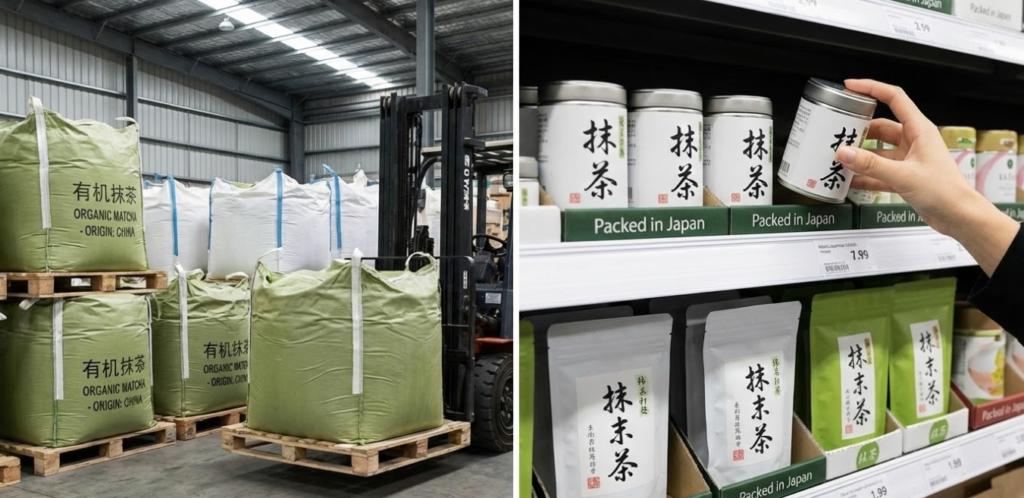
Struggling with inconsistent, bitter "matcha"? You need a supplier who controls every step. True matcha production is a complex industrial process, not a simple grinding of green tea.
The best bulk matcha comes from a meticulous, four-stage industrial process. It starts with shading tea plants1 to boost flavor, followed by rapid steam-fixation2 to lock in color, careful separation to create pure Tencha3, and finally, a slow, temperature-controlled grind4 to achieve a superfine, vibrant powder.
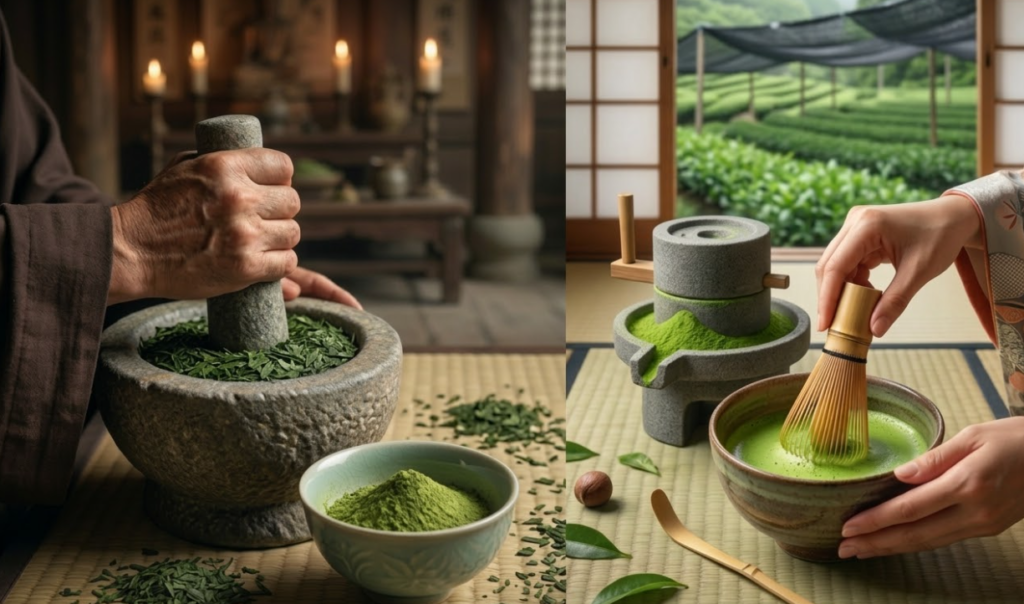
When people think of making matcha, they often picture a tea master in Kyoto. He is sitting in a quiet room, slowly grinding a few grams of tea with a stone mill. But that romantic image is useless for a B2B buyer. You might need 50 tons of perfectly consistent, organic matcha5 for a global coffee chain. The reality of commercial matcha production is a tough, high-tech, and capital-intensive industrial process. Let me take you behind the scenes at our Anshun base and into our cleanrooms. I will show you how top-tier commercial matcha is made from soil and steel.
Why Do You Force Out That 'Umami' Flavor Before Harvest?
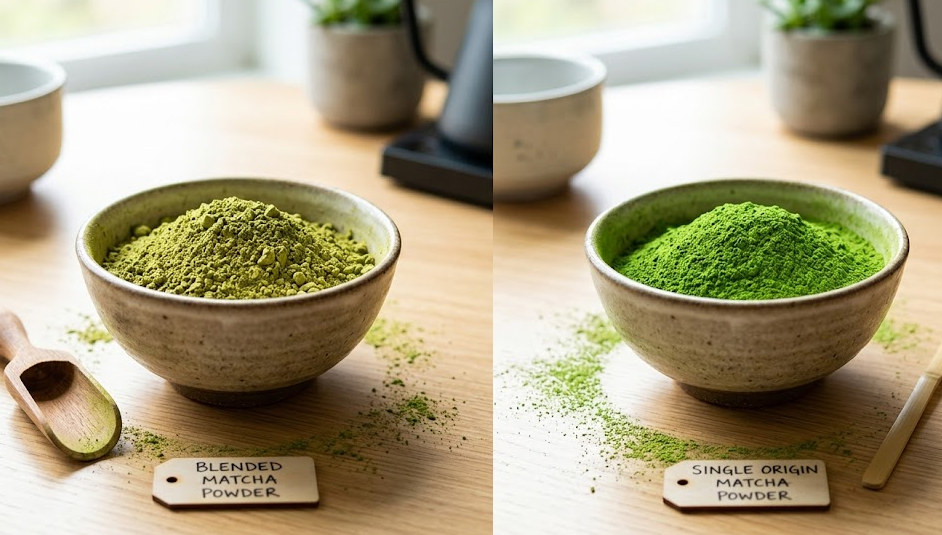
Your matcha tastes bitter and looks dull. This is because it was likely made from standard green tea leaves. The unique flavor and color of matcha are not accidental.
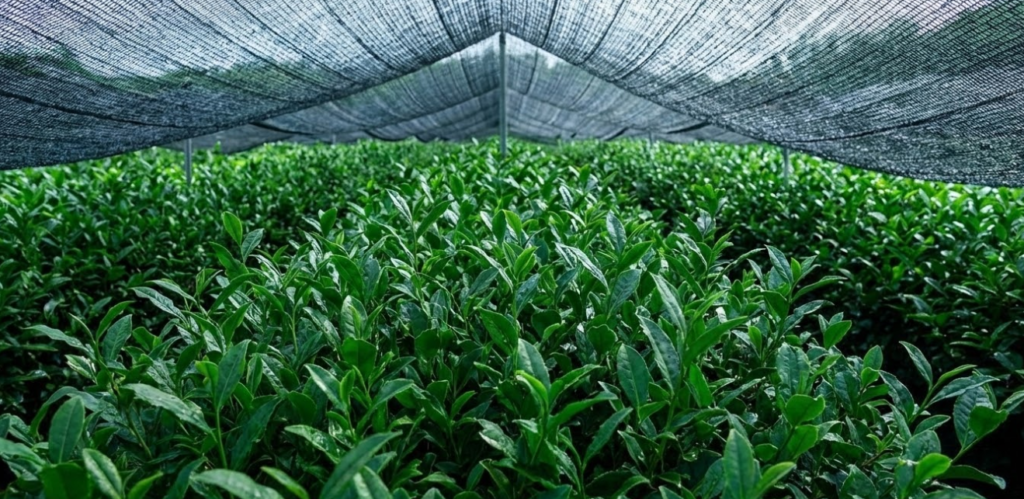
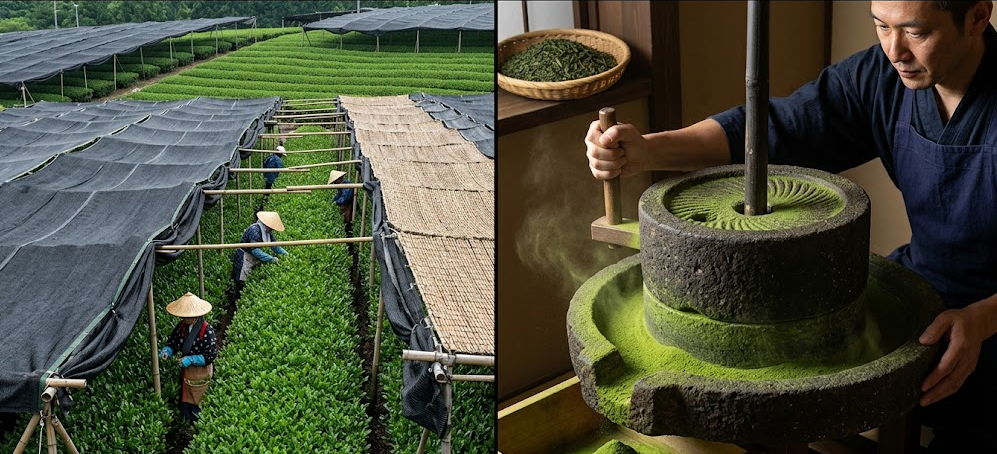
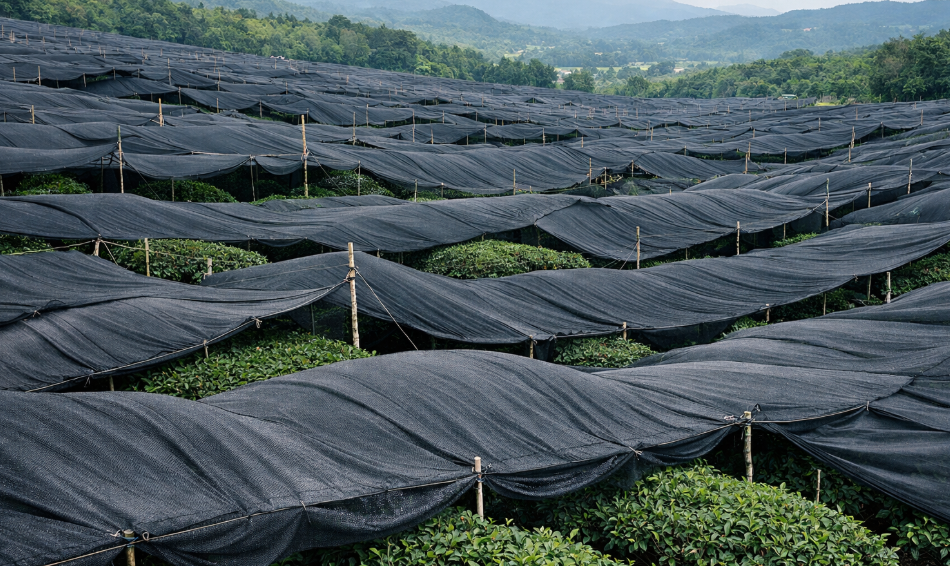
We force the tea plants into a "survival mode6" by covering them with heavy shade nets 3-4 weeks before harvest. This dramatically increases chlorophyll7 and L-theanine8, creating the signature vibrant green color and deep, savory umami flavor that defines authentic matcha.
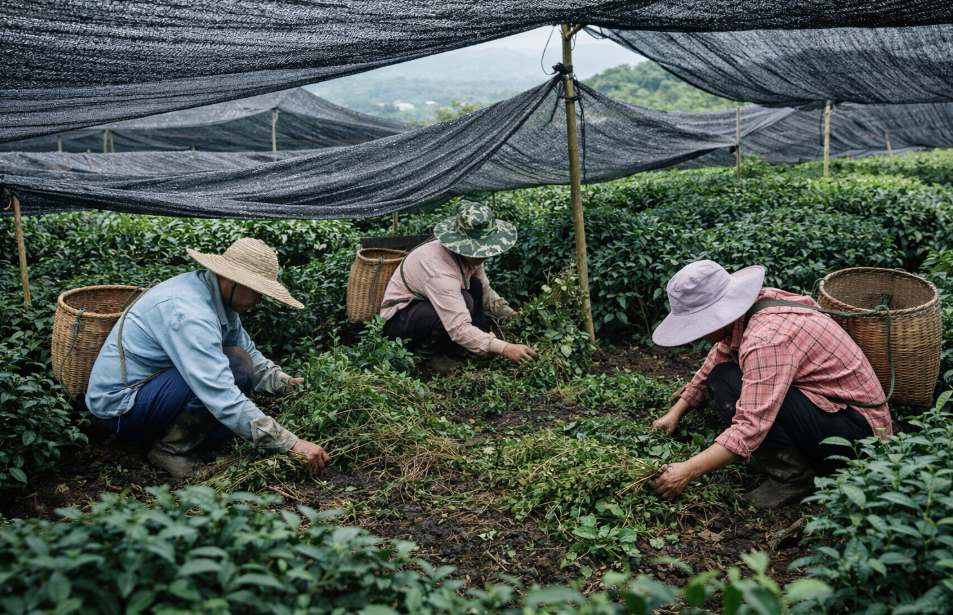
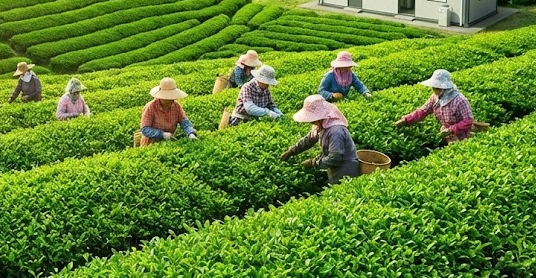
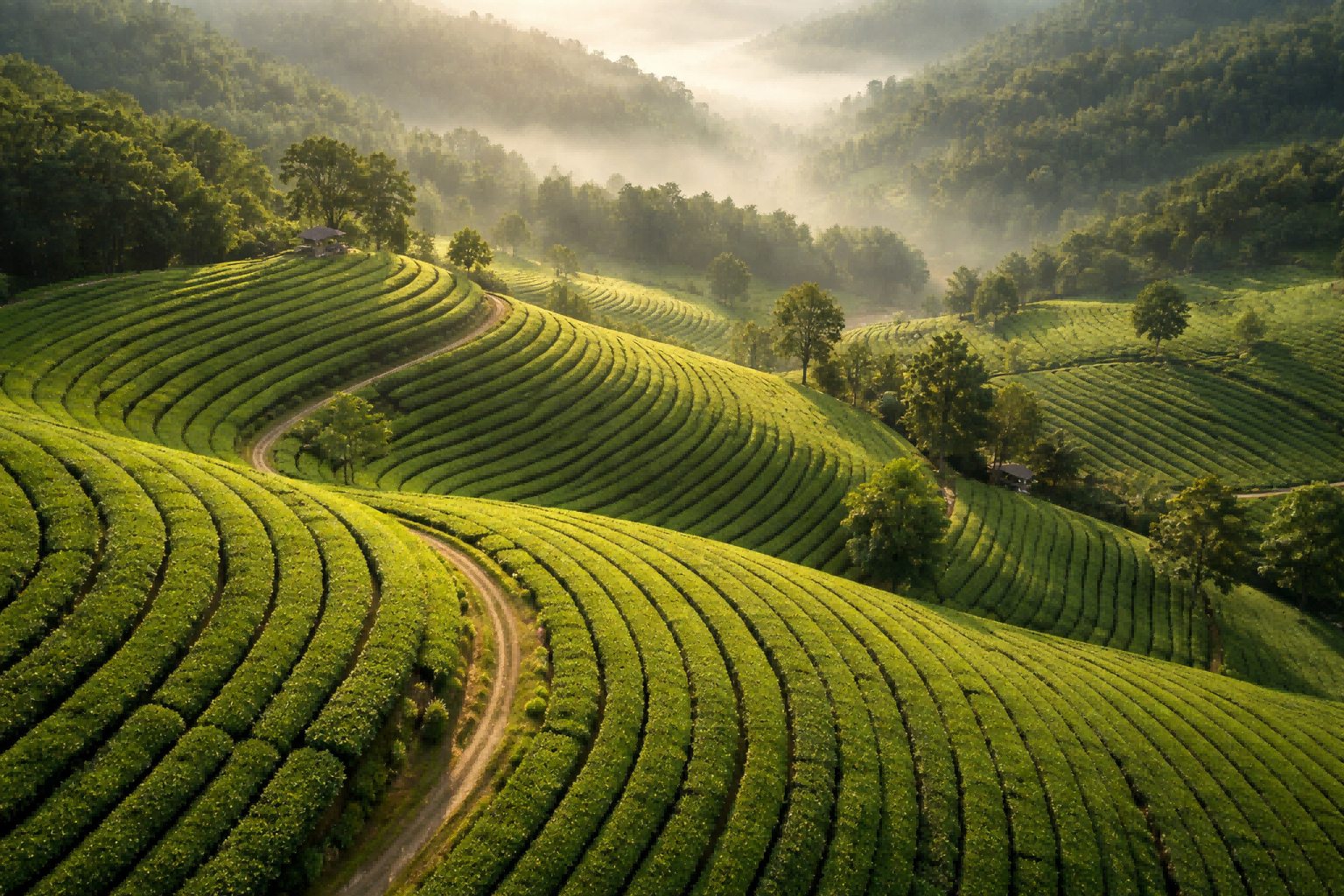
You cannot just grind any green tea into powder and call it matcha. The process for real matcha begins weeks before the leaves are even picked. We start with a very demanding step: shade-growing9. We cover our high-altitude tea gardens in Anshun with heavy black shade nets. This blocks about 90% of the sunlight. The tea plants react by entering a survival mode6. They start producing huge amounts of chlorophyll7 to capture more light. This is the source of matcha's famous neon-green color. At the same time, the plant produces more amino acids, especially L-theanine8. This special compound suppresses the bitter catechins and creates a sweet, savory "umami" taste. Because our products are 100% organic, we cannot use chemical herbicides when weeds grow under the nets. Instead, we use large teams of workers for manual, physical weeding10. This ensures our soil can pass strict EU and USDA inspections.
| Feature | Shaded Tea (for Matcha) | Unshaded Tea (for Sencha) |
|---|---|---|
| Sunlight Exposure | Reduced by ~90% for 3-4 weeks | Full sun exposure |
| L-Theanine Level | Very High | Low |
| Catechin Level | Lower (less bitter) | Higher (more astringent) |
| Chlorophyll Level | Very High | Standard |
| Final Flavor | Sweet, Umami, Smooth | Grassy, Astringent, Brisk |
| Final Color | Vibrant, Deep Green | Yellow-Green |
How Is The Freshness Locked In After Picking?
Have you received matcha that smells stale and looks yellowish? The leaves were likely oxidized because the factory was too slow. The clock starts ticking the moment a leaf is picked.
We rush the fresh leaves from our fields to our on-site factory within hours. There, they enter a Japanese-style steam line11. A precise blast of high-temperature steam12 instantly deactivates the oxidative enzymes, permanently locking in the fresh green color and aroma.
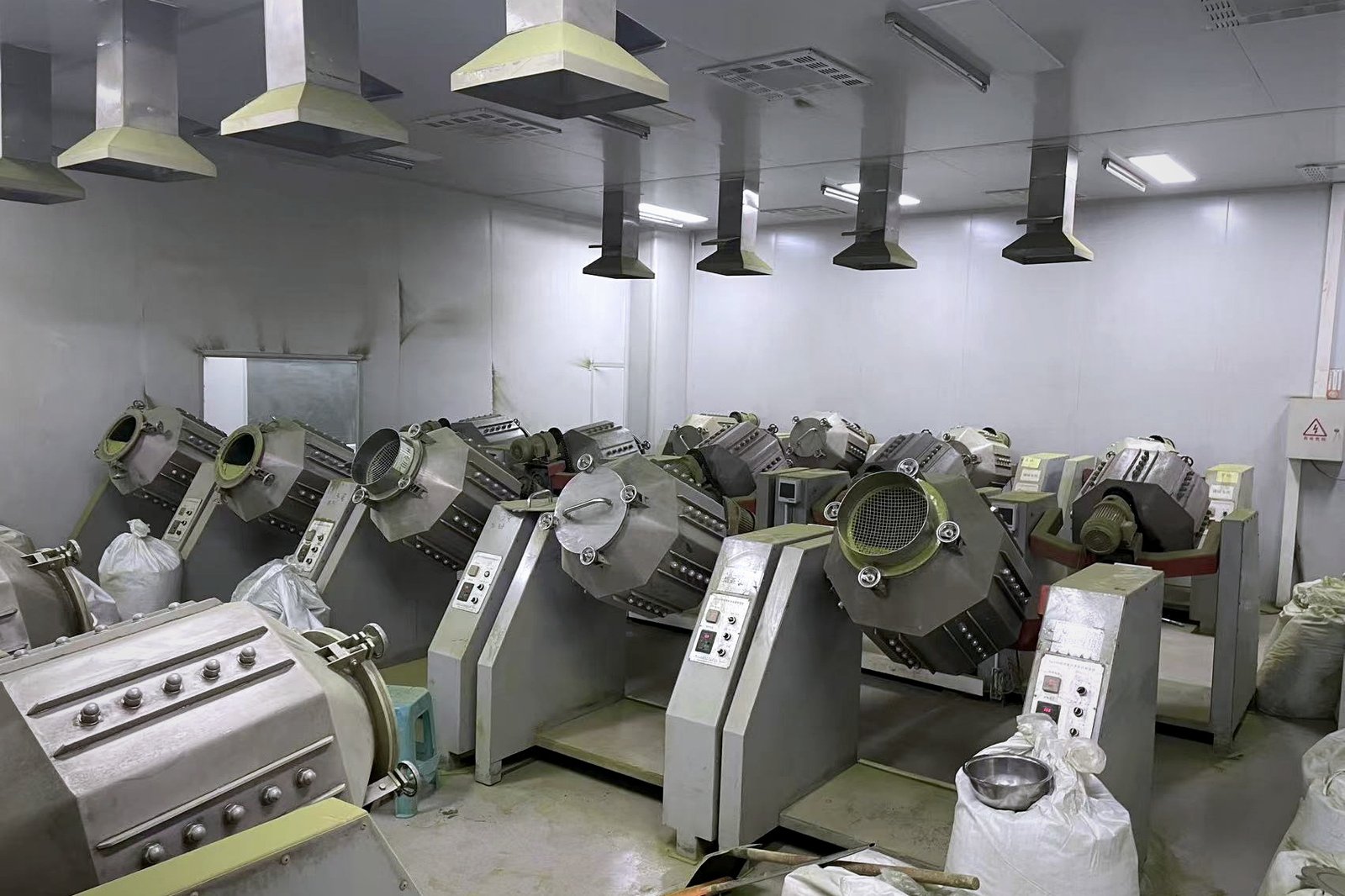
Once the shaded, tender leaves are harvested, a race against time begins. Fresh tea leaves oxidize very quickly. If they sit in a hot truck for too long, they will turn yellow and bitter. Our factory is built right next to our "single estate" tea gardens. This means fresh leaves go from the branch to the production line in just a few hours. This speed is critical. The leaves are immediately fed into our imported Japanese steam-fixation2 line. We use a very precise, high-temperature steam12 "blast" that lasts only for seconds. This process instantly kills the enzymes that cause oxidation. It effectively "locks in" the vibrant green color and fresh, grassy fragrance. Cheaper, low-quality factories use a pan-frying method instead. Pan-frying overheats the leaves, resulting in a powder that is a dull, unappetizing yellow-brown. Our steaming method is key to producing the quality our international clients demand.
| Process | Japanese Steam Fixation (Matcha) | Chinese Pan-Frying (Most Green Teas) |
|---|---|---|
| Method | High-temperature steam | Tossing in a hot wok or drum |
| Time | Very fast (15-20 seconds) | Slower, more prolonged heat |
| Enzyme Deactivation | Instant and complete | Gradual, can be incomplete |
| Color Impact | Preserves bright, vivid green | Creates a yellower, darker hue |
| Flavor Impact | Fresh, oceanic, umami notes | Toasty, nutty, sometimes smoky notes |
| Suitability for Matcha | Essential | Unsuitable; destroys color & flavor |
What Is Tencha, and Why Is It So Important?
Your matcha powder feels gritty or tastes muddy. This happens when the whole leaf, including stems and veins, is ground up. True matcha is made only from the pure leaf flesh.
After steaming, the leaves are dried in a giant wind tunnel that separates the light leaf flesh from the heavy stems and veins. The pure, dried leaf fragments that remain are called Tencha. This is the exclusive raw material for making high-grade matcha.
After steaming, the leaves are not ready for grinding yet. They must first be transformed into a semi-finished product called Tencha. The steamed leaves are blown into a huge, multi-story wind chamber for drying. Inside, powerful air currents do something amazing. They sort the leaf parts by weight. The heavy stems and veins fall down and are separated. The light, delicate leaf flesh floats and is collected. The stems are removed (or sold as a cheap by-product). The pure, flat, dried green leaf pieces that are left are called Tencha. Tencha is the clean, unadulterated base material for all true, top-grade matcha. Grinding whole leaves without this crucial separation step is a common shortcut for cheap "green tea powders." It results in a gritty texture and a bitter, woody flavor because the stems and veins are still in the mix. We ensure only pure Tencha3 goes to the final grinding stage.
| Tea Leaf Component | Role in Premium Matcha | Characteristics |
|---|---|---|
| Leaf Meat (Flesh) | The only part used | Contains all the color, L-theanine, and chlorophyll |
| Veins | Removed during Tencha process | Fibrous, adds bitterness and a gritty texture |
| Stems | Removed during Tencha process | Woody, contains little flavor, adds bitterness |
Why Is The Final Grinding The Most Critical Step?
Your matcha clumps and tastes burnt. The powder was ground too quickly in a cheap mill, destroying its quality. The final grind is a delicate, high-tech step that makes or breaks the product.
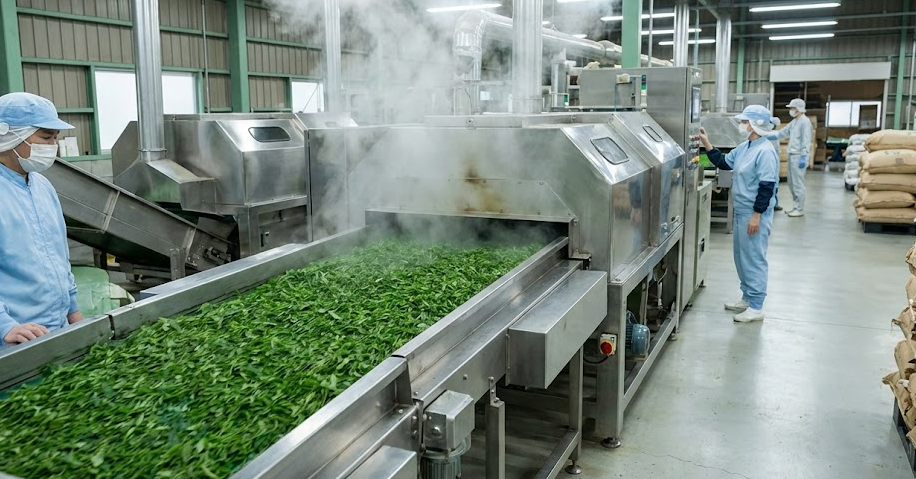
We grind Tencha in a 100,000-grade cleanroom13 using temperature-controlled micronization mills14. We grind extremely slowly to avoid heat that would "burn" the powder, preserving its color and L-theanine8. This is where we customize the particle size for perfect performance in your final product.
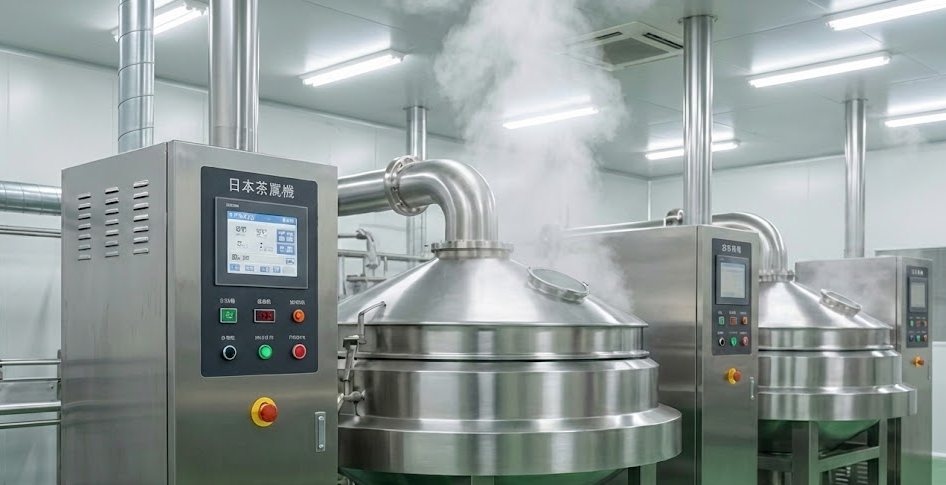
This is the final and most difficult stage. Many light-asset traders and low-quality factories fail here. If you grind Tencha too fast, the friction from the mills generates too much heat. This heat will literally burn the tea powder. It destroys the color value and the L-theanine8 that we worked so hard to cultivate. We send our Tencha into a 100,000-grade cleanroom13 for grinding. We use advanced, temperature-controlled micronization mills14. We don't just push a start button. We carefully control the temperature increase during milling. We also precisely calibrate the particle size, or mesh size. This is where we act as a private R&D lab for our big clients. For example, a North American coffee chain might need a matcha that suspends perfectly in thick oat milk without clumping. We can adjust the machine's physical parameters to deliver that exact powder structure. This level of control is impossible for traders buying cheap "green tea powder" and reselling it as matcha.
| Mesh Size | Particle Size (Microns) | Common Applications | Performance Notes |
|---|---|---|---|
| 800 - 1,200 | ~15-20 microns | Culinary Grade: Baking, cooking, smoothies | Blends easily into batters and thick liquids. |
| 1,500 - 2,500 | ~5-10 microns | Latte Grade: Hot & cold beverages, lattes | Suspends well in milk, smooth mouthfeel. Our most popular grade. |
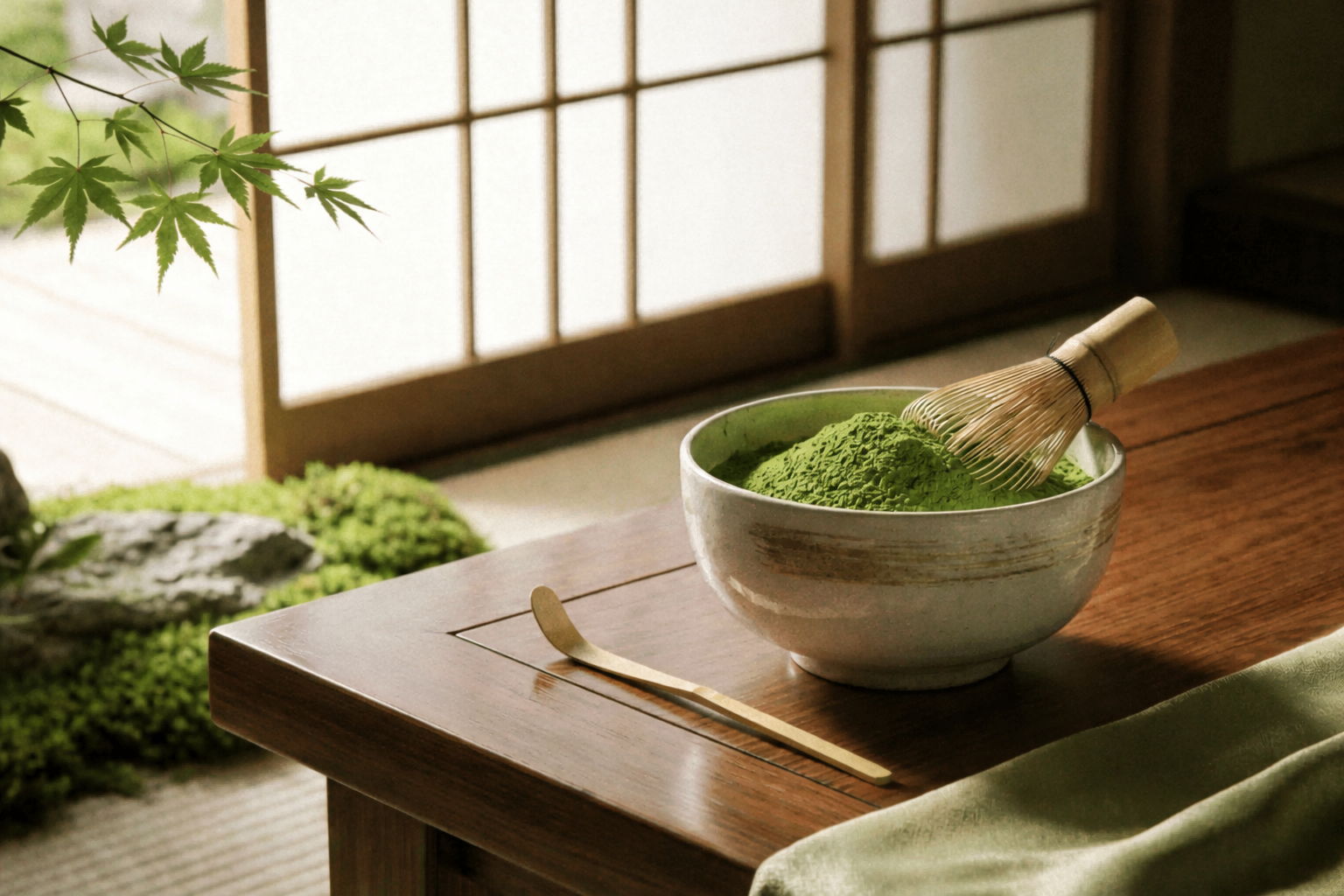
| 3,000+ | < 5 microns | Ceremonial Grade: Traditional tea ceremony (usucha) | Extremely fine, creates a rich foam, requires careful whisking. |
Conclusion
True bulk matcha is not simply ground green tea. It is the result of a precise, capital-intensive process15 that controls everything from the soil to the final micronized particle.
Learn how shading enhances flavor and color, crucial for authentic matcha. ↩
Discover how steam-fixation locks in freshness and color, differentiating quality matcha from inferior products. ↩
Tencha is the pure leaf used for high-grade matcha, ensuring a smooth texture and rich flavor. ↩
Temperature control prevents burning, preserving matcha's vibrant color and flavor. ↩
Organic matcha is grown without chemicals, ensuring purity and meeting strict standards. ↩
Explore how inducing survival mode in tea plants enhances matcha's umami flavor and color. ↩
Chlorophyll gives matcha its vibrant green color, a key quality indicator. ↩
L-theanine contributes to matcha's umami flavor and reduces bitterness, enhancing taste. ↩
Shade-growing increases chlorophyll and L-theanine, crucial for authentic matcha flavor. ↩
Manual weeding ensures organic certification, maintaining soil quality without chemicals. ↩
This method preserves the fresh green color and aroma, essential for premium matcha. ↩
High-temperature steam deactivates enzymes quickly, locking in freshness and color. ↩
A cleanroom ensures a contaminant-free environment, crucial for producing pure matcha. ↩
These mills allow precise control over particle size, enhancing matcha's texture and performance. ↩
The complex, high-tech process ensures consistent, high-quality matcha, justifying the investment. ↩