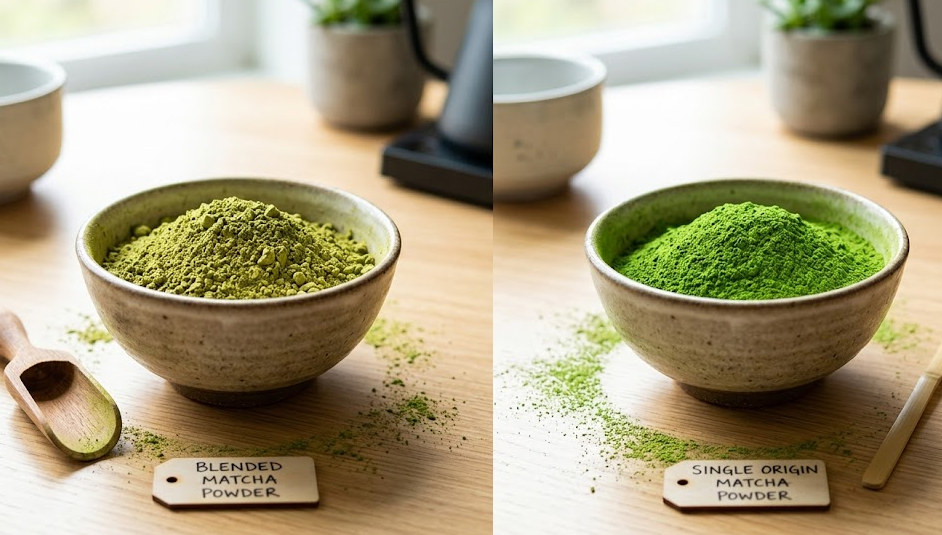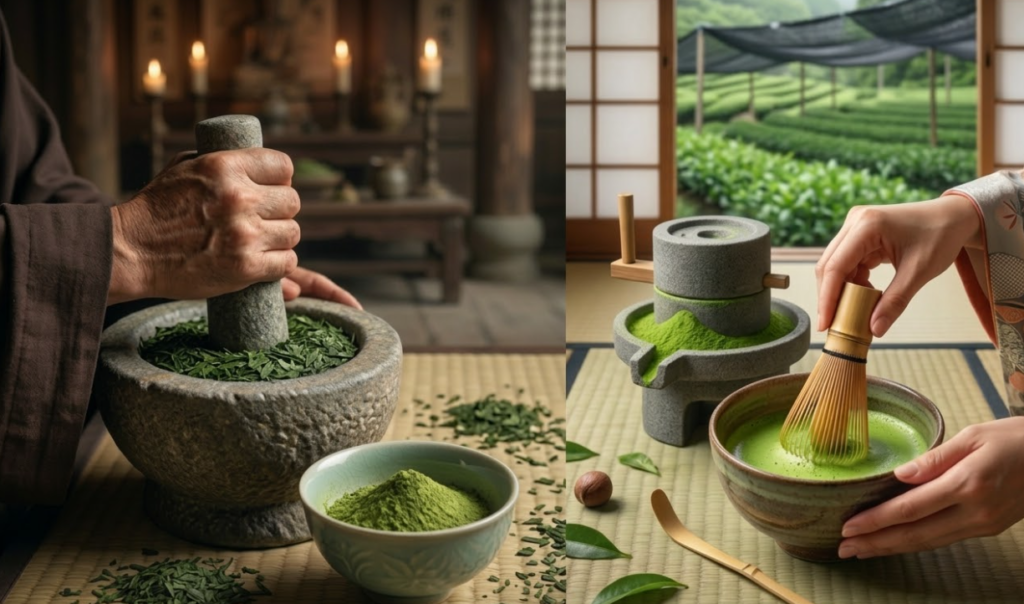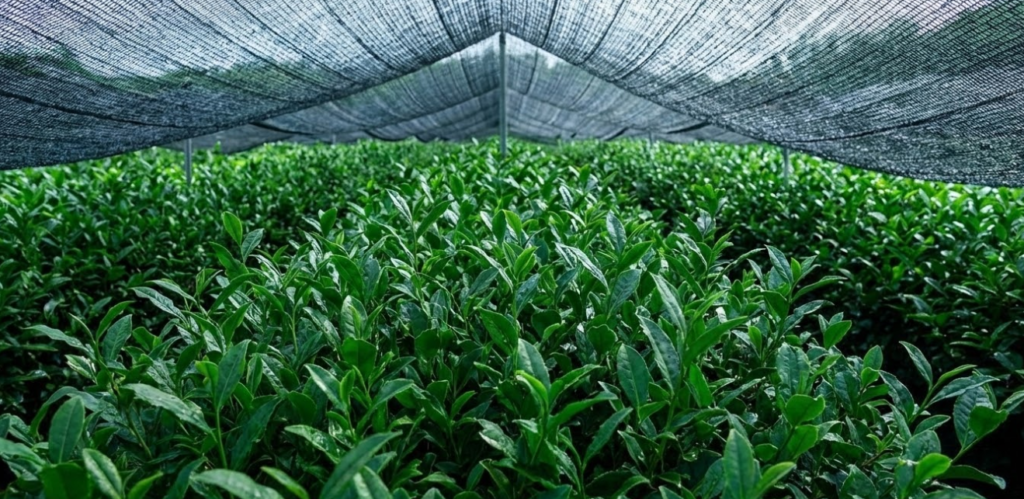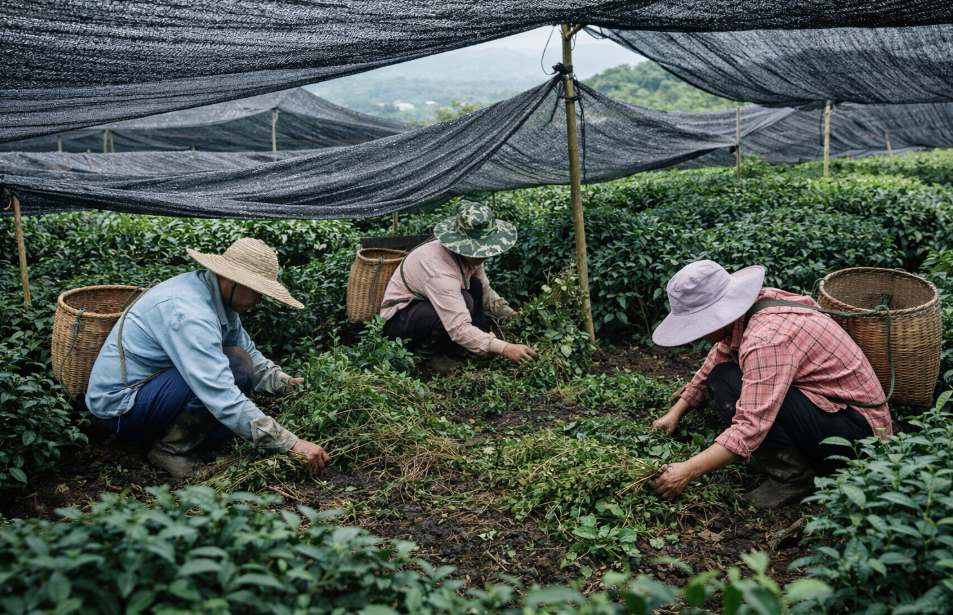
If you are sourcing matcha from China for a beverage brand, food manufacturer, cafe chain, supplement company, importer, or private label project, the question "What is the matcha capital of China?" is more than a geography question. For B2B buyers, the real issue is whether a region can provide stable quality, clean documentation, organic compliance, traceability, and repeatable supply.
China has more than one matcha production center. Tongren is known for mass production, Zhejiang has a long tea-processing history, and Anshun offers a single-estate model for buyers who need premium, traceable, export-ready matcha. The right choice depends on whether your priority is volume, price, compliance, or brand-level quality control.
Are you a buyer confused about where to find China's best matcha? Official titles don't tell the real story of risk and quality. I'll give you the on-the-ground answer.
The "capital" depends on your needs. The official capital for mass production is Tongren. But for premium, traceable, organic matcha1 that meets global standards, the true capital is the single-estate region of Anshun, Guizhou2, where we guarantee purity from our own farms.
What This Means for Bulk Matcha Buyers
For general readers, the matcha capital of China may sound like a simple location. For commercial buyers, it should be evaluated as a supply chain decision.
| Buyer Type | Main Concern | Best Region to Evaluate |
|---|---|---|
| Large Food Factories | Price and high-volume supply | Tongren or other mass-production regions |
| Domestic Food Brands | Blending and ingredient availability | Zhejiang supply chains |
| Premium Beverage Brands | Color, taste, and consistent quality | Single-estate Anshun matcha |
| Private Label Brands | Packaging, compliance, and repeat orders | Traceable China matcha supplier |
| Importers | COA, organic documents, and customs support | Export-ready Guizhou matcha |
| Organic Buyers | Low pesticide risk and farm control | Isolated single-estate farms |
If you are comparing regions for commercial sourcing, start with your product application first. A latte brand, RTD beverage brand, bakery factory, supplement company, and private label brand may all need different matcha specifications.
If you are comparing regions and suppliers, our matcha powder supplier in China page explains how to evaluate origin, quality control, documentation and long-term supply reliability.
Learn more about our bulk matcha supply, private label matcha, organic matcha, and COA testing support.
The answer isn't a single dot on a map. I've had many sourcing directors point to a map and ask me, "Where is the real matcha capital?" In my world, where I've invested my life savings into the soil and watch international shipping documents daily, the "capital" is about a brutal, high-stakes business game. It’s not just a location. It's a measure of who can provide absolute safety and quality for global brands. Let's look at the real map of China's matcha industry, based on what I've learned from years with my boots in the mud.
Wasn't Zhejiang the original matcha capital?
You might think the historic tea regions of Zhejiang are the best source. But their long farming history creates hidden risks for today's strict organic standards. Here’s why this old empire struggles.
Yes, Zhejiang was the heart of China's tea industry. It excels at blending for the domestic food market. However, its soil history makes it extremely difficult to produce large-scale, certified organic matcha3 that can pass strict international pesticide tests, limiting its role for premium export.
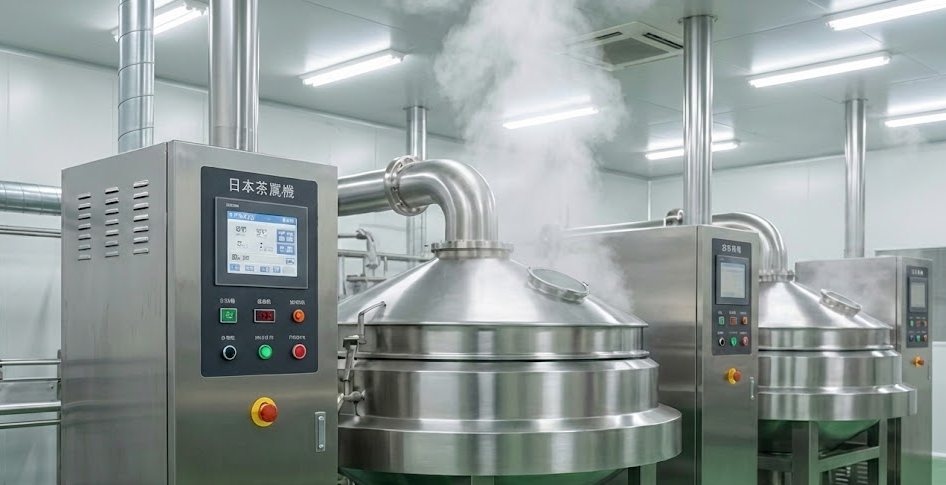
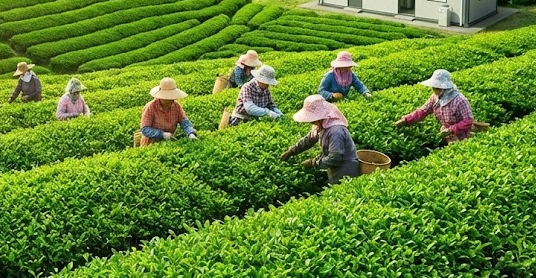
If you asked me this question ten years ago, I would have pointed straight to the areas around Shanghai, especially Shaoxing and Hangzhou in Zhejiang province. Zhejiang is like the military academy of China's tea industry; its foundation is incredibly deep. When I first entered the business, I visited the region. I saw highly mature blending techniques and a dizzying supply chain built for fast-moving consumer goods. Most of the matcha ice cream and bakery ingredients you find in China come from there. But when you move into the deep waters of high-end international B2B, Zhejiang's main weakness becomes clear. The soil carries a historical burden. The land was developed very early and has a long history of intensive farming. When my major European clients came to me with their extremely strict EU Organic and zero-pesticide requirements4, it was nearly impossible for the old tea regions in eastern China to guarantee absolute purity on a large scale.
| Zhejiang's Profile | Description |
|---|---|
| Strengths | Deep industry knowledge, strong domestic supply chain, expertise in blending for food. |
| Weaknesses | Difficulty meeting top-tier organic standards, high risk of pesticide residue from old soil. |
| Best For | Domestic mid-to-low-end food ingredient market, not premium exports. |
This limitation meant they could rule the domestic market but couldn't really compete head-to-head with major Japanese producers in the top-tier "pure organic" race. This is what pushed the entire industry to look westward.
So is Tongren the official "Matcha Capital"?
You heard Tongren, Guizhou5 is the new official "Matcha Capital". But their massive scale, built on sourcing from many small farms, creates a huge quality control risk. I'll explain this danger.
Yes, Tongren is officially recognized as China's Matcha Capital due to its massive production capacity. Factories there can produce thousands of tons. The main risk is their blended sourcing model6, which makes full traceability and consistent quality a major challenge for premium brands.
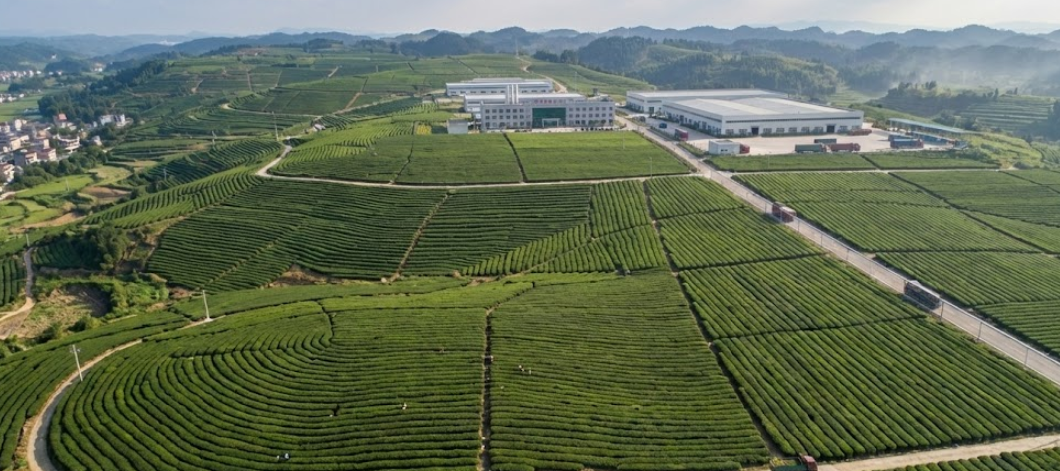
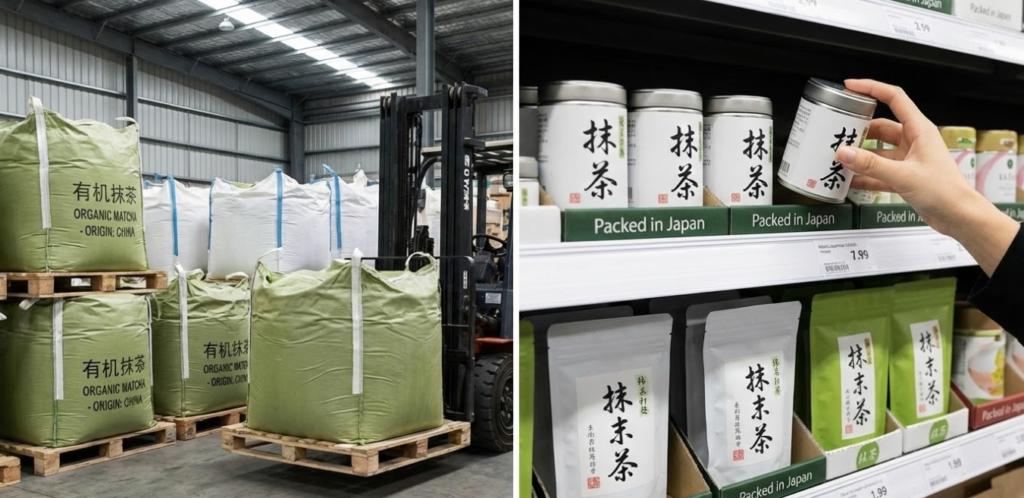
Today, the official "Matcha Capital of China" is in Tongren, Guizhou. This marks a major westward shift for the Chinese matcha industry. Tongren is home to massive, single-unit refining workshops7 with capacities of several thousand tons, like those run by the Guizhou Tea Group. These are true industrial giants. They represent extremely standardized, large-volume production. They solved the problem of "quantity." But from my perspective, the biggest weakness of these giants is their "blended" model. To produce thousands of tons of matcha, they have to collect fresh tea leaves from countless small farmers and cooperatives. For someone like me, who walks a tightrope with food safety regulations every day, collecting from scattered sources is like playing with a "blind box." If just one farmer secretly uses a banned pesticide, and those leaves get mixed into the giant blender, the entire production line of dozens of tons is ruined. If a major client's shipment gets flagged at customs in Europe or America, they face huge financial claims and a potential disaster for their brand.
| The Tongren Model | Description |
|---|---|
| Pros | Huge volume capacity, highly standardized processes, economies of scale. |
| Cons | Inconsistent quality from mixed sources, high risk of contamination, difficult traceability. |
| Best For | Large-scale, price-sensitive markets where absolute purity is not the top priority. |
This is a risk that serious international brands simply cannot afford to take. It's a nightmare scenario that keeps sourcing directors up at night, and it's a problem the mass-production model can't easily solve.
You need a reliable source of premium matcha that can replace Japanese Uji without the compliance headaches. Mass-market suppliers can't offer the absolute safety your brand demands. Discover the "invisible capital."
For buyers needing the highest quality, the real capital is the "single-estate" region of Anshun, Guizhou. Here, controlling the entire process from our own soil to the final package provides the absolute safety, traceability, and quality that top international brands require.
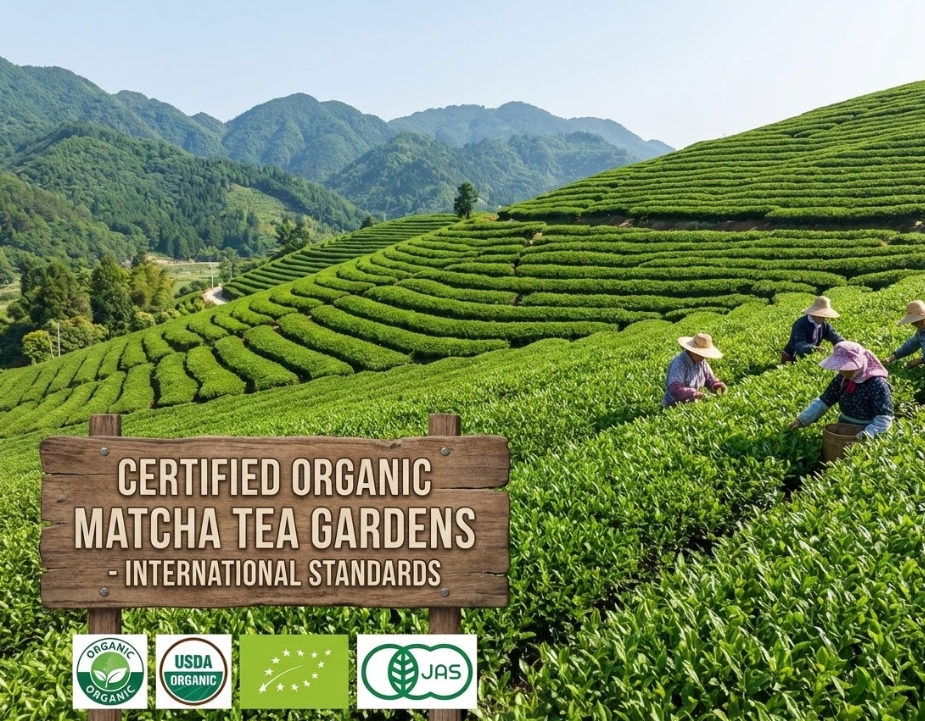
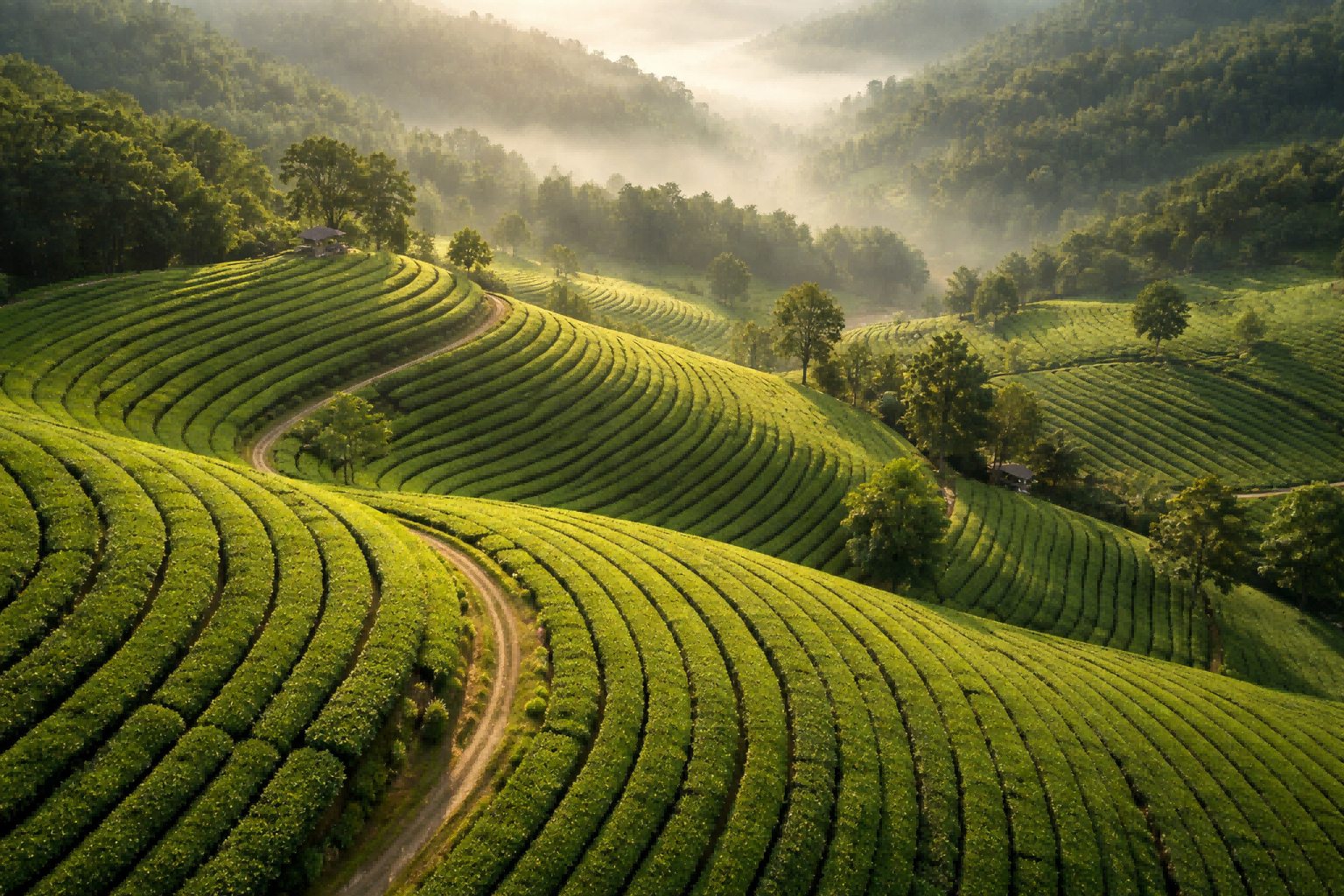
This is exactly why I made the tough decision years ago to plant the flag for MatchaSourcing.com firmly in Anshun, Guizhou. In my mind, the true matcha capital isn't about who has the biggest official sign. It’s about who can give multinational giants an absolute "get-out-of-jail-free card" when it comes to safety and compliance. My pride comes from the soil itself. In Anshun, I secured over 2,300 acres of high-altitude, virgin land. Every time I stand at the highest point of our tea garden and look down, I don't feel romance; I feel a deep sense of security. This land is a true "single-estate." We have wide, physical ecological buffer zones. We never, ever buy a single leaf from outside our farm. We burn cash on expensive manual weeding to avoid all chemicals. Only by having complete control over the soil can I confidently walk into my Class 100,000 cleanroom8 and fine-tune production for a high-end North American coffee chain. I can adjust the steaming time by the second or control the temperature rise inside the micro-pulverizer to protect the high concentration of L-theanine9. I don’t compete with the giants on volume. I serve as the "private backyard" for premium Western brands.
For buyers evaluating production scale, cleanroom processing and export-ready manufacturing, our matcha production capability page explains how we support stable commercial matcha supply.
| The Anshun Single-Estate Advantage | Our Commitment to You |
|---|---|
| 100% Estate-Grown | Complete traceability from our farm to your facility. Zero risk of outside contamination. |
| Certified Organic & Isolated | Guaranteed to pass the strictest EU, JAS, and Rainforest Alliance audits10. |
| End-to-End Control | Consistent quality and the ability to customize powders for your specific application. |
So, if you are writing a news report, please write "Tongren, Guizhou." But if you are holding a multi-million dollar order11 and need a partner who can match Japanese Uji quality12 and pass the strictest Western pesticide tests every time, then the ground I'm standing on right here in Anshun—this is your matcha capital.
FAQ About the Matcha Capital of China
What is the matcha capital of China?
Tongren, Guizhou is often recognized as the official matcha capital of China because of its large-scale production capacity. However, for premium organic and traceable matcha, buyers may also evaluate Anshun, Guizhou and other single-estate production regions.
Is Tongren the best place to source matcha from China?
Tongren is important for mass production and high-volume matcha supply. But buyers who need strict traceability, organic compliance, and premium quality should also compare single-estate suppliers that control their own farms and processing facilities.
Why is Anshun important for premium matcha buyers?
Anshun is important because isolated high-altitude farms, single-estate control, organic management, and end-to-end production can reduce sourcing risk for brands that need clean documentation, batch consistency, and export-ready quality.
Is Zhejiang still important for China matcha production?
Yes. Zhejiang has deep tea-processing experience and strong blending capabilities. It can be useful for domestic food ingredient supply, but buyers with strict organic or pesticide-residue requirements should carefully review documentation and traceability.
What should B2B buyers check before choosing a China matcha supplier?
B2B buyers should check farm control, origin traceability, organic certification, pesticide residue results, heavy metals, microbial testing, mesh size, color stability, COA, production capacity, MOQ, packaging support, and export documentation.
For compliance review, our export certifications page summarizes certificates, COA support, organic documents and export requirements for bulk matcha buyers.
Is Chinese matcha suitable for private label brands?
Yes. Chinese matcha can be suitable for private label brands when the supplier can provide stable grades, packaging support, COA, organic options, export documents, and application-specific matcha for latte, RTD, baking, supplements, or retail packs.
Which China matcha region is best for bulk matcha?
For bulk matcha, the best region depends on your priority. Tongren may be suitable for high-volume and price-sensitive supply, while Anshun may be better for premium organic, traceable, and brand-sensitive projects.
Conclusion
The matcha capital of China depends on your needs. For mass volume, look to Tongren. But for a true partner offering certified, single-estate quality, Anshun is your real capital.
Need China Matcha for Bulk or Private Label Supply?
If you are sourcing Chinese matcha for a beverage brand, bakery product, supplement formula, cafe chain, importer, or private label project, the most important question is not only where the matcha is produced. The key question is whether your supplier can provide the right balance of scale, quality, compliance, traceability, and application support.
At MatchaSourcing, we support international buyers with:
- Bulk matcha supply for beverage, bakery, supplement, and food manufacturing brands
- Private label matcha powder with custom packaging support
- Organic matcha options with export documentation
- COA, specification sheets, pesticide residue testing, heavy metals testing, and microbial testing
- Application-based matcha selection for latte, RTD beverages, baking, desserts, and functional products
- Single-estate traceability for buyers who need premium China matcha with stronger supply chain control
You can also explore our related sourcing pages:
- Bulk matcha supply
- Private label matcha
- Organic matcha
- COA testing support
- Matcha for latte and cafes
- Matcha for RTD beverages
- Matcha for baking
- Shipping and incoterms
If you are comparing Tongren, Zhejiang, Anshun, Japanese Uji, and other matcha origins for your product, we can help you evaluate grade, cost, documentation, certification, MOQ, and long-term supply stability.
Request Bulk Matcha Pricing | Get Sample & COA | Discuss Private Label Matcha
Explore this link to discover the best sources for high-quality matcha that meets global standards, ensuring purity and traceability. ↩
Learn why Anshun is the preferred choice for premium matcha buyers seeking absolute safety and quality from a controlled single-estate source. ↩
Discover sources for certified organic matcha that meet international standards for purity and sustainability. ↩
Find out how matcha producers in China are adapting to strict international standards for organic certification and pesticide-free production. ↩
Discover the reasons behind Tongren's status as the official matcha capital, focusing on its massive production capacity and challenges. ↩
Explore the potential quality control issues and contamination risks in matcha production using a blended sourcing model. ↩
Learn about the large-scale production facilities in Tongren and their role in the matcha industry. ↩
Explore how cleanroom technology contributes to the high standards of matcha production, ensuring quality and safety. ↩
Learn about the significance of L-theanine in matcha and how production techniques in Anshun preserve its concentration. ↩
Understand the role of Rainforest Alliance audits in certifying matcha production for environmental and social responsibility. ↩
Explore why Anshun is the trusted source for large-scale, high-value matcha orders requiring stringent quality standards. ↩
Find out how Anshun's matcha production techniques rival the renowned quality of Japanese Uji matcha. ↩