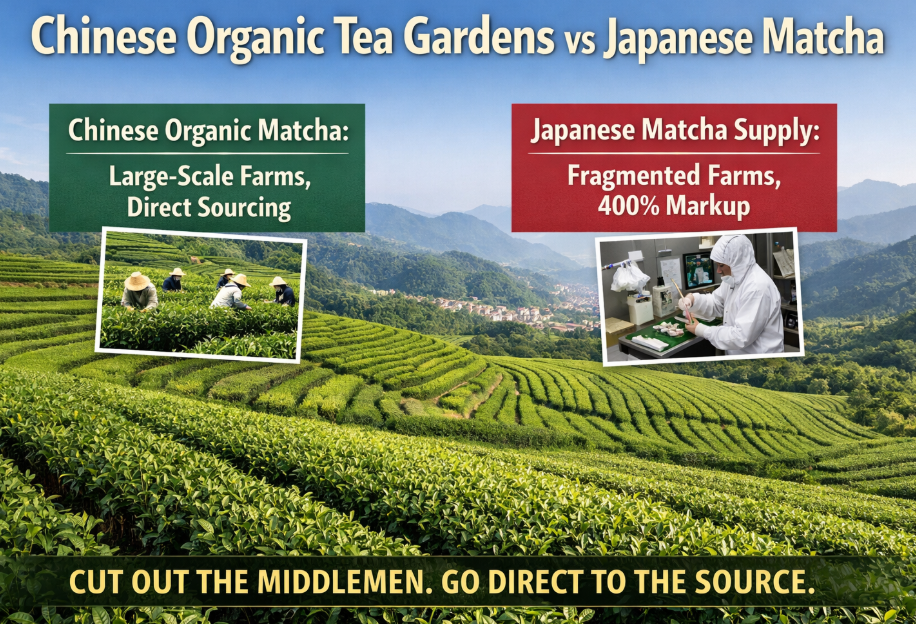
You need a Chinese matcha supplier but don't know where to start. Following standard online guides can lead you straight into a minefield of low-quality, unsafe products. I will show you the real story.
The best way to find a reliable Chinese supplier is to skip general online platforms and sourcing agents. You should connect directly with certified, asset-heavy producers who own their farms and factories. This guarantees quality, safety, and full traceability from the source.
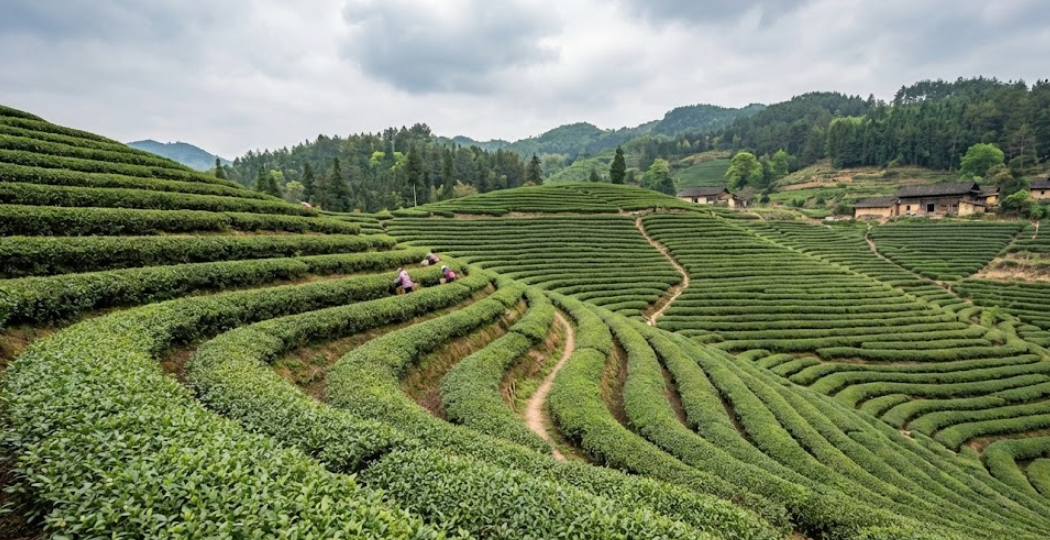
I often see international buyers following a standard "how-to" guide to find suppliers in China. Every time, I feel like they are walking through a minefield with their eyes closed. For a product as special as matcha, where you consume the entire leaf, this approach is not just inefficient; it's dangerous. The standard guides teach you how to buy a generic commodity, but sourcing great matcha is about building a fortress of trust. Let me break down the common traps and show you how serious buyers operate.
Are Alibaba and 1688 reliable for sourcing high-quality matcha?
You see thousands of matcha suppliers on Alibaba, and they look professional. But many are just traders selling cheap, low-grade powder that could ruin your brand's reputation. Let me explain the difference.
Generally, no. Most Alibaba sellers are traders, not producers. They often buy cheap, bitter leftovers from platforms like 1688 and relabel them as "premium." For a sensitive product like matcha, this creates huge risks for quality and food safety.
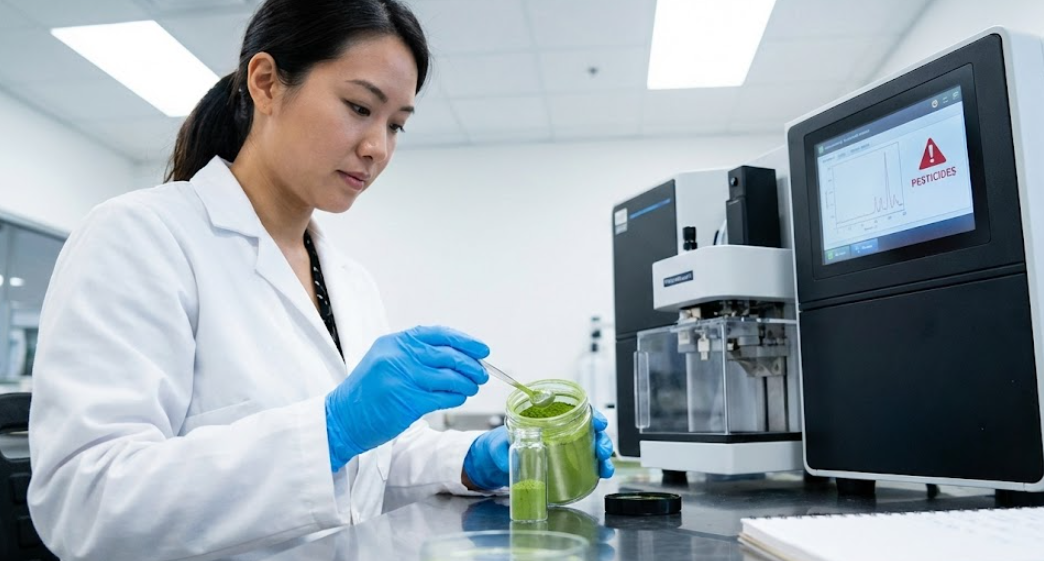
I've seen so many foreign buyers assume that a "Gold Supplier" on Alibaba is a guarantee of quality. They think they can find a top-tier substitute for Uji matcha this way. This is far from the truth. Matcha is an extremely special category. Since you ingest the entire leaf, it is highly sensitive to pesticide residues and heavy metals. About 80% of the beautifully designed English shops you see on Alibaba are run by asset-light trading companies. They don't own farms or factories.
So where do they get their product? They source from 1688, a domestic platform that many guides mention. But in the matcha world, 1688 is often a marketplace for processing leftovers and low-grade summer and autumn teas. These traders buy cheap, bitter powders by the ton, some of which may even exceed pesticide limits. They then put a fancy "Premium Ceremonial" label on it and sell it to unsuspecting international cafes. When a serious buyer from North America asks for a three-year organic soil conversion certificate for a large order, these traders are instantly exposed. They simply don't have the documentation because they don't control the source.
| Feature | Alibaba Trader | Direct Producer (Like Us) |
|---|---|---|
| Business Model | Buy low, sell high | Grow, process, and sell |
| Source Control | None. Buys from various sources. | Full control from farm to factory. |
| Traceability | Almost impossible to trace. | Complete traceability from soil to cup. |
| Certifications | Often just showcases copies. | Holds original, auditable certificates. |
| Consistency | Varies widely from batch to batch. | High consistency in color, taste, and quality. |
| Risk | High risk of poor quality and safety issues. | Low risk, with a focus on food safety. |
Should I find matcha suppliers at the Canton Fair?
The Canton Fair is famous worldwide, so it seems like a great place to meet suppliers. But you will waste your time searching for quality matcha among cups and hardware vendors. I'll tell you where the real experts go.
No, the Canton Fair is not the right place for sourcing high-end matcha. Serious matcha producers and expert buyers attend specialized ingredient shows, like IFT in America. These events focus on technical details, certifications, and supply chain strength.
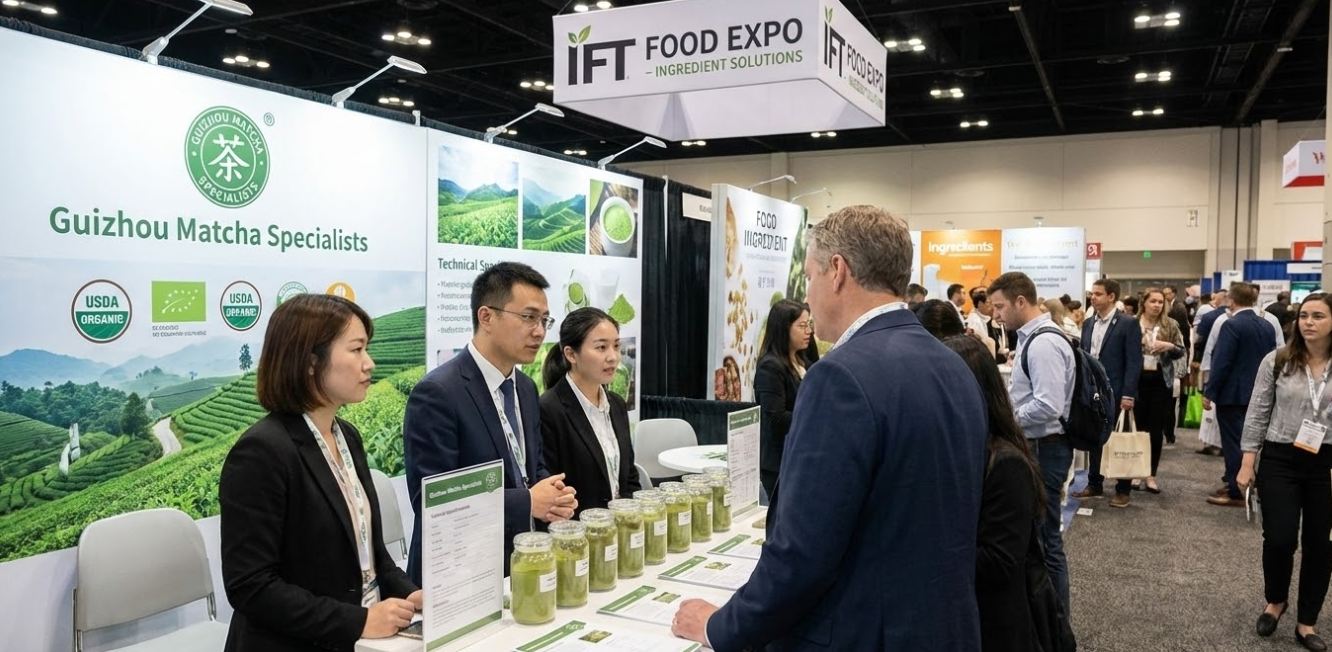
The Canton Fair is huge, but it's a general merchandise show. The buyers there are typically looking for a wide range of products, like home goods or electronics. The top-tier food formulators and quality assurance directors from multinational chains, the people who decide where tons of matcha are sourced globally, don't have time for a general market. They operate in a different world.
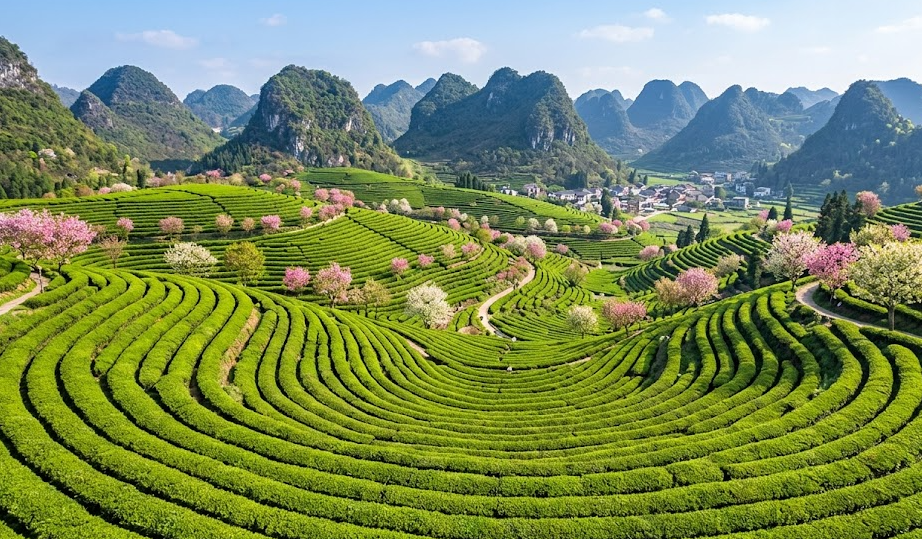
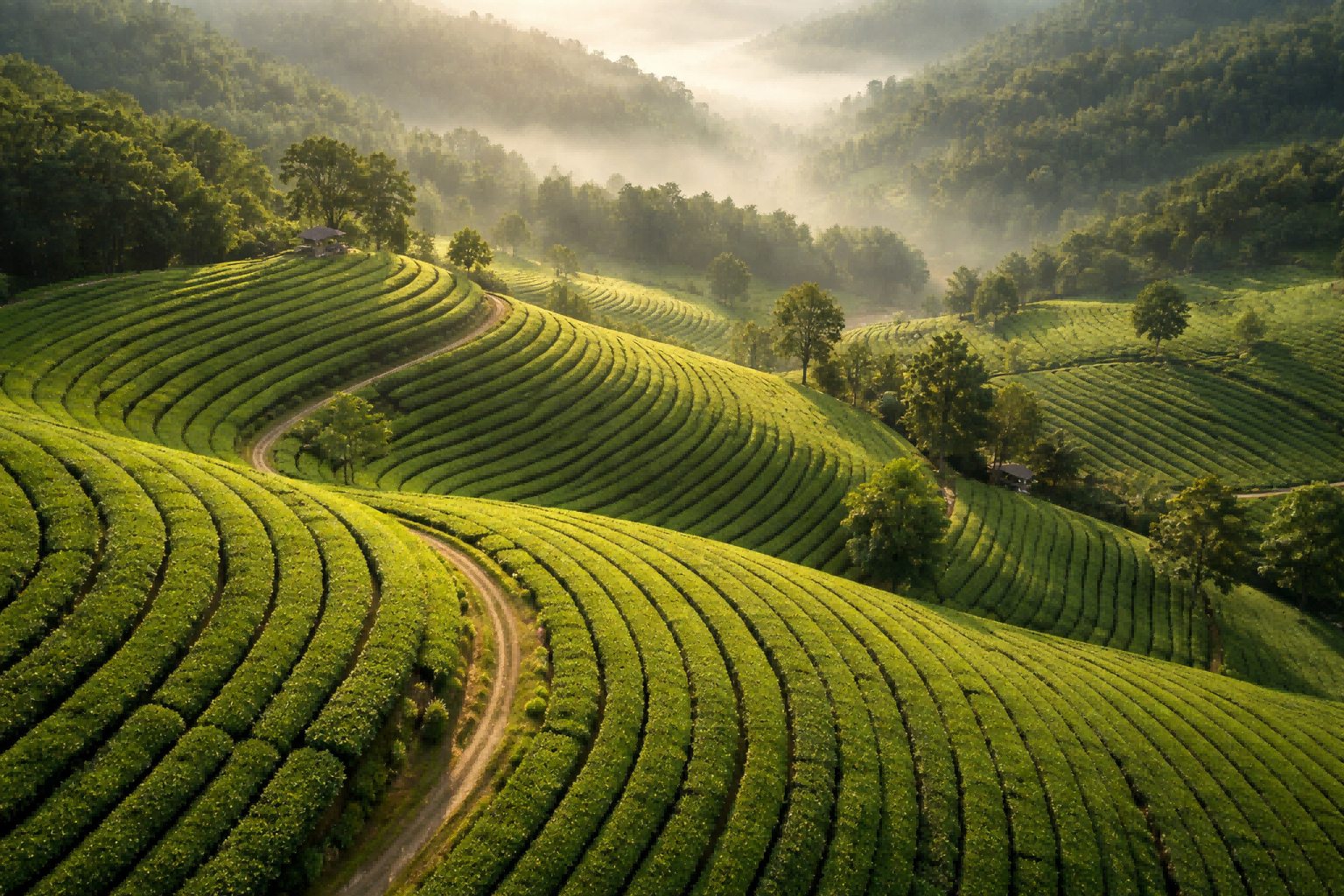
In the serious B2B space, the real, asset-heavy producers go to highly specialized ingredient exhibitions to show their strength. A great example is the IFT (Institute of Food Technologists) annual event. At a show like that, we don't compete based on who has the prettiest booth. We compete on hard facts. We put our data on the table: the ecological coordinates of our 2,300+ mu of high-altitude tea gardens in Guizhou, the micronization grinding parameters from our class 100,000 cleanroom, and the thick binder full of zero-pesticide reports for our dual EU and USDA certifications. This is how we prove our value to the most demanding clients in the world.
| Aspect | Canton Fair (General) | IFT (Specialized Ingredient Show) |
|---|---|---|
| Audience | General buyers, importers of finished goods. | Food scientists, R&D, QA directors. |
| Product Focus | Finished consumer products. | Raw ingredients, technical solutions. |
| Supplier Type | Traders, agents, and general manufacturers. | Specialized, asset-heavy producers. |
| Conversation | Price, MOQ, and packaging. | Technical specs, certifications, supply chain. |
| Goal | Find products to sell. | Find reliable, long-term ingredient partners. |
Is hiring a sourcing agent the safest way to buy matcha from China?
A sourcing agent feels like a safe shortcut to finding a factory in China. But their business model can actually create massive food safety risks for your matcha. Let me show you a better, safer way.
No, for organic matcha, it is often a recipe for disaster. An agent's main goal is to earn a commission by pushing prices down. This forces factories to cut corners, sometimes using old tea or even illegal additives to meet the low price.
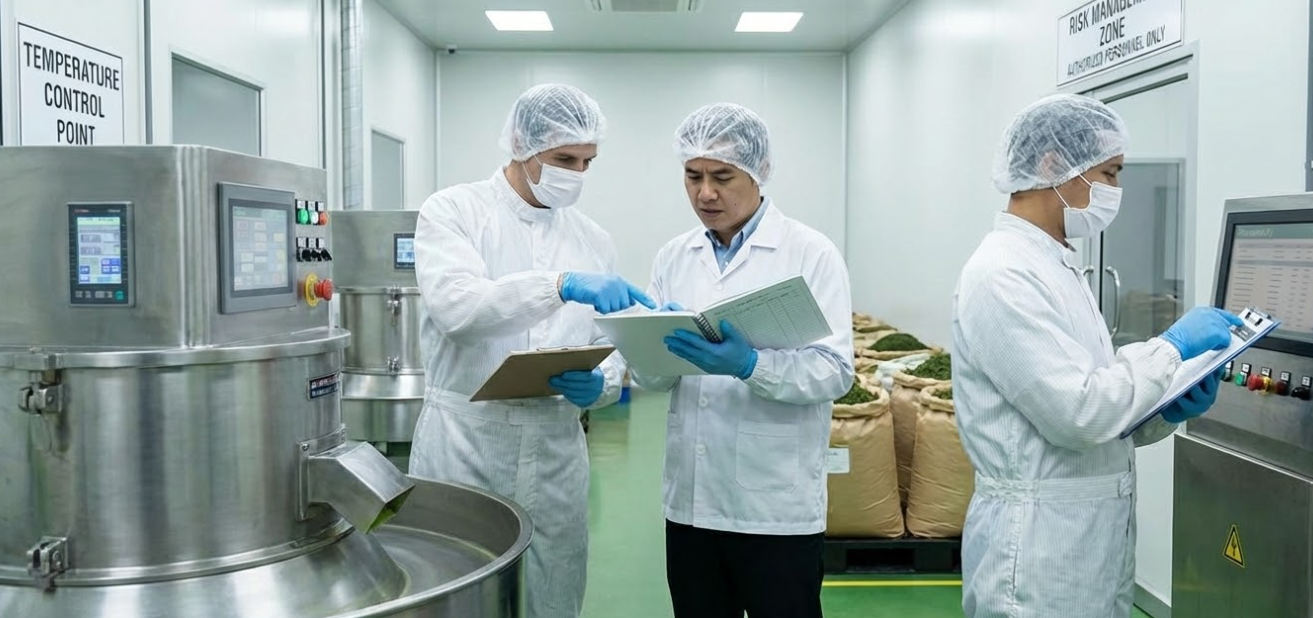
Many guides recommend hiring a sourcing agent. This might work for simple products, but for organic matcha, it can be the start of a food safety nightmare. An agent's core motivation is to make a profit. They do this by earning a commission on the order value and sometimes by getting a kickback from the factory. To maximize their earnings, they take your budget and aggressively negotiate for the lowest possible price.
This intense price pressure forces small, unprincipled workshops to do whatever it takes to win the order. They might mix in old, expired tea from previous years to lower costs. In the worst cases, they might even add artificial colorants to make a low-grade powder look greener. This is why you see a split in the market. The top brands that need dozens of tons of pure, toxin-free, high-theanine matcha will never use a sourcing agent. Instead, they send their own quality assurance team directly to my mountains in Guizhou. I’ve personally hosted teams who put on protective gear, walked my production lines, and checked data with their own instruments. That direct verification is the highest form of recognition for a producer like me. It builds a foundation of real trust.
| Approach | Working Through a Sourcing Agent | Working Directly with a Producer |
|---|---|---|
| Motivation | Agent wants low prices to earn commission. | Producer wants a long-term, stable partnership. |
| Communication | Indirect, filtered through the agent. | Direct, clear, and transparent. |
| Quality Control | Agent has limited control or expertise. | You have direct access to the source and data. |
| Relationship | Transactional. | Collaborative partnership. |
| Food Safety Risk | High. Price pressure encourages shortcuts. | Low. Focus is on quality and compliance. |
Conclusion
To find a reliable Chinese matcha supplier, you must look beyond generic guides. You need to bypass traders and agents and build a direct relationship with a trusted, asset-owning producer.