Choosing the wrong matcha can ruin your desserts' color and flavor. This wastes ingredients, disappoints customers, and hurts your brand. But what if the "best" matcha isn't the most expensive?
The best matcha for baking and desserts is not ceremonial grade. It's a high-quality culinary grade1 designed for stability. It keeps a vibrant green color and clear flavor after being mixed with ingredients like sugar, fat, and dairy, and after being heated during processing.
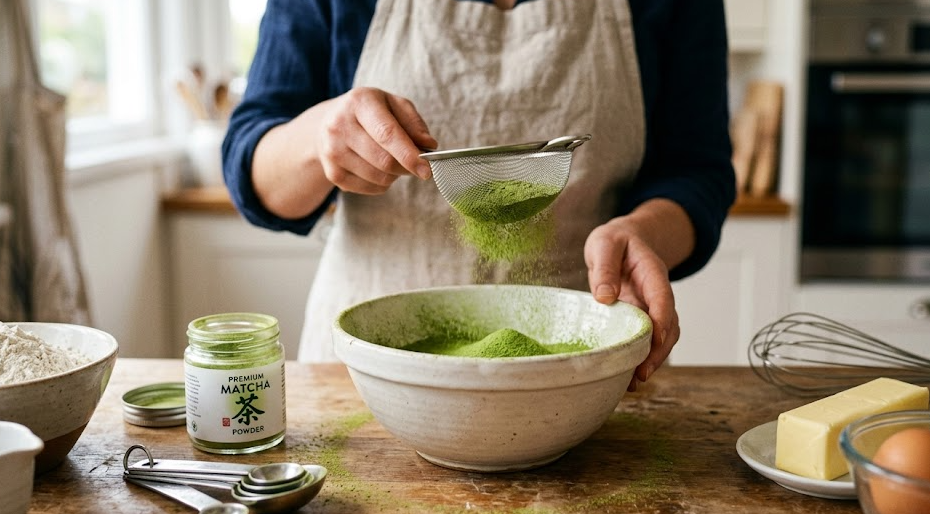
Many people automatically think "ceremonial" when they hear "best." I used to think that way too. My experience in large-scale production, however, taught me that the rules are completely different for manufacturing. The "best" choice is not about a fancy name; it's about performance and consistency in your final product. Let's break down what really matters when you're choosing a matcha for your business.
Why Isn't Ceremonial Grade Ideal for Baking?
You use expensive ceremonial matcha in your recipes. But the flavor gets lost and the color turns dull after baking, wasting your money. Understanding why this happens is key to picking the right powder.
Ceremonial grade matcha has a very delicate, subtle flavor. This is easily overpowered by sugar, fats, and other strong ingredients in desserts. Its fine texture is designed for whisking in water, not for withstanding the high heat of baking, which degrades its color and flavor.
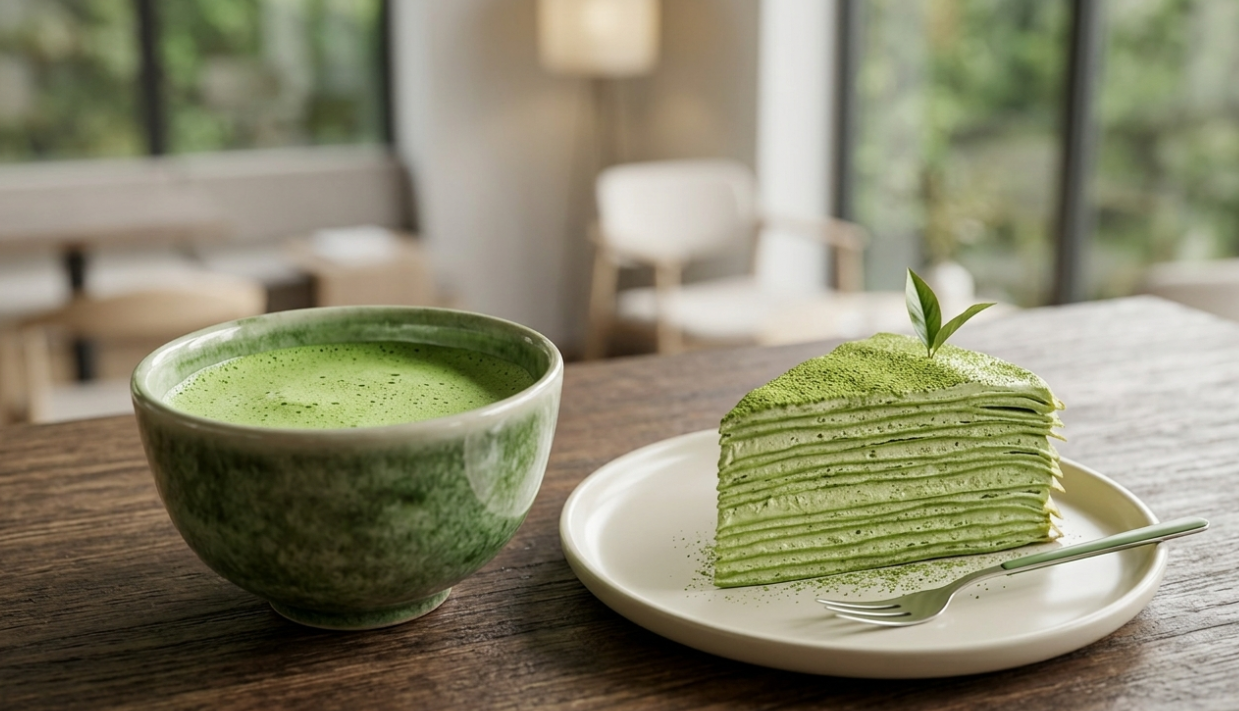
When we talk about ceremonial grade, we are talking about a tea that is treated like a fine wine. It is made from the youngest, most tender tea leaves, harvested only once a year in the spring. The resulting powder has a very nuanced, umami-rich, and slightly sweet flavor profile that is meant to be enjoyed with just hot water. When you introduce this delicate powder into a complex baking recipe, several problems arise.
Flavor Profile Mismatch
The subtle notes of ceremonial grade matcha2 are simply not strong enough to compete with the powerful flavors of sugar, butter, flour, and chocolate. I've seen clients try to make a "premium" matcha cake with ceremonial grade, only to find the matcha flavor completely vanished after baking. It’s like using a delicate white wine in a heavy, spicy stew; the nuance is lost, and the ingredient is wasted. A proper culinary grade matcha has a stronger, more assertive flavor profile specifically designed to cut through these other ingredients.
Cost vs. Performance
The high price of ceremonial grade matcha2 comes from its labor-intensive harvesting and production process. You pay a premium for its delicate flavor and smooth texture for drinking. This high cost does not translate to better performance in a cake, cookie, or ice cream. In fact, a much more affordable culinary-grade matcha, if selected correctly, will give you a better, more vibrant green color and a more distinct matcha taste in your final product. For a manufacturer, using ceremonial grade is simply not a good return on investment.
Processing Instability
The chemical compounds that give ceremonial matcha its bright green color and delicate flavor, like certain types of chlorophyll and amino acids, are very sensitive to heat. The high temperatures of an oven will cause them to break down, resulting in a dull, yellowish-brown color and a more bitter taste. Our culinary grades are often made from later-harvest leaves that contain more catechins and more stable forms of chlorophyll. These leaves are more resilient and are processed to withstand the rigors of manufacturing.
| Feature | Ceremonial Grade | High-Quality Culinary Grade |
|---|---|---|
| Intended Use | Drinking with water | Baking, desserts, lattes, smoothies |
| Flavor Profile | Delicate, umami, subtle sweetness | Strong, robust, slightly astringent |
| Heat Stability | Low | High |
| Color Retention | Poor in baking | Excellent in baking |
| Cost | Very High | Moderate |
| Value in Manufacturing | Low | High |
What Key Factors Define the Best Matcha for Manufacturing?
Your matcha products look great one day and dull the next. This inconsistency damages customer trust and makes quality control a nightmare. The solution is choosing matcha based on manufacturing-specific criteria.
The best matcha for manufacturing is defined by four key factors: strong color stability3, a robust flavor4 that stands up to other ingredients, excellent formulation compatibility, and most importantly, strict batch-to-batch consistency5. These ensure a reliable and predictable final product every time.
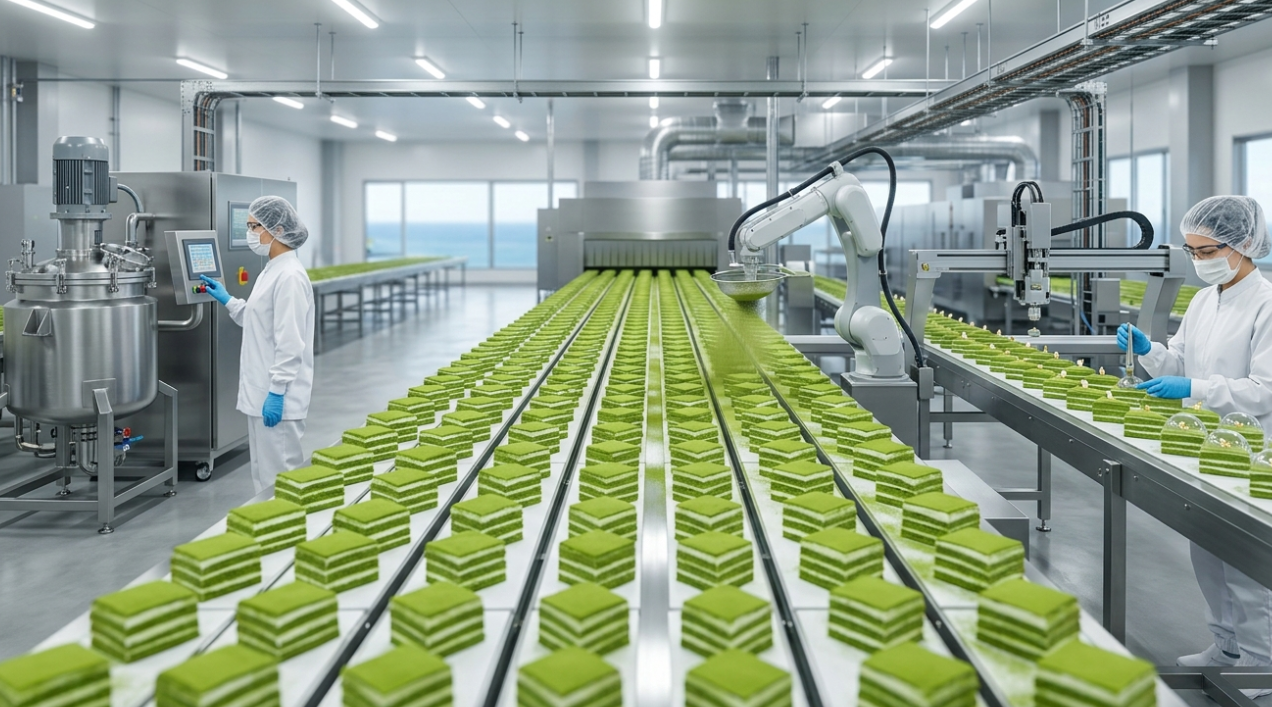
When a food brand or a bakery chain comes to us, they aren't just buying a green powder. They are buying a promise of consistency for their customers. A customer who buys a matcha croissant should get the same delicious experience every single time. As a supplier, my job is to provide an ingredient that makes this possible. This comes down to focusing on the factors that truly matter in a production environment. Over the years, I've seen that the most successful products are built on a foundation of a truly suitable matcha, not just a high-sounding one.
Color Stability is Non-Negotiable
The visual appeal of a matcha dessert is half the experience. A vibrant green color signals freshness and quality. The challenge is that heat, fat, and sugar can all degrade matcha's color. A great culinary matcha is one that has been selected and processed specifically for color stability3. At our facility, we utilize summer and autumn harvest leaves which naturally have a more resilient composition. Our processing methods are also optimized to protect the chlorophyll, ensuring that the matcha stays a beautiful, natural green even after it comes out of the oven or is blended into ice cream base.
A Flavor That Cuts Through
As I mentioned, the delicate flavor of ceremonial matcha gets lost in baking. A good baking matcha needs a bolder, more assertive flavor profile. It should have a noticeable "green tea" character with a slight, pleasant astringency that can balance the sweetness of a dessert. It should be strong enough that you can clearly taste it in the final product without having to use an excessive amount of powder, which would negatively affect the texture and cost. We achieve this by carefully blending different tea leaf cultivars and harvests to create a consistent, robust flavor4 profile year-round.
Consistency is King
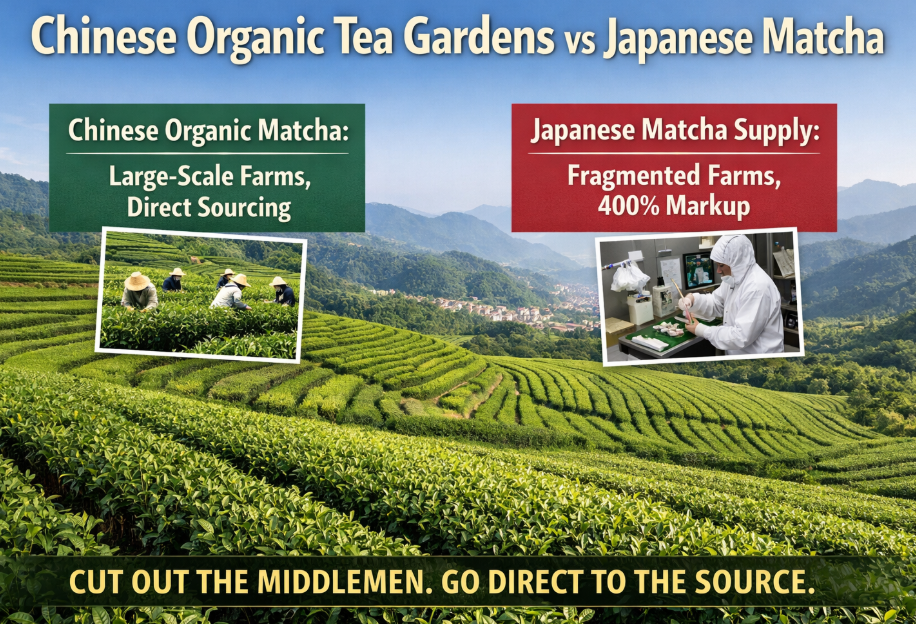
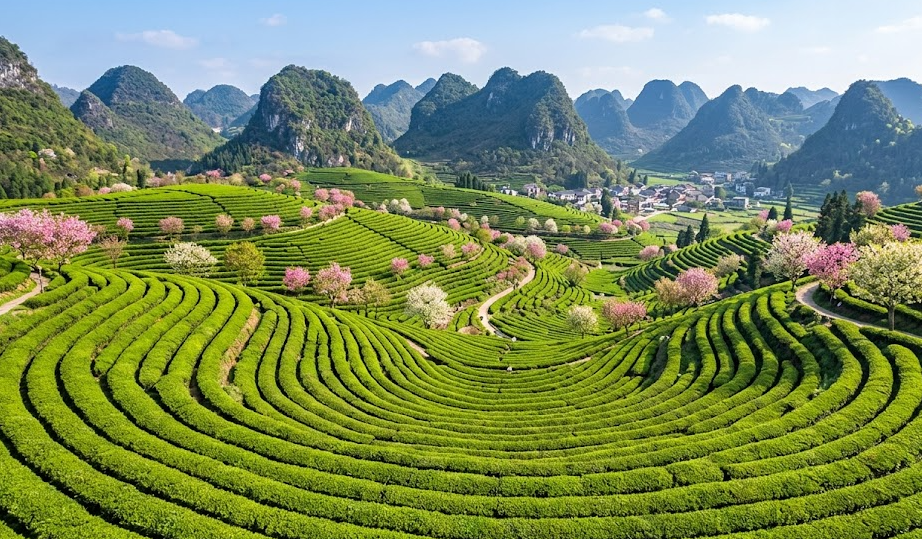
For any business that produces at scale, consistency is everything. You cannot afford to have your matcha cake look and taste different from one week to the next. This is the single most important factor for our B2B clients. A sample might be perfect, but if the bulk order that follows is different, it can halt production. We've invested heavily in a one-stop supply chain, from our own organic tea gardens6 to our processing lines. We use data-driven quality control at every step to ensure every batch of matcha we ship meets the exact same specifications for color, flavor, and particle size. This guarantees that our partners' products remain consistent, protecting their brand reputation.
How Can You Test and Select the Right Matcha for Your Products?
You receive beautiful matcha samples that look promising. But when you scale up, the bulk order performs differently, ruining your production run. A structured testing process7 can prevent this costly mistake.
To select the right matcha, don't just judge the dry powder. Test it in your actual recipe. Perform a bake test8 to check color retention and flavor. Mix it into a fat-based system like white chocolate or cream to assess solubility and stability before committing to a large order.
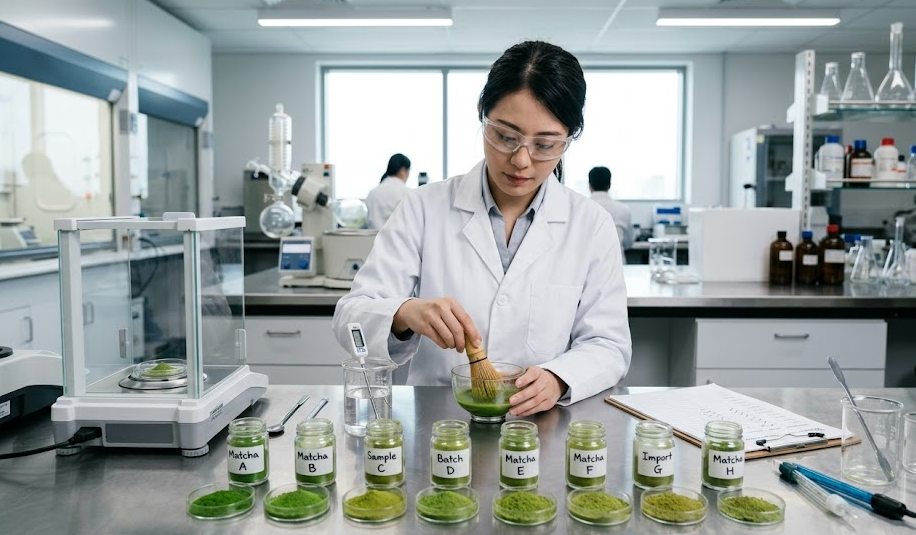
I always tell my new partners that a matcha sample is just the beginning of the conversation. The real test is how it performs in your unique product. A powder that works wonders in a cookie might not be the best for a creamy mousse. The only way to know for sure is to test it in a real-world application. A simple, structured testing process7 will save you a lot of time, money, and headaches down the road. It helps you move from "this looks nice" to "this works perfectly."
The Initial Sample Evaluation
When you first receive a sample, of course, you should do a visual and sensory check.
- Color: Look for a vibrant, fresh green color, not a dull, yellowish one.
- Aroma: It should smell fresh, grassy, and slightly sweet. Avoid anything that smells dusty or stale.
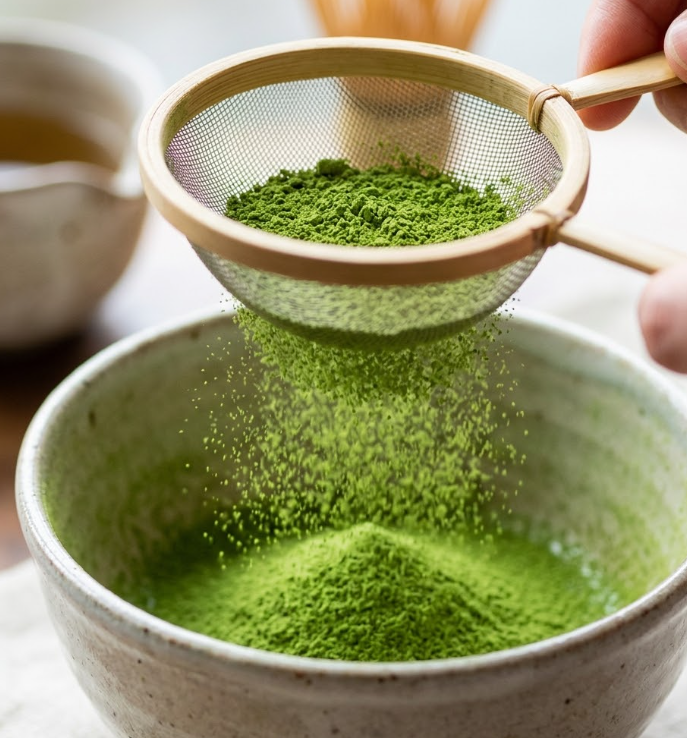
- Texture: Rub a little between your fingers. It should feel fine and silky, not gritty. This initial check helps you weed out low-quality options, but it's just step one.
The Application Test
This is the most critical phase. You must test the matcha in a simplified version of your final product.
- Bake Test: Mix the matcha into a simple vanilla cookie or cake batter. Observe the color of the raw batter, and then compare it to the color of the finished, baked product. Did it stay green or turn brown? How is the flavor?
- Dairy/Fat Test: Matcha's behavior changes in fat-based systems. Mix it into a small amount of melted white chocolate, cream cheese frosting, or heavy cream. Does it dissolve smoothly, or does it clump? Does the color remain vibrant, or does it become murky? This is crucial for ice cream, chocolates, and fillings.
- Flavor Test: In your test recipe, is the matcha flavor present and pleasant? Or is it weak, overpowering, or overly bitter? The goal is a harmonious balance.
The Scalability Check
Once a sample passes your application test, the final step is to evaluate the supplier. A great sample is useless without a reliable supplier behind it.
- Ask About Consistency: Directly ask the supplier about their batch-to-batch consistency5 measures. Can they provide a Certificate of Analysis (COA)9 for each batch?
- Inquire About Supply: Can they guarantee a stable supply, especially during your peak seasons? Our ability to use summer and autumn harvests is a key advantage here, ensuring year-round availability.
- Verify Certifications: Ensure they have the necessary certifications for your market (e.g., Organic, HACCP). This saves you compliance headaches later.
| Testing Step | Key Question | What to Look For |
|---|---|---|
| 1. Visual Check | Does it look and smell high quality? | Vibrant green, fresh aroma, fine texture. |
| 2. Bake Test | How does it handle heat? | Good color retention, clear flavor post-baking. |
| 3. Fat/Dairy Test | How does it perform in my recipe base? | Smooth solubility, stable color, no clumping. |
| 4. Supplier Check | Can I rely on this for my business? | Proof of consistency, stable supply chain, proper certifications. |
Conclusion
The best matcha for baking isn't the most expensive grade. It's the one that delivers stable color, consistent flavor, and reliable performance in your final product, batch after batch.
Understanding high-quality culinary grade matcha helps you choose the right ingredient for vibrant color and flavor in desserts. ↩
Learn why ceremonial grade matcha is unsuitable for baking to avoid wasting money and compromising dessert quality. ↩
Learn how color stability ensures visually appealing matcha desserts that maintain their vibrant green hue. ↩
Find out why a strong flavor profile is crucial for matcha to stand out in desserts with rich ingredients. ↩
Ensure your matcha desserts maintain consistent quality by understanding the importance of reliable matcha sourcing. ↩
Understand how organic tea gardens contribute to high-quality, sustainable matcha production. ↩
Learn how a structured testing process prevents costly mistakes and ensures matcha performs well in your recipes. ↩
Understand how a bake test evaluates matcha's color and flavor retention during baking. ↩
Ensure matcha quality and consistency by verifying suppliers provide a Certificate of Analysis for each batch. ↩