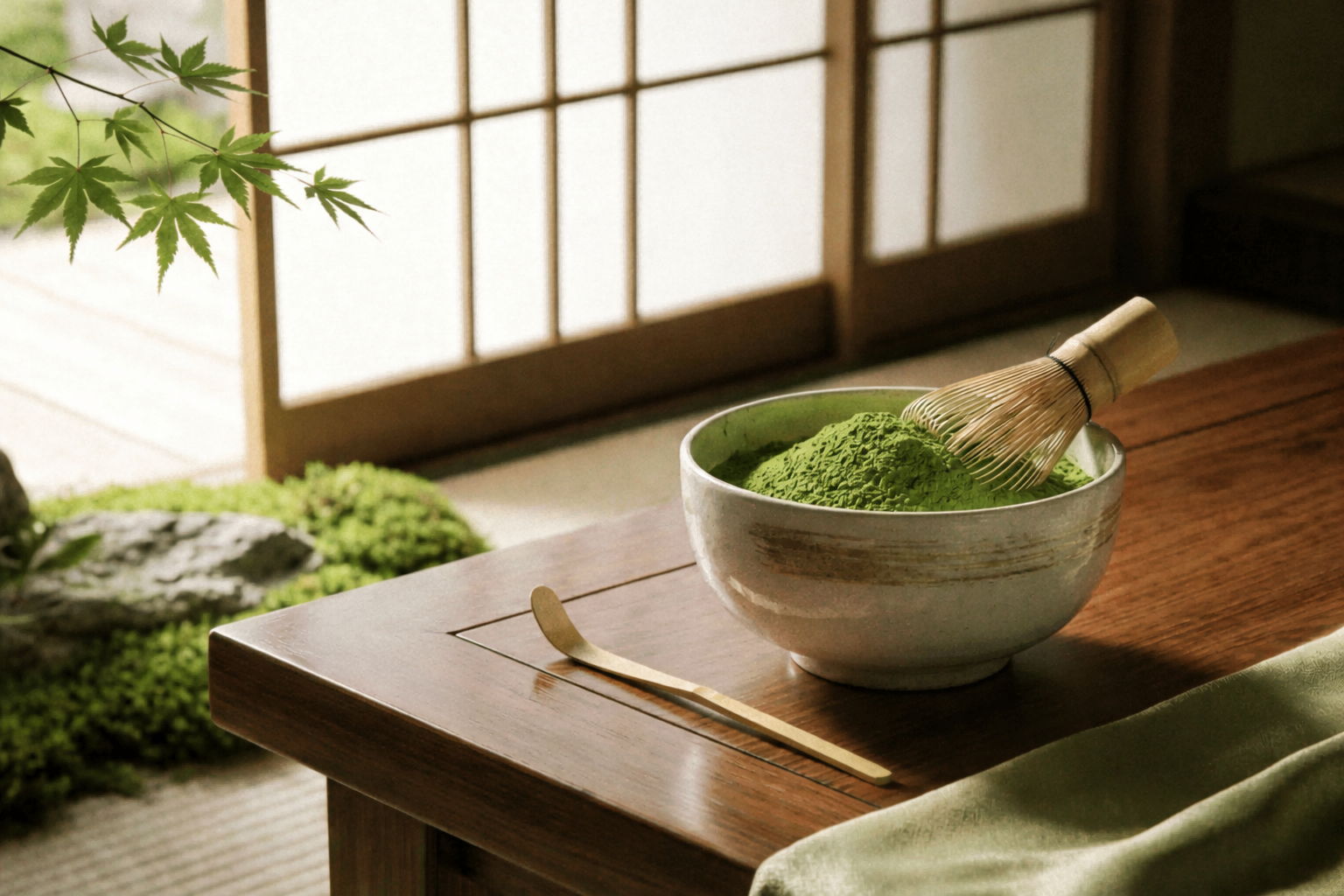
You want to create a premium product, so you choose premium ingredients1. But this choice can sometimes lead to higher costs and disappointing results. It's a common, costly mistake.
For most commercial uses like lattes, baking, or food production, a high-quality Culinary or Café Grade matcha2 is often the better choice. It is specifically designed to maintain a strong flavor and vibrant color when mixed with other ingredients like milk and sugar, at a more sustainable cost.
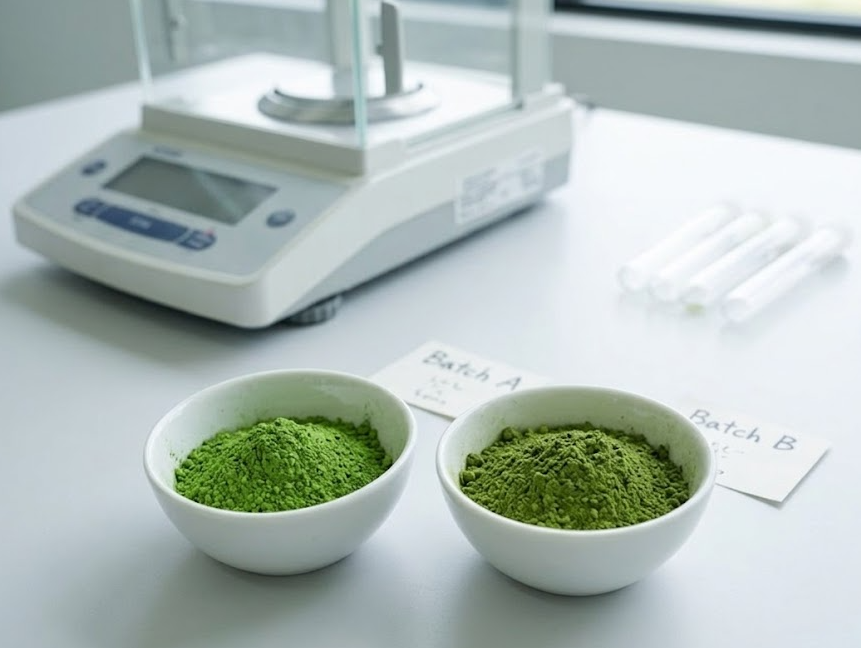
When I talk with brands, I often find they believe using Ceremonial Grade in everything makes their products more high-end. This makes sense from a consumer perspective, but it's not how commercial applications work. The real question isn't about which grade sounds more premium. It's about which matcha works best for your specific recipe, production method, and cost structure. This is the core of smart commercial matcha selection3.
Is Ceremonial Grade Matcha Always the Best Choice for Commercial Products?
You want a premium product, so you reach for Ceremonial grade. But are you disappointed when its delicate flavor4 gets lost in your latte? This is a frequent issue.
Ceremonial Grade is best for drinking plain with water. In complex commercial products like lattes or baked goods, its subtle flavors can be overwhelmed, leading to higher usage and costs without better results.
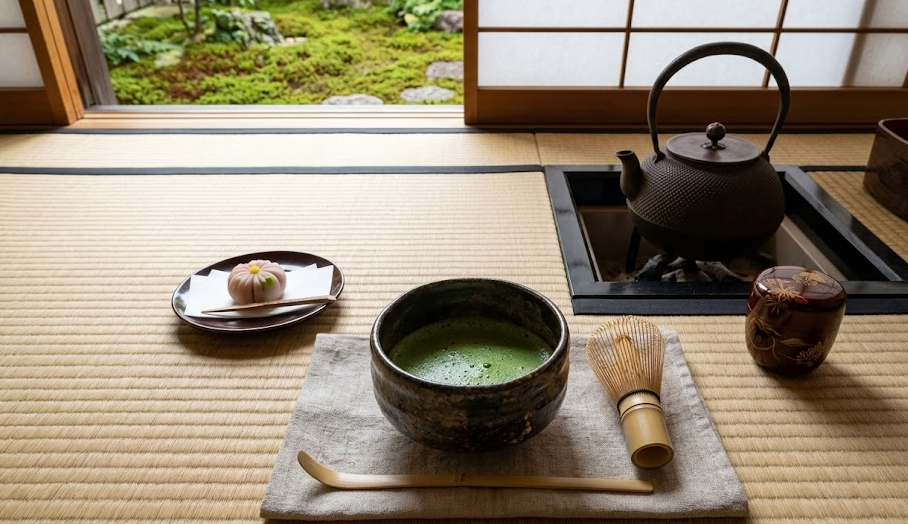
The value of Ceremonial Grade matcha5 shines when it's enjoyed in its purest form. It comes from the youngest tea leaves, offering a smoother taste, less bitterness, and a very direct, delicate drinking experience. This is perfect for a traditional tea service or a high-end, water-based drink where the matcha's natural flavor is the star. But in most commercial settings, matcha is part of a much more complex system. It has to compete with milk, plant-based alternatives, sugar, fat, and heat. A matcha that is excellent on its own might not be the best team player. I've seen many businesses face issues where the flavor gets lost in a latte, forcing them to use more powder per serving. This not only increases the cost per cup but can also make the texture less pleasant.
| Application Scenario | Common Problem with Ceremonial Grade |
|---|---|
| Matcha Lattes | Flavor gets diluted by milk and sugar; tea notes are weak. |
| Baking & Desserts | Delicate flavor and color degrade under high heat. |
| Ice Cream & Frozen Treats | High cost per unit; flavor can be masked by fat and sugar. |
| RTD Beverages | Struggles to maintain flavor profile over shelf life. |
Why is Culinary Grade Matcha Often Better for Business Use?
You hear "Culinary Grade" and might think it's a cheap, low-quality option. But what if it's actually a specialized tool designed to make your products better and more profitable?
A good Culinary or Café Grade matcha2 is not a simple downgrade. It is specifically formulated for commercial applications, offering stronger flavor penetration6 in milk and better stability in baking, often at a more efficient cost.
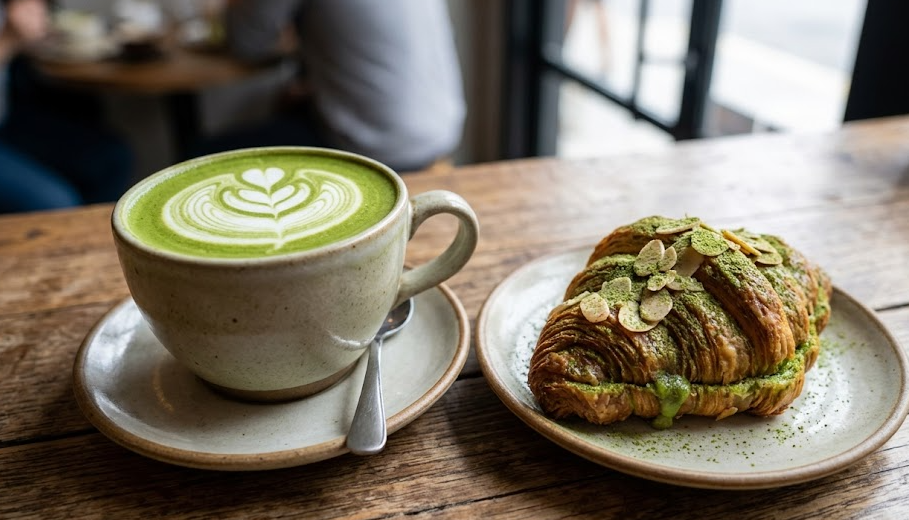
A more accurate way to think about Culinary Grade is as an "application-specific" matcha. For drinks, baked goods, and other food products, your priorities are different from those for pure tea. You need a matcha with a stronger, more assertive character that can stand up to other powerful ingredients. An excellent Culinary or Café Grade is designed for this. It provides a clear tea flavor that punches through milk, a good balance against sweetness, better stability when heated, and more reasonable powder efficiency. For example, a delicate Ceremonial matcha might need 8 grams to flavor an oat milk latte, while a robust Café Grade might achieve a better, more balanced flavor with only 5-6 grams. That difference adds up quickly when you're making hundreds of drinks a day. This is why experienced brands focus on testing how a matcha performs in their actual recipes, not just how it tastes with water.
Should You Trust the 'Grade' Name on the Label?
You're trying to source matcha and see "Ceremonial" and "Culinary" everywhere. But relying on these names alone can lead to inconsistent, unsuitable products for your business and a lot of wasted money.
There is no universal, enforced standard for matcha grade names. A "Ceremonial" from one supplier might be a "Culinary" from another. Mature buyers should focus on technical data and application testing, not just a label.

This is a critical point that many new buyers miss. The terms "Ceremonial," "Culinary," and "Café Grade" are marketing terms, not regulated standards. A supplier can call their matcha whatever they want. If your purchasing team only looks at the grade name, you risk buying a product that sounds premium but doesn't perform in your application. A mature sourcing process goes beyond the name. We always encourage our clients to ask for technical specifications7 and, most importantly, to test samples in their own recipes. Instead of just asking for a grade, you should ask for data. This is how you make an informed decision that benefits your product and your bottom line.
Here are some more valuable criteria to judge a matcha by:
- Color Value8: Technical data like Lab* scores give you an objective measure of color.
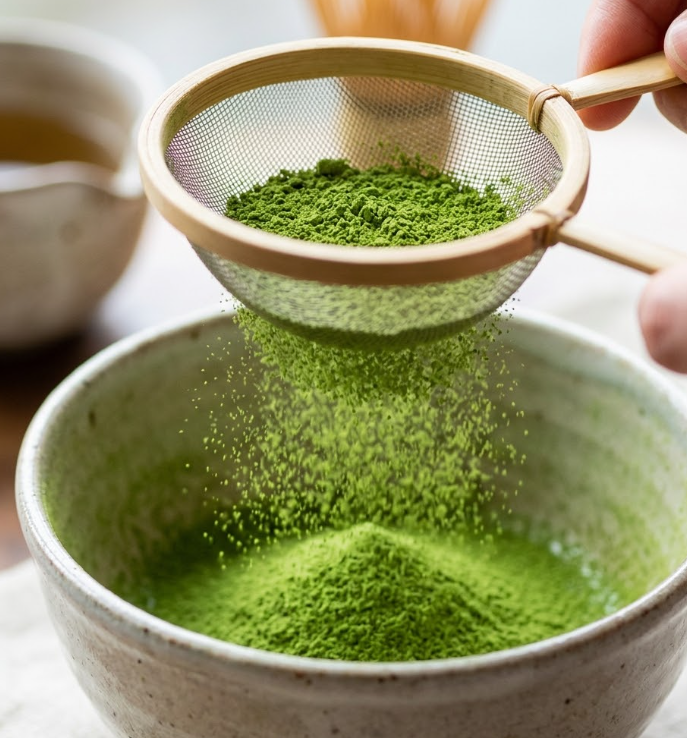
- Particle Size9: This affects texture and how well the matcha suspends in liquid.
- Flavor Profile10: Does it have a strong tea taste? Is the bitterness balanced?
- Recommended Dosage11: How much powder is needed to achieve the desired result?
- Application Tests: How does it perform when heated, chilled, or mixed with your specific ingredients?
What's More Important Than Grade for Scaling Your Business?
You found the perfect matcha sample for your new drink. But can your supplier deliver the exact same quality when you need to order ten times the amount next quarter?
For scaling a business, consistency is king. The ability of a supplier to provide stable, traceable batches of matcha is more critical than the grade name. This ensures your product is the same every time.
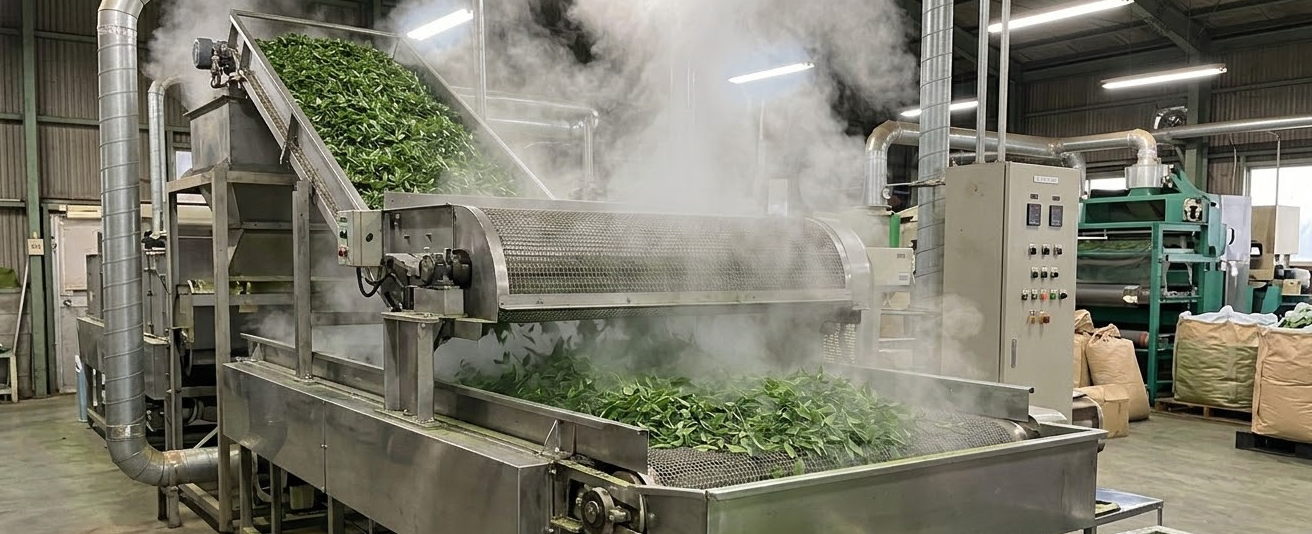
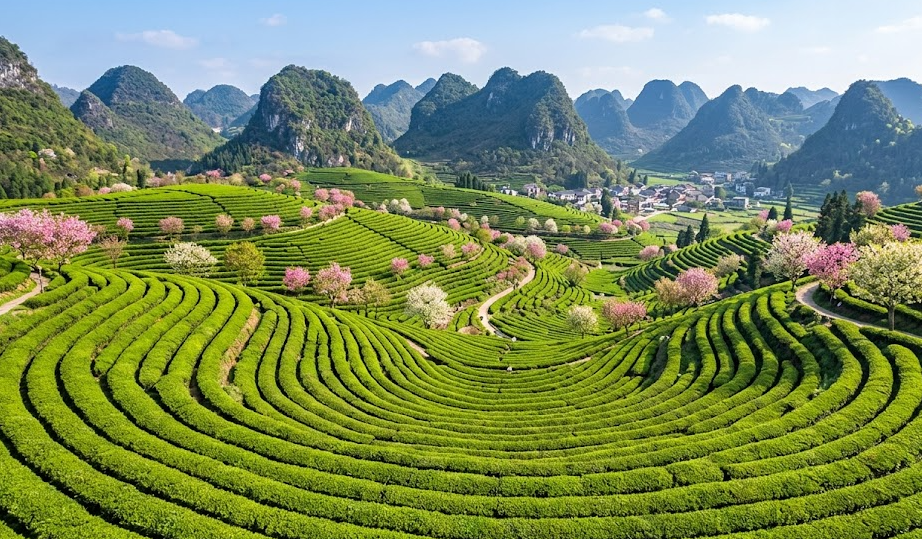
A great sample is just the beginning. For any growing brand, factory, or chain, the real challenge is replication. Your customer expects their favorite matcha latte to taste the same in January as it does in June. This is impossible if your matcha supplier can't provide batch-to-batch consistency12. When your orders grow, can the supplier maintain quality? Do they have the certifications and traceability documents13 you need for your market? At MatchaSourcing.com, this is our core focus. We manage our own 2,300+ mu of organic tea gardens and 11 production lines. Our entire process, from farm to powder, is designed for consistency and scalability. We provide the quality control, certifications, and batch management systems that allow our clients to build and expand their business with confidence. For a business that is serious about growth, this supply chain reliability14 is far more valuable than a fancy grade name.
To simplify, here is how you can think about the choice:
| Consider Ceremonial Grade If... | Consider Culinary / Café Grade If... |
|---|---|
| Your product is pure matcha with water. | You are making matcha lattes. |
| You run a high-end tea experience shop. | You are using plant-based milks. |
| The product has a very high price point. | Your product involves baking or desserts. |
| It's a small-batch, sensory-focused item. | You are making ice cream or prepared foods. |
| You need a standardized recipe for a chain. | |
| Cost-efficiency and scalability are priorities. |
Conclusion
The best matcha for your business isn't the most expensive one. It's the one that is most suitable for your product, ensuring consistent quality and a healthy cost structure.
Understanding the benefits of premium ingredients can help you make informed choices for creating high-quality products. ↩
Exploring the advantages of Culinary or Café Grade matcha can guide you in selecting the right matcha for your business needs. ↩
Discover how choosing the right matcha grade can enhance your product's flavor and cost-effectiveness. ↩
Understanding flavor dynamics can help you choose the right matcha for your recipes. ↩
Learn why Ceremonial Grade matcha might not be the best choice for complex commercial applications. ↩
Explore how Culinary Grade matcha's robust flavor benefits commercial applications. ↩
Learn how technical data can lead to better matcha sourcing decisions. ↩
Explore how color measurements can indicate matcha quality and suitability for your products. ↩
Discover how particle size influences matcha texture and suspension in liquids. ↩
Learn how to evaluate matcha's flavor profile for optimal product performance. ↩
Understanding dosage can help optimize matcha usage and cost efficiency. ↩
Explore the importance of consistency in maintaining product quality and customer satisfaction. ↩
Learn how traceability ensures quality and compliance in matcha production. ↩
Discover how reliable supply chains support consistent product quality and scalability. ↩