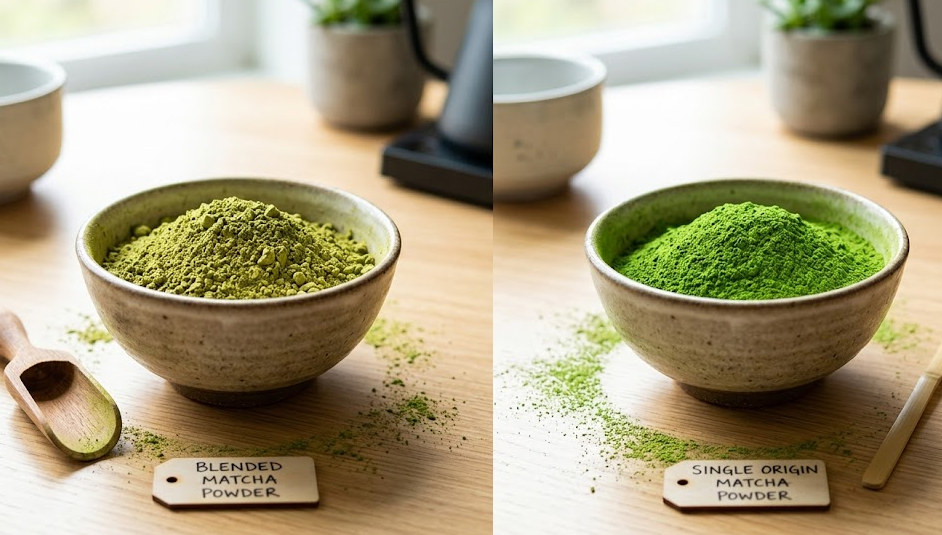
Are you buying matcha, but the color looks dull and yellow? This isn't just about looks. A bad color means a bitter taste and a poor investment for your business.
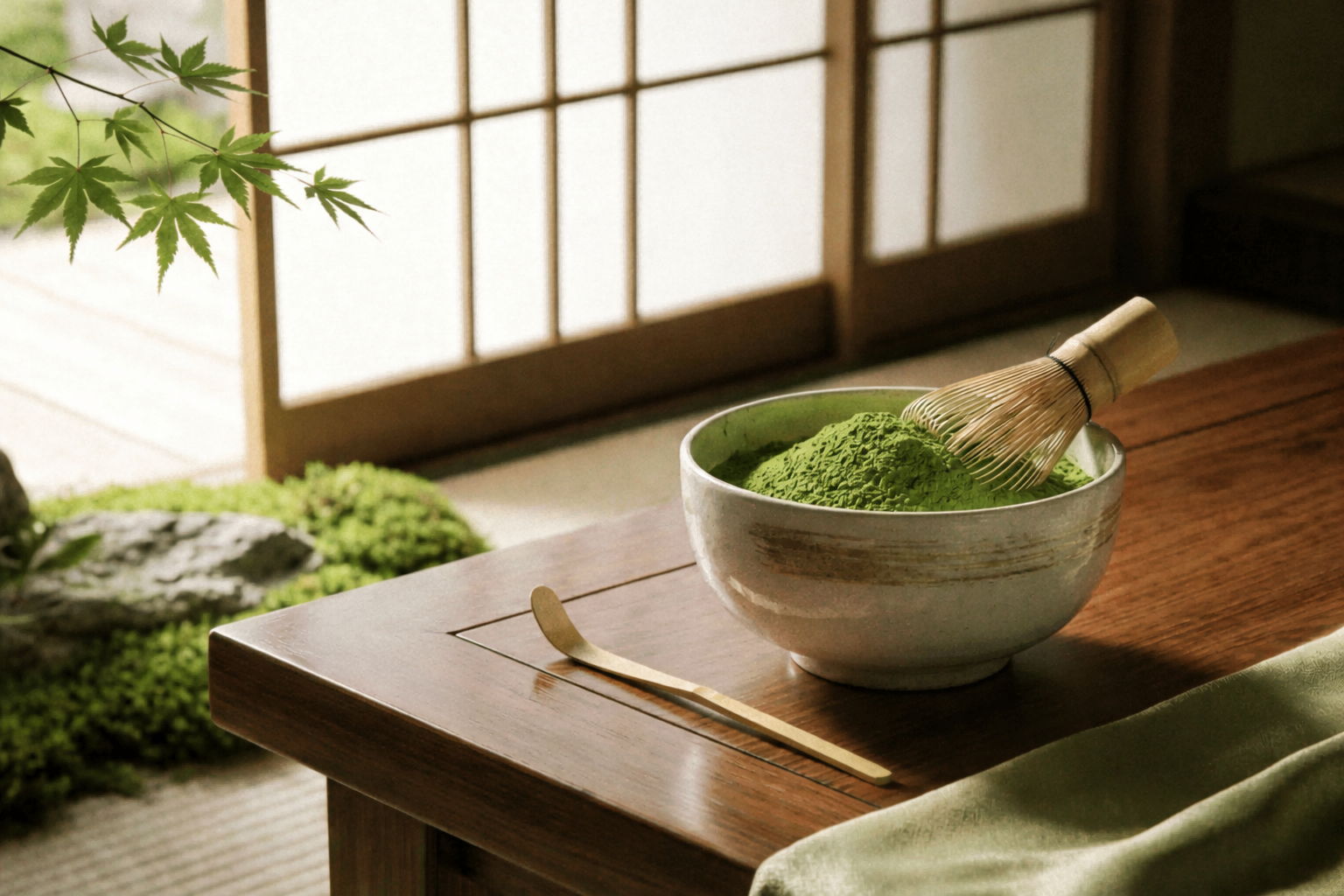
Matcha's vibrant green color1 is a direct indicator of its quality. It proves the tea leaves were properly shaded to boost L-theanine (for umami flavor) and chlorophyll, and precisely steam-processed to lock in freshness. A bright green means a sweeter, richer taste.
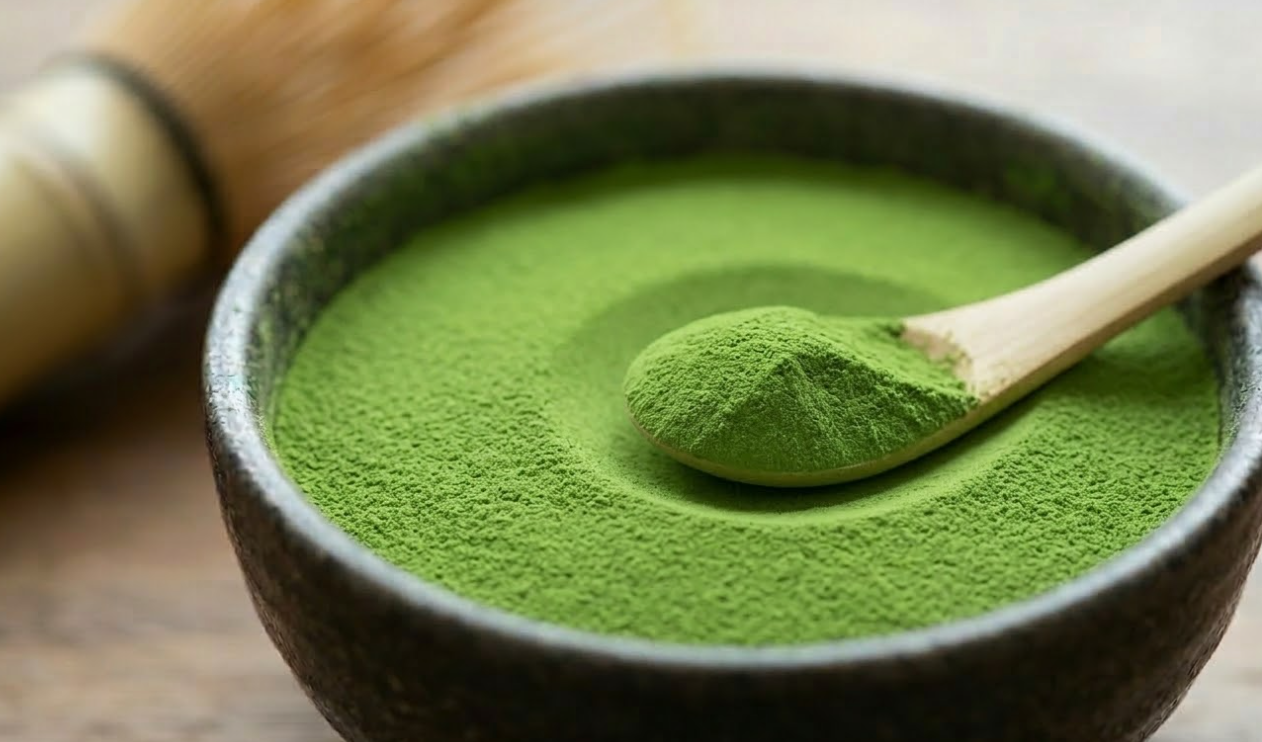
In the industrial world of matcha, color is never a subjective aesthetic choice—it's a lie detector. That shade of green doesn't just reveal the tea's growing conditions in the soil; it also exposes the precision of the processing work happening on the factory floor. For years, I've seen how color separates the good from the bad. Let's break down exactly what that green hue is telling you, from the farm to your customer's cup.
How Does Shading Create That Vibrant Green Color?
Have you ever paid for "ceremonial grade" matcha, only to find it looks yellowish? You're likely paying a premium for a bitter, low-grade powder. The color simply doesn't lie.
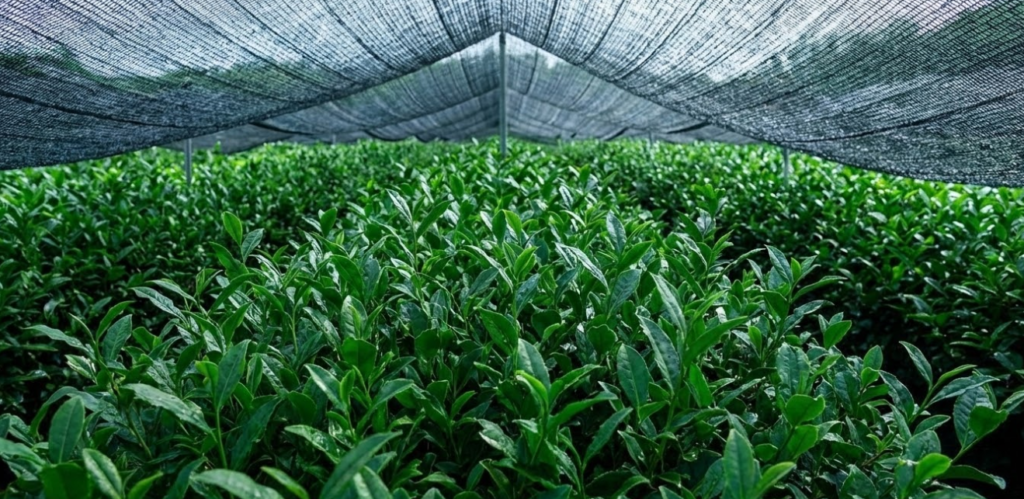
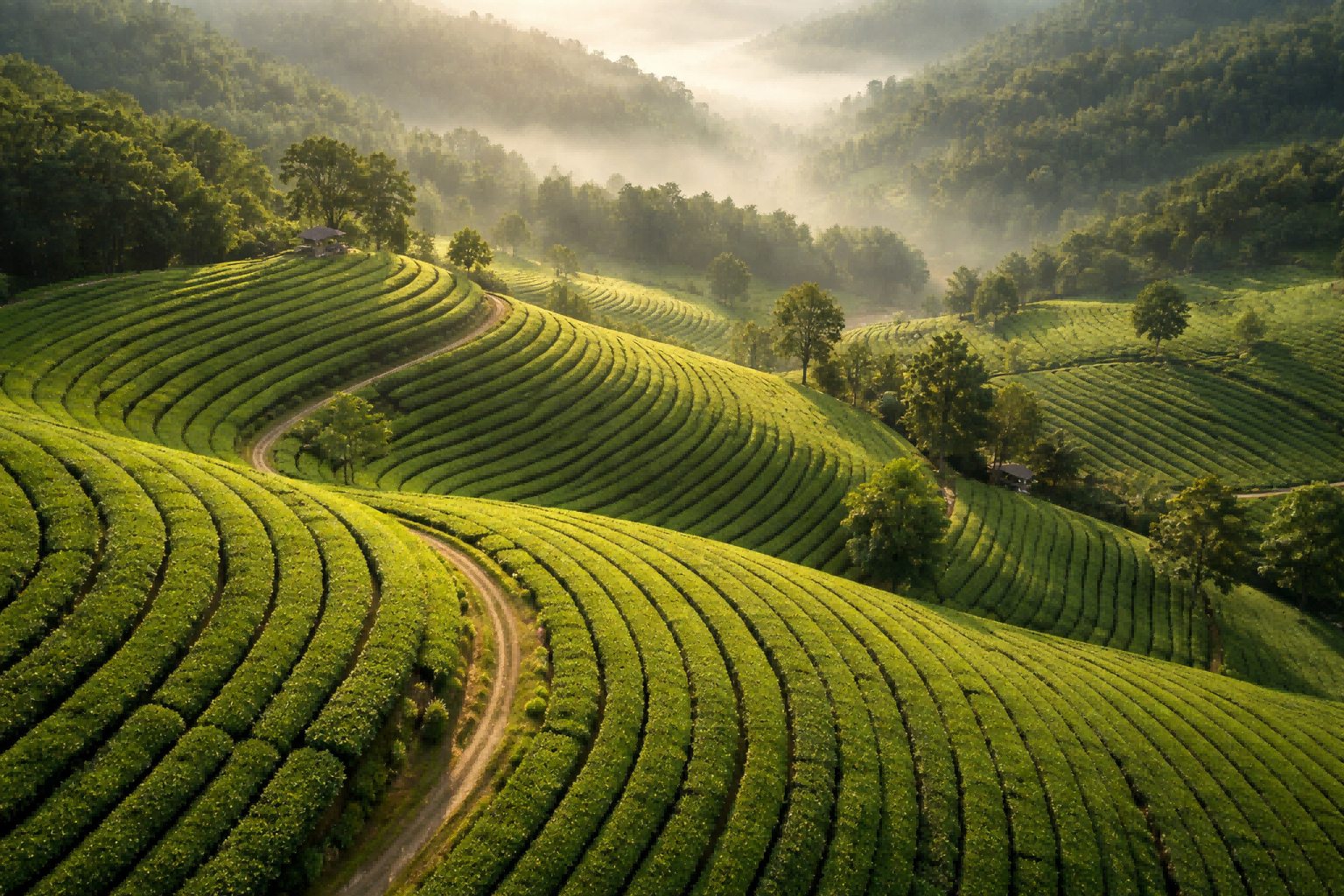
Shading tea plants for 20-30 days before harvest forces them to produce more chlorophyll2 and L-theanine. This natural stress response creates a brilliant green color and the signature sweet, umami flavor3. Yellowish powder means this crucial step was likely skipped or done poorly.
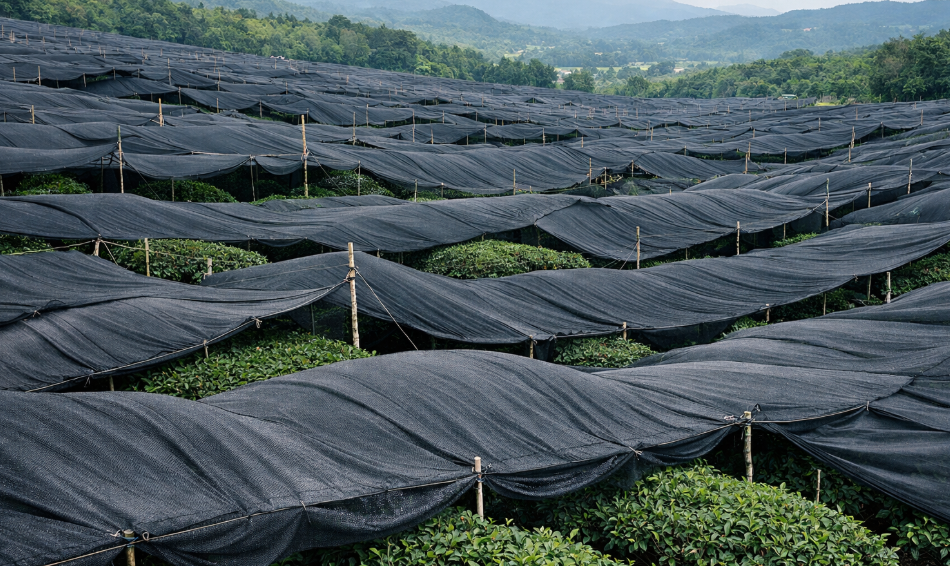
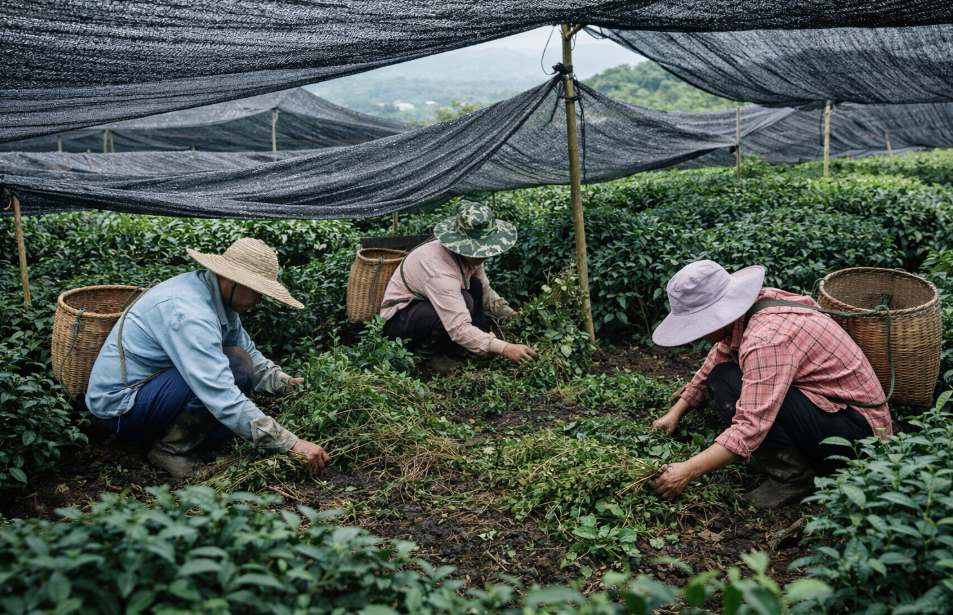
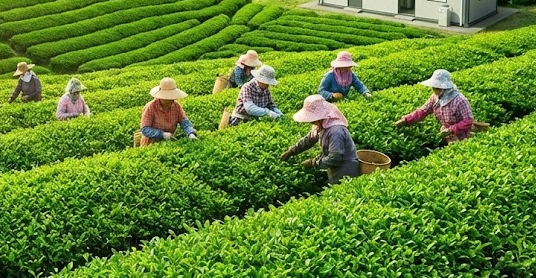
The most stunning "neon green" or "vibrant green" matcha gets its color from a tough physical challenge: shading. When we cover our tea plants with black nets for 20 to 30 days before harvesting, the plants go into survival mode. This intense stress response makes them pump nutrients to the top of the leaves, producing huge amounts of chlorophyll and L-theanine4. The brighter and deeper the green, the better the shading process was. This not only gives the matcha a beautiful color but also means the powder is packed with L-theanine. This is the compound that creates matcha's unique savory and sweet "umami" flavor, which perfectly balances the bitterness from tea polyphenols5. On the other hand, a yellow or brownish powder tells you it probably wasn't shaded. It could also mean it was made from old autumn leaves, which guarantees a bitter taste. To ensure we get this pure green color, we strictly enforce physical shading across our 2,300+ acres of organic tea gardens6 in Anshun. This is how we lock in the highest concentration of umami flavor right from the source.
Shaded vs. Unshaded Tea
| Feature | Shaded Tea (For Matcha) | Unshaded Tea (For Green Tea Powder) |
|---|---|---|
| Color | Vibrant, deep green | Yellowish, dull green |
| Key Compound | High L-theanine, High Chlorophyll | High Catechins (bitterness) |
| Flavor Profile | Sweet, umami, rich | Bitter, astringent |
| Growing Method | Covered for 20-30 days pre-harvest | Exposed to full sunlight |
Why Does the Factory Process Affect Matcha's Color So Much?
You can start with the most perfect, greenest leaves from the field. But one wrong move in the factory can turn them into a dull, oxidized mess in just a few minutes.
The factory process is critical for preserving color. Matcha must be steam-fixed immediately after harvest. This process uses a short, intense blast of steam to deactivate the enzymes that cause oxidation and browning, effectively "sealing in" the vibrant green color1 and fresh flavor.
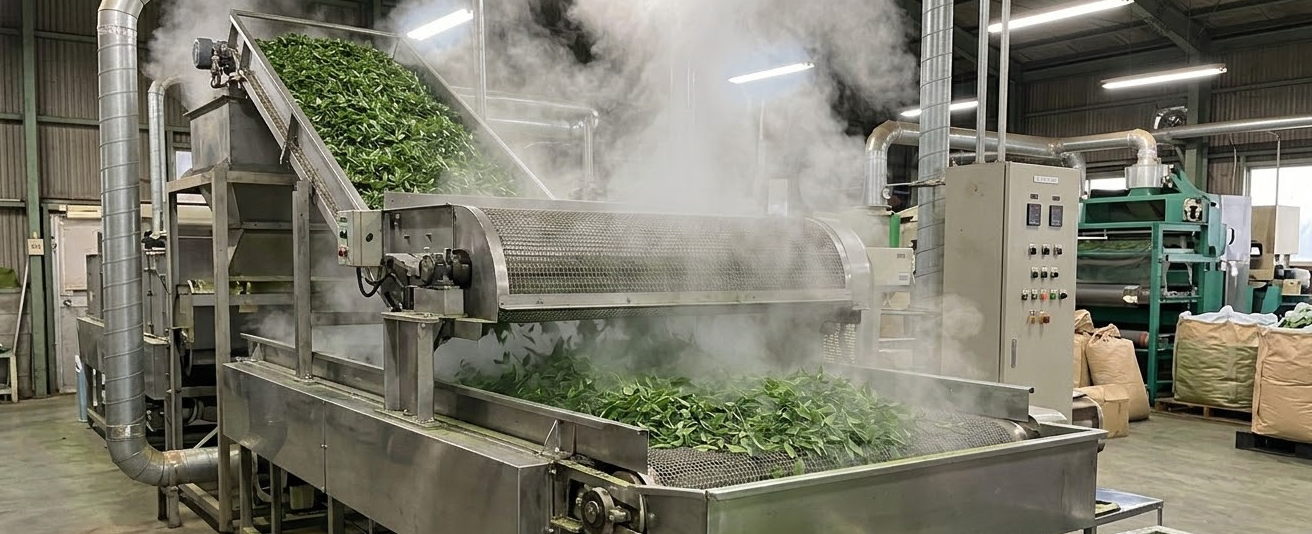
Even if you grow the most flawless green leaves, you can lose that color in minutes if the factory process isn't controlled. Many cheap "green tea powders" are made using pan-frying or baking. The high heat from these methods destroys the chlorophyll2, leaving the powder with a dull, unappetizing color. True matcha, however, must use the expensive Japanese method of steam fixation7. In our factory, I demand that my technical team controls every single second the steam touches the leaves. It’s a very quick process, just a few moments under high-temperature steam. This step instantly kills the active enzymes that cause the leaves to oxidize and turn brown. It’s a rough but perfect way to "seal" that spring green color inside the leaf's cell walls. The brilliant green of our final product is the best proof of our heavy industrial equipment's precision and our team's skill. It’s a true battle against time, and winning that battle is what keeps our matcha so vibrantly green.
Key Steps to Preserve Color
- Harvest: Fresh, shaded leaves are brought to the factory immediately.
- Steam Fixation: The leaves are treated with a quick, high-temperature steam bath that lasts only for seconds.
- Enzyme Deactivation: The steam instantly stops the oxidative enzymes from working.
- Color Preservation: The vibrant green color1 is locked in before the leaves are dried and milled.
Will My Matcha Stay Green in a Latte or Cake?
Does your matcha latte8 look muddy and unappealing? This happens when a low-quality powder gets lost in the milk or batter, killing the visual appeal and making it look cheap.
Yes, if you use a high-quality, specialized matcha. Its color is robust enough to cut through the fats and liquids in plant-based milks, dairy, and batters. This "color penetration9" ensures your final product maintains a brilliant green hue, even after mixing or baking.
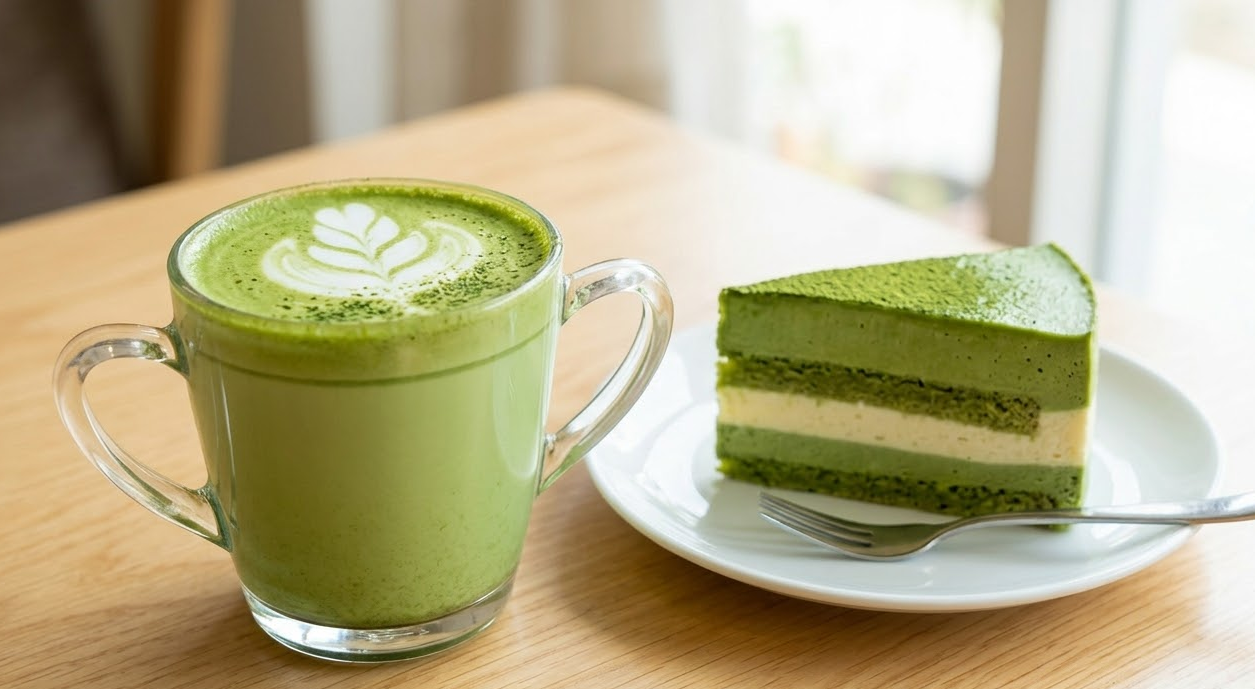
In the food and beverage industry, R&D directors10 are extremely practical about color. They know that matcha powder has to face some tough opponents. It must stand up to heavy oat milk, dilution from ice, and even the 180°C heat of a baking oven. An ordinary tea powder with a weak color will immediately turn into a swampy, murky yellow mess when mixed with plant milk or folded into the dough. This is a huge problem for brands. However, the custom matcha we produce using our precision-controlled, temperature-regulated mills has incredible color and flavor penetration. It can slice right through heavy fats and sugars, maintaining an amazing visual pop in a latte or a croissant. This powerful visual impact directly increases the final product's value and makes it much more appealing for social media photos, which is a big deal today. This is why we focus on creating matcha that doesn't just taste good but performs brilliantly in any application.
Matcha Performance in Applications
| Application | Low-Quality Matcha | High-Quality MatchaSourcing Matcha |
|---|---|---|
| Matcha Latte | Turns murky, yellowish-brown | Stays a vibrant, appealing green |
| Baked Goods | Bakes into a dull, brownish color | Retains a clear, stable green hue |
| Ice Cream | Color fades and looks weak | Creates a rich, deep green product |
How Can We Guarantee the Same Green Color in Every Batch?
As a brand owner, you know that inconsistent color from one batch to the next can destroy customer trust. It can seriously damage your brand's reputation, which you've worked so hard to build.
We guarantee color consistency by treating it as a precise scientific measurement, not a subjective opinion. We use lab equipment like spectrophotometers to analyze the color value of every batch, ensuring it matches a strict standard. This data-driven approach guarantees identical color across all orders.

The biggest fear for any chain brand is inconsistency. If a latte in one store looks different from a latte in another, the brand's reputation suffers. On our 11 production lines, color isn't a feeling; it's a set of strict, physical and chemical data points. We use advanced instruments like spectrophotometers to fiercely defend our batch-to-batch consistency. My promise to our clients is simple: whether you buy one ton of matcha from us this year or fifty tons next year, the parameters for that green color will be as consistent as a copy-and-paste command. We deeply respect the sharp intuition of traditional tea masters who can judge color by eye. But as an industrial-grade supply chain partner, we have to rely on heavy machinery and cold, hard data. This is how we stabilize that signature green color—the color that represents the absolute highest quality—and deliver it reliably, every single time. It's this commitment to data that allows our partners to build their brands with confidence.
Conclusion
In the end, matcha's color is far more than just looks. It is a clear sign of proper shading, precise processing, strength in application, and guaranteed consistency—the true markers of superior matcha.
Understanding the significance of vibrant green color in matcha helps you choose high-quality tea with better taste and health benefits. ↩
Discover how chlorophyll contributes to matcha's vibrant color and health benefits, ensuring you select the best quality product. ↩
Learn about the compounds responsible for matcha's unique umami flavor, enhancing your appreciation of this special tea. ↩
Learn about L-theanine's role in enhancing matcha's umami flavor, making your tea experience more enjoyable and flavorful. ↩
Learn about tea polyphenols and their impact on matcha's flavor, helping you appreciate the complexity of this tea. ↩
Explore the advantages of sourcing matcha from organic tea gardens, ensuring a pure and high-quality product. ↩
Discover the importance of steam fixation in preserving matcha's color and flavor, ensuring you choose high-quality products. ↩
Find out how to create a visually appealing and delicious matcha latte, enhancing your enjoyment of this popular beverage. ↩
Explore how high-quality matcha retains its vibrant color in various applications, enhancing the visual appeal of your creations. ↩
Understand the importance of R&D directors in ensuring matcha products meet quality and visual standards. ↩