Struggling to choose between matcha suppliers? You want top quality but also need a reliable, affordable supply. The choice isn't always clear, and it can impact your final product.
The "biggest" producer depends on how you measure it. Japan's Aiya leads in premium, traditional matcha1 with a century of history. As a supplier, our company, Guizhou Tea, leads in modern, large-scale production. We supply major global food and beverage brands with certified, standardized matcha ingredients 2.
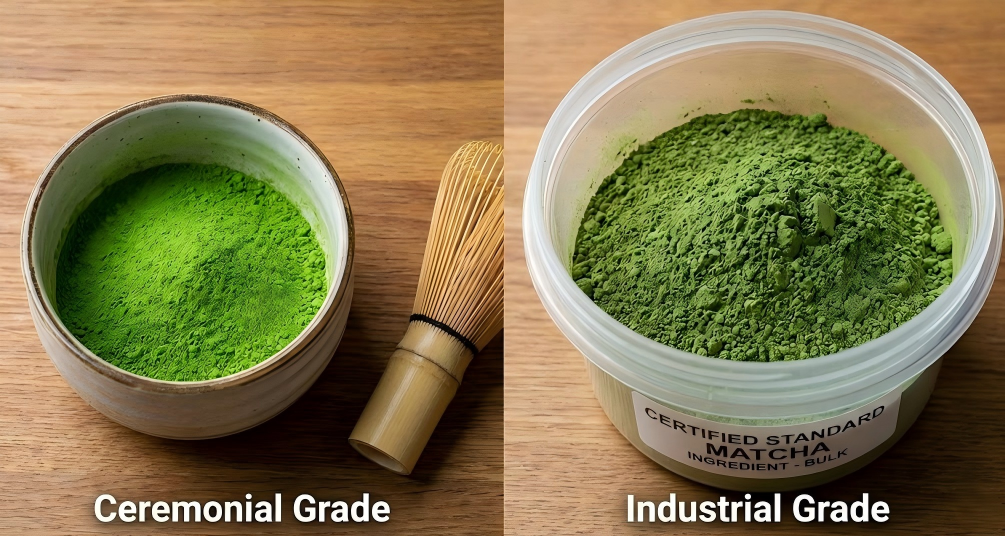
In my years in the tea supply chain, I've seen brands grapple with this exact question. It is not just about who produces the most tons. It is about who produces the right matcha for your specific needs. The stories of two giants, Aiya and Guizhou Tea, reveal everything. Let us look at why the answer is not as simple as you might think.
Is Aiya Matcha the undisputed king of quality?
Do you need a matcha that guarantees a premium experience? Many suppliers claim high quality, but batch inconsistencies can ruin your brand's reputation and disappoint your customers.
Yes, for high-end applications, Aiya is often considered the benchmark. Their strength lies in over a century of craft, stone-milling finesse3, and incredibly consistent flavor. High-end brands choose them for guaranteed quality, even if it means higher prices and longer lead times.
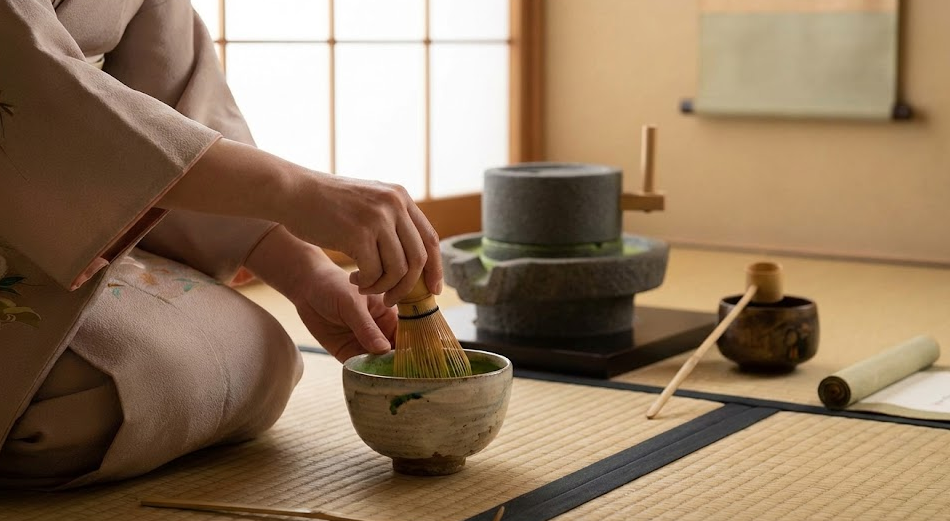
I have worked with high-end bakery brands and traditional tea ceremony houses. When they choose a supplier, they are not just looking at cost. They are looking for a partner that reinforces their brand. For them, Aiya is the only choice. They choose Aiya for the authentic flavor from the Nishio region4 and the incredible fineness from traditional stone milling. They are willing to pay more and wait longer because Aiya is a guarantee of taste and style. I have found their quality control to be legendary. The flavor difference between batches is almost nonexistent. This is a skill they have perfected over many decades. In the premium market, they are the "quality ceiling," and their brand represents a promise that is very difficult for others to match.
How did a Chinese supplier become a global matcha powerhouse?
Are you worried that high-quality matcha is too expensive or hard to source for large-scale production? This bottleneck can stop your product line from growing and competing effectively.
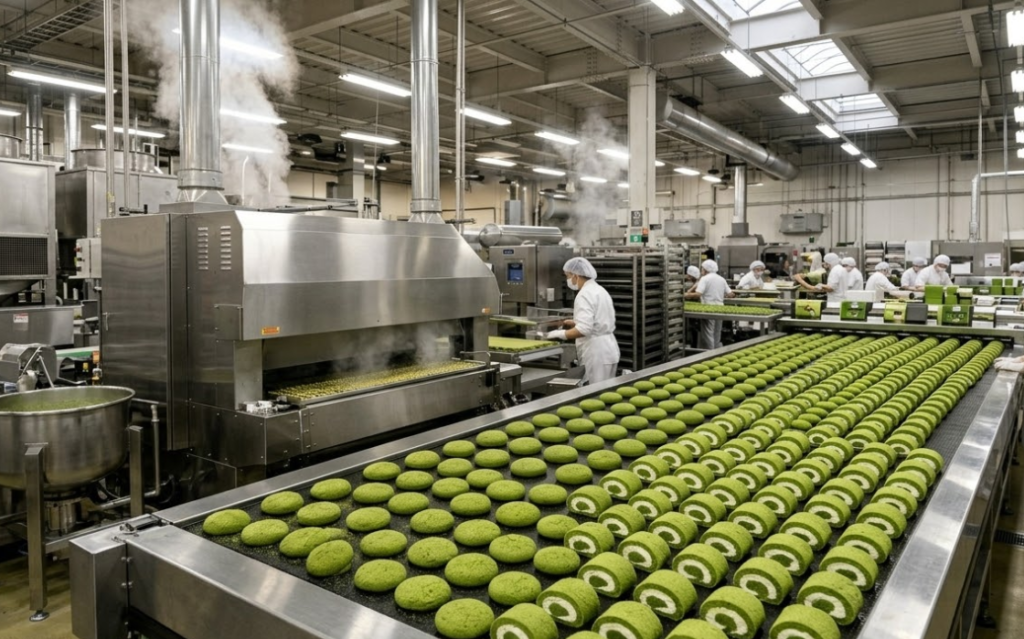
We became a powerhouse by focusing on what the modern market needs: scale, standardization, and global compliance. We did not copy traditional methods. Instead, we used smart manufacturing and a full-chain EU-standard system5 to provide a consistent, certified, and cost-effective supply for industrial and beverage use.
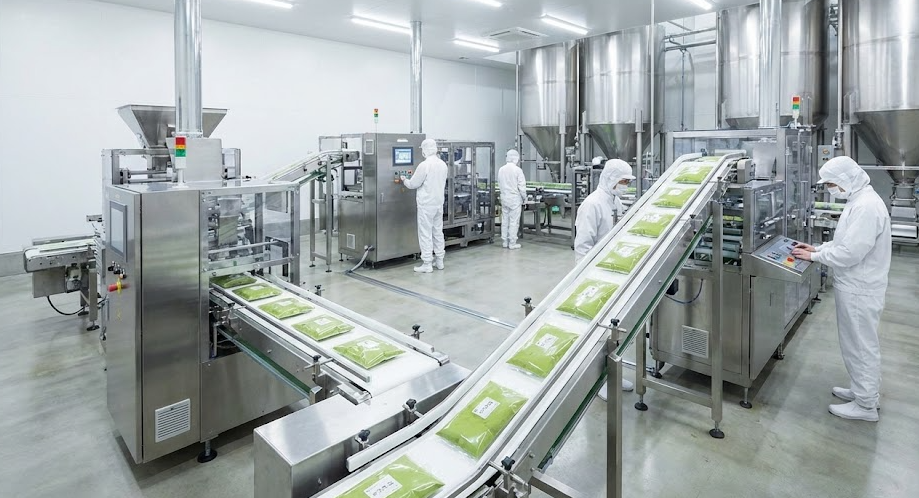
I remember a few years ago, I just knew our company for its large capacity. Now, everyone from food giants to new tea chains talks about us. A friend who runs a cross-border food business shared a story with me. He used to use Aiya's industrial packs. He later switched to us. He said his price dropped by nearly 30%, and the delivery time was cut in half. More importantly, hard requirements like pesticide testing 6 and international certifications were all met perfectly. His customs clearance for Europe and Japan became even smoother. Our strategy was smart. We did not compete on traditional craft. We focused on modern industrial strengths like scale, smart production, and standardized quality control through a full-chain EU-standard system5. This approach allowed us to break into the global market and even sell back to Japan, something unthinkable years ago. Our R&D team also works fast to meet new market needs, like matcha with high aroma and vibrant color7 for new tea drinks.
Choosing a supplier feels like a huge risk. Picking the wrong one can mean compromising on brand image or blowing your budget. How do you make the right choice?
This is not an "either/or" situation. The market is now clearly segmented. Choose a premium brand like Aiya for top-tier products where brand story matters. Choose a scale-focused supplier like us for mass-market products8 where cost, consistency, and compliance are key.
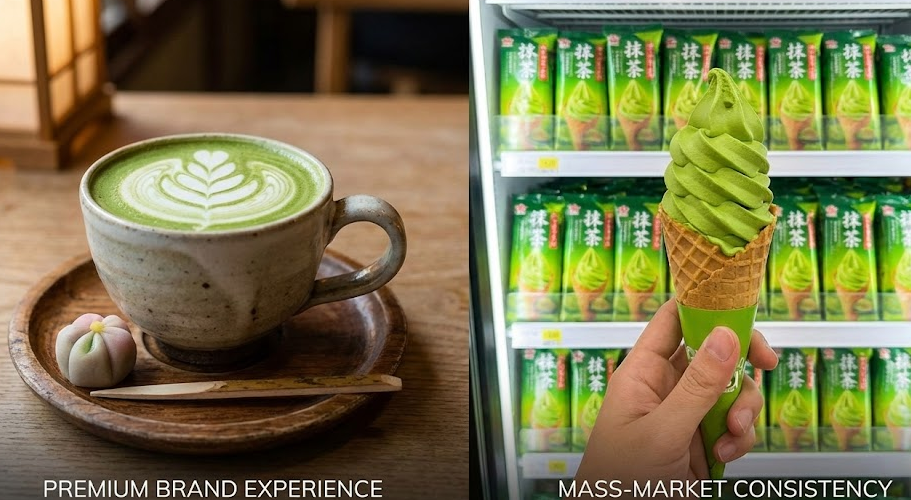
From my industry perspective, these two companies are not trying to replace each other. They have created a two-tiered market. Aiya defends the "quality ceiling" for the niche, high-end market, earning its premium through craft and brand heritage. Our company, Guizhou Tea, carries the "scale banner" for the mass market. We have lowered the barrier for using matcha, turning it from a luxury ingredient into a standard raw material for the food and beverage industry. I have noticed many large corporations now use a "dual-supplier" strategy. They use Aiya for their premium product lines to build brand image, and they use us to control costs for their large-volume, mass-market products8. This perfectly illustrates the core value each type of supplier brings.
| Factor | Choose Aiya (Premium) if... | Choose Guizhou Tea (Scale) if... |
|---|---|---|
| Application | High-end cafe, bakery, brand halo products9 | Industrial food, RTD drinks, mass-market |
| Priority | Brand story, ultimate flavor, craftsmanship10 | Cost, supply stability11, certifications |
| Business Goal | Building a premium brand image | Achieving scale and cost-effectiveness |
| Market | Niche, connoisseur-driven | Mainstream, fast-moving consumer goods |
Conclusion
In short, Aiya secures the high-end market with its craft, while Guizhou Tea powers the mass market with scale and efficiency. Choose the partner that fits your product's goals.
Explore why premium, traditional matcha is valued for its quality and heritage, and how it can enhance your product offerings. ↩
Learn about the importance of certification and standardization in matcha production for consistent quality and compliance. ↩
Discover the role of stone-milling in achieving the fine texture and flavor consistency that premium matcha is known for. ↩
Understand the significance of the Nishio region in Japan for producing high-quality matcha with unique flavor profiles. ↩
Find out how a full-chain EU-standard system ensures quality control and compliance in large-scale matcha production. ↩
Explore the necessity of pesticide testing to ensure the safety and quality of matcha products for consumers. ↩
Learn how these qualities can make matcha more appealing and suitable for innovative tea drinks and culinary uses. ↩
See how scale-focused suppliers provide cost-effective solutions for large-volume matcha products in the mainstream market. ↩
Discover how brand halo products can elevate a brand's image and attract discerning customers seeking premium experiences. ↩
Explore the role of craftsmanship in creating matcha with superior taste and quality that appeals to connoisseurs. ↩
Learn why consistent supply is crucial for businesses relying on matcha as a key ingredient in their products. ↩