Are you trying to find the best matcha but feel lost in a sea of famous brands? Choosing the wrong one is a costly mistake. I'll show you the truth behind the labels.
The "best" matcha company depends entirely on your needs. For traditional, ceremonial tea, Japanese masters are unmatched. For large-scale commercial use that demands strict safety, consistency, and traceability, a vertically integrated supplier1 who controls the entire supply chain from farm to factory is the best choice.
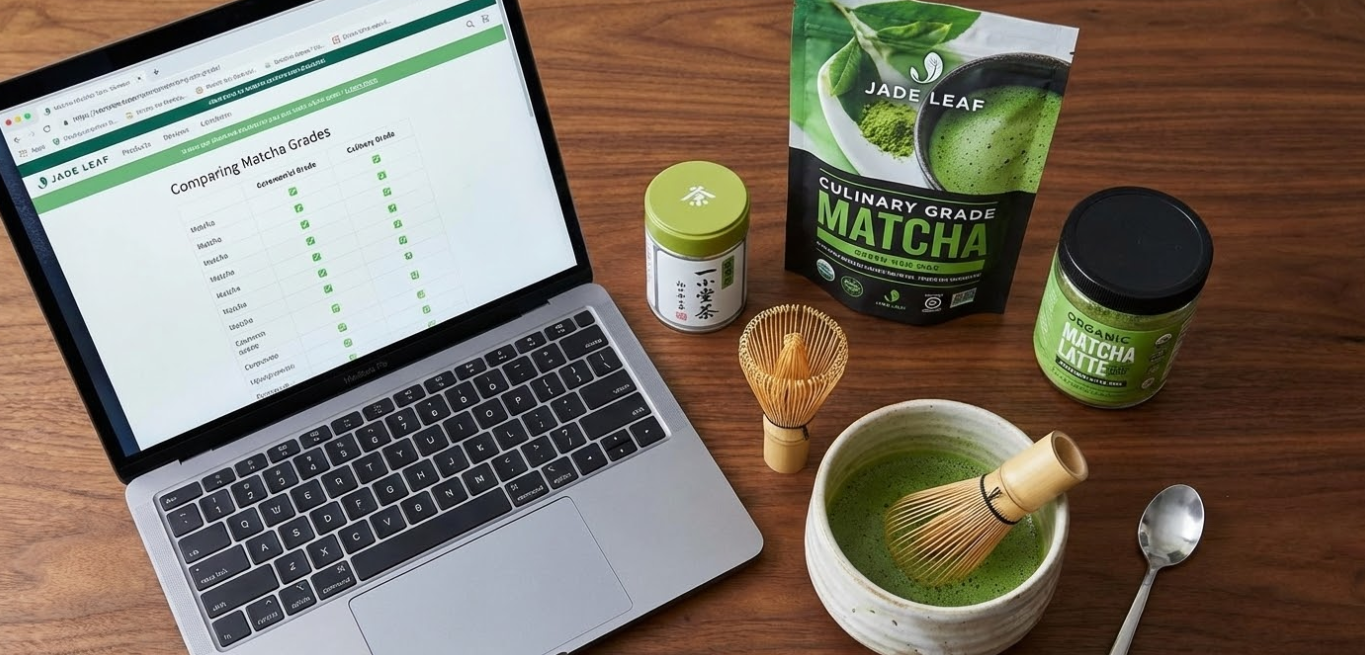
There's much more to this story than just a simple answer. On my desk, I keep matcha from Ippodo and Marukyu Koyamaen2, true Japanese legends. I also have products from Jade Leaf and Pique Life3, which are incredibly popular in North America. Clients always ask me about these brands. Today, I want to give you the inside story. Each of these brands is successful because they are excellent at one thing. But they also have critical weaknesses. To find the "best" for you, you need to understand what they do, and what they can't do.
Are traditional Japanese brands4 the pinnacle of matcha quality?
You admire the deep history and prestige of Japanese matcha masters. But you worry if their artisanal quality can meet your large-scale business needs and strict compliance standards. Let's look at why they are both respected and limited.
Traditional Japanese brands represent the artistic peak of matcha5, perfected for ceremonial drinking. Their centuries-old blending techniques create unparalleled umami and flavor. However, their reliance on small-scale farming6 makes them unsuitable for large, industrial orders that require scalable compliance and testing.
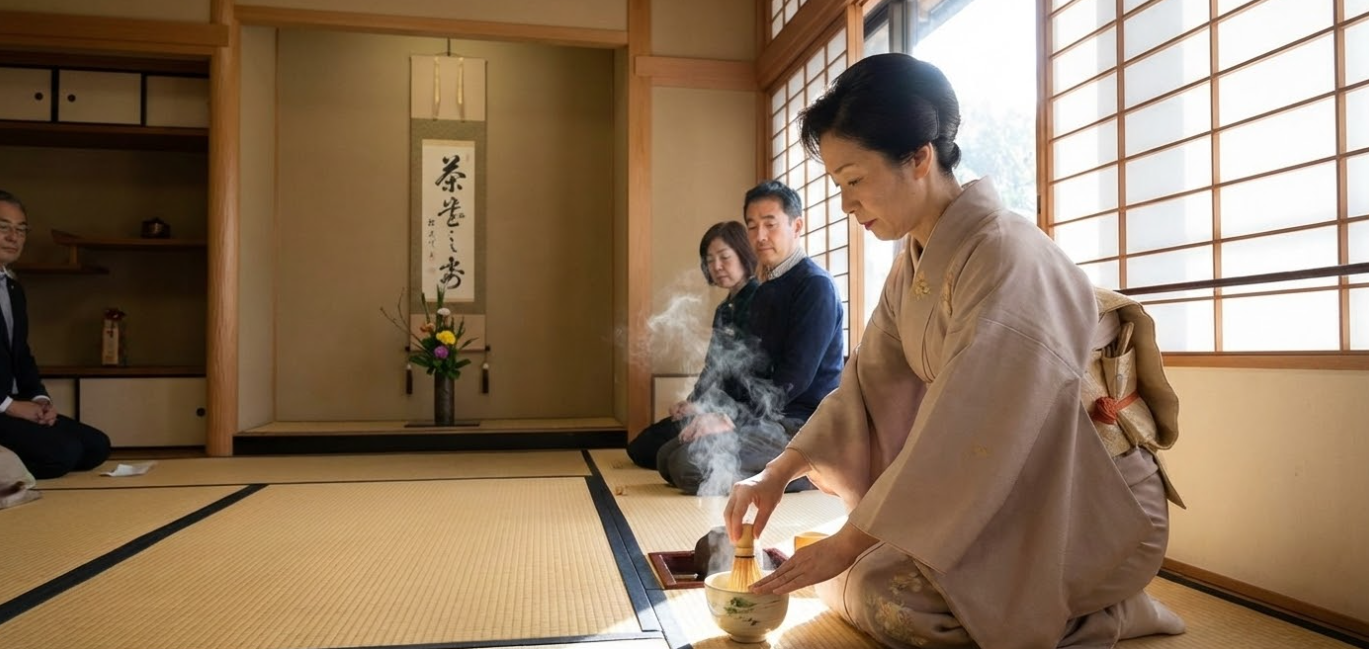
Every time I drink a top-grade matcha from Marukyu Koyamaen or Ippodo, I feel a deep sense of respect. Their centuries of history are real. They rely on generations of "tea masters" who use their trained palates to create amazing blends. They have perfected the art of balancing the unique "umami" and seaweed notes from the Uji region's soil. The result is a true work of art.
But business can be harsh. Art is not easy to scale. Imagine a client from Europe comes with a 50-ton purchase order. They require every single gram to pass the strictest EU pesticide residue tests. The Japanese model immediately hits a wall. It depends on many small, separate farms and the personal experience of its masters. This system can't handle the huge capacity and food safety demands of the global industrial market. Their matcha belongs in a quiet tea room, not in a global supply chain.
| Feature | Traditional Japanese Brands | Industrial Need |
|---|---|---|
| Strength | Artistic Blending, Unmatched Flavor | Scalability, Consistency |
| Production Model | Small Farms, Master Blenders | Large, Integrated Farms |
| Best For | Tea Ceremony, Connoisseurs | Food & Beverage Manufacturing |
| Weakness | Low Volume, Compliance Bottlenecks | Lacks "Artistic" Narrative |
Why are new Western brands so popular in the market?
You see brands like Jade Leaf and Pique Life everywhere. They seem to have the perfect product for modern life. But you might wonder how they maintain quality when they don't own any farms. Let me show you their genius and their greatest weakness.
New Western brands are masters of marketing. They excel at identifying specific customer needs, like a "Barista Edition" for lattes or a "health-focused" matcha. Their weakness is a lack of control over their supply chain, as they rely on other companies (OEM) for manufacturing.
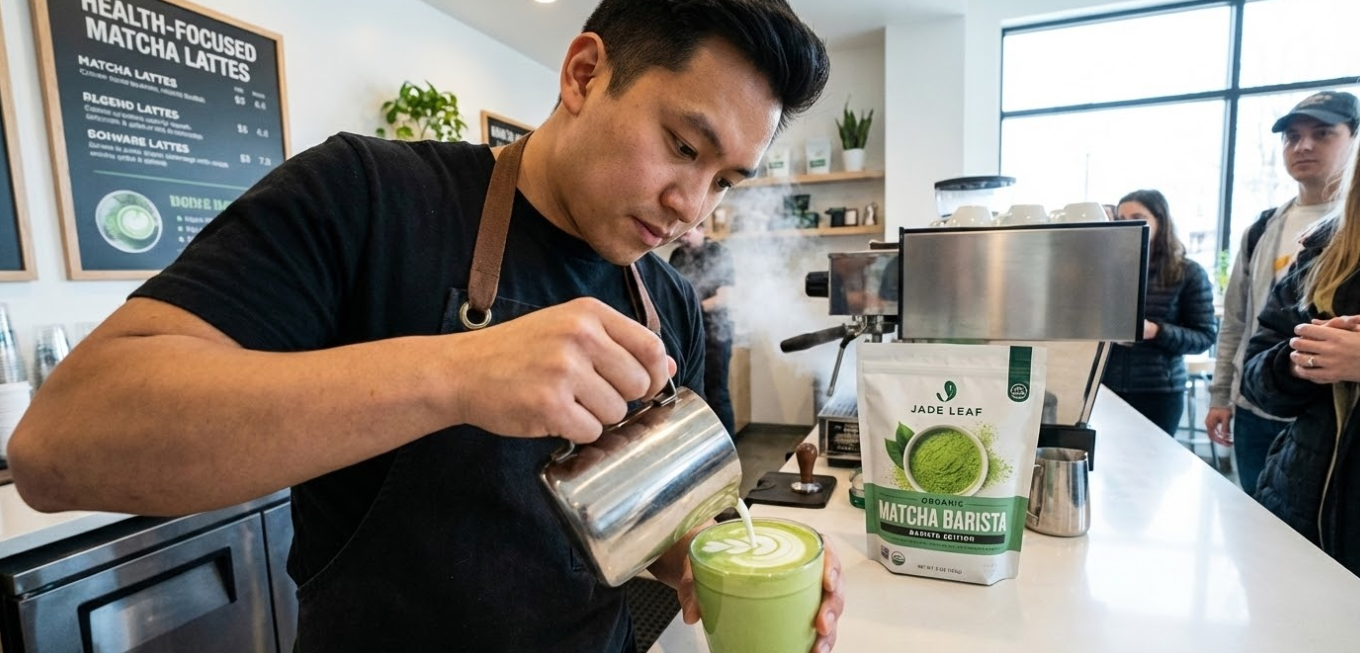
The people behind brands like Jade Leaf and Pique Life are some of the best "matcha product managers" in the world. I really admire their business sense. Jade Leaf understands the problems baristas face. They created a special "Barista Edition7" that stays bright green even when mixed with oat milk. Pique Life targets the health concerns of the middle class. They turned an agricultural product into a health supplement, clearly listing L-theanine levels and promising it's free of mold and heavy metals.
But their biggest weakness is that their feet are not on the ground. They use an "asset-light" model, meaning they hire other factories to make their products (OEM). They don't own a single tea tree. They set very high standards and tell a perfect story to their customers. But if there is any trouble in the global supply chain, or a pesticide problem in the region where their tea is grown, their brands are extremely vulnerable. They have no moat of their own farms to protect them from risk.
| Feature | Modern Western Brands | Vertically Integrated Supplier |
|---|---|---|
| Strength | Market Insight, Niche Products | Supply Chain Control, Traceability |
| Business Model | Asset-Light (OEM), Marketing-Led | Asset-Heavy, Production-Led |
| Best For | Niche Consumer Brands, E-commerce | B2B, Large-Scale Ingredient Supply |
| Weakness | Supply Chain Vulnerability | Less Direct Consumer Marketing |
So, where does a supply-chain expert fit in?
You need high-quality matcha at scale, but you face problems with consistency, compliance, and cost. The artistic brands are too expensive, and the marketing brands are a supply chain risk. This is where a partner who controls the entire process becomes essential.
A supply-chain expert fits in as the foundational partner for industrial-scale needs. We don't compete on art or marketing. Instead, we provide the heavy infrastructure—large-scale, certified organic farming and precision processing—to deliver consistent, compliant, and cost-effective matcha for global brands.
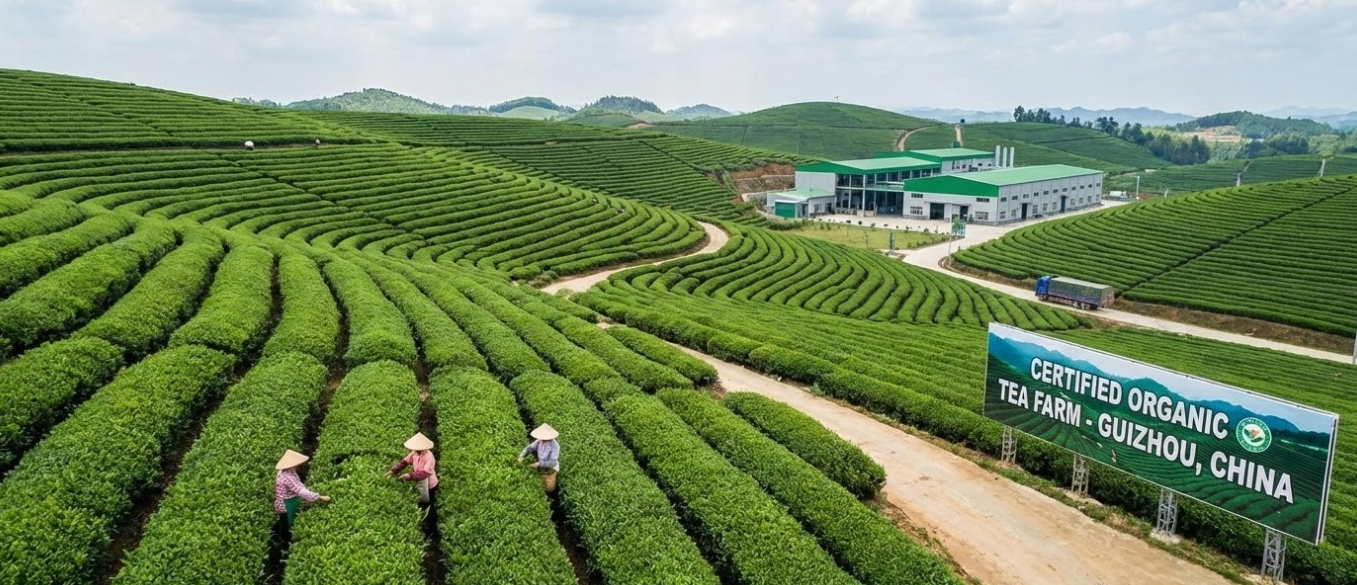
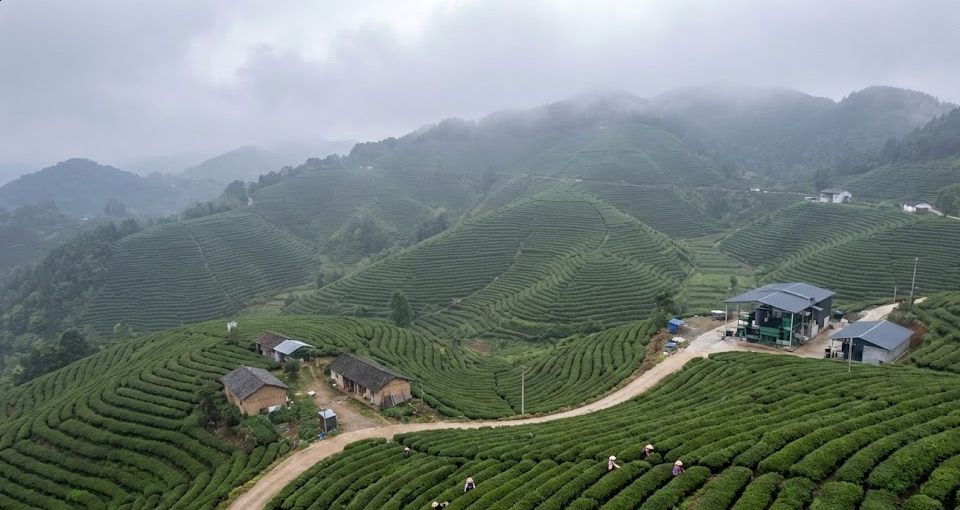
After seeing the strengths and weaknesses of these other brands, I know exactly what our role is here in the mountains of Anshun. We are not trying to win the crown for being an "artistic masterpiece." We are not trying to compete for consumer attention on the front lines. We do the heaviest, hardest, but also the most essential "infrastructure" work in this industry.
If a client wants to perform a tea ceremony in a Michelin restaurant, I will honestly tell them to buy from Marukyu Koyamaen. But, if a huge coffee chain with hundreds of stores needs a matcha that creates a brilliant green color in milk, tastes as good as Jade Leaf, but must be 40% cheaper, that's a different story. Or, if a high-end health brand like Pique Life needs someone who can guarantee that dozens of tons of matcha are absolutely clean and free of toxins, that's when I am in my element. That is our home turf.
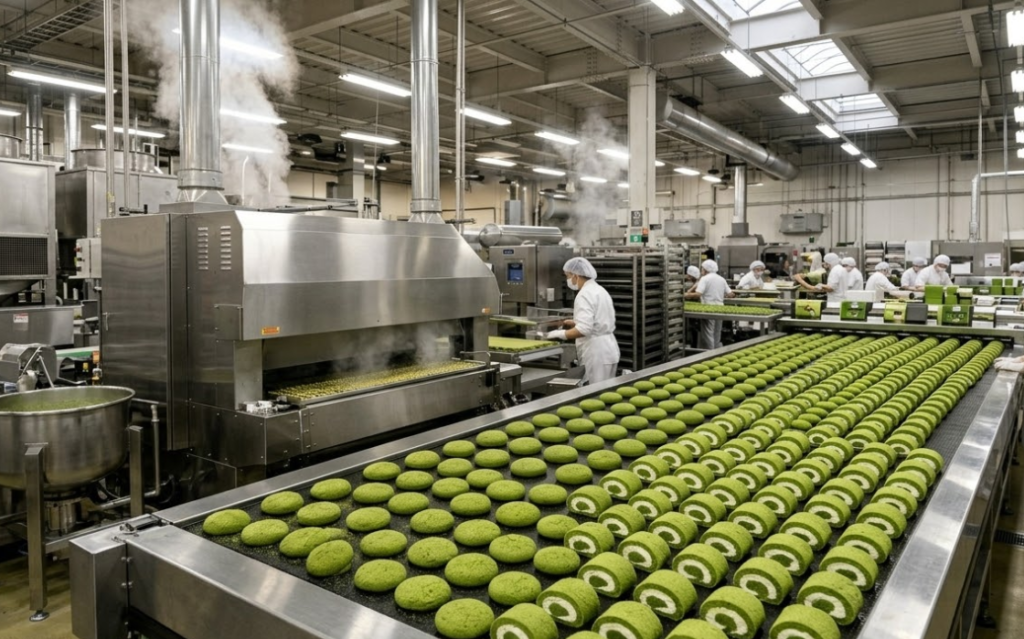
We committed to over 2,300 mu of high-altitude tea farms here. We went through a very difficult three-year organic conversion period. We spend money on manual weeding and physical pest control. We do all this so we can confidently present our EU and USDA organic certifications8 at the negotiating table. We invested heavily in a full set of Japanese-style steam-fixing9 production lines. We obsess over grinding temperatures and mesh size in our 100,000-class cleanroom. We do this to provide industrial-grade precision10. This allows us to offer the same quality without the high premium, giving multinational giants the certainty they need to buy from us without worry. In a world of "art masters" and "marketing geniuses," we are happy to be the behind-the-scenes estate owner with our hands in the soil, providing the hard-asset foundation for the entire industry.
| Our Role | What We Provide | Why It Matters for You |
|---|---|---|
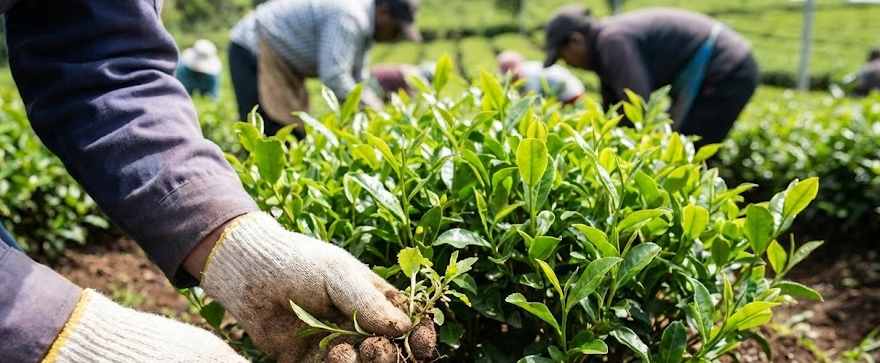
| The Farmer | 2,300+ mu of high-altitude organic farms | Full traceability and control over raw materials. |
| The Manufacturer | Japanese production lines, cleanroom grinding11 | Consistent color, flavor, and texture in every batch. |
| The Compliance Officer | EU, JAS, USDA Organic, HACCP certifications | Reduces your compliance risks and costs for global markets. |
| The Partner | OEM/ODM, formulation support, reliable supply | Helps you build a competitive product with a stable supply chain. |
Conclusion
The "best" matcha company is not one single brand. It is the one that perfectly matches your need, whether for art, marketing, or a reliable, industrial-scale supply chain foundation.
Learn how a vertically integrated supplier ensures consistency, safety, and traceability from farm to factory, ideal for large-scale commercial use. ↩
Discover why these Japanese legends are revered for their artistic blending techniques and deep historical roots in matcha production. ↩
Understand the marketing strategies and niche products that make Jade Leaf and Pique Life successful in the North American matcha market. ↩
Explore the rich history and artisanal quality of traditional Japanese matcha brands, known for their unmatched flavor and ceremonial significance. ↩
Explore how traditional Japanese brands achieve the artistic peak of matcha through centuries-old blending techniques and unique flavors. ↩
Learn about the limitations and benefits of small-scale farming in producing high-quality, artisanal matcha. ↩
Find out how Jade Leaf's Barista Edition caters to baristas with its bright green color and compatibility with milk-based drinks. ↩
Explore how these certifications reduce compliance risks and costs, ensuring high standards for global matcha markets. ↩
Discover how Japanese-style steam-fixing contributes to the consistency and quality of matcha produced by vertically integrated suppliers. ↩
Discover how industrial-grade precision ensures consistent quality and reliability in matcha for large-scale supply chains. ↩
Understand the role of cleanroom grinding in ensuring consistent color, flavor, and texture in matcha production. ↩