Choosing the wrong matcha can ruin your drinks and brand. Inconsistent quality and weak flavor kill customer loyalty. You need a stable engine for your business, not just pretty packaging.
To choose the right wholesale matcha supplier, you must look beyond packaging. Focus on five key criteria: flavor penetration in milk1, absolute batch-to-batch consistency, verifiable food safety certifications, scalable production capacity2, and comprehensive operational support like OEM and DDP shipping. This ensures quality, compliance, and growth.
When I see food and beverage owners looking for a matcha supplier, their first instinct is often to find a brand online with the most "Zen" packaging or a claim to a famous origin. But in the real world of commercial business, this logic can be a fatal mistake. Your modern café bar is a high-pressure battlefield. You are not looking for a can of "art to be admired." You are looking for a "stable engine that can seamlessly integrate into your business machine." Below are the five critical guidelines I give to all F&B owners and purchasing directors to help them choose the right partner and avoid common pitfalls.
Can your matcha stand up to plant-based milk and ice?
Your matcha lattes look muddy and taste weak. Customers complain your drinks lack real matcha flavor, and you're wasting expensive powder. You must test for flavor penetration, not just in water.
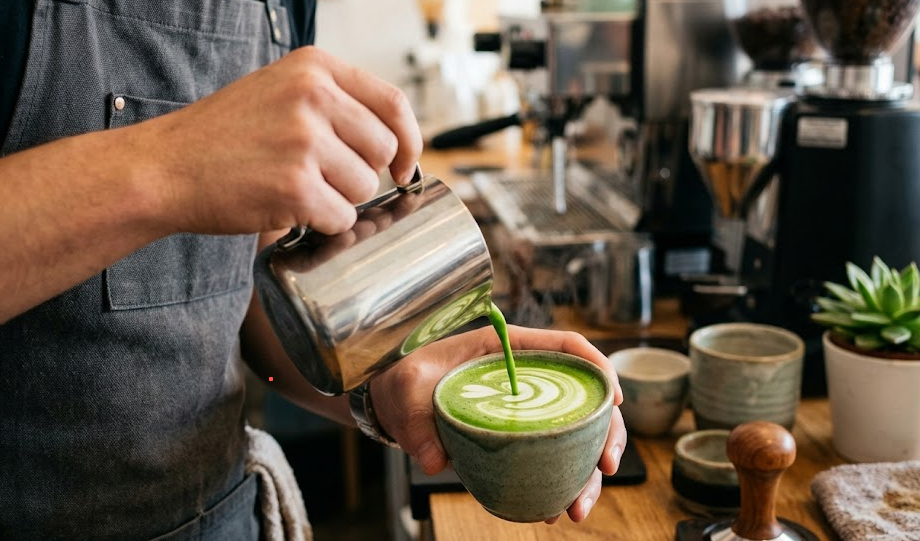
A great wholesale matcha must have strong flavor penetration. It needs to maintain its bright green color and distinct umami taste even when mixed with heavy oat milk and ice. Look for suppliers offering a "Barista Edition3" designed specifically for demanding café applications.
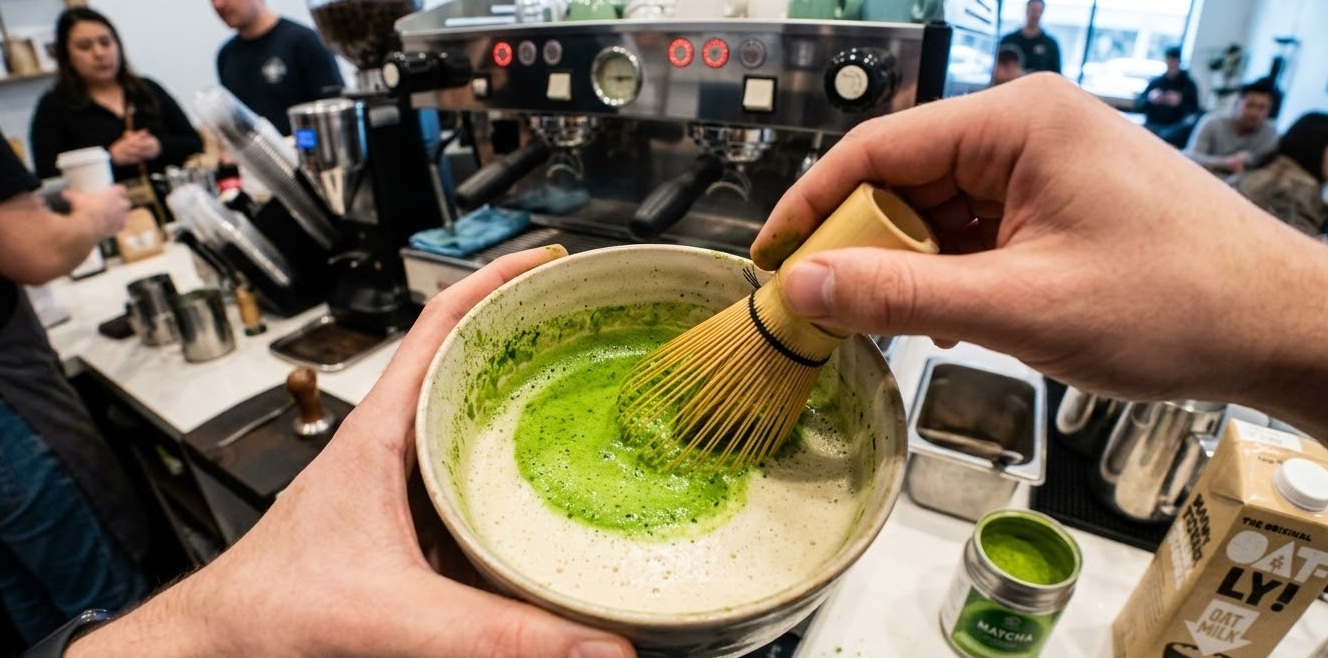
Most suppliers send you samples and tell you to whisk them with water. But in a real café, your matcha faces a much tougher challenge. It has to fight through heavy oat milk, thick coconut cream, and the intense dilution from a cup full of ice. Many ordinary tea powders simply can't handle this. The moment they hit plant-based milk, their flavor is completely lost, and they turn into a disgusting, murky, yellowish-brown mess. You must find a large-scale manufacturer that can provide you with a "Barista Edition." In our 100,000-class clean workshop, we use an extremely precise Japanese steam-fixing process4. This gives our matcha powerful flavor penetration. You need a hardcore ingredient that holds onto its vibrant green color and erupts with a premium, savory umami flavor, even in the thickest oat milk.
| Feature | Standard Matcha | Barista Edition Matcha |
|---|---|---|
| Color in Milk | Turns dull, yellowish | Stays bright, vibrant green |
| Flavor Profile | Weak, grassy, gets lost | Strong, umami, cuts through |
| Texture | Can be gritty, settles fast | Smooth, dissolves easily |
| Best For | Traditional water preparation | Lattes, smoothies, iced drinks |
Is every batch of matcha exactly the same?
Your signature matcha latte tastes different every month. Loyal customers notice the change in color and flavor, and they stop coming back. You must demand absolute batch-to-batch consistency5 from your supplier.
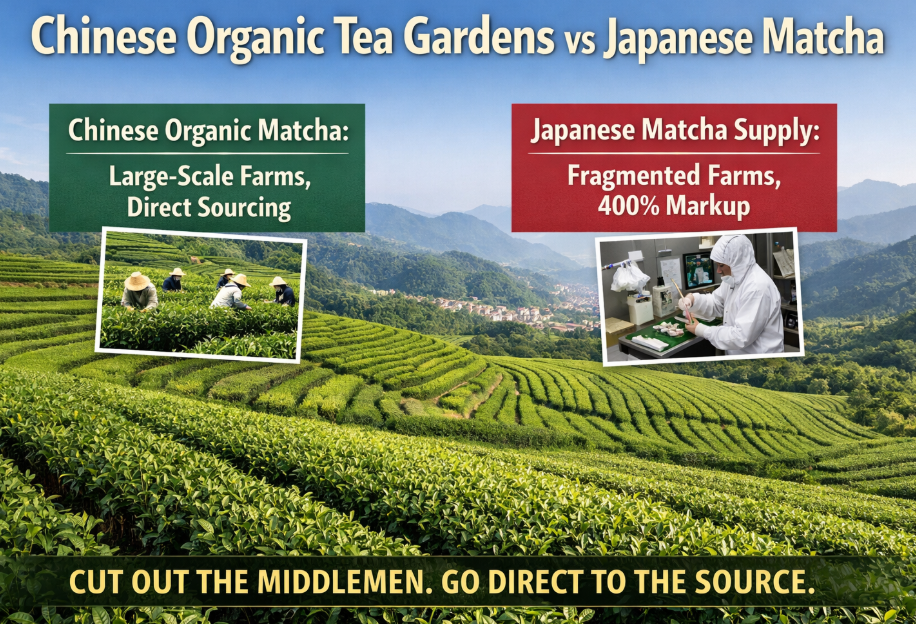
Absolute batch consistency is the lifeline of a café chain. Your matcha's color, solubility, and taste must be identical from one order to the next. Avoid suppliers who source from multiple small farms, as this leads to unpredictable quality. Partner with a manufacturer with industrial-scale control6.
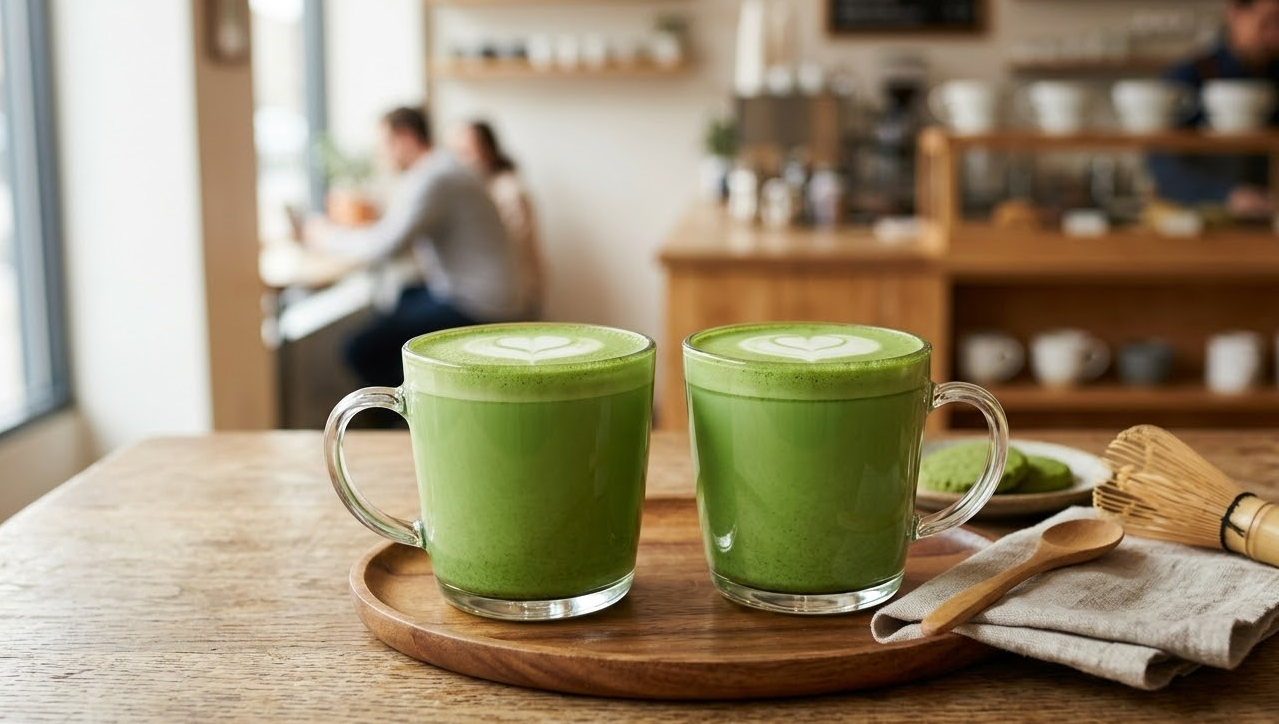
The lifeline of any food and beverage chain is called "standardization." If the matcha latte in your shop is a bright, emerald green this month but turns dull and yellow next month because the supplier changed their batch, you will lose your loyal customers instantly. You must avoid "blending factories" or asset-light traders who just buy scattered tea from various sources. Because their raw tea materials are so mixed, they have no way to control the fluctuations in physical and chemical properties. You have to investigate the industrial foundation behind your supplier. At our facility, we use 11 continuous production lines and imported ultra-fine milling machines7. This allows us to lock in the mesh size and color value as if we were tightening a screw. We ensure that the matcha you buy this year and the matcha you buy next summer are as precise as a carbon copy in color, solubility, and taste.
Will your matcha pass FDA and customs inspections?
You want to grow your brand, but you're worried about food safety regulations. A single failed inspection could lead to a recall and a public relations disaster. Work only with suppliers who provide ironclad certifications.
For any growing business, compliance is non-negotiable. Your supplier must provide verifiable organic certificates and traceability documents8 to pass strict inspections from bodies like the FDA. A failed test for pesticides can destroy your brand's reputation overnight. Demand transparency and full documentation.
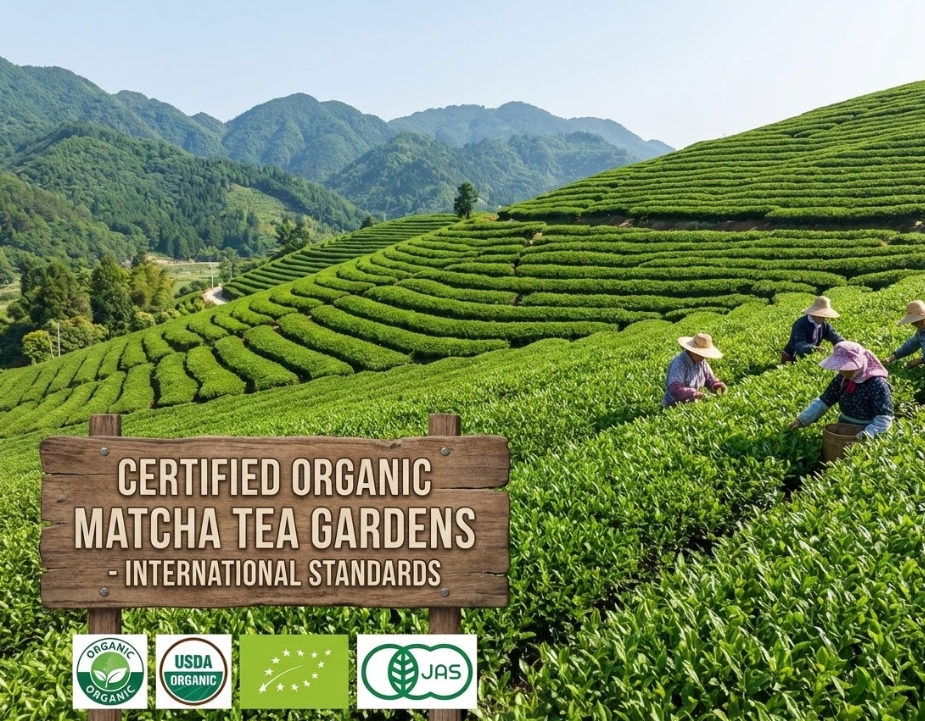
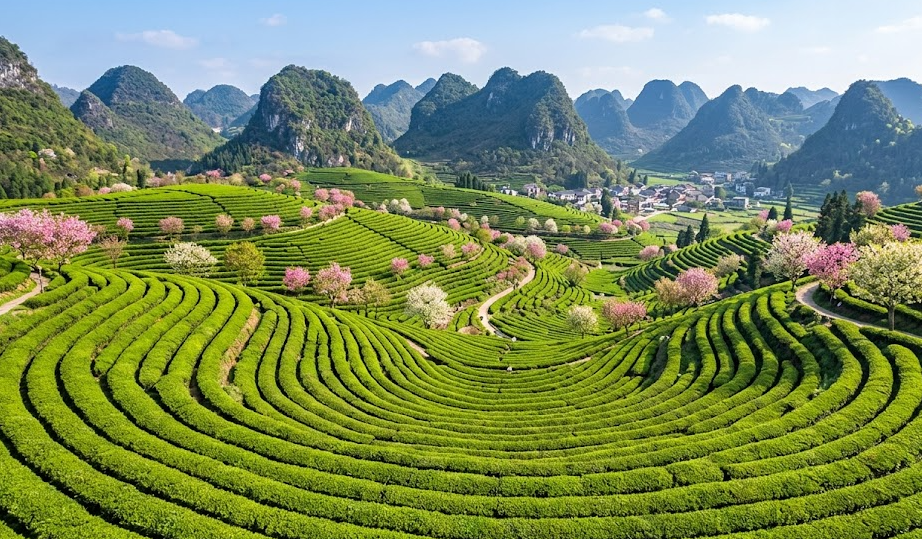
If you plan to scale your business, compliance is the sword of Damocles hanging over your head. If your supplier can't produce solid organic certificates and traceability documents8, your brand could face a devastating public relations disaster. A single trace of unapproved pesticides found by customs or a food safety agency like the FDA could be the end. A great supplier must be willing to put all their cards on the table. We completely abandoned the uncontrollable cooperative model, where tea is sourced from many small, unvetted farms. Instead, we firmly control over 2,300 mu of high-altitude, purely organic tea gardens9 in Anshun, Guizhou. This "single-estate" model allows us to provide you with a full suite of top-tier certifications, including USDA Organic10, EU Organic, JAS (Japan Organic)11, and Rainforest Alliance12. More importantly, we provide strict, batch-level records. This gives your compliance department—and you—total peace of mind.
Can your supplier handle your sudden success?
Your new matcha drink went viral on TikTok. But now you're sold out, your supplier can't deliver, and customers are angry. Choose a partner whose production capacity can match your ambition.
A viral moment should be a blessing, not a curse. Many brands fail after going viral because their small-scale supplier can't fulfill the massive increase in orders. You need a partner with the industrial infrastructure to scale with you, ensuring you never run out of stock.
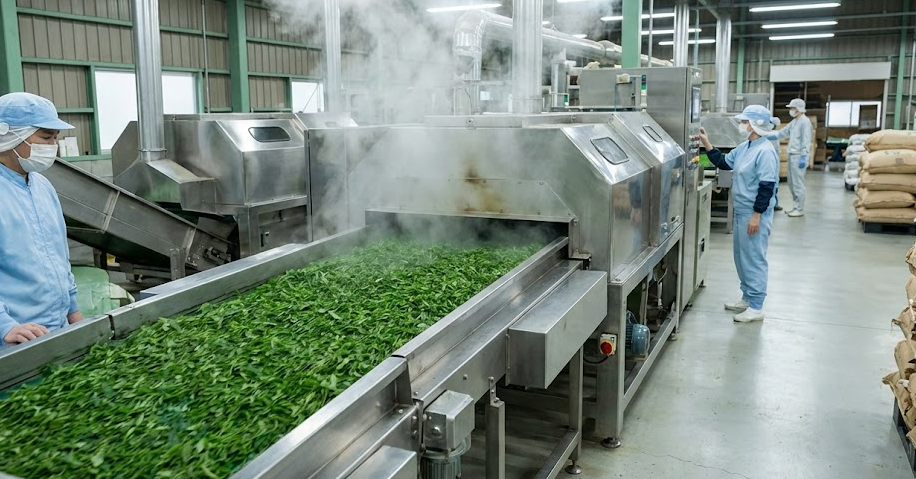
I've seen it happen. A brand goes viral on TikTok overnight, but what follows isn't profit. It's a complete stockout and a flood of customer complaints, all because their workshop-style supplier simply can't produce the tens of tons of product needed. Finding a supplier is like finding a business partner. They must be able to keep up with your ambition. You need a partner with heavy industrial infrastructure and an annual output of over 1,000 tons. We are built for this. When you only need 100 kilograms to test a new product, we are right there with you, helping you dial in the parameters. Then, when you are ready for a national rollout next year and need 50 tons, we give you the absolute confidence that you will never run out of stock, even during the peak season. Your success will be supported, not stalled.
Does your supplier simplify your operations or add to them?
You're spending too much time on logistics and packaging. This takes you away from growing your brand and improving your café experience. Find a supplier who offers one-stop, "babysitting" style support.
Your time is best spent on marketing and operations, not on managing international shipping or packaging lines. The best suppliers simplify your backend work. Look for partners who offer OEM/Private Label services13 and DDP (Delivered Duty Paid) shipping, allowing you to just receive finished goods.
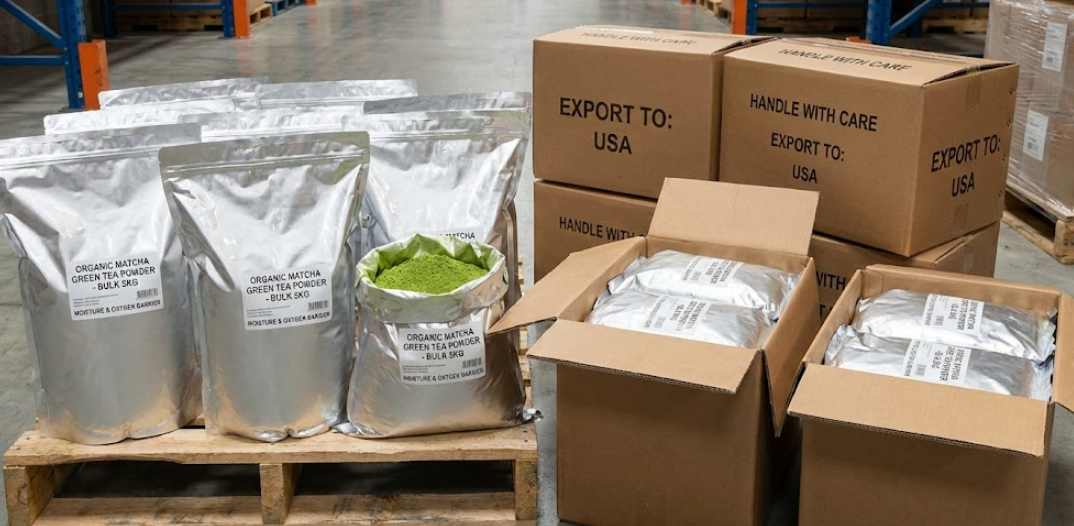
A café owner's time is extremely valuable. You should be focused on how to drive traffic and optimize your store's workflow, not arguing with international logistics companies or figuring out how to set up a sterile packaging line. The highest level of a supply chain provides one-stop, "invisible" support that takes work off your plate. We don't just sell bulk matcha powder. We also provide full OEM/Private Label services in our sterile workshops. Whether you need large foil bags for your kitchen's back-of-house use or high-margin retail tins to sell at the counter, we can do it. This service is paired with a dedicated account manager and DDP (Delivered Duty Paid) door-to-door logistics. All you have to do is comfortably receive the finished goods at your warehouse. We handle the rest.
Conclusion
In the F&B industry, your creativity is priceless. The bar belongs to creative baristas and owners. Don't let a fragile, inconsistent, and unprofessional supply chain destroy your hard work.
Understanding flavor penetration in milk helps ensure your matcha retains its taste and color in various beverages, crucial for customer satisfaction. ↩
A supplier with scalable production can meet increased demand, ensuring you never run out of stock during peak times. ↩
Barista Edition matcha is designed for café applications, ensuring strong flavor and vibrant color in milk-based drinks. ↩
This process enhances matcha's flavor and color retention, crucial for creating appealing and tasty beverages. ↩
Consistency in matcha quality ensures that your customers receive the same great taste every time, maintaining their loyalty and trust. ↩
Industrial-scale control ensures consistent matcha quality, vital for maintaining customer satisfaction and brand reputation. ↩
These machines ensure a smooth texture and consistent quality, enhancing the overall matcha experience for consumers. ↩
Traceability documents provide transparency and accountability, essential for compliance and building consumer trust. ↩
These gardens produce high-quality matcha with unique flavors, appealing to discerning consumers seeking premium products. ↩
USDA Organic certification assures customers of the matcha's quality and compliance with organic farming standards. ↩
JAS certification ensures matcha meets Japanese organic standards, appealing to consumers seeking authentic, high-quality products. ↩
Rainforest Alliance certification signifies sustainable farming practices, appealing to environmentally conscious consumers. ↩
These services allow you to customize and brand your matcha products, enhancing your market presence and customer appeal. ↩