Scaling your matcha brand is tough. Inconsistent supply and quality can kill your reputation. We offer the industrial backbone you need to grow without any of that worry.
For bulk matcha, prioritize a supplier with industrial-scale capacity, end-to-end traceability, strict batch consistency, and full-service OEM capabilities. This ensures a stable, compliant, and reliable supply chain that can support your brand's growth from a single shop to hundreds of international locations.
I have a deep respect for the entire matcha ecosystem. The world owes a debt to the master tea makers of Uji and Shizuoka in Japan. They spent generations teaching us what matcha is. We also need to thank the amazing traders who built the bridges to get this leaf across the ocean. They are pioneers. But your challenge changes when your brand grows. When you go from one boutique to 500 chain stores, your needs shift. You no longer just need authentic tea culture. You need an absolutely solid industrial infrastructure. Below are the four core principles I've learned that every major B2B buyer needs to understand to survive and thrive.
For buyers planning industrial-volume sourcing, our bulk matcha supply page explains MOQ, packaging formats, COA support and export-ready supply for large-scale orders.
Why is industrial-scale capacity1 more important than terroir for bulk buyers?
Obsessed with a specific origin? This can limit your growth. When you need tons, not kilograms, a single region's output might not be enough. This risks stockouts.
Industrial capacity from a single-estate source2 guarantees stable, year-round delivery. It removes the risk of relying on scattered small farms. This heavy-asset model is your best protection against supply chain disruptions, especially during peak seasons when demand spikes unexpectedly.
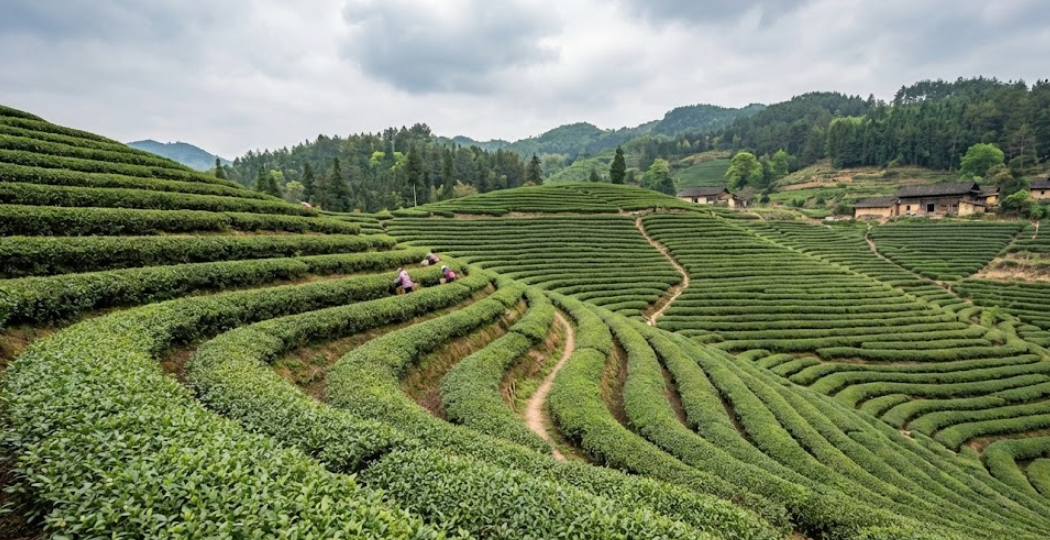
Many new buyers focus too much on a specific famous origin. This is fine when you run a small shop. But it becomes a problem in the world of bulk wholesale. You need a supplier who can deliver, always. I learned this through hard experience. The traditional cooperative model, where a supplier buys tea from many small, scattered farms, is good for variety. But it creates a hard limit on quality and consistency. You are only as good as your weakest link.
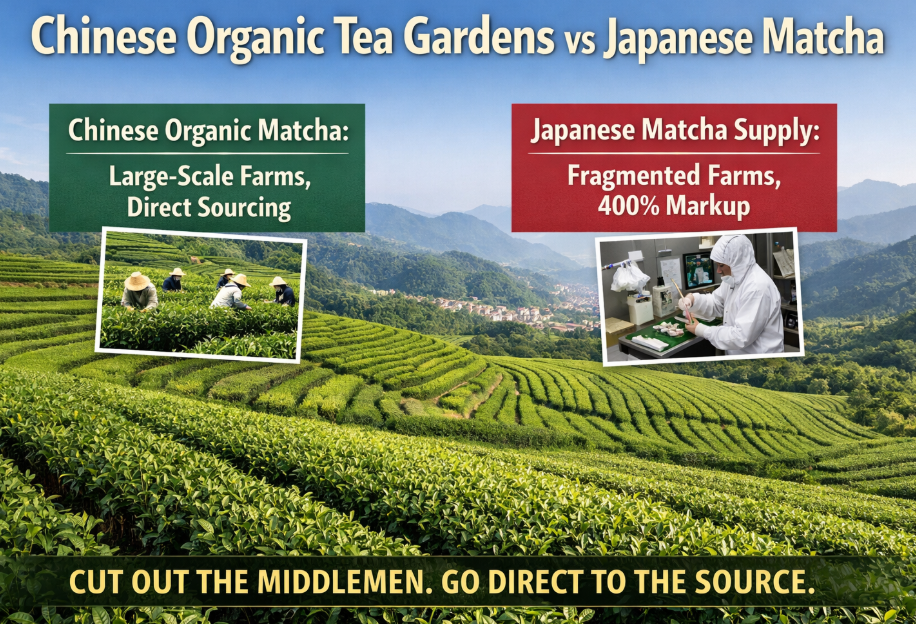
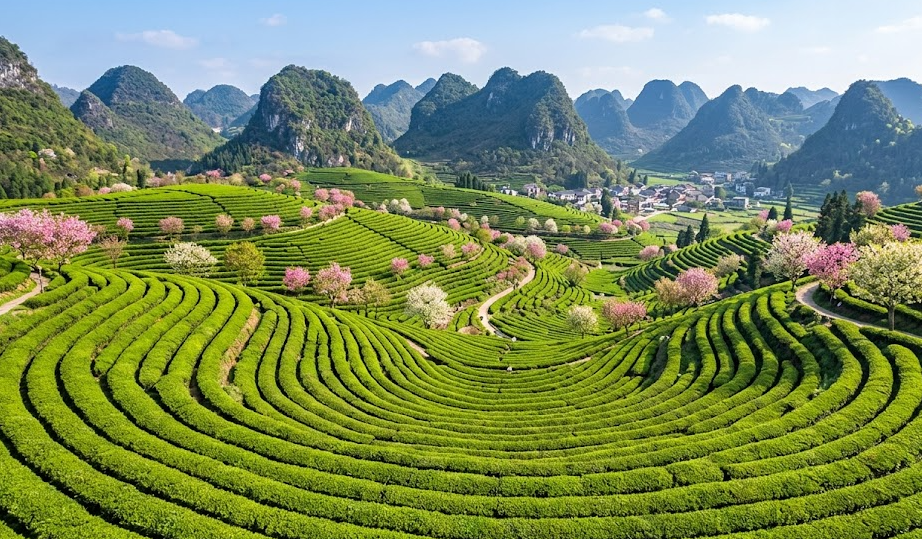
This is exactly why we committed to our 2,300+ mu of high-altitude organic tea gardens3 in Anshun, Guizhou. We don't depend on buying tea from others. We are the estate owners. This gives us total control. We combine this with our 11 continuous production lines, which can handle over 1,000 tons of tea a year. This heavy-asset foundation is your guarantee. When your sales explode during the summer peak, our system is the bedrock that ensures you will never run out of stock.
| Sourcing Model | Small-Scale (Boutique) | Large-Scale (Bulk) |
|---|---|---|
| Cooperative (Multi-Farm) | Good for unique, small-batch flavors. | Risky. Inconsistent quality and unstable supply. |
| Single-Estate (Our Model) | Consistent, but less variety. | Ideal. Guarantees stability, quality, and volume. |
How can you guarantee compliance and traceability for your matcha?
Worried about customs rejecting your shipment? A single failed pesticide test can ruin your brand and finances. This is a common fear for global importers.
The only way is to work with a supplier who offers complete, batch-level traceability from a single estate. They must be audit-ready and hold all major international certifications. This turns a high-risk "blind box" purchase into a fully transparent and secure investment.
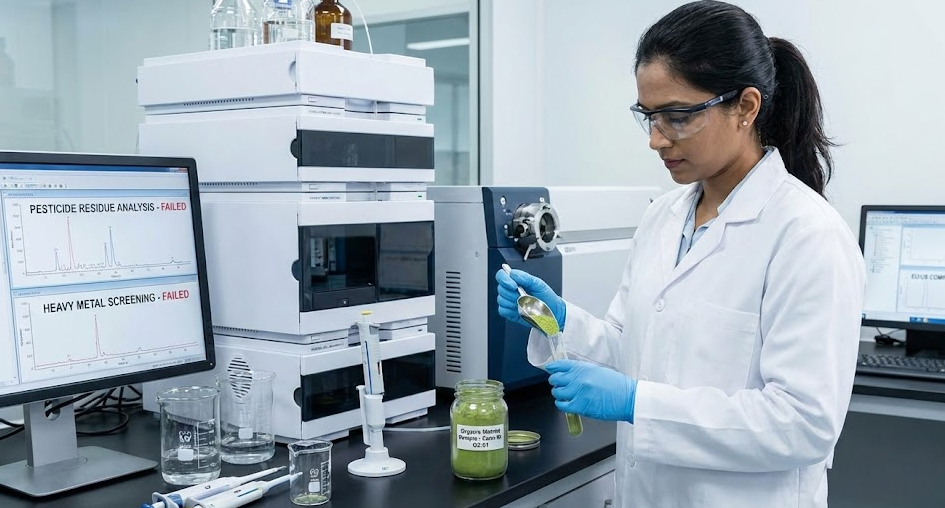
The biggest nightmare for any global food brand is getting a call from the FDA or EU customs. They tell you they found a trace of an unapproved substance in your container. With the incredibly strict organic testing standards in Europe and the US, taking any chances is business suicide. But many light-asset traders operate this way. They often can't even tell you which specific plot of land their tea came from. Buying from them is like opening a blind box. You never know what you're really going to get.
Before confirming a supplier, business buyers should review matcha COA and testing requirements, including pesticide residues, heavy metals, microbiology, moisture, particle size and batch-level quality data.
In our system, we eliminated this risk. Every batch of our matcha comes with extremely strict batch-level records. We can do this because we have true single-estate control. We track everything from the inputs used in the soil to the moment the container is sealed for shipment. All this data is audit-ready at any time. We hold a full set of the most important certifications: USDA Organic4, EU Organic5, JAS (Japan) Organic6, Rainforest Alliance7, and China Organic8. I always tell my clients, "You are not just buying green powder. You are buying the freedom to cross customs with your eyes closed."
From Soil to Shipment: Our Data-Driven Promise
Our traceability system is not just a piece of paper. It is a scientific, data-driven process that covers every single step. We manage the organic inputs for our soil. We use green pest control methods9. We monitor harvesting, transportation, processing, milling, packaging, and shipping. Every order has a clear origin that can be tracked back to a specific batch and production run. This is the only way to build a truly defensible supply chain in a global market.
How do you maintain perfect batch consistency for a global chain?
Customers expect the same great matcha latte every time. But flavor and color can vary wildly between batches, damaging trust. This inconsistency is a silent brand killer.
*You must rely on industrial-grade processing, not romantic handmade methods. A supplier using modern Japanese equipment in a cleanroom environment, backed by strict QC and data like Lab color values, can ensure every single batch is identical in taste, aroma, and appearance.**
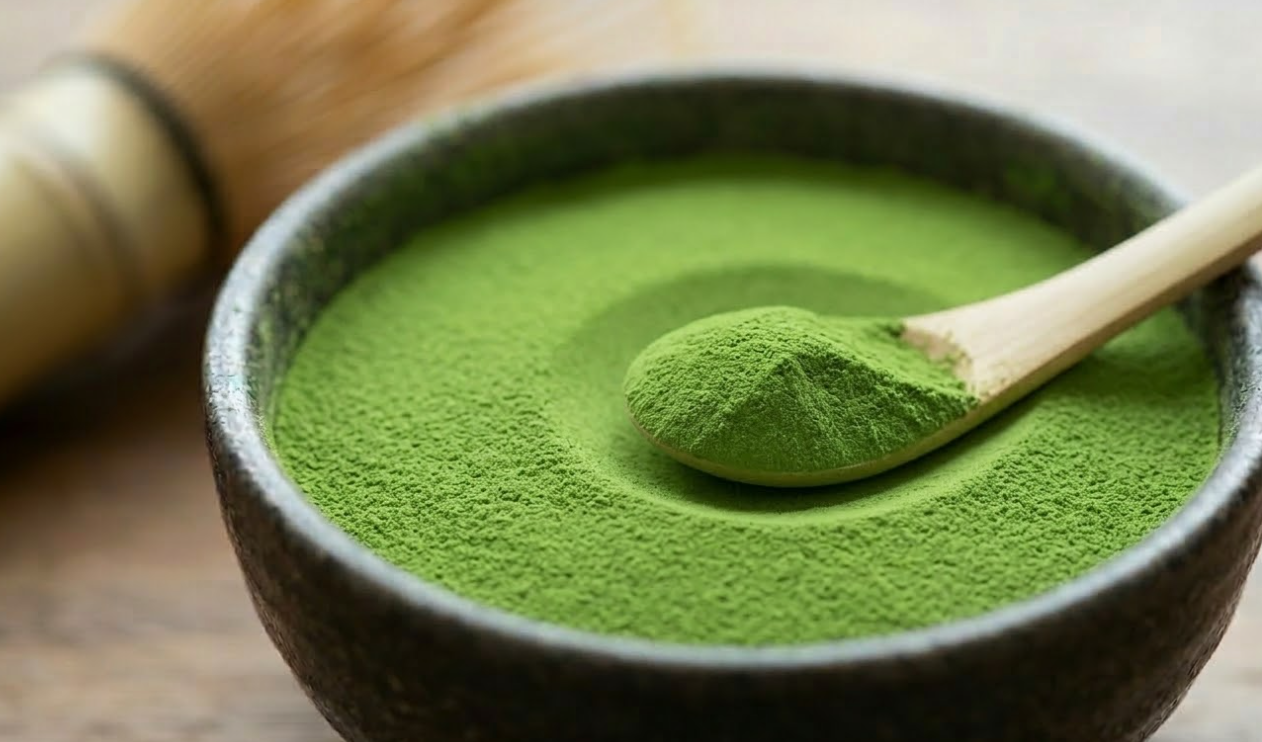
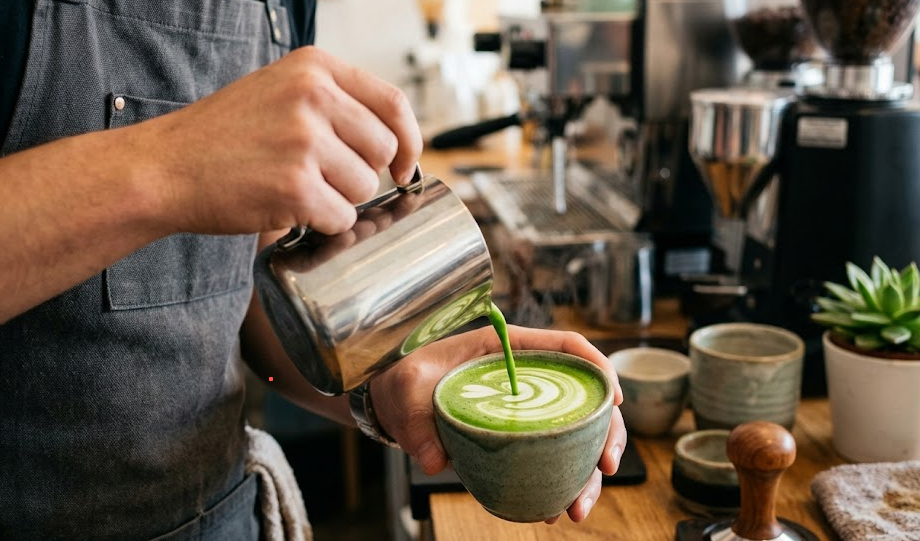
The lifeblood of any chain brand is duplication. Your customers must have the same experience in every location, every time. If they get a beautiful, bright green, umami-rich matcha latte one month, and a bitter, yellowish one the next, you lose more than a sale. You lose credibility. In this incredibly competitive industry, the idea of "handmade" sounds nice, but it often leads to a quality control disaster.
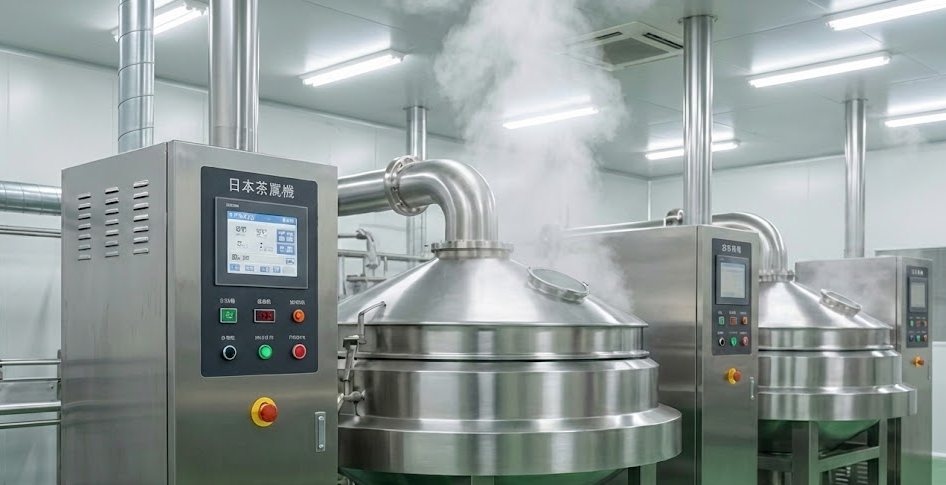
That's why our Class 100,000 cleanrooms run a full set of Japanese-designed refining and milling equipment. Our quality control team has one job. They use machine logic and strict, repeatable parameters to make sure the matcha you receive today is exactly the same as the multi-ton order you receive next year. We track everything like a formula.
| Quality Metric | Our Standard | Why It Matters |
|---|---|---|
| Color Value | Measured using Lab* color space data. | Guarantees the same vibrant green look in every drink. |
| Particle Size | Controlled to the micron level. | Ensures a smooth, non-gritty mouthfeel. |
| Aroma & Taste | Profiled by sensory panels & lab data. | Delivers the exact flavor your customers expect. |
This rock-solid batch consistency is what gives global brands the confidence to expand. It is the foundation of a scalable reputation.
What's the easiest way to handle logistics for private label matcha?
Are you drowning in backend operations? Founders often waste time on packaging, shipping, and customs instead of marketing. This slows down your real growth.
The best solution is a full-service OEM partner. They handle everything from formulation and packaging to international shipping logistics. This allows your brand to stay lean and focused on what you do best: building a connection with your customers and driving sales.
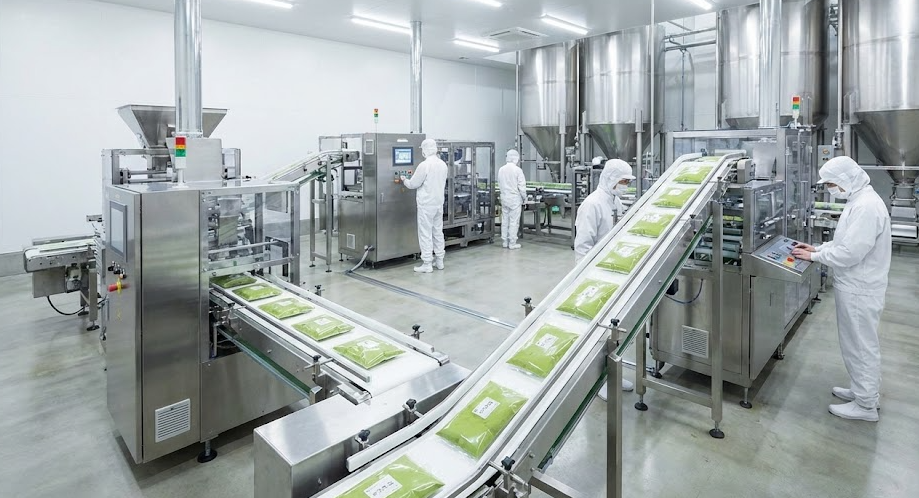
I have seen too many brilliant founders get stuck in the mud of backend logistics. They spend their days managing packaging lines, arguing with freight forwarders, and dealing with complex customs documents. All that time is stolen from what really matters: marketing and winning new customers. A great brand should always stay light and agile. This is why we created our full-service OEM and co-creation services at MatchaSourcing.com. We want to be your complete backend solution.
If you are building your own retail matcha brand, our private label matcha page covers custom packaging, label support, sample development and export-ready production.
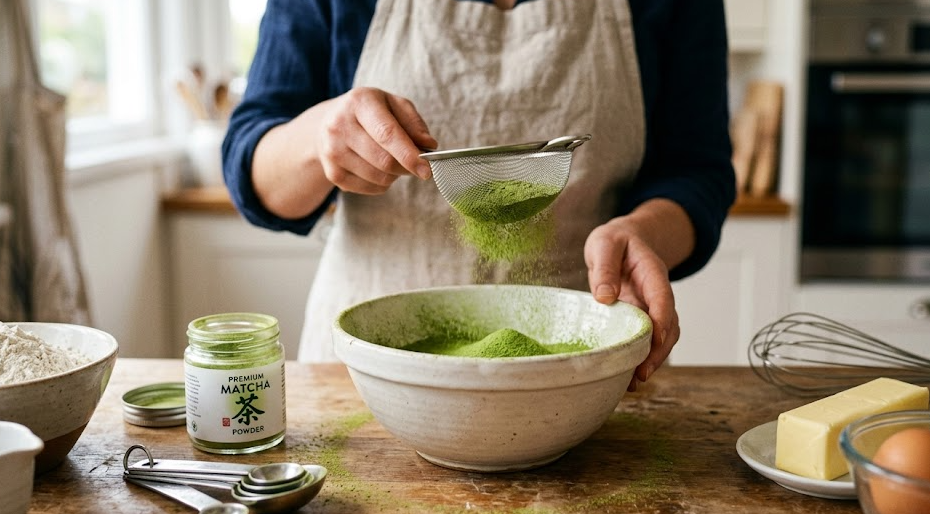
We work with you to develop the perfect product. We have grades for every application, from high-end ceremonial and daily-use beverage grades to robust baking grades. We can then package your chosen matcha right in our sterile facility. We can put it into tins, stand-up pouches, or single-serving sachets with your logo on them. We don't just understand tea; we understand the language of international trade. Each major client gets a dedicated account manager who handles everything. We can even ship your finished product DDP (Delivered Duty Paid), meaning it arrives at your warehouse ready to sell, with all duties and taxes handled by us.
Conclusion
Someone has to carry on history. Others build the trade network. My job is to manage the industrial supply chain. Let us handle the heavy lifting for you.
For scaling brands, start with the supply model that matches your growth stage: review our bulk matcha supply page for industrial-volume purchasing, our matcha COA and testing page for batch-level quality verification, and our private label matcha page for OEM packaging and brand-ready production.
Understanding the importance of industrial-scale capacity helps ensure a stable supply chain, crucial for scaling your matcha brand globally. ↩
A single-estate source offers stability and quality control, crucial for consistent supply and product excellence. ↩
High-altitude organic tea gardens offer superior quality leaves, enhancing the flavor and appeal of your matcha products. ↩
USDA Organic certification assures consumers of the product's organic integrity, enhancing brand trust and marketability. ↩
EU Organic certification is vital for accessing European markets, ensuring compliance with stringent organic standards. ↩
JAS Organic certification is crucial for authenticity and quality assurance, especially in Japanese markets. ↩
Rainforest Alliance certification supports sustainable practices, appealing to eco-conscious consumers and enhancing brand image. ↩
China Organic certification ensures compliance with Chinese organic standards, crucial for market entry and consumer trust. ↩
Green pest control methods ensure sustainable farming practices, appealing to eco-conscious consumers and supporting brand values. ↩