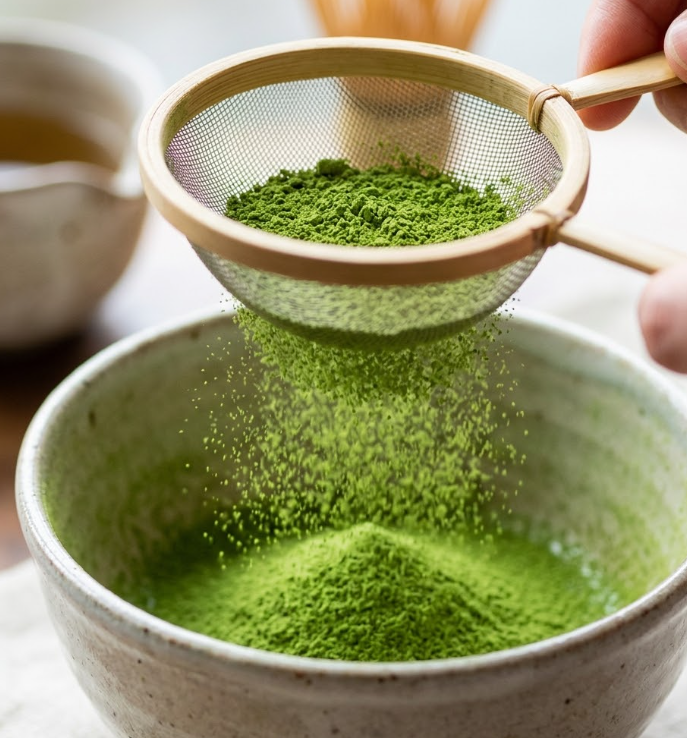

Are you watching matcha prices skyrocket? Worried that quality supply is disappearing fast? I will show you how to find a trusted supplier before your brand faces a complete stockout.
The global matcha market1 is facing a severe supply and demand imbalance2. Explosive demand from food and beverage industries is outpacing the slow, linear growth of compliant organic tea cultivation3. This fundamental gap, not speculation, is driving prices up and creating worldwide shortages.
Many people are talking about the "matcha boom," but they miss the real story. They see rising prices and assume it's just market hype or investors playing games. The truth is much more physical and unforgiving. As a manufacturer at the source, I see the real reasons every day. To protect your business and ensure you have the matcha you need, you have to understand what's happening on the ground. Let's look at the hard facts behind this supply crisis.
Why is the matcha market facing a global shortage?
You hear theories about market speculation causing price hikes. But those ideas won't help you find inventory. The real problem is a cold, hard physical imbalance in supply and demand.
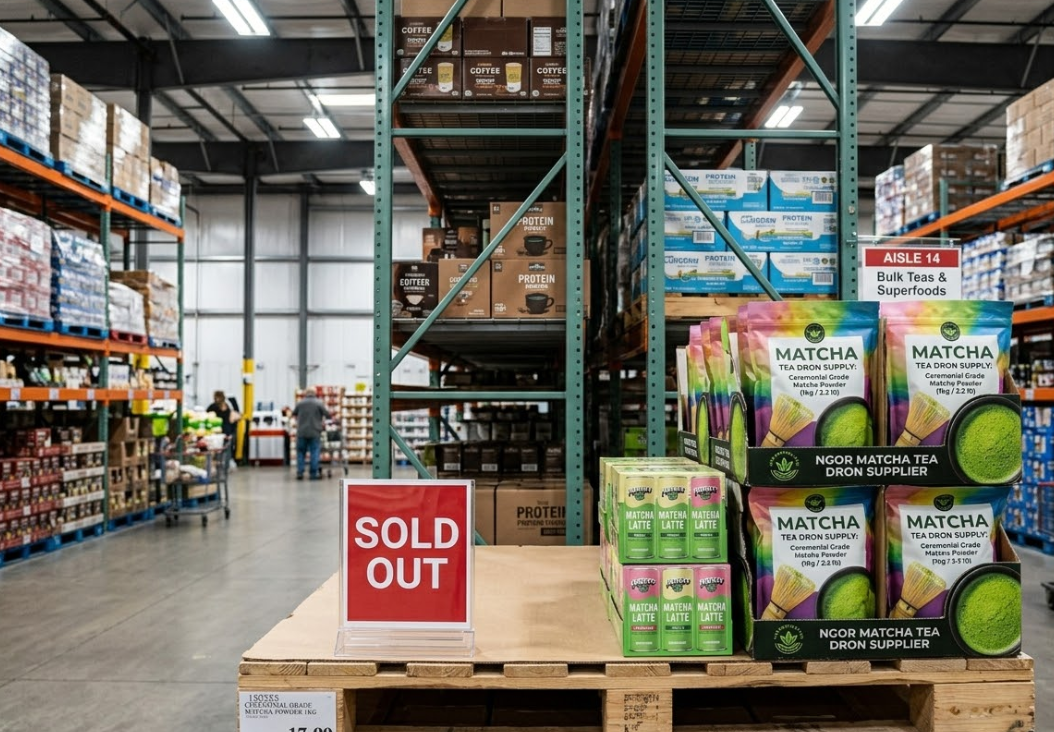
The global matcha shortage stems from three core issues. First, agricultural output can't keep up with explosive demand4 from industries like RTD beverages5. Second, asset-light traders6 are panic-buying and hoarding stock. Third, stricter import regulations7 are filtering out non-compliant powders.
To understand this crisis, you must stop thinking about matcha as a simple commodity. It's a highly specialized agricultural product with real physical limits. The current situation is a perfect storm of factors that have been building for years. When I talk to buyers, I break it down into three parts they absolutely need to grasp.
The Unbreakable Ceiling of Agriculture
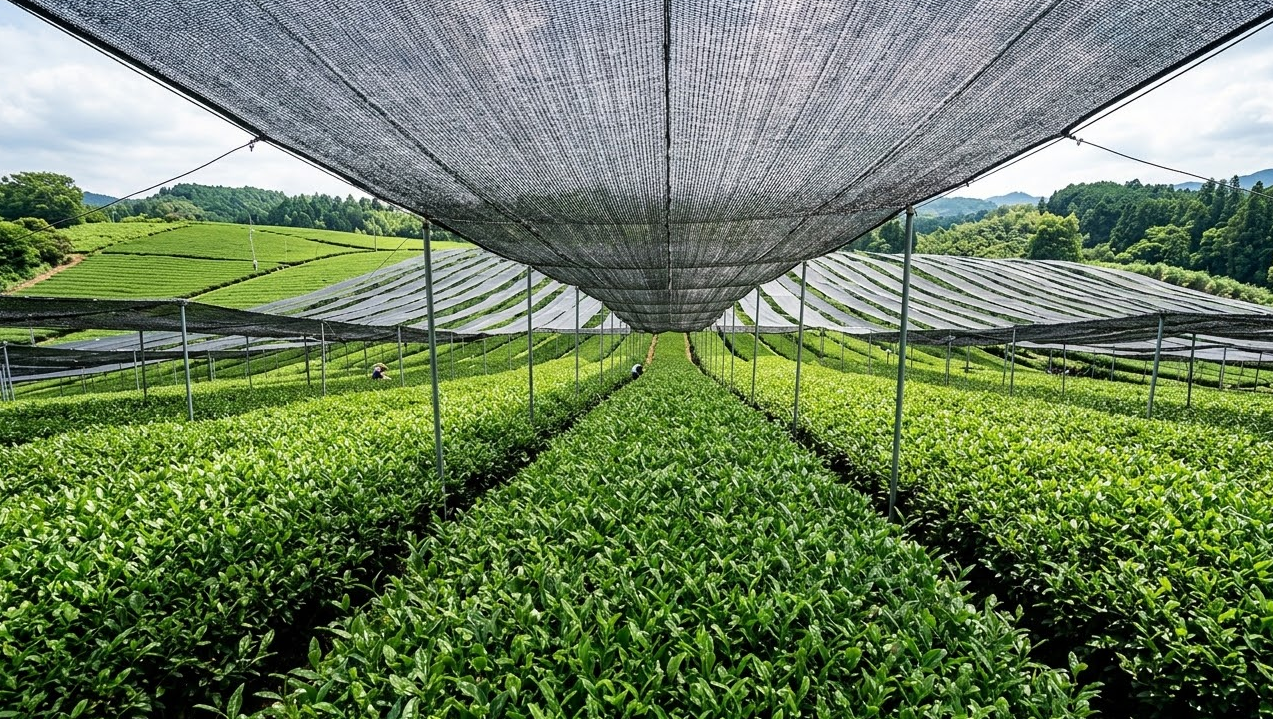
First, you cannot create matcha in a factory lab. It has to be grown. Real matcha requires a special process where the tea plants are covered with black nets for 20-30 days before harvest. This is called shading. This step is what gives matcha its vibrant green color and unique flavor. While global demand from ready-to-drink (RTD) beverage companies, health supplement brands, and coffee chains is exploding exponentially, the supply side grows very slowly. The amount of high-altitude land suitable for organic tea gardens is limited. The time and labor needed for shading and organic weeding are fixed. Traditional matcha regions like Japan have many small, family-owned farms. Their production capacity has already hit a physical ceiling. They simply cannot meet the sudden, massive appetite of the global food industry.
The "Anxiety Premium" from Traders
Second, when the source of supply is in trouble, the most vulnerable people in the chain start to panic. These are the "light-asset traders." They don't own any tea gardens or factories. Their business is just buying and reselling. To protect their relationships with big clients, they start buying up all the matcha they can find on the market, often at much higher prices. This creates a cycle of panic buying. The high price you are paying now likely includes a 30% "anxiety premium8." This is the extra cost added by these middlemen who are scared of losing their customers. They are passing their panic onto you in the form of higher prices.
The Great Wall of Compliance
Finally, governments in Europe and the United States are getting much stricter about food safety. The standards from the USDA, EU Organic, and FDA are incredibly high. This is a good thing for consumers, but it creates a huge challenge for supply. A lot of cheap "fake matcha" (which is just regular green tea powder) is being stopped at customs. These products often have high levels of heavy metals or fail pesticide residue tests. This means that clean, compliant, and pure organic tencha—the raw material for matcha—has become an extremely scarce resource. The world's biggest brands are all fighting to get their hands on this limited supply of legal, high-quality material.
How can you identify a truly reliable matcha supplier amid a supply crisis?
In a panic, it's easy to choose a supplier based on nice packaging or a good story. But this is a huge mistake that could lead your brand directly to a stockout.
To find a reliable supplier, you must ignore the marketing fluff. Instead, focus on three key things. First, look past traders and find a "single-estate" producer that owns its farms. Second, verify their industrial capacity9 to guarantee delivery during peak season. Third, demand consistent lab data10.
When the tide goes out, you see who is swimming naked. In this extreme period of panic buying, if you are still looking at how pretty the box is or listening to stories about "ancient tea ceremonies," your brand is in danger. To secure your supply chain, you need to be ruthless. You only need to focus on three hardcore indicators that separate the real players from the pretenders. I tell all our partners that this is not the time for emotion; it's the time for critical evaluation.
Rule #1: Look for "Single-Estate" Fortresses
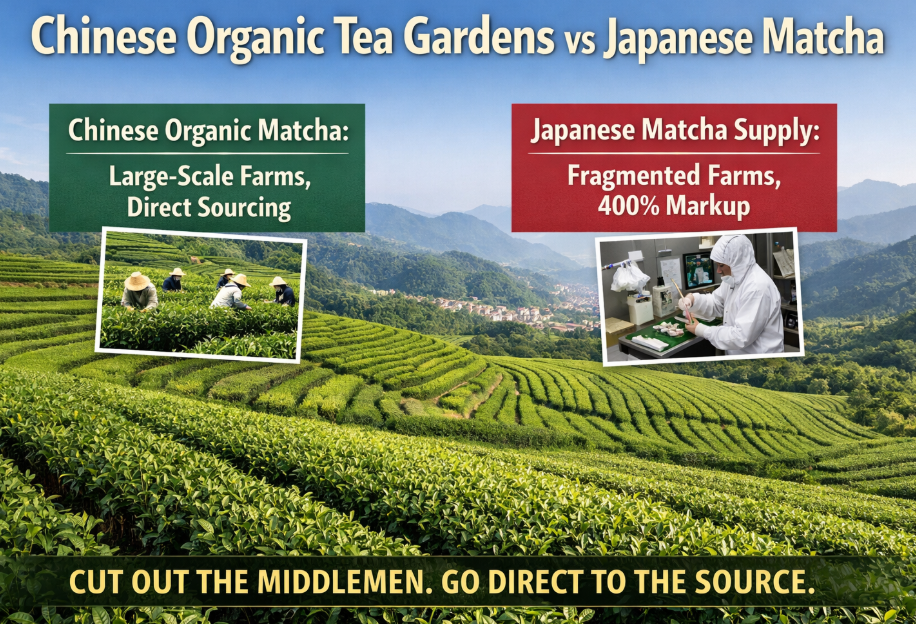
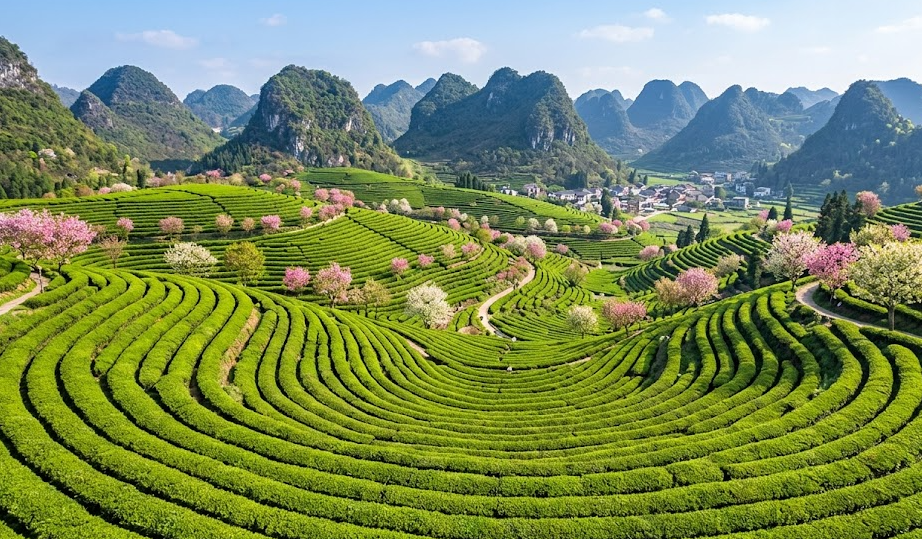
During a shortage, traders will often give you a product that is a mix of teas from different farms and of different quality levels. This is a huge risk. It means the taste of your product could be completely different from one month to the next. Even worse, you could face a risk of product recalls if one of those batches fails a pesticide test. That's why I strongly advise you to find a supplier who owns their own land—a true "source estate owner." At MatchaSourcing.com, for example, we control over 2,300 acres of high-altitude, purely organic tea gardens in Guizhou. This "single-estate" model provides a physical separation from other farms. It is our ultimate advantage. It allows us to lock in prices and quality for our clients, even in a chaotic market. It’s also how we provide ironclad batch-level records11 and traceability for every single order.
Rule #2: Question Their Industrial Backbone
Don't just ask a supplier, "Can you make this product for me?" Ask them, "What is your maximum production capacity?" A small, workshop-style grinder cannot save you when your cafe chain has a massive surge in orders during the summer. During a shortage, only large-scale industrial machinery can give you a true sense of security. You must investigate a supplier's real equipment and production volume. At our facility, we operate 11 modern production lines with an annual output of over 1,000 tons. This is the kind of powerful infrastructure that guarantees Peak-Season Continuity12. It ensures that even when the global market is in crisis, your supply chain remains unbroken. This is the real foundation of a reliable partnership.
What data should you demand to avoid quality compromises in a seller's market?
When supply is tight, you might be tempted to lower your quality standards just to get product. This is business suicide. It will damage your brand's reputation and lose you customers.
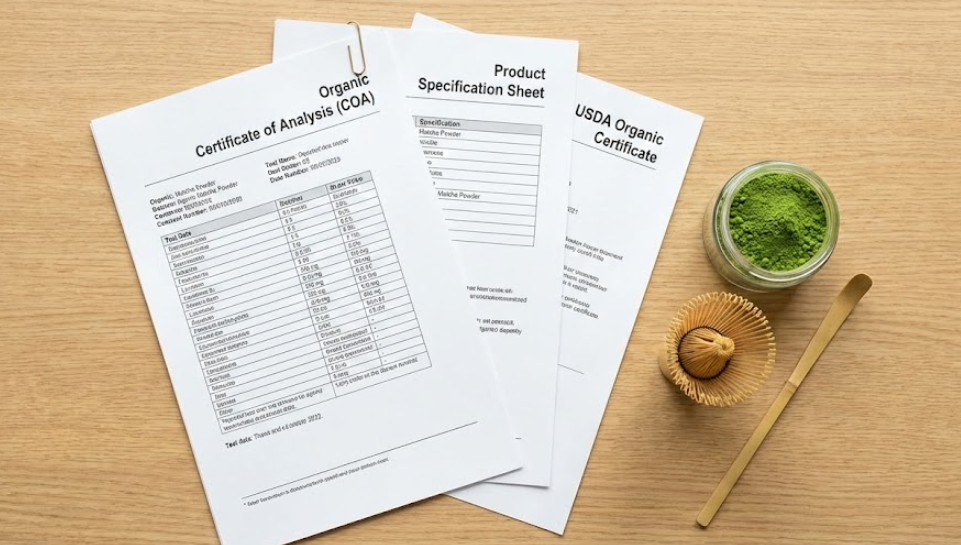
*In a seller's market, you must rely on cold, hard data, not promises. Demand consistent lab reports for color values (like Lab) and precise measurements for particle size (mesh size)13. This is the only way to ensure the batch-to-batch consistency your product requires.**
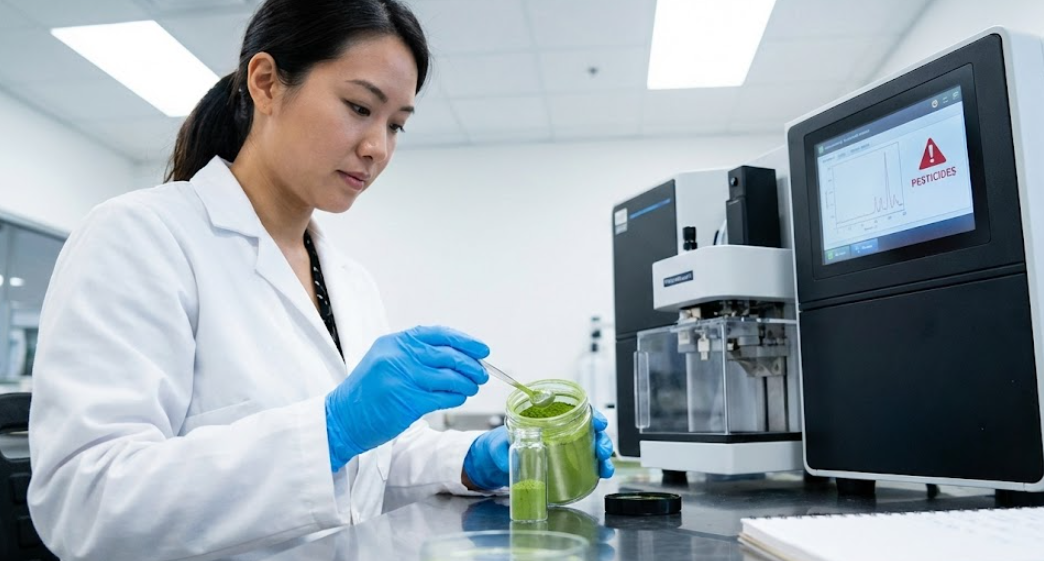
The biggest mistake I see buyers make during a shortage is compromising on quality. They get desperate and accept whatever they can get. But your customers won't be so forgiving. The more chaotic the market gets, the more you need to rely on objective, scientific data to verify every shipment. Don't accept stories or excuses. Demand proof. We built our entire quality control system around this principle. No matter how crazy the market gets, our commitment to data-driven consistency never changes. This is non-negotiable for protecting your brand.
Rule #3: Insist on Physicochemical Data
You must use cold, hard machine data to approve every batch of matcha you receive. This is not the time to be flexible on quality. Ask for specific metrics and refuse any shipment that doesn't meet your standards. In our delivery process, we use an extremely strict QC system to ensure that every batch is identical. Even during the most intense phases of global panic buying, we guarantee our clients unwavering Batch Consistency. This is achieved by tracking key data points that define the quality of the matcha powder.
Here are the critical data points you should be demanding from any supplier:
| Metric | Why It Matters | What to Ask For |
|---|---|---|
| *Color Value (Lab)** | This directly measures the color of the powder. It ensures you get the vibrant green your customers expect and not a dull, yellowish product. | A consistent L (lightness) and a (greenness) value range for every single batch. |
| Particle Size (Mesh) | This affects the texture and mouthfeel. An inconsistent mesh size will result in gritty lattes or chalky baked goods that customers will reject. | A specific target mesh size (e.g., 800-1500 mesh) and a report showing a tight particle size distribution. |
| Compliance Reports | This is the most critical check for legal and safety reasons. It protects you from recalls, fines, and lawsuits in strict markets like the EU and the US. | Full multi-residue pesticide screening14 reports and heavy metal analysis15 (lead, arsenic, etc.) for each batch you order. |
Conclusion
This global matcha craze has only just begun. The real test of supply chains is coming. For serious buyers, now is not the time to negotiate for a slightly lower price. It's time to secure a safe, compliant, and high-capacity partner for the long term.
Understanding the global matcha market helps you grasp the broader context of supply and demand dynamics affecting prices and availability. ↩
Exploring this concept will clarify why matcha prices are rising and how it impacts your purchasing strategy. ↩
Learning about compliant organic tea cultivation ensures you source high-quality matcha that meets regulatory standards. ↩
Understanding the factors behind explosive demand helps you anticipate market trends and adjust your business strategy accordingly. ↩
Exploring the role of RTD beverages in matcha demand reveals opportunities for growth and potential challenges in supply. ↩
Knowing about asset-light traders helps you understand market dynamics and the potential for price fluctuations. ↩
Understanding import regulations ensures compliance and helps you avoid legal issues when sourcing matcha. ↩
Understanding the anxiety premium helps you identify hidden costs and make informed purchasing decisions. ↩
Understanding industrial capacity ensures your supplier can meet demand during peak seasons, preventing stockouts. ↩
Relying on lab data ensures you maintain product quality and customer satisfaction, even in a seller's market. ↩
Batch-level records provide traceability and quality assurance, protecting your brand from recalls and quality issues. ↩
Ensuring Peak-Season Continuity helps you maintain a steady supply chain during high-demand periods. ↩
Knowing about particle size helps you ensure the texture and mouthfeel of your matcha products meet customer expectations. ↩
Understanding this screening process ensures your matcha is free from harmful residues, safeguarding consumer health. ↩
Heavy metal analysis ensures your matcha is safe for consumption, protecting your brand's reputation and customer trust. ↩