Struggling to find a reliable source for bulk organic matcha that meets Japanese quality standards? The constant risk of inconsistency and stock shortages can halt your brand's growth.
For large-scale wholesale buying, the key is to focus on Japanese processing standards and a controlled, single-estate agricultural model. This approach bypasses the risks of fragmented sourcing from Japan, ensuring batch consistency, compliance, and a secure supply chain for your brand's global needs.
The words "Japanese," "Organic," and "Wholesale" together sound like the perfect business combination. They suggest ancient tradition, pure flavor, and great profit margins. But I have to be honest with you. In the world of multi-ton international shipments, this dream can quickly become a supply chain nightmare. If you cling to the idea of "Japanese geographical origin" for your bulk organic supply, you are setting your brand up for failure. I'm here to show you how top-tier buyers think and help you build a smarter sourcing strategy.
Is the "Made in Japan" Origin a Trap for Bulk Buyers?
You trust the "Made in Japan" label for its promise of superior quality. But what if that very label exposes your growing brand to huge supply chain failures and compliance disasters?
Yes, for large volumes, it often is. Japan's traditional agriculture is based on small, fragmented family farms. This makes sourcing tons of organic matcha from a single, controlled source nearly impossible. This "blending" model creates a massive risk of contamination and failed customs inspections.
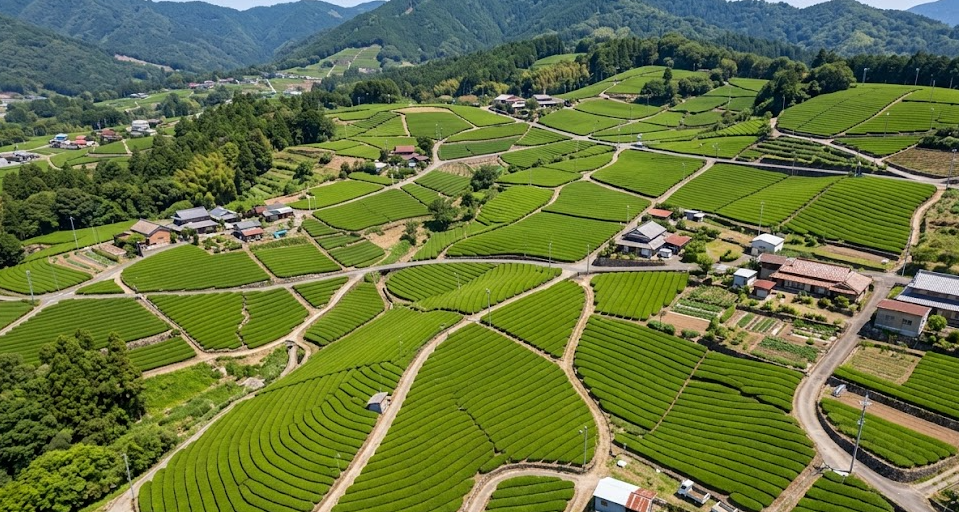
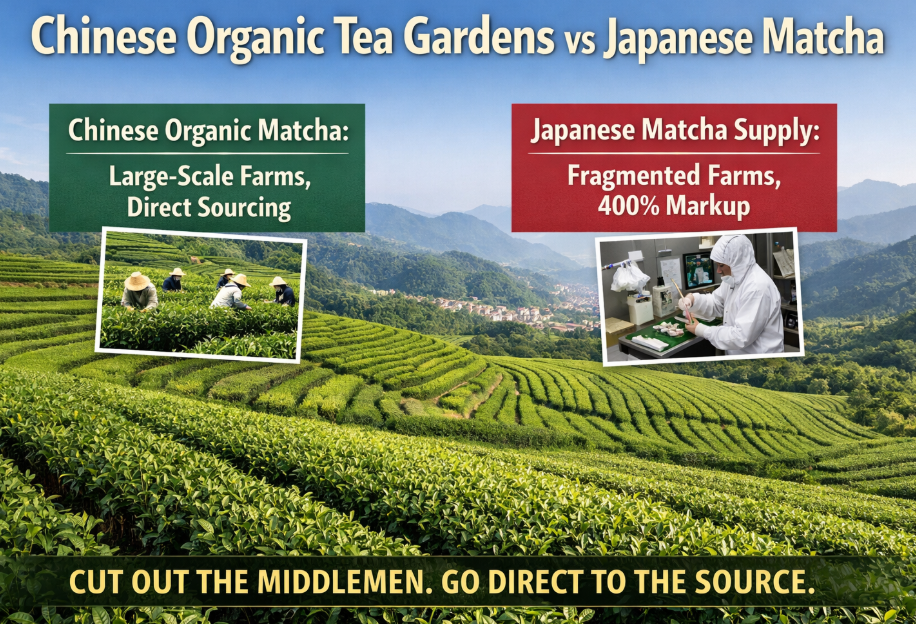
Japan is without a doubt the gold standard for matcha culture and flavor. We have absolute respect for its heritage. However, we must face a harsh physical reality. Japan's agricultural structure is highly fragmented into small family farms. When it comes to true organic farming, the biggest enemy is pesticide drift from a neighboring, non-organic field. Finding a large, connected organic tea garden of several hundred acres with a proper physical buffer zone in Japan is extremely difficult. This becomes a fatal flaw when you need to buy in bulk. Imagine your international chain needs 50 tons of pure organic matcha. A light-asset trader has to collect and blend tea from hundreds of small Japanese growers. This multi-source "blind box" is a huge risk. If just one farmer's batch has excess heavy metals or pesticide residues, your entire 50-ton shipment could be flagged and rejected by the FDA or EU customs.
| Sourcing Model | Key Feature | Primary Risk for Bulk Buyers |
|---|---|---|
| Fragmented Blending | Sourcing from many small, independent farms. | High risk of inconsistency and cross-contamination. |
| Single-Estate | Sourcing from one large, fully controlled farm. | Minimal risk, ensures consistency and traceability. |
Should You Redefine "Japanese Matcha" From a Place to a Standard?
Your customers expect the unique quality of "Japanese Matcha," but you can't find a reliable bulk supply from Japan. There is a way to deliver that quality without the geographical risk.
Absolutely. For industrial supply, "Japanese" should mean a set of strict processing standards, not just a geographical label. You should focus on sourcing matcha made with Japanese steam fixation, advanced micro-milling for texture, and JAS-level organic compliance to guarantee the quality your customers demand.
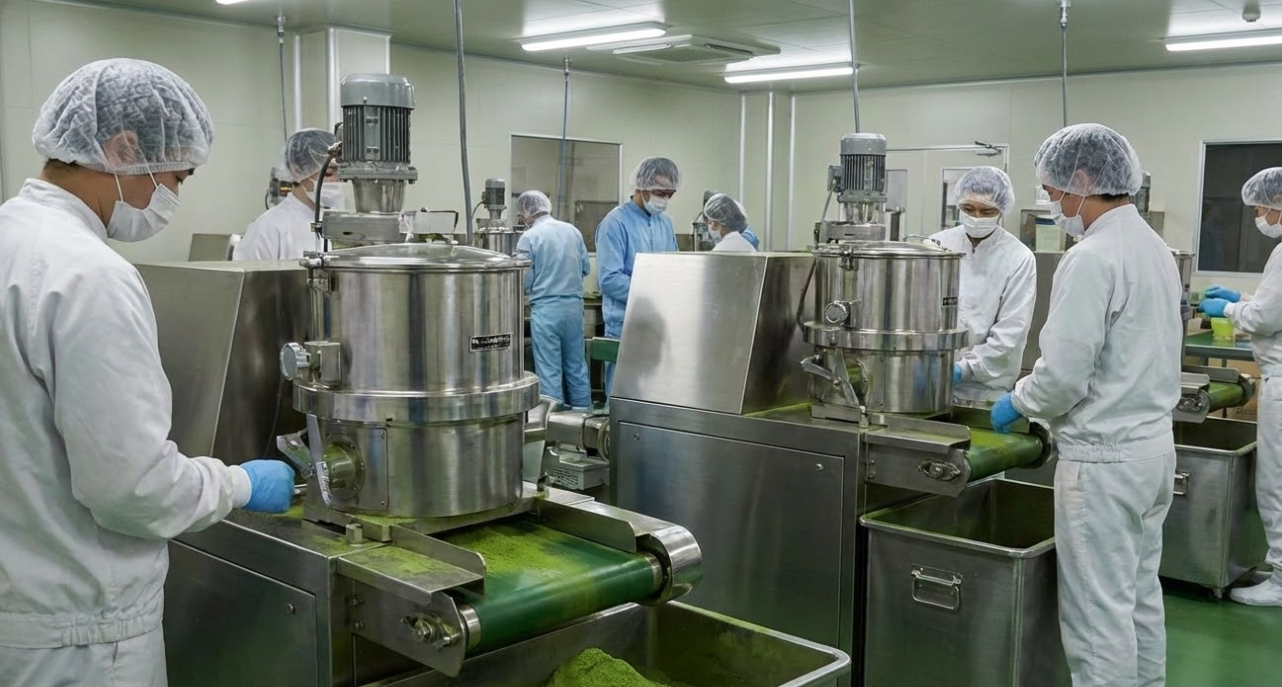
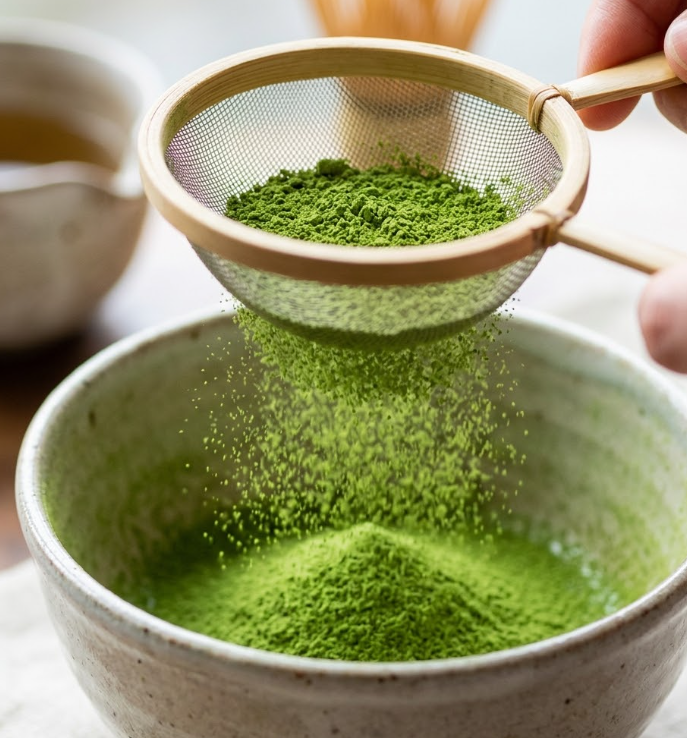
Smart global food and beverage giants have already realized this. In large-scale industrial delivery, "Japanese" is no longer just a place on a map. It is a set of extremely strict processing standards and compliance systems. The true "soul" of the Japanese matcha you need to buy is defined by three core technical indicators, not the Japanese characters on the box. First is Japanese steam fixation, which uses high-temperature steam to instantly lock in the brilliant green color and umami flavor. Second is a micro-milling system that creates an incredibly fine powder for perfect suspension in lattes and beverages. Third is JAS (Japanese Agricultural Standard) organic certification, which meets one of the world's most demanding pesticide standards. These standards are what create the quality, and they can be implemented anywhere with the right investment and expertise.
| Technical Standard | Purpose | Benefit for Your Product |
|---|---|---|
| Steam Fixation | Instantly deactivates enzymes. | Locks in vibrant green color and high L-theanine (umami). |
| Micro-milling | Creates ultra-fine, uniform particles. | Ensures smooth texture and perfect suspension in liquids. |
| JAS Organic Compliance | Adheres to strict pesticide standards. | Guarantees safety and easy access to premium markets. |
What's the Ultimate Sourcing Solution for Large-Scale Organic Matcha?
You need Japanese-standard quality at an industrial scale, but Japan's agricultural base can't deliver. Where can you turn for a secure, consistent supply without compromising on that quality?
The solution is to partner with a heavy-asset, single-estate producer that combines authentic Japanese processing standards with total agricultural control. This model eliminates contamination risks, guarantees batch-to-batch consistency, and provides the scale needed for global brands, offering security that fragmented sourcing cannot match.
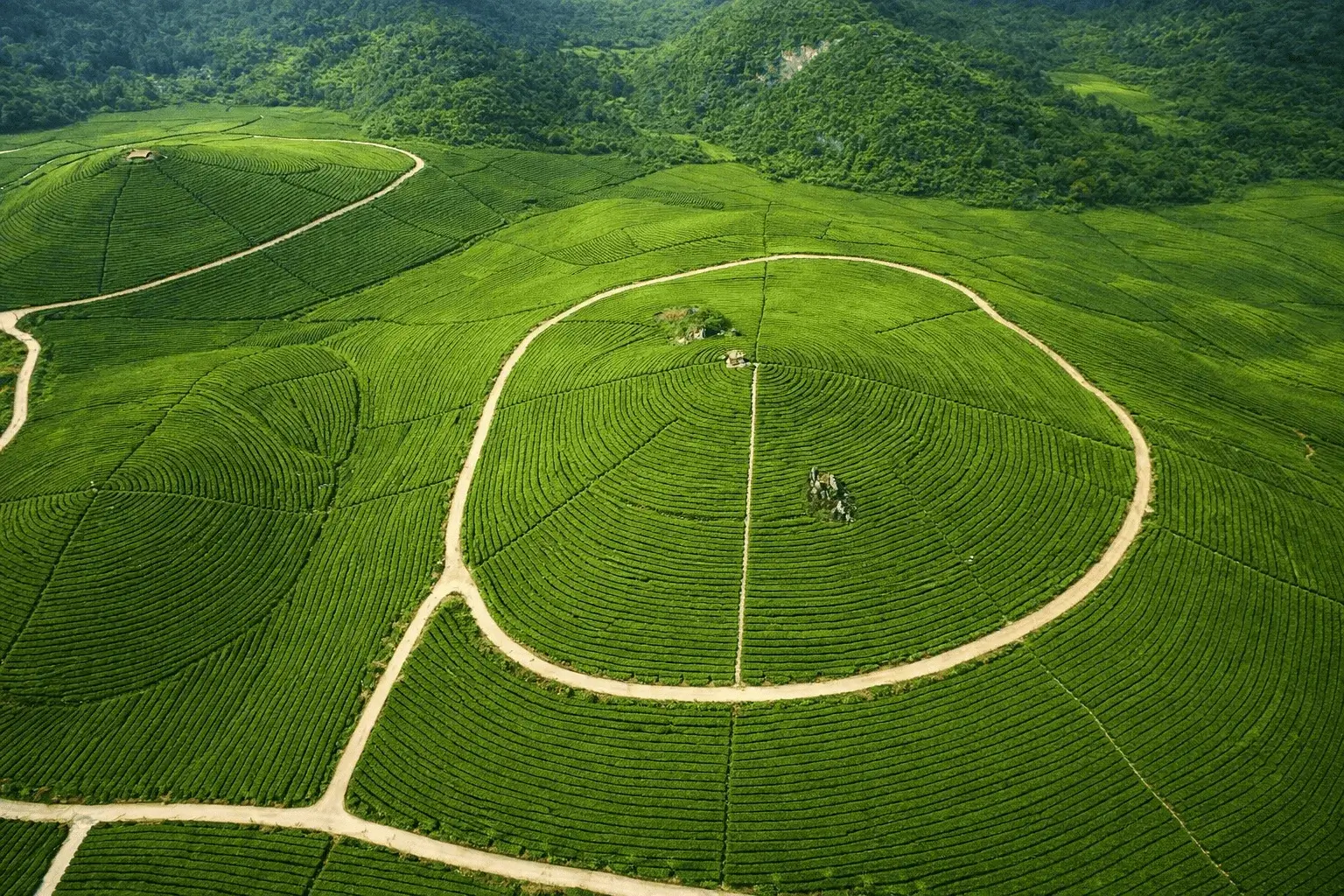
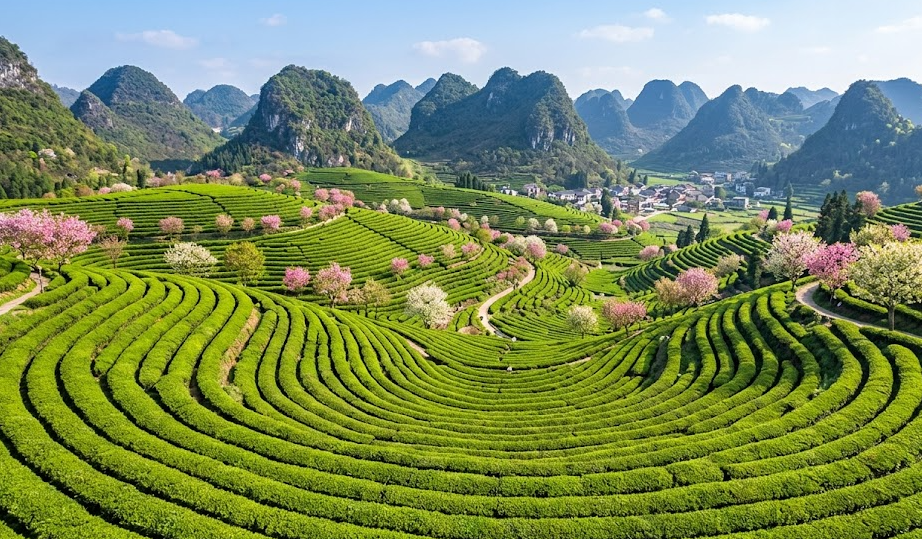
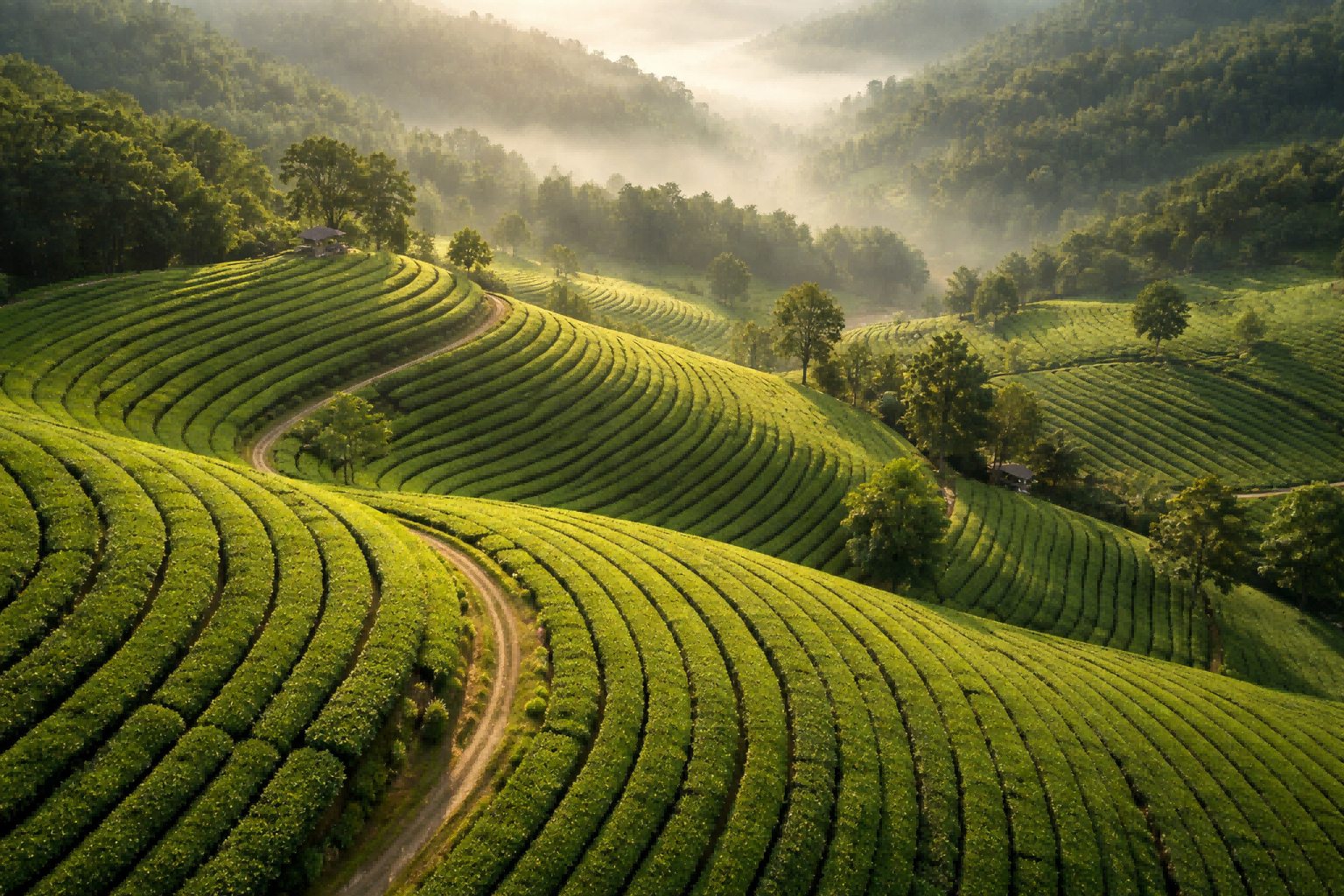
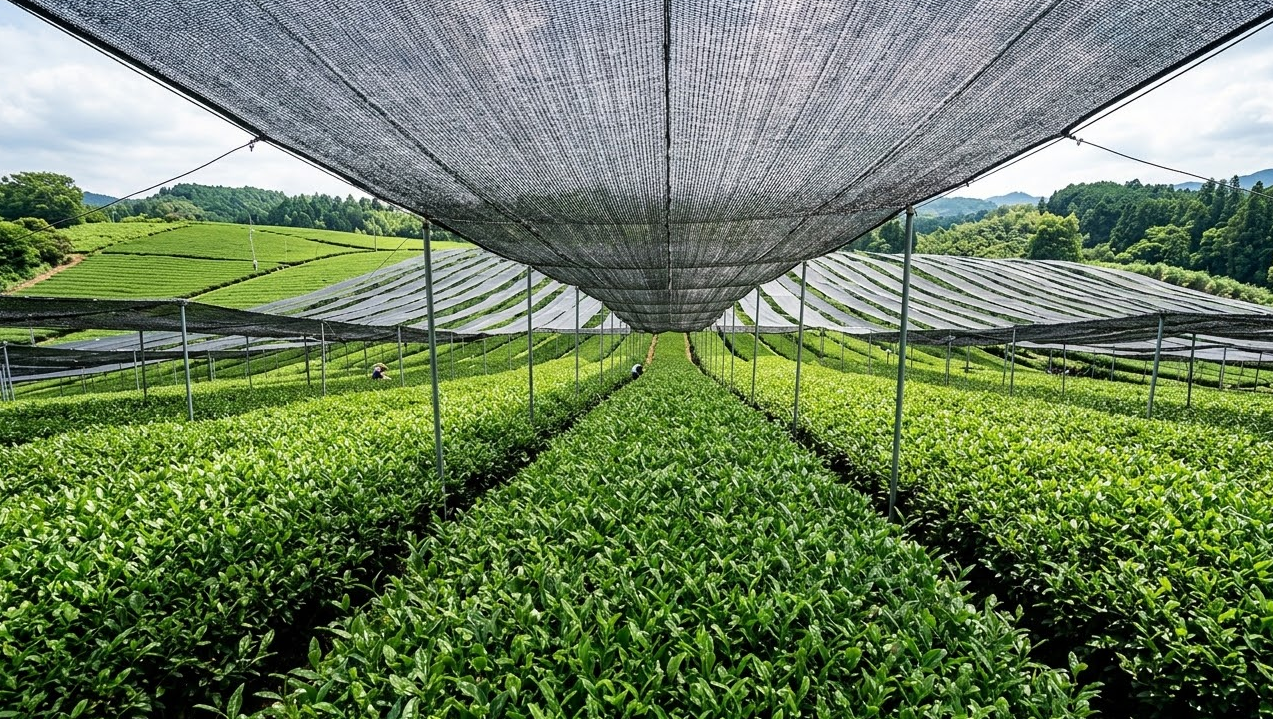
This is precisely why we at MatchaSourcing.com invested heavily to build our base in the mountains of Guizhou, China. We don't sell romantic stories about tea ceremonies. We deliver a rock-solid physical foundation for bulk buyers. We abandoned fragmented sourcing for a "Single-Estate" model on our 2,300 acres. With 100% control from the soil to the shade nets, we completely eliminate the risk of cross-contamination. Our 11 production lines run on top-tier Japanese steam fixation and micro-milling equipment inside Class 100,000 cleanrooms. We use scientific tools like spectrophotometers to lock in the Lab* color value, guaranteeing you unwavering batch consistency. The matcha we deliver comes with a full compliance shield, including JAS, USDA, and EU organic certifications, backed by strict batch-level traceability to make customs clearance worry-free. This is the ultimate solution: Japanese expertise combined with industrial-scale control.
Are You Falling Into the FOB Trap with Your Matcha Sourcing?
You found a low FOB price from a trader, and it looks attractive. But now, hidden shipping and customs fees are destroying your margins. How can you get a clear, final price?
Many buyers do. A low FOB (Free On Board) price often conceals expensive consolidation fees, customs brokerage, and FDA declaration costs that lead to nasty surprises. A true factory partner offers DDP (Delivered Duty Paid), managing all logistics to give you one clear, final landed cost.
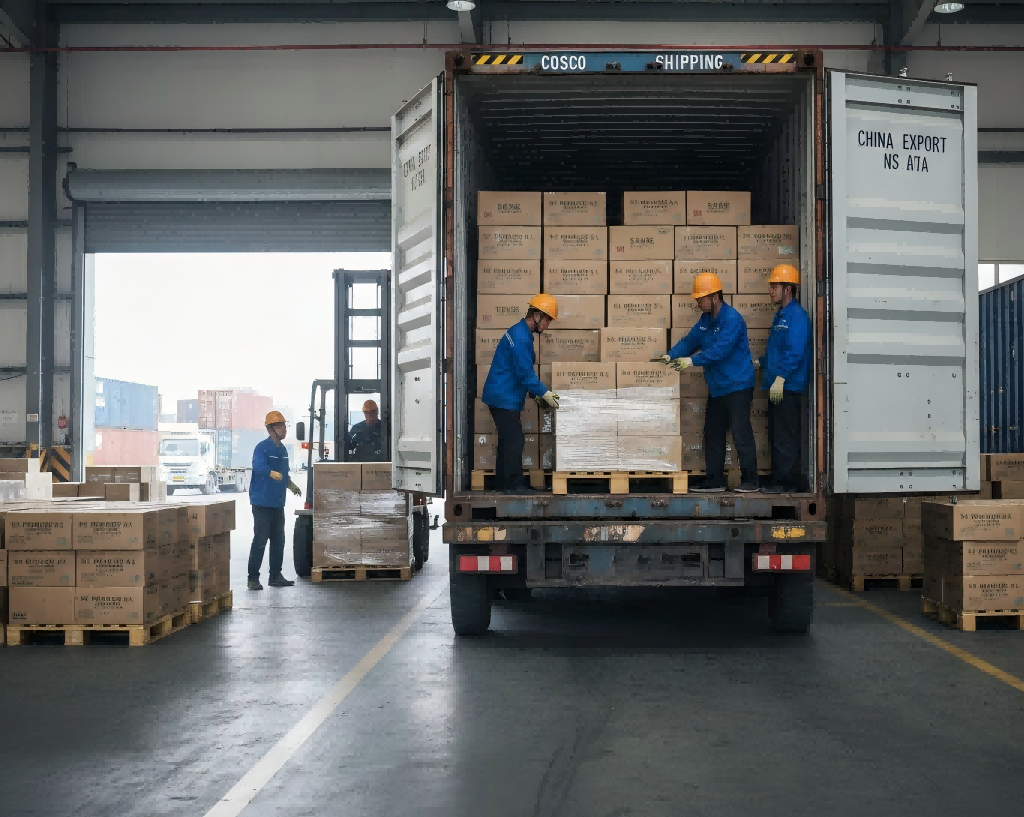
No matter how delightful the product is, any international purchase ends with a cold, hard financial statement. When you are attracted by a low price from a light-asset trader in Japan, you must be aware of the expensive reality of international logistics. You could face high less-than-container-load (LCL) shipping fees, FDA declaration charges, and costly penalties for customs delays. A true super-factory partner will have a dedicated account manager to provide you with a DDP (Delivered Duty Paid) solution. At MatchaSourcing.com, we take over all the complex and frustrating parts of international logistics and customs clearance. This means every dollar you pay is the final, landed cost of the product arriving safely in your warehouse. It provides the financial predictability you need to run your business effectively.
| Shipping Term | Who Manages Logistics & Risk | Cost Clarity |
|---|---|---|
| FOB | You, the buyer. | Poor. Hidden fees are common. |
| DDP | Us, the supplier. | Excellent. One all-inclusive price. |
Conclusion
For consumers, matcha's charm is in the tasting experience. But for bulk buyers, success comes from a cold, hard understanding of the supply chain's physical limits. Don't let your brand's growth depend on a fragile, fragmented agricultural system.