Chasing the lowest matcha price? This often leads to stockouts and quality issues, hurting your brand. What if there's a better way to source your ingredients?
In B2B matcha sourcing, stable supply is more critical than a low price. It ensures product availability, consistent quality, and predictable operations. This prevents hidden costs like production delays and customer complaints, which often outweigh initial price savings1 and protect your brand's long-term success.
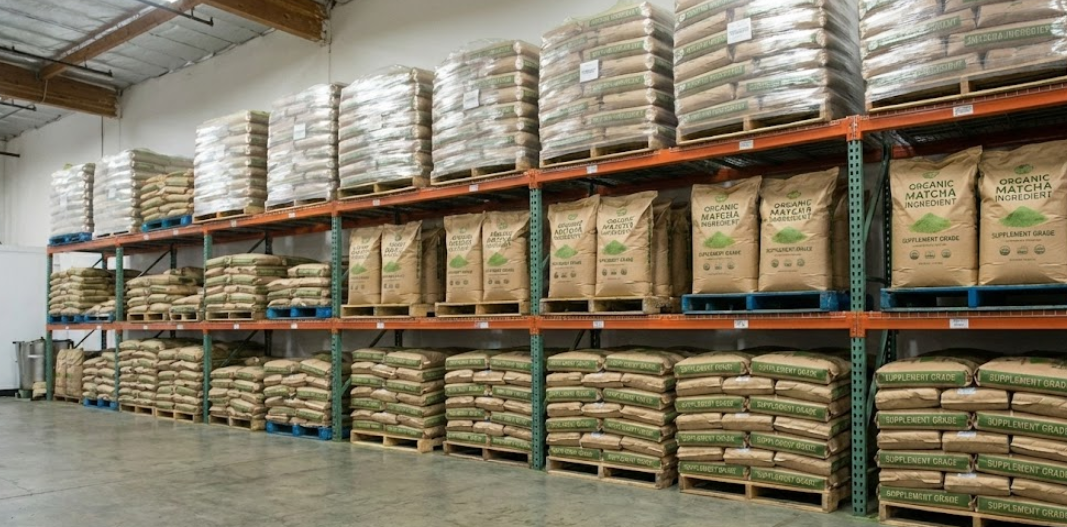
I've seen many buyers focus only on the price per kilogram. They think a lower price means a better deal. But in my experience, the real cost of matcha isn't just on the invoice. The true expense shows up when your supply chain breaks down. Let's explore why a reliable partner is your most valuable asset.
How Can Inconsistent Supply Disrupt Your Business Operations?
Worried about your hit product suddenly running out of stock? An unreliable matcha supply can halt production, leaving you with empty shelves and unhappy customers.
Inconsistent supply directly impacts your bottom line. It causes production delays, forces last-minute supplier changes, and can lead to stockouts of your best-selling items2. These disruptions damage not only your revenue but also your customer trust and market momentum, creating costs far greater than any initial savings.
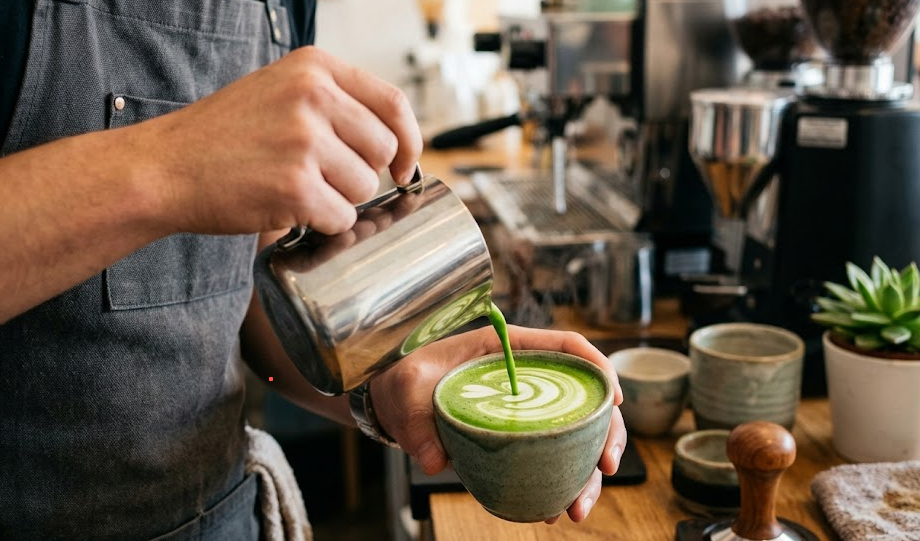
A single delay in a matcha shipment can create a huge ripple effect across your entire business. It's not just about waiting for a box to arrive. For a large bakery, it means their whole production schedule for matcha cookies gets thrown off. For a coffee chain, it means their popular matcha latte is suddenly unavailable, disappointing regular customers. This forces you to change labor schedules, pause marketing campaigns, and deal with logistical headaches. The problem gets worse when market conditions are tight. We've seen reports from outlets like Reuters about how high temperatures and growing global demand have put pressure on Japan's tencha supply3. In these situations, suppliers who offered you the lowest price are often the first to run out of stock. You're then forced to find a new source quickly, often paying a much higher price for a lower-quality product just to keep your business running.
The True Cost Comparison
The focus on price alone is a short-term view. A stable supply is a long-term investment in your brand's health.
| Cost Factor | Low-Price Focus (Short-Term View) | Stable Supply Focus (Long-Term View) |
|---|---|---|
| Purchase Price | Lower | Slightly Higher |
| Production Delays | High Risk | Low Risk |
| Stockout Losses | High Risk | Low Risk |
| Emergency Sourcing | Frequent, High Cost | Rare, Controlled Cost |
| Brand Reputation | At Risk | Protected |
What Does Consistent Matcha Quality Truly Mean for Your Brand?
Did your latest matcha batch look dull or taste different? Inconsistent quality can ruin your product's signature appeal, leading to customer complaints and damaging your brand's reputation.
Consistent quality means every batch of matcha has the same color, flavor, texture, and performance4. For your brand, this ensures your final product—be it a latte, chocolate, or cake—is always the same. It builds customer trust and eliminates the need for costly recipe adjustments.
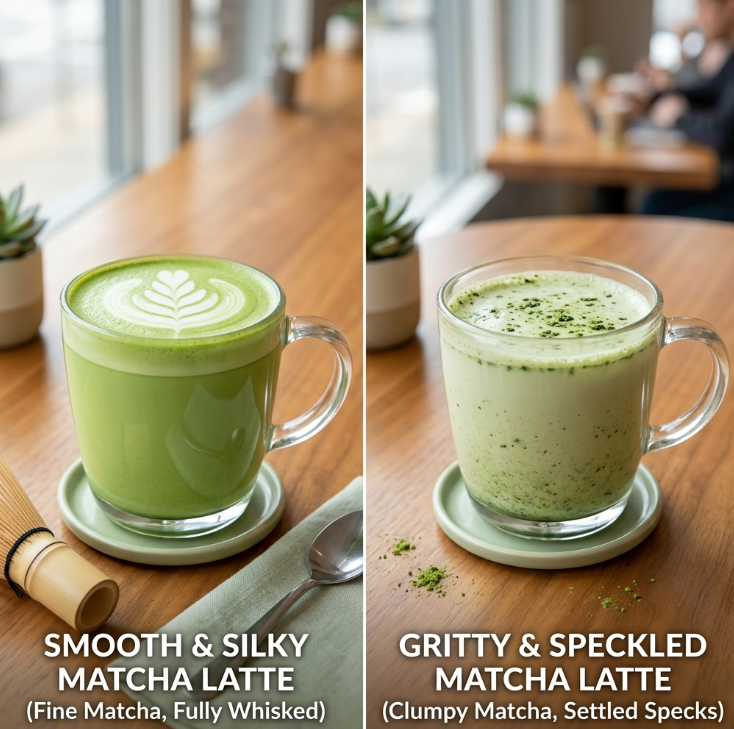
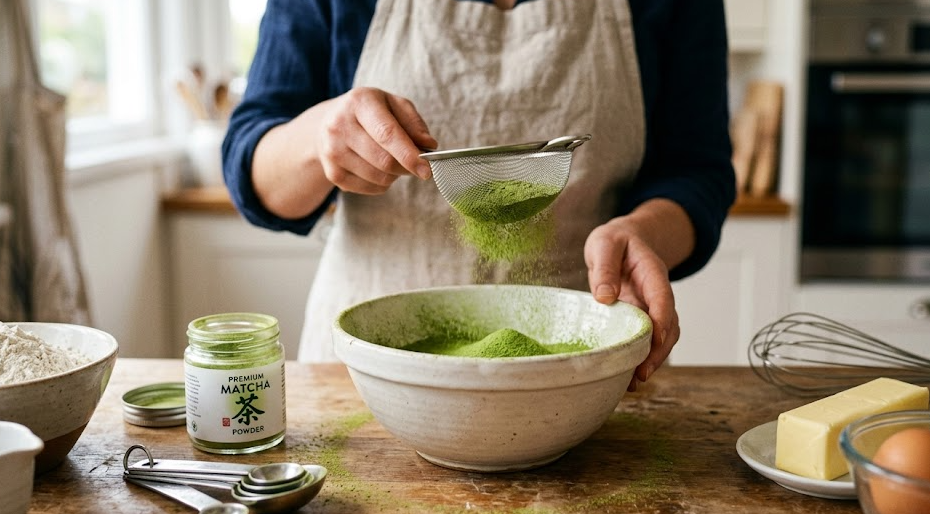
When we talk about matcha quality, it's about so much more than just a bright green color. Matcha is a complex ingredient5. I remember a client who switched to a cheaper supplier. The color of the new matcha was fine, but the particle size was too large, making their drinks feel gritty. Another client found their new matcha was too bitter, throwing off the flavor profile of their signature ice cream. A reliable supplier controls all these critical parameters: color, aroma, flavor, fineness, and even performance in applications like baking. For example, a food manufacturer needs matcha that holds its color under heat6. A cafe needs matcha that froths perfectly for a latte. Consistency across all these technical specifications is what protects your product. Without it, you face the high cost of inconsistency. Imagine you have to reformulate your recipe with every new matcha shipment7. That means wasted time, wasted ingredients, and wasted labor. Or worse, the inconsistent product reaches your customers, and they notice. This leads to complaints and erodes the trust you worked so hard to build. A professional supplier provides a Certificate of Analysis (COA) with every batch8, giving you the peace of mind that your product will be perfect every time.
How Does a Stable Supplier Reduce Your Procurement Risks?
Feel anxious about peak season demand? Relying on an unproven supplier can be risky, leaving you vulnerable when you need matcha the most. There is a safer way.
A stable supplier acts as your business partner, reducing risk through transparent planning9. They offer capacity guarantees, manage inventory effectively, and provide full traceability with batch records and COAs. This predictability allows you to plan production with confidence, knowing your supply chain is secure.
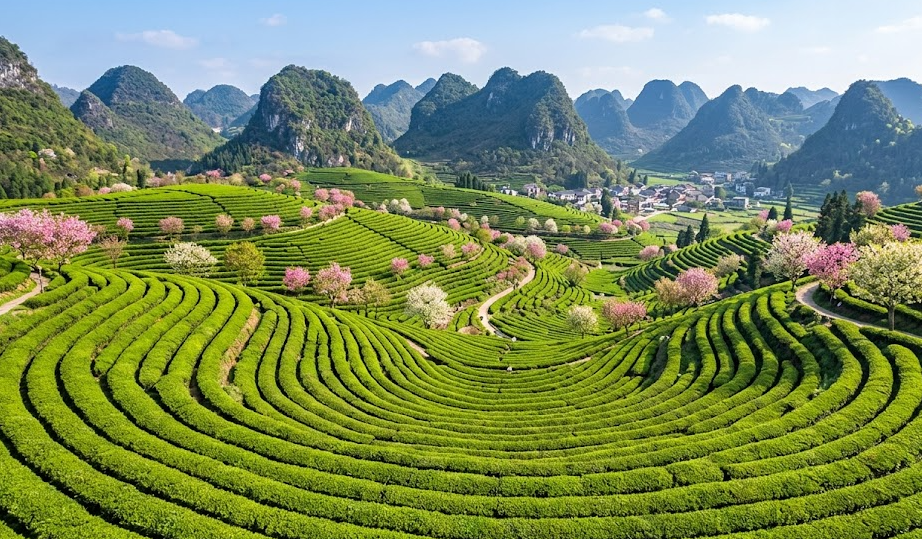
To find a stable partner, you need to ask the right questions. I always tell buyers to look past the price tag. Instead of asking, "What's your lowest price per kilogram?" you should be asking questions that reveal a supplier's reliability. Ask them: "Can you guarantee our supply during our busiest season?" "What is your process for ensuring every batch is consistent?" "Can you provide full traceability documents for every order we place?" "What are your backup plans if there is a problem with a harvest?" The answers to these questions are worth far more than saving a few dollars on an invoice. They tell you if this supplier can actually support your business as it grows. This is how you build a resilient supply chain. A good supplier isn't just taking your order; they are helping you plan for the future. For us at MatchaSourcing, this starts in our own organic tea gardens. We control the entire process, from cultivation to final milling. We plan our harvests across spring, summer, and autumn to ensure a year-round supply. Our multiple production lines and careful inventory management mean that when the market is volatile, our partners are protected10. This is what true supply security feels like. It’s not about being the cheapest; it's about being the most dependable.
Conclusion
Choosing a matcha supplier isn't about winning a single negotiation11. It's about finding a long-term partner who provides the stability your brand needs to grow and succeed.
"Supply Chain Challenges and How to Proactively Combat Them", https://www.amu.apus.edu/area-of-study/business-administration-and-management/resources/supply-chain-challenges/. This source explains hidden costs in supply chain management, supporting the claim about long-term impacts of unstable supply. Evidence role: mechanism; source type: research. Supports: Hidden costs like production delays and customer complaints outweigh initial price savings in unstable supply chains.. Scope note: May not quantify the hidden costs specific to matcha sourcing. ↩
"Supply Chain Risks and Mitigation Strategies - Purdue Business", https://business.purdue.edu/master-of-business/online-masters-in-business-administration/posts/supply-chain-risks-mitigation-strategies.php. This source provides examples of how supply chain disruptions impact production and inventory, supporting the claim about operational risks. Evidence role: case_reference; source type: government. Supports: Supply chain disruptions lead to production delays, supplier changes, and stockouts.. Scope note: May not include matcha-specific disruptions. ↩
"How Rising Temperatures in Japan are Impacting Matcha Supply", https://sustainabilitymag.com/news/how-high-temperatures-have-caused-mass-matcha-supply-issues. This source provides evidence of climate and market factors affecting tencha production in Japan, supporting the claim about supply chain pressures. Evidence role: historical_context; source type: institution. Supports: High temperatures and global demand are creating supply chain pressures for tencha in Japan.. Scope note: The data may not cover all regions or recent developments. ↩
"Tea Traceability: Knowing The Process Behind Our High-quality ...", https://matchasourcing.com/tea-traceability-knowing-the-process-behind-our-high-quality-matcha/. This source explains the technical parameters that define matcha quality, supporting the claim about consistency requirements. Evidence role: definition; source type: education. Supports: Consistent matcha quality involves uniformity in color, flavor, texture, and performance.. Scope note: May not address all industry-specific applications of matcha. ↩
"Matcha Green Tea: Chemical Composition, Phenolic Acids, Caffeine ...", https://pmc.ncbi.nlm.nih.gov/articles/PMC11049459/. This source elaborates on the complexity of matcha as an ingredient, supporting the claim about its diverse applications and quality parameters. Evidence role: definition; source type: encyclopedia. Supports: Matcha's complexity involves diverse applications and quality parameters.. Scope note: May not address all aspects of matcha complexity in specific industries. ↩
"A comprehensive review of matcha: production, food application ...", https://pubmed.ncbi.nlm.nih.gov/37009832/. This source discusses matcha's performance under heat, supporting the claim about its application-specific requirements. Evidence role: mechanism; source type: research. Supports: Matcha's ability to retain color under heat is crucial for food manufacturing applications.. Scope note: May not cover all technical requirements for matcha in food manufacturing. ↩
"Managing Risks Due to Ingredient Variability in Food Production", https://pmc.ncbi.nlm.nih.gov/articles/PMC7339633/. This source provides examples of recipe reformulation challenges due to ingredient inconsistency, supporting the claim about operational impacts. Evidence role: case_reference; source type: education. Supports: Ingredient inconsistency leads to costly recipe reformulations in food production.. Scope note: May not include matcha-specific reformulation examples. ↩
"COA & Testing Support for Wholesale, Bulk & Private Label Matcha", https://matchasourcing.com/coa-testing/. This source describes the role of Certificates of Analysis in ensuring product quality, supporting the claim about supplier practices. Evidence role: mechanism; source type: education. Supports: Professional suppliers use Certificates of Analysis to ensure matcha quality consistency.. Scope note: May not cover all supplier practices globally. ↩
"Supply chain transparency, explained | MIT Sloan", https://mitsloan.mit.edu/ideas-made-to-matter/supply-chain-transparency-explained. This source discusses supplier roles in risk management and transparent planning, supporting the claim about stable supplier benefits. Evidence role: expert_consensus; source type: research. Supports: Stable suppliers reduce procurement risks through transparent planning and reliability.. Scope note: May focus on general supply chain practices rather than matcha-specific examples. ↩
"13 benefits and challenges of cultural diversity in the workplace", https://www.hult.edu/blog/benefits-challenges-cultural-diversity-workplace/. This source explains how production line diversity and inventory management mitigate supply chain volatility, supporting the claim about supplier practices. Evidence role: mechanism; source type: research. Supports: Production line diversity and inventory management protect against market volatility.. Scope note: May not address matcha-specific inventory strategies. ↩
"Managing Relationships with Suppliers and Vendors You Use", https://www.apu.apus.edu/area-of-study/business-and-management/resources/managing-relationships-with-suppliers-and-vendors-you-use/. This source discusses the importance of long-term supplier relationships, supporting the claim about strategic sourcing decisions. Evidence role: expert_consensus; source type: education. Supports: Strategic sourcing decisions prioritize long-term supplier relationships over single negotiations.. Scope note: May not include matcha-specific supplier relationship examples. ↩