Struggling to launch your matcha brand with a tiny budget? You see high costs everywhere and fear one mistake could sink your dream. Here's how to buy smart.
Focus on landed cost1, not just the factory price. For small quantities, use a supplier who can deliver to your door to test your recipes. When you need 50kg or more, work directly with a manufacturer like us who can deliver DDP (all costs included) to your warehouse, avoiding hidden import fees.

I have seen too many founders with brilliant ideas fail. They had amazing recipes but fragile cash flow. They often fell for the romance of tea ceremony culture or were simply unaware of the hidden costs in international trade2. Your business is a battlefield, and you need to buy the right ammunition to survive. This guide is based on years of helping startups navigate these challenges. Let’s make sure your brand is one of the ones that makes it.
Should You Buy 'Ceremonial Grade' for Your Matcha Latte Business?
Tempted by the allure of 'Ceremonial Grade3' for your café? It feels premium, but the high cost eats your margins, making every cup a financial gamble. Stop wasting money.
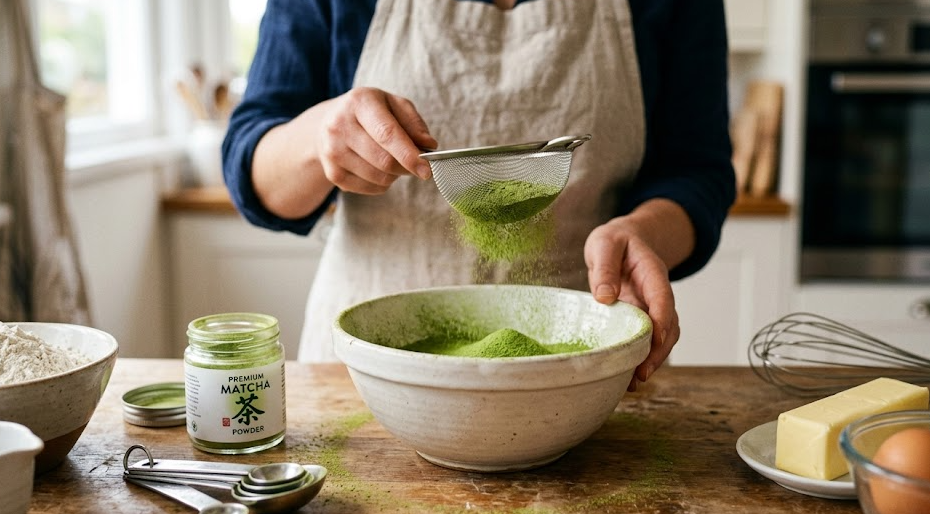
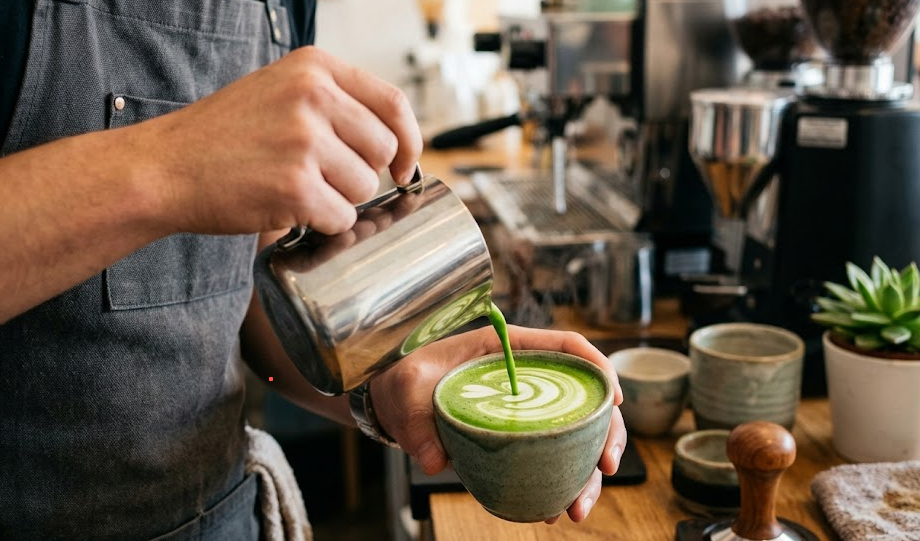
No. 'Ceremonial Grade' is for drinking with water. For lattes or baking, you need a robust Café or Culinary Grade4. It's designed to cut through milk and sugar, retaining its vibrant green color and strong flavor, and costs significantly less, protecting your profits.
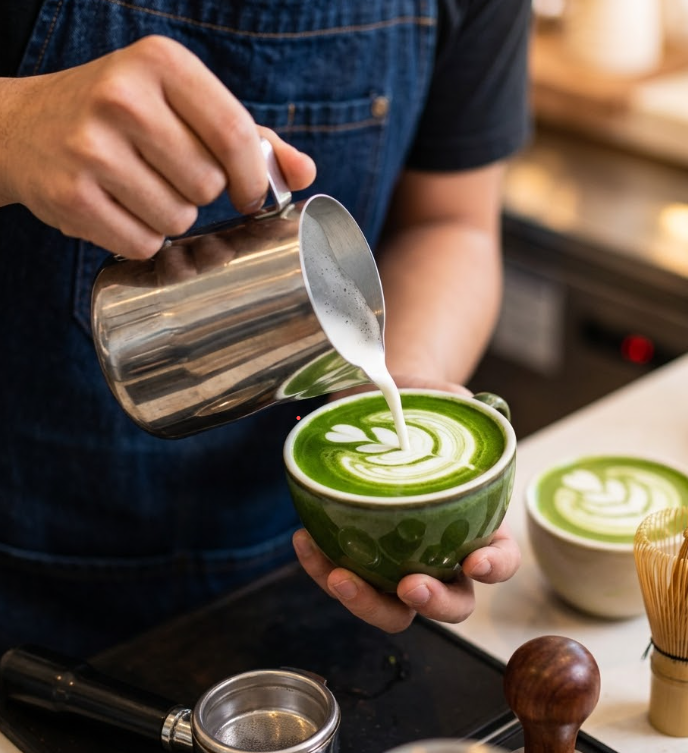
When your budget is tight, you must forget marketing terms that carry a high cultural premium. "Ceremonial Grade3" is one of them. In the real world of a commercial kitchen or coffee bar, your matcha isn't being gently whisked in a quiet room. It's facing a 180°C oven or being blended with thick, flavorful oat milk. You don't need a delicate piece of art that foams perfectly in a bowl. You need a "flavor knife" that can slice through fat and sugar.
This is why you should focus directly on Café, Culinary, or Barista Grade matcha. In our 100,000-class clean workshops, we process these grades specifically for commercial battle. We use special steaming and milling techniques to preserve the most hardcore flavor penetration. This is the "workhorse powder" that still bursts with umami and a bright green color, even in the most complex industrial liquids. Spend your money where it counts.
| Feature | Ceremonial Grade | Café / Culinary Grade |
|---|---|---|
| Best Use | Drunk with hot water | Lattes, smoothies, baking, ice cream |
| Flavor Profile | Delicate, subtle, sweet | Strong, bold, slightly astringent |
| Purpose | Appreciating nuanced flavor | Cutting through other ingredients |
| Cost | High | Moderate to Low |
| Your Budget | Drains cash flow | Protects profit margins |
Is Custom Packaging a Smart First Investment for Your Matcha Brand?
Dreaming of beautiful custom tins for your new matcha? The upfront costs for molds and printing are huge, draining your cash before you've even made a sale. Don't fall into this trap.
Absolutely not. Your first priority is survival. Stick with the standard 1kg high-barrier foil bag. It's cheap, protective, and gets the job done. Use the money you save on marketing to get your first customers. You can invest in custom packaging once you have consistent sales.
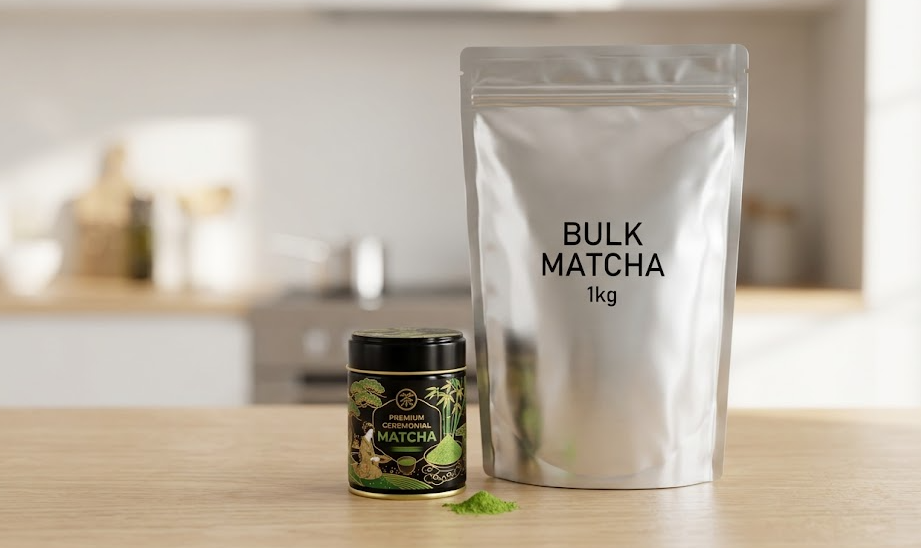
This is where countless new businesses make a fatal mistake. They have only a few thousand dollars but are already thinking about private mold tins, full-color custom boxes, and a private label loaded with certifications. Remember this: staying in business is more important than looking pretty. The most extreme way to save money is to use the mature infrastructure of a large factory for free.
For a startup, the 1kg high-barrier aluminum foil bag is the only packaging you should consider. It protects the matcha from moisture and light, which are its biggest enemies, and its cost is extremely low. This decision frees up your precious capital. Put every dollar you save into generating traffic and acquiring your first customers. Once you have a proven model and you’re selling 500 cups a day, then you can come back to us to talk about OEM custom packaging. Until then, your focus is on sales, not vanity.
| Cost Category | Custom Tins / Boxes | 1kg Foil Bag |
|---|---|---|
| Upfront Cost (CAPEX) | High (molds, design, min. order) | Very Low (standardized item) |
| Per-Unit Cost | High | Low |
| Cash Flow Impact | Drains initial capital | Preserves capital for marketing |
| Best For | Established brands with proven sales | Startups and test phases |
How Can You Avoid Hidden Costs When Importing Matcha?
Found an amazing low price on Alibaba? You're excited, but once the matcha ships, surprise bills for shipping, customs, and fees start piling up, destroying your budget and your business.
Ignore the FOB (Free on Board) price. Always ask for the DDP (Delivered Duty Paid) or 'landed cost.' This includes all expenses to get the product to your door. A reliable supplier will provide this, ensuring you know your true total cost upfront without any surprises.
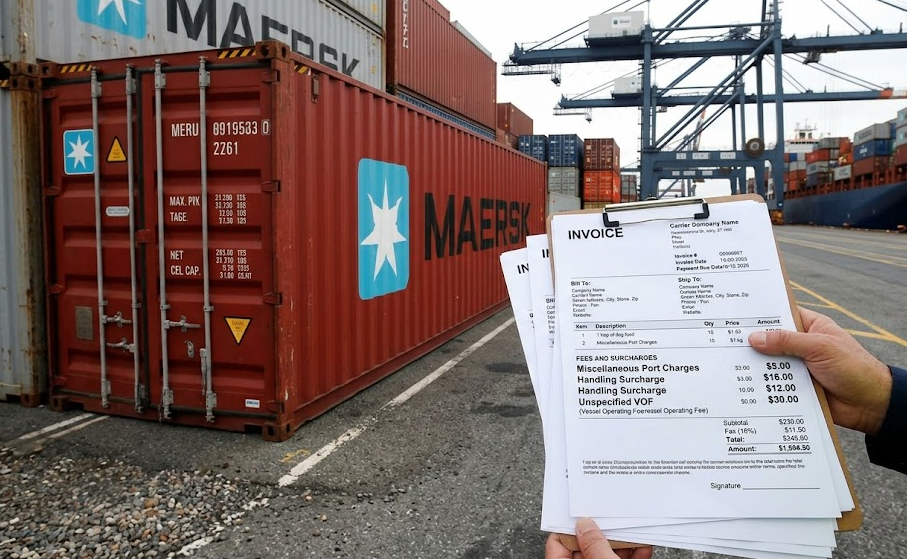
Many buyers get excited when they see a very low FOB price online and place an order immediately. The nightmare begins when the shipment arrives at the Port of Los Angeles. That’s when they realize the true cost. You should never calculate your cost based on the product value alone. The "invisible bills" can instantly eat all your profit.
These hidden costs include:
- International freight
- Customs clearance fees
- FDA registration fees
- Inspection and port charges
- Inland transportation
- The cost of your money being tied up during the long delivery period
One of the most common things our major accounts team does is calculate the Landed Cost for our clients. A great supplier must be able to provide you with a DDP quote. This makes every penny you spend clear and transparent. It ensures your financial model doesn't collapse halfway through the process. Don't fall into the FOB trap.
What's the Quickest Way to Vet a Matcha Supplier?
Tired of suppliers who send pretty photos but can't answer basic questions? Wasting time with unqualified middlemen puts your business timeline and quality at risk. There's a faster way.
Send them a single email with these eight questions: origin, grade, blend status5, packaging, MOQ, lead time6, COA availability, and safety data7. A true manufacturer can answer these quickly and completely. A middleman will struggle. This simple test saves you weeks of back-and-forth.
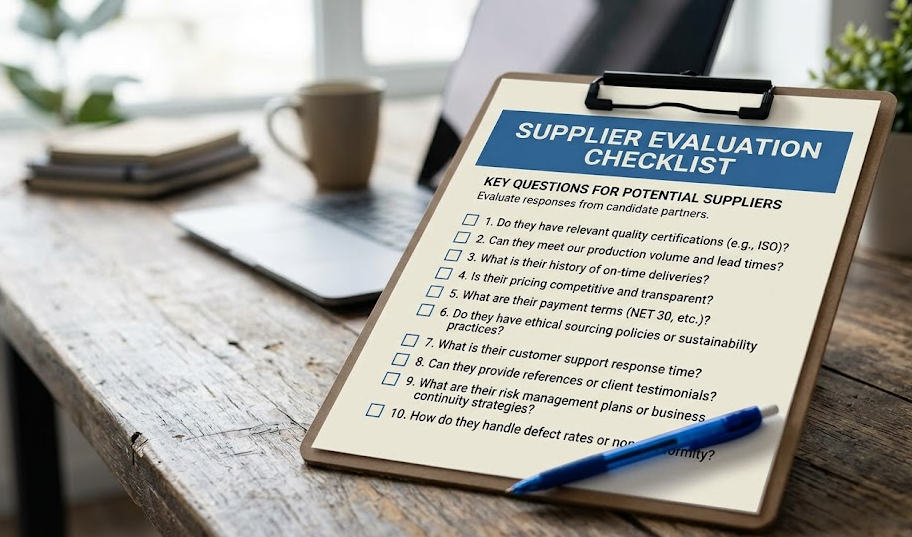
To avoid wasting time with light-asset traders who just forward pretty pictures, you need to cut through the noise with data. This is the most efficient way to see if you are talking to a real source. Send one email and ask for these eight pieces of information at once.
- Origin: Where is the tea grown? (e.g., Anshun, Guizhou)
- Intended Use/Grade: Is it for cafés, culinary use, or as an ingredient?
- Is it a Blend?: Is it from a single source or blended? This affects consistency.
- Packaging Specification: What are the standard packing options? (e.g., 1kg foil bag)
- MOQ (Minimum Order Quantity): What is the smallest amount I can order?
- Lead Time: How long from order to delivery?
- Test Documents: Can you provide a Certificate of Analysis (COA)?
- Safety Data: Do you have reports for pesticides, microbes, and heavy metals?
A supplier who can answer these questions quickly, clearly, and completely is usually far more reliable than one who can't. This simple process acts as a filter, saving you from headaches down the road.
What's the Smartest Way to Import Small Matcha Batches to the US?
You only need a few kilograms of matcha to start. But the thought of US customs, FDA rules, and FSVP compliance8 is overwhelming. A single mistake could get your shipment seized.
Don't handle small-batch importing yourself. For 1-5kg, buy from a supplier who can ship it directly to your door, handling all customs. For 50kg+, work with a manufacturer like us for DDP shipping. This phased approach saves you time, money, and massive legal headaches.
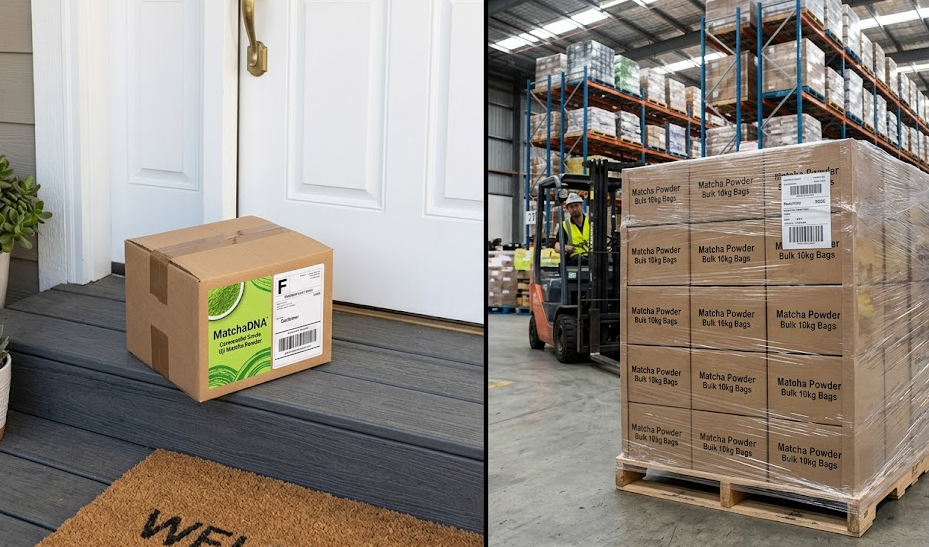
If you are selling in the US and your first order is only 1kg to 5kg, do not try to handle the import clearance yourself. The responsibilities of the FDA's Prior Notice and Foreign Supplier Verification Program (FSVP) are complex. The potential fines and delays are not worth the small profit on a few kilograms of product. There is a much simpler survival route.
Phase One (Testing: 1-5kg): In this phase, your only goal is to test your recipes. Does your matcha latte taste amazing? Do your cookies sell out? You can buy samples directly from us or find a local supplier who can deliver a small amount right to your door. You are using money to buy time and speed. Validate your product in the market first.
Phase Two (Scaling: 50kg+): Once your monthly usage grows to 50kg or more, the price markup from local wholesalers will seriously eat into your profits. This is the time to contact us at MatchaSourcing.com directly. We leverage our 2,300 mu of organic tea gardens and thousand-ton annual capacity to support your growth. Our dedicated account managers will arrange DDP shipping to get your pallets of matcha safely into your US warehouse. This is how you scale intelligently.
Conclusion
In business, survival comes first. For tight budgets, buy the right grade for the job in bulk packaging, and never forget the hidden costs. This is how you win.
Understanding landed cost helps you avoid hidden fees and manage your budget effectively when importing goods. ↩
Avoid unexpected expenses by understanding hidden costs like customs and shipping fees. ↩
Learn why Ceremonial Grade matcha is not ideal for lattes and how it affects your profit margins. ↩
Discover why Café or Culinary Grade matcha is better for lattes and baking, protecting your profits. ↩
Blend status affects consistency and quality, crucial for maintaining product standards. ↩
Understanding lead time helps you manage your inventory and ensure timely delivery of matcha. ↩
Safety data ensures your matcha is free from harmful substances, protecting your customers and brand. ↩
FSVP compliance is crucial for legal importing, preventing shipment seizures and fines. ↩