Are you thinking about launching a matcha brand but believe it's just about a cool logo? This common mistake can lead to unsold inventory and unhappy customers. Success starts with a product-first mindset.1
Your success in private label matcha depends on creating a product that earns repeat purchases, not just a package that looks good on the shelf. It involves selecting the right matcha grade, origin, and certifications for your specific target market and use case, which is far more than just design.
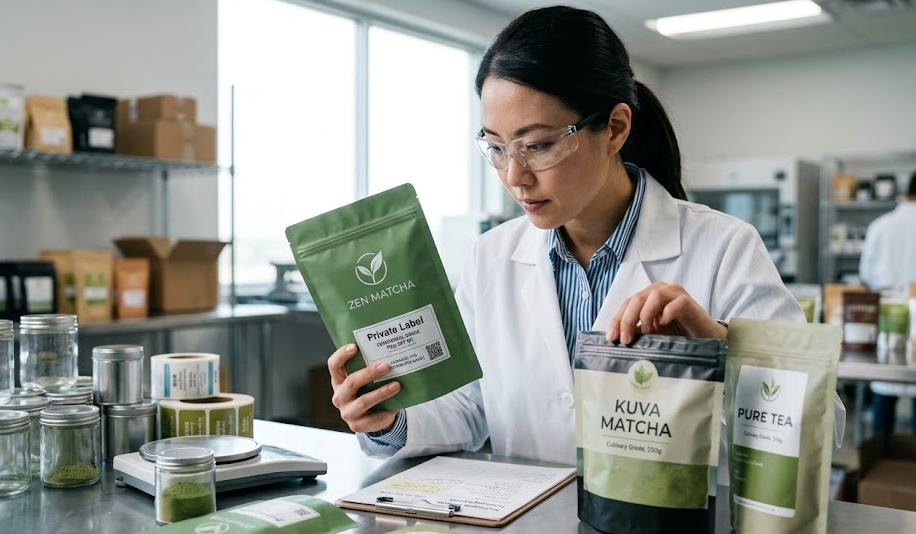
I have spent years helping brands bring their matcha products to life. In that time, I've seen many people make the same initial mistake. They spend months perfecting a beautiful package but only a few minutes thinking about the matcha that goes inside it. They believe private labeling is a packaging project. In reality, it is a product project from start to finish. Let's break down what you truly need to know to build a brand that lasts.
Is Your Private Label Matcha Just a Pretty Package or a Real Product?
It is easy to get excited about designing beautiful packaging for your matcha brand. But if the matcha inside does not meet your customer's expectations, that beautiful bag will just sit on the shelf.
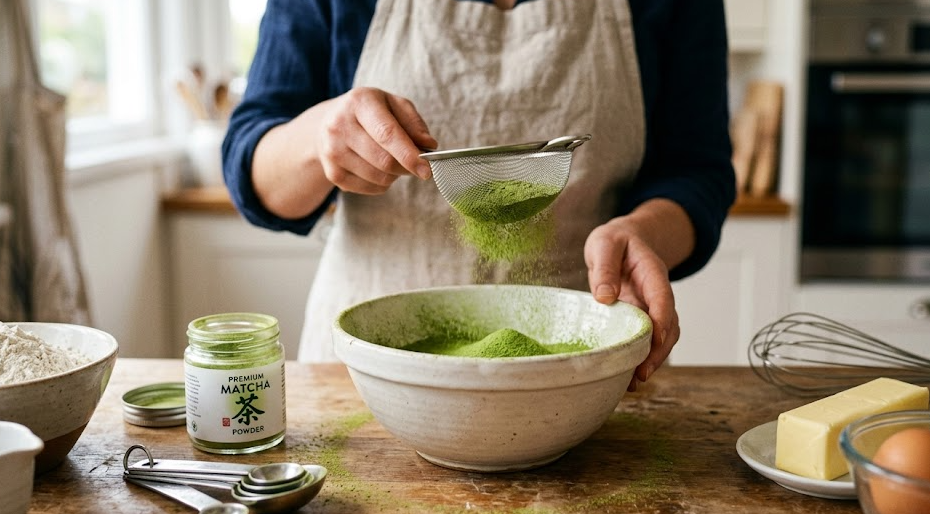
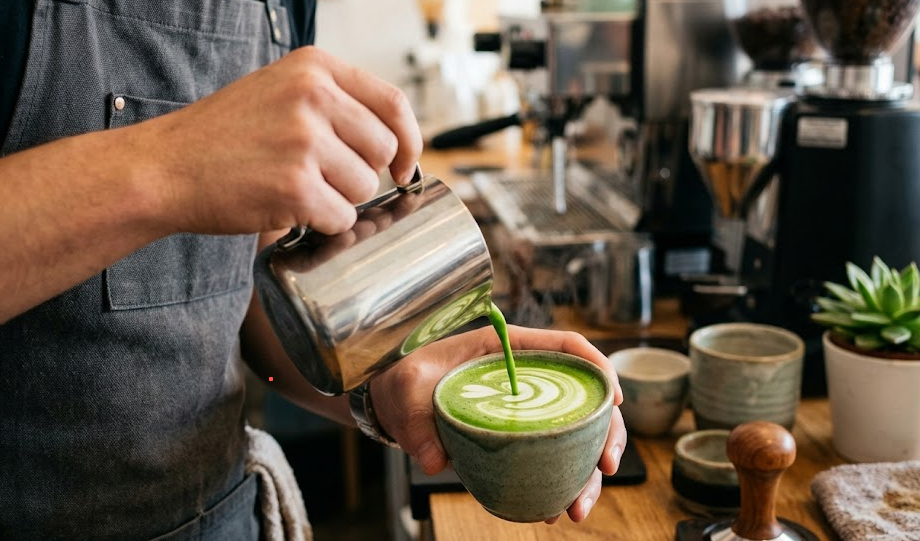
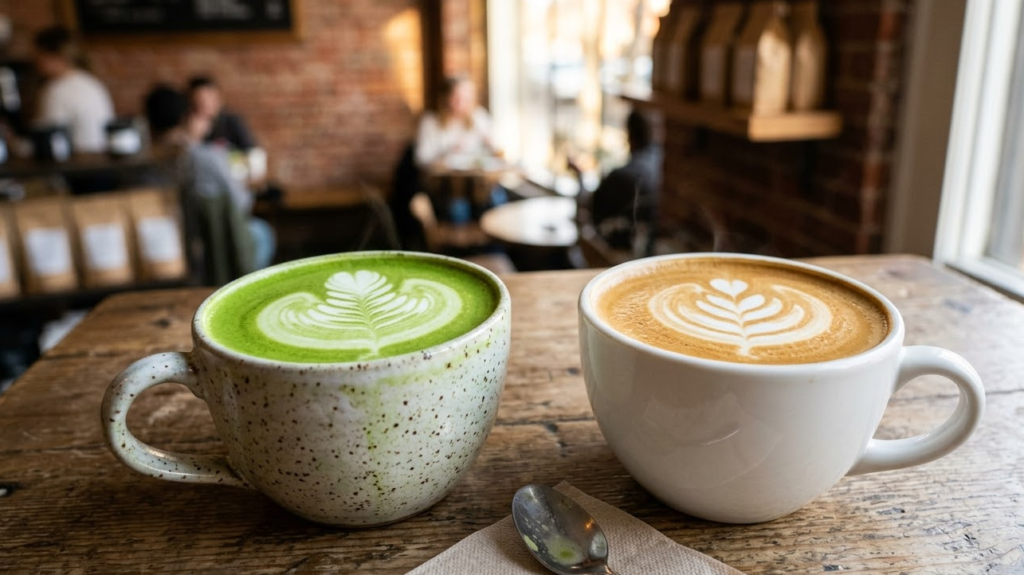
To create a successful private label matcha, you must first define its purpose. Is it for daily ceremonial drinking, lattes, or baking? Each use case requires a different grade with specific color, flavor, and price characteristics.2 This decision is more critical than your logo for long-term success.
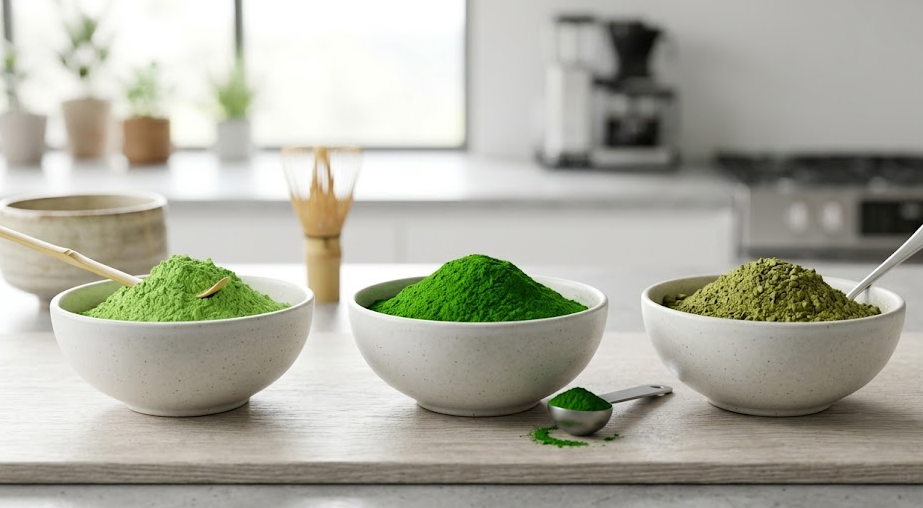
In my experience, the core question a brand owner must answer is this: Are you making "packaging that sells" or a "product that gets repeat purchases?" A great design might get you the first sale, but only the actual performance of the matcha in the cup or bowl will bring customers back. The taste, color, and texture are what create loyalty. For example, a customer buying matcha for a morning latte wants a vibrant green color that stands up to milk and a smooth, not-too-bitter flavor. If you sell them a yellowish, bitter culinary grade in a beautiful tin, they will not buy from you again. Your product positioning dictates everything. You have to match the matcha to its job. This is not something you can fix with better branding later.
Here is a simple way to think about it:
| Use Case | Key Attributes | Why It Matters |
|---|---|---|
| Ceremonial | Bright green, smooth, umami, no bitterness | For drinking with just water. The quality has nowhere to hide. |
| Latte Grade | Vibrant green, strong flavor, slight bitterness | Must have enough flavor to cut through milk and sugar. |
| Baking/Culinary | Deeper green, strong astringent flavor | Needs a bold flavor that won't get lost in flour, sugar, and fat. |
| Retail Gift | Often ceremonial, focus on origin story | The perceived value comes from both the quality and the presentation. |
Are You Skipping the Most Important Step in Private Labeling?
You received a matcha sample and it tastes great, so you are ready to order, right? But without the right documents, your new product could be stopped by customs or rejected by retailers, wasting your entire investment.
Never skip the documentation step. A professional private label matcha project includes a full set of compliance and quality assurance papers.3 Always ask for a Certificate of Analysis (COA) for each batch, plus pesticide, and heavy metal reports. These are non-negotiable essentials for your business.4
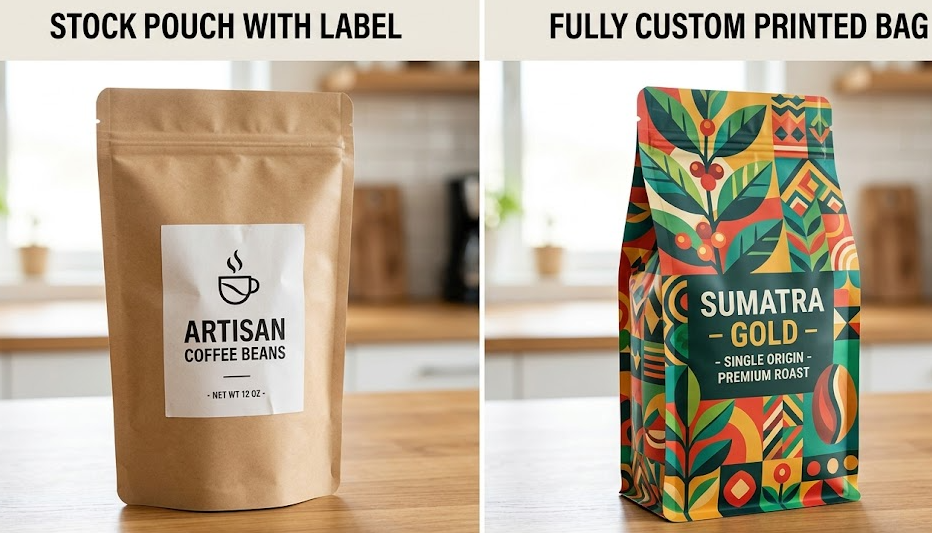
I consider a private label project complete only when the brand owner has a full set of documents to support their sales and compliance needs. A good-tasting sample is just the starting point. To build a real business, you need proof that your product is safe, consistent, and meets the standards of the market you are selling in. In today's global market, these documents are not "nice-to-haves"; they are standard requirements. A serious supplier will have them ready.5 If a potential partner hesitates to provide these, it is a major red flag. This paperwork protects you, your customers, and your brand's reputation. It shows you are a professional who cares about quality, not just someone trying to make a quick sale.
Here are the key documents you should always ask for:
| Document | What It Does |
|---|---|
| Certificate of Analysis (COA) | Confirms the physical and chemical specs of a specific batch. |
| Pesticide & Heavy Metal Reports | Proves the product is safe and meets regulatory limits (e.g., EU, FDA). |
| Organic Certificates | Verifies the product can be legally sold as organic in a specific market (e.g., EU, JAS, USDA). |
| Food Safety System Info | Shows the factory follows quality standards like HACCP or ISO 22000. |
| Traceability Information | Allows you to track the product from the tea garden to the final package. |
How Do You Choose Between a Low-Risk Test and a Full Brand Launch?
You are ready to start your matcha brand but feel unsure about the initial investment. A high minimum order on custom packaging could drain your budget before you even make your first sale.
Your choice of packaging directly impacts your Minimum Order Quantity (MOQ) and initial cost.6 Sticking a label on a stock pouch is a low-risk way to test the market.7 Fully custom printed bags or tins require a much larger investment and are better for an established launch.
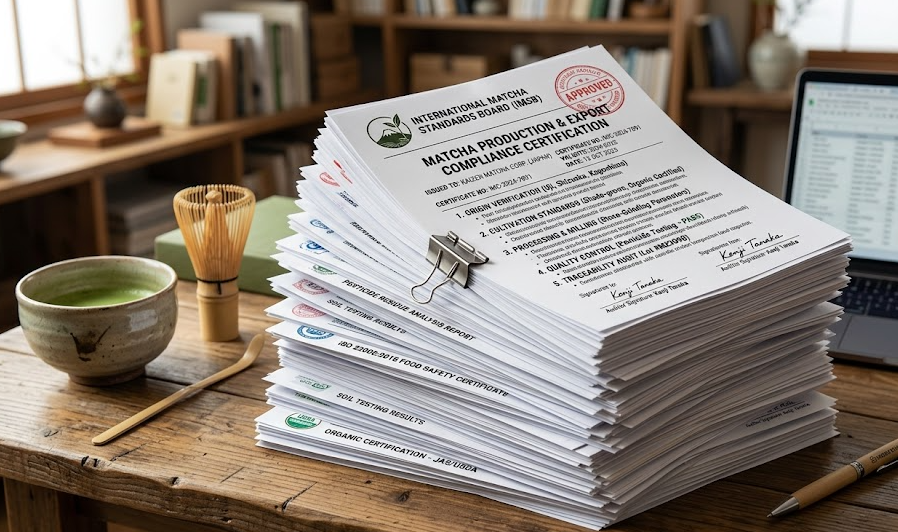
I often remind brand owners that their packaging choice is a business strategy decision, not just a design decision. It determines whether your project is a "low-risk market test" or a "heavy-investment grand opening." There is no right or wrong answer, but you must be honest about your budget and goals. Starting with a simple labeled stock pouch allows you to get your product in front of customers quickly and with minimal financial risk. You can order a small amount, test different matcha grades, and gather feedback. Once you have proof that people want your product, you can reinvest your profits into a full custom packaging run. Jumping straight to custom-printed tins or pouches often requires a significant upfront payment and a commitment to thousands of units.8 This can be a huge burden for a new brand. This is not a supplier rule; it is a matter of managing your own cash flow and business rhythm.
Here is a comparison of the typical options:
| Factor | Stock Pouch + Label | Fully Custom Packaging |
|---|---|---|
| MOQ | Low (e.g., 100 units) | High (e.g., 1,000+ units) |
| Upfront Cost | Low | High |
| Lead Time | Short (days or weeks) | Long (months) |
| Flexibility | High (easy to change design/product) | Low (committed to one design) |
| Best For | Market testing, new brands | Established brands, full launch |
What Four Questions Must You Answer Before Starting Your Private Label Matcha?
You are excited to find a matcha supplier and start the conversation. But if you approach them without a clear plan, you will likely get vague answers, waste time, and feel frustrated by the process.
Before you contact any supplier, you need clear answers to four questions. What is your product's positioning? What is your target price? What certifications do you need? And is your first step a market test or a full launch? These answers form the foundation of your project.

So, the most important thing for a brand owner to know is not "can I do this," but "what exactly do I want to create?" When a potential partner comes to me with clear answers to a few key questions, our conversation is immediately more productive. We can quickly determine if we are a good fit and start discussing concrete solutions. Without this clarity, we are just talking about abstract ideas. I always advise brands to think through these four things before they even start looking for a supplier. Once you define these pillars, all the other details like packaging, MOQ, lead times, and shipping fall into place much more easily. Otherwise, you might think you are building a brand, but you are really just creating a batch of inventory with your logo on it.
Here are the four questions to answer first:
- What is your product positioning? Define the primary use case. Is it for lattes in a café, ceremonial tea for online retail, or an ingredient for baking mixes? This determines the matcha grade.
- What is your target price point? This will influence the grade, origin, and certifications you can afford. You cannot expect top-tier Japanese ceremonial matcha at a Chinese culinary-grade price.
- What documents and certifications do you need? This depends entirely on your sales market. Selling organic in Europe requires an EU Organic certificate.9 This simple fact will filter your list of potential suppliers.10
- What is your launch strategy? Are you testing the market with a small batch, or are you going straight to a full brand launch with custom packaging? This dictates your MOQ and initial budget.
Conclusion
A successful private label matcha brand begins with a clear product strategy, not just a packaging design. Define what is inside the bag before you worry about the outside.11
"Consumer perceptions of private label quality: the role of product ...", https://www.sciencedirect.com/science/article/abs/pii/S0969698900000308. This source explains the importance of prioritizing product quality over packaging design in private label branding. Evidence role: expert_consensus; source type: education. Supports: Prioritizing product quality over packaging design is essential for private label branding success.. ↩
"Different Grades of Matcha Green Tea Powder - Ujido", https://ujido.com/blogs/matcha-insider/different-grades-of-matcha-green-tea-powder?srsltid=AfmBOorUYDOLDNauMDMPHm3Xcp4wdRGKrXcAaFEPvtqzZekiBfpTV1u_. This source provides detailed information on how matcha grades differ based on use cases such as ceremonial drinking, lattes, and baking. Evidence role: definition; source type: encyclopedia. Supports: Different matcha grades are suited to specific use cases based on their color, flavor, and price characteristics.. ↩
"Matcha Certifications for Wholesale, Bulk & Private Label Projects", https://matchasourcing.com/certifications/. This source outlines the standard compliance and quality assurance documents required for private label matcha projects. Evidence role: definition; source type: government. Supports: Private label matcha projects require compliance and quality assurance documents for legal and market standards.. ↩
"Pesticide application behavior in green tea cultivation and risk ...", https://pubmed.ncbi.nlm.nih.gov/38916777/. This source explains why compliance documents like COA and pesticide reports are critical for private label matcha businesses. Evidence role: expert_consensus; source type: institution. Supports: Compliance documents are essential for private label matcha businesses to ensure safety and marketability.. Scope note: The importance may vary depending on the market and regulatory environment. ↩
"Are you in compliance with the FSMA Foreign Supplier ...", https://www.canr.msu.edu/news/fsma-fsvp-overview. This source discusses the role of suppliers in providing necessary compliance documents for private label matcha. Evidence role: mechanism; source type: research. Supports: Serious suppliers provide compliance documents as part of their service for private label matcha projects.. Scope note: Supplier practices may vary by region and business model. ↩
"MOQs and Its Relevance to Custom Packaging - noissue", https://noissue.co/imprint/moq-meaning-and-why-minimums-are-relevant-for-custom-packaging-2/?srsltid=AfmBOoq2t9uBgUuMSzBQv1BybKhyjbyN9Uj2tZ4_iPQ6F_RfCtSZrI02. This source explains how packaging choices influence MOQ and initial costs in private label projects. Evidence role: mechanism; source type: education. Supports: Packaging choices directly affect MOQ and initial costs in private label matcha projects.. Scope note: The impact may vary depending on supplier policies and market conditions. ↩
"Why Private Label Pouches Are Ideal for Supplements & Beauty ...", https://www.thepkglab.com/blog/188/why-private-label-pouches-are-ideal-for-supplements-beauty-products. This source discusses the advantages of using stock pouches with labels for market testing in private label projects. Evidence role: case_reference; source type: research. Supports: Using stock pouches with labels is a low-risk strategy for market testing in private label matcha projects.. Scope note: The effectiveness may depend on the specific market and product category. ↩
"What to Ask Before Importing Matcha in Bulk?", https://matchasourcing.com/what-to-ask-before-importing-matcha-in-bulk/. This source explains the financial and logistical challenges of using custom-printed packaging in private label projects. Evidence role: mechanism; source type: education. Supports: Custom-printed packaging requires significant upfront investment and high MOQs in private label matcha projects.. Scope note: The specifics may vary depending on supplier policies and order volumes. ↩
"Matcha Purity and Organic Certification - Matchashop.de", https://www.matchashop.de/en/info/organic-certification-harmful-substances-pesticides-etc.html?srsltid=AfmBOoq_oPBj7Km-ysTWz7rCoZFRJidqKXycrEH-CPqxWypasgnlxzTb. This source outlines the certification requirements for selling organic matcha in Europe. Evidence role: definition; source type: government. Supports: Selling organic matcha in Europe requires an EU Organic certificate.. Scope note: The requirements may differ for other regions or markets. ↩
"Matcha Certifications for Wholesale, Bulk & Private Label Projects", https://matchasourcing.com/certifications/. This source explains how certification requirements influence supplier selection in private label matcha projects. Evidence role: mechanism; source type: research. Supports: Certification requirements play a key role in filtering potential suppliers for private label matcha projects.. Scope note: The influence may vary depending on the market and product category. ↩
"6 Reasons Why Product Quality Matters", https://www.business.com/articles/5-reasons-why-product-quality-matters/. This source emphasizes the importance of product quality over packaging design in private label branding. Evidence role: expert_consensus; source type: education. Supports: Product quality should be prioritized over packaging design in private label branding.. ↩