Are you thinking about importing matcha but worried about the hidden risks? A bad shipment can damage your brand, and customs delays can be a nightmare. Asking the right questions upfront protects your business and your investment.
Before you even discuss price, you must verify the matcha's specifications1, origin, compliance documents, and the supplier's logistical capabilities. A reliable partner will have clear answers for every question, ensuring a smooth and predictable import process from start to finish.
I’ve spent over a decade in the matcha business, from cultivating tea in our own organic gardens to shipping it globally. Over the years, I've seen many businesses, both big and small, make costly mistakes when importing matcha for the first time. It almost always comes down to not asking the right questions before placing an order.
This article is a bulk matcha import checklist. It focuses on the practical purchasing questions you should ask before ordering: specifications, origin, COA, documents, HS code, consistency, packaging, MOQ, lead time, and Incoterms.
For buyers planning industrial-volume orders, our bulk matcha page explains MOQ, packaging, COA support and export-ready supply.
Before confirming a shipment, you can also review our matcha COA and testing page to understand pesticide residue, heavy metal, microbiology and batch-level quality requirements.
For document-specific topics such as FDA Prior Notice, COA and organic certificates, read our FDA import documents and certifications for bulk matcha buyers.
To help you avoid these pitfalls, I’ve put together the 10 most critical questions you must ask any potential supplier. Let's walk through them one by one.
Quick Checklist Before Importing Matcha in Bulk
| Question | What It Helps You Avoid |
|---|---|
| What are the exact specifications of this matcha batch? | Avoid buying the wrong grade for your application. |
| Where does the matcha actually come from? | Avoid unclear origin, labeling issues, and weak traceability. |
| Do you have a complete Certificate of Analysis for my destination country? | Avoid pesticide, heavy metal, or microbiology compliance risks. |
| Does this matcha meet my country's food import regulations? | Avoid customs delays and missing import documents. |
| What specific documents do I need, and who provides them? | Avoid last-minute document problems before shipment. |
| How will customs duties be calculated for this matcha? | Avoid unexpected landed cost and tariff surprises. |
| How consistent is your matcha from one batch to the next? | Avoid sample-to-bulk quality drift. |
| How do you package the matcha to control its shelf life? | Avoid oxidation, color loss, and short shelf life. |
| What are your MOQ, lead times, and stockout policies? | Avoid inventory planning and cash flow problems. |
| How are risks and responsibilities defined in the contract? | Avoid unclear shipping cost, insurance, and customs responsibility. |
What are the exact specifications of this matcha batch?
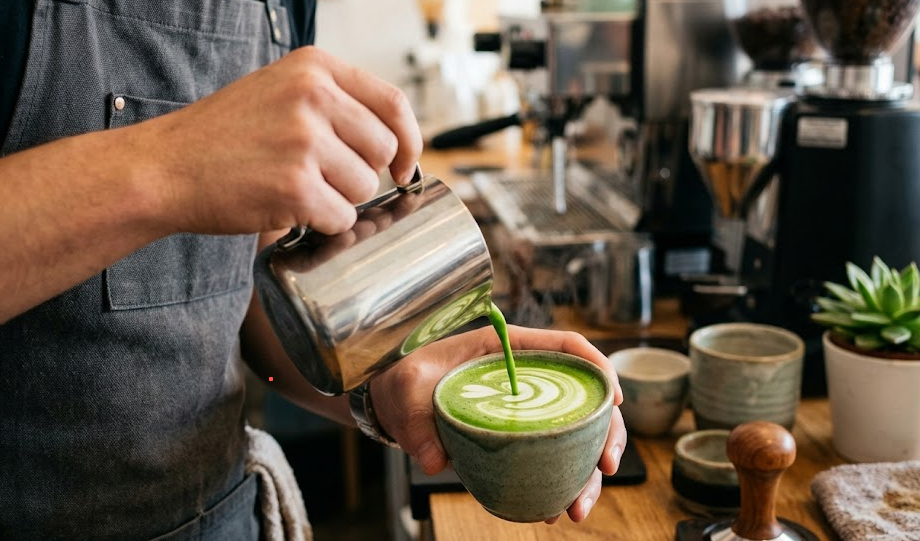
You’ve been told you’re getting “premium grade” matcha. But this vague term can lead to disaster if the product isn't right for your lattes or baked goods. You need to ask for concrete, measurable specifications.
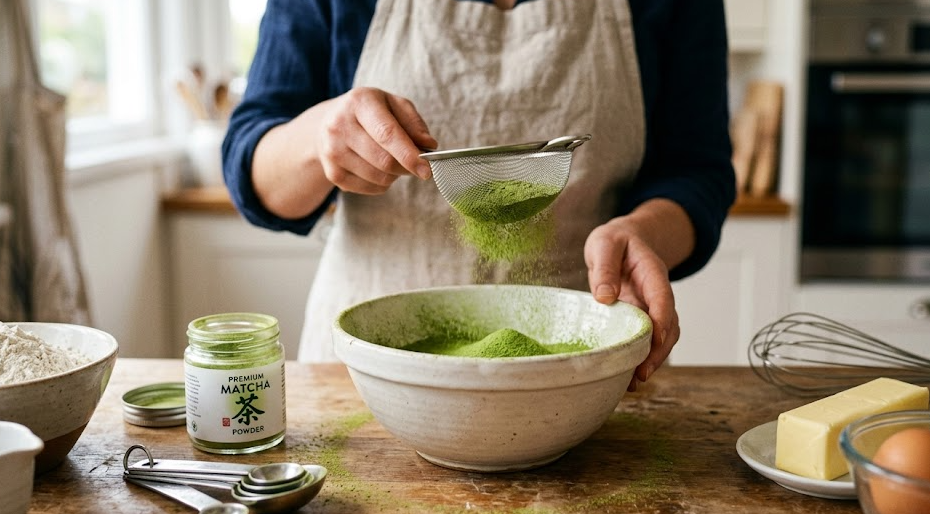
Ask for the specific grade, such as ceremonial, café, or culinary2, and its intended application. Even better, provide your supplier with a detailed spec sheet covering color, particle size, and taste profile3 to ensure you get exactly what you need.
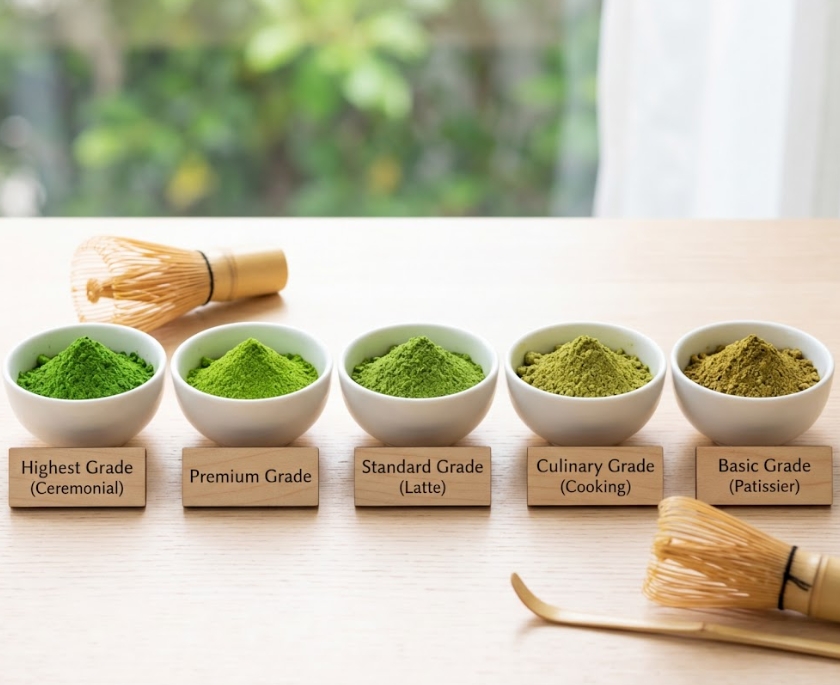
The term "high-grade" is a marketing phrase, not a technical specification. When your shipment arrives, customs officials and your own quality control team won't judge it based on vague words. They will check if the product matches the documents. That’s why you need to move beyond marketing terms and think like a manufacturer.
For example, at MatchaSourcing, we help our partners define their needs with a clear specification sheet. This is the best way to guarantee consistency. A good spec sheet should include measurable data.
Here are the key points you should get in writing:
| Specification | Why It Matters |
|---|---|
| Grade & Use | Is it for drinking, lattes, or food manufacturing? |
| Color | A bright green color is key for customer appeal, especially in drinks. |
| Aroma & Taste | The balance of umami, sweetness, and bitterness determines its use. |
| Particle Size | A finer powder dissolves better and has a smoother mouthfeel. |
| Moisture Content | Low moisture is critical for a long shelf life. |
| Packaging | Is it in nitrogen-flushed, airtight bags to prevent oxidation? |
By defining these details upfront, you create an enforceable standard for your purchase.
Where does the matcha actually come from?
A product label might say "Product of Japan." But this can be misleading. The tea could have been grown elsewhere and only packed in Japan, which affects quality, cost, and your brand's story. You must verify the true origin.
You need to ask where the tea leaves were grown, where the tencha, the raw material for matcha, was processed, and where the final milling and packing happened. This is vital for customs tariffs, label compliance, and building customer trust.
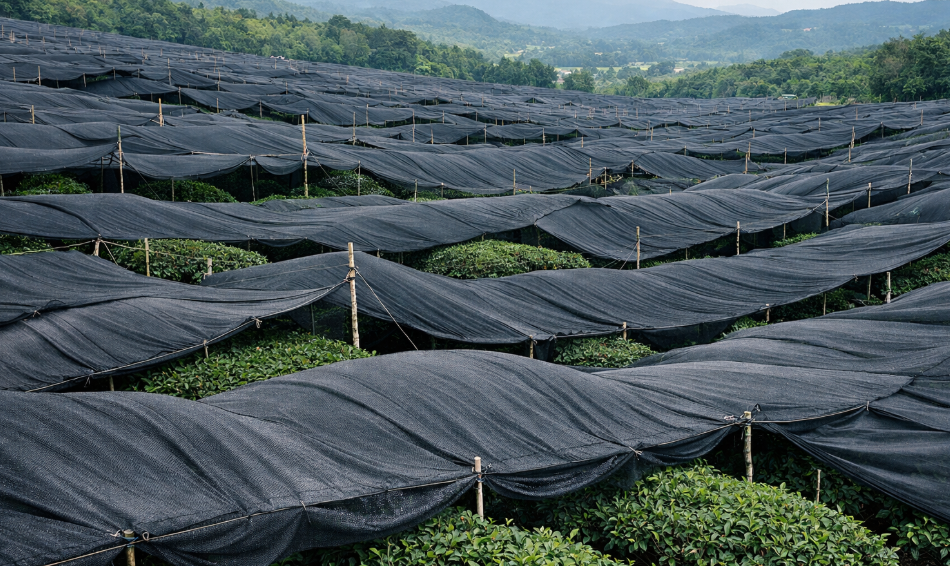
Knowing the true origin is about more than just good storytelling. It has serious financial and legal implications. For example, certain Free Trade Agreements or Economic Partnership Agreements can lower or even eliminate import duties. However, to qualify for these benefits, you need a formal Certificate of Origin4 that proves where the tea was actually grown and processed. Just because you buy from a Japanese company doesn't mean the product automatically qualifies for a preferential tariff.
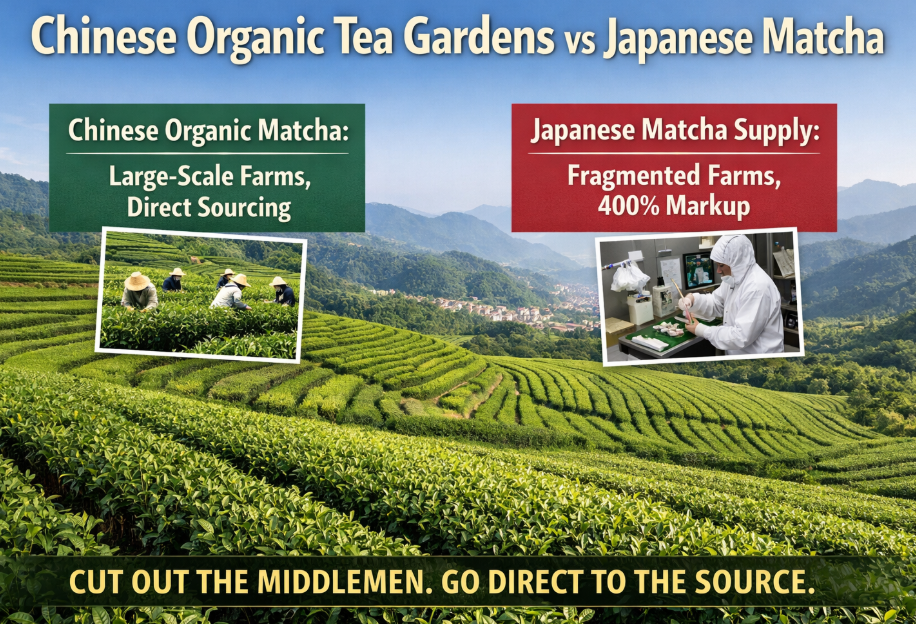
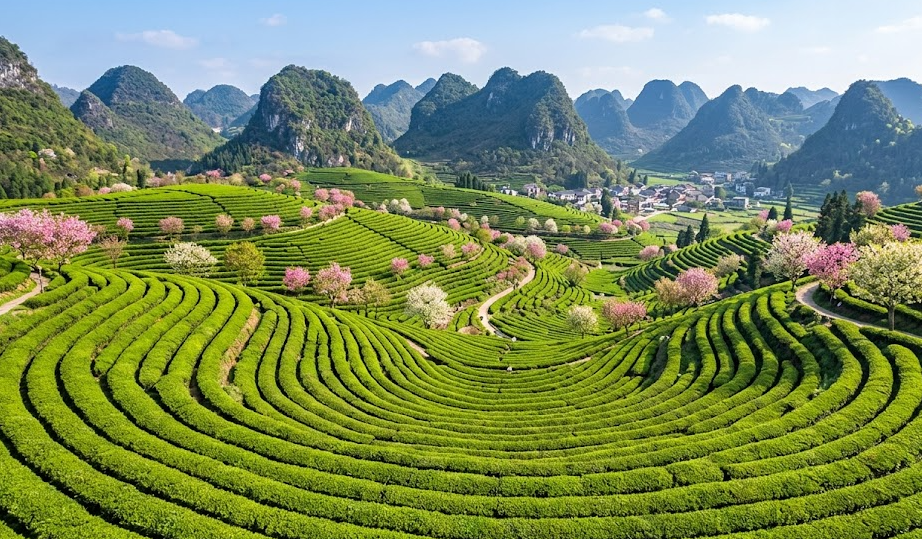
This is why we are completely transparent about our supply chain. Our tea gardens are located in the high-altitude ecological region of Anshun, Guizhou. We manage the entire process right here, from organic cultivation and tencha processing to the final milling and packaging. This end-to-end control allows us to guarantee the origin and quality of every batch.
When you can tell your customers exactly where their matcha comes from, you build a level of trust that vague marketing terms can never achieve.
Do you have a complete Certificate of Analysis for my destination country?
You naturally assume the matcha you’re buying is safe. But if it fails a random customs check for pesticides or heavy metals, your entire shipment could be seized and destroyed. You must demand a comprehensive lab report before you buy.
Always ask for a per-batch Certificate of Analysis. This report must include tests for pesticide residues, heavy metals, and microbes. Most importantly, you have to confirm that the testing standards meet the strict rules of your import country.
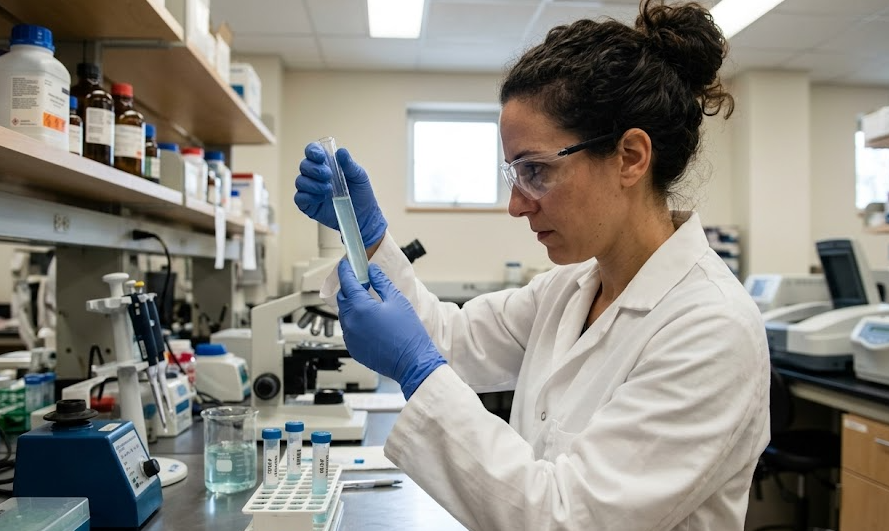
A COA is a non-negotiable document for any food import. It’s your proof that the product is safe and meets quality standards. A professional supplier should provide one for every single batch without you even having to ask. Be wary of suppliers who only offer a single, generic COA for all their products.
The testing must also align with your country's specific laws. The European Union, for instance, has strict Maximum Residue Limits for pesticides. A matcha product that is legal in its country of origin could still face problems in another market if the test standards do not match the import requirements. Your supplier needs to be aware of this and test accordingly.
At our company, every batch is tested against export-market requirements because we know our partners depend on it. We provide full COAs covering pesticides, heavy metals, and microbiology, helping every shipment stay ready for regulatory review.
For a deeper breakdown of pesticide residue, heavy metals, microbiology, moisture, particle size and Lab* color values, see our COA and testing guide.
Does this matcha meet my country's food import regulations?
You’ve found a great supplier and you're ready to order. But if you haven't checked the specific import rules of your country, your shipment could get stuck at the border. You have to confirm all compliance requirements proactively.
Don't wait until your matcha is on a ship. For imports to the United States, confirm whether your supplier can provide the information needed for FDA Prior Notice filing. For the EU, double-check rules on pesticides, labeling, and packaging.
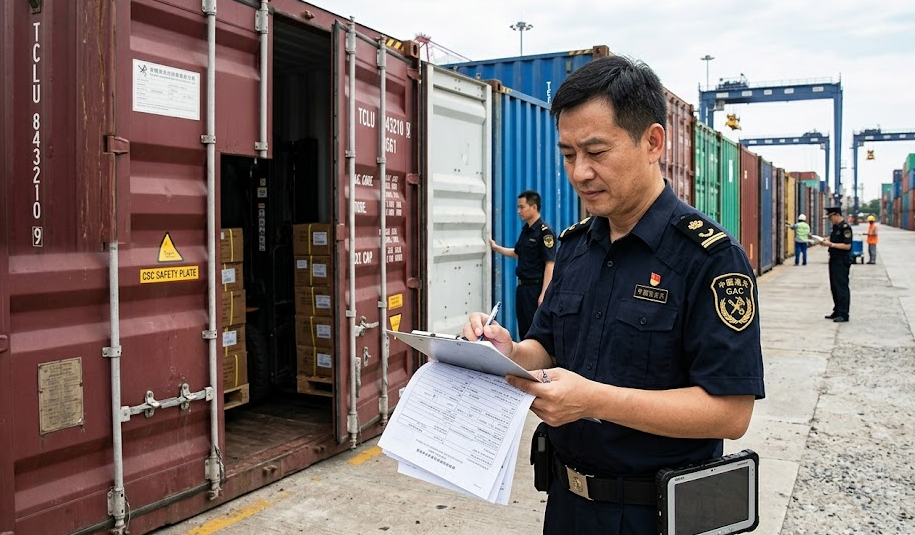
Navigating food import regulations is your responsibility as the importer, but a good supplier should be your partner in this process. Each country has its own set of rules. For example, the U.S. Food and Drug Administration requires certain food-related information before food shipments arrive or are offered for import. If your supplier doesn't know about these rules, it's a major red flag.
Similarly, the EU has complex regulations that go beyond basic food safety. There may be rules about pesticide residue limits, food contact materials, organic labeling, and packaging declarations.
I once helped a new client whose previous supplier did not prepare the right import information before shipment. Their first shipment almost got blocked. We had to walk them through the entire process. This is exactly why we keep our export documents organized before shipment. It saves our partners time, money, and stress.
For a more detailed explanation of FDA Prior Notice, COA, organic certificates, phytosanitary certificates, and other import documents, read this guide: FDA import documents and certifications for bulk matcha buyers.
For buyers comparing market-entry requirements, our certifications for importing matcha page summarizes the key documents and certification points for bulk buyers.
What specific documents do I need, and who provides them?
You might think a commercial invoice is all you need to import goods. But then customs asks for a phytosanitary certificate5, and your shipment is held up while you scramble to get it, racking up expensive storage fees every day.
Ask your supplier and your customs broker for a definitive list of required documents. Key papers include the commercial invoice, packing list, certificate of origin, and COA. For a plant product like tea, a phytosanitary certificate might also be required depending on the destination country and shipment type.
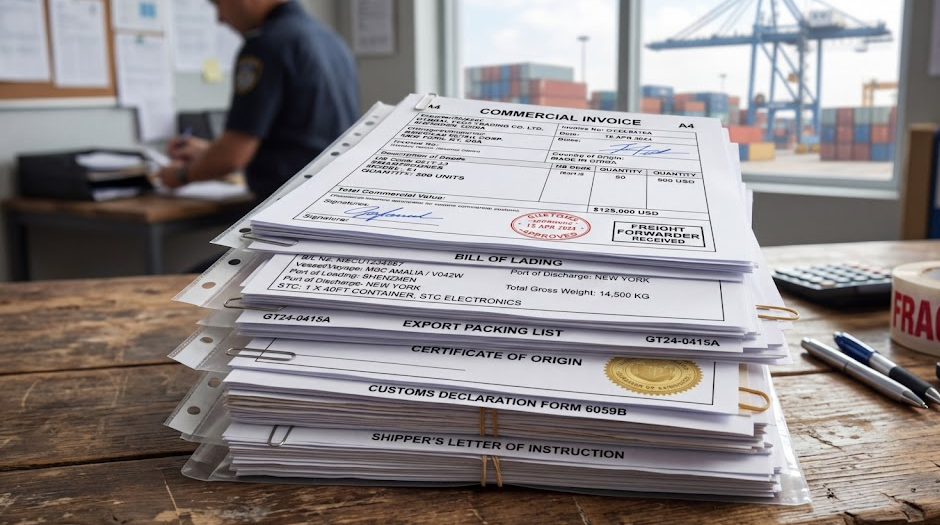
Having your paperwork in order is just as important as the quality of the matcha itself. A missing or incorrect document is one of the most common reasons for customs delays. You should create a checklist and confirm with your supplier who is responsible for providing each document and when you will receive it.
For buyers who need a document-by-document review before shipment, our bulk matcha import certifications guide explains FDA Prior Notice, COA, organic certificates, phytosanitary certificates and other export documents.
Here is a basic list of documents you will likely need:
- Commercial Invoice: Details the transaction, including buyer, seller, and value.
- Packing List: Lists the contents, weights, and dimensions of the shipment.
- Bill of Lading or Air Waybill: The contract with the shipping carrier.
- Certificate of Analysis6: Proves the product meets safety and quality standards, including pesticide residue, heavy metals, microbiology, and batch-level quality records.
- Certificate of Origin4: Proves where the goods were made and may be needed for preferential tariffs.
- Phytosanitary Certificate: Some countries require this to certify that plant products are free from pests.
- FDA-related information: For U.S. imports, confirm food facility information and Prior Notice-related details before shipment.
- Organic certificates: If you plan to sell the matcha as organic, confirm whether the certificate covers the product, process, and shipment requirements.
A professional supplier will provide a complete document package with every shipment. We do this because we know that for our partners, time is money.
Import Document Checklist for Bulk Matcha Buyers
Before placing a bulk matcha order, buyers should confirm the document package before production or shipment. Waiting until the goods are ready can create customs delays, extra storage costs, and unnecessary communication problems.
| Document / Record | What to Ask the Supplier |
|---|---|
| Commercial Invoice | Can you prepare product name, buyer/seller details, quantity, unit price, total value, Incoterm, and currency correctly? |
| Packing List | Can you provide carton count, net weight, gross weight, dimensions, batch number, and packaging format? |
| Certificate of Origin | Can you provide origin documentation if my customs broker requires it? |
| Batch-Level COA | Can you provide a COA connected to the actual shipment batch? |
| Pesticide Residue Report | Can the product meet the target market’s residue expectations? |
| Heavy Metals Report | Can you provide lead, cadmium, arsenic, mercury, or other relevant heavy metal data? |
| Microbiology Report | Can you provide microbiological safety data for the batch? |
| Phytosanitary Certificate | Can you provide it if my destination market requires this document? |
| FDA-Related Information | For U.S. imports, can you provide product and facility information needed for FDA Prior Notice review? |
| Organic Certificate | If sold as organic, does the certificate cover the product, process, and shipment requirements? |
For document-specific guidance, read our FDA import documents and certifications for bulk matcha buyers.
For industrial-volume purchasing, MOQ and export packaging, visit our bulk matcha page.
How will customs duties be calculated for this matcha?
You estimate your customs costs based on a quick online search. But when the shipment arrives, you find out your matcha was classified under a different code with a much higher tariff, completely destroying your profit margin.
Don't just ask "how much is the tariff?" Instead, ask your supplier for the specific HS code they use for the product. Then, you can verify the duty rate and check if a Free Trade Agreement might apply.
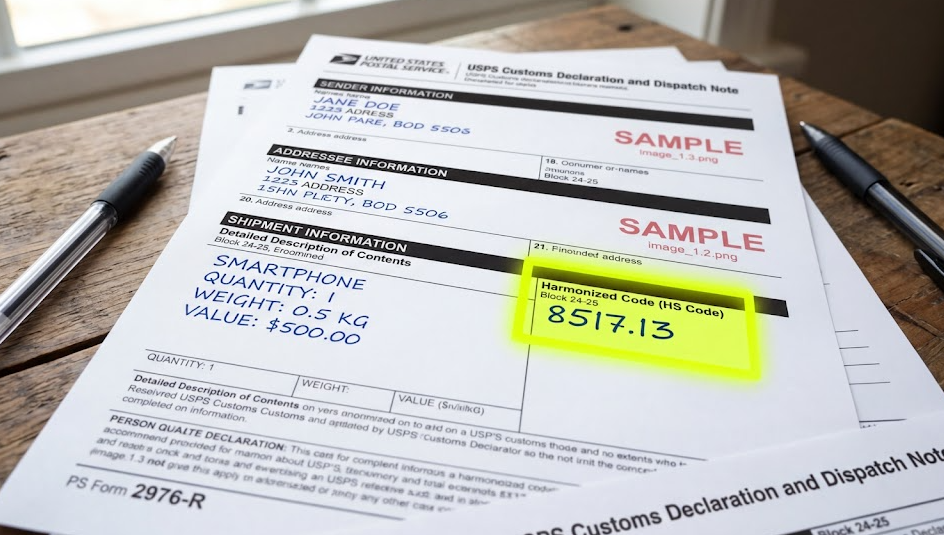
The HS code is a universal number used by customs authorities around the world to classify products. The code you use determines the duty rate you pay. Using the wrong code can lead to fines and delays, while using the right one can save you money. For example, if there is a trade agreement between the exporting country and your country, you might be able to pay a lower tariff or no tariff at all. But to do this, you need the correct HS code and a valid Certificate of Origin4.
My advice is to not leave this to chance. Before I sign any large purchase agreement, I always ask my customs broker to do a pre-classification of the product. They use the supplier's information to confirm the correct HS code and the expected duty rate. This simple step removes any nasty surprises when the goods land. A good supplier should be able to provide you with the HS code they typically use for their products, which makes this process much easier.
How consistent is your matcha from one batch to the next?
The sample you received was perfect—vibrant, smooth, and full of umami. But when your first bulk order arrives, it tastes completely different. Now your customers are complaining that your matcha lattes are bitter. This is a brand's worst nightmare.
The biggest risk in bulk purchasing is inconsistency. You must ask if the matcha is from a single harvest or a consistent blend. Inquire about their process for ensuring color, flavor, and texture remain stable between orders.
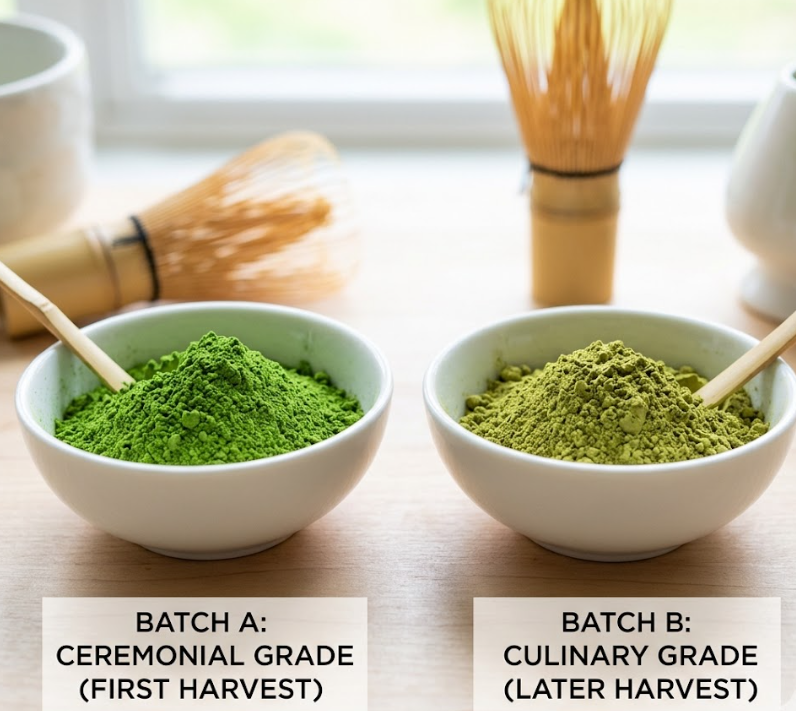
Matcha is an agricultural product, so natural variation is expected from season to season. However, a professional supplier knows how to manage this. Large-scale suppliers often use a blending process. Tea masters can combine matcha from different harvests to create a stable profile for long-term supply. This is crucial for beverage chains and food manufacturers who need their final product to taste the same every single time.
When you talk to a supplier, ask them about their consistency strategy. Do they reserve specific lots for their long-term clients? What is their substitution policy if your usual grade is out of stock? Will they send you a sample from the new batch for approval before shipping?
At MatchaSourcing, our year-round, multi-season harvesting gives us a unique advantage. We don’t just rely on one harvest. We use a controlled production and blending approach to support stable, consistent supply for partners who depend on it.
How do you package the matcha to control its shelf life?
You decide to buy matcha in large bulk bags to get a lower price per kilo. But the packaging is poor, and the matcha loses its vibrant color and fresh flavor while sitting in your warehouse. It quickly becomes unsellable, and your savings disappear.
Matcha is extremely sensitive to light, oxygen, heat, and moisture. Ask your supplier if they use nitrogen-flushed, multi-layer foil bags. Confirm the milling date7, the net weight per bag, and the recommended storage conditions8 to protect your investment.
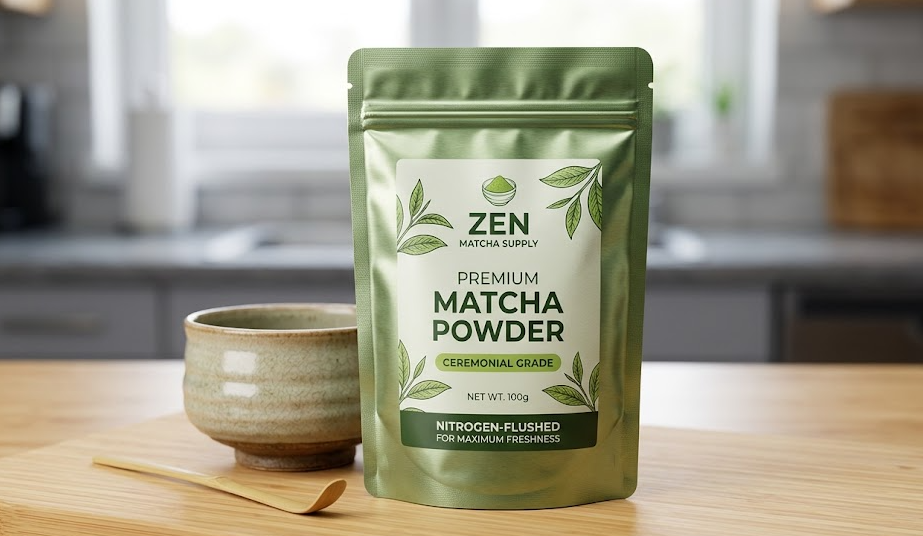
How matcha is packaged is just as important as the quality of the powder itself. The moment matcha is exposed to air and light, it begins to oxidize. This process turns the beautiful green powder into a dull, yellowish-brown and makes it taste harsh and bitter. The best way to prevent this is with proper packaging.
Look for suppliers who use thick, high-barrier aluminum foil bags. The bag should be heat-sealed and, ideally, nitrogen-flushed. This process removes oxygen from the bag and helps extend the matcha's freshness.
Also, pay attention to the dates. The milling date is often more important than the expiration date. The closer you are to the milling date, the fresher the matcha. A good supplier will also provide clear instructions for storage, usually recommending a cool, dark place. When you calculate your costs, don't just look at the price per kilo. Think about the cost per sellable day. A slightly cheaper matcha that degrades quickly is far more expensive in the long run.
What are your MOQ, lead times, and stockout policies?
You found a supplier with an amazing spot price. But their Minimum Order Quantity is massive, the lead time is over 12 weeks, and they can't guarantee supply during your busy season. The great price is suddenly not so great.
You need to ask for the MOQ, the typical lead time from order to delivery, and how that might change during peak seasons. Also, clarify how long their price quote is valid and what happens if they have a stockout. This information is key to your cash flow and operations.
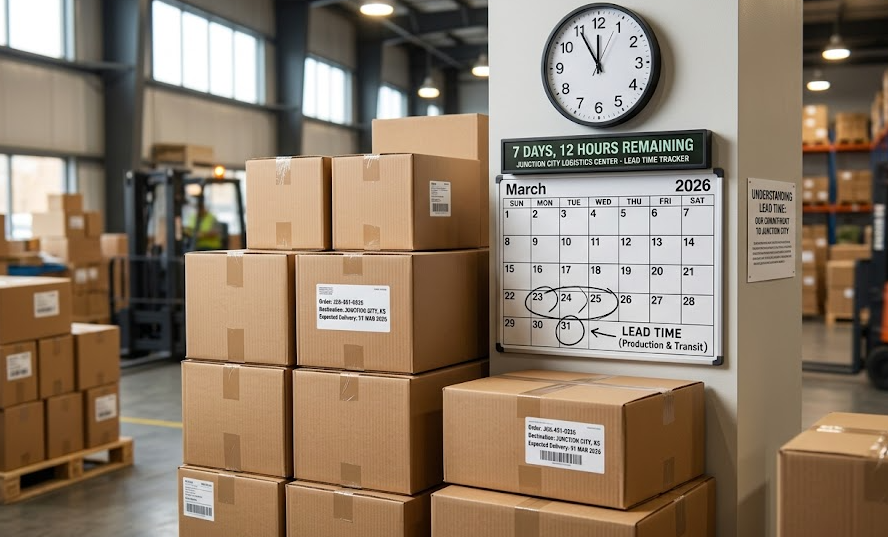
Logistics are a core part of your total cost. A low MOQ is great for testing the market, but you need to know if the price will be the same for larger orders later. Lead time is also critical for inventory management. An international supply chain is naturally longer than a domestic one, so you need to plan accordingly. Ask the supplier for a realistic timeline, including production and shipping.
Also, ask what happens during their busy season. Will your order be delayed? And what is their policy for stockouts? A reliable partner will have a plan. They might offer to split the shipment or suggest a suitable alternative.
As a large-scale manufacturer with 11 production lines and an annual output of over 1,000 tons, we have built our business around reliability. We work with our partners to create a supply plan that ensures they have the matcha they need, when they need it.
For buyers planning industrial-volume orders, our bulk matcha page explains MOQ, packaging, COA support and export-ready supply.
How are risks and responsibilities defined in the contract?
You've agreed on a price for your matcha shipment. But the container gets pulled for a random customs inspection, and you're suddenly hit with a massive bill for demurrage and inspection fees because the contract was unclear about who was responsible.
This is a critical final check. You must ask which Incoterm will be used: EXW, FOB, CIF, or DDP. This simple acronym defines who is responsible for export clearance, import fees, insurance, and who bears the risk if the shipment is damaged or delayed.
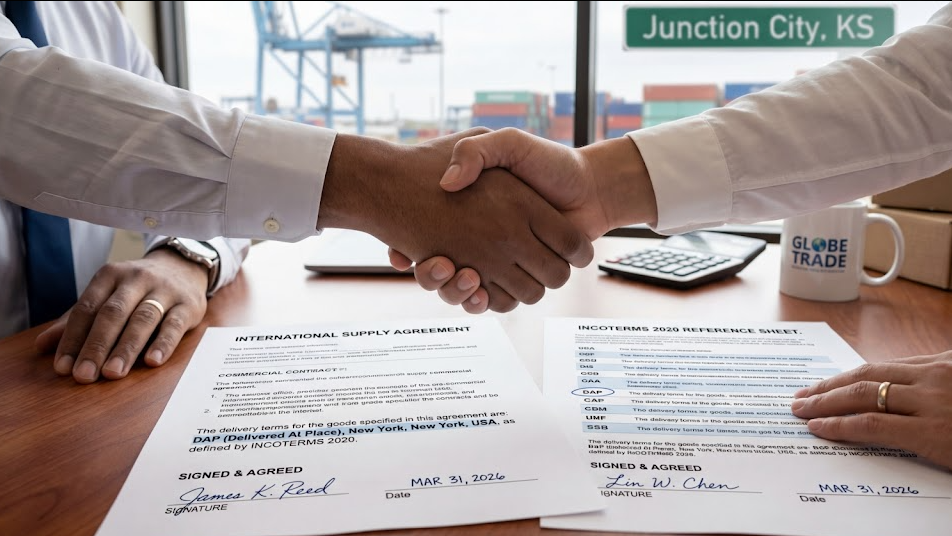
Incoterms are a set of globally recognized rules that define the responsibilities of sellers and buyers in international trade. They might sound technical, but they are essential for protecting your business. Here’s a simple breakdown:
- EXW: You are responsible for everything, starting from the supplier's factory door. This is high risk for you, the buyer.
- FOB: The supplier is responsible for getting the goods onto the ship at the port of origin. You take over from there. This is a very common and balanced term.
- CIF: The supplier pays for shipping and insurance to your country's port. You are responsible for import customs and delivery to your warehouse.
- DDP: The supplier handles everything and delivers the goods to your door, with all duties paid. This is the easiest for you but is usually the most expensive option.
A 5% difference in the matcha price means nothing if you get hit with unexpected shipping or customs costs. Make sure the Incoterm is clearly stated in your purchase contract. It’s not just a logistics detail; it’s fundamental financial risk management.
For a clearer breakdown of export responsibility, freight terms and delivery risk, review our shipping and Incoterms guide.
Conclusion
Before you ask for the best price, confirm three things: can you legally import it, can you get it consistently, and are all risks clearly defined in your contract?
A reliable matcha supplier should be able to answer these questions clearly before you place a bulk order. They should not only send a beautiful sample; they should also help you confirm specifications, batch-level COA, origin, import documents, packaging, MOQ, lead time, and logistics responsibilities.
For buyers planning industrial-volume orders, our bulk matcha page explains MOQ, packaging, COA support and export-ready supply.
For batch-level testing requirements, pesticide residue reports, heavy metal data and microbiology records, review our matcha COA and testing guide before confirming your supplier.
If your next step is to check document requirements, especially FDA Prior Notice, COA, phytosanitary certificates, organic certificates, and factory certifications, read our detailed guide here: FDA import documents and certifications for bulk matcha buyers.
If you are still comparing suppliers for repeat purchasing, our wholesale matcha supplier page explains bulk supply options for cafés, brands, distributors and food manufacturers.
If you are preparing a bulk matcha import project, send us your destination country, target application, expected volume, packaging format and document requirements. We can help you review suitable matcha grades, COA needs, export documents and bulk supply options before production.
Verifying matcha's specifications ensures you receive the right quality for your products, avoiding potential issues with customs and customers. ↩
Understanding matcha grades helps you choose the right type for your specific needs, ensuring product satisfaction. ↩
These factors determine matcha's quality and suitability for different applications, impacting customer satisfaction. ↩
A Certificate of Origin can affect tariffs and compliance, making it essential for cost-effective and legal importation. ↩
A phytosanitary certificate ensures plant products are pest-free, preventing customs delays and compliance issues. ↩
A COA ensures matcha meets safety standards, preventing customs issues and protecting your brand's reputation. ↩
The milling date indicates freshness, helping you ensure the matcha's quality and shelf life. ↩
Proper storage conditions prevent matcha degradation, ensuring it remains fresh and flavorful. ↩