Consumers are tired of sugary energy drinks1. They want a healthy, functional alternative. But finding a reliable, clean-label ingredient2 that delivers on its promise can be a major challenge.
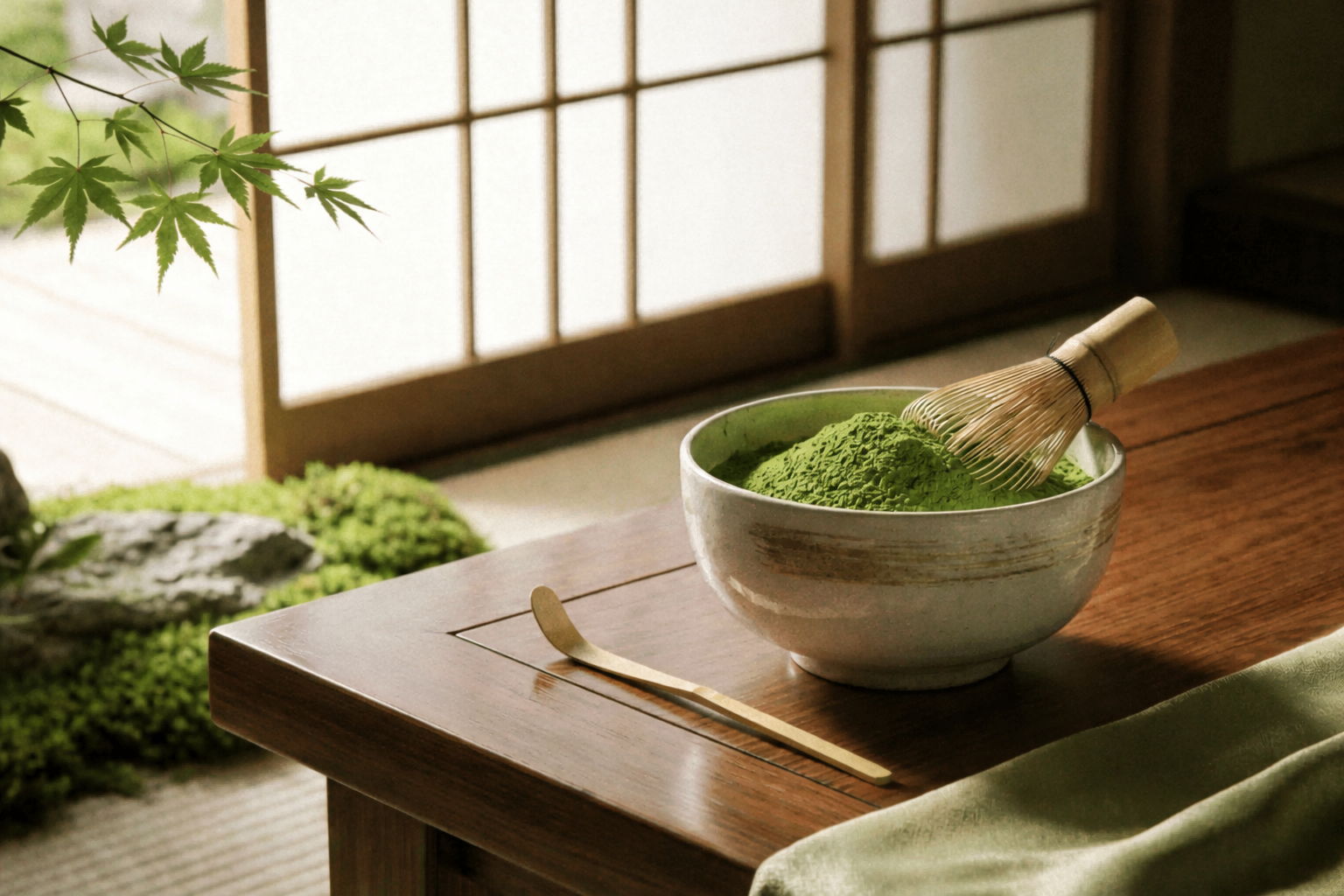
Matcha is the answer for the modern beverage market. Its unique combination of L-theanine and natural caffeine3 provides a "calm alertness" that consumers love. It perfectly fits the demand for clean-label, functional drinks, making it the ideal replacement for high-sugar, synthetic beverages.
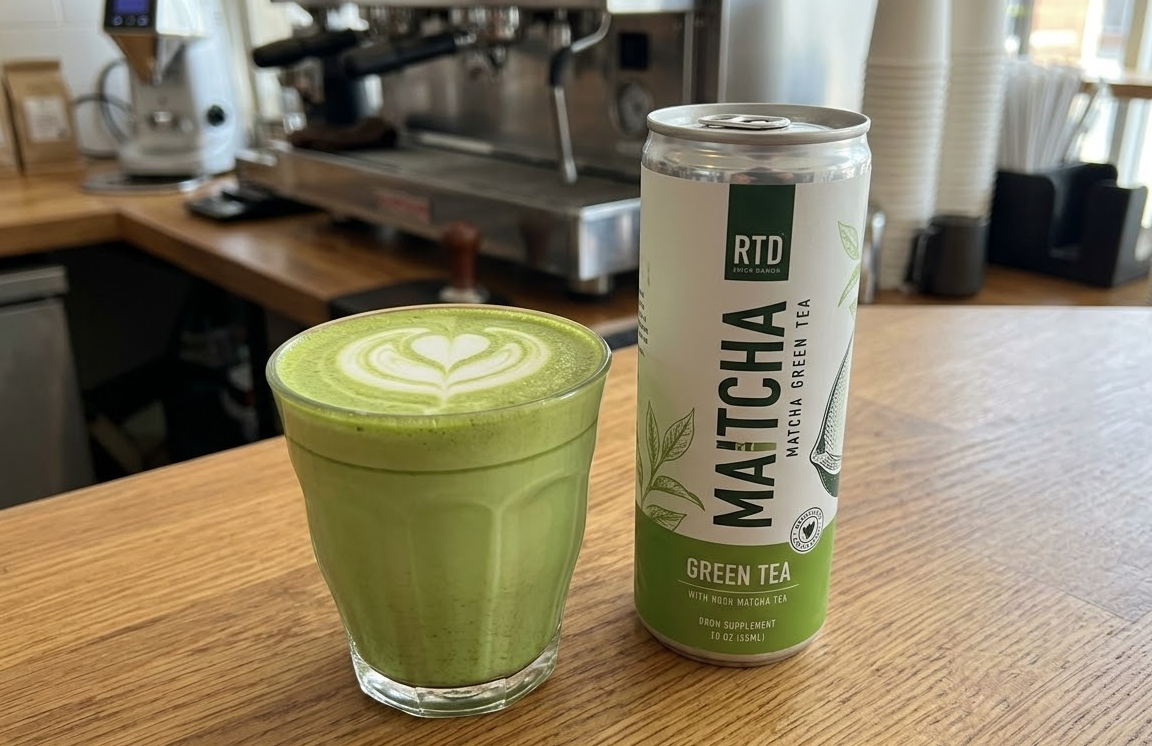
The explosive growth of matcha drinks4 is exciting. You see it everywhere, from specialty cafes to supermarket shelves. But behind this beautiful green wave are serious supply chain challenges that can sink a product line. As a producer, I've seen these problems firsthand. The market's success is visible, but the industrial support behind it can be brutal. I want to talk about the real challenges the beverage industry is facing and how we built the ultimate solution to solve them.
Are You Secretly Using Fake Matcha in Your Drinks?
You launched a "matcha" product, but customers complain it's bitter and yellowish. Your brand's reputation is at risk because of a foundational quality gap you might not even know exists.
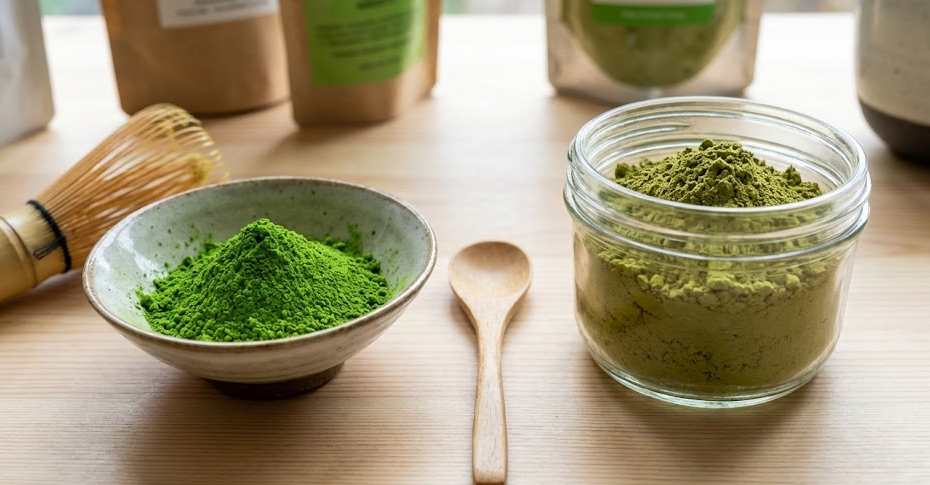
Many so-called "matcha" products use cheap Sencha powder. This un-shaded green tea powder lacks the umami and vibrant color of true matcha. The solution is to source single-estate, properly shaded matcha that guarantees authentic quality and flavor, protecting both your customers and your brand.
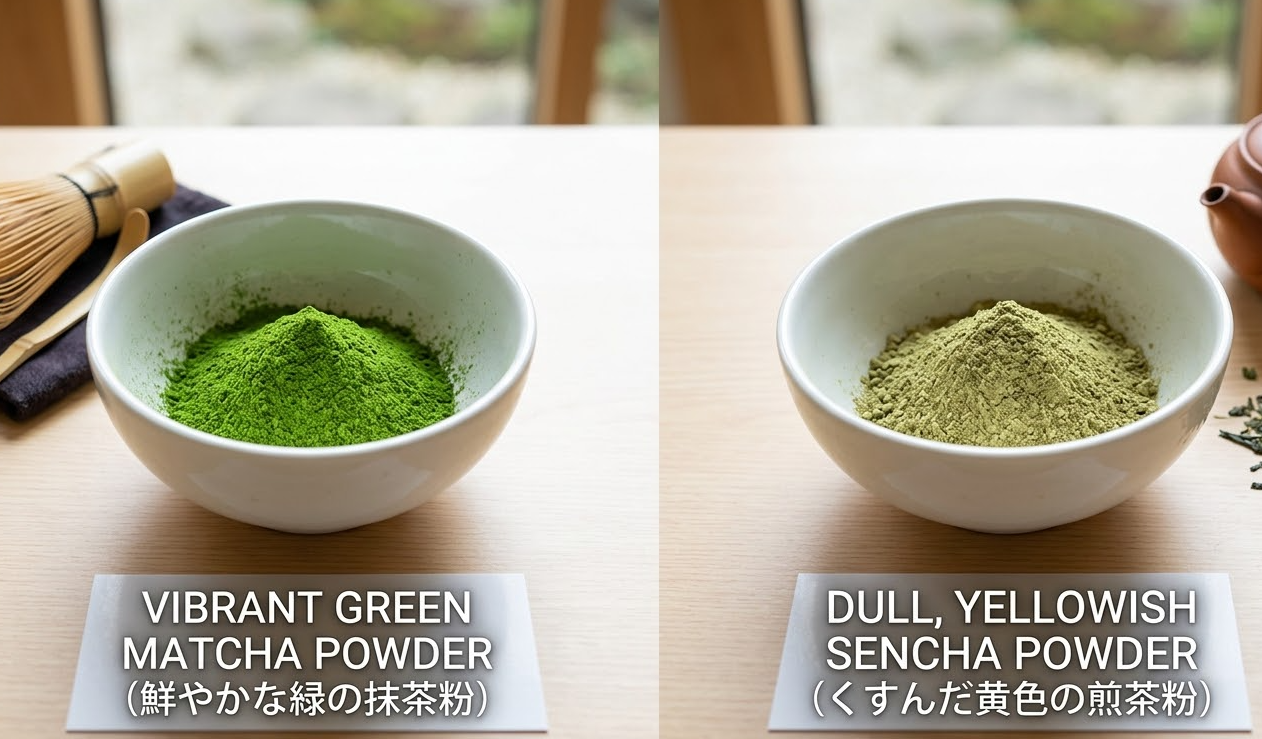
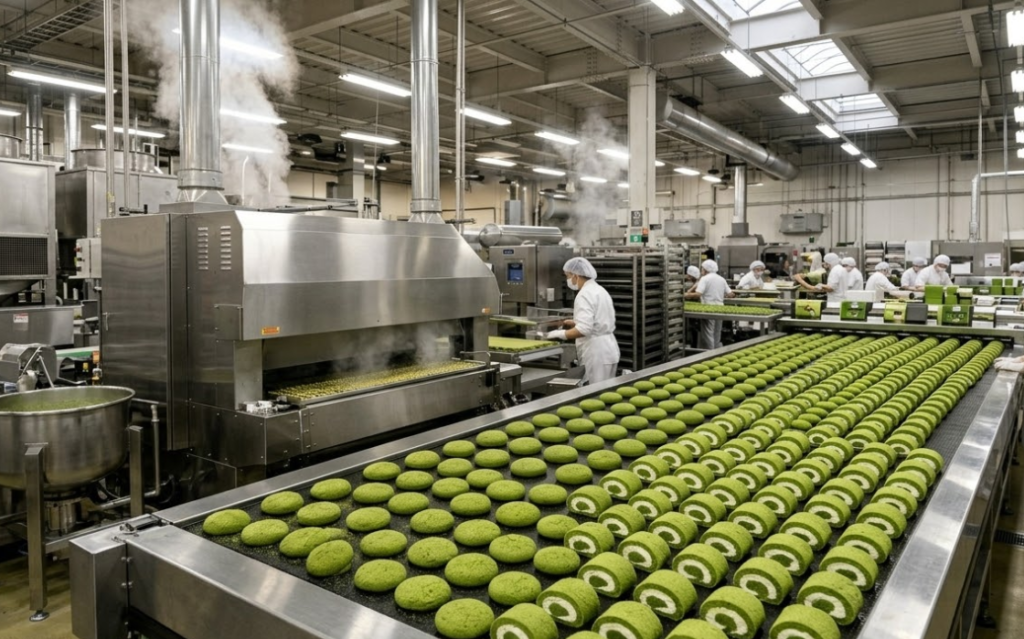
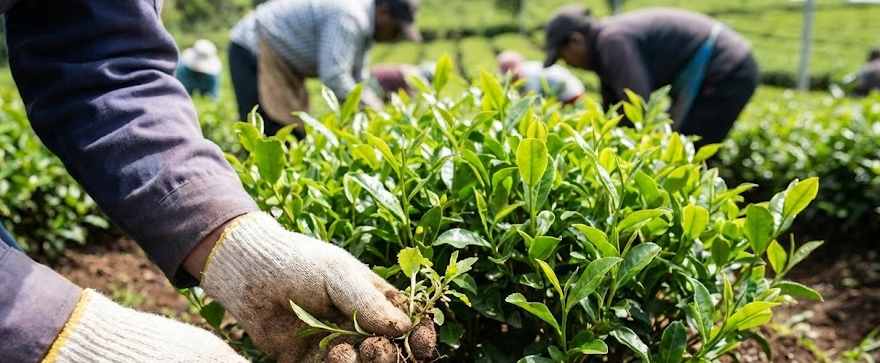
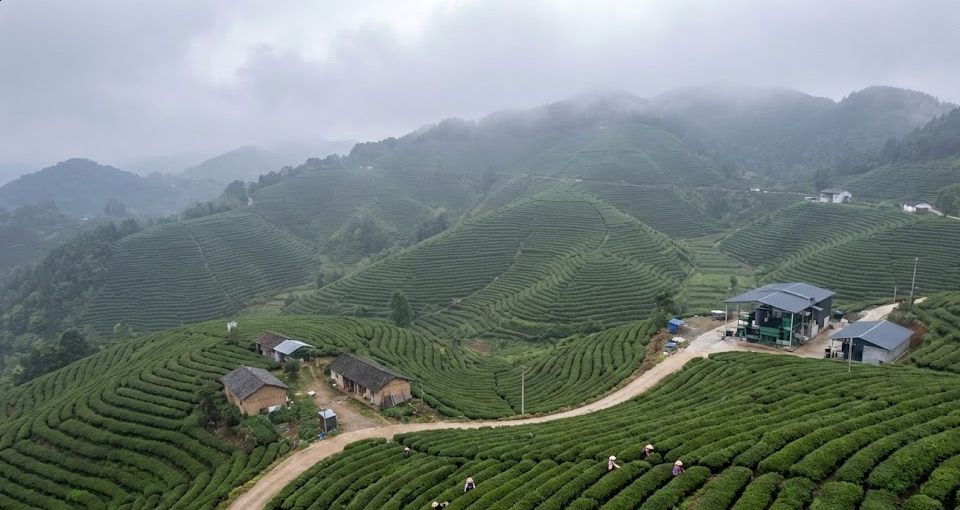
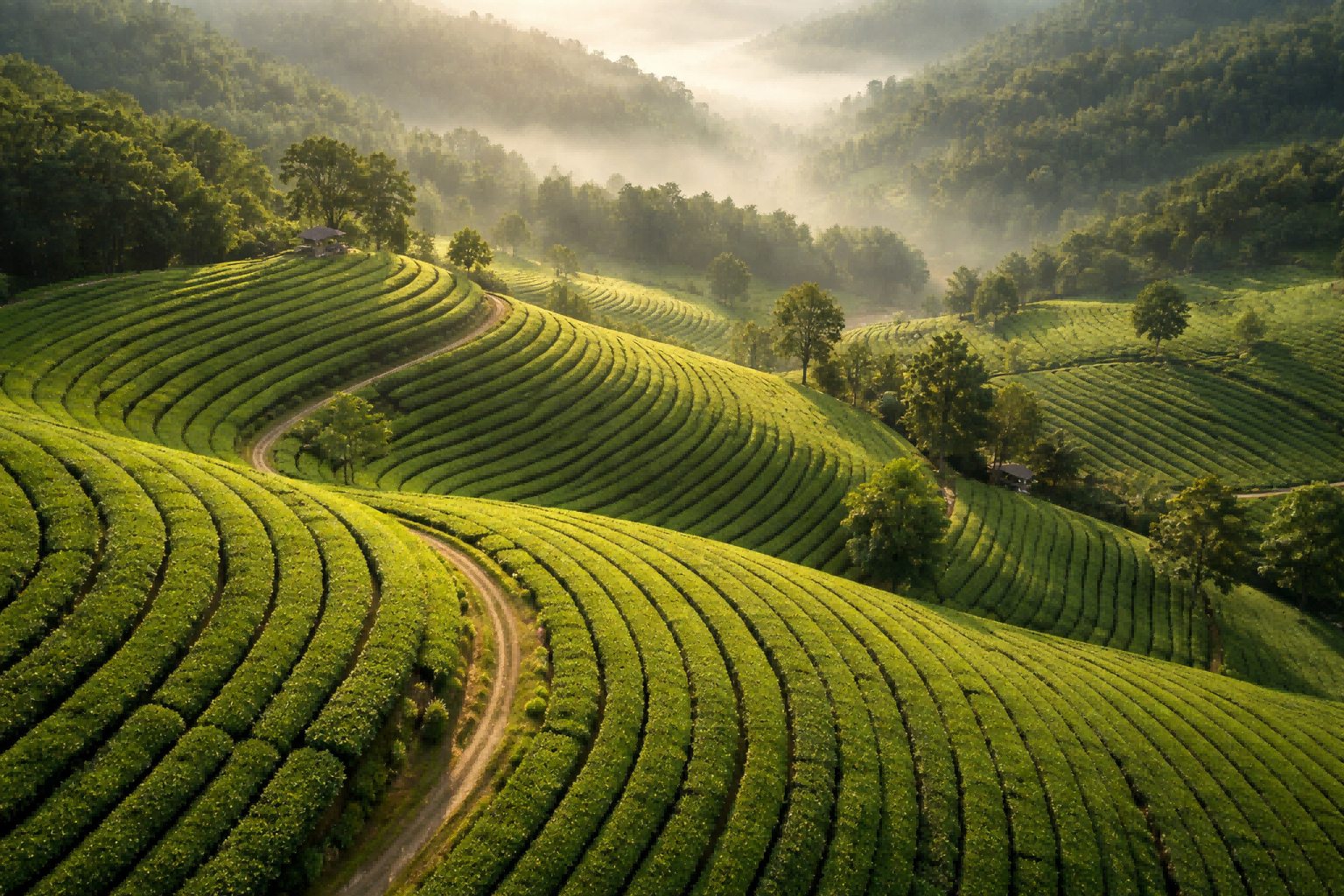
The first side effect of a booming market is often a race to the bottom on price, which leads to poor quality. To hit a certain price point, many suppliers substitute true matcha with low-grade Sencha powder5. These tea leaves are not shade-grown before harvest. This single, critical step is what separates the two. Without shading, the tea plant does not produce high levels of L-theanine, the compound responsible for matcha's signature umami (savory-sweet) flavor. Instead, it's full of catechins, which make it bitter and astringent. We will never use Sencha powder to fool our partners. The real solution isn't to compromise on quality, but to build an industrial base capable of producing true matcha at scale. That is why we secured over 2,300 mu of high-altitude organic tea gardens in Guizhou. This single-estate model gives us complete control.
The Shading Difference: Matcha vs. Sencha Powder
| Feature | True Matcha | Sencha Powder |
|---|---|---|
| Cultivation | Shade-grown for 20-30 days | Grown in full sun |
| Key Compound | High L-theanine | Low L-theanine, high catechins |
| Flavor Profile | Rich umami, sweet, smooth | Bitter, astringent |
| Color | Vibrant, deep green | Dull, yellowish-green |
| Best For | Premium beverages, lattes | Low-cost, low-quality fillers |
This control allows us to enforce strict shading protocols, delivering matcha with high L-theanine and a perfect green color, even at a commercial price point.
Why Does Your Bottled Matcha Drink Separate and Turn Brown?
You developed a fantastic ready-to-drink (RTD) matcha beverage. But after a few weeks, it has an ugly sludge at the bottom and the beautiful green color has faded to a murky brown.
Matcha is a powder made from real tea leaves, so it naturally settles and oxidizes in liquid. This instability ruins shelf life and consumer appeal. The key is using precisely milled powder and advanced steam-processing to halt oxidation and ensure perfect, stable suspension in the bottle.
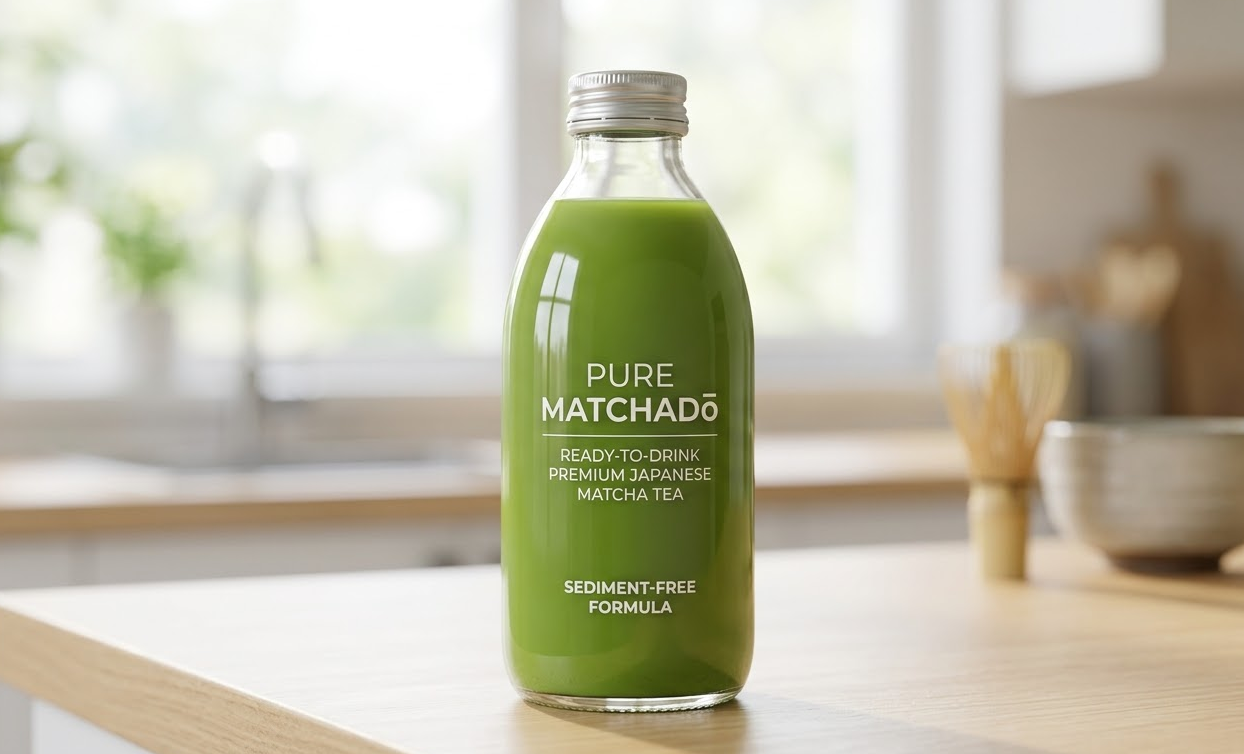
The modern consumer wants grab-and-go convenience. But turning a fine, natural powder into a liquid that can sit on a shelf for 12 months without separating or changing color is a huge food engineering challenge. Tea leaves are full of enzymes that cause oxidation, the same process that turns a cut apple brown. They are also physical particles that, due to gravity, want to form a muddy cake at the bottom of the bottle. This is precisely why we have invested so heavily in our 11 continuous production lines and advanced pulverizing machines inside our cleanroom facilities. We provide our RTD clients with powder milled to an exact mesh size. This precision ensures the particles are so fine that they achieve perfect physical suspension in liquid, fighting against gravity.
The RTD Challenge and Our Solution
The Physical Nightmare:
- Oxidation: Active enzymes in the tea leaf powder react with oxygen, causing the drink to turn brown and lose its fresh flavor.
- Sedimentation: The matcha particles are denser than water and will eventually sink, creating an unappealing sludge that customers have to shake aggressively.
Our Industrial Salvation:
- Steam-Fixing: We use a precise Japanese steam-fixing process6. This quick blast of steam instantly kills the enzymes responsible for oxidation, locking in the green color and fresh taste.
- Ultra-Fine Milling: Our imported machinery allows us to control the particle size (mesh) with incredible accuracy, creating a powder fine enough to stay suspended for the entire shelf life of the beverage.
We don't just sell you powder; we deliver an ingredient that acts as a "stabilizer," ensuring your RTD product looks and tastes perfect from the factory to the customer's hand.
How Can Your Matcha Stand Out in a Hyper-Functional Blend?
You are creating a cutting-edge drink, mixing matcha with adaptogens like Ashwagandha7 or super-mushrooms like Lion's Mane. But the final product has a strange, earthy taste and the matcha flavor is gone.
Most matcha is not strong enough to overcome the powerful, often unpleasant flavors of functional botanicals. You need a matcha with superior "flavor penetration8"—a bold umami and lasting aroma that can cut through and balance the entire formulation.
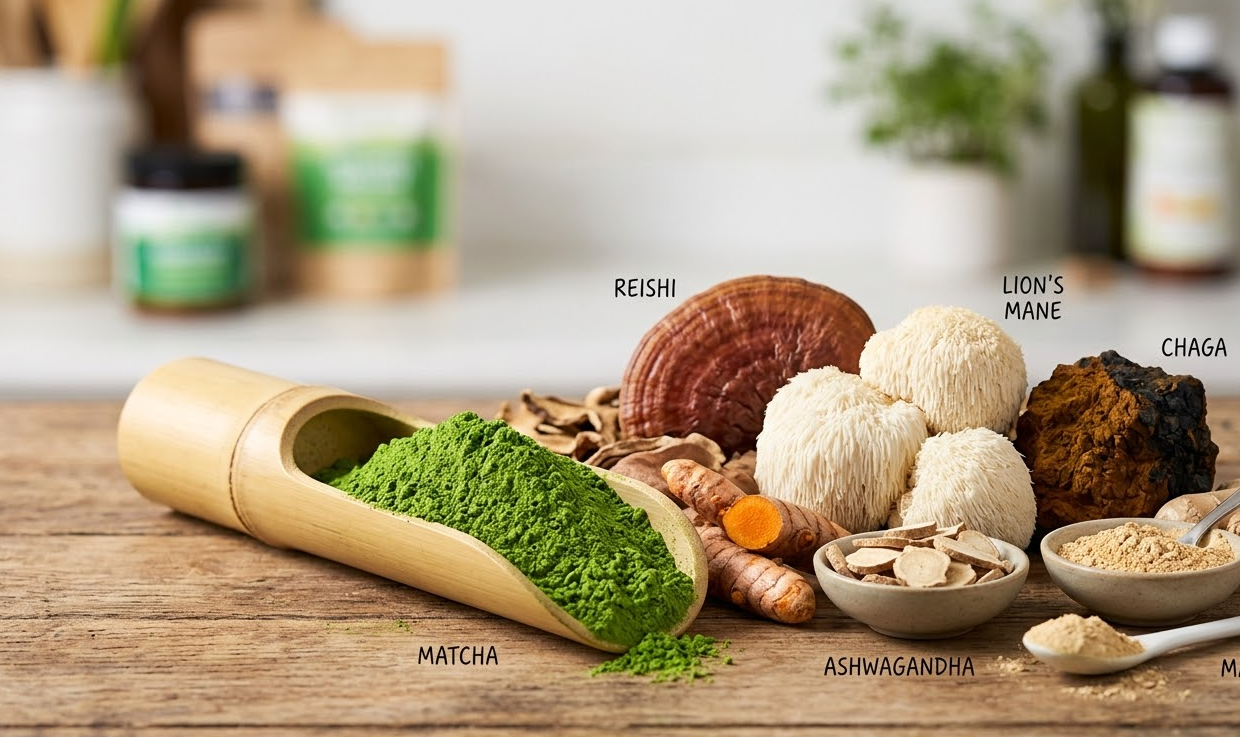
The next war in the beverage industry is being fought in "hyper-functional blends9." R&D directors are tasked with creating the ultimate cognitive-enhancing or stress-reducing drink. The problem is, many of these powerful plants come with very strong, earthy, and bitter flavors. When you mix in a standard-grade matcha, its delicate flavor is completely overwhelmed. The entire drink becomes a muddy mess of competing tastes, and the project fails. This is where you need a flavor weapon, not just an ingredient. The custom-grade matcha10 we develop for our largest clients has incredibly powerful flavor penetration. By carefully adjusting cultivation and processing parameters, we can amplify the pure umami and lasting tea aroma.
Flavor Profile: Standard vs. Flavor-Penetrating Matcha
| Blend Scenario | With Standard Matcha | With Our Custom Matcha |
|---|---|---|
| Flavor | Matcha notes are lost. Earthy, bitter tastes from adaptogens dominate. | Matcha's umami cuts through the earthiness, creating a balanced, pleasant taste. |
| Aroma | Muddled, weak aroma. | Clean, strong tea aroma complements other ingredients. |
| Result | Unbalanced, often unpalatable functional drink. | A delicious, premium functional beverage that consumers will enjoy. |
This specially designed matcha acts like a sharp knife, cleanly cutting through the "off" flavors of other ingredients. It perfectly balances the taste of a functional smoothie or sparkling water, invisibly rescuing a complex formulation and making it delicious.
Conclusion
Your innovative formulas are changing the world. You need an industrial-grade partner11 with certified, high-capacity production to help you scale your brand and win in the global beverage market.
Explore why consumers are shifting away from sugary energy drinks and what alternatives are gaining popularity in the market. ↩
Discover the importance of clean-label ingredients in modern beverages and how they appeal to health-conscious consumers. ↩
Learn how the combination of L-theanine and natural caffeine in matcha provides a unique 'calm alertness' beneficial for mental focus. ↩
Understand the factors contributing to the rapid growth of matcha drinks in the beverage industry. ↩
Explore the differences between Sencha powder and true matcha, and why it matters for product quality. ↩
Discover how the steam-fixing process helps preserve the color and flavor of matcha by preventing oxidation. ↩
Discover the benefits of adaptogens like Ashwagandha in beverages and how they contribute to functional drink formulations. ↩
Find out how matcha's bold umami and lasting aroma can balance and enhance the taste of complex beverage formulations. ↩
Explore the concept of hyper-functional blends in beverages and how matcha can enhance their flavor and effectiveness. ↩
Learn about the unique qualities of custom-grade matcha and how it can improve the taste and aroma of functional beverages. ↩
Understand the importance of partnering with an industrial-grade producer to scale your beverage brand successfully. ↩