Picking a matcha supplier feels risky. A bad partner can cause production delays and quality issues. I'll show you how to avoid the hidden dangers and choose confidently.
The biggest red flags are prices that are too low1, vague product origins2, a lack of real test reports, and inconsistency between samples and bulk orders. A supplier who isn't transparent about their process and capacity is a major risk to your business's stability and reputation.
I've been in this industry for over a decade. I've learned that the most dangerous supplier isn't the most expensive one. It's the one who hides critical information. Let's break down the warning signs I always look for, one by one.
Is the Price Too Good to Be True?
A super low price for matcha is tempting. But this often leads to poor quality and unreliable supply. Here's why you should be careful with cheap offers.
If a supplier's price is far below the market average but they claim top quality, be cautious. Real matcha has costs for good raw materials, proper processing, and testing. An unusually low price means a compromise was made somewhere, putting your product quality at risk.
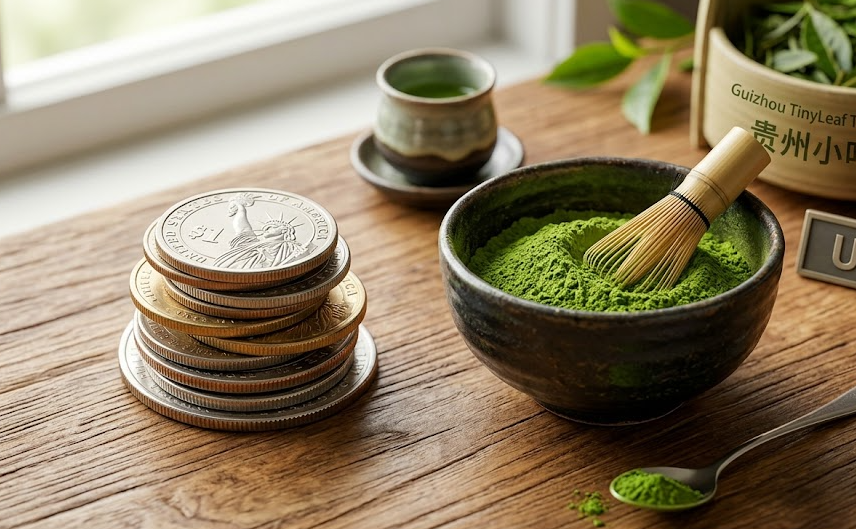
I always get suspicious when a quote seems impossibly low. High-quality matcha isn't just a simple powder. There are real costs involved that a supplier cannot avoid if they are doing things right.
Raw Material Costs
Good tencha, the raw tea leaf for matcha, is expensive to grow. This is especially true if it's organic and shade-grown properly to develop that deep umami flavor and vibrant color.
Processing and Milling
The specialized machinery and energy needed for steaming, drying, and stone-milling all add to the final cost. These steps are crucial for creating a fine, high-quality powder.
Quality Control
Lab tests for pesticides, heavy metals, and microbes are essential for food safety. These tests are not free, and skipping them is a huge risk.
A supplier offering a very low price is likely cutting corners. They might be using a lower-grade leaf, misrepresenting the origin, or skipping crucial safety tests. That low price isn't a good deal; it's a hidden danger.
Can They Explain Exactly Where the Matcha Comes From?
Your supplier says "premium matcha." But where is it from? Vague answers are a problem for quality and legal compliance. You need to know the full story.
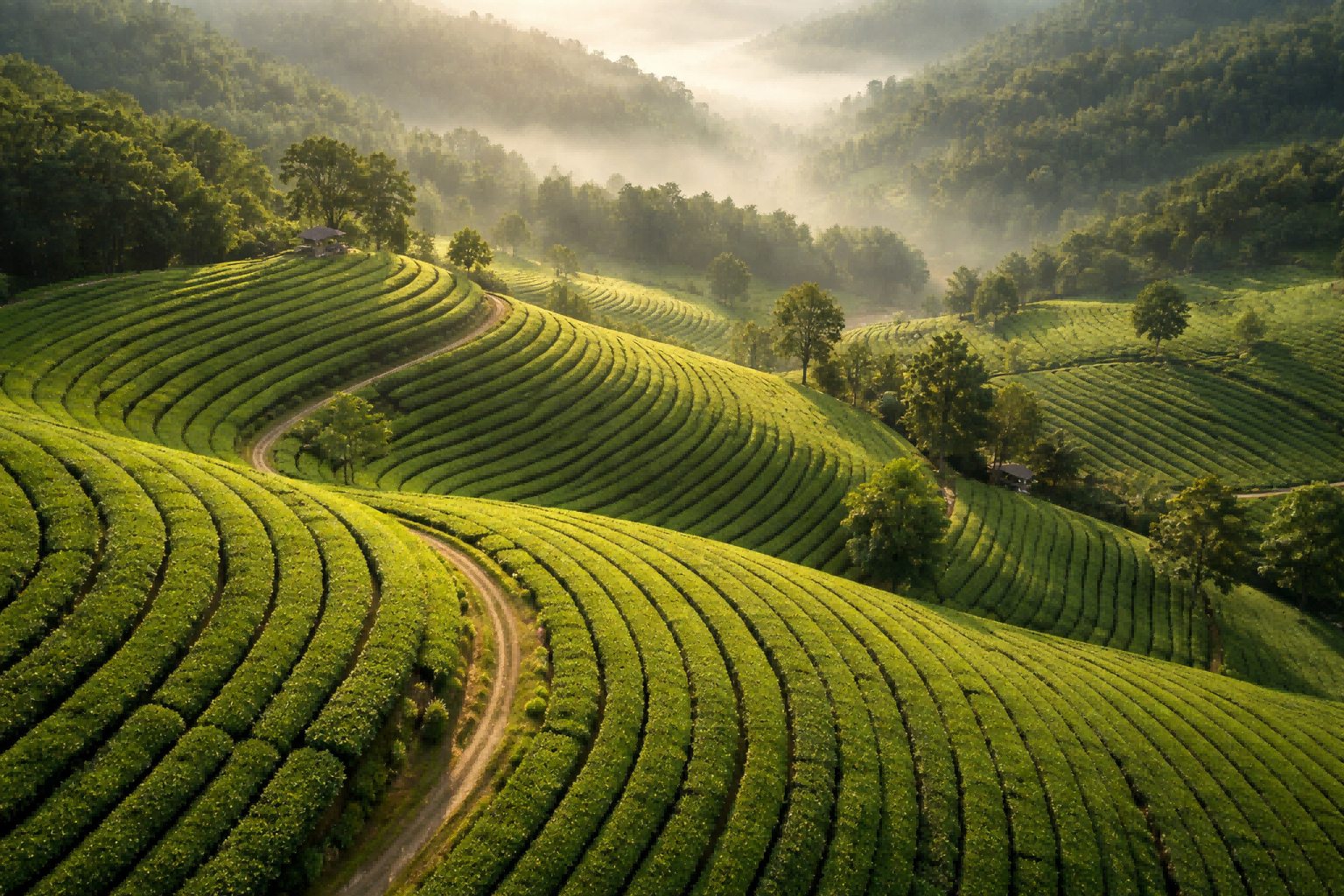
A reliable supplier will tell you the specific production region, processing methods, and have traceability for each batch. Vague terms like "Japanese matcha" are not enough. Clear origin information is crucial for labeling correctly and building trust with your customers.
When I ask a potential supplier about their matcha's origin, I'm listening for specifics. "It's from Asia" is not a good answer. A professional partner should be able to provide clear details without hesitation. This information is vital for your business because it affects everything from your product's story to your legal compliance.
| Information You Need | Why It Matters |
|---|---|
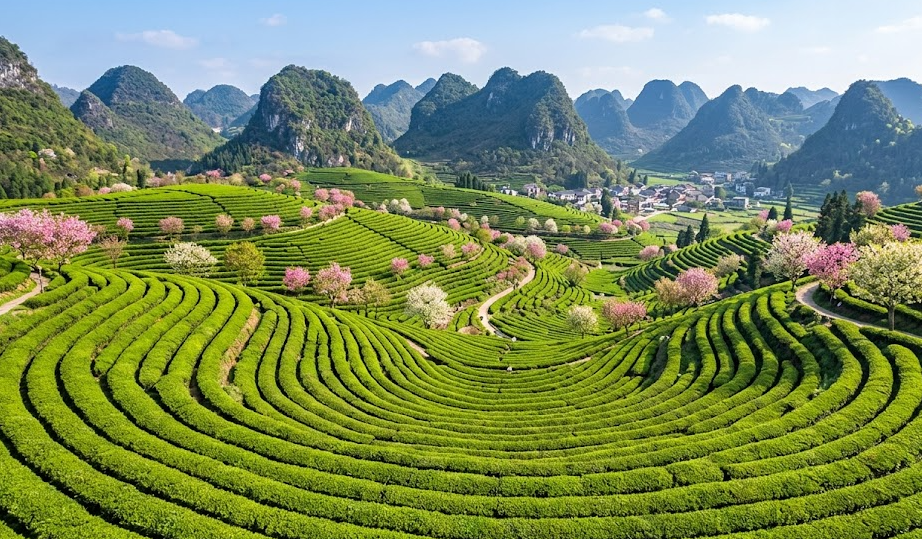
| Specific Region | Uji, Kagoshima, or Guizhou? The region affects the flavor profile. |
| Harvest Season | First harvest (spring) is different from summer or autumn harvests. |
| Processing Details | How was it shaded? Was it stone-milled or machine-milled? |
| Traceability Records | Can they trace a batch back to the specific tea garden? |
This isn't just about being curious. This information ensures your product labels are accurate and provides a way to trace any issues back to the source. A supplier who can't provide this is either hiding something or doesn't have a professional system in place.
Do They Provide Real Documents or Just a Pretty Sample?
The sample looks and tastes great. But can the supplier prove its safety and quality with paperwork? A good sample without documents means nothing for a bulk order.
A great sample is only the first step. You must see the documents for that specific batch. This includes a Certificate of Analysis (COA)3, plus reports for pesticides, heavy metals, and microbiological safety4. A serious supplier provides these documents as standard practice.
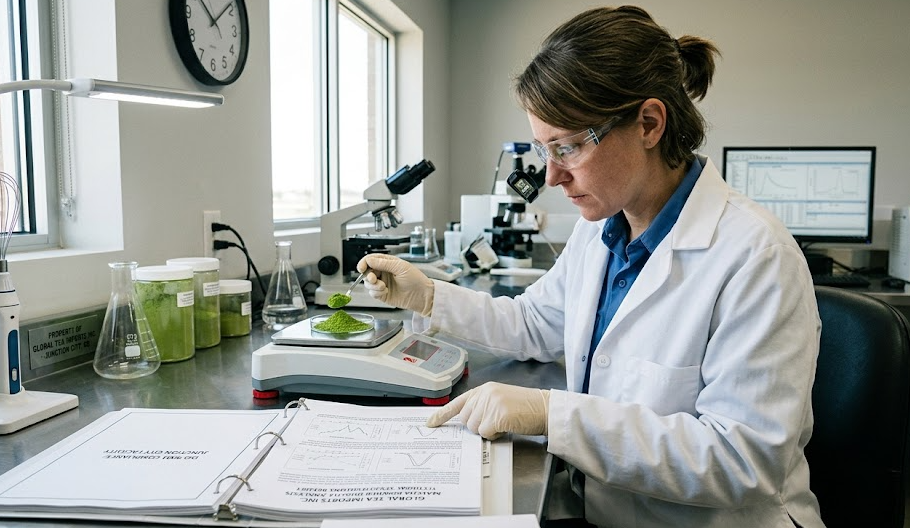
I've learned not to get too excited about a beautiful green sample. The real test is the paperwork that comes with it. A professional supplier should proactively provide a full set of documents for every batch, not just when you ask repeatedly.
Certificate of Analysis (COA)
This confirms key specs like particle size, moisture content, and color values. It proves the matcha meets technical requirements for your production.
Pesticide Residue Report
This is non-negotiable, especially for organic products. It must show compliance with your target market's regulations, like those in the EU or USA.
Heavy Metals & Microbiological Reports
These tests confirm the product is safe for consumption. Your brand's reputation depends on product safety, so these reports are critical.
If a supplier hesitates or makes excuses about providing these, I walk away. It suggests they either don't perform these tests or the results are not good.
Are Their Certifications Valid and Actually Relevant?
A supplier's website shows many certification logos5. But are they real? Expired or mismatched certificates are a serious red flag that you should not ignore.
Don't just look at the certification logos. Check if they are current and if the certified company name matches your supplier. Certificates like Organic, HACCP, or ISO are proof of a controlled system, but only if they are valid for the product you are buying.
Certifications are meant to build trust, but some suppliers use them just for decoration. I always do a quick check to make sure they are legitimate. It only takes a few minutes and can save you from big problems later.
First, I check the expiration date. An expired certificate is worthless. It means the supplier is no longer being audited or is not compliant with that standard.
Second, I check the company name and scope on the certificate. Does the name match the company I'm buying from? Sometimes, a trading company will show a factory's certificate, which can be confusing. I also check if the "scope" on the certificate includes matcha production. A certificate for "tea trading" is not the same as one for "matcha manufacturing." A reliable supplier will provide clear, current certificates that directly apply to their own operations.
Will Your Bulk Order Match the Sample You Approved?
The worst surprise is a bulk order that is nothing like the sample. This inconsistency can ruin your products. It's one of the biggest risks in sourcing matcha.
Inconsistency between the sample and the bulk order is a deal-breaker. The color, flavor, and texture must be stable from batch to batch. This is critical for brands that need to deliver a consistent product experience to their customers every single time.
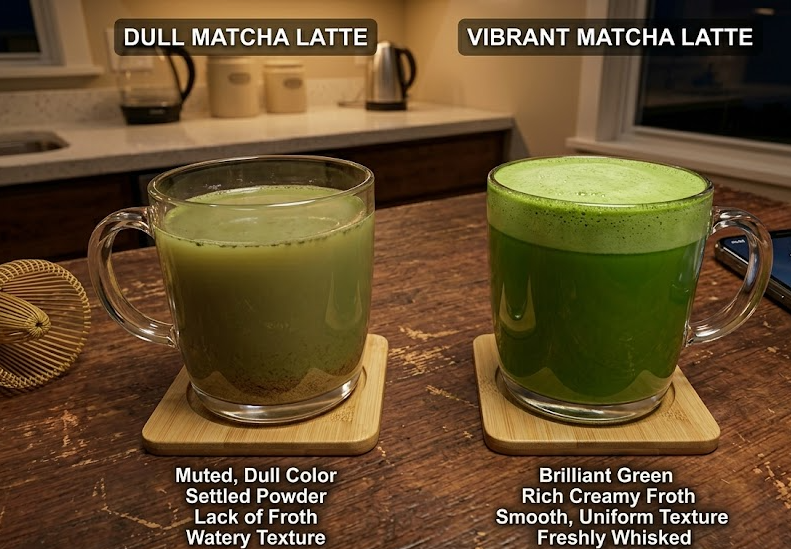
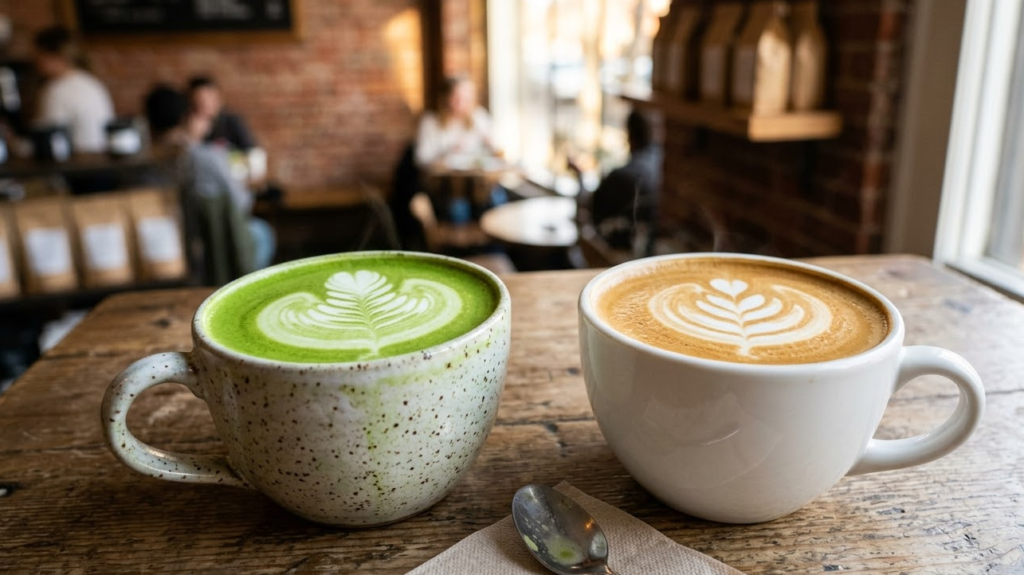
This is my biggest fear when working with a new supplier. A perfect sample means nothing if the 100kg shipment that follows is a different color or tastes bitter. For our customers in the beverage and food industry, consistency is everything. Imagine if a customer's favorite matcha latte tasted different every week. They would lose trust in the cafe.
Here are the key things that can change:
- Color: The vibrant green can turn dull or yellowish.
- Flavor: The smooth, umami taste can become weak or bitter.
- Texture: The fine powder can become coarse, affecting mouthfeel.
- Aroma: The fresh, clean scent can be replaced by a stale smell.
A good supplier has a quality control system to prevent this. They should be able to guarantee that the bulk production comes from the same quality system as the sample. I always ask them directly: "How do you ensure batch-to-batch consistency6?"
Do They Only Say "Best Quality" but Not How to Use It?
Many suppliers just use buzzwords like "ceremonial grade7." But do they know if it works in a latte or a cake? A supplier should understand your product needs.
A professional supplier doesn't just sell grades; they provide solutions. They should be able to recommend the right matcha for your specific application, whether it's for drinking, baking, lattes, or ice cream. "Top grade" is meaningless without context.
If a supplier's only sales pitch is "we have the highest grade," I become skeptical. A B2B buyer isn't just buying a fancy name. We are buying a functional ingredient that has to perform in a real-world product. A knowledgeable partner should ask questions about my needs. They should know that matcha for a latte needs a strong flavor to stand up to milk, while matcha for baking needs to hold its color when heated.
A supplier should understand that different products require different matcha characteristics:
- Pure Tea (Usucha): Needs a delicate flavor and very fine texture.
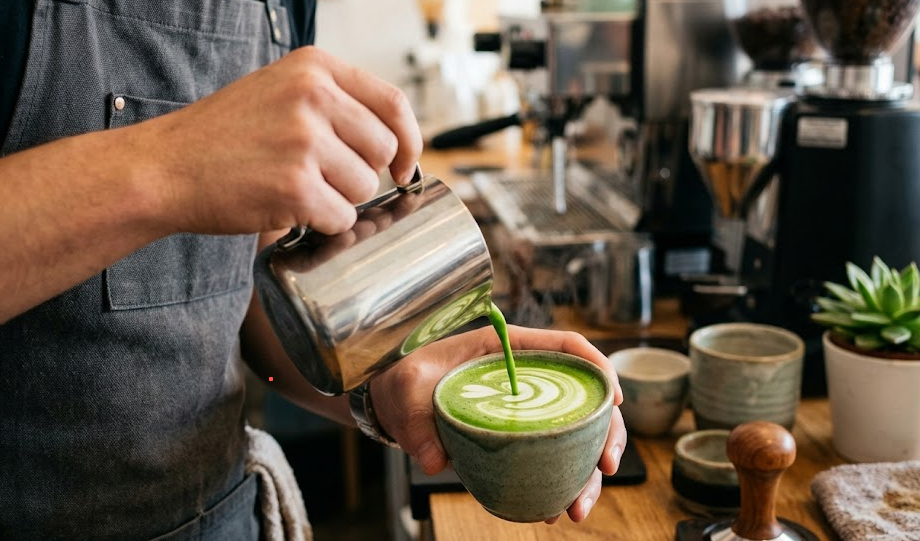
- Lattes: Needs a strong flavor and bright green color.
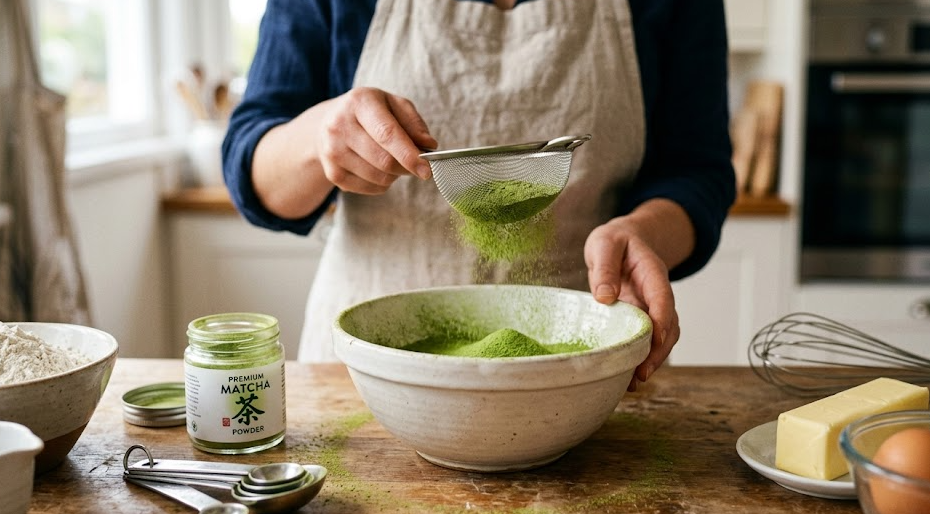
- Baking: Needs stable color and flavor8 that can withstand heat.
- RTD Beverages: Needs good stability and suspension.
If they can't guide you on what grade works best for your needs, they probably don't have the technical expertise to be a reliable partner.
Are They Vague About Their Supply and Delivery Capabilities?
They agree to everything at first. But when you ask about details, they get fuzzy. Unclear answers on supply capacity and lead times9 are a recipe for future problems.
A good supplier is clear about their capabilities. They can tell you their monthly production capacity10, lead times during peak season11, and if they can lock in a specific batch for you. Vague promises can lead to stockouts and production halts later on.
A low price is useless if the supplier can't deliver on time, especially during your busiest season. When I evaluate a new supplier, I push for clear answers on logistics and capacity. I've learned that vague answers are a major red flag.
Here are the questions I ask:
- What is your monthly production capacity for this grade?
- What is the standard lead time from order to shipment?
- How does this lead time change during peak seasons?
- Can you reserve a specific batch12 for me for future orders?
- Do you support partial shipments?
A supplier who stumbles on these questions likely has an unstable supply chain. They might be a small trader, not a manufacturer. Working with them means you risk running out of stock, which can stop your production line and damage your sales. A dependable partner gives you clear, confident answers.
Conclusion
In the end, choosing a matcha supplier isn't about finding the lowest price. It's about finding the most transparent and reliable partner for your business's long-term success.
"What's responsible for the massive gap in Matcha prices? : r/tea", https://www.reddit.com/r/tea/comments/9qtb3c/whats_responsible_for_the_massive_gap_in_matcha/. This source explains how unusually low prices in the matcha market often correlate with compromised quality due to cost-cutting measures in production and testing. Evidence role: mechanism; source type: research. Supports: Low prices for matcha often indicate compromises in quality or safety measures.. ↩
"[PDF] The Future of Traceability and Transparency in the Food System", https://ag.purdue.edu/cfdas/wp-content/uploads/2023/06/Traceability_CFDASWhitePaper_FINAL.pdf. This source discusses the importance of traceability in food products, including matcha, for ensuring quality and compliance. Evidence role: expert_consensus; source type: institution. Supports: Vague product origins are problematic for quality and legal compliance in matcha sourcing.. ↩
"How to Check Matcha Quality Before Bulk Ordering?", https://matchasourcing.com/how-to-check-matcha-quality-before-bulk-ordering/. This source outlines the role of Certificates of Analysis in verifying product specifications and safety in food production. Evidence role: definition; source type: education. Supports: A Certificate of Analysis is essential for verifying matcha's technical specifications and safety.. ↩
"The Benefits and Risks of Consuming Brewed Tea: Beware of Toxic ...", https://pmc.ncbi.nlm.nih.gov/articles/PMC3821942/. This source provides data on the necessity of testing for pesticides, heavy metals, and microbes in food products to ensure safety. Evidence role: statistic; source type: government. Supports: Testing for pesticides, heavy metals, and microbiological safety is critical for matcha quality assurance.. ↩
"Labeling Organic Products - Agricultural Marketing Service - USDA", https://www.ams.usda.gov/rules-regulations/organic/labeling. This source explains how certification logos like Organic and HACCP validate food safety and production standards. Evidence role: definition; source type: encyclopedia. Supports: Certification logos like Organic and HACCP are indicators of food safety and production standards.. ↩
"Why Consistency Matters When Choosing a Matcha Supplier", https://ichundu.com/blogs/news/choosing-a-matcha-supplier?srsltid=AfmBOor7JZthrOsFocubqyekm7VzlYqZ6lvAJzwiPh5wegV4mEC77crn. This source discusses the importance of maintaining consistency in food production to ensure customer satisfaction and brand reliability. Evidence role: expert_consensus; source type: education. Supports: Batch-to-batch consistency in matcha is critical for maintaining product quality and customer trust.. ↩
"Understanding the real difference between ceremonial and culinary ...", https://naokimatcha.com/blogs/articles/ceremonial-grade-matcha. This source defines ceremonial grade matcha and its specific characteristics compared to other grades. Evidence role: definition; source type: encyclopedia. Supports: Ceremonial grade matcha has specific characteristics that differentiate it from other grades.. ↩
"Catechins in green tea powder (matcha) are heat-stable scavengers ...", https://pubmed.ncbi.nlm.nih.gov/33773455/. This source discusses how heat stability affects the color and flavor of matcha in baking applications. Evidence role: mechanism; source type: research. Supports: Stable color and flavor are essential for matcha used in baking applications to withstand heat.. ↩
"Why Is 'Made in China' a Strength for Wholesale Matcha, Not a ...", https://matchasourcing.com/why-is-made-in-china-a-strength-for-wholesale-matcha-not-a-weakness/. This source highlights the importance of clear supply capacity and lead time information for avoiding production delays. Evidence role: mechanism; source type: education. Supports: Clear supply capacity and lead time information are crucial for avoiding production delays in matcha sourcing.. ↩
"Assessment and Prediction of the Food Production Capacity ... - PMC", https://pmc.ncbi.nlm.nih.gov/articles/PMC11675539/. This source explains how production capacity impacts supplier reliability and delivery timelines in the food industry. Evidence role: mechanism; source type: research. Supports: Monthly production capacity is a key factor in evaluating a matcha supplier's reliability.. ↩
"From holiday feasts to new-year savings, U.S. food sales shift with ...", http://www.ers.usda.gov/data-products/charts-of-note/chart-detail?chartId=110900. This source discusses how lead times can vary during peak seasons and their impact on supply chain management. Evidence role: mechanism; source type: education. Supports: Lead times during peak season are critical for managing matcha supply chains effectively.. ↩
"Barista Reserve Matcha - Matcha Powder Supplier & Manufacturer", https://matchasourcing.com/product/barista-reserve-matcha/. This source explains the benefits of batch reservation in ensuring consistent quality and supply in food production. Evidence role: mechanism; source type: research. Supports: Reserving a specific batch helps ensure consistent quality and supply in matcha sourcing.. ↩