Struggling to find a stable wholesale matcha supplier1? You see "Naturally Made in China" and hesitate, worried about quality. This bias might be costing you a reliable partner.
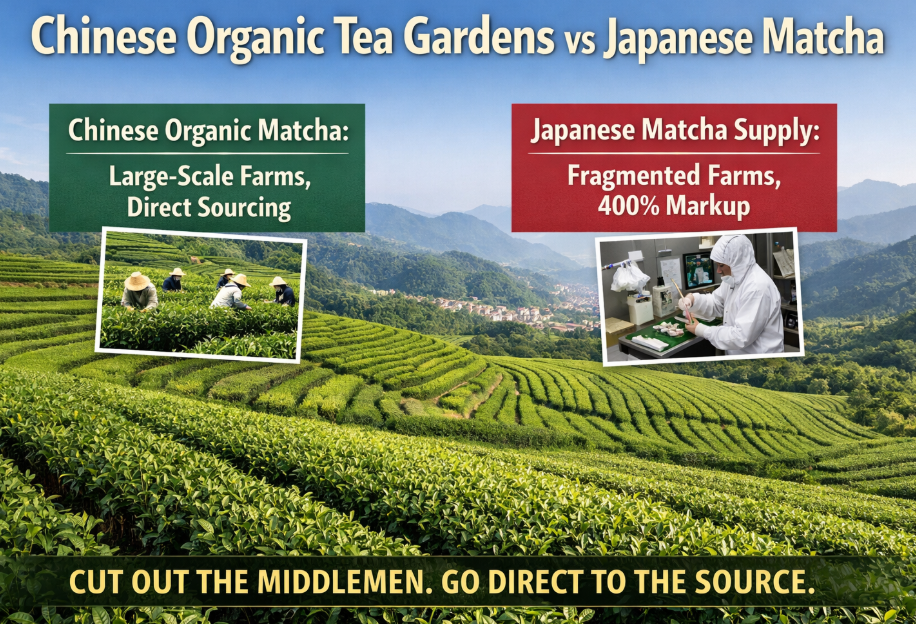
For large-scale commercial sourcing, a supplier's country of origin is less important than its supply chain capability2. A robust Chinese supply chain3 offers the stability, compliance, and scale that many wholesale buyers need, which is often difficult to find in smaller, more fragmented markets.
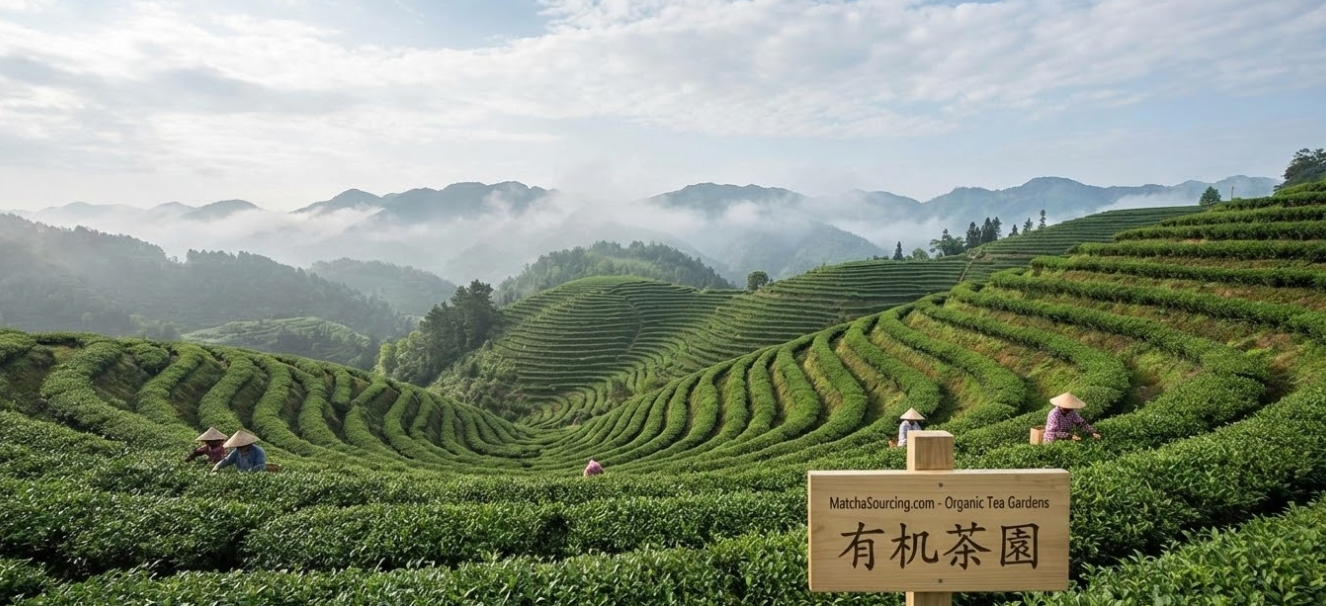
When I talk to new clients about sourcing matcha in bulk, the "Made in China" label often comes up. I understand the hesitation. For years, the retail market has told us that premium matcha must come from Uji or Shizuoka in Japan. That story works well for selling a single tin of expensive tea. But the moment your business needs to buy matcha by the ton, the story changes completely. You are no longer buying a label; you are investing in a supply chain. Your focus shifts from a romantic origin story to the hard reality of logistics, consistency, and compliance. This is where a modern, industrialized Chinese supply chain becomes a powerful asset, not a liability.
Should You Prioritize Origin Labels or Supply Chain Control for Bulk Matcha?
You believe the "Made in Japan" label guarantees quality. But for large, repeating orders, this focus creates bottlenecks and supply risks. You need to shift your perspective to supply chain control.
For bulk commercial use, supply chain control is your top priority. It ensures a stable source of raw materials, a complete traceability system4, and consistent delivery at scale. Small, artisanal farms, common in Japan, often cannot provide this for multi-ton orders.
In my experience, the logic for buying retail matcha is completely different from buying it wholesale. When you buy a small tin for your kitchen, the story matters. An ancient farm in Uji or a special hand-harvesting technique can justify a high price. But when you need several tons of matcha for a commercial beverage line, your priorities must change. You need a partner who can deliver the same quality, in the same quantity, on the same schedule, month after month.
This is the difference between an origin label and supply chain control.
From Retail Story to Wholesale Reality
In large-scale purchasing, your business depends on predictable inputs. Here’s what that really means:
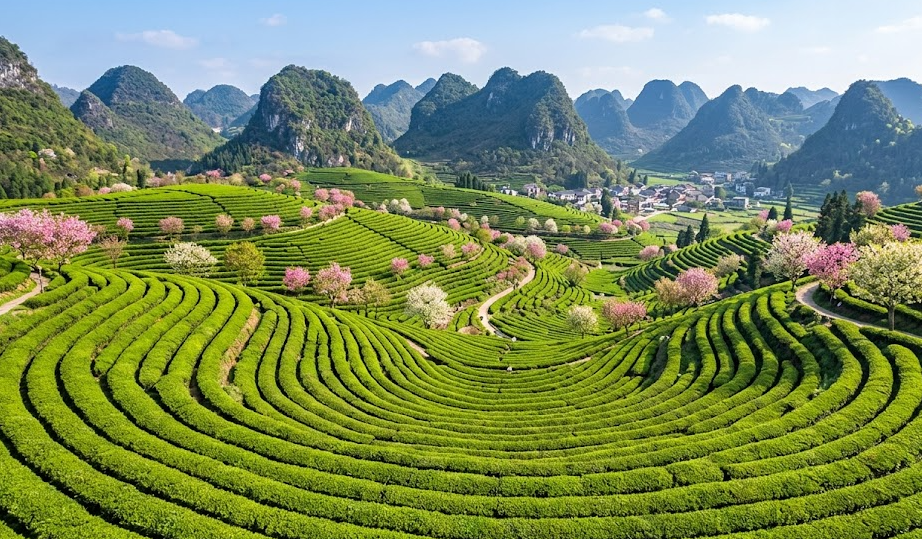
- Stable Raw Material Source: You can't base a national product launch on a tea garden that only produces a few hundred kilograms a year. You need access to large, dedicated farms, like our 2,300+ mu of organic tea gardens in Guizhou5.
- Full Traceability: If a customer has a question or a regulator performs an audit, you need to be able to trace your matcha back to the exact batch and plot of land it came from.
- Long-Term Supply: Your business is growing. Your supplier needs to be able to grow with you, with the capacity to handle orders for a few tons today and dozens of tons tomorrow.
- Meets International Standards: Your supplier’s facility must be ready for audits from major international bodies.
The reality is that while Japan produces incredible matcha, its industry structure is fragmented. Many of the best tea gardens are small and family-owned, making it difficult to secure large, consistent volumes. We built our supply chain in China specifically to solve this problem for wholesale buyers.
What Does 'Naturally Made' Really Mean for Organic Matcha Certifications?
"Natural" is a vague and often misleading marketing term. Relying on it without proof can lead to inconsistent quality and major compliance issues6, hurting your brand's credibility and bottom line.
"Naturally made7" means having a verified, systematic approach to organic farming and production. It requires stable growing regions, clear management processes, and consistent standards that can be audited. This is the foundation for earning certifications like USDA Organic8, EU Organic, and JAS Organic.
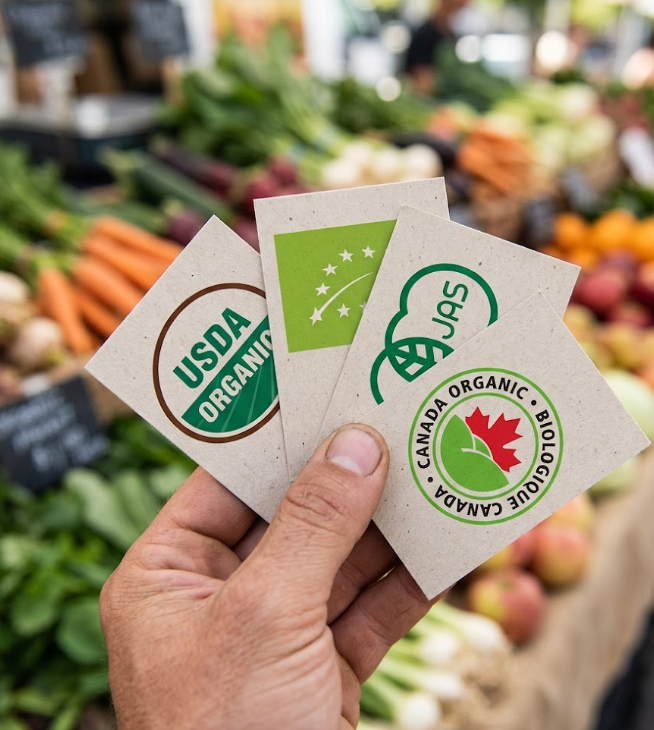
When we say our matcha is "naturally made," we aren't just talking about avoiding pesticides. We are talking about a complete, auditable system. For international markets, a simple claim is not enough. You need proof. This proof comes from a supply chain designed from the ground up to meet and exceed global organic standards. A truly sustainable and scalable organic system isn't an accident; it's a deliberate engineering choice.
Here’s what it takes to build one:
The Pillars of a Verifiable Organic System
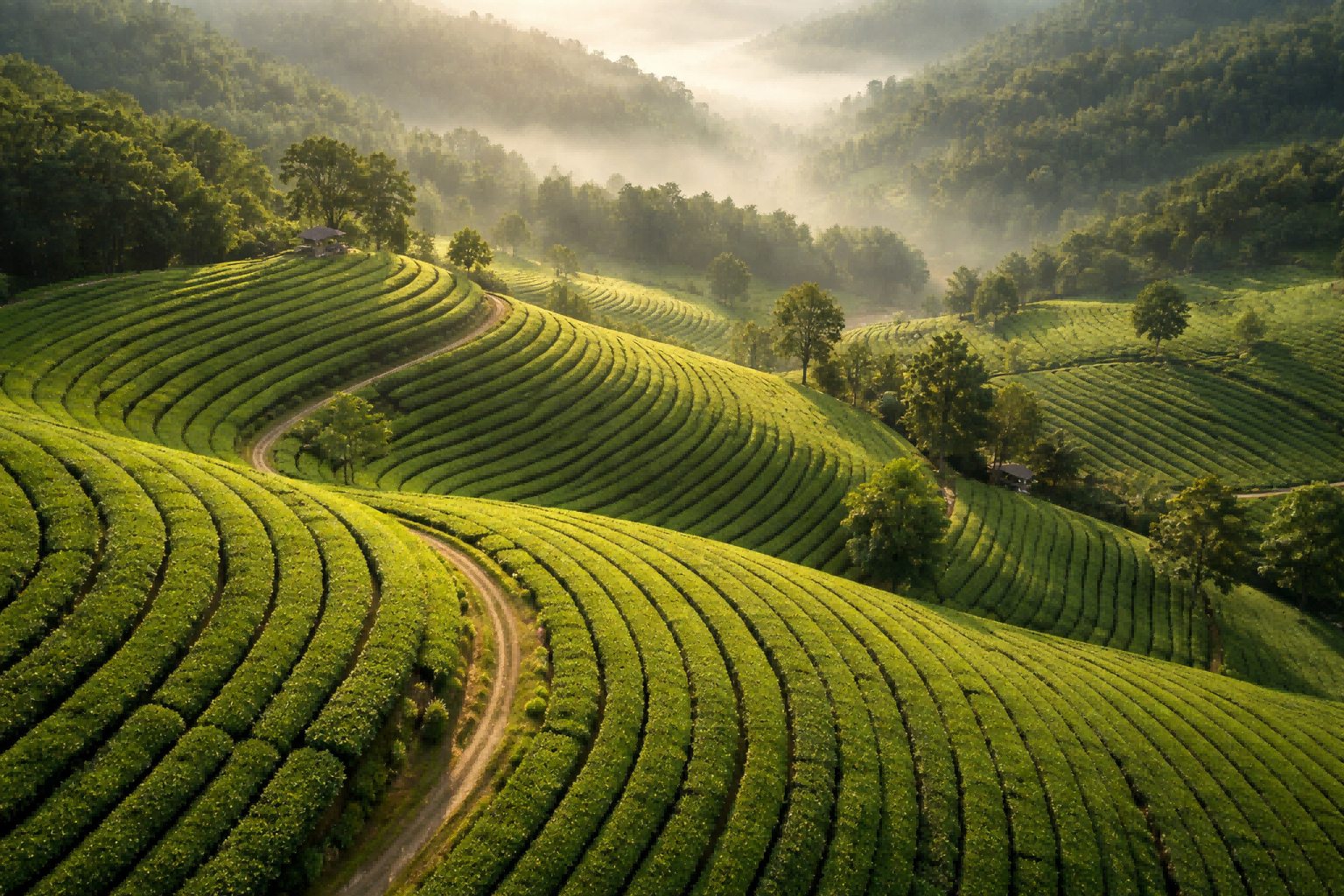
- Stable, Isolated Planting Region: Our tea gardens are located in the high-altitude region of Guizhou, far from industrial pollution. This isolation is critical for preventing contamination.
- Verifiable Management Processes: Every action, from managing pests with natural methods to scheduling harvests, is documented. This creates a clear record for traceability.
- Consistent Production Standards: We follow the same strict protocols for every batch, ensuring that the matcha we produce in June is just as compliant as the matcha we produce in September.
- Single-Origin Control: Because we manage the entire process from our own tea gardens, we can guarantee a true single-origin product. This eliminates the variability that comes from mixing materials from different farms.
This is the system that allows us to hold multiple major international certifications. These aren't just logos we put on a box. They are proof that our supply chain structure has been rigorously tested and validated.
| Certification | What It Verifies |
|---|---|
| EU Organic | Strict compliance with European Union organic farming and processing standards. |
| JAS Organic | Meets the rigorous organic requirements for the Japanese market. |
| USDA Organic8 | Confirms adherence to the United States Department of Agriculture's organic regulations. |
| Rainforest Alliance9 | Demonstrates commitment to environmentally and socially responsible practices. |
How Do You Ensure Batch-to-Batch Consistency in Commercial Matcha?
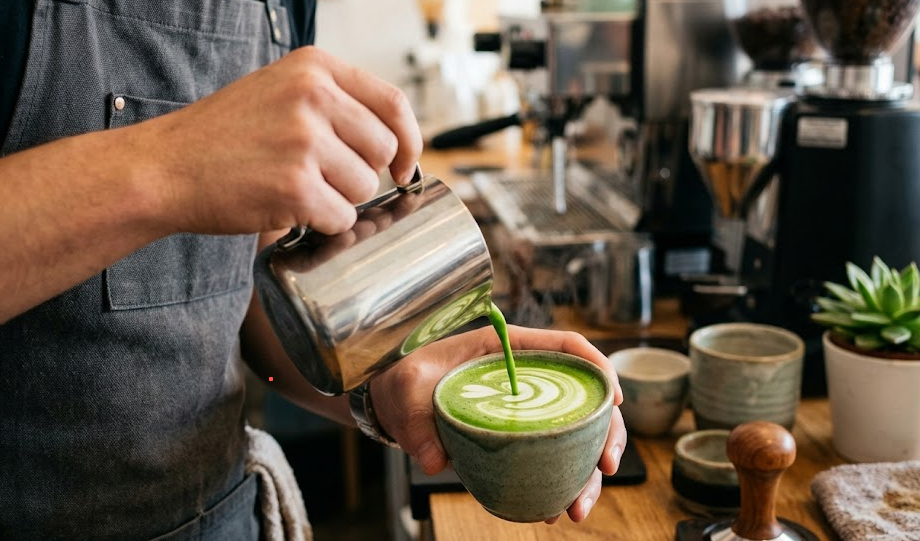
Your matcha lattes taste different every time your café makes them. This inconsistency confuses customers and damages your brand's reputation for quality, making them hesitant to order again.
True consistency comes from a mature, industrialized production system. This involves standardized steam-fixing10, precise shade management11, and industrial-grade milling, all governed by quality systems like HACCP and ISO 900112 and verified with batch-level Certificates of Analysis (COA).
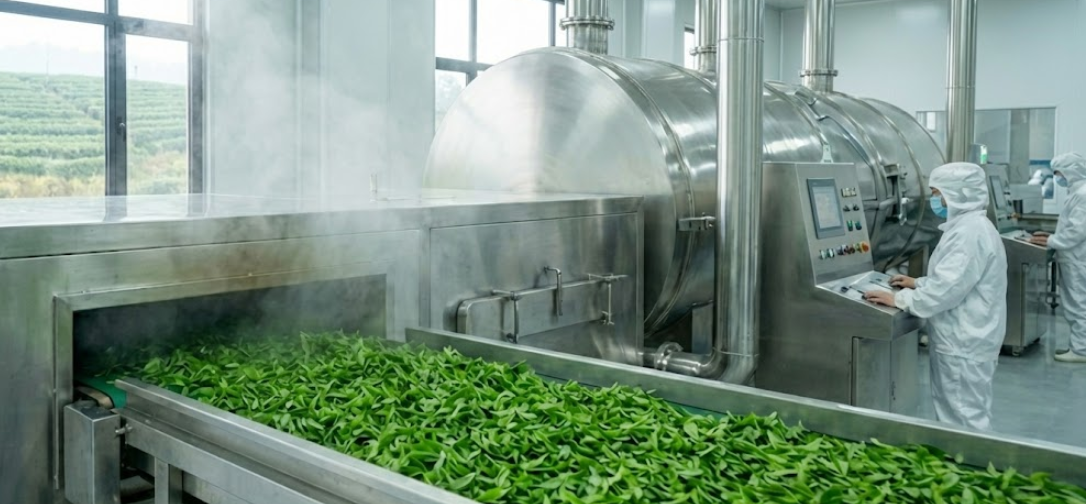
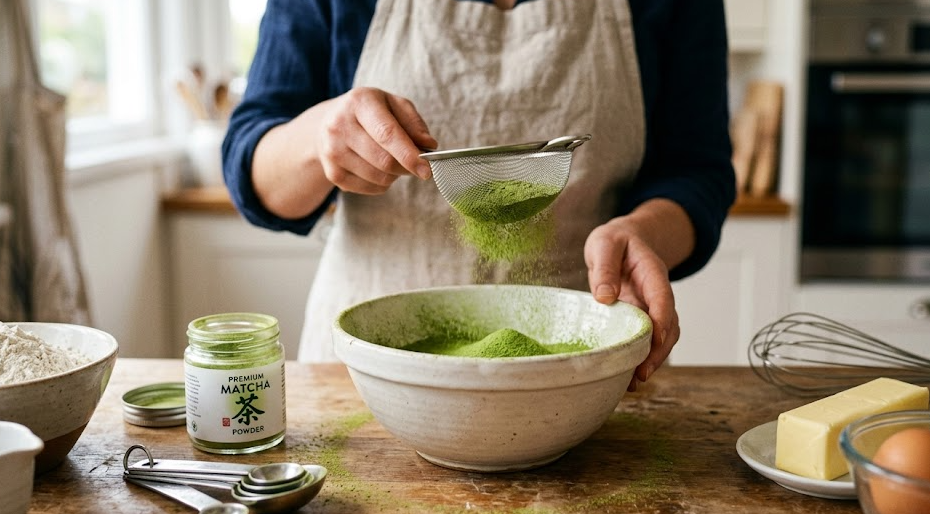
For commercial applications like drinks, baked goods, or ready-to-drink products, the single most important quality metric is not the exquisite taste of one perfect cup. It is consistency. Your customer expects your matcha chocolate bar to taste the same in December as it did in July. This level of consistency can only be achieved through a combination of traditional craft and modern industrial capability.
I remember a client who made beautiful matcha ice cream, but they were struggling. Their previous supplier sent them matcha that varied in color and bitterness from one order to the next. One month the ice cream was vibrant green and smooth; the next it was yellowish and astringent. Their customers noticed.
When they switched to us, we didn't just sell them matcha. We provided them with a specific grade that had a guaranteed range for color and taste, backed by data.
The Data That Guarantees Consistency
A professional supplier should provide more than just matcha powder. They should provide data that proves its quality and consistency.
- Standardized Processes: We use modern equipment for key steps like steam-fixing10 to halt oxidation and lock in color, and our shade-growing periods are precisely managed to boost amino acid content for a smoother taste.
- Quality Management Systems: Our facilities are certified with HACCP and ISO 9001. These aren't just about safety; they are systems designed to ensure repeatable outcomes.
- Batch-Level Data (COA): For every batch we ship, we can provide a Certificate of Analysis (COA)13 with key data points. This is your ultimate guarantee of consistency.
Look for these metrics from your supplier:
- *Color Value (Lab):** A scientific measurement of color. We can guarantee a specific range of greenness.
- Particle Size (Mesh): Crucial for texture and mouthfeel, especially in drinks and desserts.
This data-driven approach is what separates a professional ingredient supplier from a simple tea merchant.
Can International Matcha Sourcing Be as Easy as Buying Locally?
You want to source matcha directly from the origin to get better costs. But you are intimidated by the complexities of international freight, customs, taxes, and endless paperwork.
Yes, it can be just as easy. When your supplier offers a Delivered Duty Paid (DDP)14 shipping model, they manage all the logistics. This includes handling freight, customs clearance, and all taxes. Your only job is to receive the goods at your warehouse.
For many buyers in the US and Europe, the biggest headache isn't producing the product; it's getting it across the ocean and through customs. This is the hidden challenge of global sourcing. I've heard stories of shipments getting stuck at the port for weeks due to a small paperwork error, or unexpected tax bills wiping out the entire profit margin. It’s a major reason why many businesses choose to pay a premium to local distributors.
However, a sophisticated supplier can eliminate this entire problem. We realized early on that our job doesn't end when the matcha leaves our factory. It ends when it arrives safely at our client's warehouse. That's why we invested in building a robust international delivery capability.
How DDP Makes Global Sourcing Simple
The Delivered Duty Paid (DDP)14 model is the solution. It’s the gold standard for international trade because it makes the buyer’s experience incredibly simple. Here’s how it works:
- You place an order. We give you one final, all-inclusive price.
- We handle everything. Our team manages the ocean or air freight, prepares all customs documentation, and works with our logistics partners to clear the shipment.
- We pay all the fees. The price you were quoted includes all transportation costs, import duties, and taxes. There are no surprise bills.
- The matcha arrives at your door. A local truck delivers the shipment directly to your facility. You simply sign for it.
This process turns a complex international transaction into something that feels just like a domestic purchase. You get the cost benefits of sourcing directly from the origin without any of the logistical headaches. It's the best of both worlds.
Conclusion
In wholesale matcha, the right choice is not about the country on the label. It is about finding a partner with a stable, verifiable, and scalable supply chain system.
Get Your Custom Matcha Supply Solution
If you are looking for a supply chain partner for your growing business, we are here to help. We support brands that need stable, compliant, and high-quality matcha for the US, EU, and Japanese markets.
Welcome to contact our team through the form on this page. We can provide you with:
- Guidance on certifications and compliance for your target market.
- Matcha grade recommendations for beverages, baking, or industrial use.
- Batch-level quality data support (COA).
- Bulk purchase quotations and cost optimization plans.
- DDP door-to-door delivery solutions.
After you submit the form, our team will work with you to create a matcha supply plan designed for scale.
Finding a reliable supplier is crucial for consistent quality and supply in your business. Explore resources to identify trustworthy matcha suppliers. ↩
Learn how supply chain capability impacts the reliability and efficiency of matcha supply, ensuring consistent delivery and quality. ↩
Understanding the advantages of a Chinese supply chain can help you leverage stability and scale for your matcha sourcing needs. ↩
Explore how traceability systems ensure quality control and compliance, providing transparency from farm to table. ↩
Discover the unique qualities of Guizhou's tea gardens that contribute to high-quality organic matcha production. ↩
Learn how to navigate compliance challenges in matcha sourcing to protect your brand and ensure product quality. ↩
Understand the significance of 'naturally made' in matcha certifications and how it affects product quality and compliance. ↩
Explore the USDA Organic certification process to ensure your matcha meets stringent organic standards. ↩
Explore the environmental and social benefits of Rainforest Alliance certification in matcha production. ↩
Discover the steam-fixing process and its importance in preserving matcha color and flavor during production. ↩
Learn about the role of shade management in enhancing matcha flavor and quality, crucial for premium products. ↩
Discover how these certifications ensure safety and quality in matcha production, enhancing reliability and trust. ↩
Understand how COA provides assurance of matcha quality and consistency, essential for informed purchasing decisions. ↩
Understand how DDP can streamline the logistics of international matcha sourcing, making it as easy as local purchasing. ↩