Struggling to import bulk matcha without costly surprises? You see low prices, but hidden fees and quality issues are eroding your profits. This guide helps you secure your supply chain.
The most common mistakes are focusing only on the factory price, using the wrong grade for your application, trusting suppliers without full traceability1, and signing contracts based on a small sample. Avoiding these pitfalls is key to a stable and profitable matcha supply chain.
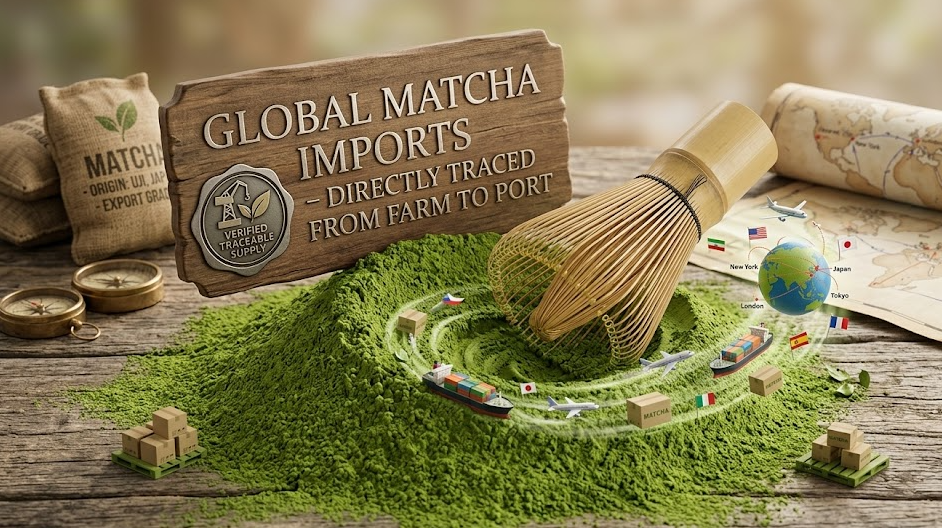
Over the years, I’ve seen many ambitious purchasing directors and new brand founders pay a painful "tuition fee" when importing matcha. They think buying matcha is as simple as buying packaged food online. You compare prices, taste a few samples, and sign a contract. But in the real world of international B2B trade, bulk matcha is a deep-water zone filled with physical, chemical, and legal mines. Based on our experience at MatchaSourcing.com delivering thousands of tons, I want to share the four deadliest mistakes importers make. If you can avoid these, your supply chain will already be ahead of 90% of your competitors.
Are You Just Looking at the FOB Price and Ignoring the Hidden Bills?
Fixating on the factory price2 is a huge financial mistake for new importers. They see a very low per-kilogram price and feel proud. They don't realize the real trouble comes later.
Don't get trapped by low FOB (Free On Board) prices. Your actual cost includes freight, duties, and unexpected fees. Always calculate your total Landed Cost3 or demand a DDP (Delivered Duty Paid) quote to transfer risk to the supplier.
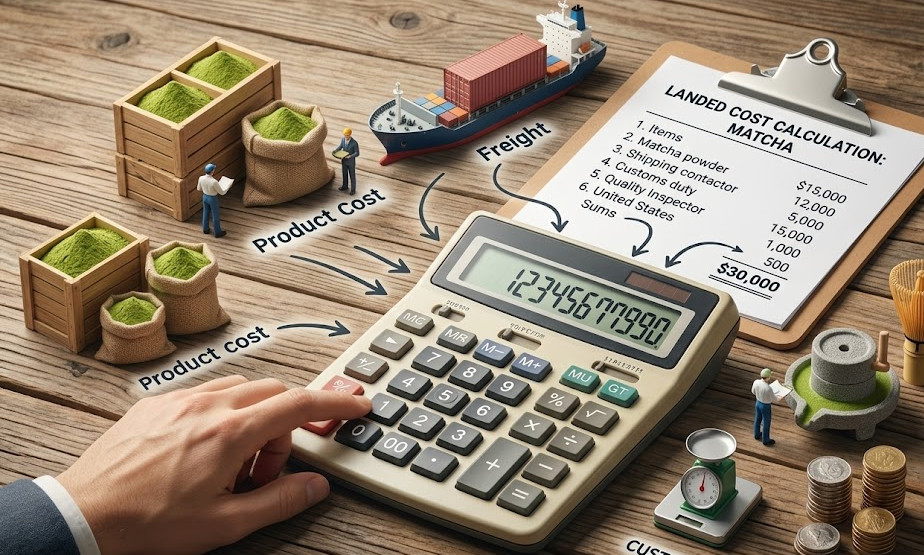
Once the goods leave the port, your costs can explode. You might face surging ocean freight rates, fines for customs clearance delays, FDA Prior Notice fees, complex import tariffs, and warehousing fees because of missing documents. These costs can eat up your profits like a black hole. When you do the final math, your actual landed cost could be 40% higher than your budget. A mature bulk buyer never looks at the factory price2 alone. They demand a DDP quote from a capable source factory like us. This shifts all the risk of international logistics and customs clearance to our dedicated account managers. Every penny you pay is the final cost for the matcha to arrive safely in your warehouse.
FOB vs. DDP: Who Carries the Risk?
Understanding your shipping terms is critical. It determines who is responsible for the goods at every step of the journey. Most new importers don't see the danger hidden in a low FOB price4.
| Term | Seller's Responsibility | Buyer's Responsibility | Best For |
|---|---|---|---|
| FOB (Free On Board) | Get goods to the departure port. | All costs and risks from that point on (ocean freight, insurance, customs, import duties, final delivery). | Experienced importers with their own logistics teams. |
| DDP (Delivered Duty Paid) | All costs and risks until the goods are delivered to the buyer's final destination. | Simply receive the goods. | Importers who want cost certainty and minimal risk. |
Always ask for your Landed Cost3. That is the only number that matters. By asking for a DDP quote, you force the supplier to take responsibility for the entire journey. At MatchaSourcing.com, we handle this for our partners every day. You pay one price, and we manage the rest.
Are You Using the Wrong Matcha Grade for Your Product?
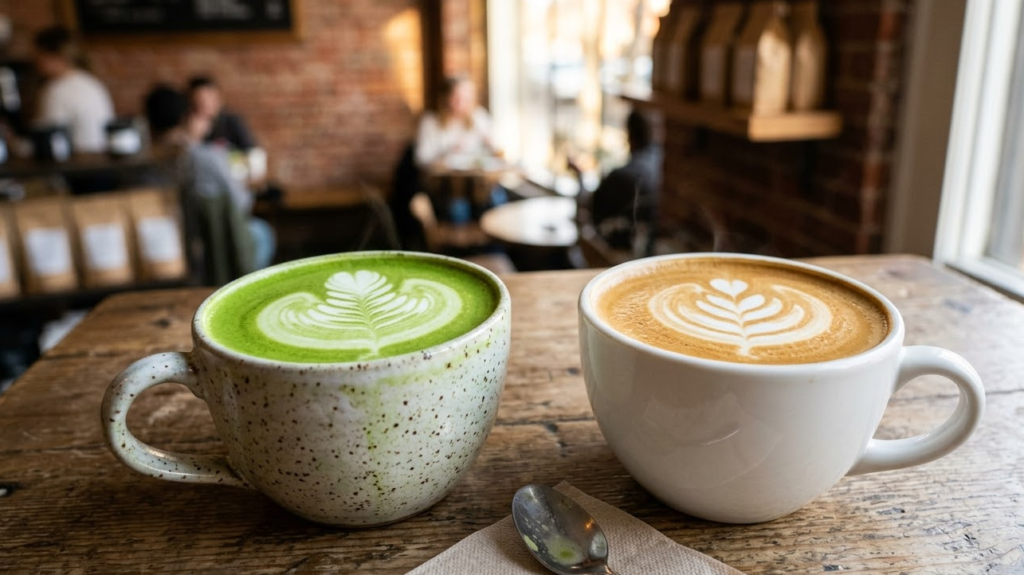
Many buyers have a romantic idea about matcha. They believe buying the most expensive "Ceremonial Grade5" will automatically make the best lattes or baked goods. This is a recipe for disaster.
Stop using delicate Ceremonial Grade5 for lattes or baking. Its subtle flavor gets completely lost. Instead, choose a robust Café or Culinary Grade6 designed to maintain its color and taste with other ingredients.
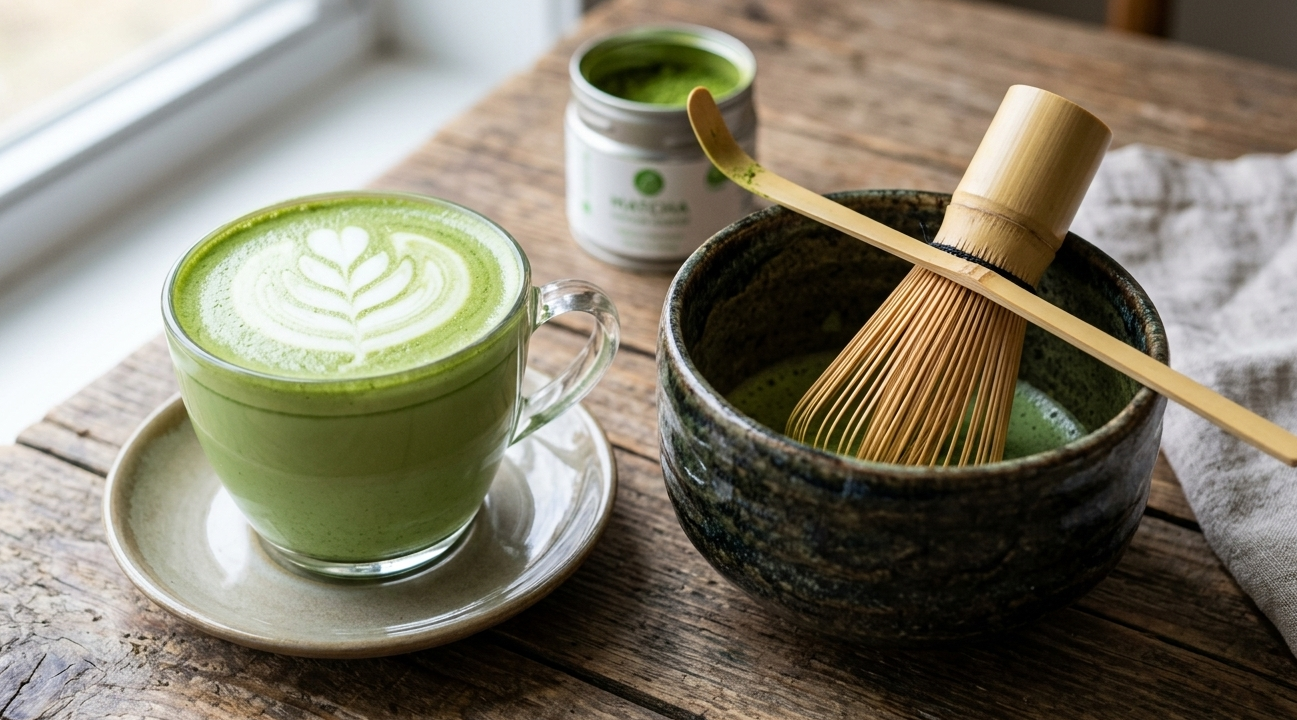
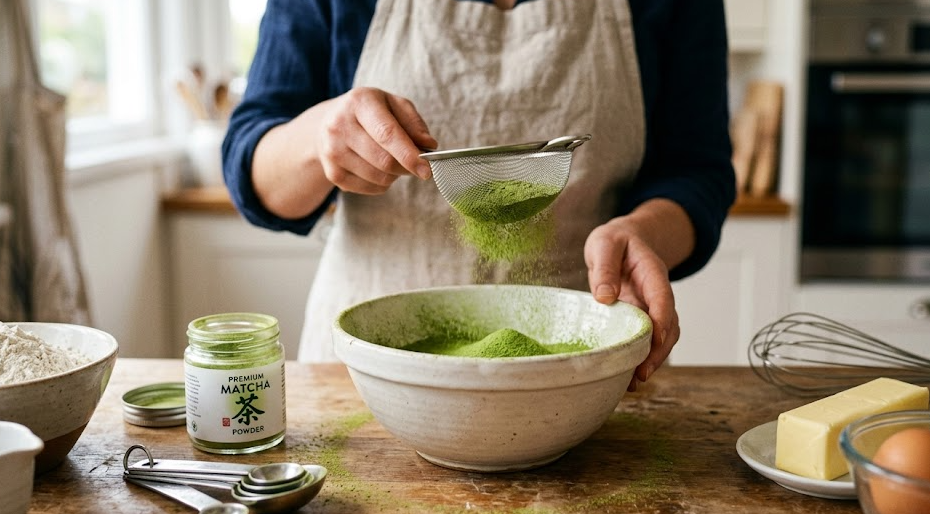
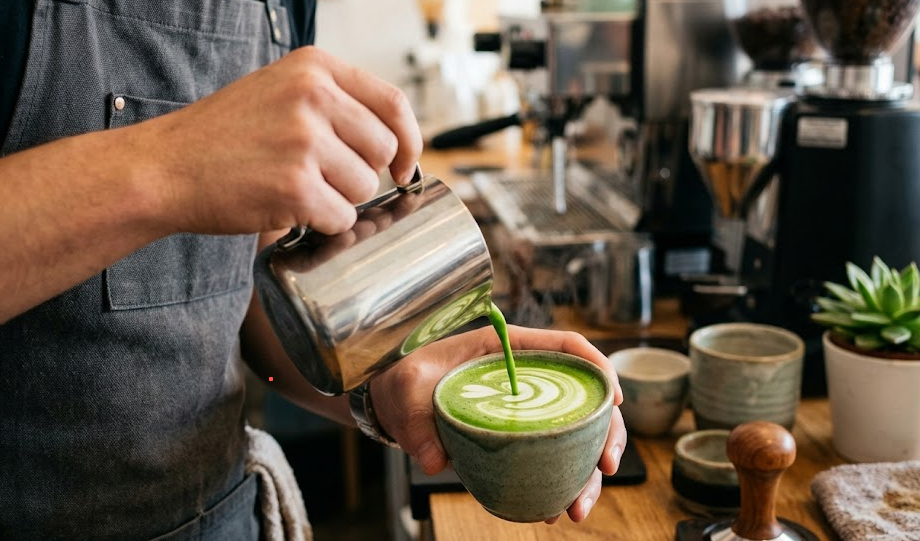
Ceremonial grade matcha is made for a specific purpose. You whisk it with warm water in a bowl to enjoy its delicate, nuanced flavor. It is extremely fragile. The moment you throw it into a 180°C oven or mix it with heavy oat milk and lots of ice, its flavor is killed. The fat, sugar, and high heat destroy its profile. You end up with a disappointing, muddy-yellow drink. You paid a very high price for a terrible customer experience. You must abandon marketing terms and buy your matcha based on its "extreme physical scenario." If you run an F&B chain, ask directly for an industrial-customized Café or Culinary Grade6. We use specific processes to give these grades very strong flavor and color penetration. They can cut through the richness of milk or plant-based alternatives like a sharp knife. This is the real tool that protects your quality and your profit margins.
Match the Grade to the Application
Using the right grade isn't about saving money; it's about creating a better product. Each grade has a job.
| Grade Type | Best Use Case | Key Characteristics | Why it Works |
|---|---|---|---|
| Ceremonial Grade5 | Drunk with water only | Delicate, sweet, umami, vibrant green. | Its subtle notes are meant to be enjoyed alone, without competing flavors. |
| Café / Latte Grade | Lattes, smoothies, iced drinks | Strong flavor, good color retention, balanced bitterness. | Designed to stand up to milk, sugar, and ice without getting lost. |
| Culinary / Kitchen Grade | Baking, chocolate, ice cream | Robust flavor, heat-stable color, often stronger astringency. | Engineered to survive high heat and mixing with fats and flours. |
Don't let marketing terms dictate your ingredient choices. Think like a food scientist. What job does the matcha need to do? Then, select the grade that is built for that job. Our team helps partners do this every day, ensuring they get the best performance for their specific application.
Is Your Supplier's 'Organic' Label Really Protecting You from Customs Risks?
Many importers feel safe when they see "Japanese" or "Organic" on the packaging. They don't dig deeper into the supplier's underlying agricultural structure. This is a huge gamble.
An "organic" label isn't enough. Many asset-light traders blend tea from hundreds of small farms. If one farm fails a residue test, your entire multi-ton shipment is at risk. Always work with a single-estate supplier.
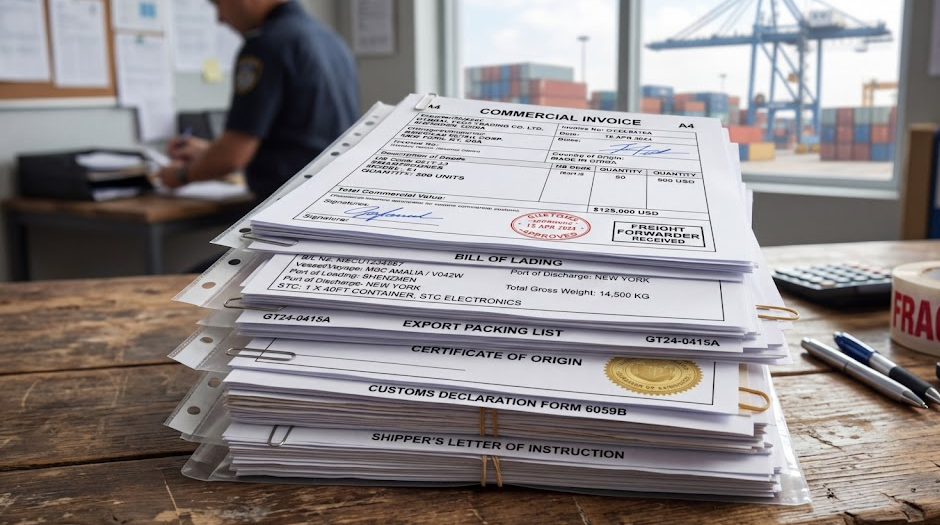
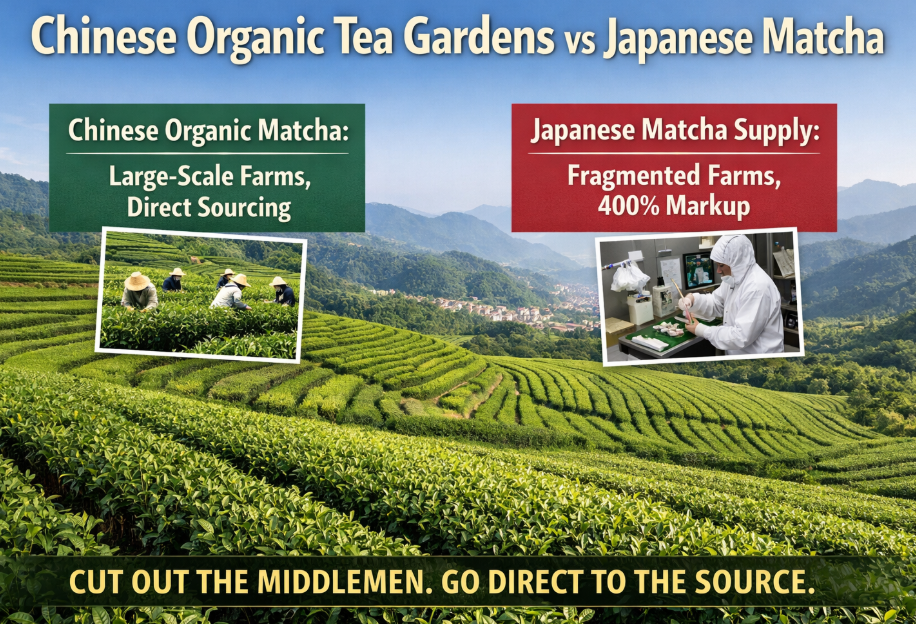
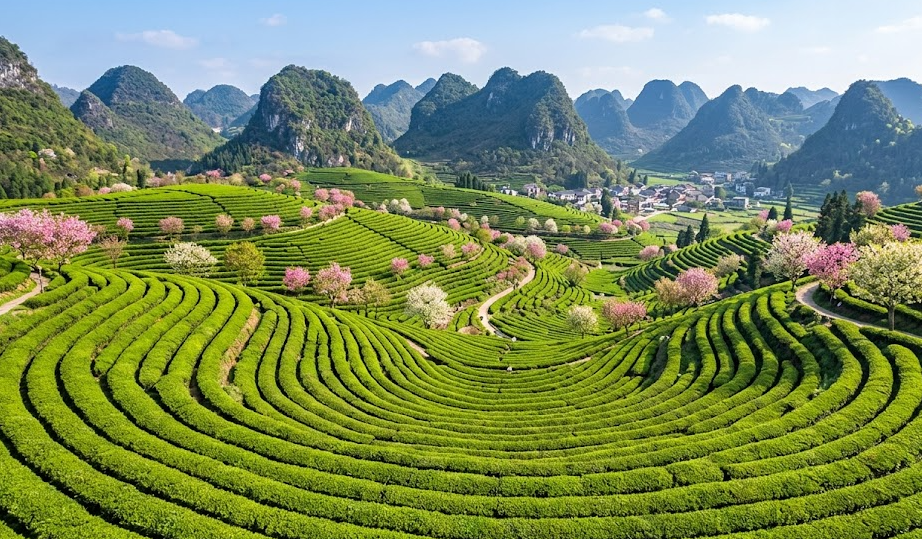
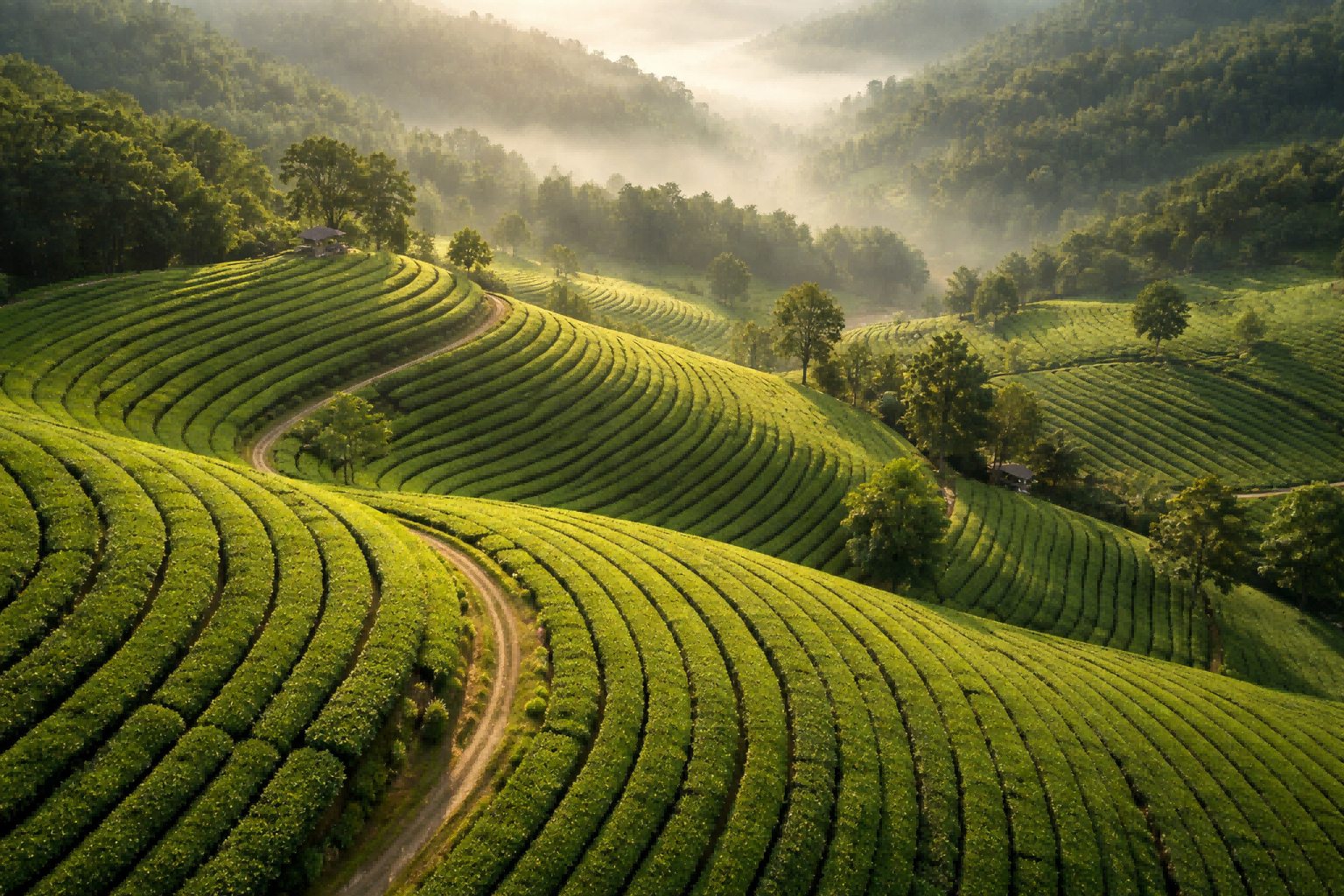
Many traders who don't own farms have to buy raw tea from hundreds of small, independent growers to assemble a large order. This is like "blind box blending." You have no idea where each leaf came from. This creates a massive risk at the border. Customs agencies like the FDA in the US and authorities in the EU have extremely strict MRLs (Maximum Residue Limits). If just one of those hundreds of small farms has an issue with pesticide or heavy metal residue, your entire shipment of dozens of tons can be seized and destroyed at the port. I've seen it happen, and it can bankrupt a company. You must look past the trader and find a supplier with absolute physical control over their supply chain, ideally from a Single-Estate. At MatchaSourcing.com, our 2,300 acres of high-altitude organic tea gardens are under our direct control. We provide strict batch-level records7 and a complete set of organic certifications8, including USDA and EU Organic. Without this deep data chain, every import is a roll of the dice.
Why Traceability is Non-Negotiable
In the world of global food supply, data is your best defense. Full traceability1 from farm to warehouse is the only way to truly manage risk.
- Pesticide & Heavy Metal Control: With single-estate management, we control everything that goes onto our fields. We use green pest control and manage inputs scientifically. This ensures we consistently pass the strictest MRL tests from around the world.
- Batch-Level Records: For every order, we can trace the product back to the specific plot of land where the tea was grown, the date it was harvested, and the exact production line it was processed on. This level of detail is impossible for a trader who blends from multiple sources.
- Audit Readiness: When your major retail customer wants to audit your supply chain, we are ready. Our certifications and traceability1 system make compliance simple, reducing your onboarding costs and business risks.
Don't gamble with your business. Partner with a supplier who has total control and can provide the data to prove it.
Are You Signing Large Contracts Based on Just a Small, Perfect Sample?
This is a classic trap. A buyer receives a 50-gram sample that looks incredible. The color is electric green, and the taste is fresh and full of umami. Excited, they immediately sign a 5-ton annual contract.
A great sample means nothing without guaranteed consistency. Small workshop-style factories cannot maintain quality over large, continuous production runs. You must demand cold, hard physical and chemical specifications9 for every batch.
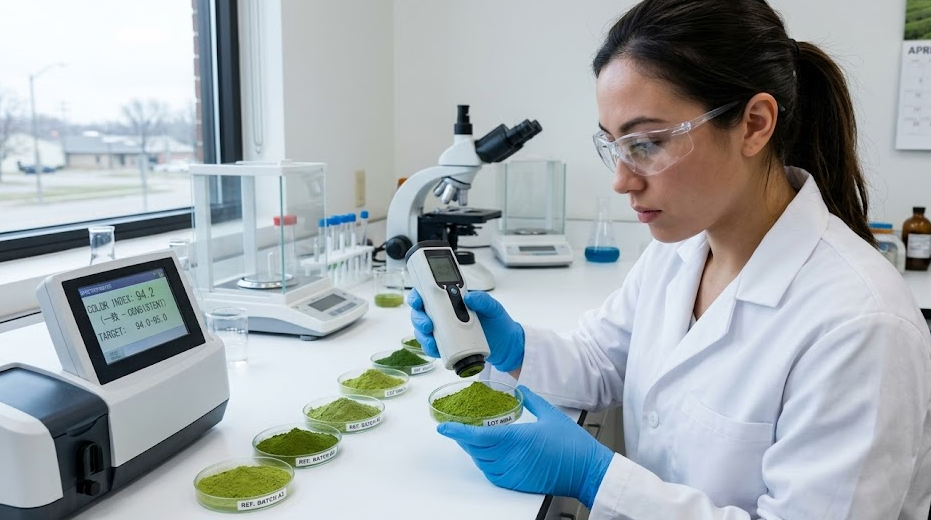
A small, workshop-style factory simply cannot maintain stability on a continuous production line. The first shipment you receive might be that beautiful green from the sample. But the second batch might be yellowish and clumpy. When the output at your cafe chain or in your food product suddenly changes from one batch to the next, customers notice immediately. They lose trust in your brand, and you lose customers. You have to move beyond subjective tasting and start managing your supply with data. When importing bulk matcha, you must force your supplier to provide you with objective physical and chemical metrics. In our Class 100,000 cleanrooms and across our 11 continuous production lines, we promise our customers unshakable consistency in color values and a precise mesh size (particle fineness)10. The ultimate goal of a large-scale supply chain is to use heavy machinery and strict process control to defend absolute batch consistency11.
The Data Points That Guarantee Consistency
Your senses can be fooled, but data cannot. For large-scale production, consistency is more important than a single perfect batch. Here are the metrics you should demand:
| Metric | What it Measures | Why it Matters |
|---|---|---|
| *Color Value (Lab)** | The precise shade and brightness of the green. | Guarantees your lattes or pastries always have the same appealing color. |
| Mesh Size / Particle Size | The fineness of the powder. | Affects mouthfeel, suspension in liquid, and how it blends into recipes. |
| Moisture Content | The amount of water in the powder. | Critical for shelf life and preventing clumping. |
| Lead & Heavy Metals | Contaminant levels. | Essential for food safety and passing regulatory checks. |
When you sign a contract, these specifications should be part of it. At MatchaSourcing.com, we don't just send a beautiful sample. We send a Certificate of Analysis (COA)12 with it, and we guarantee that every batch we ship will meet those same exact specifications. That is the power of an asset-heavy, data-driven supply chain.
Conclusion
Importing bulk matcha is not a game of finding the lowest price. It is a battle to eliminate risk: the risk of hidden costs, mismatched grades, customs disasters, and inconsistent quality.
Traceability ensures you can verify the origin and quality of matcha, reducing risks of contamination and customs issues. ↩
Learn why factory price alone can be misleading and how to calculate the true cost of importing matcha. ↩
Calculating Landed Cost gives you a complete picture of expenses, helping you budget accurately for matcha imports. ↩
FOB pricing can lead to unexpected costs; understanding these risks helps you make informed decisions. ↩
Ceremonial Grade matcha loses its delicate flavor in lattes or baking; learn which grade is best for your products. ↩
Café or Culinary Grade matcha retains flavor and color in recipes, ensuring product quality and customer satisfaction. ↩
Batch-level records provide detailed traceability, ensuring quality control and compliance with regulations. ↩
Organic certifications ensure matcha is grown sustainably and meets health standards, protecting your brand reputation. ↩
Specifications guarantee consistency and quality, preventing variations that could affect your product's reputation. ↩
Mesh size impacts texture and blending; ensuring the right fineness maintains product quality and customer satisfaction. ↩
Batch consistency is crucial for maintaining product quality and customer trust; learn how to achieve it. ↩
A COA verifies matcha quality and compliance, providing assurance and reducing risks in your supply chain. ↩