You probably think cafes and tea shops buy all the matcha. But the real big buyers are hidden. I'll show you who really moves mountains of matcha from my factory.
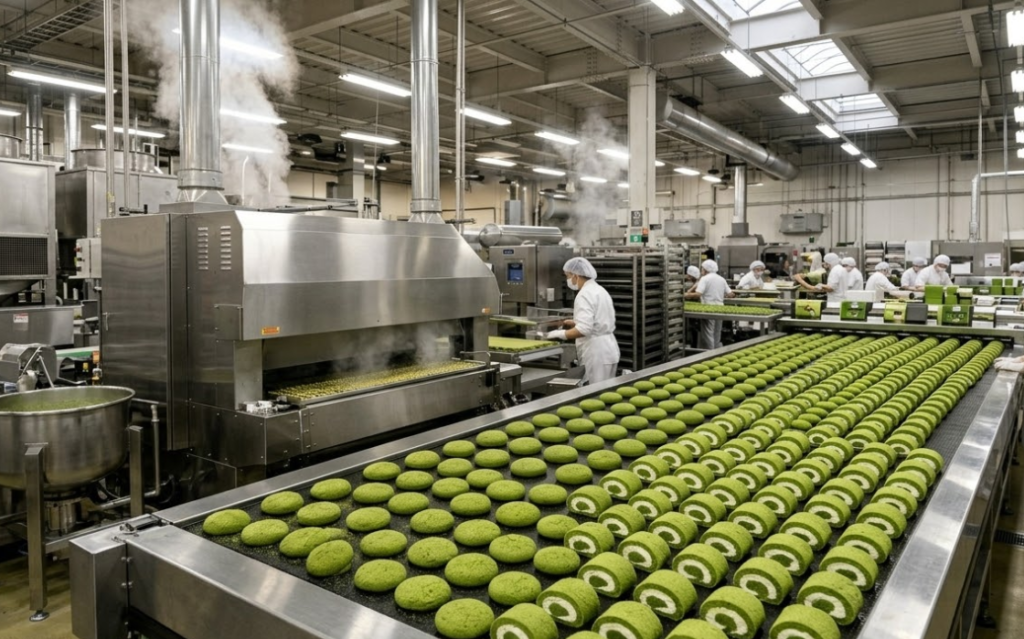
The biggest matcha buyers are industrial food giants1, supplement brands2, and large beverage chains3. They need matcha not for tea ceremonies, but as a stable, certified, and functional ingredient for mass-produced goods, valuing color, antioxidant content, and supply-chain reliability4 above all else.
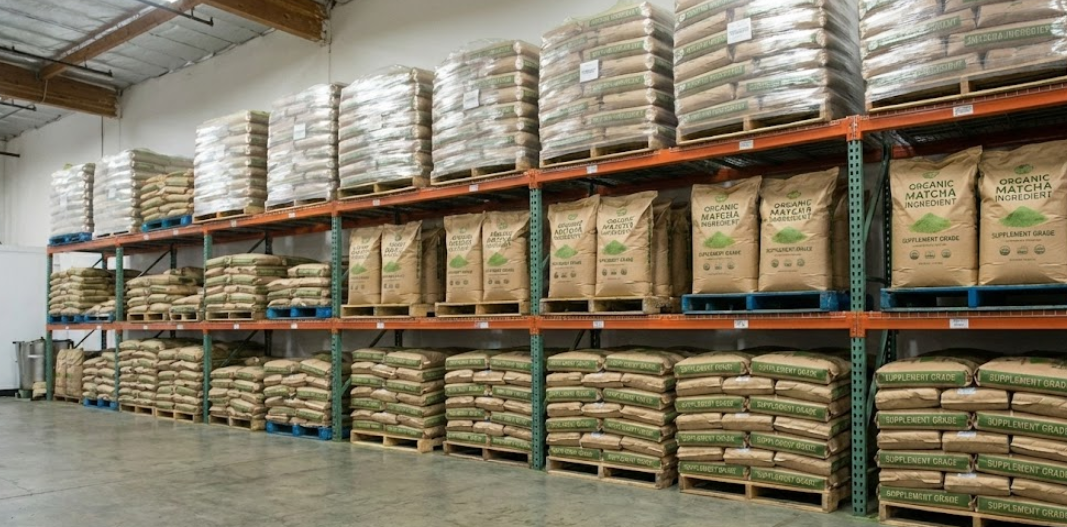
I see the shipping containers leave my factory in Anshun every single day. The orders inside tell a story that goes far beyond the local coffee shop. The people signing the biggest checks are often "formulation engineers" and "supply chain directors," not baristas. Their needs have completely reshaped the matcha industry. They are looking for solutions, not just a beverage. It’s a fascinating world once you look past the cafe counter, and the reasons they buy are probably not what you think. Let's start with the most surprising one.
Are food giants just using matcha as a green dye?
You think of matcha as a premium tea with a special flavor. But what if a huge customer didn't care about the taste at all? This is the reality for many food companies.
Yes, many large food companies use matcha mainly as a natural green food coloring5. They need a "Clean Label" alternative to artificial dyes. Their main concern is how stable the green color is during industrial processes like baking, not its delicate umami flavor.
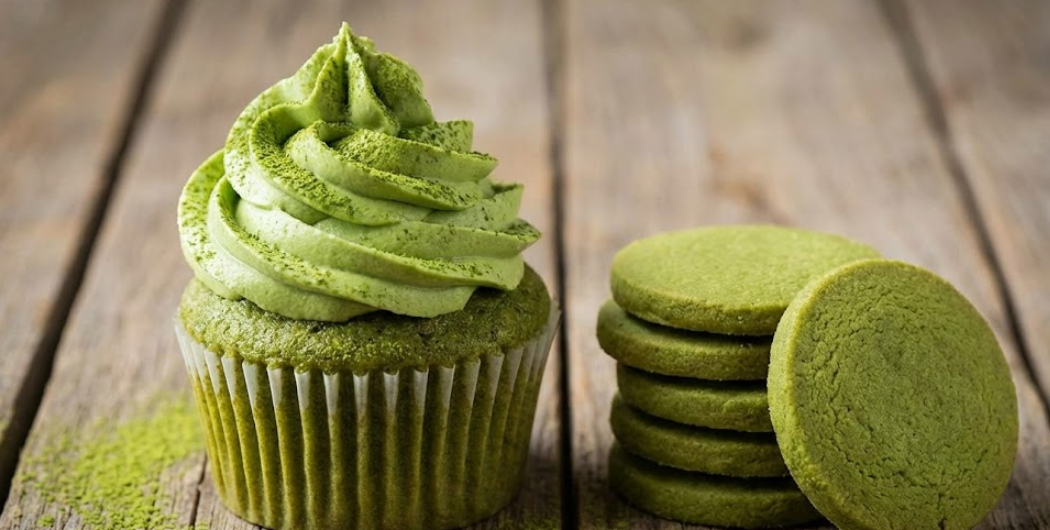
Last month, a purchasing director from a top global bakery chain visited me. He didn't even taste the tea I prepared for him. Instead, he pointed to the data on my colorimeter and asked, "How long will this batch stay green in a 200-degree oven?" At that moment, I fully understood their perspective. For the industrial food world, matcha is not a tea. It is the savior of the "Clean Label" movement. These companies are desperately trying to remove artificial ingredients like sodium copper chlorophyllin from their labels. Consumers are reading ingredient lists more carefully and want natural products. So, these giants are buying up tons of organic matcha. Every ton they buy helps make a cookie with a six-month shelf life look "naturally healthy." Their challenge is our opportunity. We provide them not just with matcha, but with performance data on how its color holds up under heat and light.
| Feature | Organic Matcha | Artificial Color (e.g., E141) |
|---|---|---|
| Label Name | Matcha Powder | Sodium Copper Chlorophyllin |
| Consumer Perception | Natural, Healthy, Premium | Artificial, Chemical |
| Primary Function | Flavor & Color | Color Only |
| Industrial Challenge | Color Stability (Heat/Light) | Highly Stable |
| Key Selling Point | "Clean Label" Appeal | Low Cost, Consistency |
Do supplement brands treat tea gardens like chemical factories?
You might love matcha for its calming effects and rich history. But some buyers see my tea garden as just a place to get one specific molecule. This is the world of supplements.
Absolutely. For many supplement brands, a tea garden is an open-air factory for producing antioxidants like EGCG6. They prioritize high catechin content, organic certifications7, and clean heavy metal reports over taste or texture. The functional value of the matcha is their only goal.
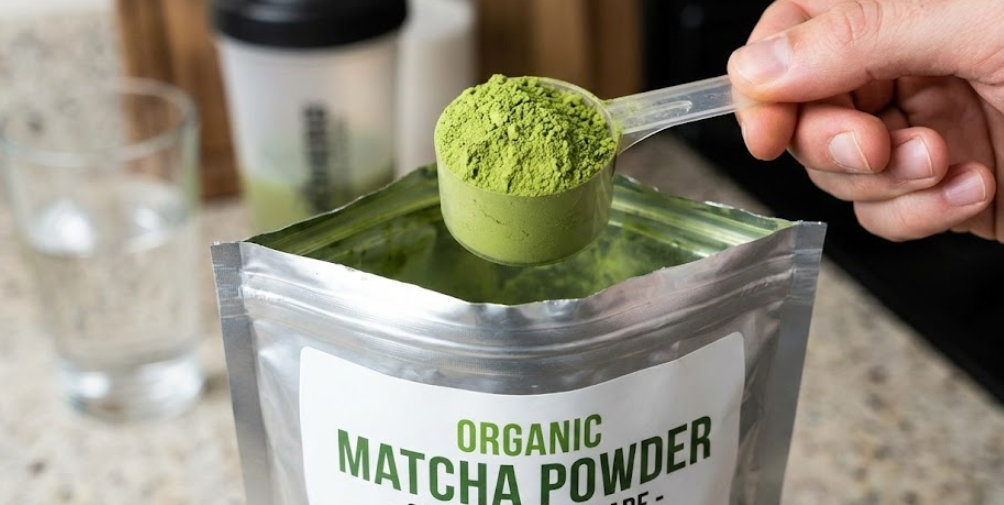
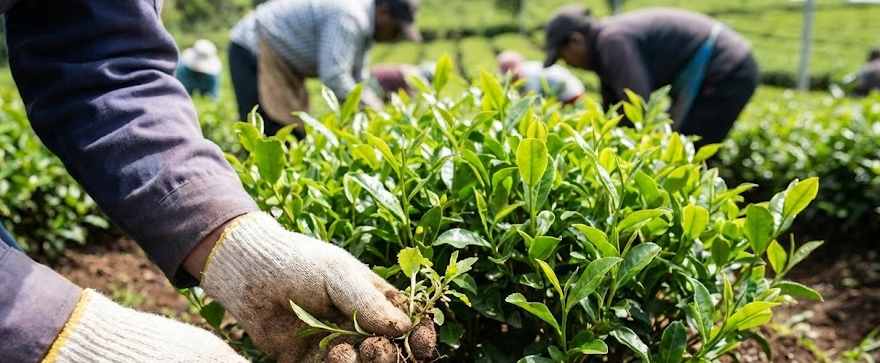
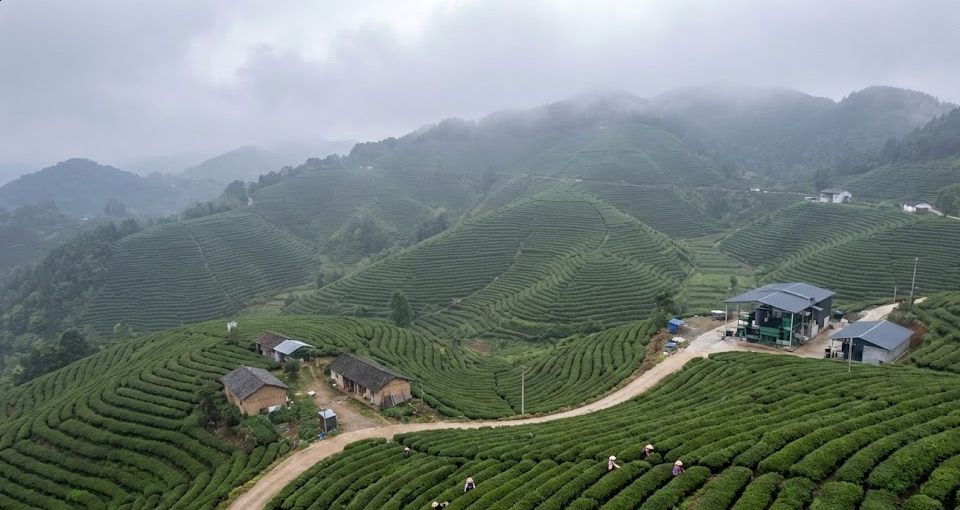
The orders from American companies are the most direct. Clients who make protein powders and meal replacement bars put the contract on my desk. They only care about two documents: the EU or USDA organic certificate and the heavy metal analysis report8. In their eyes, my 2,300 mu of carefully managed mountain tea gardens are just an outdoor factory for extracting antioxidants. They don't care if the tea tastes umami or bitter, as long as the EGCG (a type of catechin) content meets their standard. This gives me mixed feelings. I'm proud that my tea has these powerful health benefits. But it's strange that the flavor I work so hard to perfect is completely ignored. However, this is exactly why a supplier like me, who controls everything from the farm to the factory, becomes their only choice. We can control pesticides and heavy metals from the very beginning.
| Customer Type | Primary Concern | Secondary Concern | What They Ignore |
|---|---|---|---|
| Supplement Brand | EGCG Content, Certs | Low Heavy Metals | Umami, Flavor Profile |
| Specialty Café | Flavor, Color, Texture | Organic Status | EGCG Content (as data) |
| Food Manufacturer | Color Stability, Cost | "Clean Label" | Subtle Taste Notes |
Can a single new drink launch create a matcha shortage?
A new matcha latte at a big chain seems simple enough. But behind that launch is a huge supply chain challenge. It’s a challenge that could bankrupt a smaller supplier almost overnight.
Yes, a new product launch from a major beverage chain can create an instant demand for hundreds of tons of matcha. This "saturation" demand requires a supplier with massive, reliable capacity. Only producers with their own tea gardens and factories can handle such high-stakes contracts.
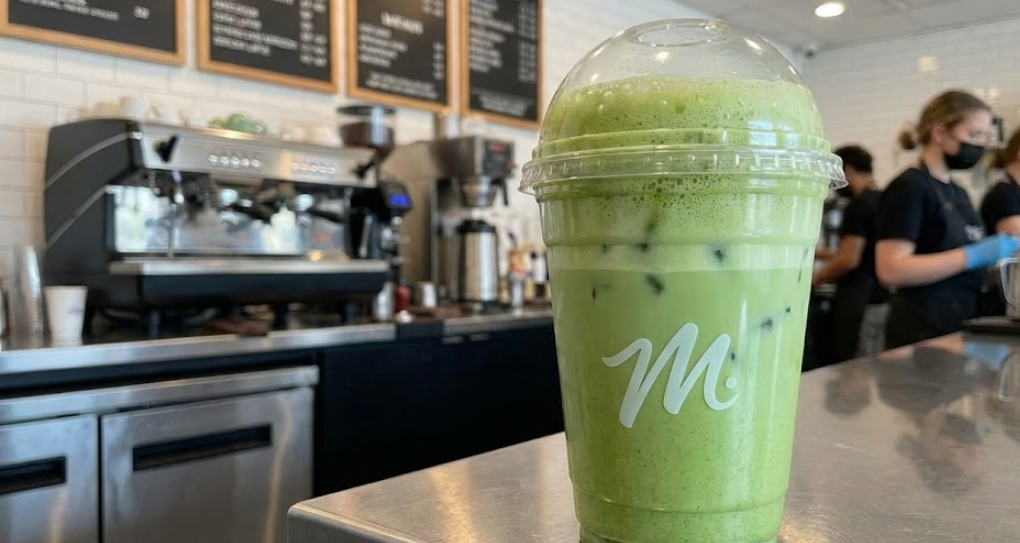
Imagine a top beverage brand decides to launch a new matcha drink for the summer. This can create an immediate need for hundreds of tons of matcha powder. A simple trader or reseller would never dare to accept this kind of order. If they fail to deliver on time, the contract penalties are enormous. The brand has already spent millions on marketing and can't afford empty shelves. This is where my business model is essential. I own large tea gardens. I can plan harvests across spring, summer, and autumn to meet these huge peaks in demand. My factory has 11 production lines, and we can run three shifts, 24 hours a day, to fulfill a massive contract. It's a high-stakes deal, but it's a deal we are built to handle. These big chains need a partner they can trust to deliver, no matter what. That's why they come directly to the source.
| Supplier Type | Ability to Handle "Saturation" Demand | Key Risk |
|---|---|---|
| Trader/Reseller | Low | Sourcing failure, contract penalties |
| Small Farm | Very Low | Limited harvest, no processing capacity |
| Integrated Producer (Us) | High | Requires precise planning and production |
Conclusion
The biggest matcha buyers are often invisible. They are industrial giants who need a reliable partner for color, function, and massive scale, not just a simple cup of tea.
Understanding which industrial food giants are purchasing matcha can reveal market trends and potential business opportunities. ↩
Exploring why supplement brands purchase matcha can provide insights into health trends and the demand for natural ingredients. ↩
Discovering how large beverage chains incorporate matcha can highlight its popularity and influence in the beverage industry. ↩
Understanding supply-chain reliability can highlight the challenges and importance of consistent matcha supply for large buyers. ↩
Learning about matcha as a natural green food coloring can reveal its advantages over synthetic dyes in the food industry. ↩
Exploring the health benefits of EGCG can attract health-conscious consumers to matcha products. ↩
Knowing the role of organic certifications can help consumers make informed choices about the quality and authenticity of matcha. ↩
Understanding the importance of heavy metal analysis can assure consumers of the safety and quality of matcha products. ↩