Are you struggling to find a matcha that keeps its color and flavor in your bottled drinks? Your perfect formula looks great in the lab but fails on the production line.
The best matcha for Ready-to-Drink (RTD) beverages is not about grade, but process stability1. You need a powder with a specific particle size for suspension2, proven heat resistance to survive pasteurization, and the ability to work within a protective formulation and packaging system to ensure shelf-life quality3.
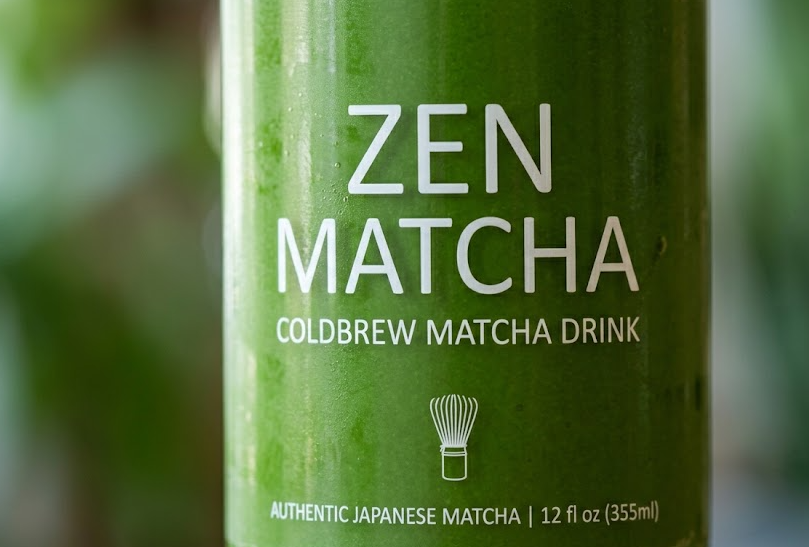
I've seen many brands make the same mistake. They choose a matcha because it tastes great with hot water. They invest a lot of money into it. But they soon find out that what makes a good ceremonial tea is completely different from what makes a good RTD ingredient. The journey from powder to a shelf-stable bottled beverage is a tough one. It involves heat, pressure, and time. Most high-grade matcha is simply not built for it. You need a different way of thinking. You have to stop thinking like a tea master and start thinking like a food scientist. This shift in perspective is the first step to creating a successful RTD matcha product.
Why Does Particle Size Matter More Than Grade for RTD Matcha?
Does your matcha drink quickly settle into a thick, unappealing sludge at the bottom? Customers hate seeing sediment, and it creates a poor texture, ruining the entire experience.
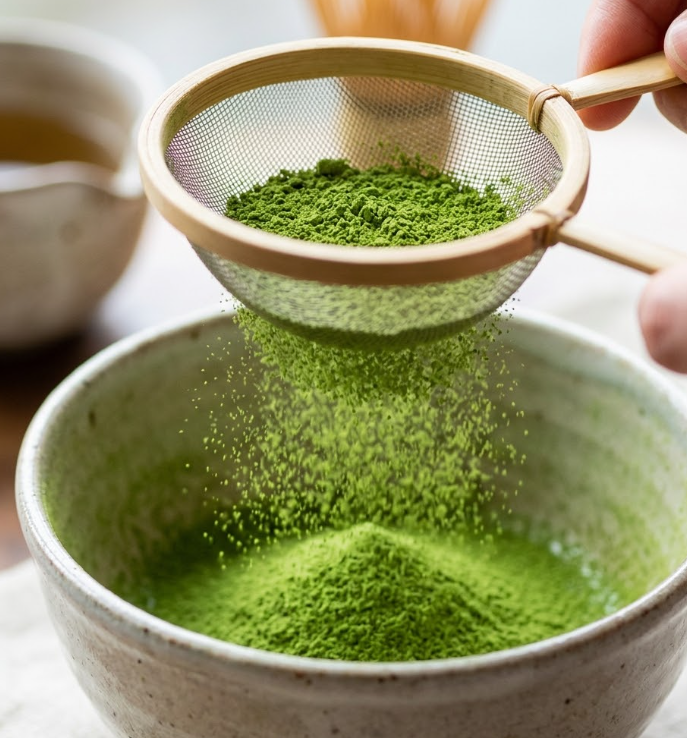
For RTD beverages, particle size is critical for stability. Matcha is a suspension, not a solution. Finer, more uniform particles (around 12–15 micrometers) stay suspended much longer, preventing sediment and ensuring a consistently smooth mouthfeel from the first sip to the last.
When a client comes to me for an RTD project, my first question is never about flavor profile. It's about their process and their stability goals. I remember a startup that was developing a canned matcha latte. They were using a standard "culinary grade" matcha and couldn't figure out why their product had a thick layer of green cement at the bottom of the can after just one week. They thought they needed a "better" grade. I explained that the problem wasn't the quality, but the physics. The matcha particles were too large and heavy to stay suspended in the liquid. We switched them to one of our industrial grades specifically milled for beverage applications, with a tightly controlled particle size distribution4. The problem disappeared almost overnight. Their drink was finally smooth and uniform. This is because we need to treat matcha as a physical ingredient in a complex system.
Understanding Matcha as a Suspension System
In an RTD beverage, matcha particles don't dissolve like sugar. They are tiny, solid pieces of tea leaf floating in liquid. Their ability to stay afloat is governed by a few key factors.
- Particle Size: Smaller and lighter particles sink much more slowly than larger, heavier ones. This is the single most important factor for preventing rapid sedimentation.
- Particle Size Distribution: It's not just about the average size. A powder with a wide range of particle sizes will be unstable. The large particles will settle quickly, while the small ones might stay suspended, leading to layering. A narrow, uniform distribution is ideal.
- Density: The density of the liquid itself, often modified with stabilizers, also helps keep the particles suspended.
Here’s a simple breakdown of how particle size impacts performance in an RTD product:
| Particle Size (micrometers) | Suspension Stability | Mouthfeel | Common Issues |
|---|---|---|---|
| > 30 μm | Poor | Gritty, sandy | Rapid sedimentation, clumping, production line blockages. |
| 15 - 30 μm | Moderate | Slightly chalky | Visible sediment forms over days or weeks. Requires shaking. |
| < 15 μm | Good to Excellent | Smooth, creamy | Stays suspended for a long time. Ideal for shelf-stable drinks. |
So, when you select a matcha, you must ask your supplier for data on particle size distribution4. Don't just ask for a "grade." Ask for a specification sheet. This technical detail is far more important for the success of your RTD beverage than any ceremonial ranking.
Will Your Matcha Survive Heat Treatment?
Is your beautiful, vibrant green matcha turning into a dull, brownish color after pasteurization? This color loss makes your product look old and unappealing before it even hits the shelves.
Heat treatment is essential for food safety, but it degrades chlorophyll and antioxidants in matcha5. A successful RTD matcha must be chosen for its ability to retain an acceptable color and flavor profile after undergoing thermal processes like pasteurization6 or UHT (Ultra-High Temperature).
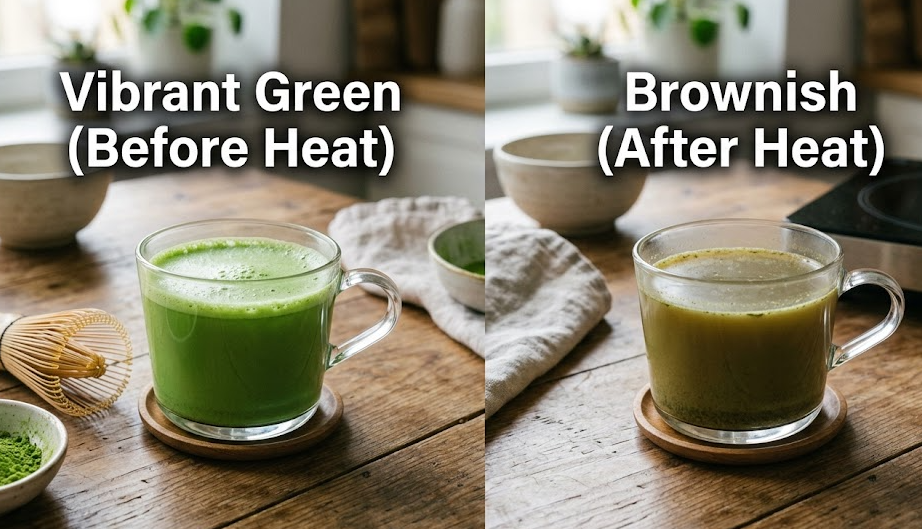
The real test for any RTD matcha is what happens after it goes through the kill step. A sample can look amazing when you whisk it in your lab, but that vibrant green can vanish on the production line. I always tell my partners that the color of the raw powder is only a starting point. The color after a simulated thermal process is what truly matters. We once worked with a large beverage company that was dead-set on using a very expensive, bright green matcha for their new wellness drink. We warned them it was delicate. Sure enough, their first pilot run came out looking like swamp water. The heat had completely destroyed the chlorophyll. We then provided them with a different matcha. It was slightly less vibrant as a powder, but it was specifically cultivated and processed for better heat stability. After their UHT process, it held a beautiful, appealing green color. The lesson is simple: you have to choose the ingredient that works in the final, processed product, not just the one that looks prettiest in the bag.
The Science of Color and Flavor Degradation
Two main chemical changes happen to matcha during heat treatment, and understanding them is key to preventing them.
- Chlorophyll Breakdown: Heat, especially in an acidic environment, converts the bright green chlorophyll into a dull, olive-brown compound called pheophytin. This is the primary reason for color loss.
- Catechin Oxidation: Catechins, the healthy antioxidants that give matcha its characteristic astringent flavor, are sensitive to heat and oxygen. When they degrade, the flavor profile of the drink can change, often becoming less complex or more bitter.
The pH of your beverage plays a huge role here. A more alkaline environment (higher pH) helps protect chlorophyll.
| pH Level | Heat Stability of Chlorophyll | Resulting Color |
|---|---|---|
| Acidic (pH < 6) | Poor | Quickly turns brownish-green or brown. |
| Neutral (pH ~7) | Moderate | Better color retention, but some degradation is likely. |
| Alkaline (pH > 7) | Good | Best color retention; green is more stable. |
This is why you can't evaluate a matcha in isolation. You have to test it in your final beverage formulation, at your target pH, and after running it through your specific heat treatment process. Only then will you know if you have a winner.
How Does Formulation Protect Your Matcha's Quality?
You found a heat-stable matcha, but it still looks and tastes wrong in your final beverage. You are frustrated because you thought choosing the right powder was the final step.
Matcha powder is just one ingredient in a complex system. A smart formulation using stabilizers, antioxidants, and pH buffers is essential to protect the matcha's color, flavor, and suspension throughout its shelf life.
I always see formulation as the support system for the matcha. The matcha is the star, but it can't perform without a good supporting cast. A great example is the common practice of adding ascorbic acid (Vitamin C) to green tea beverages. It’s not there for nutrition; it’s there as an antioxidant. It acts as a bodyguard, sacrificing itself to protect the delicate catechins from being destroyed by oxygen. I worked with a client developing a matcha almond milk. Their initial formula tasted great fresh but turned brown and bitter within a few weeks. The matcha was fine, and the heat process was standard. The problem was the formulation. We worked with their R&D team to add a small amount of ascorbic acid and a phosphate buffer to raise the pH slightly. It was a simple, low-cost change, but it completely stabilized the product. The color stayed green, and the flavor remained fresh for their entire nine-month shelf life. This shows that the solution isn't always a more expensive matcha; often, it's a smarter formulation.
Building a Protective System for Your Matcha
Think of your beverage formulation as a toolkit. Each ingredient has a specific job to do to help the matcha survive.
- Antioxidants: These are crucial for preventing oxidation, which damages both color and flavor.
- Ascorbic Acid (Vitamin C): The most common choice. It scavenges for oxygen, protecting the more delicate tea compounds.
- Erythorbic Acid: A close relative of ascorbic acid, often used for the same purpose.
- Stabilizers & Emulsifiers: These ingredients are key for mouthfeel and suspension.
- Gums (Xanthan, Gellan): They increase the viscosity of the liquid, which helps slow down the rate at which matcha particles settle.
- Lecithin, Mono- & Diglycerides: Essential in milky beverages to keep fats and water from separating, which also contributes to a more stable and uniform product.
- pH Buffers: These control the acidity of your beverage, which is critical for color stability.
- Sodium or Potassium Phosphates/Citrates: These can be used to raise and hold the pH in a range (ideally above 6.5) where chlorophyll is much more stable.
A successful RTD matcha is a team effort. The matcha powder, the processing method, and the surrounding ingredients must all work together. If your matcha has to be perfect on its own to look good, it's the wrong matcha for an RTD application. The right matcha is the one that still shines with the help of a well-designed formulation.
Is Your Packaging Sabotaging Your RTD Matcha?
Your matcha drink leaves the factory looking perfect, but by the time it reaches the customer, it has faded. Retailers and customers are complaining about inconsistent quality and color.
Light and oxygen are primary enemies of matcha quality, causing rapid degradation of color and healthy compounds like EGCG. Protective packaging that provides a strong barrier against both is not an option; it is essential for maintaining shelf stability.
Packaging is never an afterthought for me; it's part of the product's quality control system. The choice of bottle, can, or carton can make or break your RTD matcha. I once consulted for a brand that was launching a premium organic matcha elixir in a beautiful, clear flint glass bottle. They wanted to show off the green color. The problem was that under the bright fluorescent lights of a supermarket, their product's color faded dramatically in less than a month. Research confirms this. One study showed that RTD green tea lost about 42% of its EGCG after 20 days under normal light, compared to only about 11% when stored in complete darkness. We convinced the brand to switch to an opaque aluminum can. It wasn't as visually striking on the shelf, but it completely protected the product. Their quality complaints dropped to zero. You have to decide if you are selling a pretty package or a quality beverage. With matcha, you can't have both if the package is transparent.
Choosing the Right Shield for Your Product
Your package has two main jobs: block light and block oxygen. Different materials do these jobs with varying levels of success.
- Light Barrier: This prevents photons from hitting the chlorophyll and catechins, which would accelerate their breakdown.
- Excellent: Aluminum cans, aseptic cartons7 (with an aluminum foil layer).
- Poor: Clear glass, clear PET plastic.
- Oxygen Barrier: This prevents oxygen from getting into the product after it's been sealed, which would cause oxidation and staling over time.
- Excellent: Glass, aluminum cans.
- Good: Aseptic cartons, multi-layer PET bottles with barrier layers.
- Poor: Standard single-layer PET plastic.
Here is a quick comparison of common packaging options for RTD matcha:
| Packaging Type | Light Barrier | Oxygen Barrier | Key Considerations |
|---|---|---|---|
| Clear Glass Bottle | Poor | Excellent | Bad for color stability. Shows sediment clearly. |
| Amber Glass Bottle | Good | Excellent | Better than clear glass, but not a complete light block. |
| Aluminum Can | Excellent | Excellent | Offers total protection. Ideal for quality preservation. |
| Aseptic Carton | Excellent | Good | Excellent light barrier. Great for ambient shelf life. |
| PET Plastic Bottle | Poor to Good | Poor to Good | Varies widely. Requires UV inhibitors and barrier layers. |
Ultimately, you can't just choose a package because it looks good or is cheap. You have to treat packaging as the final, critical ingredient that protects all the hard work you put into sourcing, formulating, and processing your RTD matcha.
Conclusion
The best RTD matcha is not the highest grade. It is the one that survives your process, your formula, and your packaging to deliver a great experience to the customer.
Understanding process stability is crucial for ensuring your matcha beverage maintains quality during production and shelf life. ↩
Learn how the right particle size can prevent sedimentation and improve the texture of your RTD matcha drink. ↩
Explore methods to maintain the freshness and appeal of matcha beverages over time. ↩
Learn how uniform particle size distribution can improve the stability and mouthfeel of your matcha drink. ↩
Explore how antioxidants like ascorbic acid protect matcha's color and flavor. ↩
Find out how pasteurization affects the color and flavor of matcha and how to mitigate these effects. ↩
Discover how aseptic cartons provide a strong barrier against light and oxygen for RTD matcha. ↩